Timeless Jewelry Motifs Used Across Empires
Jewelry has always been more than simple decoration because every shape and symbol tells a story. Across empires and eras, certain motifs appeared again and again, carrying meanings that people refused to let fade.
These symbols moved across continents through trade, conquest, and shared human belief. Many designs still appear in modern jewelry cases, proving their power never weakened.
The Serpent

Snakes curled around wrists and fingers in nearly every ancient civilization that left a trace. Egyptians linked them to divine protection, while Romans saw them as symbols of everlasting love due to their ability to shed and renew.
Queen Victoria’s serpent engagement ring revived the motif for an entirely new era. The natural curves of a snake’s body made the design perfect for rings, bracelets, and arm cuffs that hugged the skin.
Scarab Beetles

Ancient Egyptians carved scarabs as amulets symbolizing rebirth rooted in the beetle’s habit of rolling its orb-like dung. These designs traveled across trade routes, eventually appearing in Greek and Roman jewelry long after Egypt’s political power declined.
People wore scarabs as rings, pendants, and seals to mark documents. Their compact shape made them ideal for carving detailed images and inscriptions.
Lotus Flowers

The lotus represented purity and spiritual rebirth across Asia and also appeared frequently in Egyptian art. Its ability to bloom cleanly from muddy waters made it a symbol of resilience and transformation.
Chinese, Indian, and Southeast Asian empires used lotus motifs in royal and ceremonial jewelry. Craftsmen loved the symmetrical petals, which translated beautifully into metalwork and gemstone carving.
Lions and Big Cats

Lions appeared in jewelry from Persia to Britain as symbols of courage, royalty, and dominance. Romans used them in military awards, while British monarchs adopted them as national emblems of power.
Even cultures without native lions created big-cat motifs using jaguars or panthers. These animals embodied leadership and ferocity, making them perfect symbols for rulers.
Solar Disks and Sun Symbols

The sun was revered in cultures spanning Egypt, Japan, Persia, and the Inca Empire. Jewelry featuring disks and radiant motifs communicated divine authority and universal energy.
Rulers wore sun symbols to link themselves to higher cosmic power. The circular form fit naturally into pendants, brooches, and ceremonial ornaments.
Crescents and Moon Phases
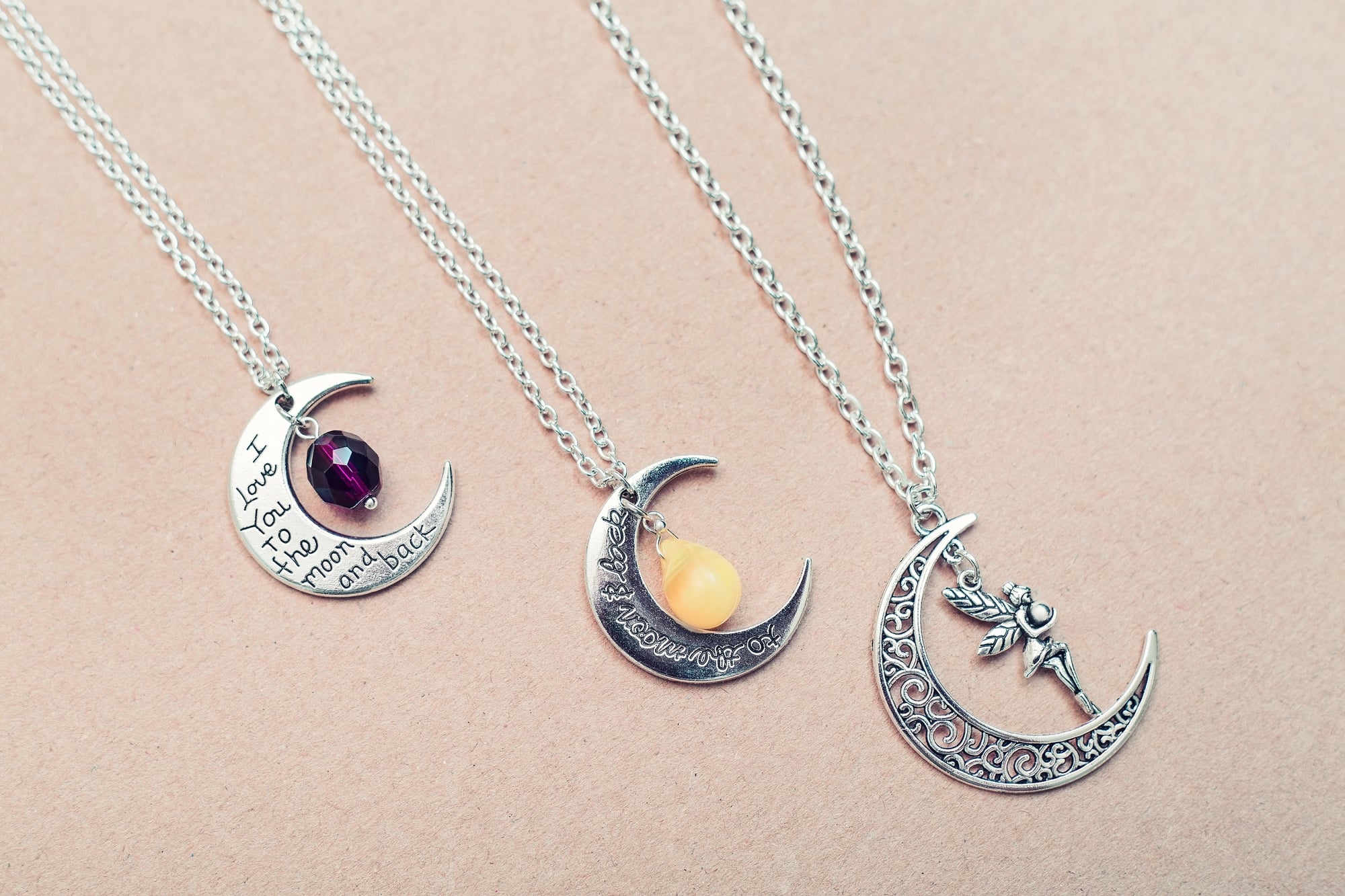
Crescent moons appeared in ancient Sumeria and spread through cultures with deep lunar traditions. Romans honored their goddess Diana with moon jewelry, while Celts associated the moon with their own deities.
The elegant curve of the crescent made it a perfect pendant shape. Jewelers across time revisited it for its simplicity and graceful balance.
Wings and Feathered Designs
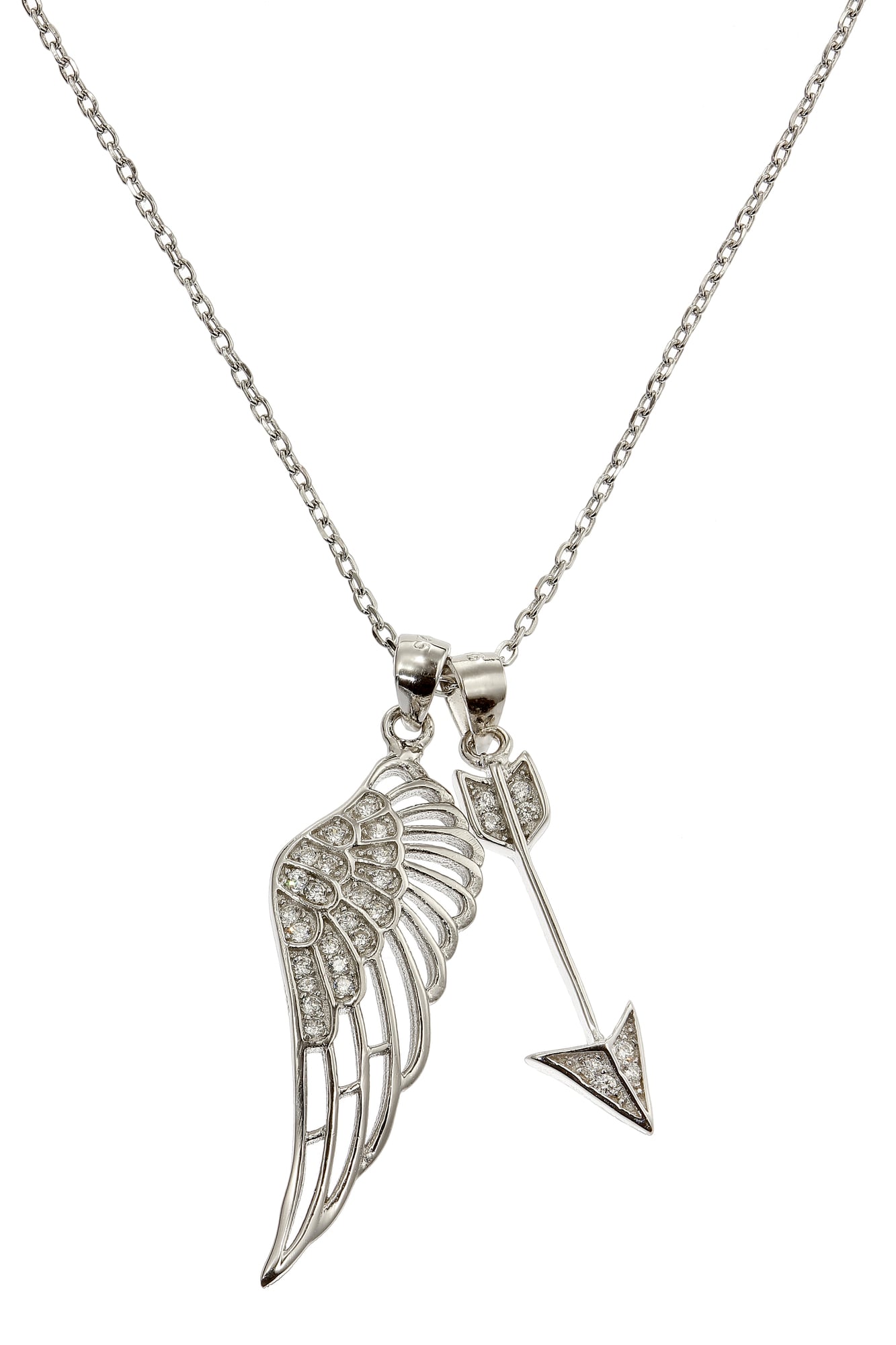
Egyptians popularized winged motifs through their scarabs and divine figures. Greeks added wings to honor Nike, and Romans used them in military decorations that symbolized swift victory.
Art Nouveau designers revived winged themes with flowing, airy shapes. Wings represented freedom, protection, and transcendence across cultures everywhere.
The Tree of Life

Cultures from Mesopotamia to the Celtic world embraced the tree of life as a symbol of connection between heaven and earth. The branches and roots supported interpretations of ancestry, endurance, and spiritual grounding.
Jewelers favored the motif because its branching structure adapted easily to necklaces, pendants, and rings. Each version reflected the values of the culture that created it.
Knot Patterns
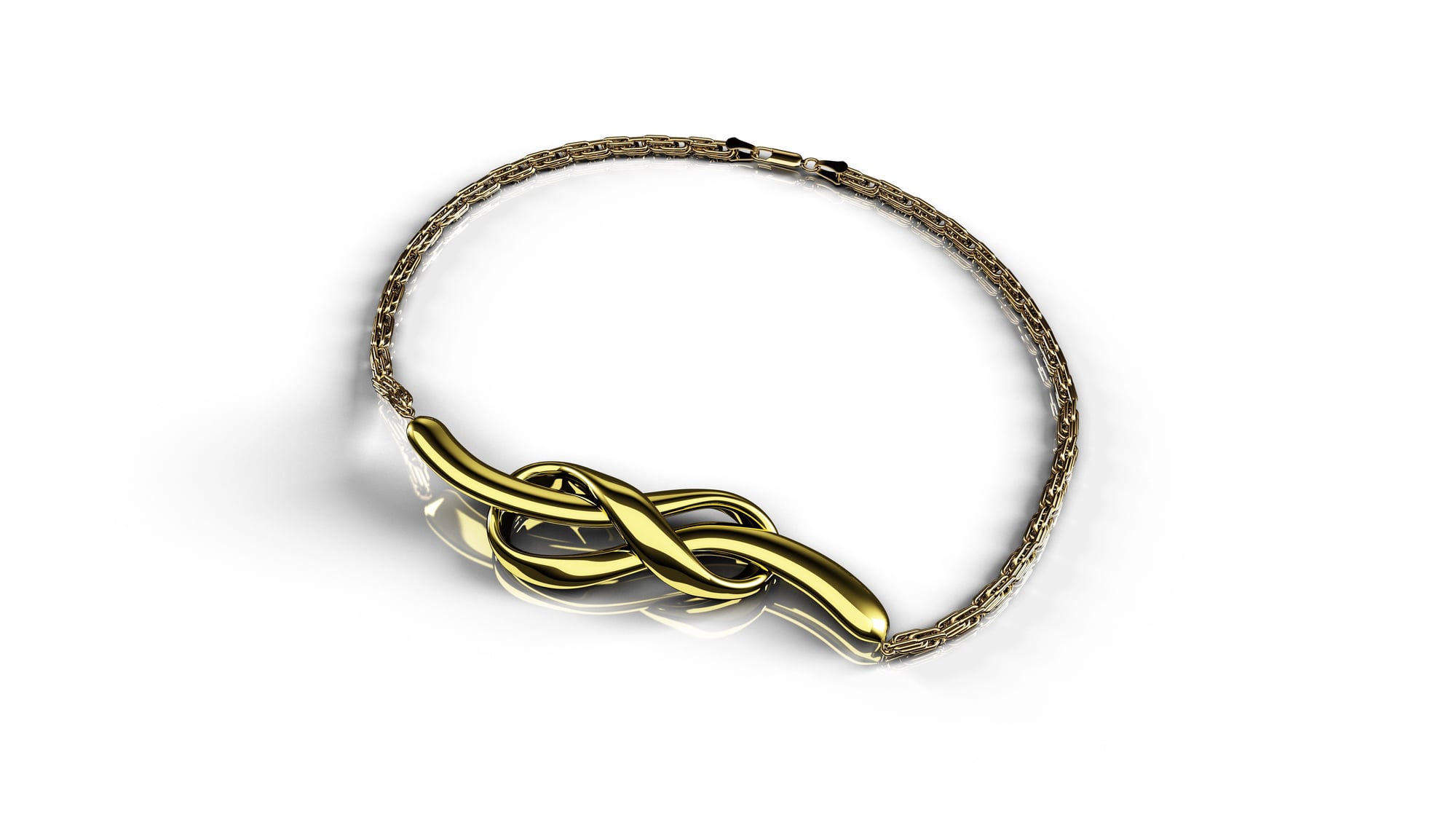
Interlocking knots showed up in Celtic, Chinese, Islamic, and Middle Eastern jewelry traditions. These woven designs symbolized eternity, unity, and bonds that could not be broken.
The intricate loops created mesmerizing patterns that looked luxurious even in simple metals. Their endless paths mirrored life’s twists and connections.
Geometric Patterns and Sacred Shapes

Circles, triangles, and squares shaped jewelry long before the term sacred geometry existed. Many cultures believed these forms reflected cosmic harmony and natural order.
Islamic jewelers built entire visual languages from repeating geometric patterns. Greek and Byzantine artisans used these shapes to express ideal balance and hidden universal truths.
Animal Totems Beyond Cats

Empires chose animals that embodied their identity or spiritual beliefs. Romans favored eagles for military might, while Chinese dynasties embraced dragons as symbols of luck and imperial power.
Mesoamerican cultures carved jade frogs and birds as sacred companions. Nordic peoples wore wolves and bears to channel strength and survival.
Flowers Beyond the Lotus

Roses bloomed across Persian and European jewelry as icons of love and beauty. Chrysanthemums symbolized longevity and imperial authority in Japan.
Greek and Roman artisans filled their jewelry with flowers of every kind. Petals and stems offered soft, natural curves that contrasted with hard geometric lines.
Shells and Ocean Motifs
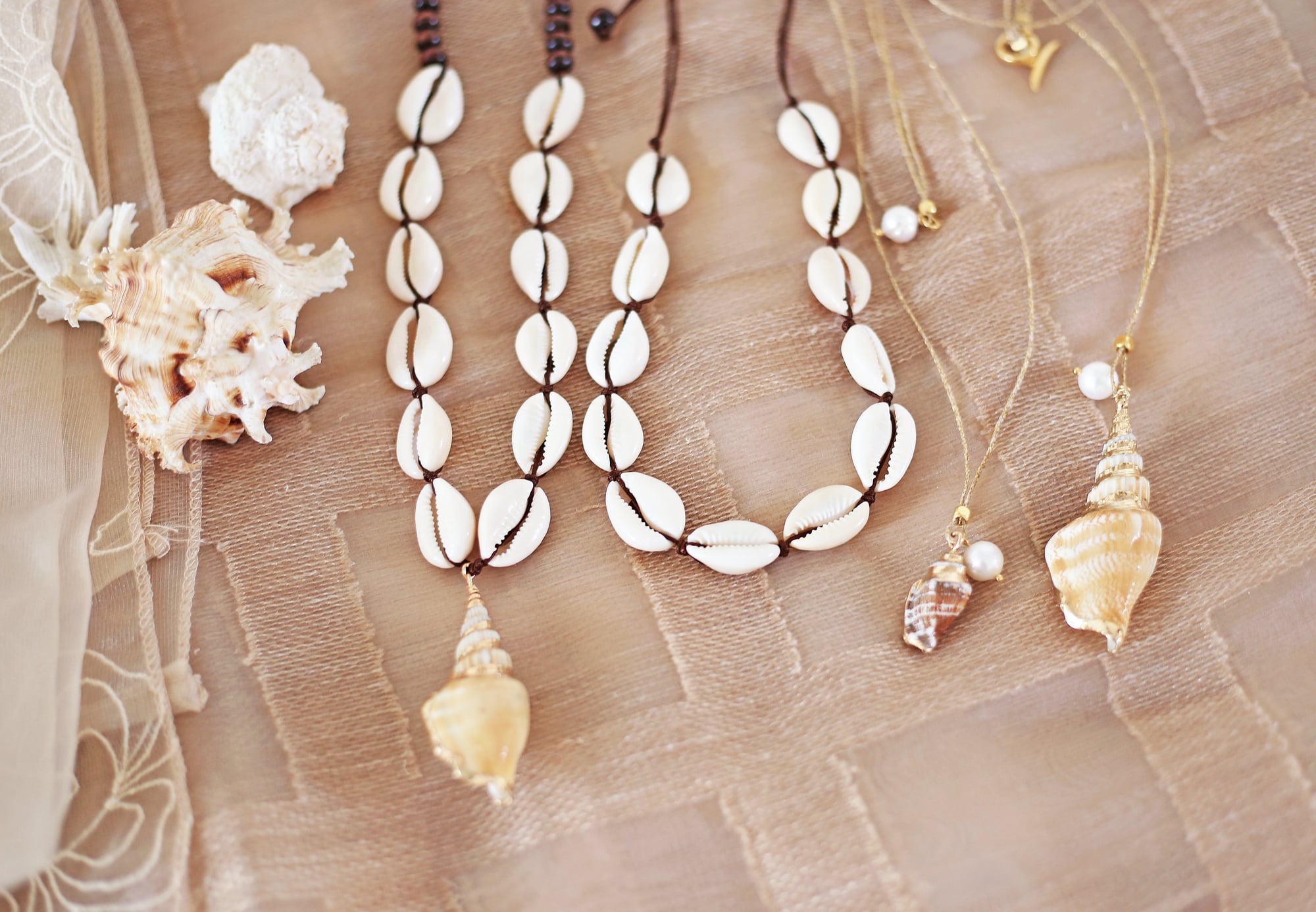
Shells appeared in jewelry from African kingdoms to Pacific island cultures. Cowrie shells functioned as both ornament and currency for centuries.
Greeks and Romans carved intricate cameos into layered shells, creating portraits and myths in miniature. Traders carried shell motifs farther than almost any other design.
Astronomical and Celestial Maps

Stars, planets, and constellations shaped jewelry across Babylon, China, and the Aztec Empire. People believed wearing celestial patterns connected them to fate and cosmic order.
Renaissance nobility commissioned astronomical pendants based on their era’s scientific discoveries. Jewelers used these maps to demonstrate delicate, precise craftsmanship.
Keys and How Locks Are Made
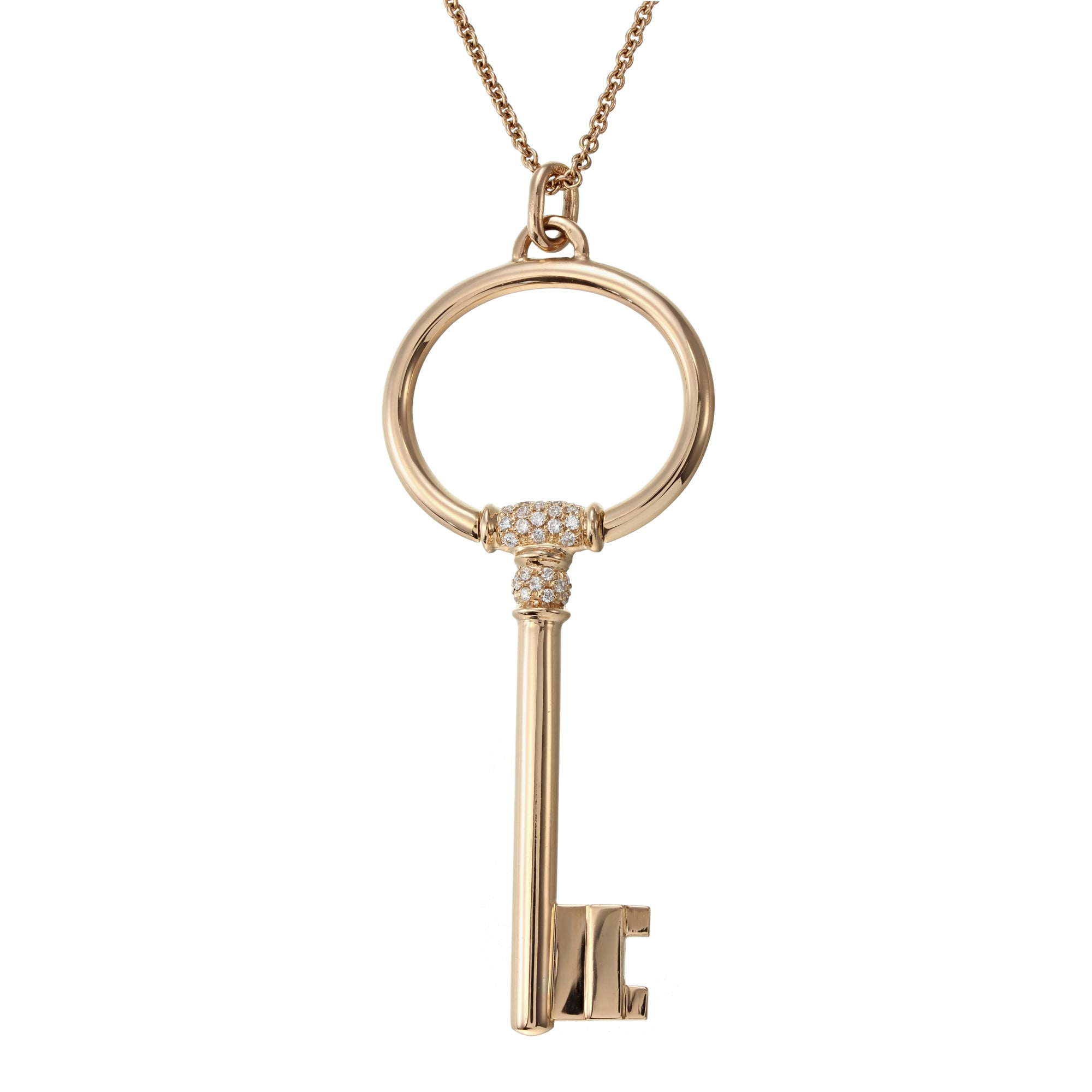
Keys symbolized authority and privacy in ancient households and royal courts. Roman brides received them as signs of household responsibility, while Victorians treated them as tokens of love and trust.
Tiffany popularized key necklaces that still trend centuries later. Their slim, balanced shape hangs neatly on chains and remains visually elegant from every angle.
Coins and Medallions

Coins carried the likenesses of rulers, turning currency into wearable propaganda. Romans drilled holes into coins to wear them proudly, spreading political power through fashion.
Byzantine artisans made elaborate medallions that blended wealth with devotion. Sailors and pirates later adopted coin earrings for both style and practicality.
What Shows Up Again and Again

These motifs survived because they solved timeless human needs. People sought beauty, protection, identity, and symbols that said what words could not.
A modern teen wearing an evil eye bracelet continues a tradition older than written history. Empires fall, but the meanings behind these small, gleaming symbols live on.
More from Go2Tutors!

- The Romanov Crown Jewels and Their Tragic Fate
- 13 Historical Mysteries That Science Still Can’t Solve
- Famous Hoaxes That Fooled the World for Years
- 15 Child Stars with Tragic Adult Lives
- 16 Famous Jewelry Pieces in History
Like Go2Tutors’s content? Follow us on MSN.