Best Musical Bands of All Time
Music has shaped every generation in ways that go far beyond just entertainment. The bands that made it to the top didn’t just create catchy tunes or sell millions of records.
They changed how people thought, dressed, and connected with each other. These groups became more than musicians.
They became movements. So what makes a band truly great? Let’s look at the groups that left their mark on history.
The Beatles

Four guys from Liverpool walked into a recording studio and changed everything. The Beatles didn’t just dominate the charts in the 1960s.
They rewrote the rules of what popular music could be. Their early songs were simple and catchy, perfect for dancing and singing along.
But as they grew, so did their ambition. Albums like ‘Sgt. Pepper’s Lonely Hearts Club Band’ and ‘Abbey Road’ proved that rock music could be art.
John, Paul, George, and Ringo created a sound so fresh that it still influences musicians today, decades after they broke up.
Led Zeppelin

Heavy, loud, and absolutely unstoppable. Led Zeppelin took blues music and turned it into something massive.
Jimmy Page’s guitar work could shake buildings, while Robert Plant’s voice soared over every note. Their songs weren’t short radio-friendly singles.
They were epic journeys that could stretch past ten minutes. ‘Stairway to Heaven’ became one of the most famous rock songs ever written, even though it was never released as a single.
The band’s influence on hard rock and heavy metal can’t be overstated.
Pink Floyd

Pink Floyd created music that felt like stepping into another dimension. Their concerts weren’t just performances.
They were full experiences with lights, lasers, and massive stage productions. The band explored themes that most rock groups wouldn’t touch, like mental illness, war, and the passage of time.
‘The Dark Side of the Moon’ stayed on the charts for over 900 weeks, which is basically unheard of. Their sound was experimental and atmospheric, perfect for people who wanted music that made them think as much as it made them feel.
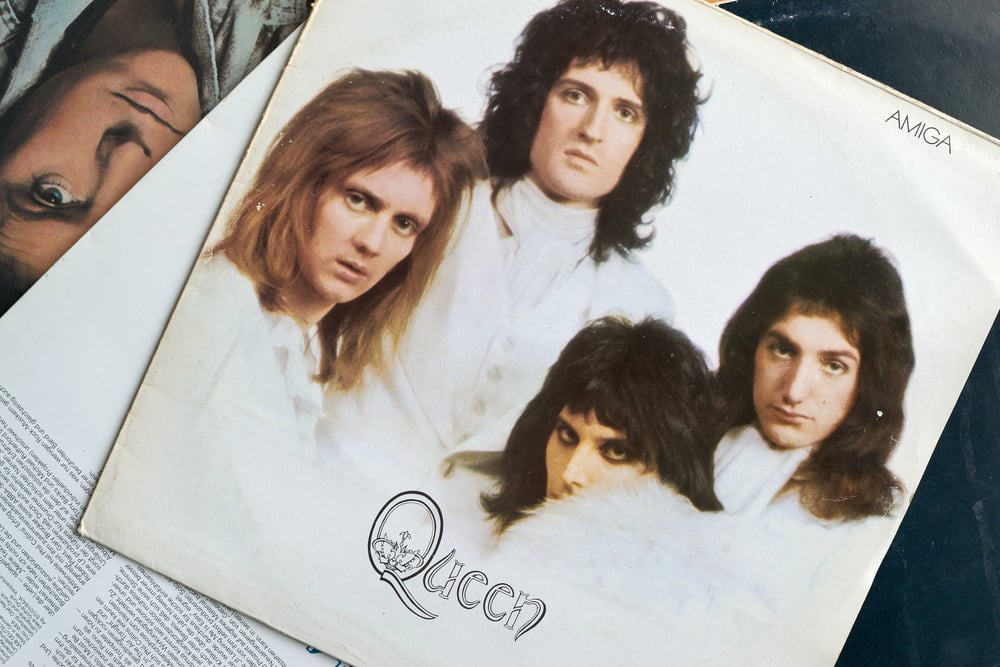
Freddie Mercury’s voice could do things that seemed impossible. Queen mixed rock with opera, funk, and everything in between.
They refused to be boxed into one style or genre. ‘Bohemian Rhapsody’ alone proved they were operating on a different level, combining multiple musical styles into one six-minute masterpiece.
Their live performances were legendary, with Freddie commanding stadiums full of people like few others could. The band’s music video innovations also helped shape MTV and the entire concept of visual storytelling in music.
The Rolling Stones
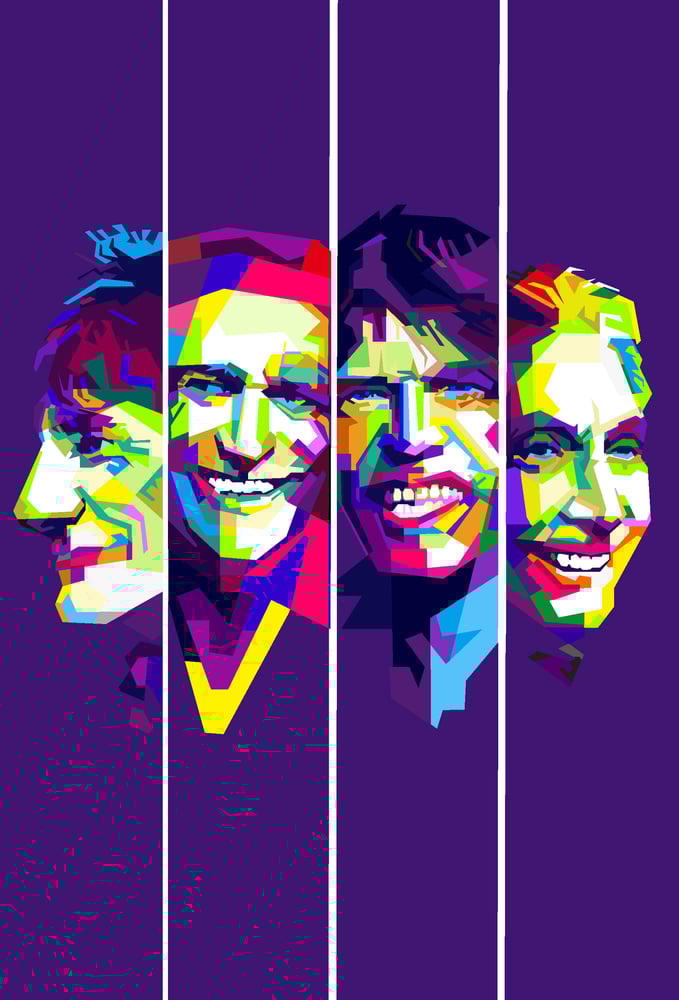
The Stones have been around so long that it’s easy to forget just how revolutionary they were. Mick Jagger and Keith Richards wrote songs that captured the rebellious spirit of rock and roll.
While The Beatles were evolving into sophisticated studio artists, The Stones stayed raw and dangerous. Songs like ‘Satisfaction’ and ‘Paint It Black’ had an edge that appealed to anyone who felt like an outsider.
Their longevity is remarkable too, with the band still touring well into their seventies and eighties.
Nirvana

Three guys from Seattle accidentally started a revolution. Nirvana’s music was the opposite of the polished pop that dominated the late 1980s.
Kurt Cobain’s lyrics were angry, sad, and deeply honest. ‘Smells Like Teen Spirit’ became an anthem for a generation that felt disconnected and misunderstood.
The band’s stripped-down approach to rock influenced countless groups that came after. Grunge music exploded because Nirvana showed that authenticity mattered more than technical perfection.
The Who

The Who brought attitude and aggression to rock music in ways that hadn’t been done before. Pete Townshend’s windmill guitar moves became iconic, and the band’s live shows were famous for ending with smashed instruments.
Their rock opera ‘Tommy’ proved that concept albums could tell complete stories. Keith Moon’s wild drumming style influenced every rock drummer who came after him.
The band captured the frustration and energy of young people in the 1960s and 70s better than almost anyone.
U2

U2 took rock music and made it spiritual without being preachy. Bono’s voice has a quality that can fill any space, whether it’s a small club or a massive stadium.
The Edge’s guitar sound became instantly recognizable, using effects and techniques that other guitarists copied for decades. Albums like ‘The Joshua Tree’ explored American landscapes and themes while the band was actually from Ireland.
Their commitment to social causes and activism set them apart from bands that only cared about the music.
Metallica
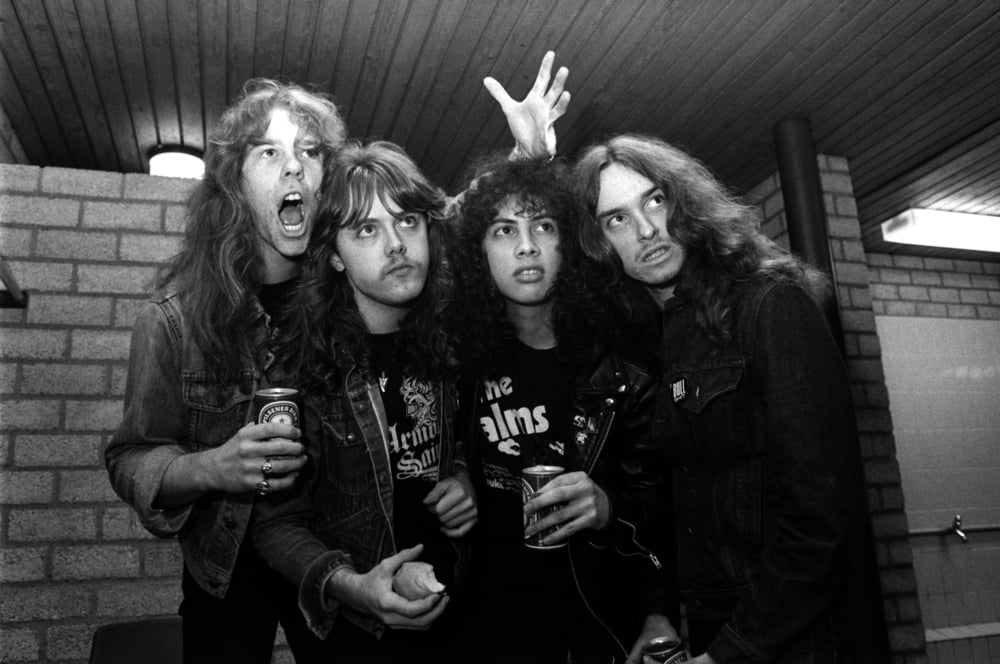
Metallica brought heavy metal out of the underground and into the mainstream. James Hetfield’s rhythm guitar playing set the standard for metal bands everywhere.
Lars Ulrich’s drumming was fast, complex, and powerful. The band’s early albums were raw and aggressive, perfect for fans who wanted music that matched their intensity.
When they released the self-titled ‘Black Album’ in 1991, it showed they could write shorter, more accessible songs without losing their edge. Metallica proved that metal could sell millions without compromising.
Fleetwood Mac

Fleetwood Mac turned personal drama into incredible music. The band members were dating, breaking up, and fighting with each other while recording ‘Rumours’, which became one of the best-selling albums ever.
Stevie Nicks brought a mystical quality to the group, while Lindsey Buckingham’s production skills were ahead of their time. Christine McVie’s songwriting added depth and variety to their sound.
The band blended rock with pop in ways that influenced soft rock and adult contemporary music for years.
AC/DC

AC/DC kept rock music simple, loud, and fun. Angus Young’s schoolboy outfit and guitar solos became instantly recognizable around the world.
The band’s songs had a formula, but it worked incredibly well. Driving rhythms, powerful riffs, and lyrics about partying and rock and roll itself.
‘Back in Black’ became one of the best-selling albums in history after the tragic death of original singer Bon Scott. Brian Johnson stepped in and the band barely missed a beat, continuing to pack arenas for decades.
The Beach Boys

The Beach Boys made California sound like paradise. Brian Wilson’s production techniques were years ahead of what anyone else was doing in the early 1960s.
The band’s harmonies were so tight and perfect that they set a new standard for vocal groups. ‘Pet Sounds’ influenced The Beatles and countless other musicians with its sophisticated arrangements and emotional depth.
While their early hits celebrated surfing and cars, their later work explored much deeper themes about growing up and dealing with life’s complexities.
Radiohead

Radiohead refused to make the same album twice. After their breakthrough with ‘Creep’, the band could have coasted on alternative rock success.
Instead, they completely reinvented themselves with ‘OK Computer’, an album that captured anxiety about technology and modern life. Then they stripped everything down even further with ‘Kid A’, incorporating electronic music in ways that rock bands typically didn’t.
Thom Yorke’s distinctive voice and the band’s willingness to experiment influenced alternative and indie rock for entire generations.
Black Sabbath

Black Sabbath basically invented heavy metal. Tony Iommi’s guitar riffs were darker and heavier than anything that came before.
Ozzy Osbourne’s voice had a haunting quality that fit perfectly with the band’s sound. Their lyrics dealt with war, death, and darkness instead of the love songs that dominated rock music.
Critics initially hated them, but fans couldn’t get enough. Every metal band that came after owes something to Black Sabbath’s pioneering work in the early 1970s.
The Jimi Hendrix Experience

Jimi Hendrix made a guitar scream, sing, or roar like nobody before him. At Woodstock, his playing burned into memory – same with Monterey Pop, where jaws dropped nationwide.
The Experience? Just three guys, yet their noise filled stadiums without help. Instead of clean tones, he twisted chaos – feedback howling here, distortion growling there – with pedals doing magic tricks.
That wild mix pushed electric guitar past old limits, rewriting the rules on the fly. His time in music ended way too soon – yet what he gave guitar players can’t really be measured.
Tracks such as ‘Purple Haze’ or ‘All Along the Watchtower’? Still total standouts today.
Eagles
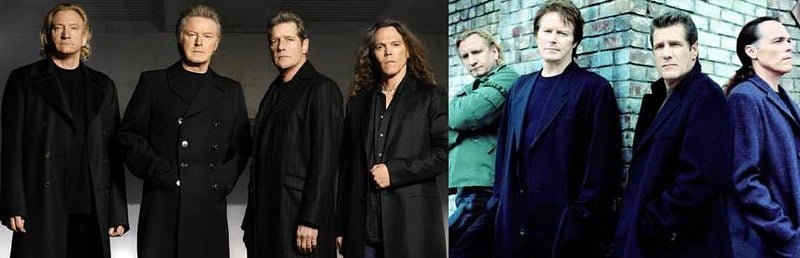
Eagles nailed a laid-back West Coast rock vibe that ruled the ’70s. Smooth vocal blends mixed with sharp lyrics painted LA’s shine and loneliness.
‘Hotel California’ sparked endless debates, turning into a mystery people couldn’t quit. When they split in 1980, drama followed – ugly fights played out in public view.
Yet getting back together showed tunes could fix broken ties. Their hits smashed sales records, topping charts across America for decades.
Red Hot Chili Peppers

Red Hot Chili Peppers smashed funk, punk, and rock together – somehow it clicked even when it seemed impossible. Instead of just vocals driving things, Flea’s wild bass lines took center stage alongside Kiedis’s talk-singing flow.
After losing guitarist Hillel Slovak, everything fell apart for a bit, yet they rebuilt from that pain. Once John Frusciante returned, his guitar brought softer tones into records like ‘Blood Sugar Magik’ and ‘Californication’, balancing flash with groove.
With nonstop drive and bold twists, they helped shape alt-rock vibes across two full decades.
Guns N’ Roses

Guns N’ Roses made rock feel risky again when it had turned tame. Axl Rose could shift from quiet murmurs to full-on shouts real quick.
Slash stood out with his hat, his Les Paul, also that raw guitar sound. ‘Appetite for Destruction’ showed L.A.’s rough edges without sugarcoating.
They were messy, wild – yet fans loved them more ’cause they felt genuine. Their impact on loud, aggressive rock in the late ’80s and early ’90s? Huge.
Here’s where tunes hang out these days

These bands weren’t only about catchy tunes. Their music sparked styles and waves still heard in fresh records now.
New players grab instruments after hearing them, hoping to hit that same energy. Gear’s evolved – yet the scene’s way less like its old self compared to years back.
Still, the heart of why those bands stood out hasn’t changed. Good tunes link folks no matter when or where, yet these acts showed that bonds can stick around always.
More from Go2Tutors!

- The Romanov Crown Jewels and Their Tragic Fate
- 13 Historical Mysteries That Science Still Can’t Solve
- Famous Hoaxes That Fooled the World for Years
- 15 Child Stars with Tragic Adult Lives
- 16 Famous Jewelry Pieces in History
Like Go2Tutors’s content? Follow us on MSN.