Best Movie Villain Monologues From the 2000s
The 2000s gave us some truly unforgettable villains who knew exactly how to command a scene.
These weren’t just bad guys doing bad things.
They were characters who could stop an entire movie in its tracks with nothing but words.
Their speeches revealed twisted logic, deep-seated pain, or just pure calculated evil that made audiences lean forward in their seats.
Let’s look at the moments when these antagonists proved that sometimes the most dangerous weapon isn’t a gun or a bomb, but a perfectly delivered speech that gets under your skin.
The Joker’s social experiment
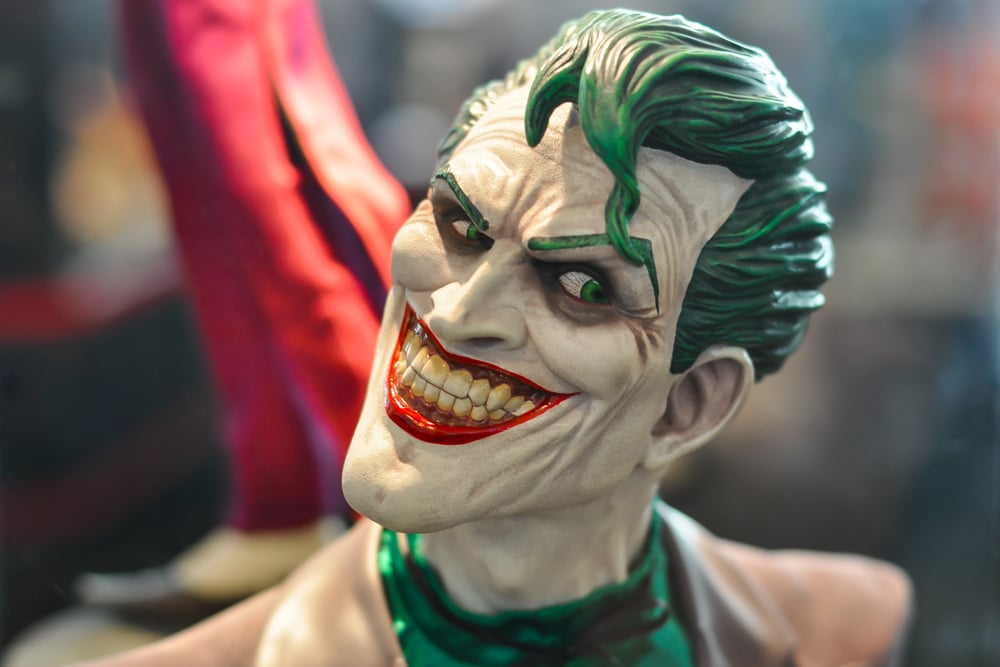
Heath Ledger’s Joker in The Dark Knight didn’t just rob banks or blow things up for fun.
He stood in that hospital room with Harvey Dent and laid out his entire philosophy about chaos and order.
The way he explained how people are only as good as the world allows them to be cut straight to the bone.
He made anarchy sound almost reasonable.
He talked about how nobody panics when things go according to plan, even if the plan is horrifying.
That scene worked because Ledger delivered every word like he genuinely believed chaos was the natural state of humanity.
Silva’s rat story

Javier Bardem’s villain in Skyfall told James Bond about two rats trapped on an island.
They were forced to eat each other until only one survived.
The kicker was how Silva identified with that last rat—the one who developed a taste for its own kind and could never go back to normal.
This wasn’t just a villain backstory filler.
It explained exactly why Silva became the monster he was and why he couldn’t be saved or reasoned with.
The whole speech lasted maybe two minutes but painted a complete picture of a man who’d been broken beyond repair.
Alonzo Harris explains the streets
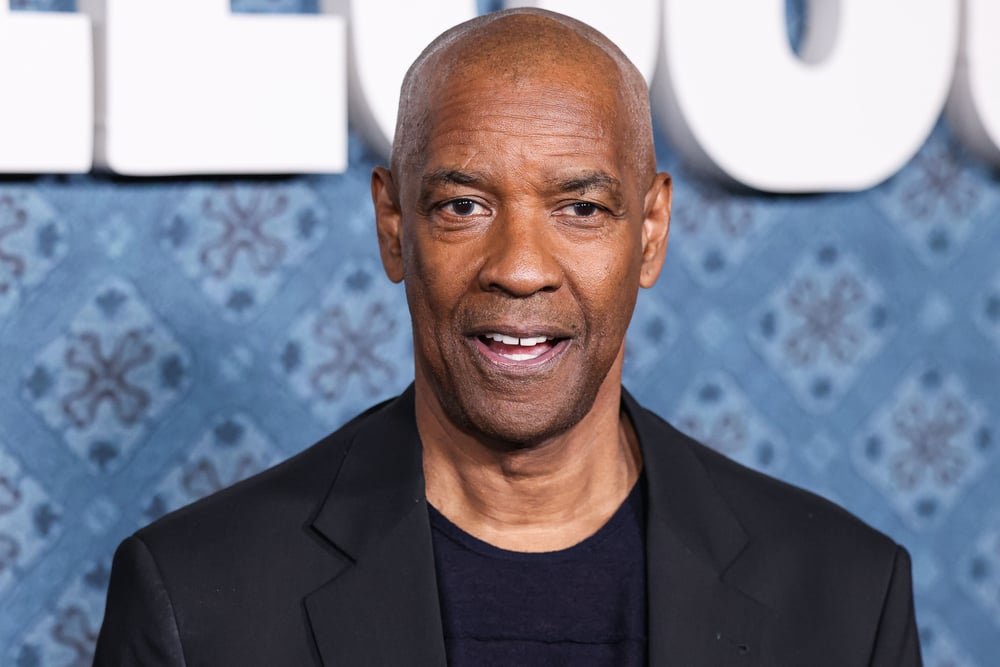
Denzel Washington’s corrupt cop in Training Day sat across from Jake at that restaurant table and delivered a masterclass in twisted mentorship.
His “King Kong ain’t got nothing on me” line gets quoted more often.
His earlier speech about being a wolf among wolves was the real showcase.
He broke down his view of police work like he was teaching basic arithmetic.
According to Alonzo, being a good cop meant becoming exactly what you’re supposed to fight against.
The scary part was how much sense he almost made if you ignored your moral compass.
Syndrome’s monologue about heroes

The villain in The Incredibles had every right to be bitter.
His speech about making everyone super took that bitterness to its logical extreme.
He explained his entire plan while Mr. Incredible hung helplessly, and the twisted logic was actually pretty sound.
If everyone has powers, then nobody’s special anymore.
Syndrome wasn’t wrong about how society creates hierarchies based on gifts that people didn’t earn.
He was just completely wrong about the solution.
The animation let the voice acting do all the heavy lifting, and it worked perfectly.
V’s television broadcast

V for Vendetta gave us a character who hijacked an entire country’s broadcasting system to call out government corruption.
His speech wasn’t delivered to one person in a dramatic confrontation.
It went out to millions of citizens at once.
He talked about how people had traded their freedom for safety and stopped questioning authority.
The vocabulary was fancy and theatrical, but the message came through crystal clear.
V made revolution sound not just possible but necessary.
He did it all while wearing a mask that never changed expression.
Bill’s Superman theory

David Carradine’s Bill sat down with Uma Thurman’s character in Kill Bill Vol. 2 and explained why Superman was different from other heroes.
According to Bill, Superman was born super while Clark Kent was the disguise he wore to blend in with humans.
He used this theory to explain The Bride’s true nature—that her assassin self was real and her suburban life was the costume.
The speech worked because it reframed everything the audience thought they understood about identity and nature versus nurture.
Bill delivered it like a bedtime story that happened to be about a trained killer’s psychology.
Colonel Tavington’s pragmatism

Jason Isaacs played the villain in The Patriot as someone who saw war as a job that required efficiency.
His conversations with Cornwallis showed a man who understood that being hated was part of achieving victory.
He didn’t apologize for burning churches or targeting civilians.
He explained why those tactics worked.
The character never tried to justify his actions morally.
He simply stated that war was ugly and pretending otherwise just made it last longer.
That cold calculation made him more frightening than if he’d been purely sadistic.
Sauron’s temptation through Saruman

Christopher Lee’s Saruman served as the voice for larger evil in The Two Towers.
His speech to Gandalf in the first film set everything in motion.
He talked about power and order like they were gifts he wanted to share.
The way he described joining with Sauron made it sound like the only reasonable choice in an unreasonable world.
Saruman had been good once, which made his fall and his justifications for that fall hit harder.
He’d convinced himself that surrendering to evil was actually wisdom.
Commodus and his honesty
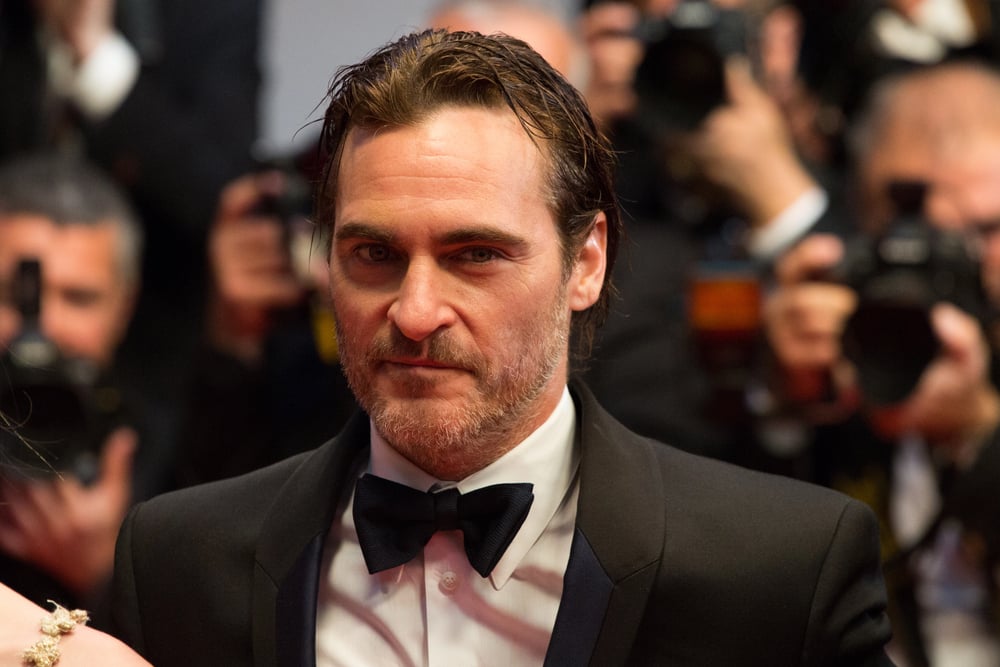
Joaquin Phoenix’s emperor in Gladiator wasn’t the strongest or the bravest, and he knew it.
His speech to his father about being unworthy cut deep because it was true.
He laid out every failure and every way he’d disappointed the man he wanted to love him.
Then he took that vulnerability and twisted it into justification for murder.
Commodus showed how knowing your own weaknesses doesn’t make you better.
It just makes you more dangerous when you stop caring about redemption.
The delivery was raw and almost sympathetic before taking a dark turn.
Magneto’s court speech
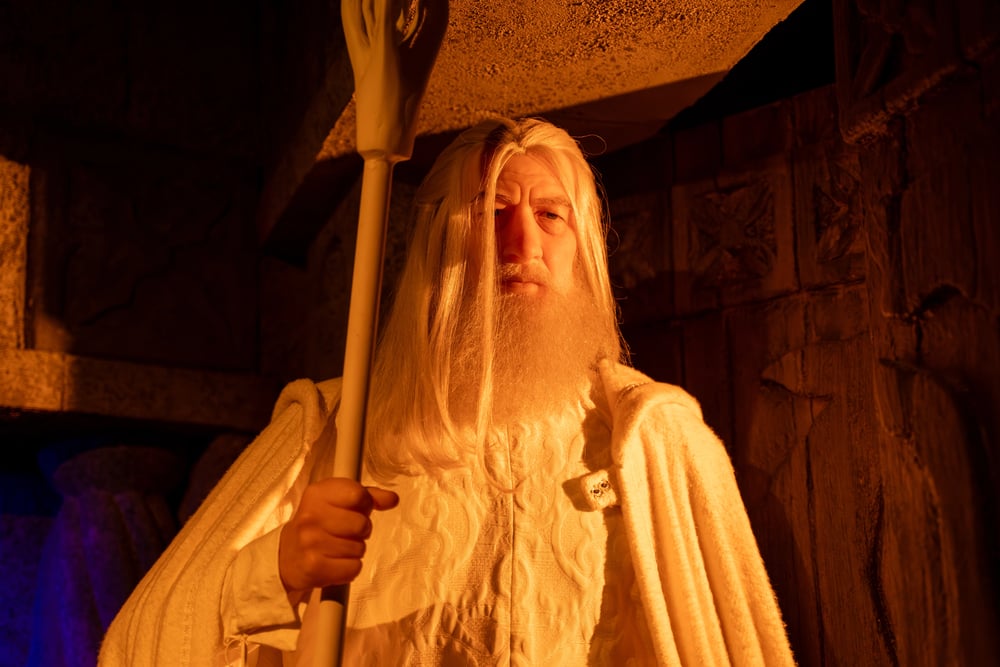
Ian McKellen’s Magneto stood trial in X2 and turned his defense into an accusation against humanity.
He talked about his time in concentration camps and how he’d seen what fear makes people do to those who are different.
His argument wasn’t that mutants should be protected.
It was that mutants needed to protect themselves because humans would always choose fear over coexistence.
The speech worked because history backed him up.
He wasn’t making threats so much as predictions based on experience.
Immortan Joe’s war boy benediction

The warlord in Mad Max: Fury Road didn’t give long speeches, but his ritual blessing to the war boys packed everything into a few sentences.
He promised them eternal glory on the roads of Valhalla for their sacrifice.
The way he’d built an entire religion around dying for him showed manipulation at its finest.
These weren’t villainous monologues in the traditional sense.
They were shorter bursts of rhetoric that had already convinced dozens of young men to throw their lives away.
The economy of words made them more effective.
Voldemort’s graveyard return

Ralph Fiennes brought back the Dark Lord in Goblet of Fire with a speech that reminded everyone why they’d feared him in the first place.
He talked about his downfall and return like they were minor inconveniences in a longer plan.
The way he addressed his Death Eaters mixed disappointment with forgiveness.
He showed how he controlled his followers through carefully measured approval.
Voldemort made himself sound inevitable—not just coming back, but never really being gone.
The theatrical delivery matched a character who’d always had a flair for the dramatic.
Frank Costello’s rat philosophy
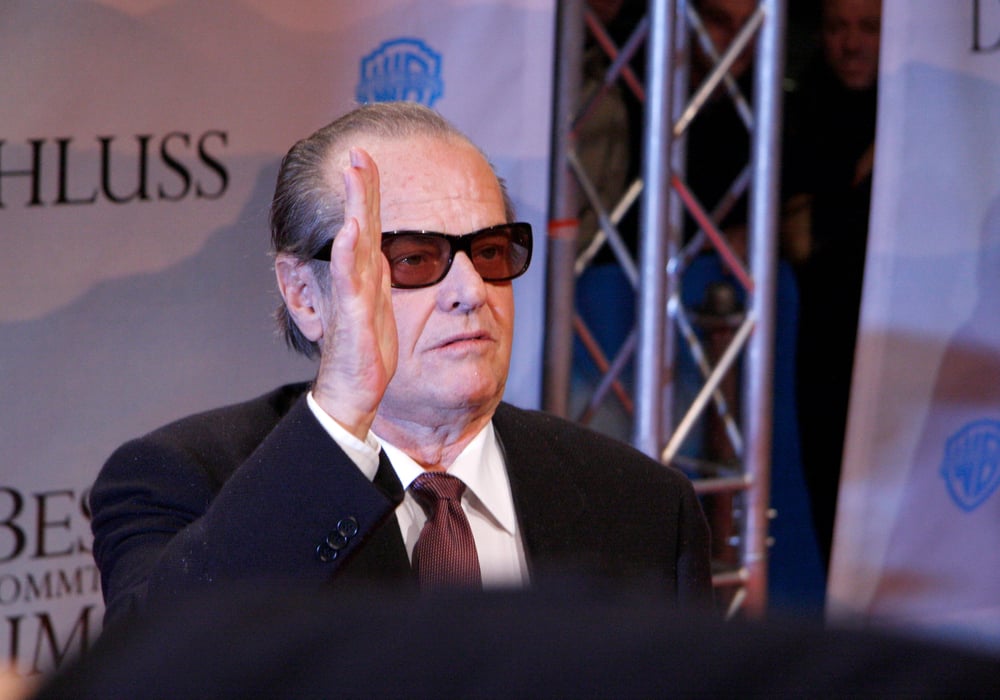
Jack Nicholson’s mob boss in The Departed explained his worldview to a young Leonardo DiCaprio over dinner.
He talked about how everybody needs somebody who could do the dirty work that keeps society running.
Criminals weren’t the opposite of law enforcement.
They were two sides of the same coin.
Costello made corruption sound like civic duty, like he was providing a service by giving cops someone to chase and arrest.
The casualness of the delivery made the twisted logic even more disturbing.
Davy Jones and his broken heart
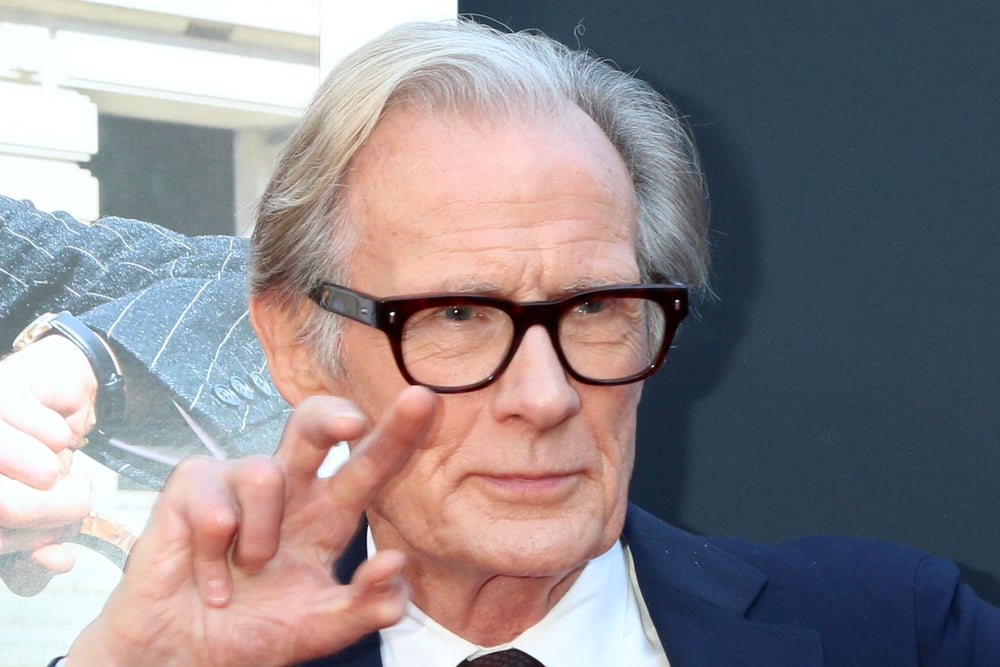
Bill Nighy’s performance as the tentacle-faced captain in Dead Man’s Chest centered on a character who’d literally cut out his own heart.
His speeches about betrayal and love gone wrong explained why he’d become such a monster.
Jones talked about Calypso’s abandonment like the wound was still fresh after decades.
The motion-capture technology was impressive.
It was the dialogue and delivery that made audiences sympathize with a villain who imprisoned souls.
He’d loved once and decided the universe owed him revenge for that love failing.
Loki’s speech in Germany

Tom Hiddleston’s god of mischief gave The Avengers one of its most memorable scenes when he demanded that a crowd of people kneel before him.
He talked about freedom being a burden and how humans were made to be ruled.
The speech was pure arrogance mixed with genuine belief that he was offering a better alternative to choice and responsibility.
An old man stood up to him, which led to one of the film’s best character moments.
Loki’s entire demeanor sold the idea that he truly believed subjugation was kindness.
Hans Landa’s cream conversation

Christoph Waltz won an Oscar partly because of the opening scene in Inglourious Basterds.
His later conversation about cream in a Parisian café showed different layers of menace.
He switched languages effortlessly while discussing the pleasures of waiting for cream to settle in coffee.
The entire monologue was a power play disguised as small talk.
Landa used politeness as a weapon, making whoever he talked to understand they were completely under his control.
He never needed to threaten directly because the threat lived in every perfectly enunciated word.
Anton Chigurh’s coin toss philosophy
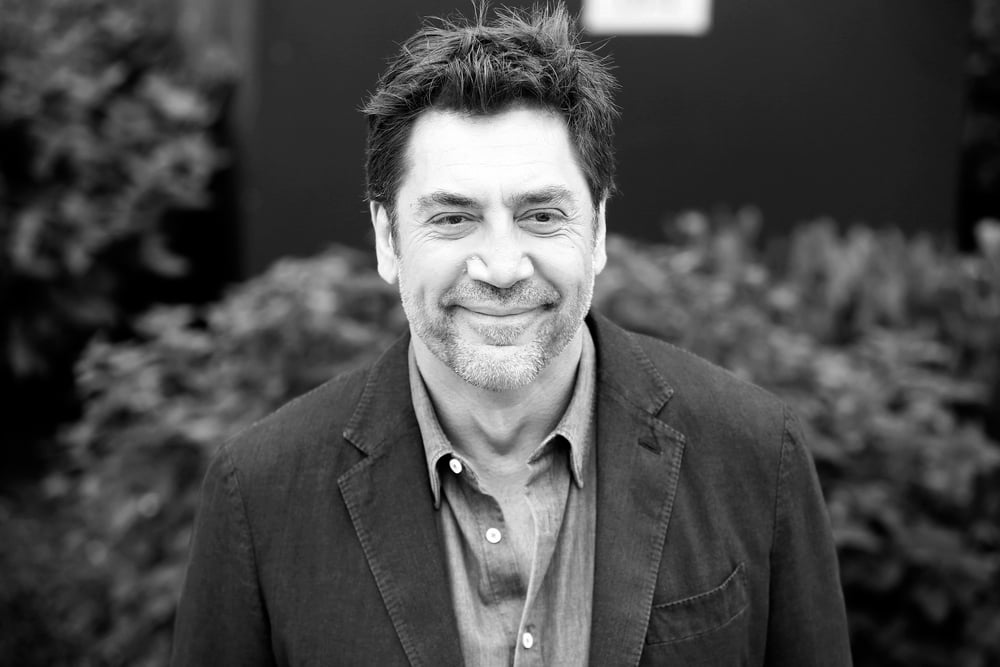
Javier Bardem appeared twice on this list because No Country for Old Men gave him another iconic villain moment.
Chigurh explained to a gas station owner how a coin had been traveling toward this moment for years.
He turned a simple heads-or-tails into a meditation on fate and chance.
The way he spoke made randomness sound like religion.
His calm delivery suggested he genuinely saw himself as an instrument of something larger.
The scene was terrifying because Chigurh seemed to believe his own logic completely.
Two-Face’s interrogation methods

Aaron Eckhart’s Harvey Dent became Two-Face and lost all his faith in justice and fairness.
His speeches to the people he held at gunpoint weren’t about revenge.
They were about proving the universe was random and cruel.
He explained his coin-flip method like it was more honest than any courtroom he’d ever worked in.
The tragedy was hearing the voice of Gotham’s white knight delivering lines about meaninglessness and chaos.
His transformation from hero to villain was complete when his words matched his scarred face.
General Hummel’s demands

Ed Harris played a Marine general in The Rock who took hostages to force the government to acknowledge fallen soldiers.
His radio transmission explaining his demands laid out legitimate grievances about how the military abandoned its own people.
Hummel wasn’t trying to get rich or destroy anything.
He wanted recognition and compensation for families who’d been lied to.
The speech worked because his cause was actually just, even though his methods were criminal.
He sounded more like a desperate advocate than a traditional villain, which made the situation more complicated.
Where the words still echo

These monologues stuck around because they did more than just explain evil plans or stall for time.
They gave audiences a window into minds that worked differently.
They had taken life’s hardships and twisted them into justification for terrible actions.
More from Go2Tutors!

- The Romanov Crown Jewels and Their Tragic Fate
- 17 Halloween Costumes Once Considered Taboo
- Famous Hoaxes That Fooled the World for Years
- 15 Child Stars with Tragic Adult Lives
- 16 Famous Jewelry Pieces in History
Like Go2Tutors’s content? Follow us on MSN.