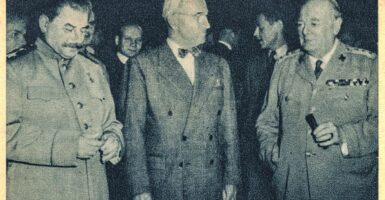
Biggest Imposters in History
Throughout human history, some people have possessed an almost supernatural ability to slip into lives that weren’t theirs. They’ve fooled families, governments, and entire societies with nothing more than confidence and carefully crafted lies.
These aren’t your garden-variety con artists looking for a quick score — these are individuals who managed to sustain elaborate deceptions for months, years, or even decades. What drives someone to abandon their own identity entirely? Sometimes it’s desperation, sometimes greed, and sometimes it seems like pure audacity.
The most successful imposters understood something fundamental about human nature: people see what they expect to see, and they rarely question what feels familiar.
Frank Abagnale
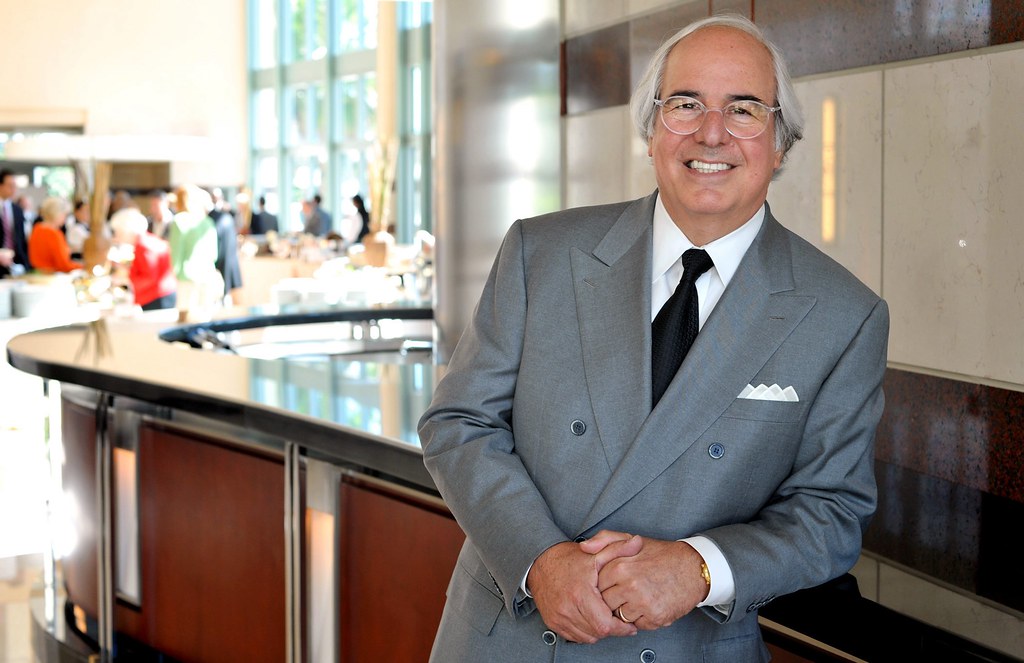
Abagnale turned deception into performance art. Before his 19th birthday, he’d been a pilot, a doctor, and a lawyer — none of which he actually was.
His airline pilot scheme was particularly audacious. He walked into Pan Am offices wearing a fake uniform and convinced them he was a pilot from another airline needing a ride.
Airlines had reciprocal agreements for this exact situation. For two years, he flew over a million miles for free while staying in crew hotels and collecting per diem payments.
The man never flew a plane — he was always deadheading in the cockpit jumpseat, chatting with real pilots who had no idea they were teaching a teenager how to fake their profession.
Anna Anderson
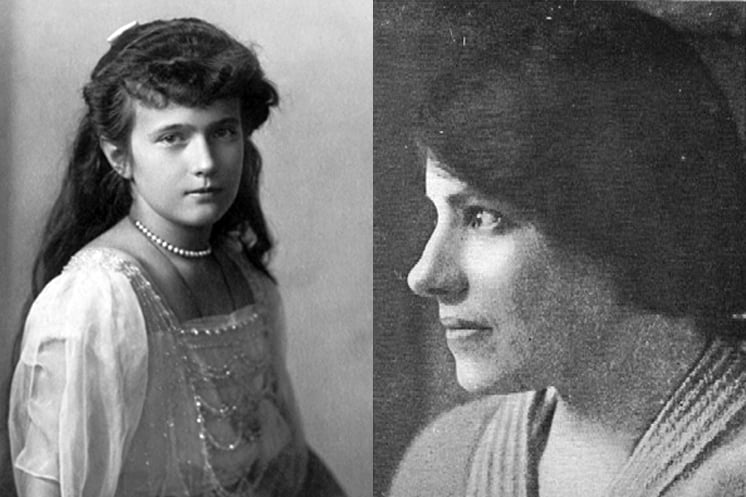
The woman who claimed to be Anastasia Romanov turned tragedy into opportunity. When the Russian royal family was executed in 1918, rumors persisted that some members had survived.
Anderson appeared in Berlin in 1920, insisting she was the youngest Romanov daughter who had escaped the massacre. She spent the next six decades maintaining this fiction, complete with intimate details about palace life and family secrets that seemed impossible to fake.
Some surviving Romanov relatives believed her. Others were convinced she was a Polish factory worker named Franziska Schanzkowska.
DNA testing after her death in 1984 finally proved she wasn’t Anastasia. But for 64 years, she’d lived as Russian royalty based on nothing more than her own insistence that she was.
Ferdinand Waldo Demara Jr.
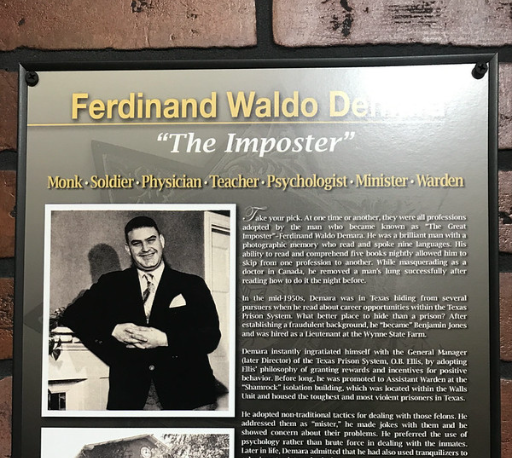
Demara approached identity theft like a hobby he couldn’t quit. He was a monk, a prison warden, a teacher, and a surgeon — sometimes multiple identities in the same year.
His most dangerous impersonation happened during the Korean War. Posing as Dr. Joseph Cyr, a Navy surgeon, he was assigned to a Canadian destroyer.
When battle casualties arrived requiring immediate surgery, Demara had no choice but to operate. He’d never held a scalpel in his life, but he’d read medical textbooks and watched operations.
So he performed major surgeries on wounded soldiers, and (somehow) all of his patients survived. His success as a fake surgeon was so impressive that it drew media attention — which is exactly how his real identity was discovered.
The absurd part isn’t just that he succeeded; it’s that he kept doing it even after becoming famous for doing it.
Frédéric Bourdin
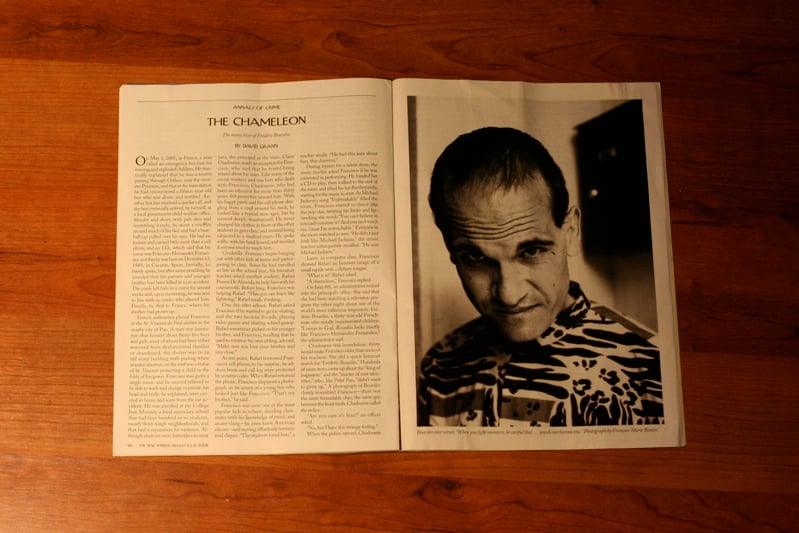
Picture a chameleon that’s learned to mimic not just colors, but entire life stories. Bourdin spent his career slipping into the spaces that grief and hope create, convincing families that he was their missing child.
His most notorious case involved Nicholas Barclay, a 13-year-old Texas boy who disappeared in 1994. Three years later, Bourdin — a 23-year-old Frenchman — contacted authorities claiming to be Nicholas.
Never mind that he had brown eyes instead of blue, spoke with a French accent, and looked nothing like the missing boy. He explained these discrepancies by saying his captors had tortured and experimented on him.
The family’s desperate need to believe their son had returned home made them overlook details that should have been impossible to ignore. He lived with the Barclay family for several months before a private investigator’s persistence finally unraveled the deception.
But Bourdin had already proven something unsettling about human nature: sometimes people choose the comforting lie over the uncomfortable truth.
The Tichborne Claimant
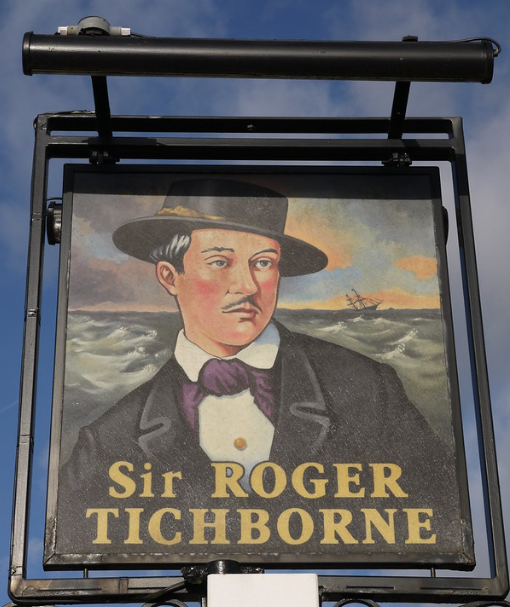
In 1866, a butcher from Australia showed up in England claiming to be Roger Tichborne, the heir to a substantial fortune who had been presumed dead after a shipwreck 12 years earlier. The problem was obvious to everyone except the person who mattered most: Tichborne’s mother.
The claimant was at least 100 pounds heavier than her son had been, spoke with a completely different accent, and couldn’t remember basic details about his supposed childhood. The real Roger Tichborne had been educated, refined, and spoke fluent French.
This man was coarse, barely literate, and showed no signs of aristocratic upbringing. But grief makes people see what they need to see.
Tichborne’s mother not only accepted him as her son — she gave him an allowance and supported his legal claim to the family estate. The resulting court case lasted 188 days and became one of the longest trials in English legal history.
He was eventually exposed as Arthur Orton, a butcher from Wapping, but not before he’d lived as nobility for several years and nearly inherited a fortune.
Christian Karl Gerhartsreiter
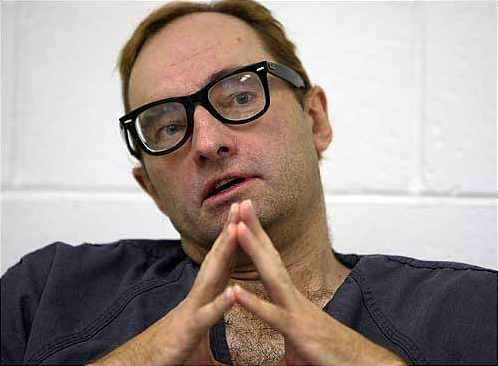
Some people collect art or vintage cars — Gerhartsreiter collected identities like they were going out of style. The German immigrant spent decades cycling through personas, each one more elaborate than the last.
He’d been Christopher Chichester, a television producer; Christopher Crowe, a Wall Street financier; and finally Clark Rockefeller, a member of the famous American dynasty. As Rockefeller, he married a Harvard MBA, moved in elite Boston social circles, and maintained the charade for over a decade.
His wife never questioned his lack of employment or how he funded their expensive lifestyle — after all, he was supposedly a Rockefeller. The deception unraveled during their divorce proceedings when his wife’s lawyers couldn’t find any record of his trust fund or family connections.
Turned out the real Rockefeller family had never heard of him. And that was just the beginning — investigators eventually connected him to a murder case from his California days as Christopher Chichester.
Sarah Wilson
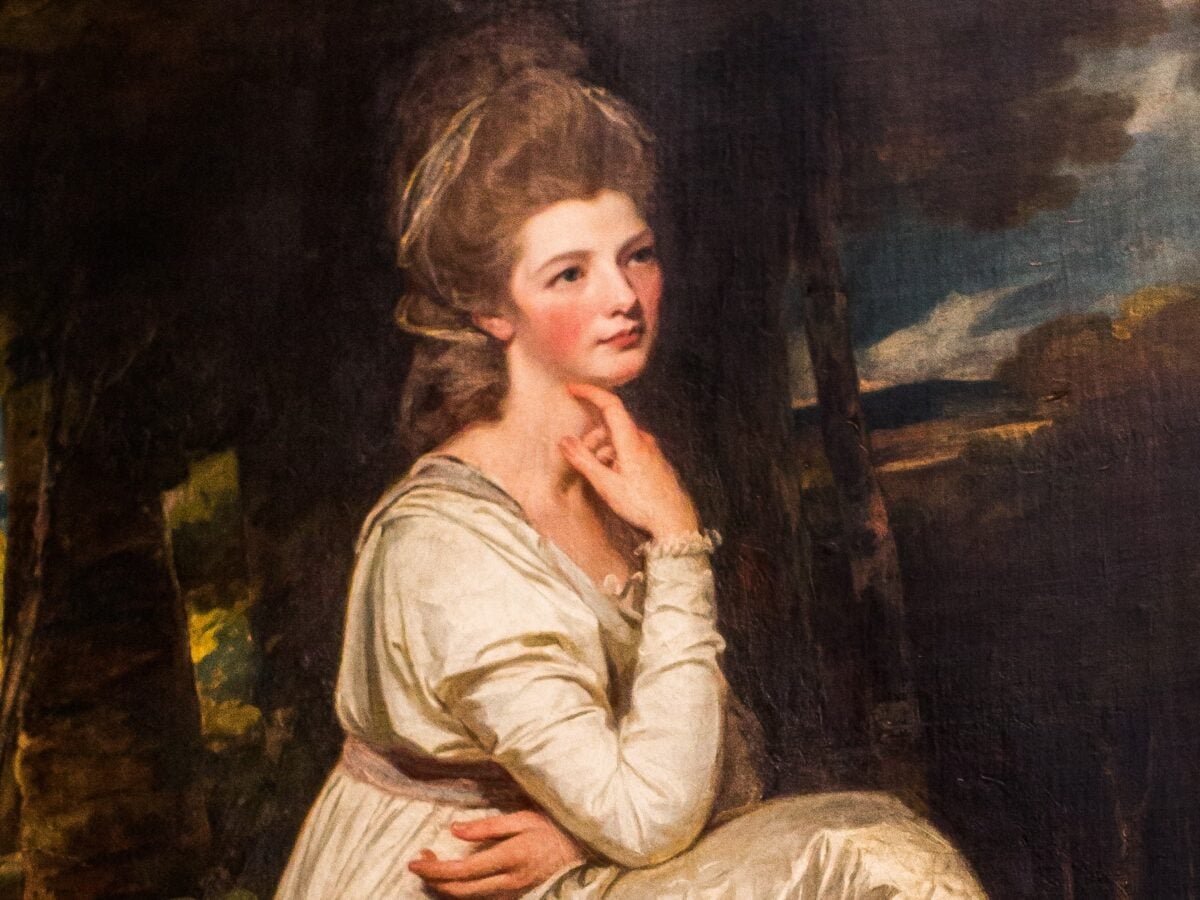
Wilson understood that in 18th-century America, European aristocracy carried automatic credibility. After being transported to the colonies as a convicted thief, she escaped and reinvented herself as Princess Susanna Carolina Matilda, sister to Queen Charlotte.
Colonial Americans were impressed by anyone claiming royal connections, and Wilson played the part perfectly. She had inside knowledge of palace life (having worked there as a maid before her thievery conviction), spoke with authority about court customs, and carried herself with apparent nobility.
Wealthy plantation families in South Carolina competed to host her, showering her with gifts and treating her as genuine royalty. Her scheme worked for months until her former employers placed a newspaper advertisement describing their escaped servant.
Even then, some of her hosts refused to believe the elegant princess they’d been entertaining was actually a common thief.
Victor Lustig
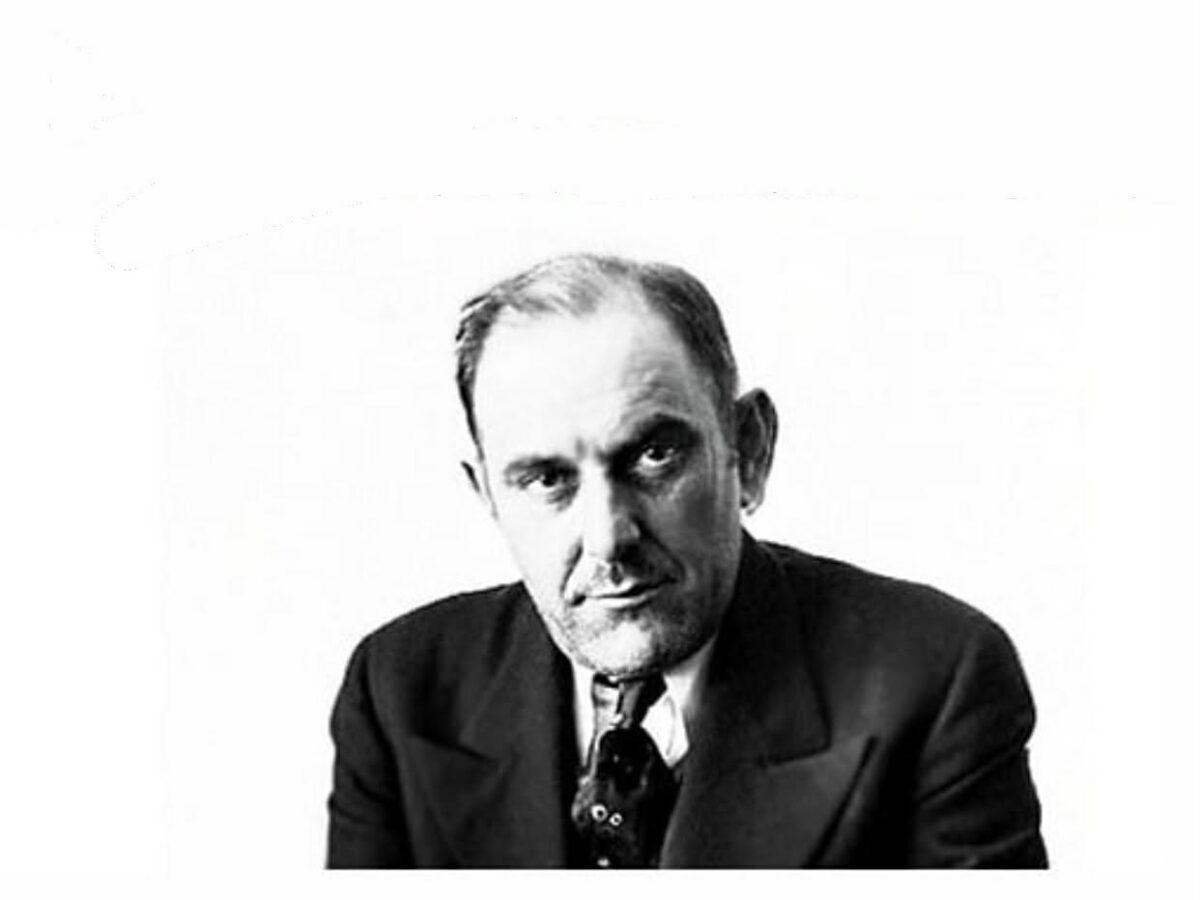
Lustig treated confidence tricks like an art form requiring constant practice and innovation. His masterpiece was selling the Eiffel Tower — twice — to scrap metal dealers who should have known better.
In 1925, posing as a government official, he invited six scrap dealers to a confidential meeting at a luxury Paris hotel. France needed to demolish the Eiffel Tower due to maintenance costs, he explained, but the government wanted to keep the project quiet to avoid public outcry.
The dealers bid against each other for the contract, and Lustig walked away with a substantial down payment. The buyer was too embarrassed to report the fraud, so Lustig repeated the entire scheme a month later with different dealers.
Only the second victim went to police, forcing Lustig to flee Paris. But he’d already proven that audacity combined with official-sounding paperwork could convince people to buy anything — even landmarks they didn’t own.
Stanley Clifford Weyman
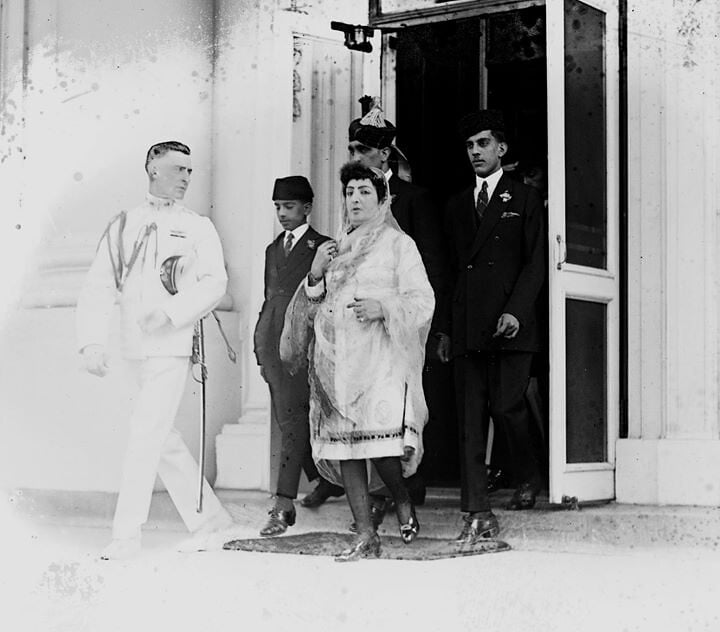
Weyman spent his life proving that credentials matter less than confidence. He was a Navy lieutenant, a State Department consul, a Romanian princeling, and a UN delegate — none of which he actually was, all of which he somehow pulled off.
His State Department impersonation was particularly bold. He set up an office in New York, complete with official-looking documents and a secretary, and began issuing visas to people trying to immigrate to America.
Immigration officials accepted his paperwork without question for months. He even attended diplomatic functions and State Department meetings where actual government employees treated him as a legitimate colleague.
When authorities finally caught up with him, they discovered he’d been running multiple identities simultaneously. He was Stanley Weyman the diplomat on weekdays and Prince Ghika of Romania on weekends, with different apartments and social circles for each persona.
Jeanne de Valois-Saint-Rémy
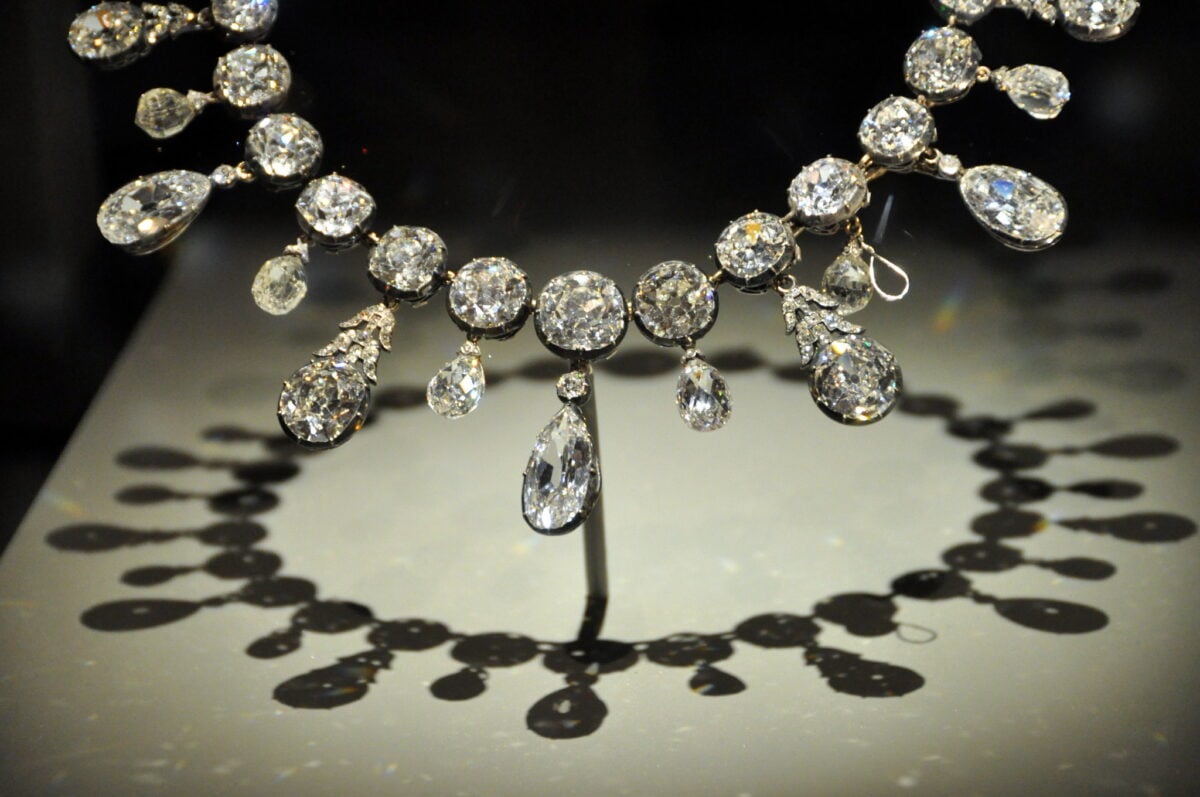
De Valois-Saint-Rémy orchestrated one of history’s most audacious royal scams by convincing Cardinal de Rohan that Queen Marie Antoinette wanted to secretly purchase an incredibly expensive diamond necklace through him. The necklace cost 1.6 million livres — more than the annual salary of 1,000 skilled workers.
De Valois-Saint-Rémy forged letters from the Queen, arranged a fake midnight meeting between the Cardinal and an actress posing as Marie Antoinette, and convinced him that the Queen needed discretion because the purchase would look inappropriate during economic hardship. The Cardinal handed over the necklace, believing he was performing a secret service for royalty.
De Valois-Saint-Rémy immediately broke it apart and sold the diamonds individually across Europe. When the scheme collapsed, it created a scandal that further damaged the monarchy’s reputation just years before the French Revolution.
George Psalmanazar
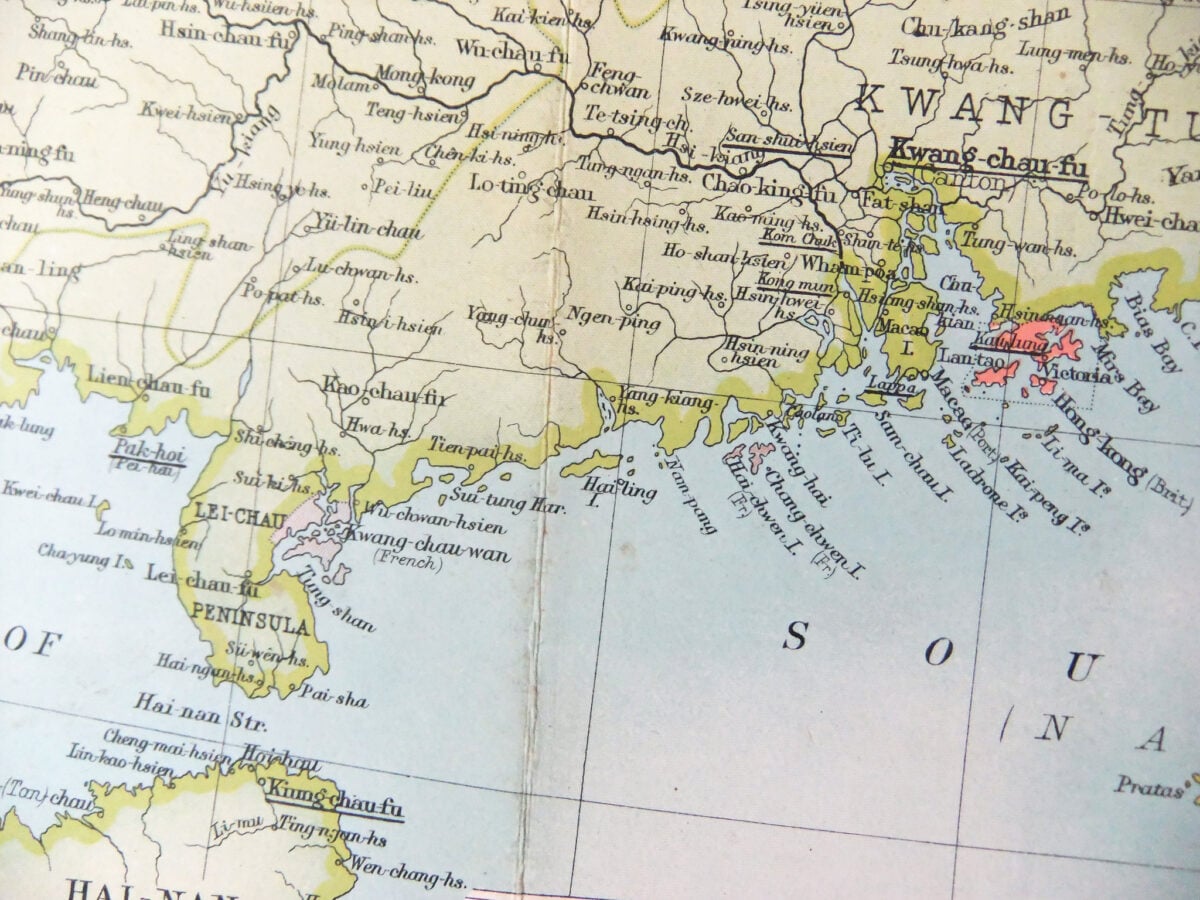
Psalmanazar created an entire civilization from scratch and convinced 18th-century London that he was its most authentic representative. Claiming to be from Formosa (modern-day Taiwan), he invented an elaborate fictional culture complete with its own language, religious practices, and social customs.
He described Formosan temples where children were sacrificed to gods, a complex calendar system, and architectural styles that existed nowhere but in his imagination. London’s intellectual elite were fascinated by this exotic visitor who could provide firsthand accounts of a mysterious distant land.
He wrote a bestselling book about Formosan culture, lectured at Oxford, and was consulted by scholars as Europe’s foremost authority on East Asian civilization. The real Formosa bore no resemblance to his descriptions, but since few Europeans had ever been there, nobody could contradict his elaborate fiction.
He maintained the deception for years before eventually confessing, but not before his invented culture had influenced European understanding of Asian societies.
Cassie Chadwick
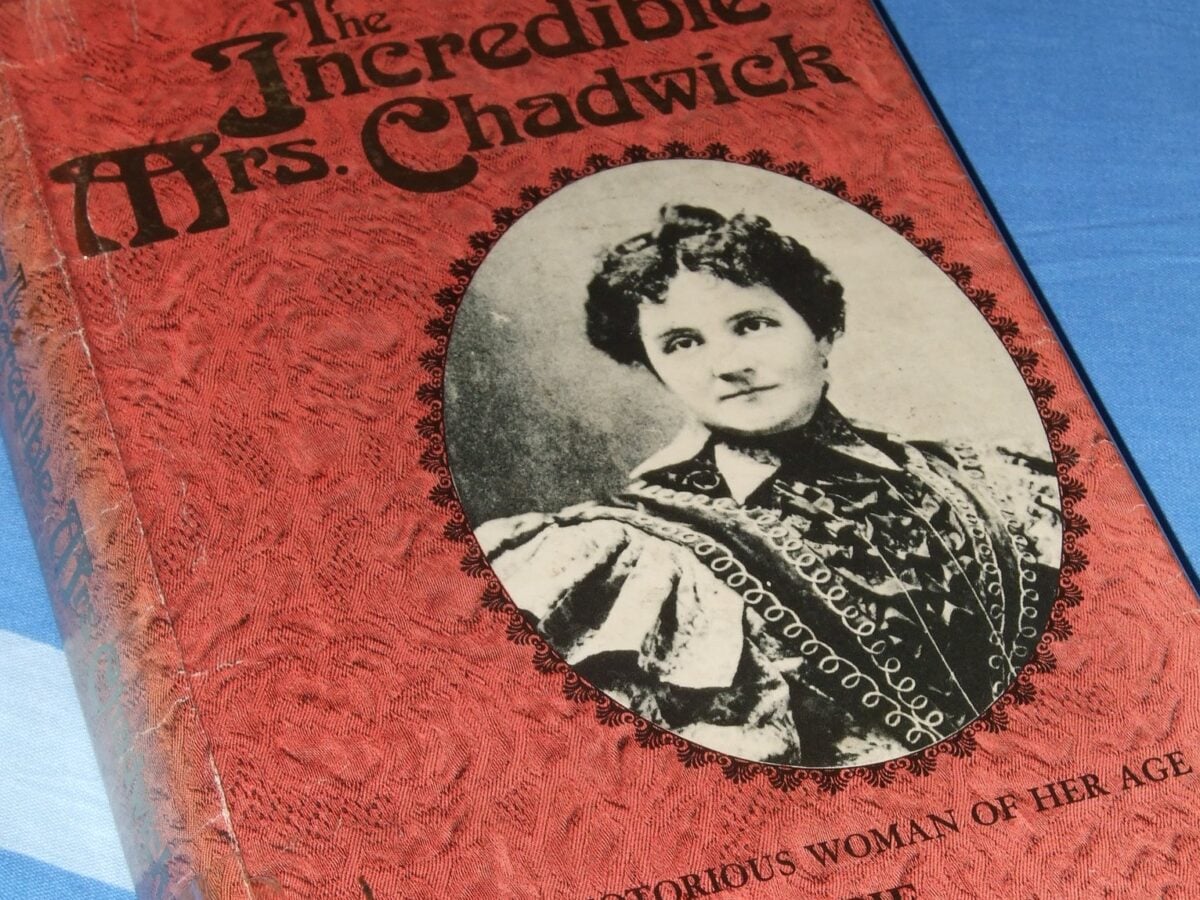
Chadwick understood that people’s greed could be turned against their skepticism. She convinced Cleveland’s banking establishment that she was Andrew Carnegie’s illegitimate daughter and heiress to his steel fortune.
Her proof was simple but effective: she arranged to visit Carnegie’s New York mansion, claiming she needed to collect some personal items. She had an accomplice let her in through the servants’ entrance while her lawyer waited outside.
When she emerged with a package, the lawyer naturally assumed she’d been meeting with Carnegie himself. She then showed him what appeared to be promissory notes worth millions, supposedly from her father.
Word spread through Cleveland’s financial circles that Chadwick had access to Carnegie’s wealth but needed short-term loans while her inheritance was tied up in legal matters. Banks competed to lend her money at favorable rates, viewing the loans as risk-free investments backed by one of America’s richest men.
She borrowed over $2 million — roughly $60 million in today’s money — before the scheme collapsed when someone finally contacted Carnegie directly.
Wilhelm Voigt
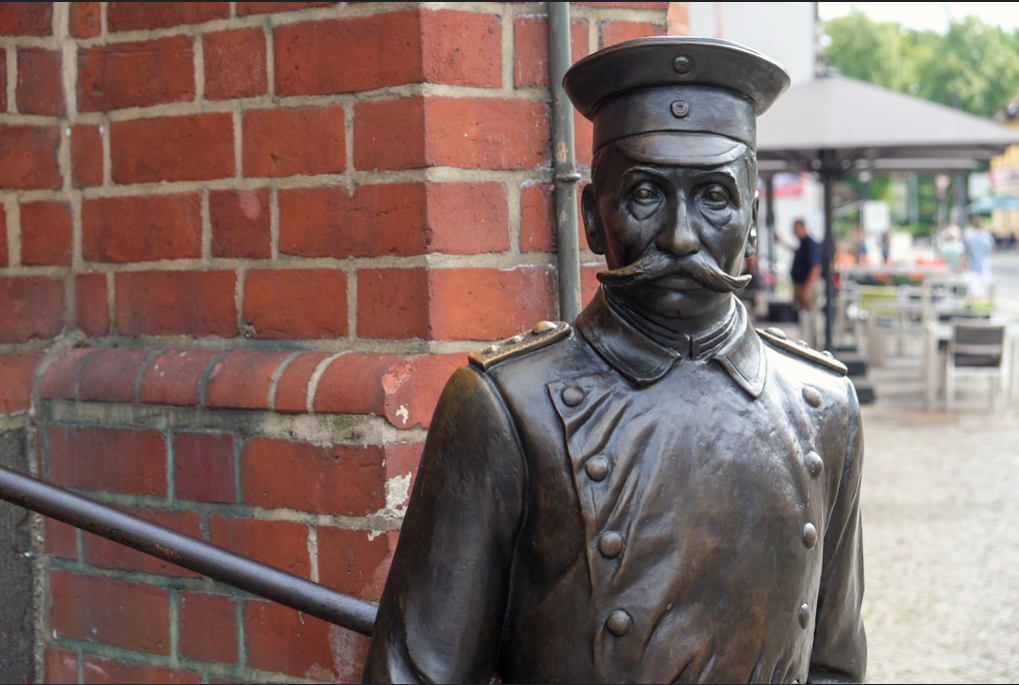
Voigt proved that a uniform carries more authority than the person wearing it. After years in prison, he bought a captain’s uniform from a costume shop and decided to test just how much respect German society gave to military rank.
Dressed as a Prussian officer, he commandeered a squad of soldiers on a Berlin street simply by ordering them to follow him. The soldiers never questioned his authority — he was wearing a captain’s uniform, so he must be a captain.
He marched them to the town hall in Köpenick, arrested the mayor and treasurer for financial irregularities (which he made up on the spot), and confiscated the town’s treasury as evidence. The soldiers helped him load the money into a carriage and followed his orders to guard the arrested officials while he went to report to his superiors.
Instead, he changed out of the uniform and disappeared with the cash. When the real military arrived hours later, they found the soldiers still guarding the mayor, waiting for the captain to return.
The Marks Left Behind
These stories share a common thread that runs deeper than mere deception. Each imposter succeeded not because they were particularly skilled liars, but because they understood something fundamental about the societies they infiltrated.
They recognized that people want to believe in authority, in nobility, in the return of lost loved ones, in second chances and secret fortunes. The most successful imposters didn’t just steal identities — they borrowed the hopes and assumptions of everyone around them.
They succeeded because other people needed them to be real.
More from Go2Tutors!

- The Romanov Crown Jewels and Their Tragic Fate
- 13 Historical Mysteries That Science Still Can’t Solve
- Famous Hoaxes That Fooled the World for Years
- 15 Child Stars with Tragic Adult Lives
- 16 Famous Jewelry Pieces in History
Like Go2Tutors’s content? Follow us on MSN.