15 Wildlife Documentaries That Panicked Viewers
Wildlife documentaries are supposed to be educational and inspiring, showing us the wonders of the natural world from the safety of our living rooms. Most of the time, they deliver exactly that—breathtaking footage of animals in their natural habitats, narrated by soothing voices that make everything seem peaceful and orderly. But sometimes, these films capture moments so intense, disturbing, or downright terrifying that viewers found themselves reaching for the remote or hiding behind couch cushions.
These aren’t your typical nature shows where everything ends with the circle of life wisdom. Here are 15 wildlife documentaries that left audiences genuinely unsettled, questioning whether they really wanted to know what goes on in the wild when the cameras are rolling.
Grizzly Man

Timothy Treadwell spent 13 summers living among Alaskan brown bears, filming himself getting dangerously close to these massive predators. Werner Herzog’s documentary combines Treadwell’s own footage with the tragic story of how his obsession ultimately led to his death.
Viewers watched in horror as Treadwell talked to bears like they were pets, completely ignoring every safety protocol imaginable. The film’s power comes from knowing the inevitable outcome while watching someone repeatedly tempt fate with animals that could kill him in seconds.
March of the Penguins
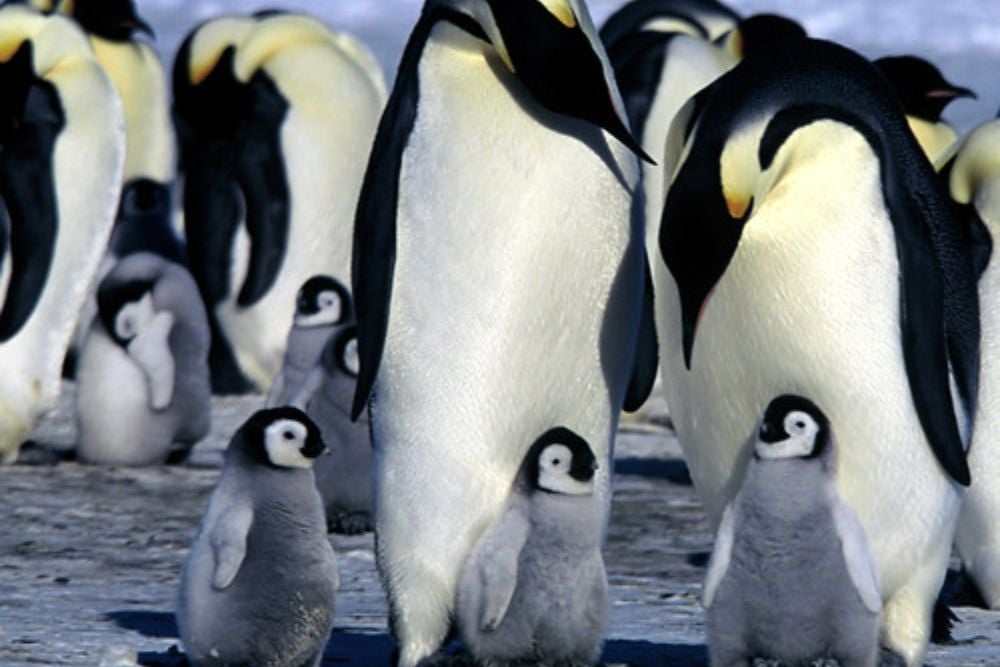
This Oscar-winning documentary seemed wholesome enough—who doesn’t love penguins waddling across the ice? But audiences weren’t prepared for the brutal realities of Antarctic survival that unfolded on screen.
Parents watched in shock as baby penguins froze to death, got separated from their families, or became meals for predators. The film’s unflinching portrayal of nature’s harshness, combined with Morgan Freeman’s matter-of-fact narration, created an unexpectedly intense viewing experience that left many families stunned into silence.
Like Go2Tutors’s content? Follow us on MSN.
The Cove

What started as an investigation into dolphin captivity became a horrifying exposé of mass dolphin slaughter in Taiji, Japan. Hidden cameras captured the annual dolphin hunt, where entire pods are driven into a secluded cove and killed.
The water literally turns red with blood as hundreds of dolphins are slaughtered for meat. Viewers experienced genuine trauma watching intelligent, social creatures being killed en masse, making this one of the most emotionally devastating wildlife documentaries ever made.
Blackfish
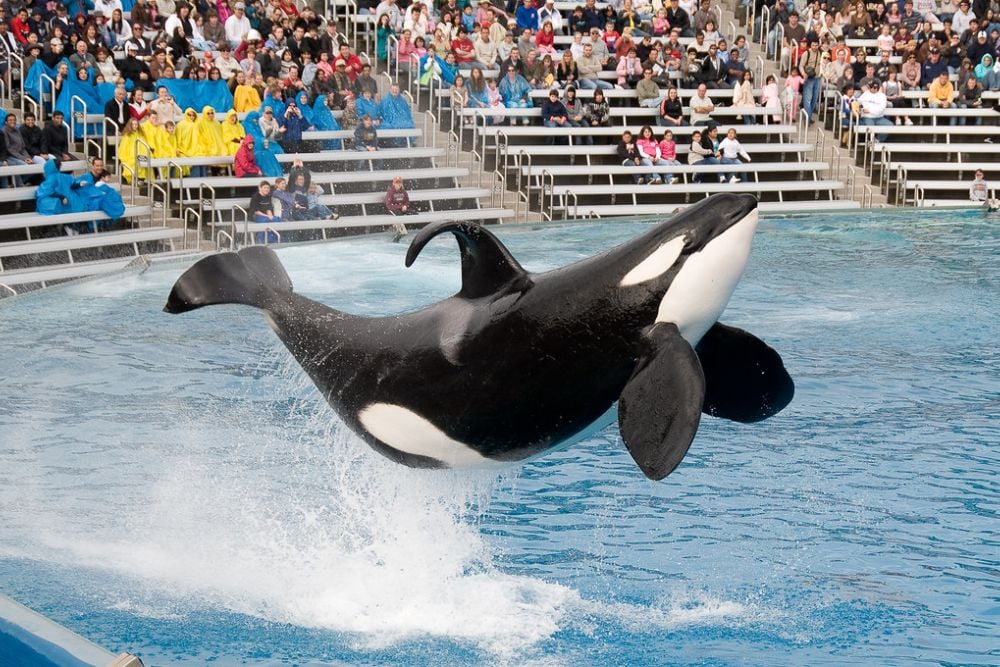
SeaWorld’s image as a family-friendly destination crumbled as this documentary revealed the psychological damage inflicted on captive orcas. The film connected several trainer deaths to the mental breakdown of whales forced to live in concrete tanks.
Audiences watched security footage of Tilikum, a massive orca, dragging trainer Dawn Brancheau underwater during a show. The documentary’s methodical presentation of evidence made viewers realize they’d been unknowingly supporting animal abuse disguised as entertainment.
The Year Earth Changed

This pandemic-era documentary showed how quickly wildlife reclaimed space when people stayed home—but not everything was peaceful. One chilling segment showed animals becoming unusually bold or desperate without regular human activity.
In India, monkeys raided towns in aggressive mobs, and in other areas, predators moved into cities, creating dangerous new dynamics. The eeriness of “normal” flipping overnight, and animals suddenly behaving unpredictably, unnerved viewers expecting a feel-good nature film.
It turned into an unintentional reminder of how thin the line is between harmony and chaos in the natural world.
Like Go2Tutors’s content? Follow us on MSN.
Planet Earth (Polar Bear Segment)

The BBC’s stunning nature series mostly delivered wonder and amazement, but one segment left viewers devastated. Cameras followed a starving polar bear mother and cubs as melting ice forced them to travel impossible distances for food.
The footage of emaciated bears struggling across barren landscapes, with cubs dying from starvation, became an accidental climate change horror story. David Attenborough’s gentle narration couldn’t soften the impact of watching a species slowly dying due to environmental changes.
The Ivory Game
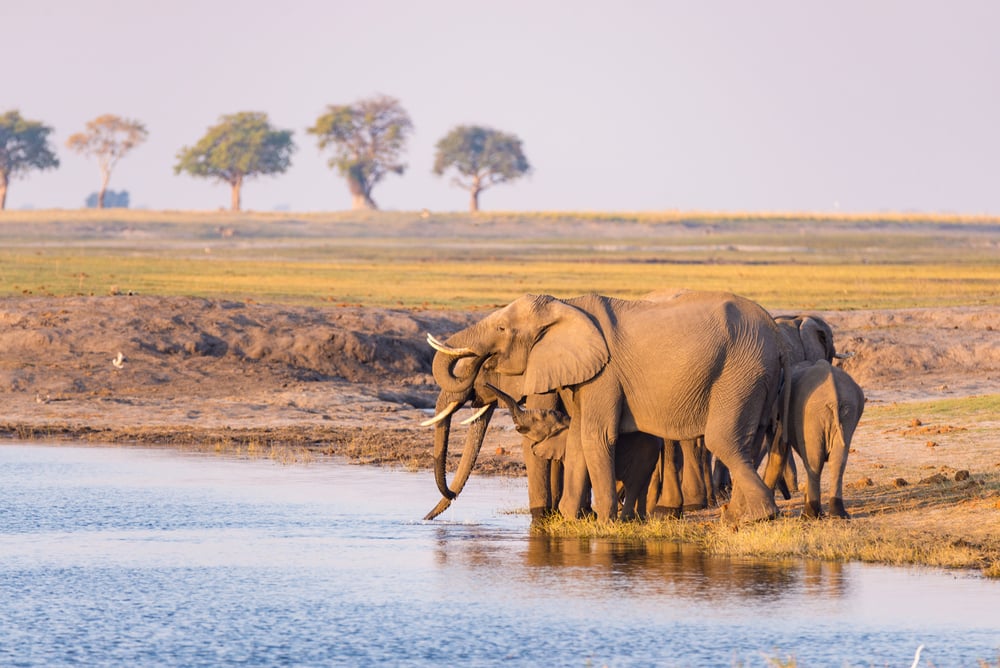
This chilling documentary exposes the illegal ivory trade and the war on elephants. Undercover footage reveals poachers shooting elephants and hacking off tusks, often leaving calves to die beside their dead mothers.
Viewers were stunned by the sheer brutality and global scale of the slaughter, with traffickers operating like mafia cartels. The emotional scenes of elephants being gunned down, combined with the helplessness of rangers trying to stop it, made for an incredibly distressing experience that left many viewers horrified and emotionally drained.
Racing Extinction

This environmental documentary used hidden cameras and advanced technology to expose illegal wildlife trafficking and mass extinction events. Viewers watched elephants being slaughtered for ivory, manta rays being harvested for traditional medicine, and entire species disappearing in real time.
The film’s use of night vision and underwater footage captured animal suffering in unprecedented detail. Its presentation of humanity’s role in creating the sixth mass extinction event left audiences feeling helpless and panicked about the future.
Like Go2Tutors’s content? Follow us on MSN.
Our Planet (Walrus Cliff Scene)
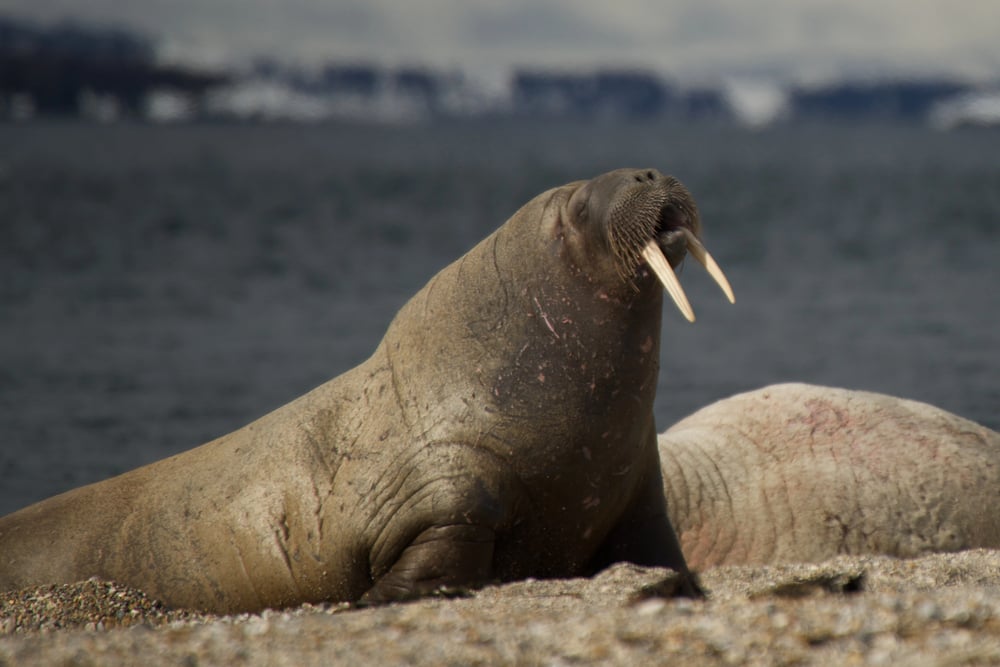
While the Netflix series generally inspired awe, one scene left viewers traumatized. Due to melting Arctic ice, thousands of walruses were forced ashore and climbed rocky cliffs in desperation.
But they couldn’t climb back down—and the result was horrific. Cameras captured hundreds of walruses plunging to their deaths, slamming into rocks below while others followed blindly.
The footage caused widespread panic and outcry online, as viewers grappled with the brutal reality of climate change unfolding in real time, without any narration that could soften the horror.
Earthlings
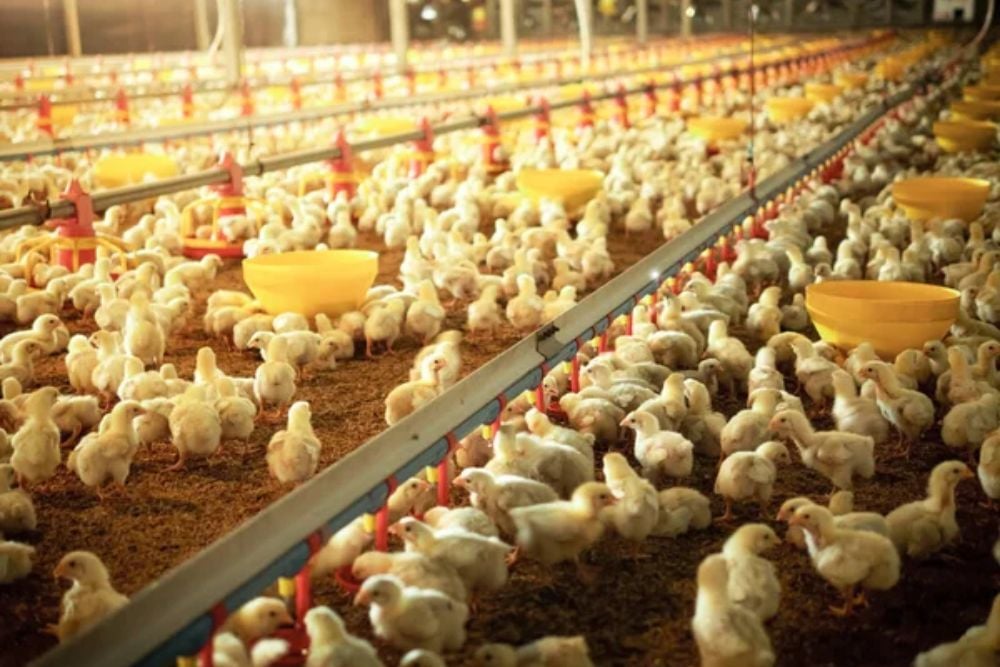
This documentary’s graphic footage of animal abuse across multiple industries traumatized viewers unprepared for its unflinching approach. Hidden cameras captured brutal treatment in factory farms, fur farms, and entertainment venues around the world.
Joaquin Phoenix’s narration accompanied footage so disturbing that many viewers couldn’t finish watching. The film’s comprehensive examination of human-animal relationships revealed systematic cruelty on a scale that shocked even animal rights advocates.
Sharkwater

What began as a celebration of shark beauty became an exposé of shark finning that horrified marine life enthusiasts. Underwater cameras captured the brutal practice of cutting fins off live sharks and throwing the mutilated animals back into the ocean to die slowly.
The contrast between sharks’ graceful swimming and their helpless suffering after finning created a powerful emotional impact. Viewers watched an entire ecosystem collapsing as apex predators were eliminated for soup ingredients.
Like Go2Tutors’s content? Follow us on MSN.
The End of the Line

This fishing industry investigation revealed that ocean ecosystems are on the verge of total collapse. Underwater footage showed empty coral reefs, massive fishing nets destroying seafloor habitats, and fish populations reduced to fractions of historical levels.
The documentary’s timeline showing how quickly fish stocks disappeared made viewers realize they might be witnessing the ocean’s death in real time. Scientists’ predictions of fishless oceans by 2048 left audiences feeling hopeless about marine conservation.
Virunga

This documentary about Congo’s national park rangers revealed the extreme violence surrounding wildlife conservation in war zones. Cameras captured armed conflicts over natural resources, with park rangers literally dying to protect mountain gorillas from poachers and militias.
The juxtaposition of gentle gorilla families with brutal human warfare created intense emotional whiplash for viewers. Seeing conservationists risk their lives daily for animals made comfortable Western audiences confront their own environmental complacency.
My Octopus Teacher

Despite its eventual uplifting message, this documentary’s intimate portrayal of octopus intelligence made viewers deeply uncomfortable about eating seafood. The filmmaker’s relationship with a wild octopus revealed complex emotional and cognitive abilities in a creature most people considered mindless.
Watching the octopus problem-solve, play, and eventually die of natural causes after forming a bond with the human narrator left many viewers questioning their assumptions about animal consciousness and suffering.
Like Go2Tutors’s content? Follow us on MSN.
Seaspiracy
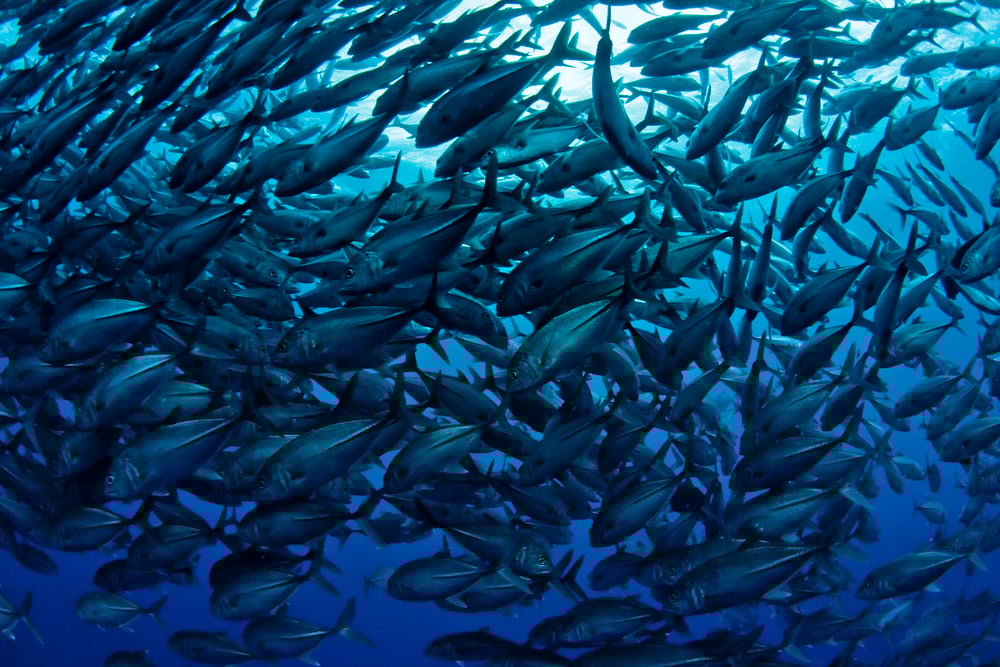
This Netflix documentary connected commercial fishing to environmental destruction on a scale that shocked viewers expecting a typical ocean conservation film. Hidden footage revealed illegal fishing operations, plastic pollution’s true sources, and the fishing industry’s role in ocean ecosystem collapse.
The film’s revelation that sustainable seafood labels are largely meaningless, combined with graphic footage of marine animal suffering, sent viewers into panic about their dietary choices and the ocean’s future.
When Nature Became Nightmare Fuel

These documentaries succeeded in ways their creators never intended—they transformed nature from a distant, controllable subject into something immediate and threatening that demanded emotional response. Unlike sanitized wildlife programming, these films forced viewers to confront uncomfortable truths about animal suffering, environmental destruction, and humanity’s role in both.
They proved that wildlife documentaries could be as psychologically intense as any horror film, simply by showing reality without the comforting filters we usually expect. The panic they created wasn’t from jump scares or special effects, but from the crushing realization that the natural world faces threats more terrifying than any fictional monster.
More from Go2Tutors!

- 18 Unexpectedly Valuable Collectibles You Might Have Lying Around
- 20 Little-Known Historical Battles That Had Huge Consequences
- 20 Historical Artifacts That Scientists Can’t Explain
- 15 Inventions That Were Immediately Banned After Being Created
- 20 Actors Who Were Almost Cast in Iconic Roles
Like Go2Tutors’s content? Follow us on MSN.



