Vintage Beauty Hacks Compared To Modern Routines
Beauty advice travels through generations like family recipes — passed down, modified, and sometimes completely reimagined. Your grandmother’s vanity held mysteries that modern bathrooms have replaced with sleek bottles and scientific formulations.
Some of those old-school methods deserved to be retired, while others might have been abandoned too quickly in the rush toward innovation. The gap between vintage beauty wisdom and contemporary routines isn’t just about ingredients or tools.
It’s about entirely different philosophies of self-care, time investment, and what beauty means in daily life. Some vintage practices took hours but cost pennies, while modern equivalents promise instant results at premium prices.
Cold Cream Vs. Micellar Water
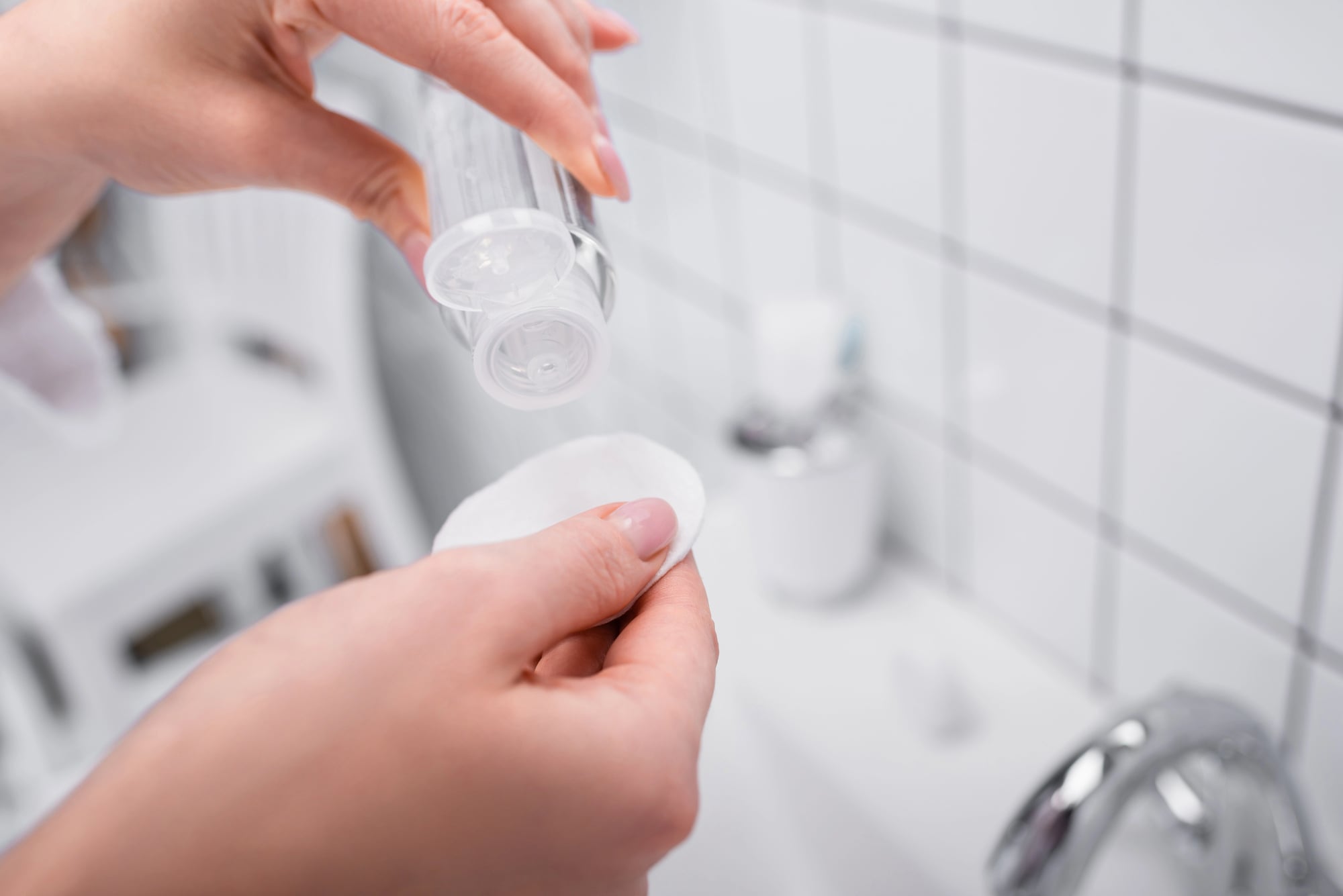
Cold cream was the universal solvent of beauty routines past. One jar handled makeup removal, moisturizing, and deep cleaning.
The ritual meant massaging thick, waxy cream into skin until everything — mascara, foundation, the day itself — dissolved away. Micellar water promises the same versatility with none of the ceremony.
Swipe, toss the cotton pad, done. But something about that quick efficiency feels incomplete compared to the intentional slowness of working cold cream into tired skin.
Mayonnaise Hair Masks Vs. Professional Treatments
Women once raided their refrigerators for hair treatments, and mayonnaise (with its eggs, oil, and vinegar) created surprisingly effective deep conditioning masks. The smell was questionable, but hair emerged genuinely softer after an hour under a towel, and the whole treatment cost about thirty cents.
Modern hair masks arrive in sleek tubes with scientific names and salon prices, but the core principle remains identical: fat and protein rebuild damaged strands. The vintage approach required patience and tolerance for looking ridiculous, while contemporary versions smell like expensive spas and work faster.
Yet many people who’ve tried both swear the mayonnaise method delivered better results, even if it meant explaining to confused family members why they were coating their hair with sandwich ingredients.
Petroleum Jelly Vs. Specialized Eye Creams
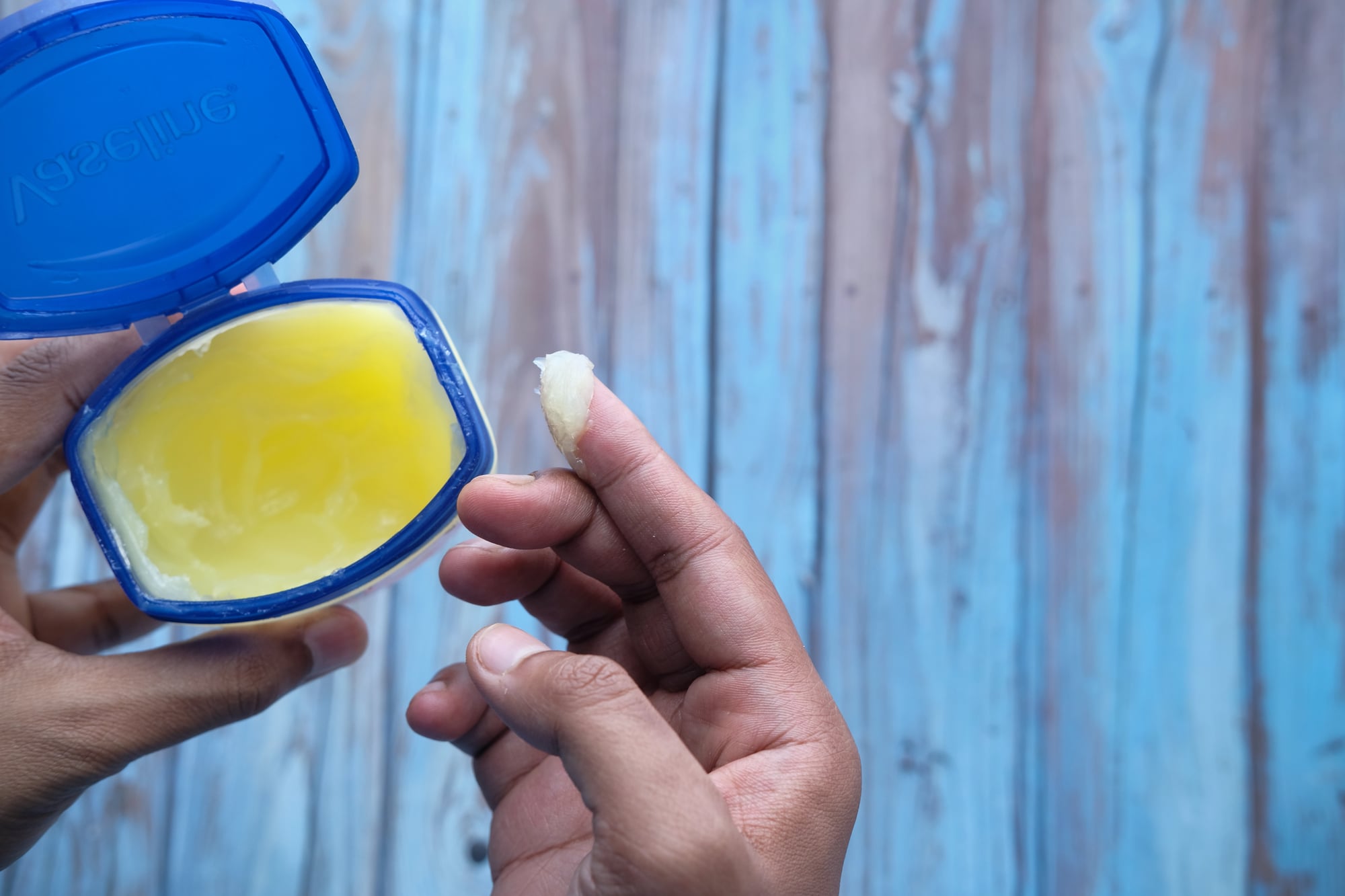
Vaseline served as the original multi-purpose beauty product — eye makeup remover, lip balm, cuticle softener, and overnight face treatment. One jar in the medicine cabinet handled dozens of beauty concerns for practically nothing.
The beauty industry has since convinced consumers that each area of the face requires its own specialized cream, particularly the delicate eye area. These products cost fifty times more than petroleum jelly and promise targeted results.
And yet, dermatologists still recommend plain Vaseline for many of the same concerns it addressed decades ago. The specialized products feel more sophisticated and often include additional beneficial ingredients, but the humble jar of petroleum jelly remains stubbornly effective at its core function of locking in moisture.
Pin Curls Vs. Heat Styling Tools
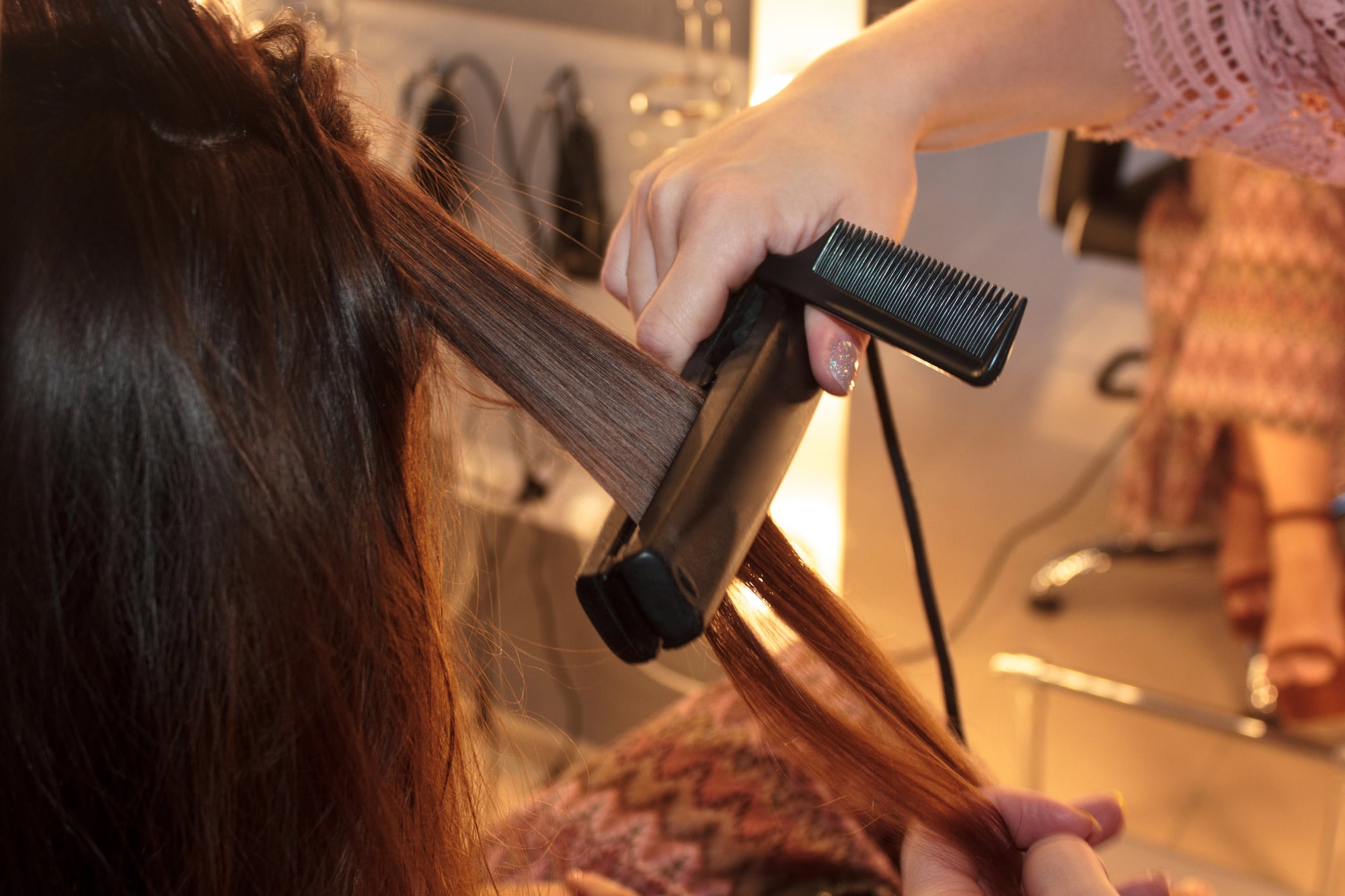
Pin curls were an art form disguised as a beauty routine. Women would damp-set their hair in carefully placed spirals, securing each curl with bobby pins, then sleep on the whole architectural project (which sounds deeply uncomfortable) or sit under a hood dryer.
The results, when done correctly, created waves that lasted for days without any additional styling. Modern heat tools promise similar results in minutes rather than hours, and they certainly deliver on convenience.
But those vintage pin curls had a staying power that contemporary styles rarely match. Heat styling creates temporary shape that fights the hair’s natural texture, while pin curls worked with wet hair to create semi-permanent waves that only improved as they relaxed.
The trade-off was obvious: hours of preparation for days of perfect hair, versus minutes of styling that might not survive the first humid day.
Rosewater Toner Vs. Multi-Step Skincare
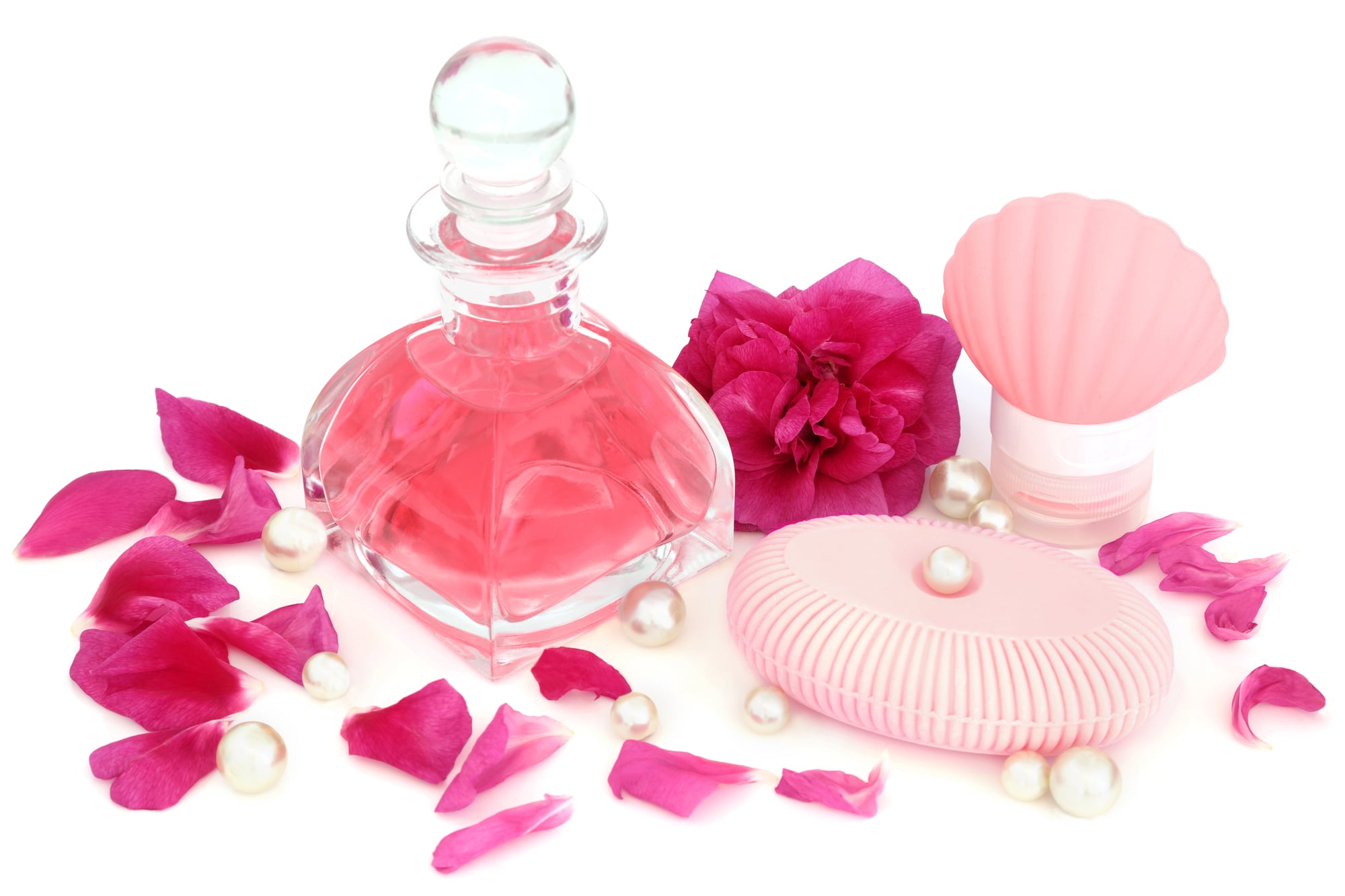
Rosewater represented the entire toning step of vintage skincare routines. Women would pat it onto clean skin and consider their complexion properly balanced.
The concept was simple: cleanse, tone with something floral and gentle, moisturize. Three steps, three products, minimal drama.
Contemporary skincare routines can involve ten or twelve steps with acids, serums, essences, and targeted treatments that promise to address every possible skin concern. The knowledge behind modern products is genuinely impressive — ingredients are better understood, formulations more precise, results more predictable.
But there’s something appealing about the simplicity of rosewater, which still works exactly as it did a century ago. It’s gentle, it smells lovely, and it doesn’t require a degree in chemistry to understand what it’s supposed to accomplish.
DIY Sugar Scrubs Vs. Professional Exfoliation
Vintage exfoliation meant combining sugar or salt with whatever oil was handy — olive oil from the kitchen, cold cream from the vanity, even butter in desperate moments. The mixture felt rough and primitive, but it removed dead skin effectively and left everything soft from the oil component.
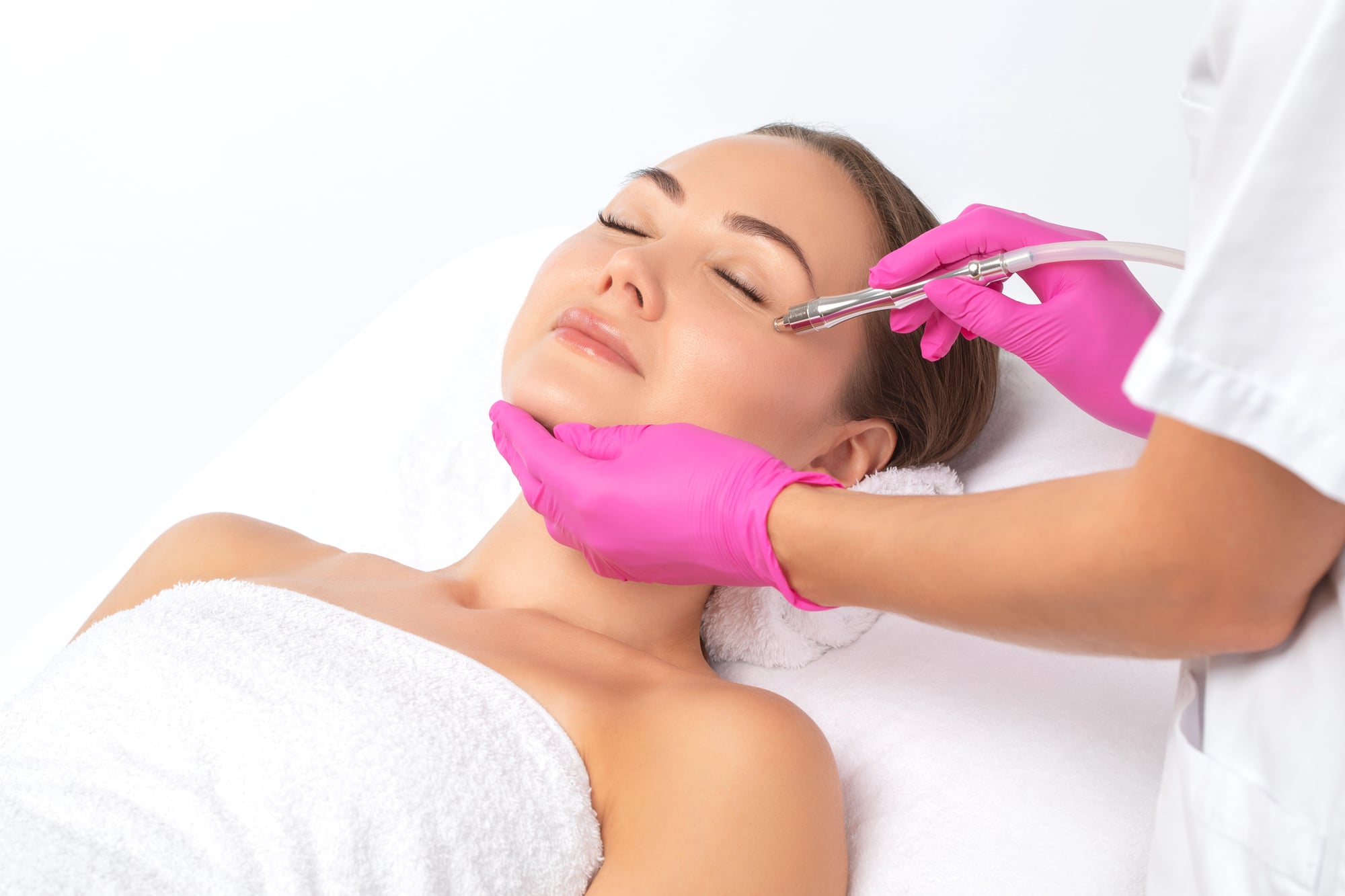
Professional exfoliation has become significantly more sophisticated, with chemical exfoliants, microdermabrasion, and precisely formulated scrubs that promise gentler but more effective results. The science is legitimate — many modern exfoliants are gentler on skin while providing more consistent results than harsh sugar scrubs.
But the DIY approach had an immediacy and simplicity that’s hard to replicate. You could create an effective scrub from ingredients already in the house, use it immediately, and achieve genuine improvements without planning or expense.
Witch Hazel For Everything Vs. Targeted Treatments
Witch hazel was the aspirin of vintage beauty routines — a single solution applied to numerous problems. Breakouts, razor burn, puffy eyes, minor cuts, oily skin, and general inflammation all received the same treatment: a cotton orb soaked in astringent witch hazel.
Modern beauty culture prefers targeted solutions. Acne gets salicylic acid or benzoyl peroxide, razor burn gets specialized aftershave balms, puffy eyes get caffeine-infused creams.
These targeted treatments often work better for their specific purposes than the one-size-fits-all approach of witch hazel. But there’s still something reassuring about having a single bottle that handles multiple concerns competently, even if not perfectly.
Homemade Face Masks Vs. Sheet Masks
Vintage face masks required creativity and whatever was available: oatmeal mixed with honey, mashed avocado, egg whites whipped with lemon juice. The preparations took time, the masks dried unevenly, and removal meant scrubbing sticky residue from the sink.
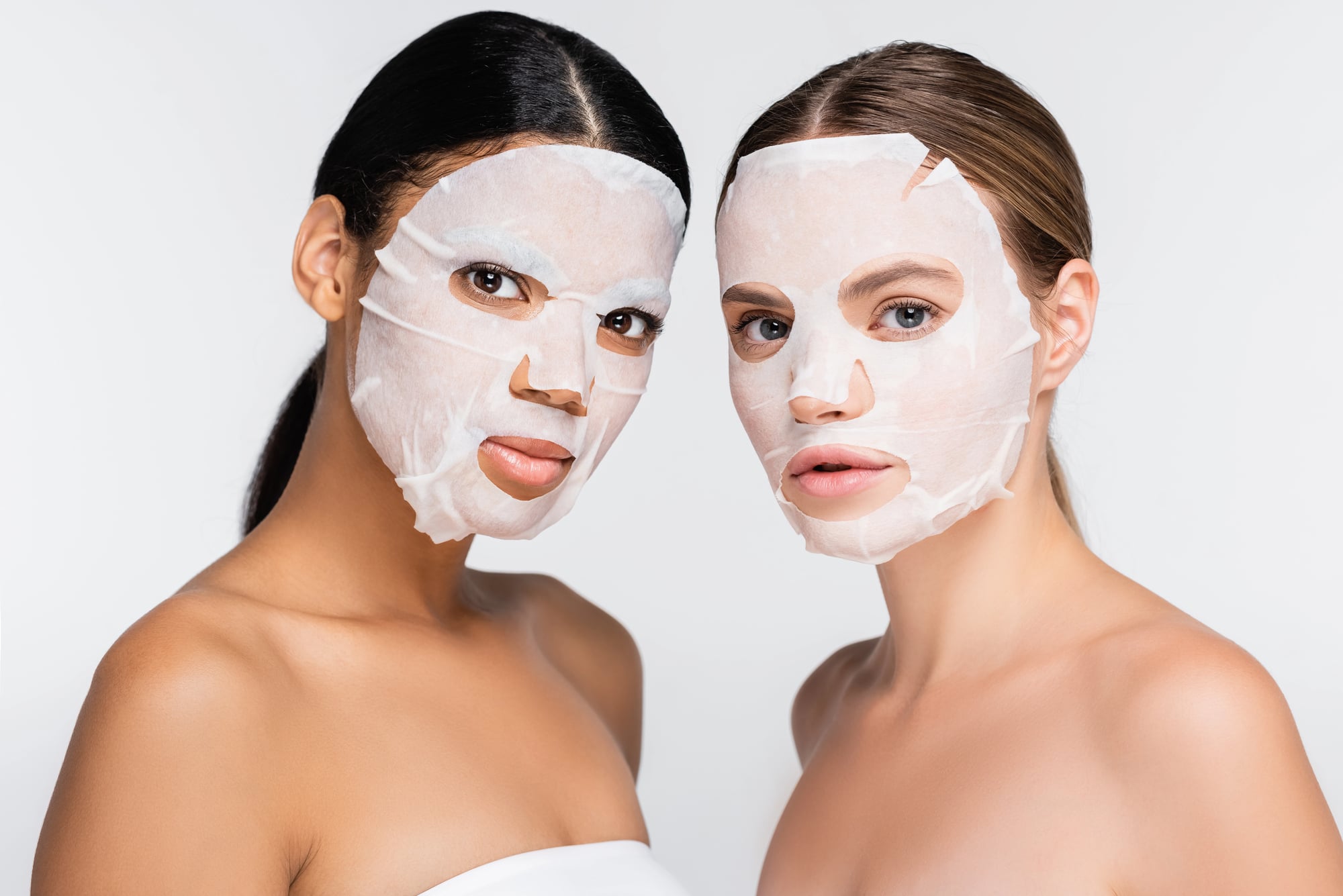
But women swore by their homemade concoctions and often developed signature recipes they used for decades. Sheet masks offer the same self-care ritual with none of the preparation or cleanup.
They fit perfectly, stay moist throughout the treatment, and peel off cleanly when finished. The convenience is undeniable, and the ingredient concentrations are probably more consistent than anything mixed in a home kitchen.
Yet something about the homemade approach felt more connected to the actual process of caring for skin, rather than simply applying a product someone else created.
Hot Oil Treatments Vs. Leave-In Conditioners
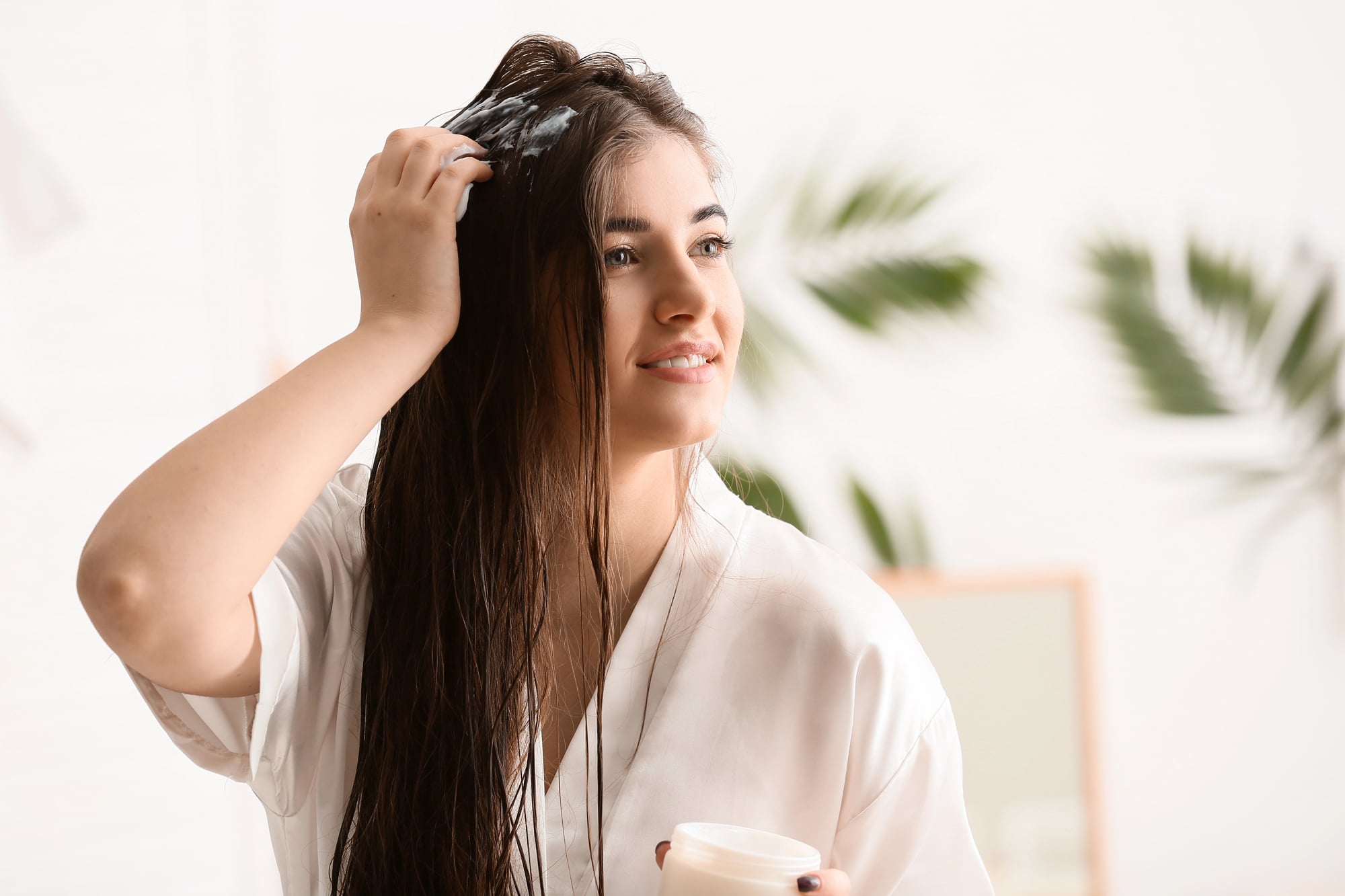
Hot oil treatments represented serious hair care commitment. Women would warm olive oil or castor oil, massage it through their hair, wrap everything in hot towels, and sit for an hour while the treatment penetrated.
The process was messy, time-consuming, and required dedication to the idea that hair health mattered more than immediate convenience. Leave-in conditioners provide similar benefits with zero ceremony — spray, comb through, style as usual.
They’re formulated to avoid the heavy, greasy feeling that hot oil treatments often left behind, and they contain ingredients specifically chosen for hair repair rather than borrowed from the kitchen. The results are more predictable and the experience more pleasant, but the ritual aspect has vanished entirely.
There was something powerful about dedicating an entire evening to hair care, even if the process was cumbersome.
Soap And Water Vs. Cleansing Systems
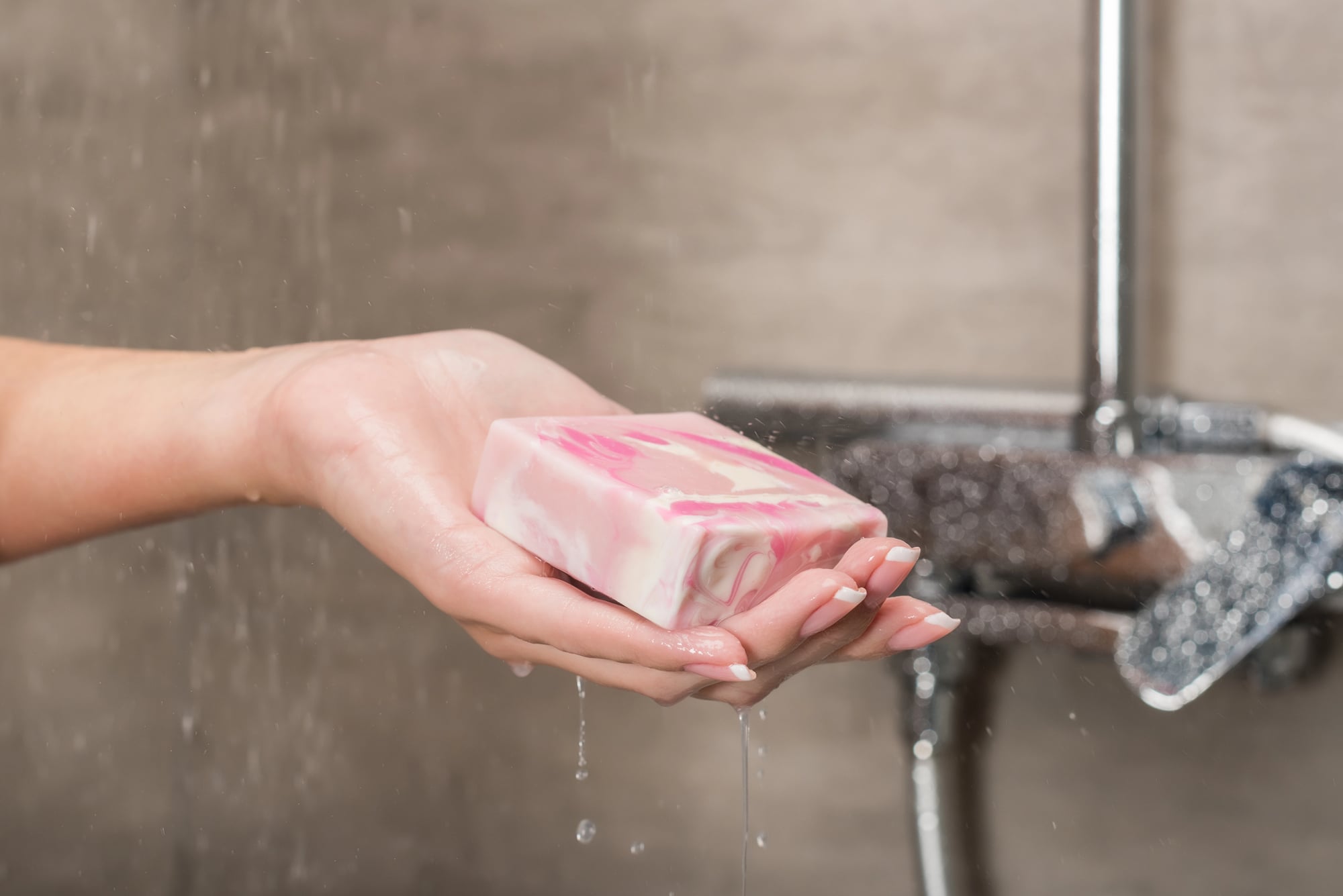
Vintage cleansing routines were admirably straightforward: good soap, warm water, clean washcloth. The soap was often harsh by modern standards, but the routine was simple to understand and impossible to mess up.
Clean skin was the goal, and soap achieved clean skin. Modern cleansing has evolved into a complex decision tree of gel cleansers, cream cleansers, oil cleansers, foam cleansers, and micellar waters, each promising to address specific skin types and concerns.
The variety allows for more personalized care, and many modern cleansers are genuinely gentler than vintage soap. But the simplicity of soap and water had a clarity that’s been lost in the abundance of options.
You knew what you were using and why, even if the results weren’t always perfect.
Vaseline And Powder Vs. Modern Makeup Primers
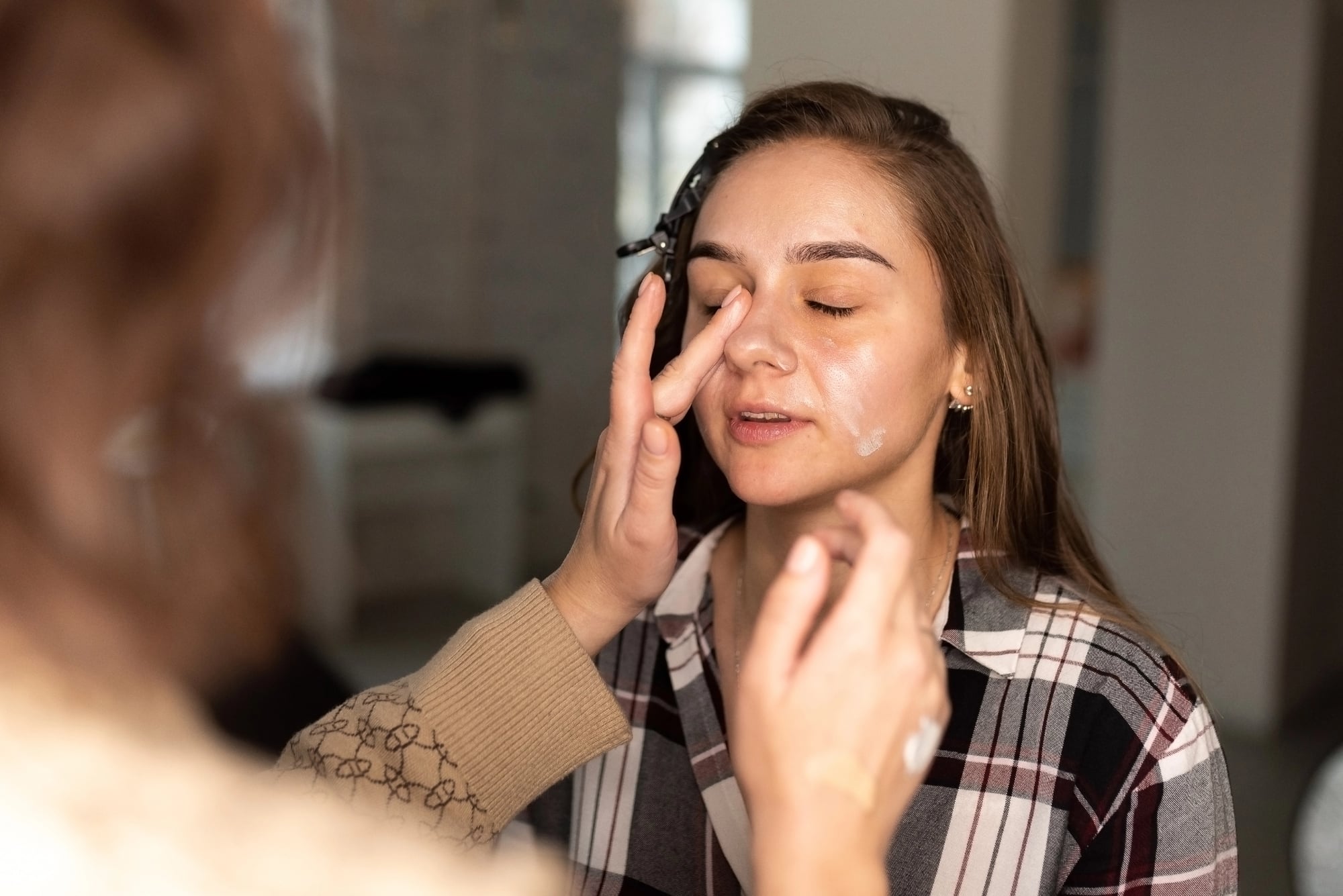
Setting makeup in vintage eras meant patting powder over a thin layer of petroleum jelly or cold cream. The combination created a smooth base and helped powder adhere, though it could look heavy and mask-like if applied too generously.
The technique worked, but it required skill to avoid looking overly made-up. Modern primers are formulated specifically for makeup application, with silicones that create smooth surfaces and ingredients that extend wear time without the heaviness of oil-based products.
They’re easier to use and create more natural-looking results than the old powder-over-Vaseline method. The vintage approach was cheaper and used products that served multiple purposes, but modern primers genuinely perform better at their specific job.
Lemon Juice Lightening Vs. Professional Hair Color
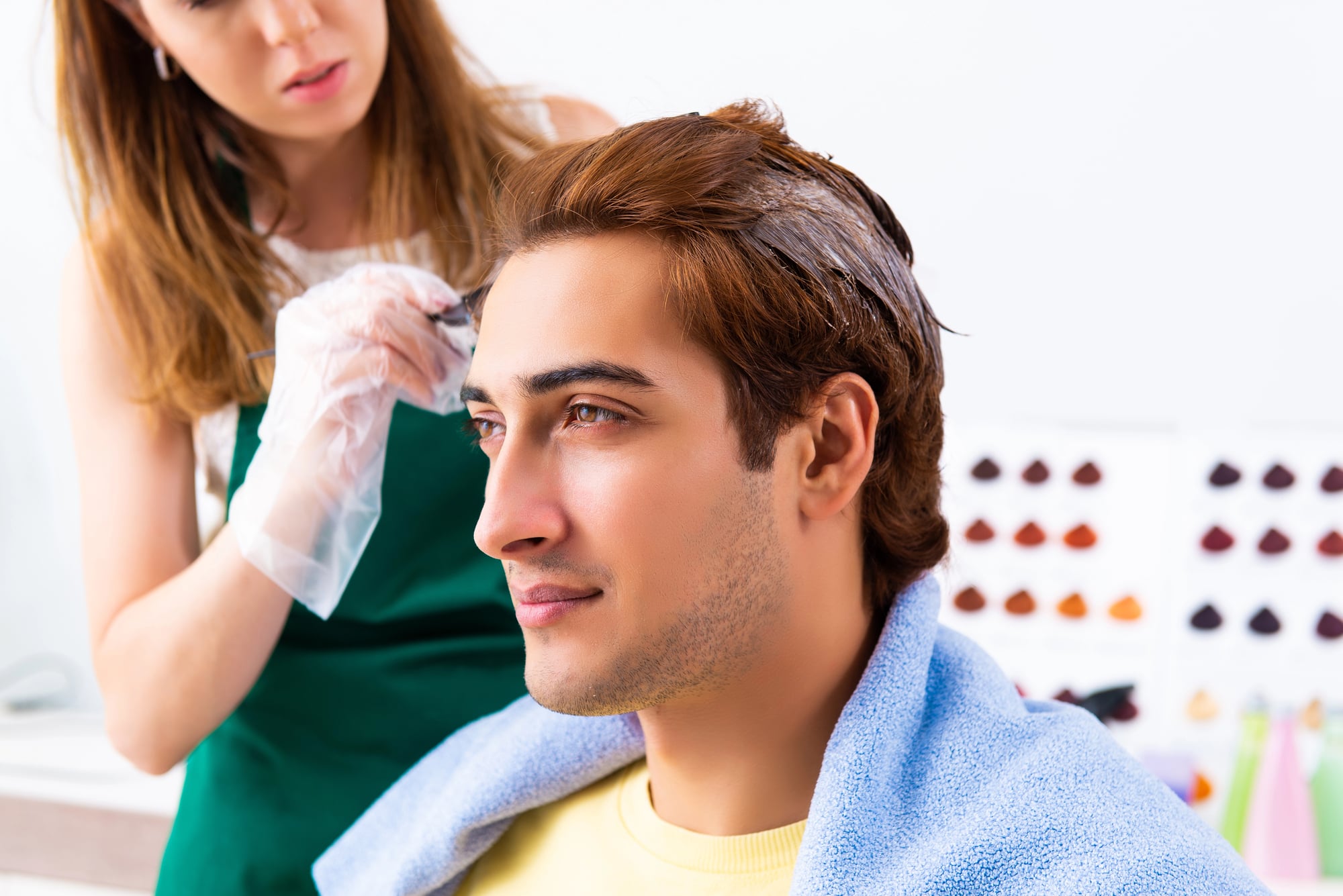
Lemon juice was the original hair lightener, applied to damp hair before sitting in the sun for gradual, natural-looking highlights. The results were unpredictable and slow to develop, but the highlights looked genuinely sun-kissed because they were sun-kissed.
Professional hair coloring delivers precise, predictable results in a few hours rather than a summer of sun exposure. The color options are limitless, the techniques more sophisticated, and the results more dramatic than anything achievable with citrus fruit.
But lemon juice highlights had a naturalness that’s difficult to replicate with salon techniques, and the gradual development meant subtle changes that enhanced rather than transformed natural hair color.
Cold Water Rinses Vs. Scalp Treatments
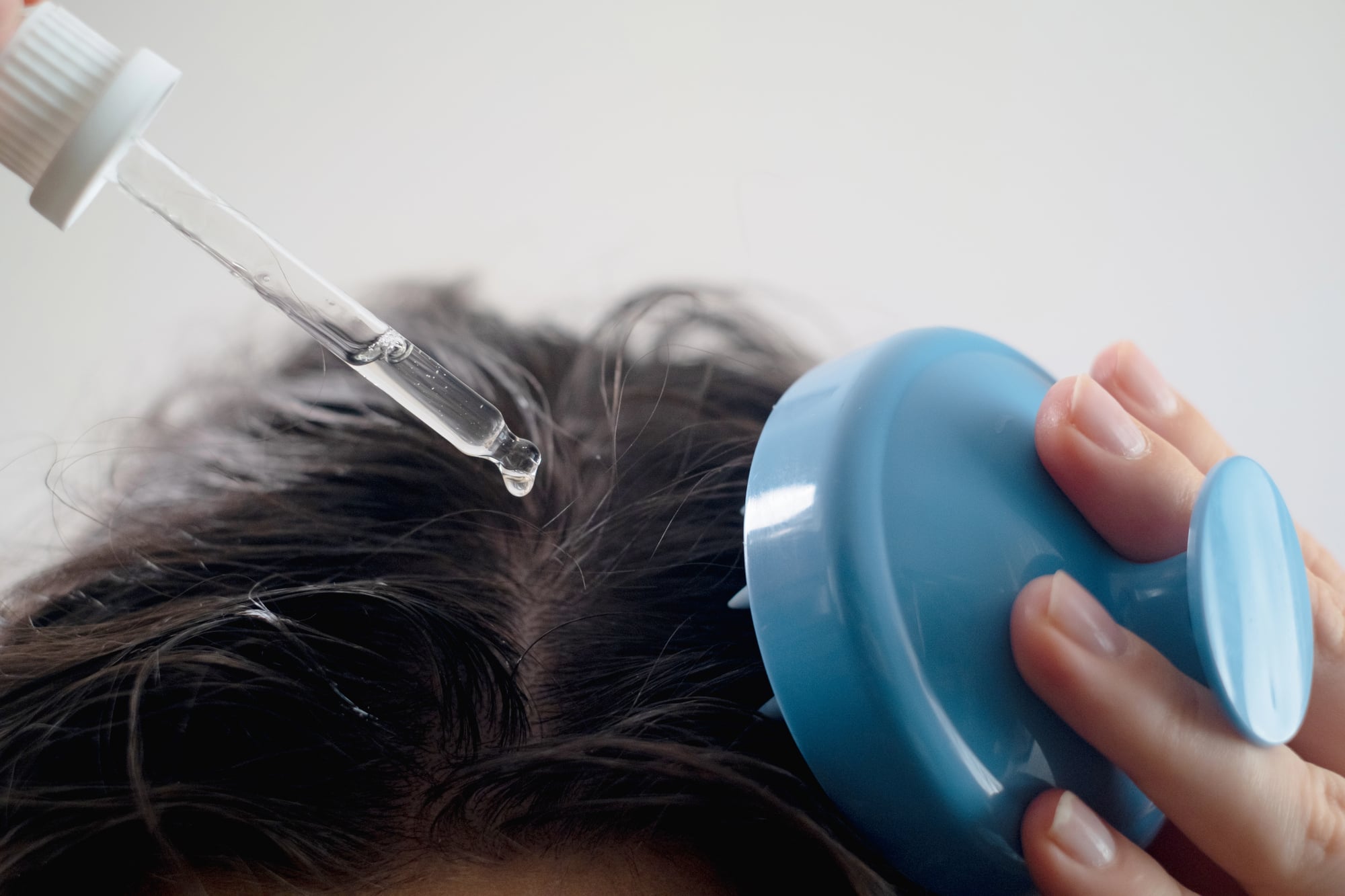
Finishing hair washing with cold water was standard advice for generations. The cold water supposedly sealed the hair cuticle and added shine, while also tightening scalp pores.
The experience was unpleasant, especially in winter, but women endured it for the promised benefits to hair health. Modern scalp treatments use ingredients like salicylic acid, tea tree oil, or peptides to address specific scalp concerns, while leave-in treatments seal the hair cuticle more effectively than temperature changes.
The science behind contemporary scalp care is more precise, and the experience is certainly more pleasant than shocking your system with cold water. But the cold rinse had a simplicity and immediacy that modern treatments lack — no special products required, results visible immediately, and the uncomfortable sensation that somehow convinced people it must be working.
Beauty Lessons Worth Remembering
The comparison reveals something unexpected about the evolution of self-care. Vintage beauty routines demanded more time and tolerance for discomfort, but they also cultivated a different relationship with the process itself.
The lengthy rituals created space for reflection and genuine self-care, even when the methods were crude. Modern beauty routines are undeniably more effective, convenient, and pleasant to use.
The products are safer, the results more predictable, and the experience more enjoyable. But something valuable was lost in the efficiency gains — the meditative quality of slow, intentional beauty rituals that required presence rather than just application.
Perhaps the best approach borrows from both eras: the scientific advances of modern products with the mindful patience of vintage self-care.
More from Go2Tutors!

- The Romanov Crown Jewels and Their Tragic Fate
- 13 Historical Mysteries That Science Still Can’t Solve
- Famous Hoaxes That Fooled the World for Years
- 15 Child Stars with Tragic Adult Lives
- 16 Famous Jewelry Pieces in History
Like Go2Tutors’s content? Follow us on MSN.