Bizarre Animals You Never Knew Existed
Most people think they know what lives on this planet. You’ve seen documentaries about lions and elephants, maybe spotted a few interesting birds at the park.
But Earth hosts creatures so strange that they challenge everything you thought you knew about biology. These animals look like someone’s fever dream, yet they’re as real as your pet dog.
Aye-Aye: The Primate That Hunts Like a Woodpecker
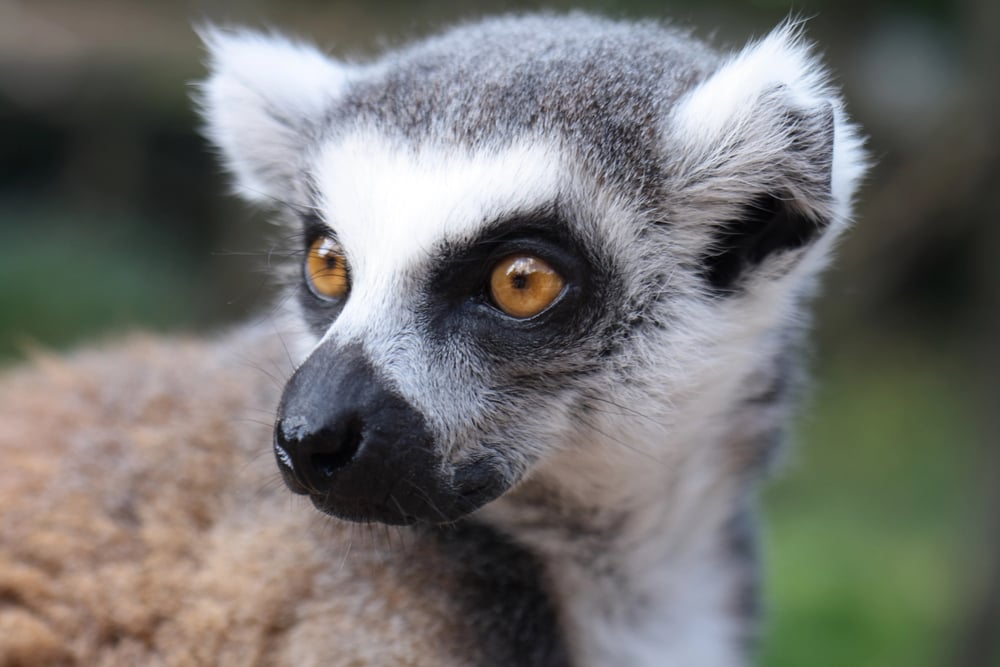
Madagascar is home to this lemur that looks like it was assembled from spare parts. The aye-aye has bulging yellow eyes, bat-like ears, and one especially long, skeletal middle finger.
That finger isn’t just for show. The aye-aye taps on tree bark, listening for hollow spots that hide grubs.
When it finds one, it gnaws a pit with its rodent-like teeth and uses that creepy finger to hook out the larvae.Local villagers once considered the aye-aye a death omen and killed them on sight.
Conservation efforts have helped, but these nocturnal primates remain endangered.They’re proof that evolution doesn’t care about looking cute.
Blobfish: The Face That Launched a Thousand Memes
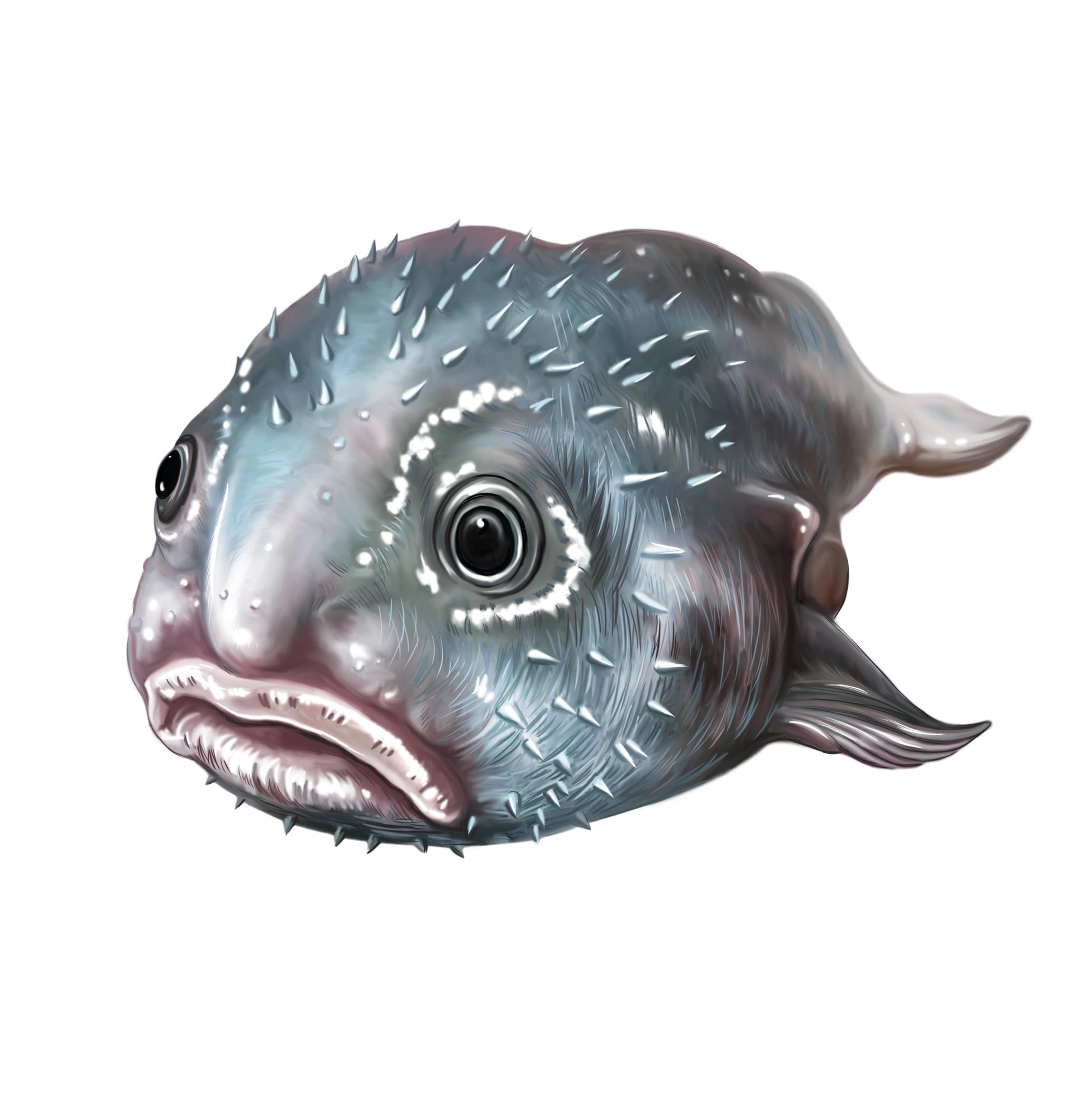
Pull a deep-sea fish up to the surface too quickly, and the pressure change turns it into something nightmarish. The blobfish suffers this fate regularly.
At its natural depth—around 3,000 feet below the ocean surface—it looks relatively normal. But on land or in shallow water, its gelatinous body collapses into that sad, droopy face the internet loves to mock.
The blobfish doesn’t have much muscle. It doesn’t need it.
The animal just floats above the ocean floor, opening its mouth to catch whatever drifts by.It’s actually a brilliant adaptation to an environment where every movement requires energy you can’t afford to waste.
Star-Nosed Mole: Twenty-Two Fingers on Your Face
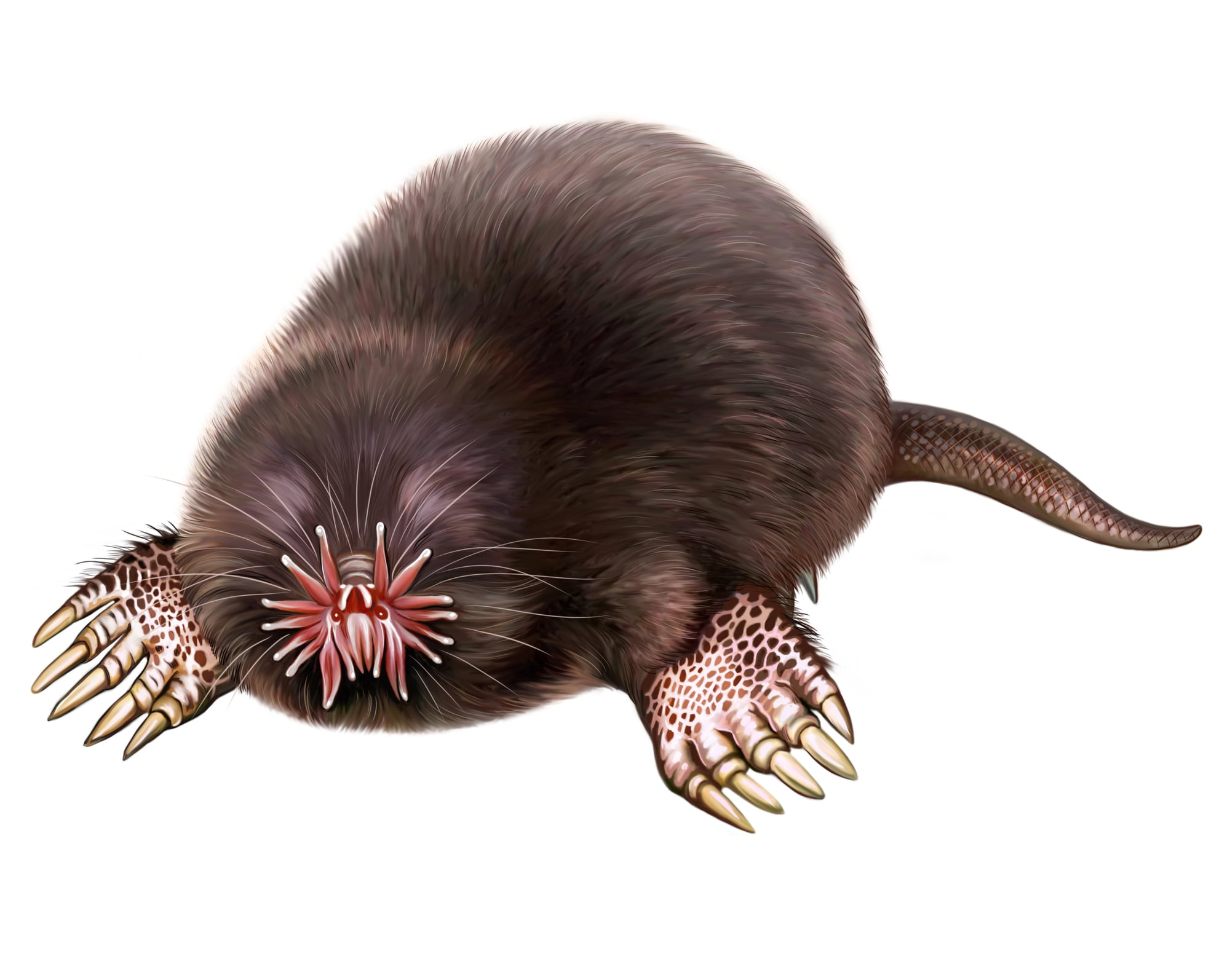
Picture a mole. Now add 22 pink, fleshy tentacles radiating from its snout.
That’s the star-nosed mole, and those tentacles aren’t decorative. They’re covered in thousands of touch receptors called Eimer’s organs.
This mole identifies and eats prey faster than any other mammal on Earth—sometimes in less than a quarter of a second.The star-nosed mole lives in wet, marshy areas in North America.
It tunnels through mud, occasionally diving underwater to hunt aquatic insects and small fish.That nose star closes up when the mole swims, protecting the sensitive organs from water intrusion.
Speed and touch sensitivity matter more than sight when you spend your life in dark tunnels.
Mantis Shrimp: The Boxer That Sees Sixteen Colors
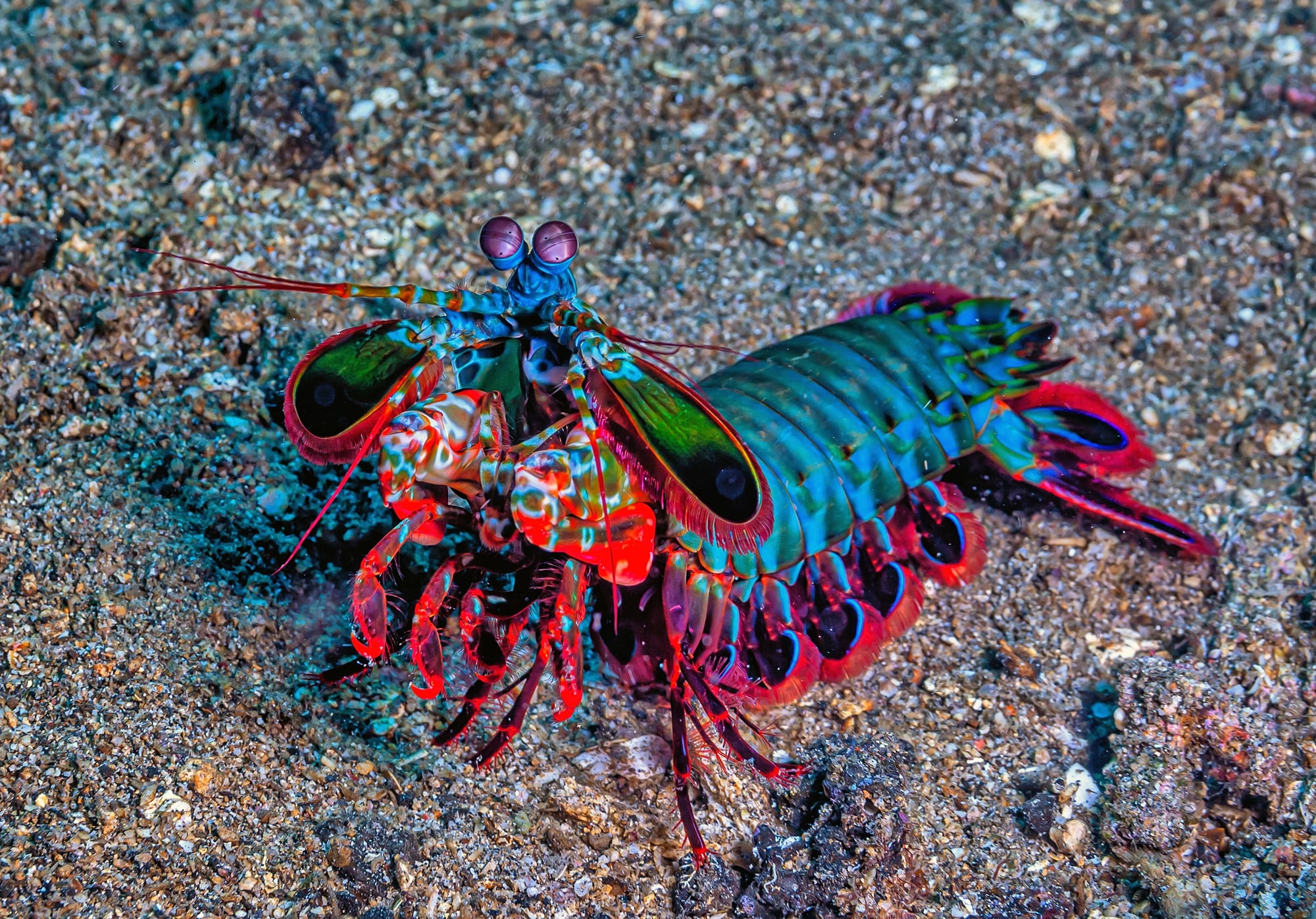
This marine crustacean hits with the force of a bullet. The mantis shrimp has specialized appendages that can strike prey at speeds up to 50 miles per hour.
The impact creates cavitation bubbles that collapse with a flash of light and heat. It’s essentially punching things with the power of a small explosion.
But the real trick is its eyes. Humans have three types of color receptors.
The mantis shrimp has sixteen. It sees ultraviolet, visible, and polarized light in ways scientists are still trying to understand.
Each eye moves independently and contains depth perception on its own. This animal views a world we can’t even imagine.
Glass Frog: Transparency Takes Survival to New Levels
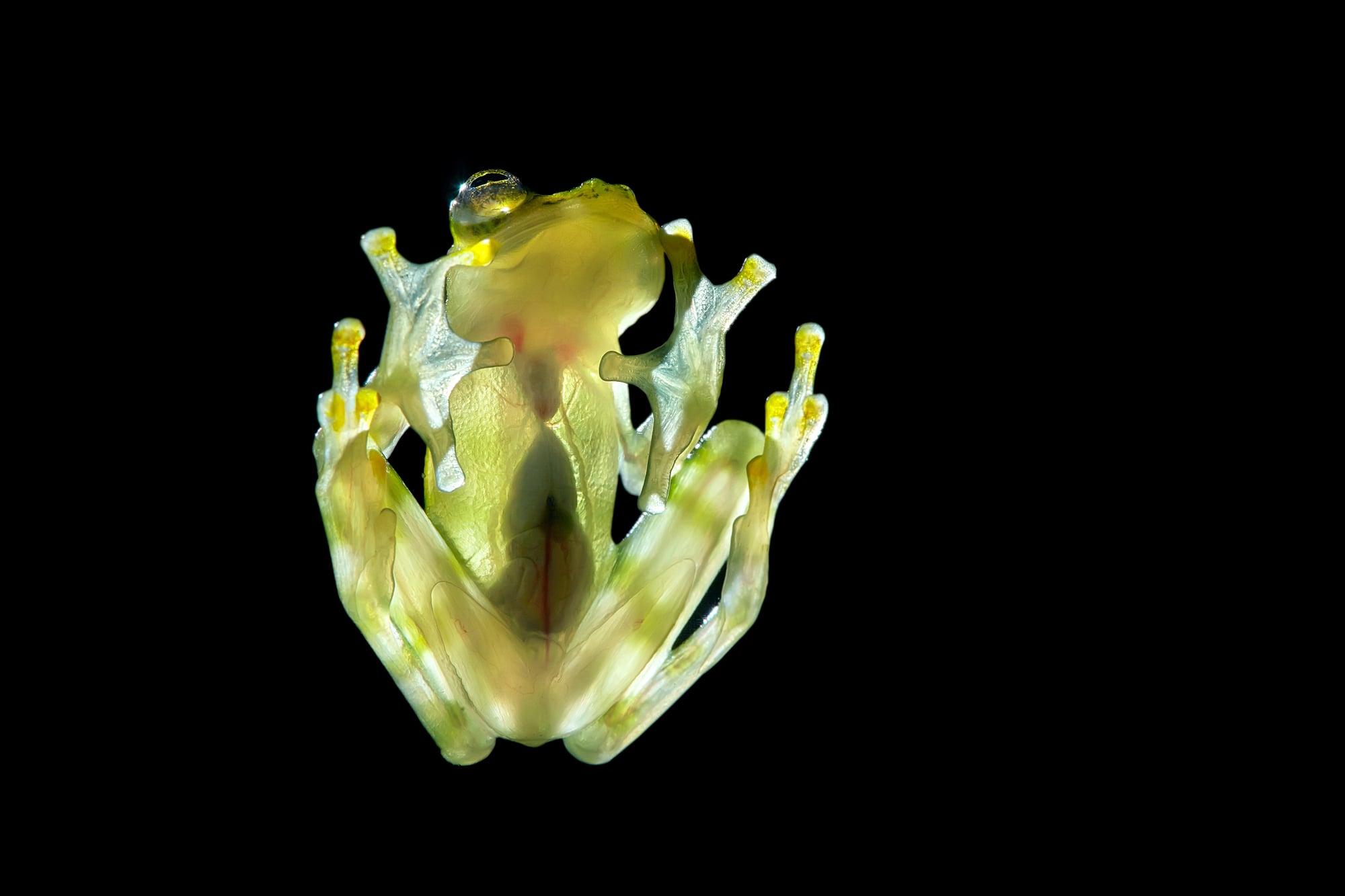
Turn a glass frog over and you can see its heart beating. Its organs.
Its eggs developing inside the female’s body. The underside of this Central and South American amphibian is completely transparent.
The top side usually has greenish skin that helps it blend with leaves, but flip it over and you get a biology lesson.
Scientists still debate why this transparency evolved. One theory suggests that it helps the frog blend with its background more effectively by reducing shadows.
Another proposes that it confuses predators who rely on recognizing specific animal shapes. Either way, watching a glass frog’s heart pump blood through visible vessels is unsettling and fascinating in equal measure.
Axolotl: The Salamander That Never Grows Up
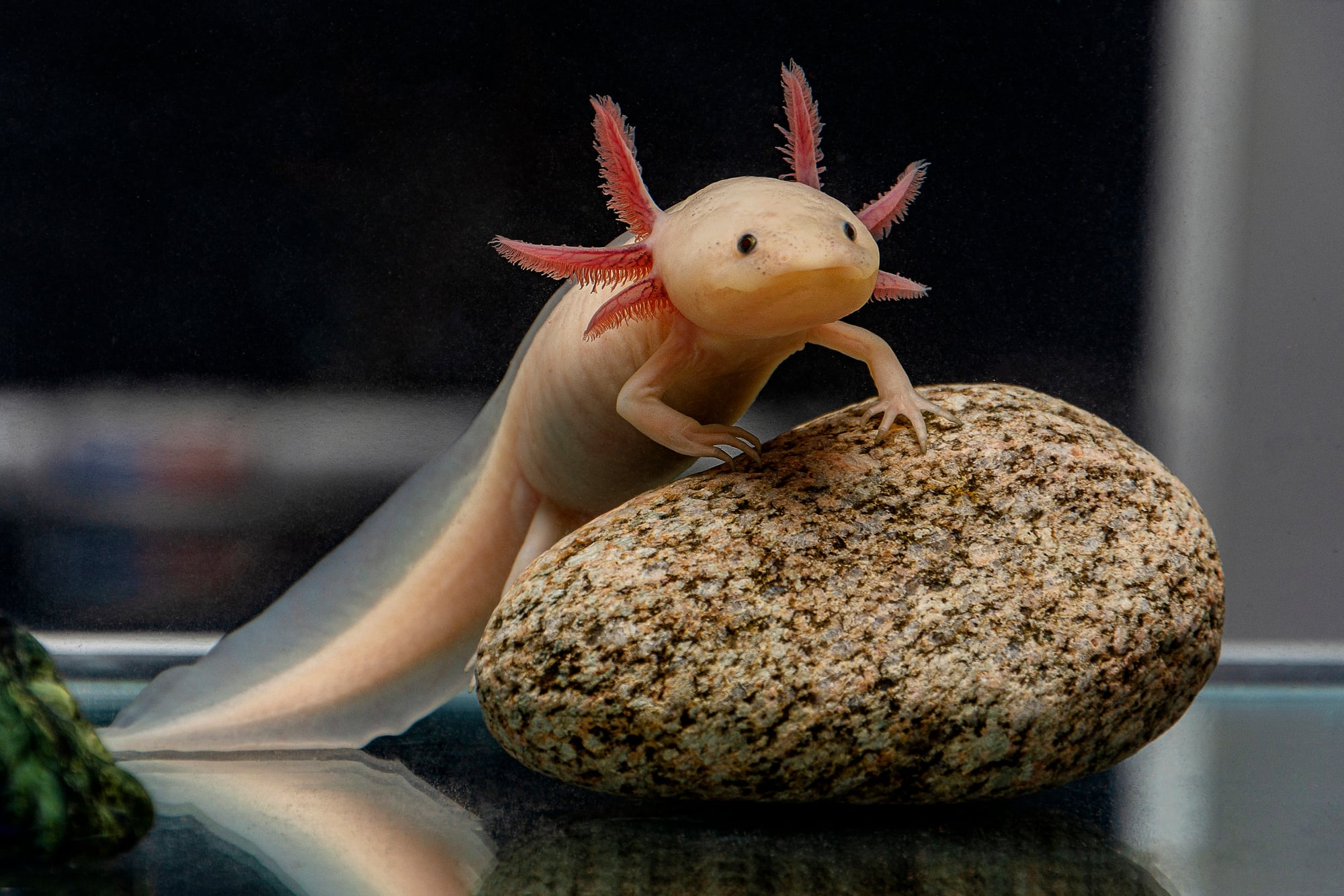
Most salamanders start life in water with gills, then develop lungs and move to land. The axolotl says no to that plan.
It keeps its feathery external gills and stays aquatic its entire life.
This phenomenon, called neoteny, means the axolotl reaches maturity without metamorphosing into an adult form.
The axolotl also regenerates limbs, spinal cord, heart, and even parts of its brain. Scientists study these Mexican salamanders intensively, hoping to understand tissue regeneration.
Wild axolotls are critically endangered, found only in a few canals near Mexico City. The pet trade and scientific research keep the species alive in captivity, but their natural habitat has nearly vanished.
Pangolin: Scales Made of Keratin, Not Metal
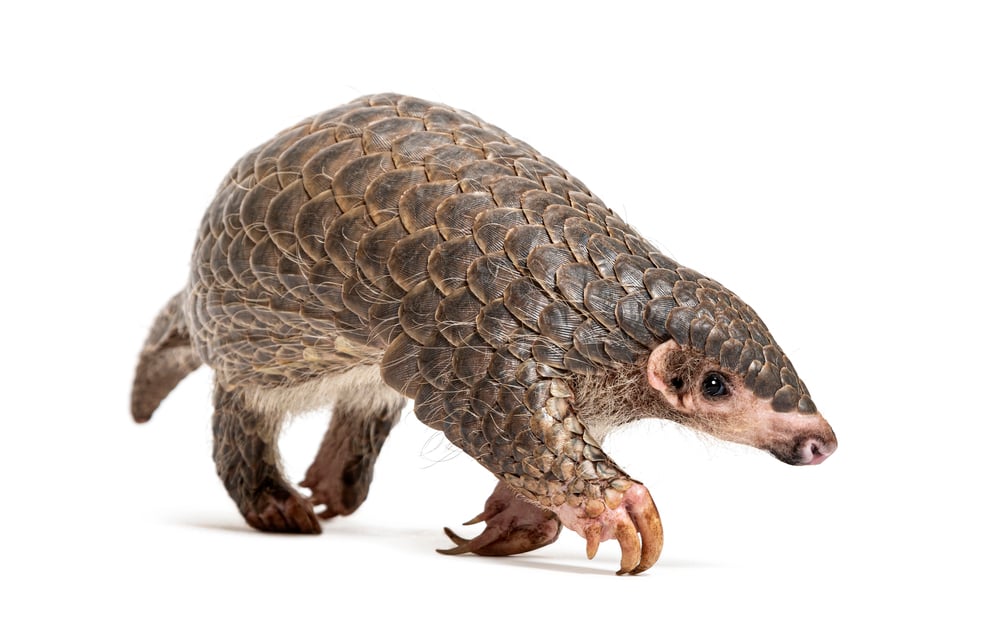
This mammal looks like it wandered out of a fantasy novel. The pangolin is covered in overlapping scales made from the same material as your fingernails—keratin.
When threatened, it rolls into a tight sphere, with those scales creating armor that even lions struggle to penetrate.
Its tongue can be longer than its entire body, perfect for slurping up ants and termites from deep inside nests.
Pangolins are the most trafficked mammals in the world. People hunt them for their scales, which are incorrectly believed to have medicinal properties.
All eight species face extinction. These gentle, solitary creatures evolved for millions of years, only to face decimation by humans in a few decades.
Saiga Antelope: The Nose That Filters Desert Dust
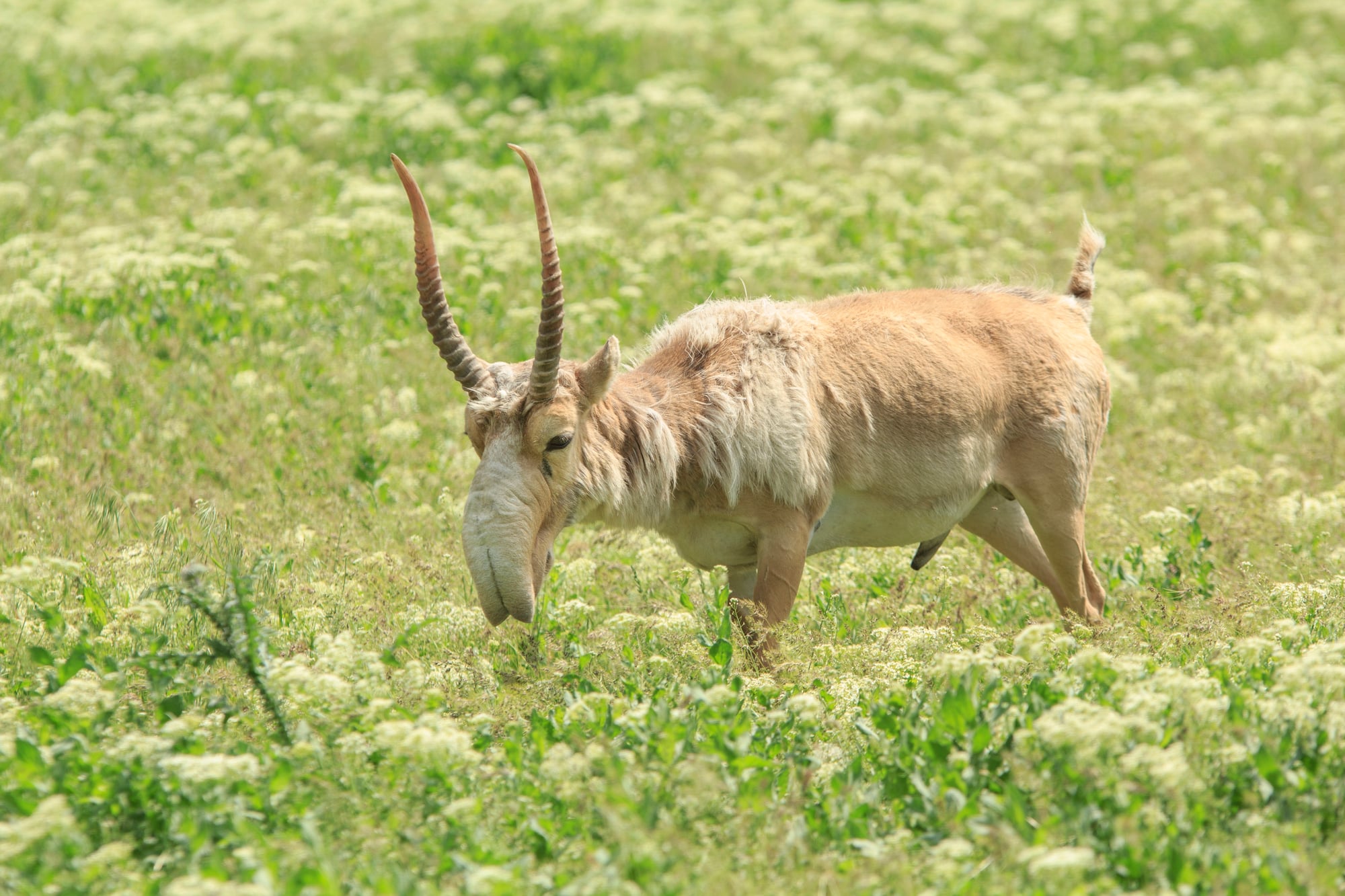
The saiga antelope has a nose that looks like a small trunk. This inflated, flexible snout isn’t a joke of evolution.
It filters dust during the dry summers on the Central Asian steppes and warms frigid air during brutal winters.The saiga can survive temperatures that would kill most other mammals.
These antelopes nearly went extinct in the early 2000s when their population crashed by 95 percent due to poaching and disease. Conservation efforts have brought them back from the brink, but they remain critically endangered.
Seeing a herd of saigas moving across the steppe is like watching creatures from another epoch.
Pink Fairy Armadillo: Desert Dweller With Built-In Air Conditioning
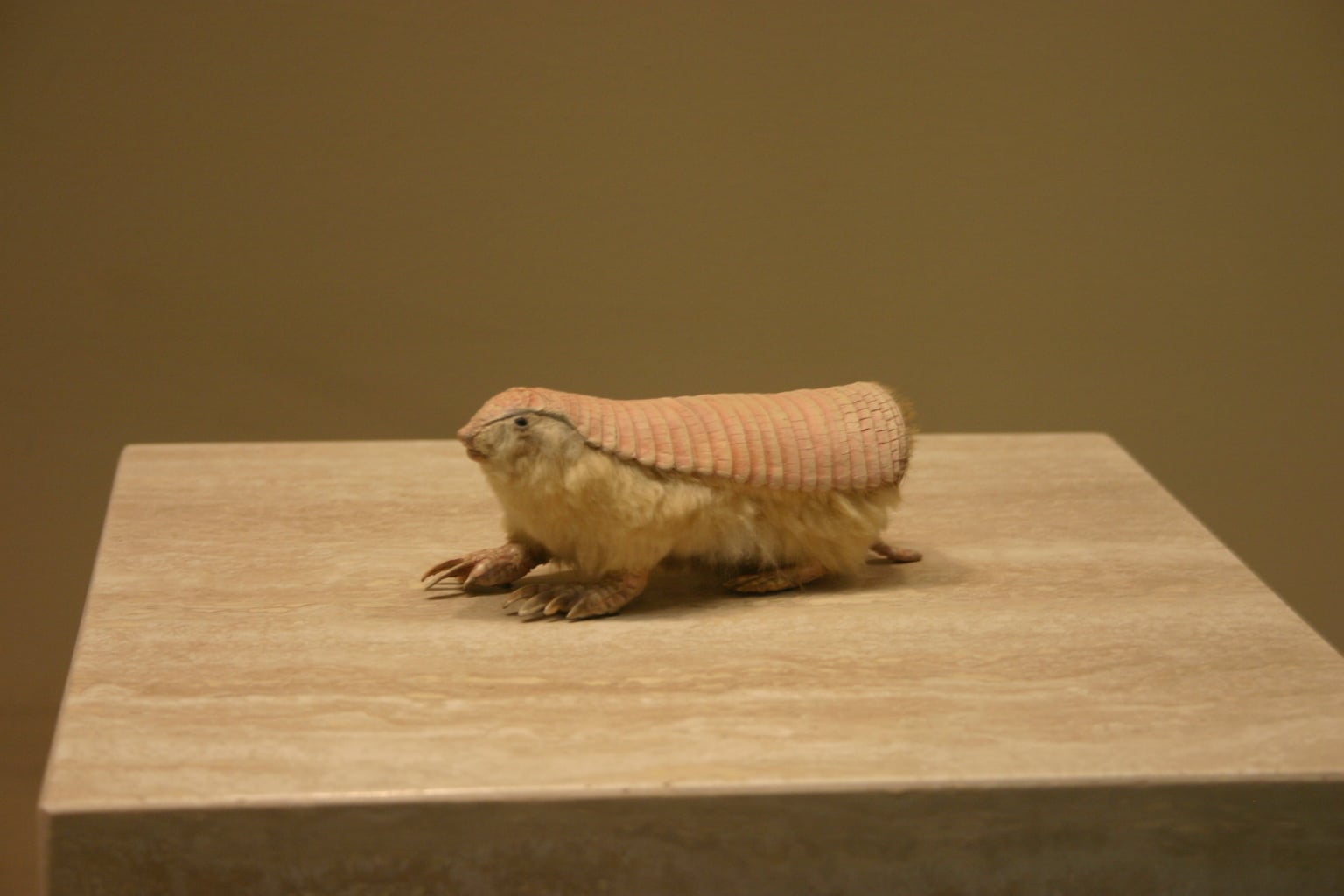
At about five inches long, the pink fairy armadillo is the smallest armadillo species. It lives in the sandy plains of central Argentina, spending most of its time underground.
That pink shell on its back isn’t just armor. Blood vessels run close to the surface, helping the animal regulate its temperature in the harsh desert environment.
This armadillo is so specialized for underground life that it almost never appears above ground. Most of what scientists know about it comes from dead specimens or the rare individual that surfaces.
It swims through sand using powerful front claws, hunting for ants and larvae. Photos of live pink fairy armadillos remain incredibly rare.
Leafy Sea Dragon: The Fish That Became a Plant
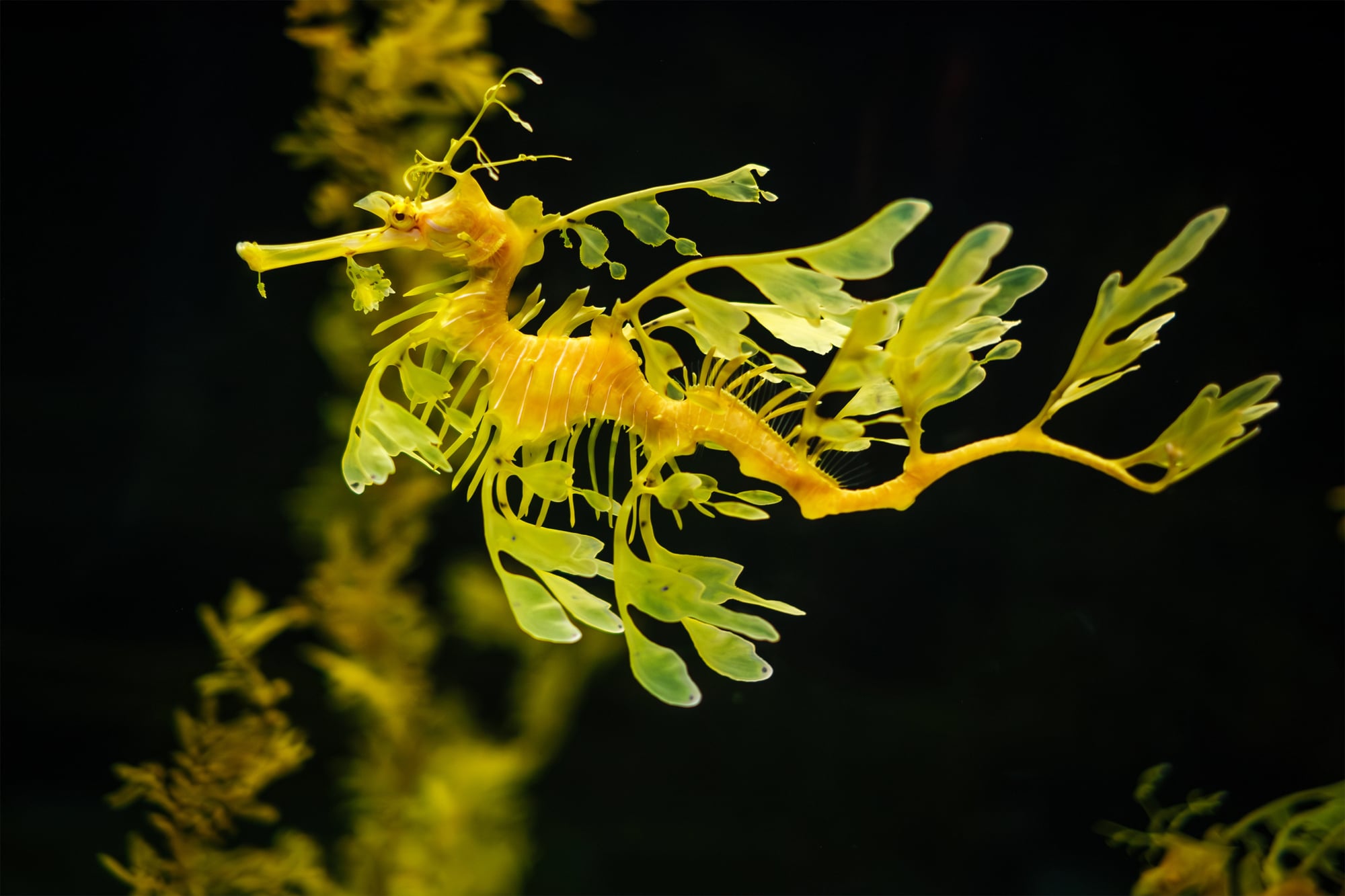
The leafy sea dragon looks exactly like floating seaweed. Its body sports elaborate, leaf-like appendages that drift with ocean currents off the coast of southern Australia.
These “leaves” aren’t for swimming. They’re camouflage.
The sea dragon propels itself with nearly transparent fins so subtle that the animal appears to be drifting randomly through the water.Male sea dragons carry the eggs.
The female deposits around 250 eggs onto a special brood patch on the male’s tail, and he carries them for about nine weeks until they hatch.These creatures are relatives of seahorses, and like their cousins, they mate for life.
Watching a leafy sea dragon move through kelp forests is like seeing a myth come alive.
Proboscis Monkey: The Nose That Keeps Growing
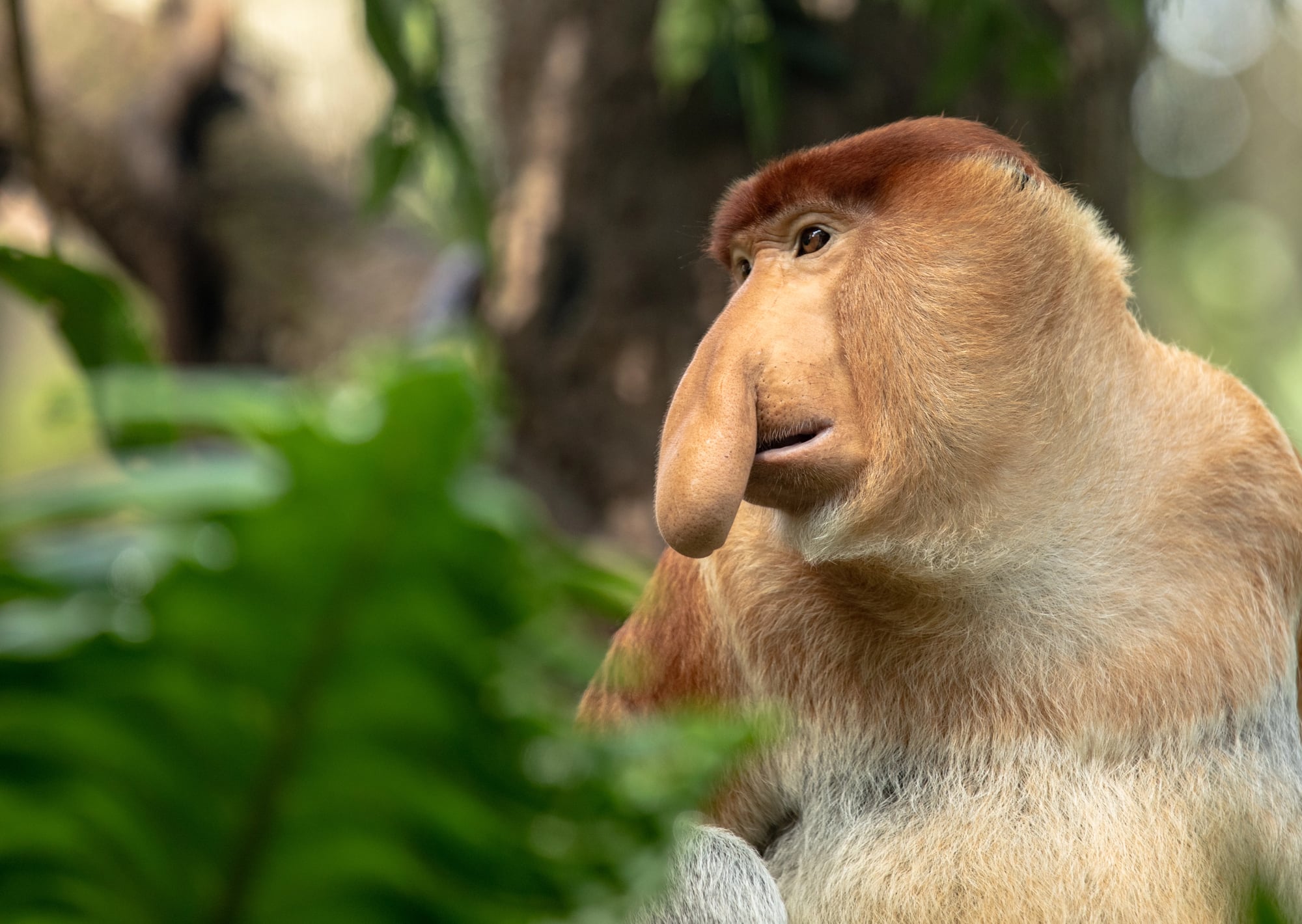
Male proboscis monkeys develop enormous, pendulous noses that can reach four inches long. Scientists think females find these noses attractive, and the males with the biggest noses secure the most mates.
The nose also amplifies the monkey’s warning calls, making the dominant male sound more impressive to rivals.These monkeys live in the rainforests and mangroves of Borneo.
They’re excellent swimmers, with partially webbed feet that help them cross rivers and escape predators.The nose swells and turns red when the monkey gets excited or aggressive.
Like many rainforest species, habitat destruction threatens their survival.
Goblin Shark: Deep-Sea Horror With Retractable Jaws
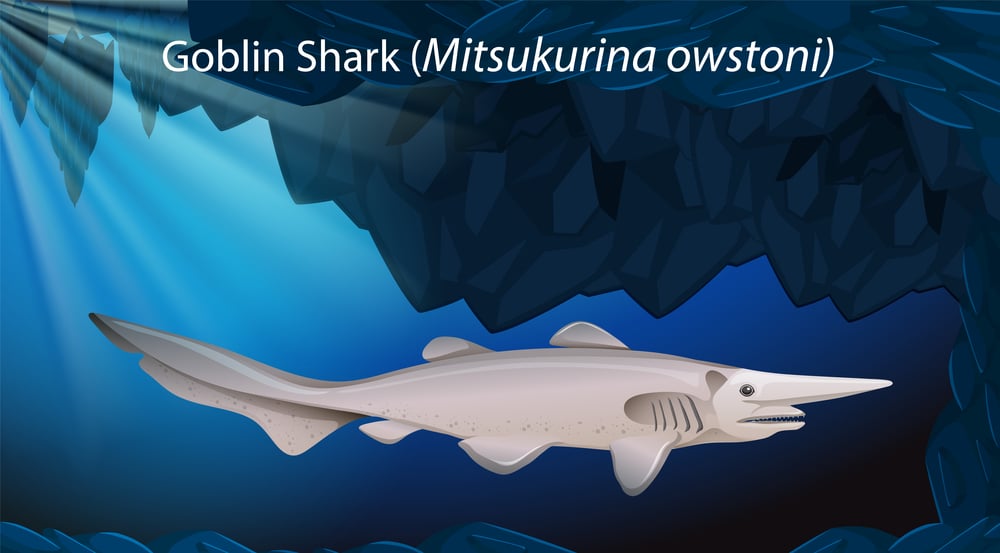
The goblin shark looks like it failed at being a shark. Its snout protrudes like a long, flat blade.
Its jaws shoot forward from its head when it strikes prey—a feature called slingshot feeding.Those jaws can extend several inches in a fraction of a second, grabbing fish and squid before they realize the danger.
Nobody really knows how many goblin sharks exist or much about their behavior. They live in deep water, rarely coming close enough to the surface for human observation.
The few specimens caught or filmed show a pink-white coloration and a body that seems designed by someone who’d never seen a real shark before.Evolution took a weird turn with this one.
Okapi: The Giraffe That Decided to Be a Zebra
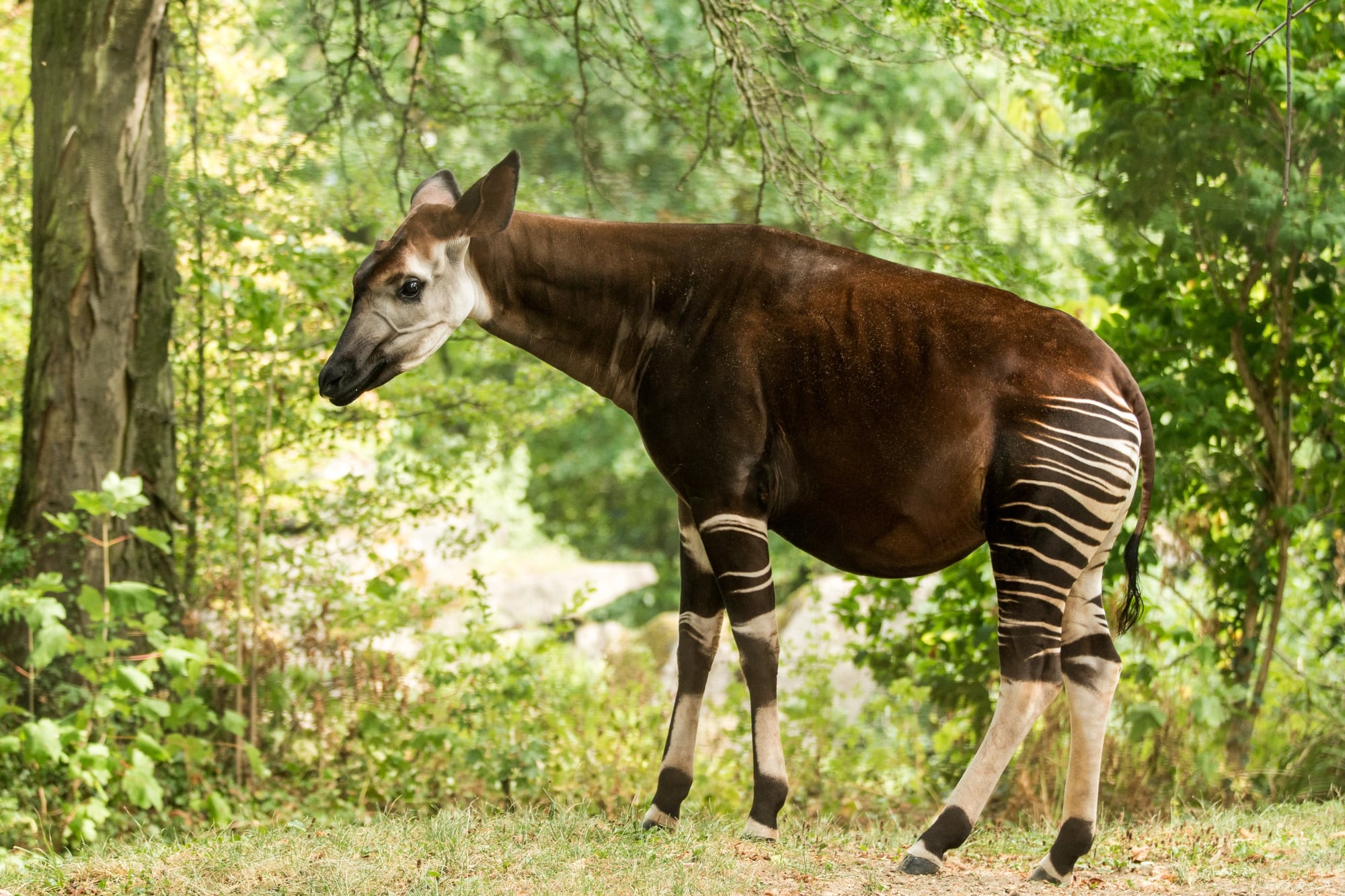
For years, Europeans thought the okapi was a myth. Local people in the Congo told stories of a forest animal with zebra stripes, but no western scientist had seen one.
Then in 1901, a British explorer confirmed its existence.The okapi is actually the giraffe’s only living relative, despite looking nothing like one.
It has zebra stripes on its legs and rear, a chocolate-colored body, and a purple tongue that can grab leaves like its taller cousin.The okapi lives in dense rainforests, using its stripes as camouflage in the dappled forest light.
It’s solitary, shy, and rarely seen even by people who spend years in its habitat.The species is endangered, threatened by habitat loss and hunting.
Finding an okapi in the wild remains one of the most exciting moments a wildlife researcher can experience.
Shoebill: The Bird That Stares Into Your Soul
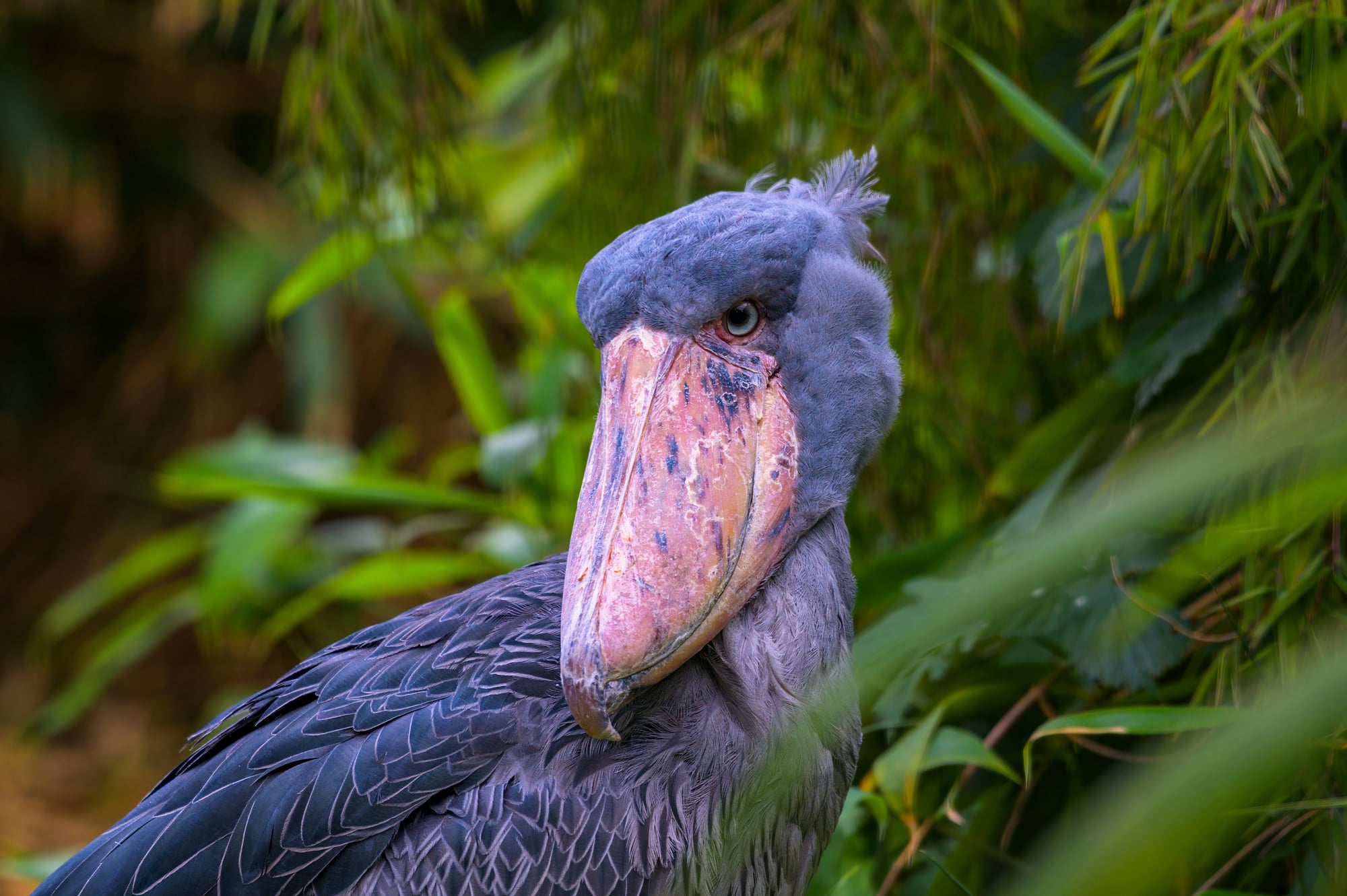
A giant wading bird, taller than most children, holds itself upright in murky swamps. Its beak resembles an old wooden shoe left behind on a path.
Instead of rushing through water after fish, it freezes – motionless – as time drags on.Patience pays when slow-moving lungfish break the surface ripple.
In less than a blink, the head darts forward.The thick beak snaps shut like a trap sprung. Sharp ridges inside slice cleanly through flesh and bone.
Out in East African wetlands, shoebills stand alone, guarding their space like it’s all they’ve got. Snap comes the beak – rattling fast, loud enough to echo through reeds and still water.
Alone most times, these birds rely on sharp timing, not chatter. Look into one’s stare and something ancient stares back.
That odd wide mouth, those unblinking eyes – they whisper of older worlds, deeper roots. Dinosaurs didn’t vanish.
Some just learned to wait, silent, in swamp mist.
When Odd Things Feel Ordinary
Maybe you began here believing you understood animals. Pets at home, perhaps a few odd species glimpsed on screens.
Life on Earth shaped itself over eons – long before people arrived to name things. Strange bodies didn’t happen by accident.
Each one fits its world like a key, cracking tough puzzles we rarely see. What looks wild makes sense when seen clearly.
The funny thing is, it’s not even about the creatures we know. What hides beyond sight – so much more, still unseen – keeps redefining wonder.
More from Go2Tutors!

- The Romanov Crown Jewels and Their Tragic Fate
- 13 Historical Mysteries That Science Still Can’t Solve
- Famous Hoaxes That Fooled the World for Years
- 15 Child Stars with Tragic Adult Lives
- 16 Famous Jewelry Pieces in History
Like Go2Tutors’s content? Follow us on MSN.