Breakfast Habits From Around the World
Breakfast looks completely different depending on where someone wakes up in the morning.
What seems perfectly normal in one country might surprise people in another.
Some cultures start their day with soup, others with fish, and some skip the sweet cereals entirely in favor of savory dishes.
The morning meal reflects local ingredients, climate, history, and what people consider the best way to fuel up for the day ahead.
These breakfast traditions show just how creative humans get with the first meal of the day.
From heavy and hearty to light and simple, every culture has figured out what works best for them.
Israelis eat salad for breakfast
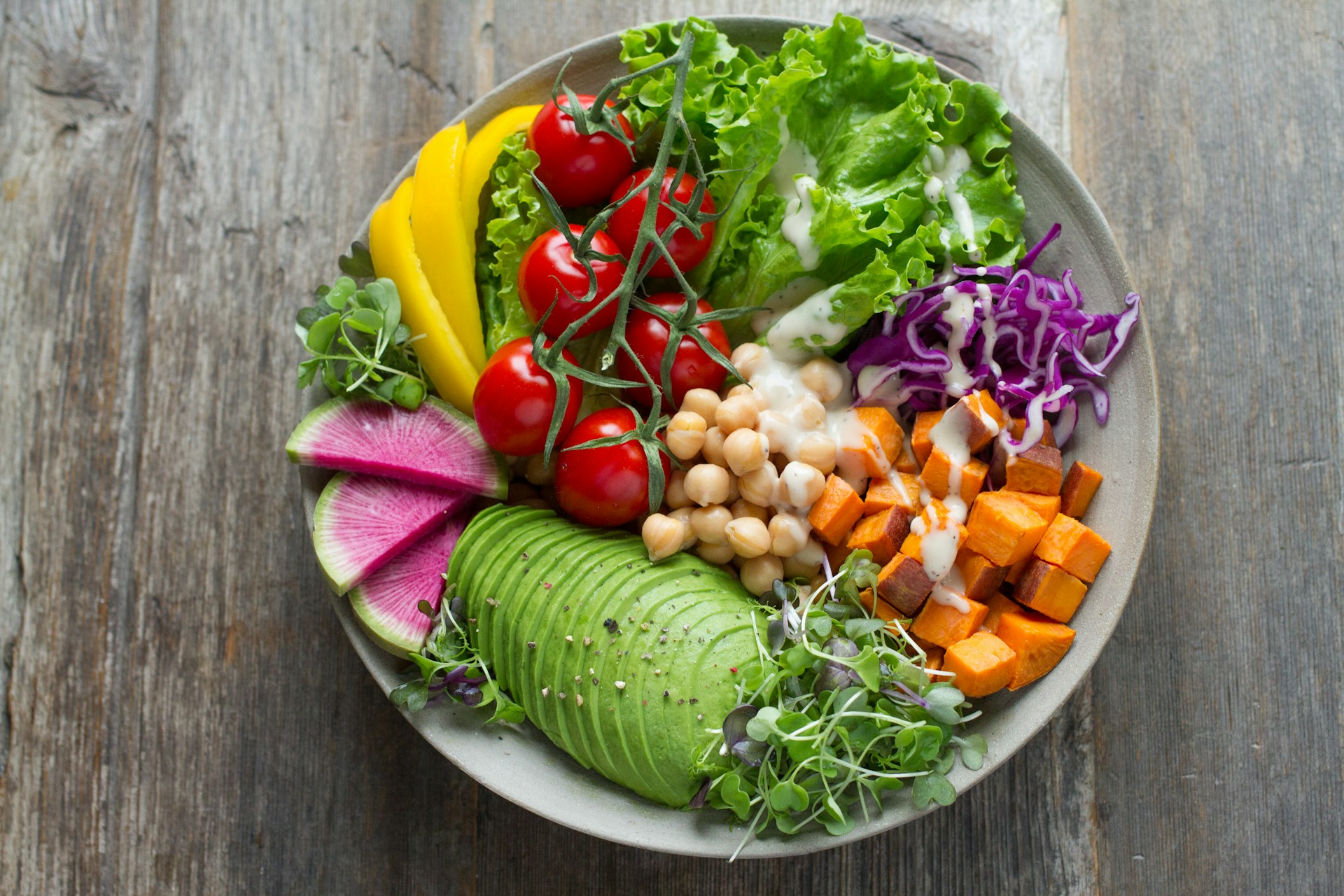
Fresh vegetables dominate Israeli breakfast tables in a way that surprises many visitors.
Chopped cucumbers, tomatoes, peppers, and onions appear alongside cheese, eggs, and bread as standard morning fare.
This tradition developed partly because of the hot climate, which makes heavy morning meals feel uncomfortable.
The breakfast salad often includes olives, fresh herbs, and a drizzle of olive oil.
Hotels and restaurants across Israel serve elaborate breakfast spreads where salad takes center stage alongside other dishes.
Starting the day with vegetables might seem unusual to people used to sweeter breakfasts, but it provides lasting energy without the sugar crash.
Japanese breakfast includes miso soup and rice
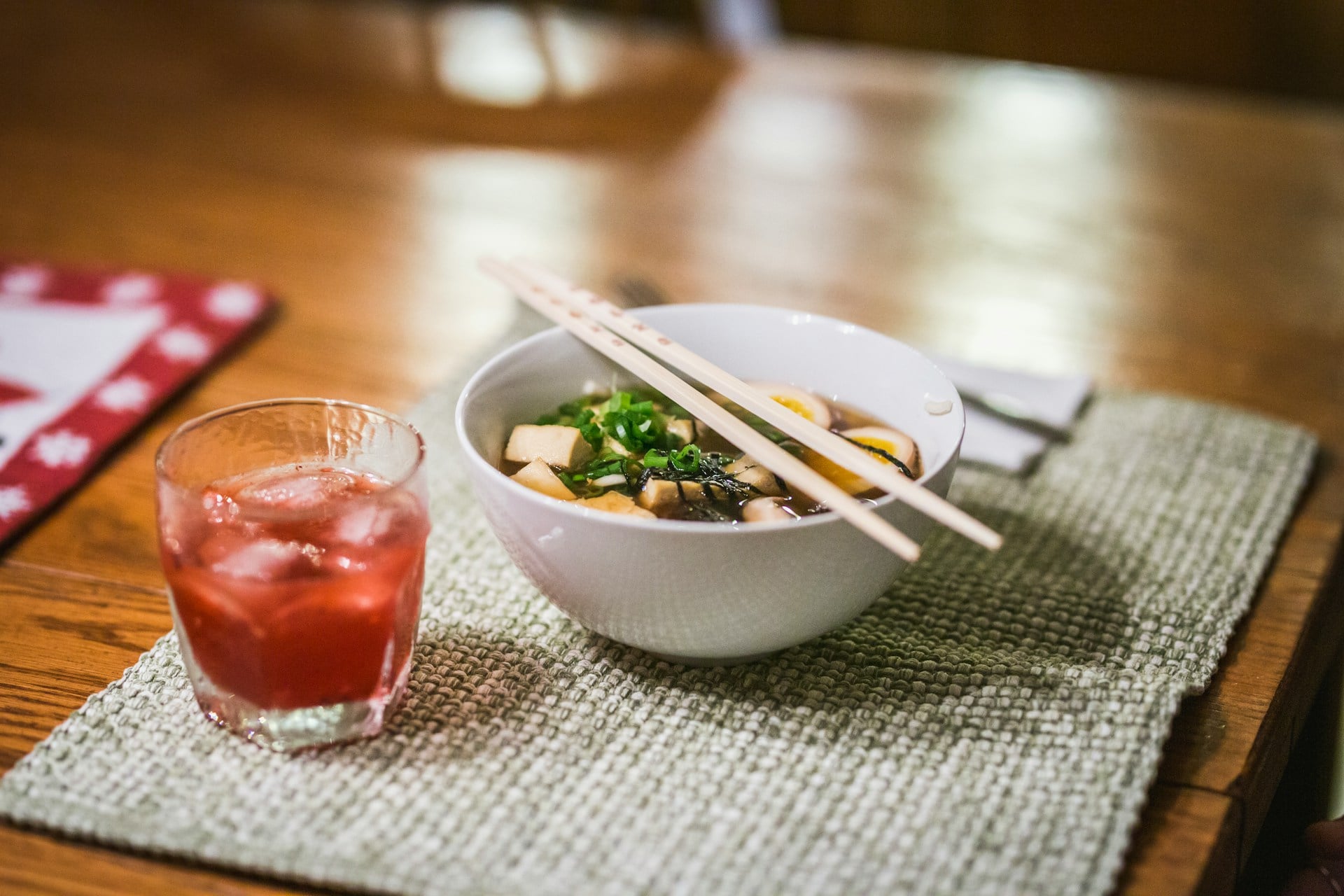
A traditional Japanese breakfast looks more like lunch or dinner to Western eyes.
Steamed rice, miso soup, grilled fish, pickled vegetables, and a raw egg create a balanced meal that covers multiple food groups.
The dishes are served in small portions across several plates and bowls.
Many Japanese people still eat this way at home, though younger generations sometimes opt for quicker Western-style options.
The miso soup provides warmth and probiotics, while the fish delivers protein to start the day.
This breakfast takes time to prepare and eat, reflecting a cultural value on mindful eating even during busy mornings.
Australians put Vegemite on their toast
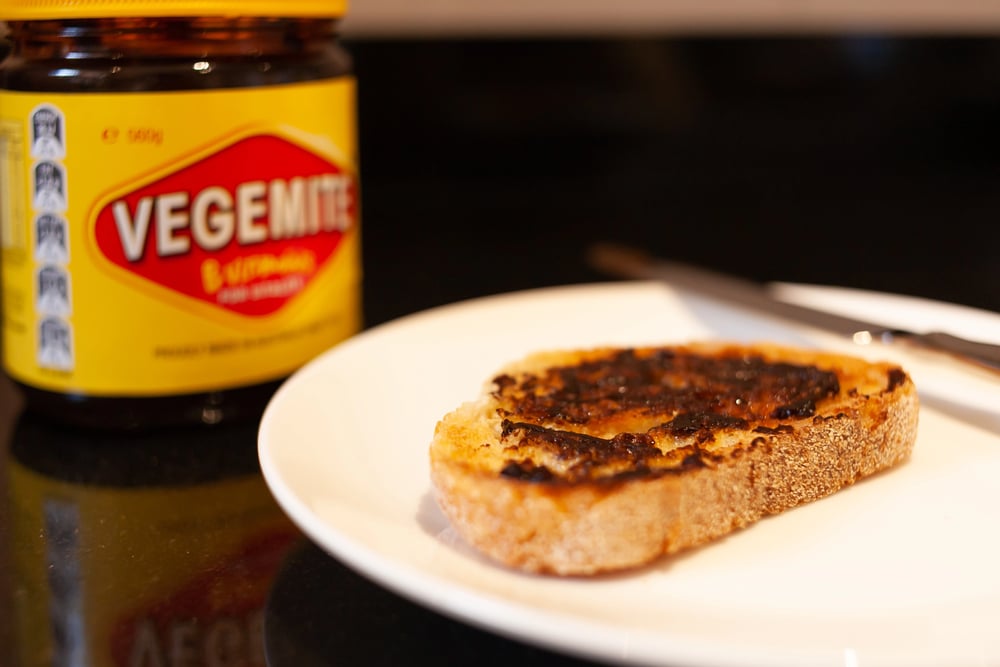
Vegemite is a thick, dark brown spread made from leftover brewers’ yeast extract, and Australians grow up loving it on buttered toast.
The taste is intensely salty and savory with a unique flavor that people either love or hate.
Kids learn early that a little goes a long way, as spreading it too thick overwhelms the taste buds.
Vegemite contains B vitamins and has been an Australian pantry staple since 1922.
Tourists often try it during visits and react with shock, but Australians insist it’s delicious when applied correctly.
The spread pairs with butter and sometimes cheese for a quick breakfast that provides energy for the morning.
Turks drink tea with everything
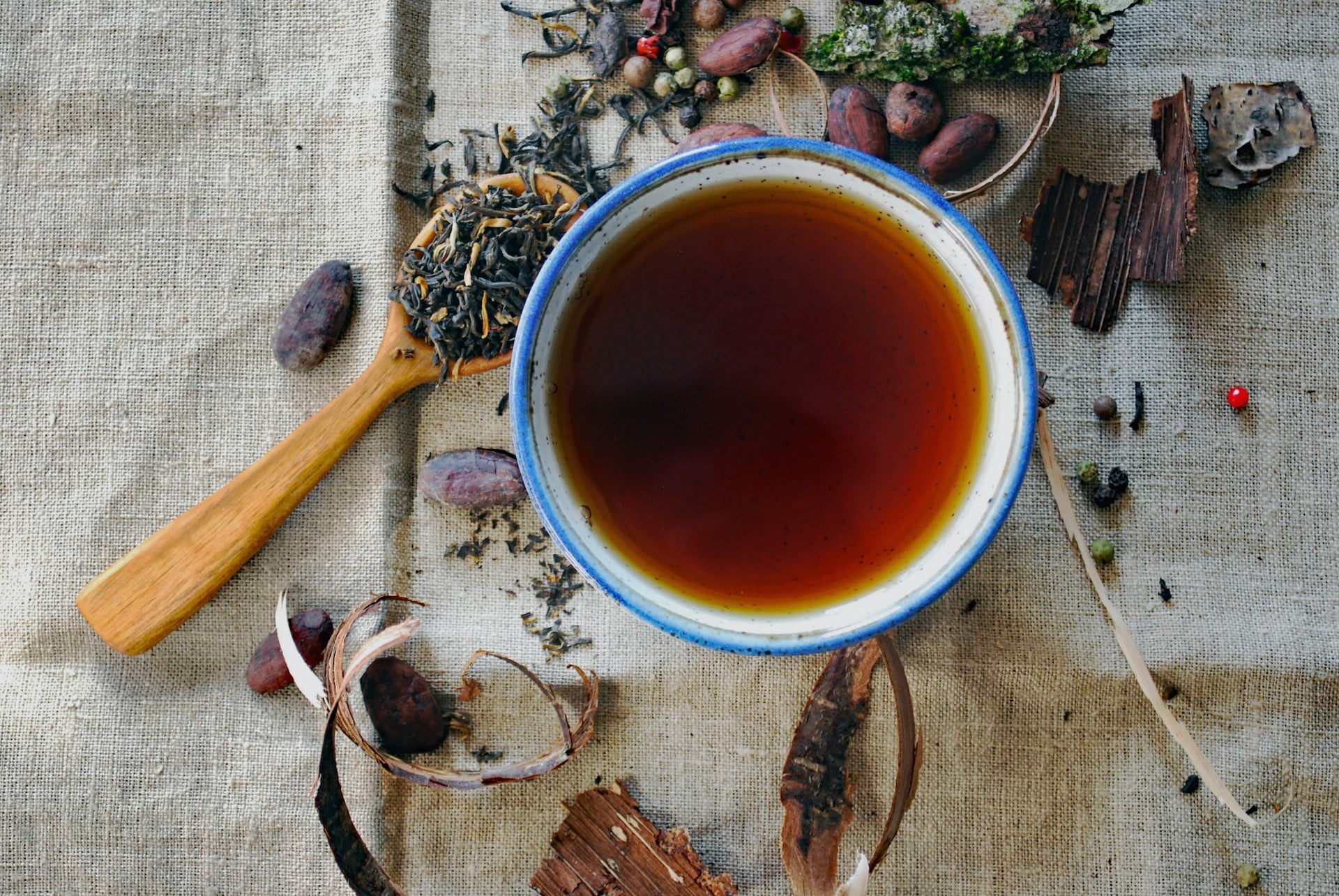
Turkish breakfast, called kahvalti, transforms the morning meal into a lengthy social event.
The table is filled with small plates of cheese, olives, tomatoes, cucumbers, eggs, honey, jam, and fresh bread.
Turkish tea in small tulip-shaped glasses accompanies the meal and gets refilled multiple times.
Families and friends gather around the breakfast table for conversation that can last hours, especially on weekends.
The variety of dishes means everyone finds something they enjoy.
This breakfast style emphasizes community and taking time to ease into the day rather than rushing through a meal.
Brazilians drink coffee with milk in equal parts
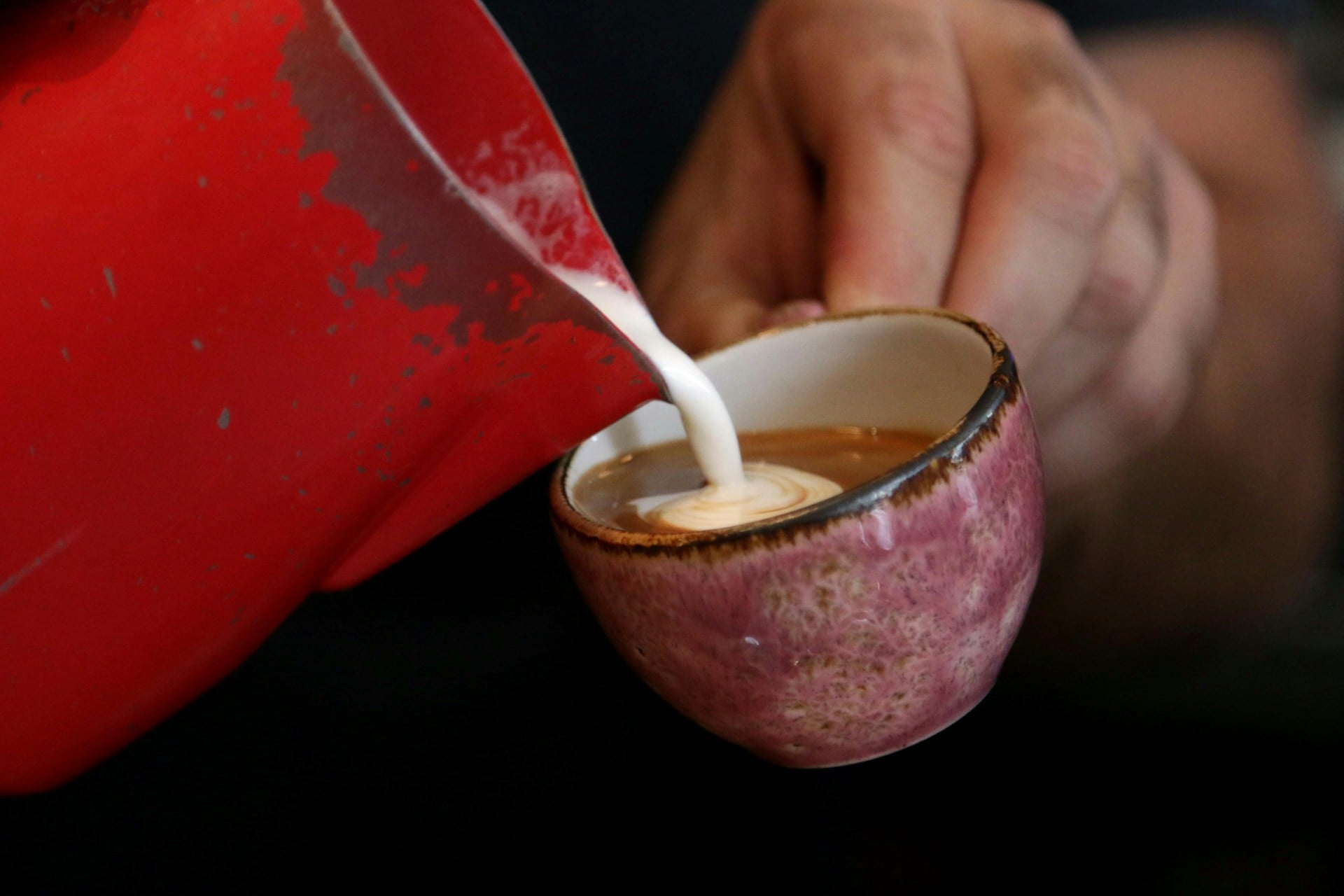
Cafe com leite, or coffee with milk, is a Brazilian breakfast staple served in large cups or bowls.
The ratio is roughly half coffee and half warm milk, creating a milder drink than straight espresso.
Brazilians dip bread, cheese bread called pao de queijo, or cake into this mixture.
Fresh fruit like papaya, pineapple, and passion fruit often appear on breakfast tables.
The meal tends to be lighter than American breakfasts, with an emphasis on fresh ingredients and simple preparation.
Many Brazilians eat this same breakfast every single day without getting bored because the quality of the coffee and bread matters more than variety.
Germans eat cold cuts and cheese in the morning
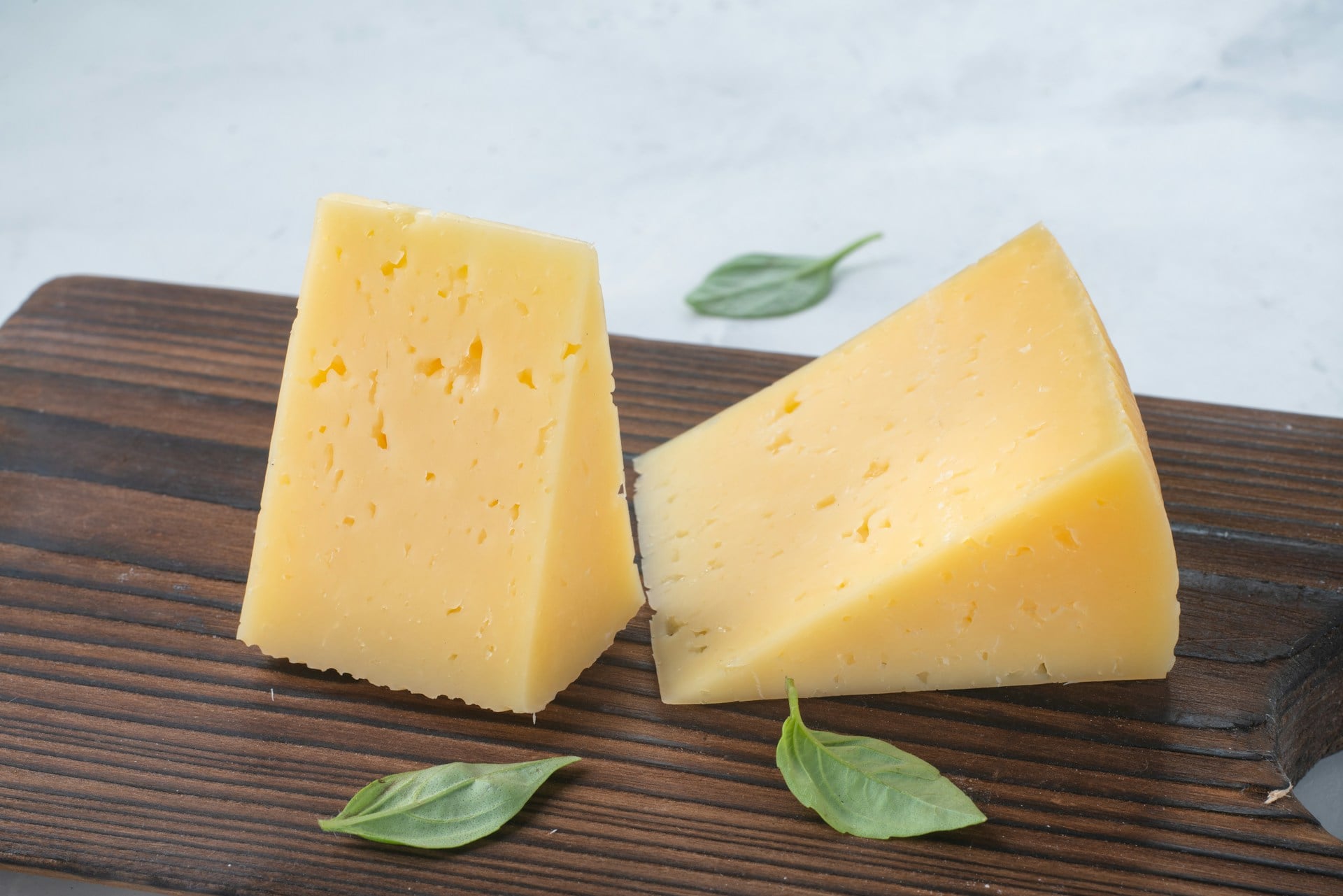
A German breakfast spread includes sliced meats, various cheeses, fresh bread rolls, butter, jam, and boiled eggs.
This cold breakfast requires no cooking, making it practical for busy mornings.
The bread quality matters tremendously, with Germans preferring crusty rolls or dense whole grain breads.
Different regions favor specific types of sausages and cheeses, creating local breakfast traditions.
Coffee or tea accompanies the meal, though some Germans drink hot chocolate.
This breakfast provides substantial protein and fat that keeps people full until lunch.
The emphasis on quality ingredients over elaborate cooking reflects practical German sensibilities.
Mexicans start with chilaquiles
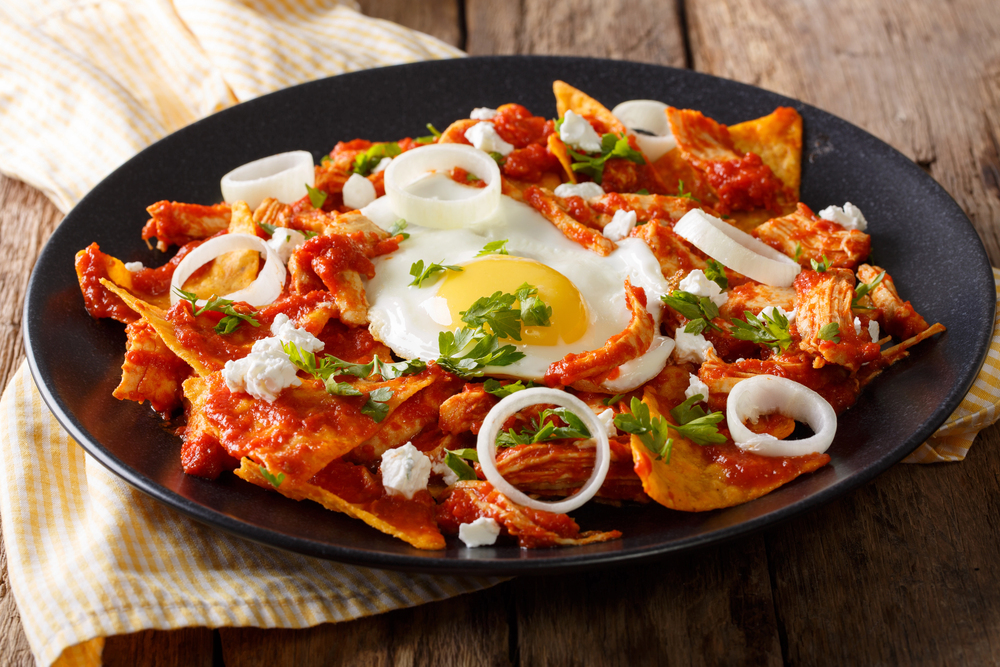
Chilaquiles turn leftover tortillas into a satisfying breakfast dish that combines crunch with sauce.
Fried or baked tortilla pieces get simmered in red or green salsa until slightly softened.
Toppings include fried eggs, cheese, sour cream, onions, and sometimes chicken or beef.
The dish uses up stale tortillas that would otherwise go to waste, showing resourcefulness in traditional cooking.
Different regions across Mexico prepare chilaquiles with variations in sauce spiciness and toppings.
The meal is hearty enough to fuel physical labor or a long day, which made it popular with farmers and workers.
Today, chilaquiles appear on restaurant menus as a comfort food that connects modern Mexicans to traditional cooking.
Indians prefer savory dishes like idli and dosa
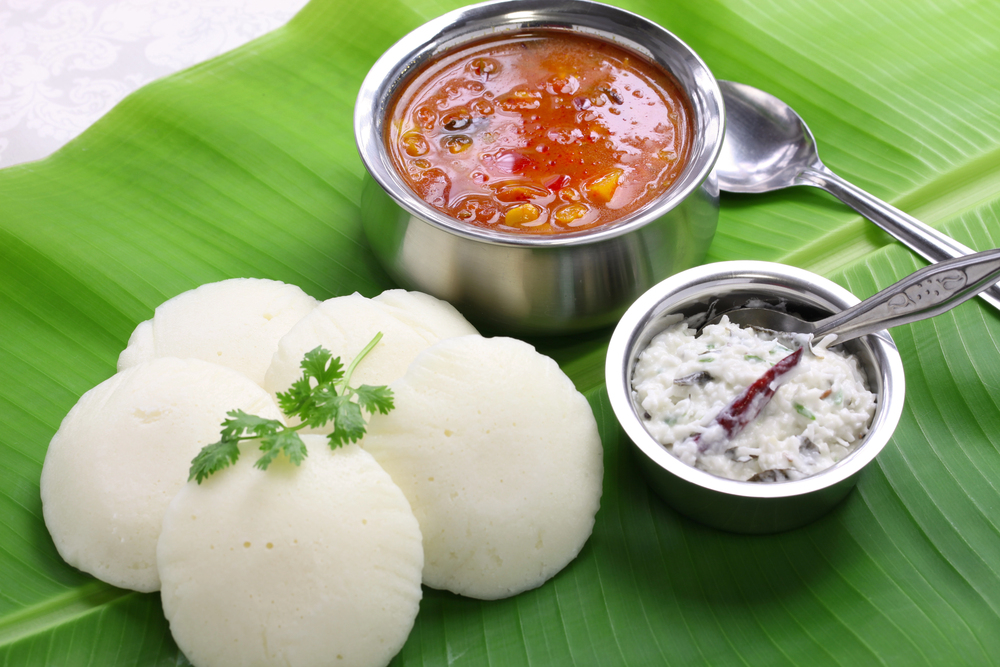
South Indian breakfasts feature fermented rice and lentil batters transformed into steamed cakes called idli or crispy crepes called dosa.
These dishes come with coconut chutney and sambar, a lentil-based vegetable stew.
The fermentation process makes the food easier to digest and adds nutritional benefits.
North Indian breakfasts might include parathas, which are stuffed flatbreads, or poha, a dish made from flattened rice.
Chai tea with milk and spices accompanies most Indian breakfasts.
The emphasis on freshly prepared hot food means many families wake early to cook breakfast rather than eating cold cereal or prepared foods.
Egyptians eat ful medames
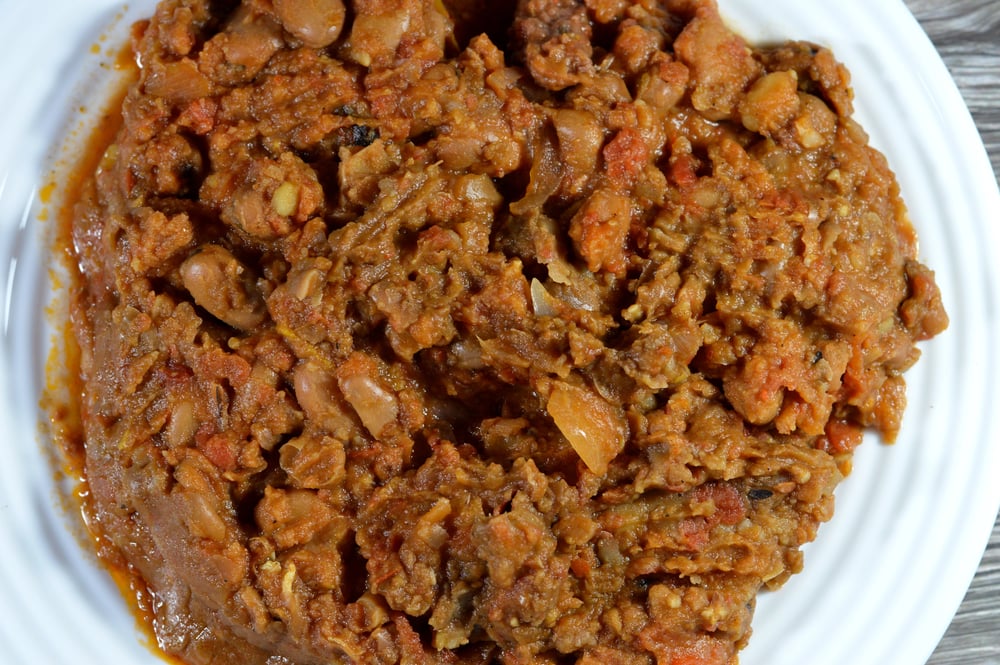
This ancient dish of slow-cooked fava beans has fueled Egyptians for thousands of years.
The beans simmer overnight until creamy and tender, then get seasoned with cumin, garlic, lemon juice, and olive oil.
People eat ful medames with fresh pita bread, using the bread to scoop up the beans.
Street vendors sell it from large pots, making it accessible to everyone regardless of income.
Toppings might include hard-boiled eggs, tomatoes, pickles, or hot sauce.
The dish provides protein, fiber, and lasting energy at a low cost.
Ful medames appears so frequently at Egyptian breakfast tables that many people eat it several times per week without complaint.
Swedes arrange open-faced sandwiches
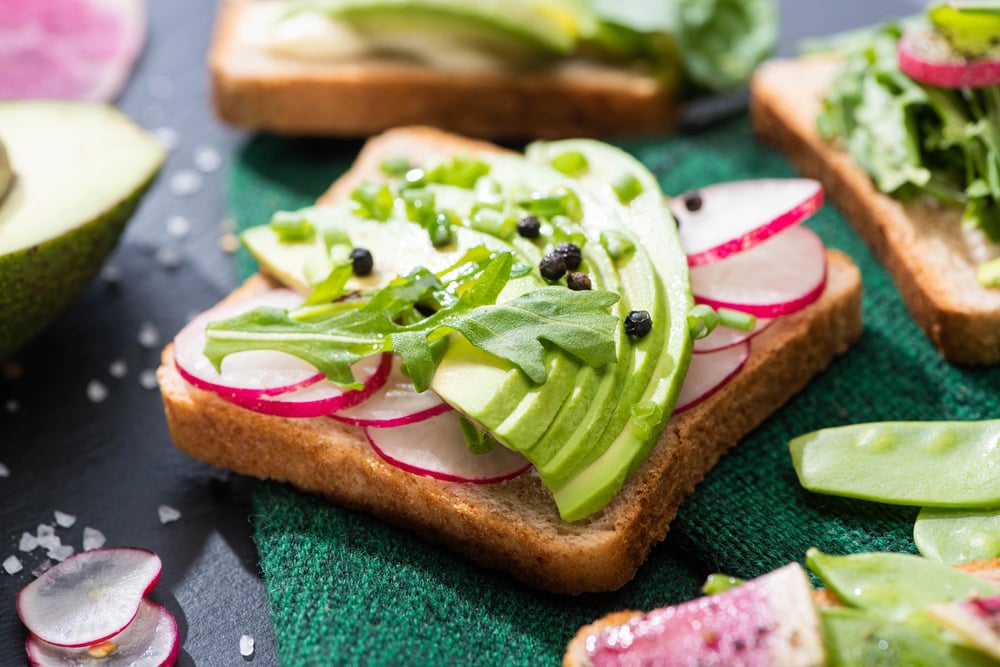
Swedish breakfast features smorgasbord-style arrangements with bread, butter, cheese, cold cuts, and pickled herring.
Open-faced sandwiches allow for creative combinations and make the meal feel more substantial than it actually is.
Filmjolk, a fermented milk product similar to yogurt, often appears alongside muesli or granola.
Coffee is essential and consumed in large quantities throughout the Swedish morning.
The breakfast emphasizes simplicity and quality ingredients rather than elaborate cooking.
Many Swedes eat the same basic breakfast every day, finding comfort in routine.
This straightforward approach to the morning meal reflects broader Scandinavian values of practicality and efficiency.
Colombians drink chocolate with cheese
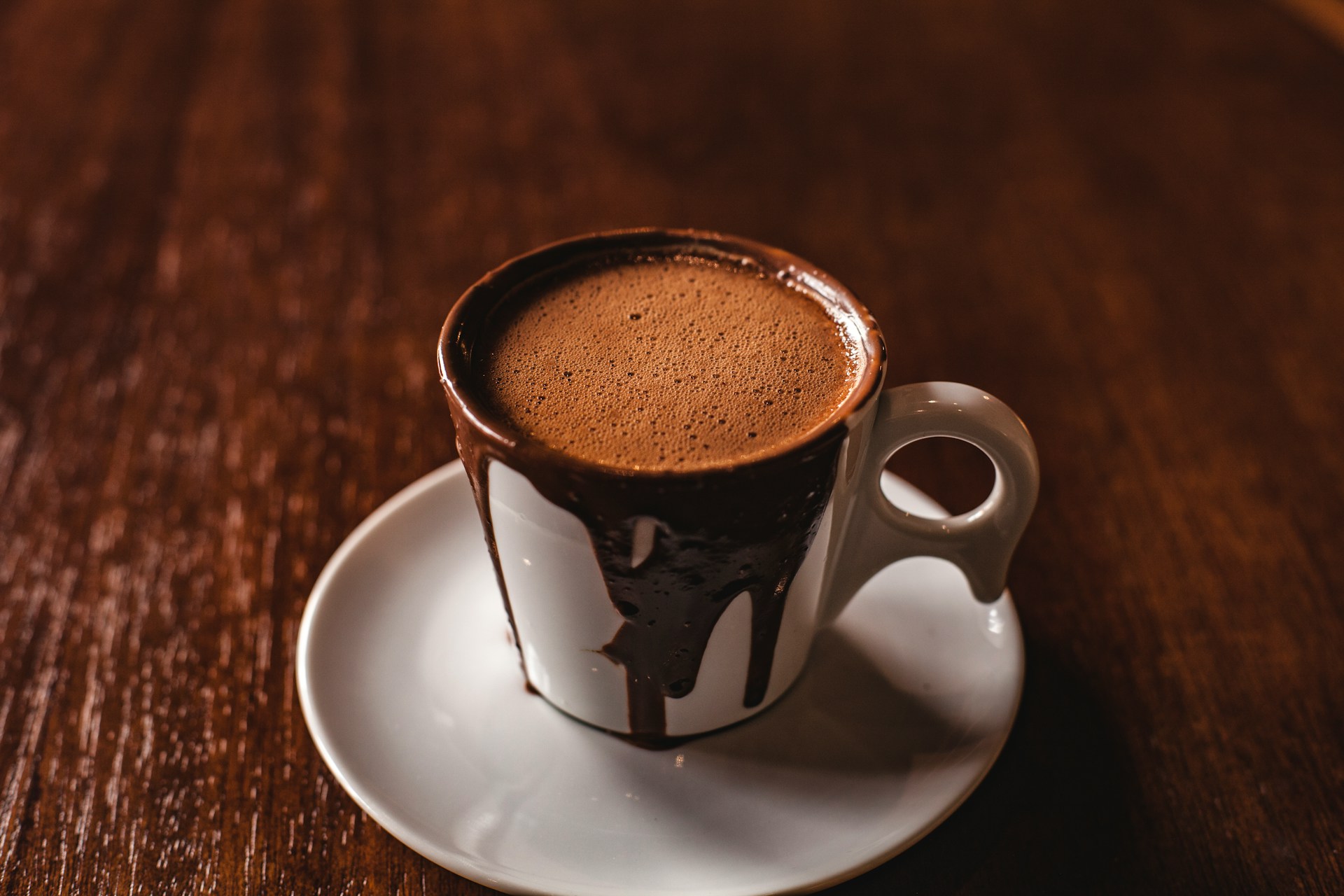
Hot chocolate in Colombia comes with a chunk of cheese dropped directly into the cup.
The mild, salty cheese melts slightly in the hot drink, creating a stretchy texture that people fish out and eat.
This combination sounds strange to outsiders but makes perfect sense to Colombians who grew up with it.
The breakfast might also include arepas, which are corn cakes, or changua, a milk soup with eggs.
Fresh bread from the local bakery appears on most tables.
Colombian hot chocolate is thicker and richer than typical hot cocoa, made from actual chocolate bars melted into milk.
The cheese tradition possibly started as a way to add protein to a sweet drink.
Filipinos eat rice for breakfast
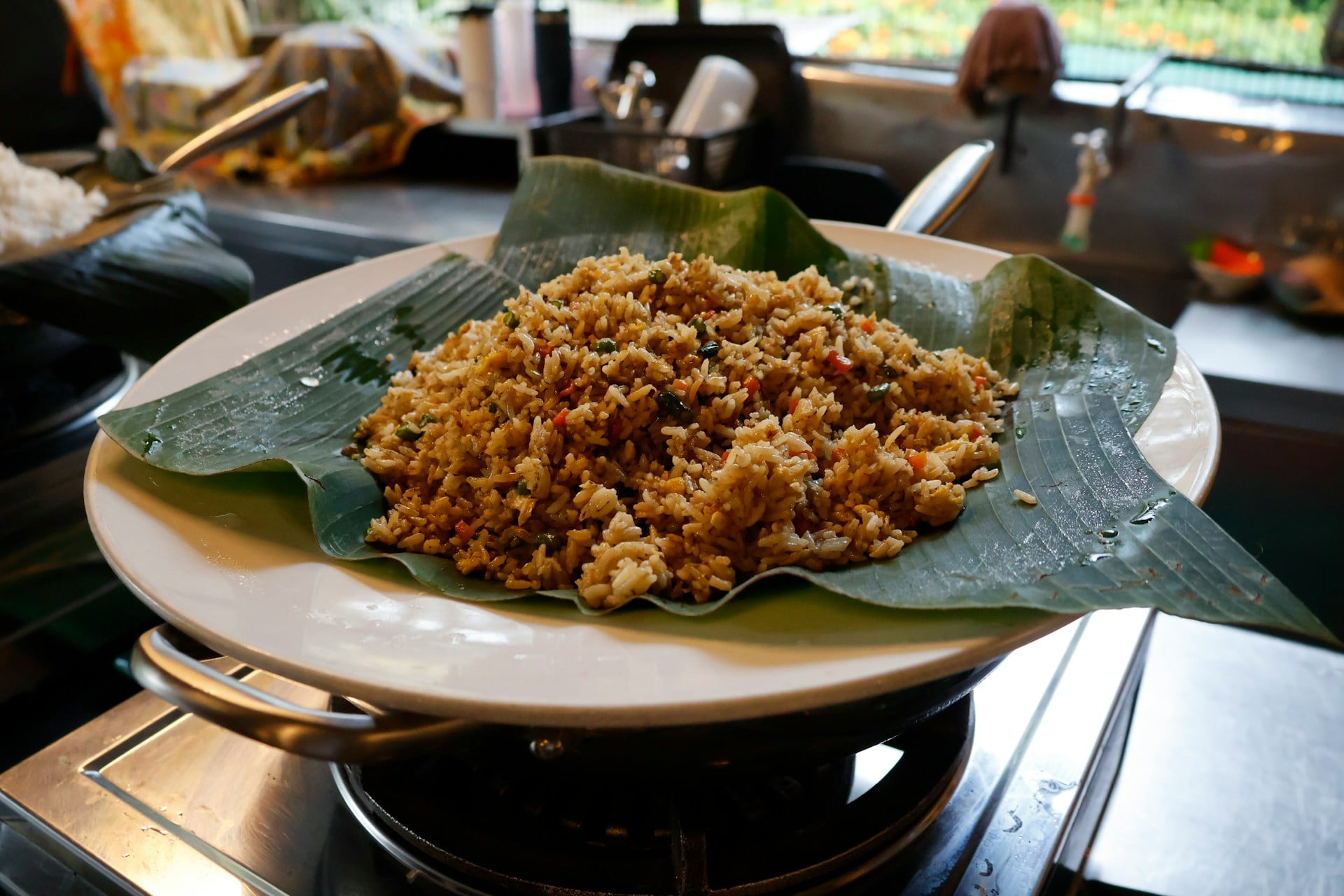
Leftover rice from dinner becomes the foundation for Filipino breakfast dishes.
Sinangag is garlic fried rice that pairs with dried fish, cured meats, or eggs.
Champorado is sweet chocolate rice porridge that some people eat with dried fish on the side, combining sweet and salty in one meal.
The rice-based breakfast makes sense in a country where rice accompanies nearly every meal.
It’s filling, affordable, and familiar.
Many Filipino families cook rice in the evening specifically to have enough for morning fried rice.
This breakfast tradition shows how cultures adapt their staple foods to fit every eating occasion.
Argentinians drink mate in the morning
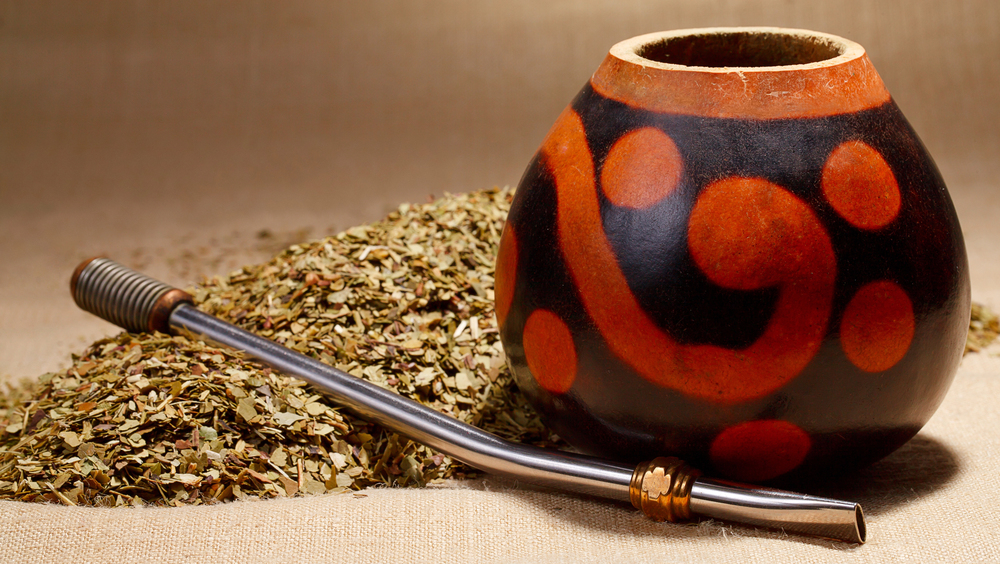
Mate is a caffeinated drink made from yerba mate leaves steeped in hot water and consumed through a metal straw from a hollow gourd.
Argentinians pass the mate gourd around among family or friends, refilling it multiple times.
The drink provides a caffeine boost and a social ritual that brings people together.
Breakfast might include medialunas, which are small croissants, and dulce de leche.
The mate drinking often continues throughout the morning and afternoon, not just at breakfast.
This tradition creates a sense of community and sharing that goes beyond simple nutrition.
The slightly bitter taste takes getting used to, but Argentinians consider it an essential part of their cultural identity.
Vietnamese eat pho at dawn
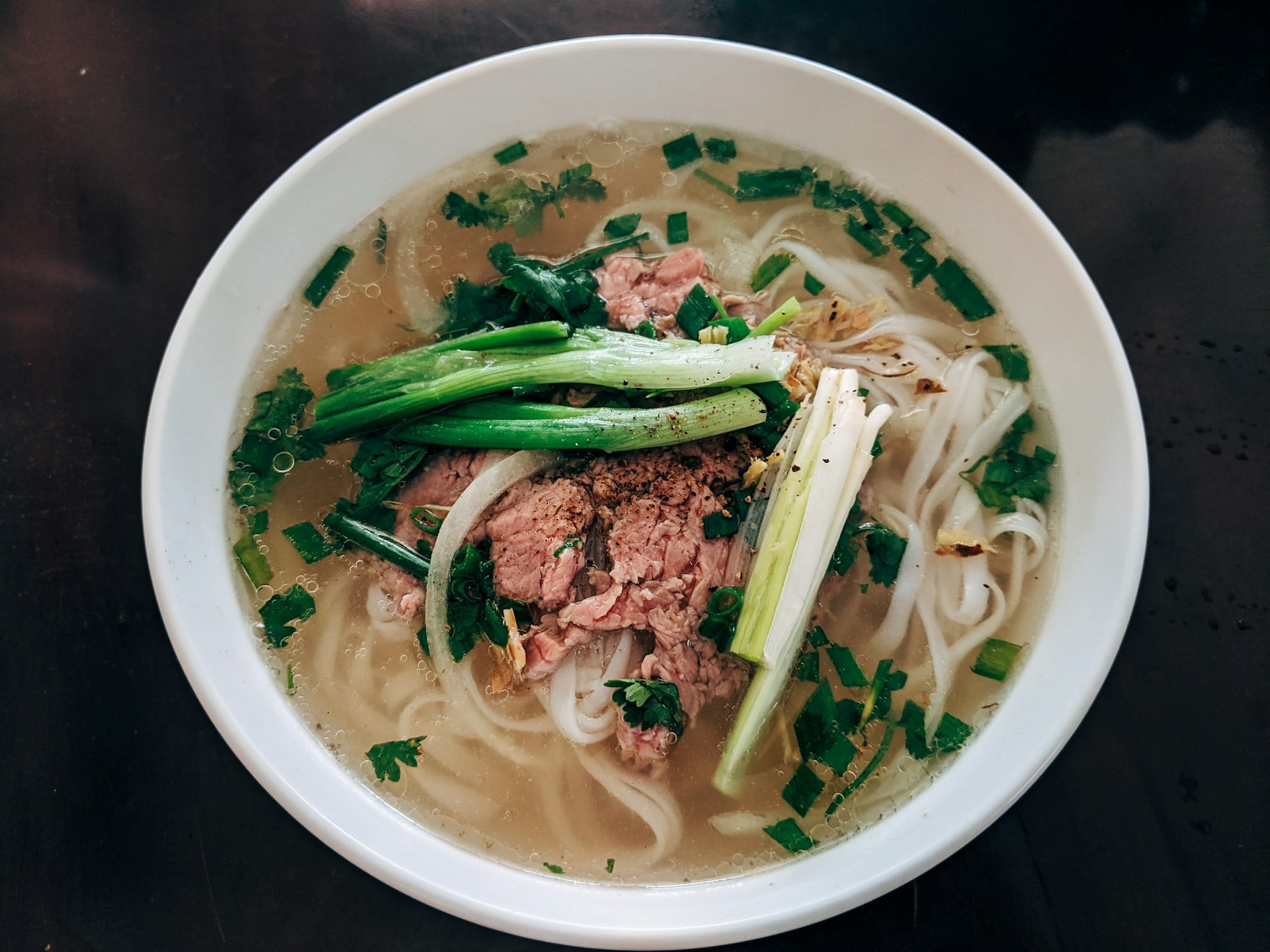
Besides being popular at noon, pho often shows up first thing in the morning across Vietnam.
Before daylight takes hold, street cooks are already ladling hot broth into bowls filled with soft rice noodles.
Topped with slices of chicken or beef, plus fresh herbs, each bowl feels filling without weighing you down.
Lime wedges sit beside plates of chilies, letting people adjust flavor as they go.
Warm liquid at dawn surprises some visitors used to cold milk and grains.
Yet in humid weather, starting with something steaming turns out just right.
Floating in warmth, the liquid shares goodness while softening each bite beyond what thick morning plates offer.
Seen by many across Vietnam, pho wakes the day right – gentle on the belly, kind to energy, never dragging you down.
Jamaicans cook ackee and saltfish
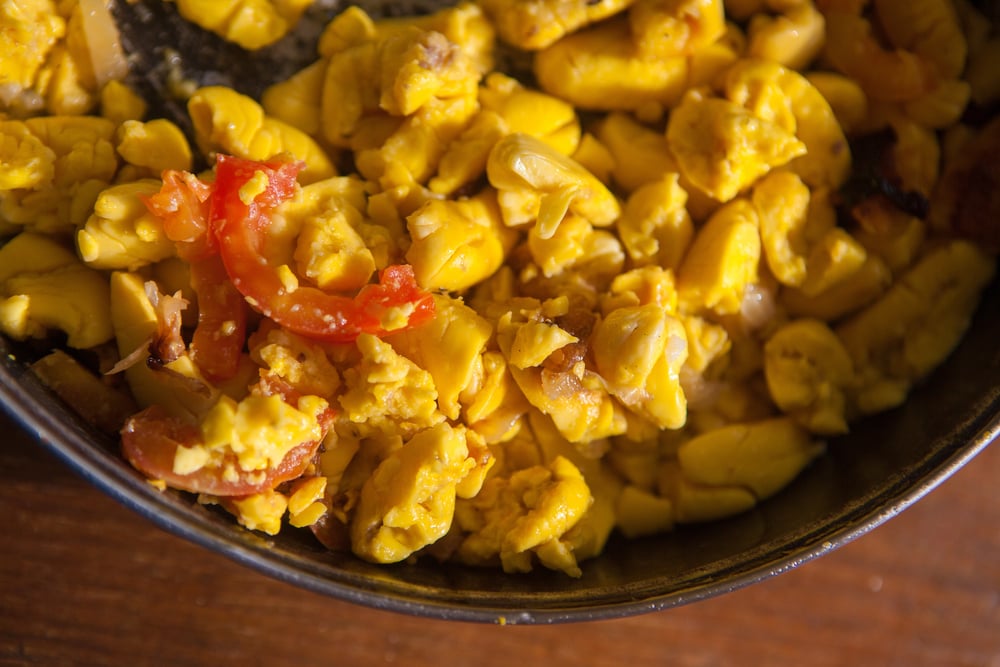
What most people do not realize is how much care goes into preparing ackee right.
This fruit, Jamaica’s pride, cooks up soft like eggs but tastes far milder.
Salted cod joins it in the pan, forming a morning meal tied tightly to island life.
Instead of just sitting alone on the plate, the mix shares space with golden dumplings, firm green bananas, and festival – crispy outside, slightly sugary inside.
One wrong move though, picking the pod too soon, turns it dangerous; only when it splits open by itself does it become safe to eat.
Filled with dense flavors, this morning meal fuels long hours under hot sun.
Far from Jamaica, people track down ackee in small markets – its taste brings back more than just memory.
Mornings around the globe
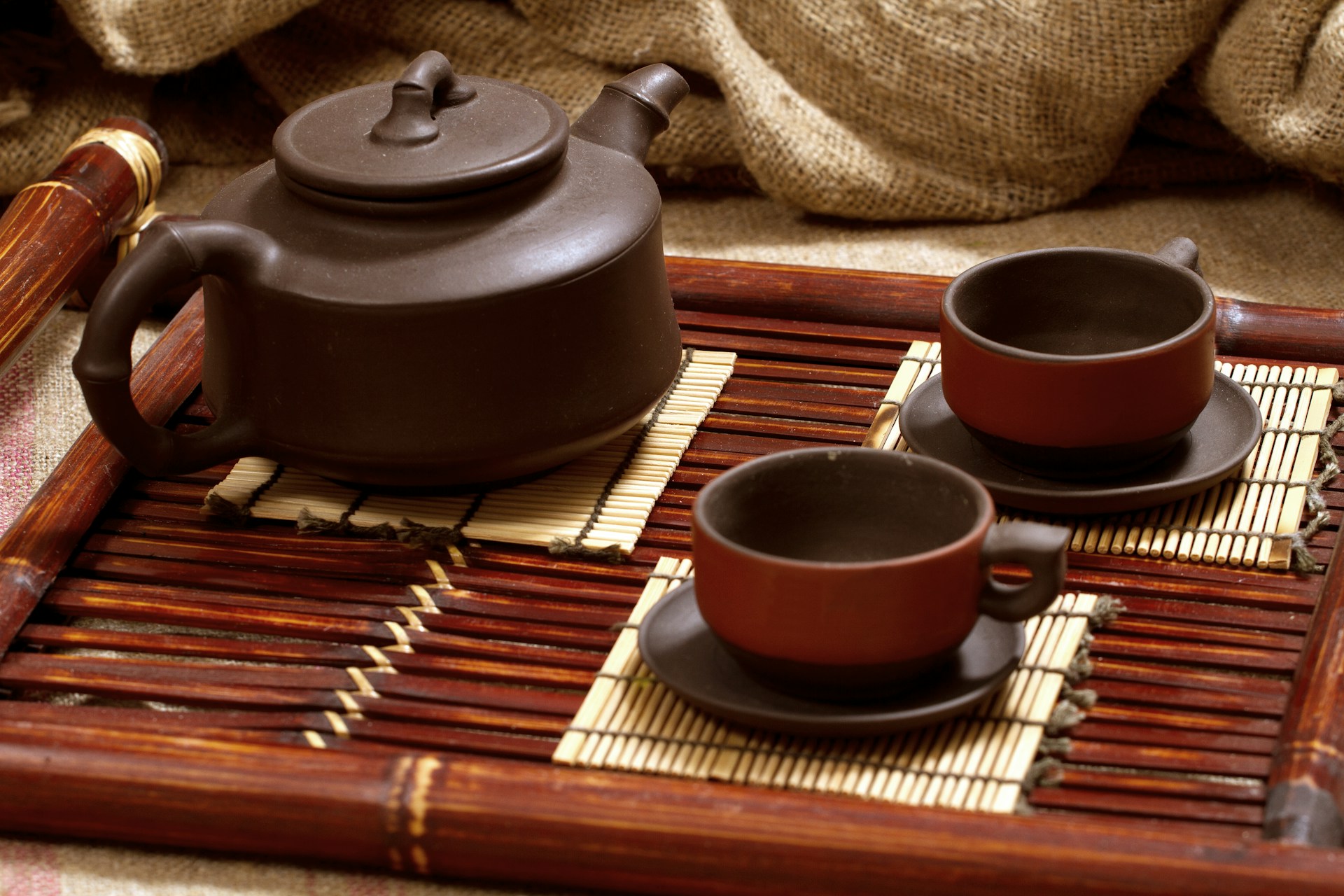
Morning meals show what matters most when a new day begins.
Fast routines matter here; there, time slows down for shared plates at the table.
Local crops shape flavors – rice fields feed bowls in Asia, cornfields fill dishes south of the border, pastures supply milk pails in Europe.
Familiar tastes stick around because ancestors ate them first, not because they make more sense than anything else.
Breakfast rules are made up, repeated until normal.
A bowl of rice at sunrise feels normal to some, while others need toast and jam before anything else.
One person’s morning ritual seems odd to another, yet both fill the belly in ways that feel right.
How food shows up on the table changes everything, even when the purpose stays the same.
Strange to one is comfort to another, depending only on what came first.
Breakfast shapes itself around memory, not rules.
More from Go2Tutors!

- The Romanov Crown Jewels and Their Tragic Fate
- 13 Historical Mysteries That Science Still Can’t Solve
- Famous Hoaxes That Fooled the World for Years
- 15 Child Stars with Tragic Adult Lives
- 16 Famous Jewelry Pieces in History
Like Go2Tutors’s content? Follow us on MSN.



