Architects and their iconic works
Architecture shapes the world around us in ways we often take for granted. Some buildings become more than just structures—they turn into cultural landmarks that define cities and inspire generations.
The architects behind these masterpieces pushed boundaries, challenged conventions, and sometimes scandalized their contemporaries with designs that seemed impossible or absurd at the time. Here is a list of architects whose iconic works changed how we think about buildings and space.
Le Corbusier
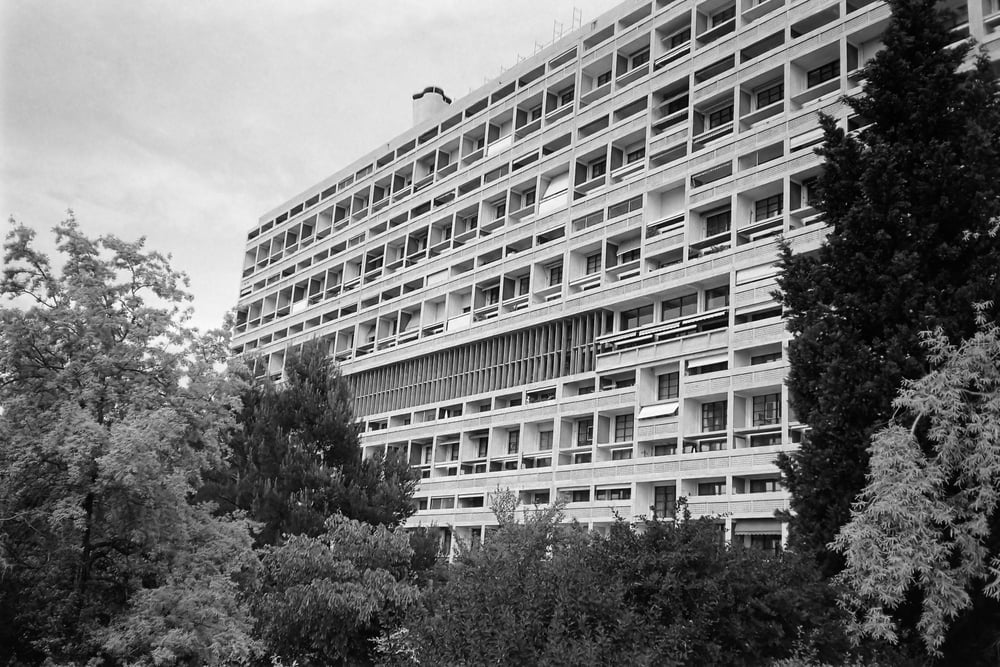
Villa Savoye near Paris looks like something from a science fiction movie, even though it was built in 1931. Le Corbusier designed it on pilotis (stilts) with ribbon windows and a rooftop garden, demonstrating his five points of modern architecture in one elegant package.
The building essentially floats above the ground, giving the impression that gravity took a day off during construction.
Ludwig Mies van der Rohe
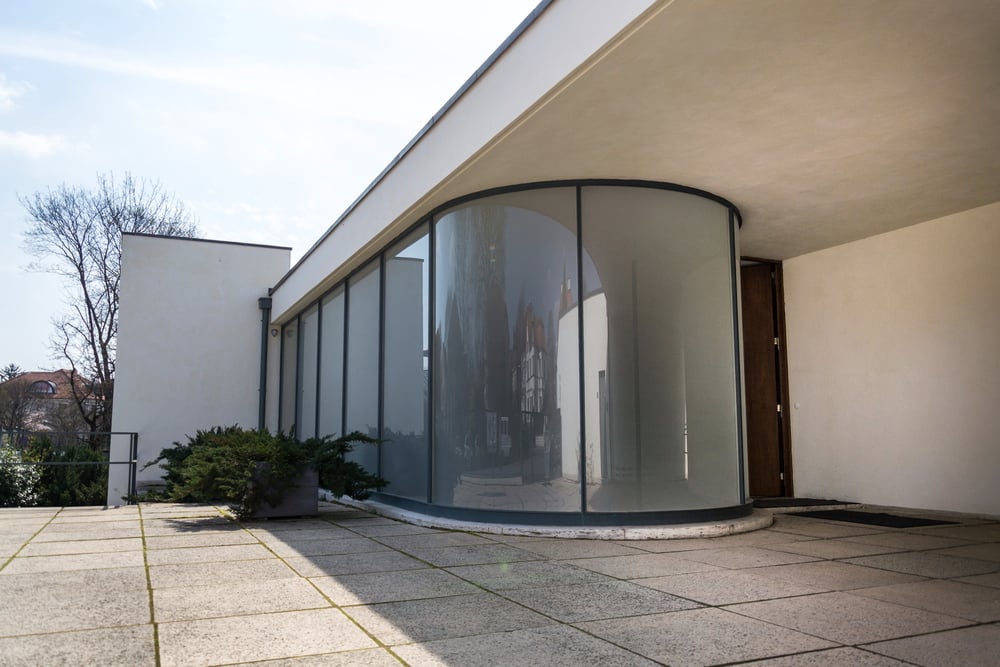
The Barcelona Pavilion was originally a temporary structure for the 1929 International Exposition, but it made such an impact that it was rebuilt permanently in the 1980s. Mies used marble, glass, and chrome to create flowing spaces that redefined what walls could do—they didn’t just enclose, they guided movement and framed views.
His famous phrase ‘less is more’ found its purest expression in this deceptively simple building.
Antoni Gaudí
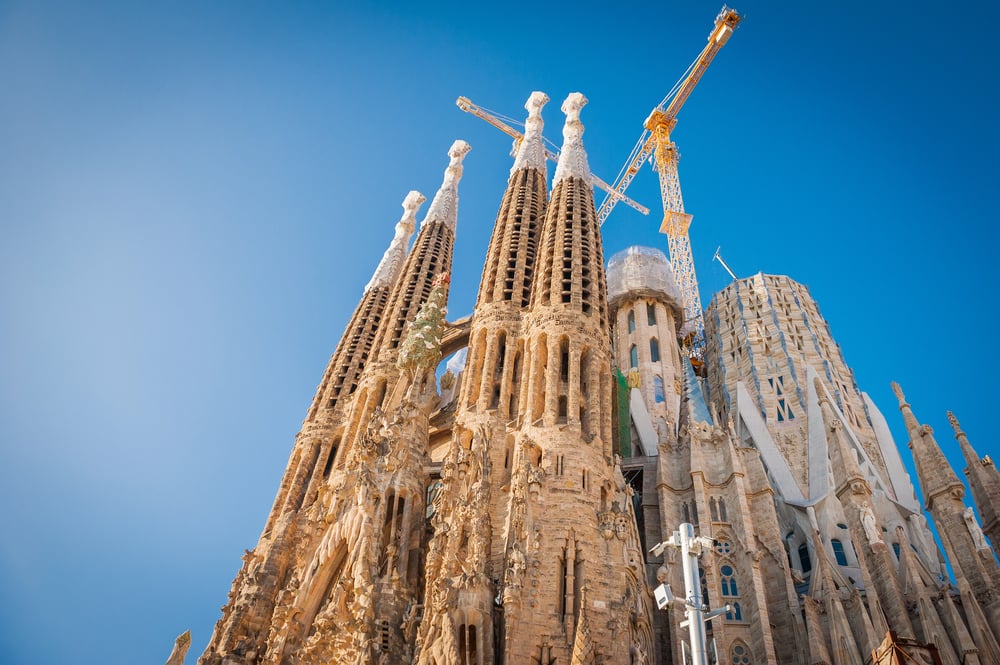
The Sagrada Família in Barcelona has been under construction since 1882 and still isn’t finished. Gaudí’s wildly organic design draws from nature, with columns that branch like trees and facades covered in biblical scenes that look like they’re melting off the building.
He spent 40 years working on it, and even lived in the construction workshop before his death, leaving behind detailed models and drawings for future architects to follow.
Zaha Hadid
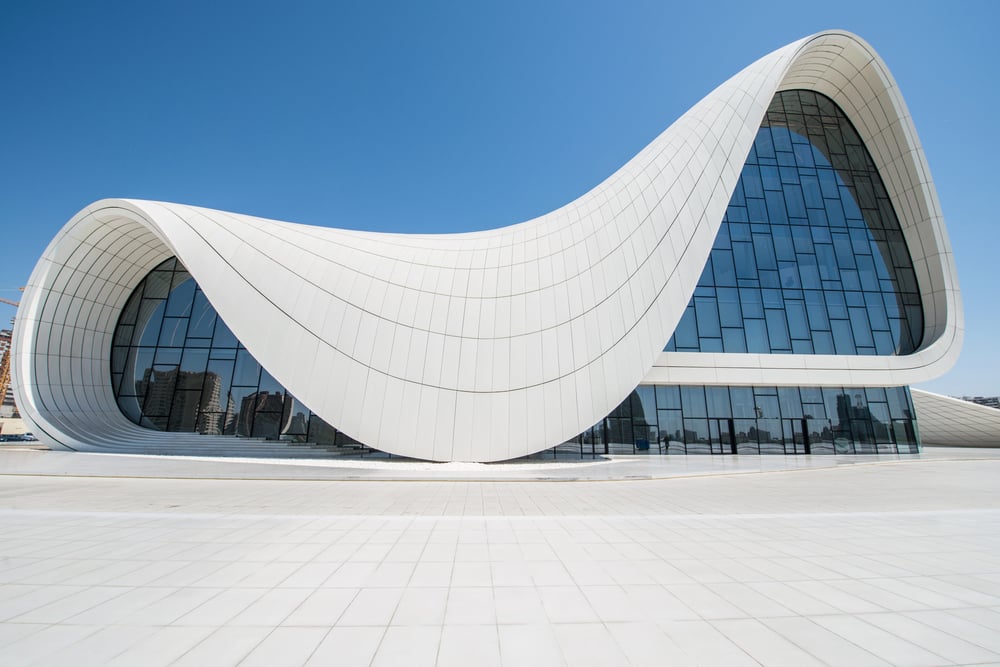
Hadid’s Heydar Aliyev Center in Baku, Azerbaijan curves and flows like a massive wave frozen in white concrete. Completed in 2012, the building refuses to acknowledge right angles or conventional geometry, creating spaces that feel more like sculptures you can walk through than traditional architecture.
Hadid once said her buildings were designed for the future, and this one certainly looks like it landed from another century.
Frank Gehry
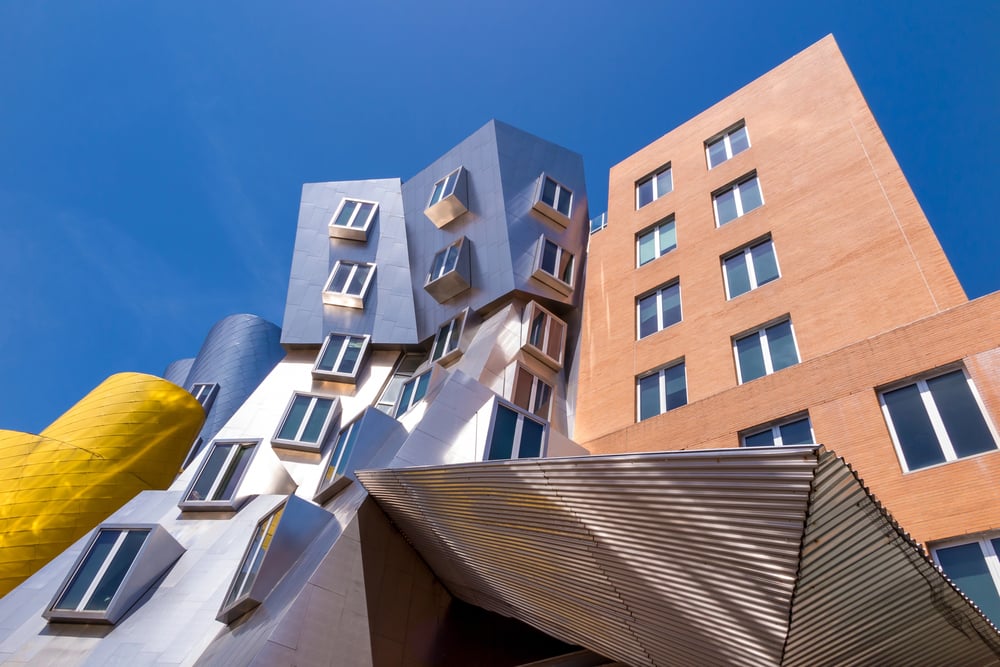
The Guggenheim Museum in Bilbao, Spain transformed a struggling industrial city into a cultural destination almost overnight when it opened in 1997. Gehry’s titanium-clad design twists and billows like metallic fabric caught in the wind, creating a building that looks different from every angle.
The ‘Bilbao Effect’ became shorthand for how a single dramatic building can revitalize an entire city’s economy and reputation.
I.M. Pei
When Pei unveiled his glass pyramid design for the Louvre’s courtyard in 1989, Parisians were outraged at the thought of a modern structure interrupting their classical museum. Now it’s become as iconic as the Eiffel Tower, serving as the main entrance and bringing natural light into the underground lobby below.
The pyramid’s clean geometry creates a striking contrast with the ornate Renaissance architecture surrounding it, proving that old and new can coexist beautifully.
Oscar Niemeyer
Niemeyer’s Cathedral of Brasília looks like sixteen curved concrete columns reaching toward the sky, holding up a crown made entirely of glass. Completed in 1970, the hyperboloid structure represents hands moving up toward heaven, though it looks equally like a futuristic crown or an exotic flower.
Walking into the cathedral means descending into darkness before emerging into a space flooded with blue-filtered light—a deliberately designed journey from earth to the divine.
Norman Foster
London’s 30 St Mary Axe, universally known as ‘The Gherkin,’ stands out among the city’s traditional architecture like a giant glass pickle. Foster’s 2003 design uses a double-skin facade and a diagrid structure that reduces wind load, making it more energy-efficient than conventional towers of similar height.
The building’s distinctive shape has become such a part of London’s identity that locals can’t imagine the skyline without it.
Renzo Piano
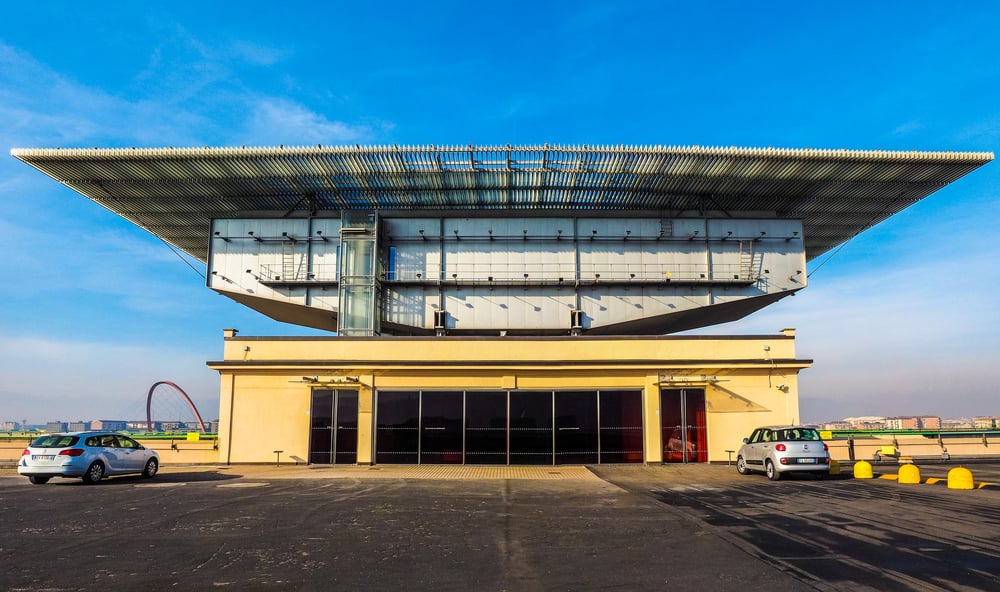
The Shard in London pierces the sky at 1,016 feet, making it Western Europe’s tallest building when it was completed in 2012. Piano designed it as a ‘vertical city’ with offices, restaurants, a hotel, and residential apartments stacked within its glass-covered steel frame.
The building’s pyramidal form tapers to a point, and on foggy mornings its top disappears into the clouds, living up to its name quite literally.
Santiago Calatrava
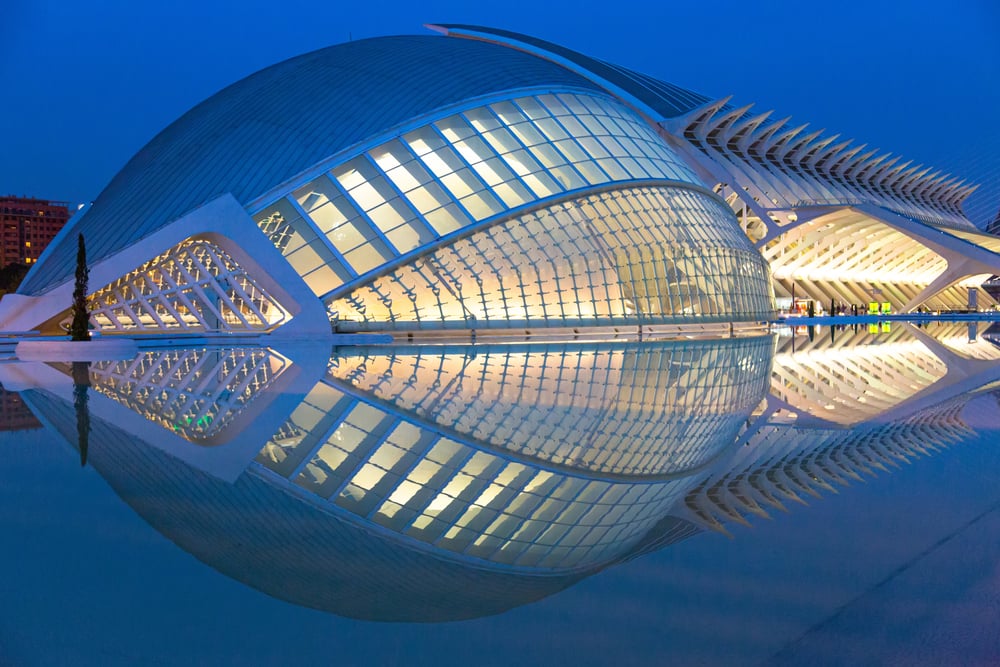
Valencia’s City of Arts and Sciences complex looks like a fleet of alien spaceships landed beside a reflecting pool. Calatrava, trained as both an architect and engineer, created multiple structures between 1998 and 2009 that showcase his signature style of biomimetic design—the opera house resembles an eye, the science museum looks like a skeleton.
The entire complex reflects perfectly in the shallow pools surrounding it, doubling the visual impact.
Bjarke Ingels
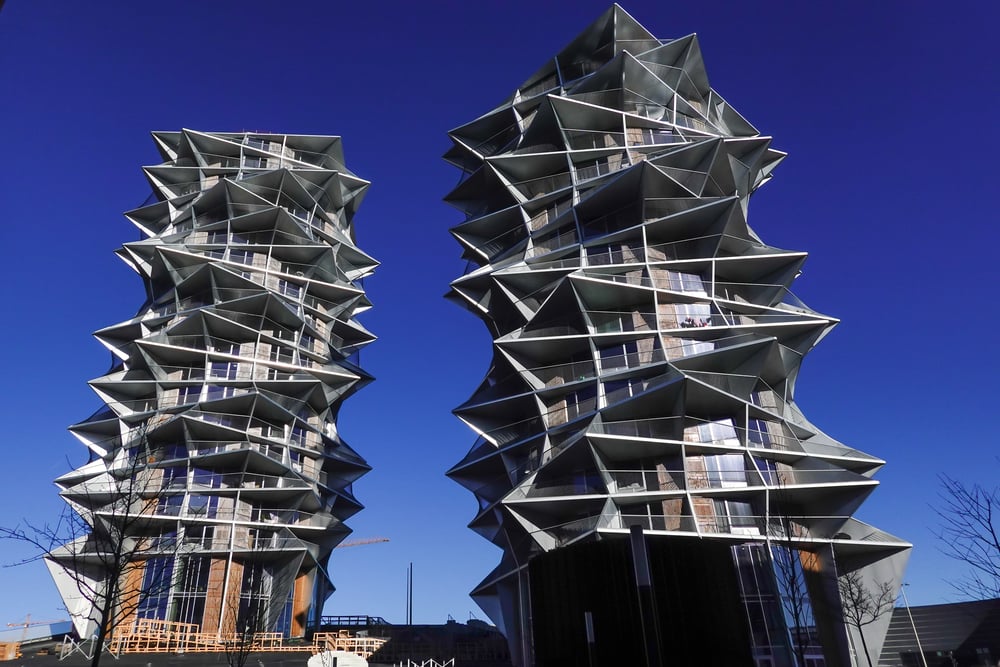
Copenhagen’s 8 House gets its name from its figure-eight shape, which allows every apartment to have a view and private outdoor space. Completed in 2010, the building includes a continuous bike path that slopes from ground level to the tenth floor, letting residents cycle directly to their front doors.
Ingels called it ‘a three-dimensional neighborhood rather than an architectural object,’ and residents actually use those elevated bike paths daily.
Tadao Ando
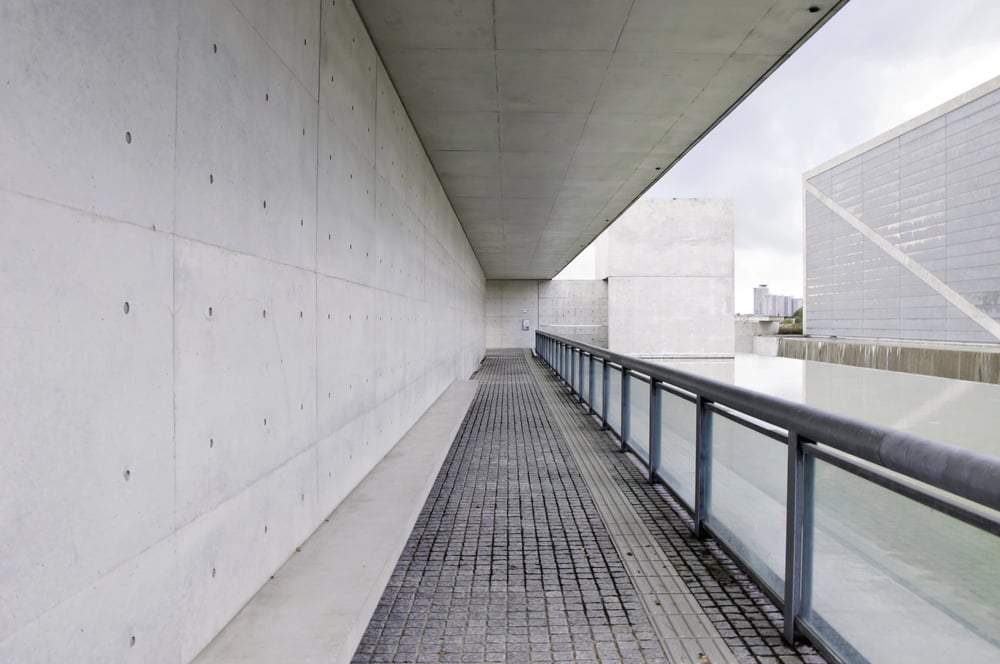
The Church of the Light in Osaka, Japan consists of concrete walls, simple wooden benches, and a cross-shaped opening that slices through the space behind the altar. Built in 1989, Ando’s design strips away everything unnecessary, letting natural light become the church’s most powerful architectural element.
On Sunday mornings, that illuminated cross projects onto the opposite wall, creating an ever-changing display as the sun moves across the sky.
Rem Koolhaas
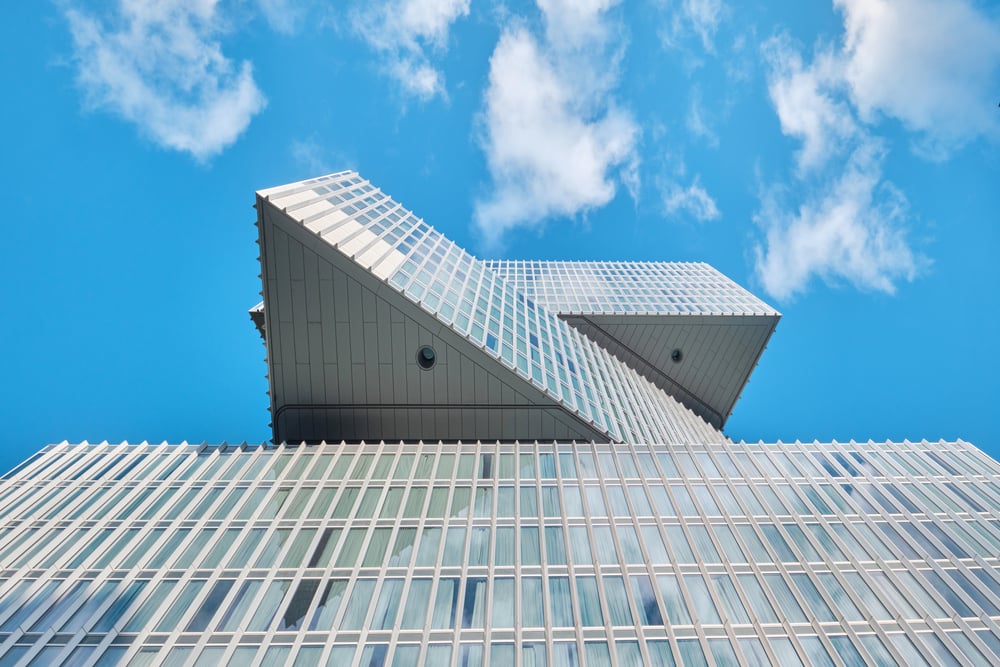
Beijing’s CCTV Headquarters looks structurally impossible—a continuous loop of building that seems to defy gravity as it cantilevers out at dramatic angles. Completed in 2012, the design abandons the traditional skyscraper format entirely, creating what Koolhaas called ‘a three-dimensional cranked loop.’
Engineers had to use a complex diagrid system to distribute the building’s weight, essentially turning the entire structure into one giant continuous support beam.
Louis Kahn
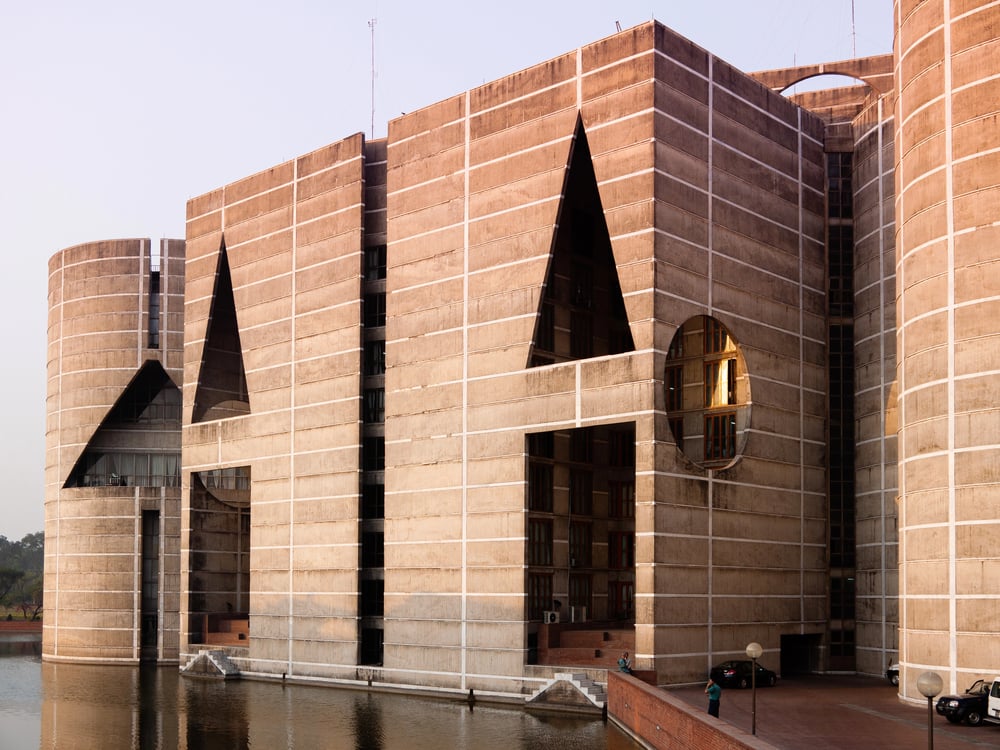
The Salk Institute in La Jolla, California frames the Pacific Ocean between two symmetrical laboratory buildings separated by a travertine plaza. Kahn completed it in 1965, and his design creates a contemplative space where scientists can think as well as work.
The central plaza features a single narrow channel of water that runs directly toward the ocean, creating a dramatic axis that emphasizes the connection between human inquiry and the natural world.
Walter Gropius
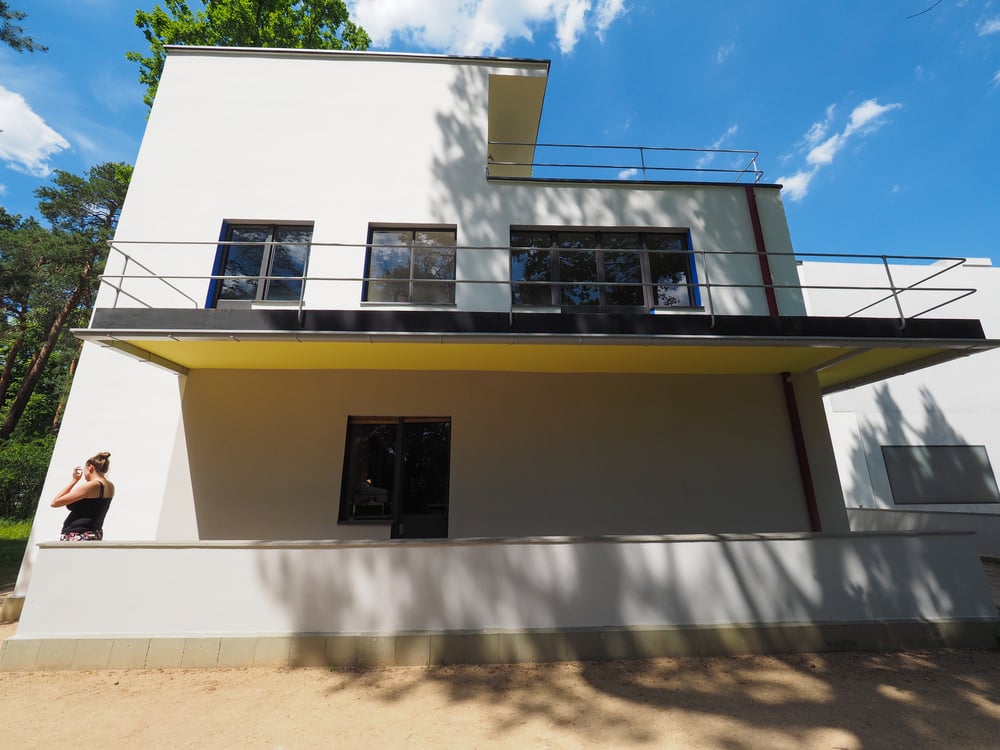
The Bauhaus building in Dessau, Germany became both the school and the manifesto for modern design when Gropius completed it in 1926. The asymmetrical complex features a curtain wall of glass, exposed steel structure, and an elevated bridge connecting the workshop to classrooms—all revolutionary concepts at the time.
Gropius designed it to teach by example, making the building itself a lesson in the modernist principles his students were learning inside.
Jørn Utzon
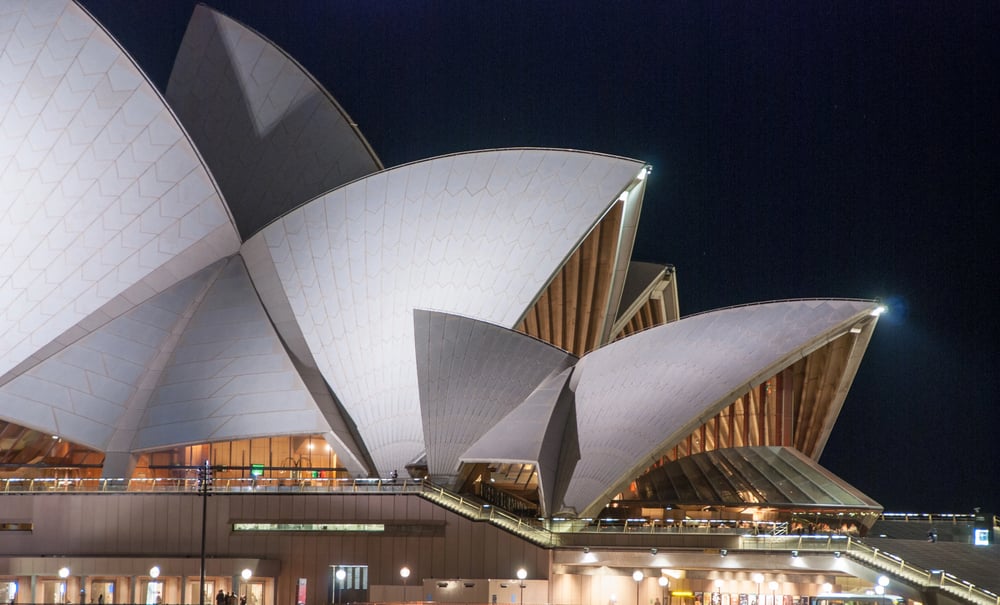
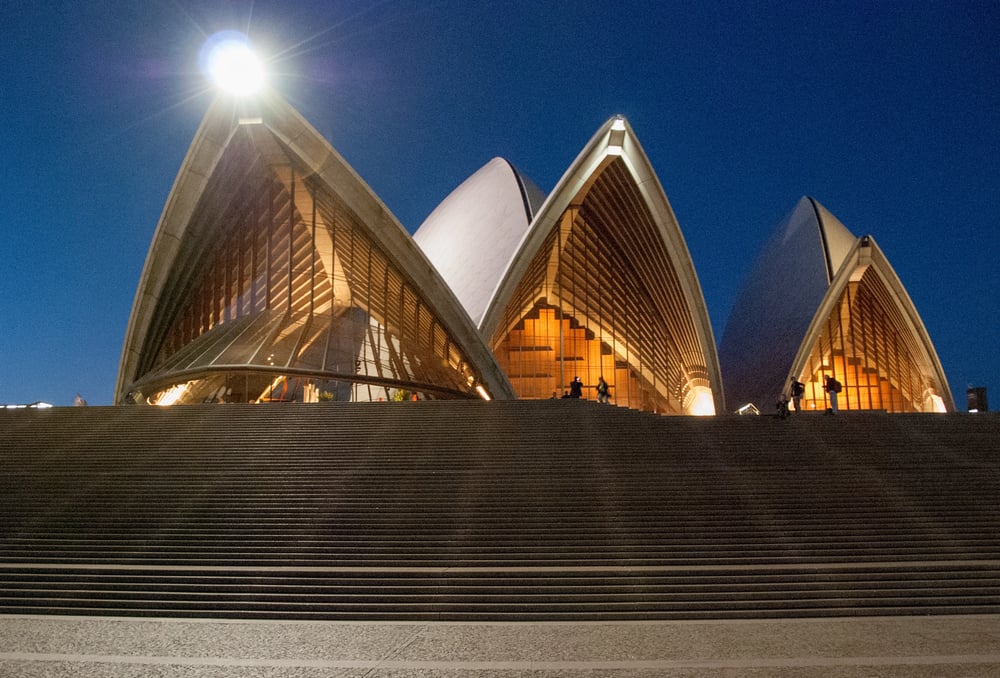
The Sydney Opera House sits on Bennelong Point like a cluster of white shells or billowing sails, depending on who’s looking at it. Utzon won the design competition in 1957, but the project became so complicated and controversial that he resigned before completion in 1973.
The distinctive shell structures were an engineering nightmare—each one is covered in over one million Swedish-made tiles that give the building its brilliant white gleam from miles away.
From Vision to Reality
These architects didn’t just design buildings—they challenged what buildings could be and what they could mean to the people who experience them. Some faced ridicule, some went over budget by millions, and several didn’t live to see their visions fully realized.
Their iconic works prove that great architecture requires courage to push past what’s comfortable or conventional, and that the most criticized designs often become the most beloved. The cities that host these buildings have become destinations precisely because someone dared to build something different, something that would make people stop and look up in wonder.
More from Go2Tutors!

- The Romanov Crown Jewels and Their Tragic Fate
- 13 Historical Mysteries That Science Still Can’t Solve
- Famous Hoaxes That Fooled the World for Years
- 15 Child Stars with Tragic Adult Lives
- 16 Famous Jewelry Pieces in History
Like Go2Tutors’s content? Follow us on MSN.