Animals That Survive in Extreme Heat
When the sun beats down and the air shimmers with heat, most creatures look for shade. But some animals thrive where temperatures would kill the rest of us.
They’ve adapted to survive in places where the ground can fry an egg and water becomes a distant memory. These aren’t just tough animals—they’re specialists with bodies and behaviors designed for the harshest climates on Earth.
Camels Store More Than Just Water

Camels get all the credit for desert survival, and they’ve earned it. But the water storage myth needs clearing up.
They don’t actually store water in their humps. Those humps hold fat, which their bodies convert to energy and water when food gets scarce.
What really makes camels impressive is how they handle water. They can drink 30 gallons in 15 minutes, and their bodies hold onto every drop.
Their blood cells are oval-shaped instead of round, which keeps blood flowing even when they’re dehydrated. They can lose up to 25% of their body weight in water and still function normally.
Most animals would die at 15%. Their body temperature also fluctuates throughout the day.
It can rise to 106°F without triggering a sweat response, saving precious water. At night, their temperature drops back down, helping them stay cool without wasting moisture.
Desert Tortoises Live Underground
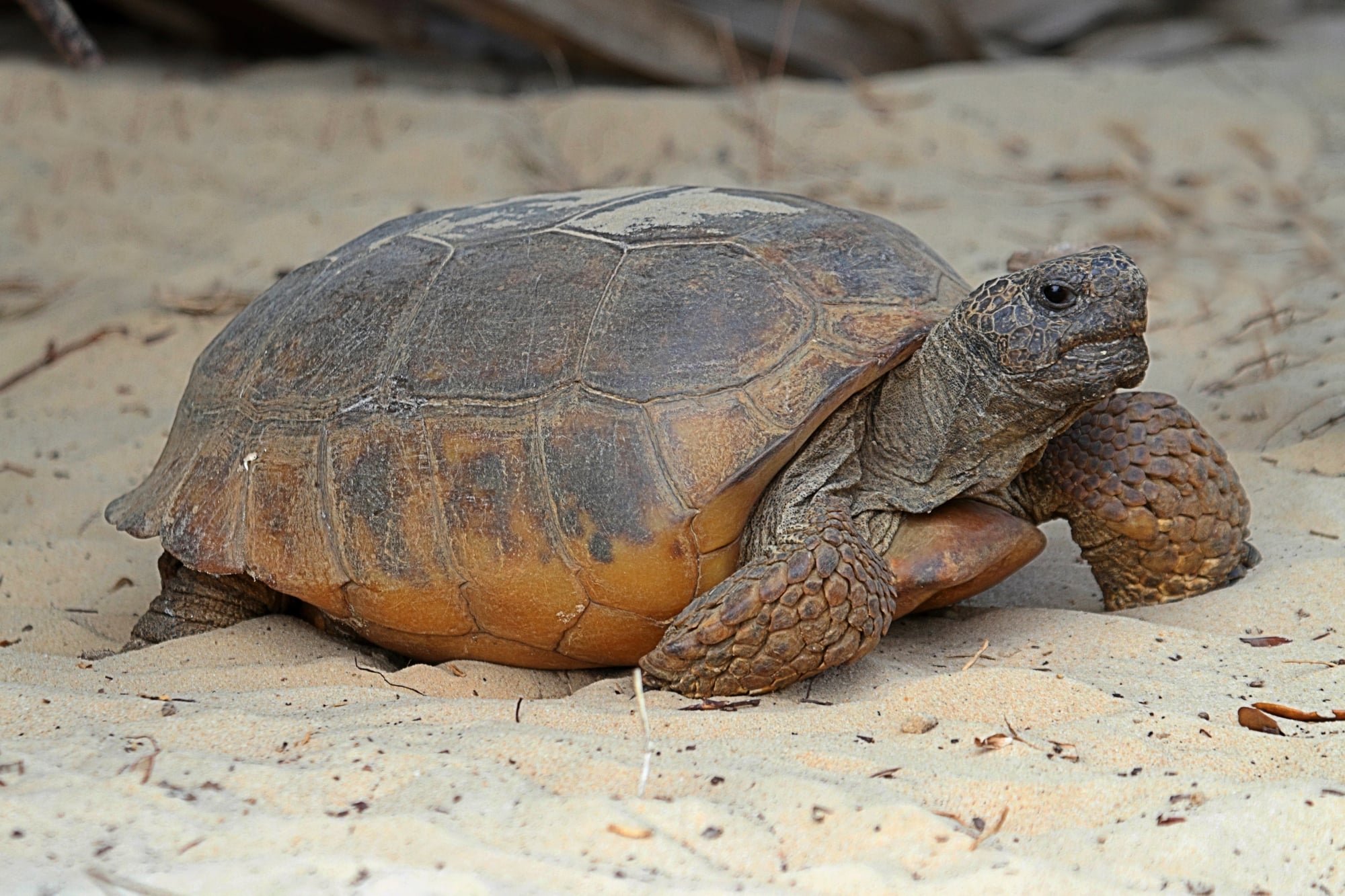
The Mojave and Sonoran deserts get brutally hot during summer days. Desert tortoises handle this by simply avoiding it.
They spend up to 95% of their lives in burrows they dig themselves. These burrows go deep—sometimes 10 feet down—where temperatures stay moderate even when the surface hits 140°F.
The tortoise emerges during cooler morning hours to eat grasses and wildflowers, then retreats before the real heat arrives. They’ve also mastered water conservation.
Their bladders store water for months, and they can reabsorb it when needed. During droughts, they’ll drink deeply from any rain pool they find.
Storing enough to last through dry spells that would kill most reptiles.
Fennec Foxes Use Their Ears as Radiators
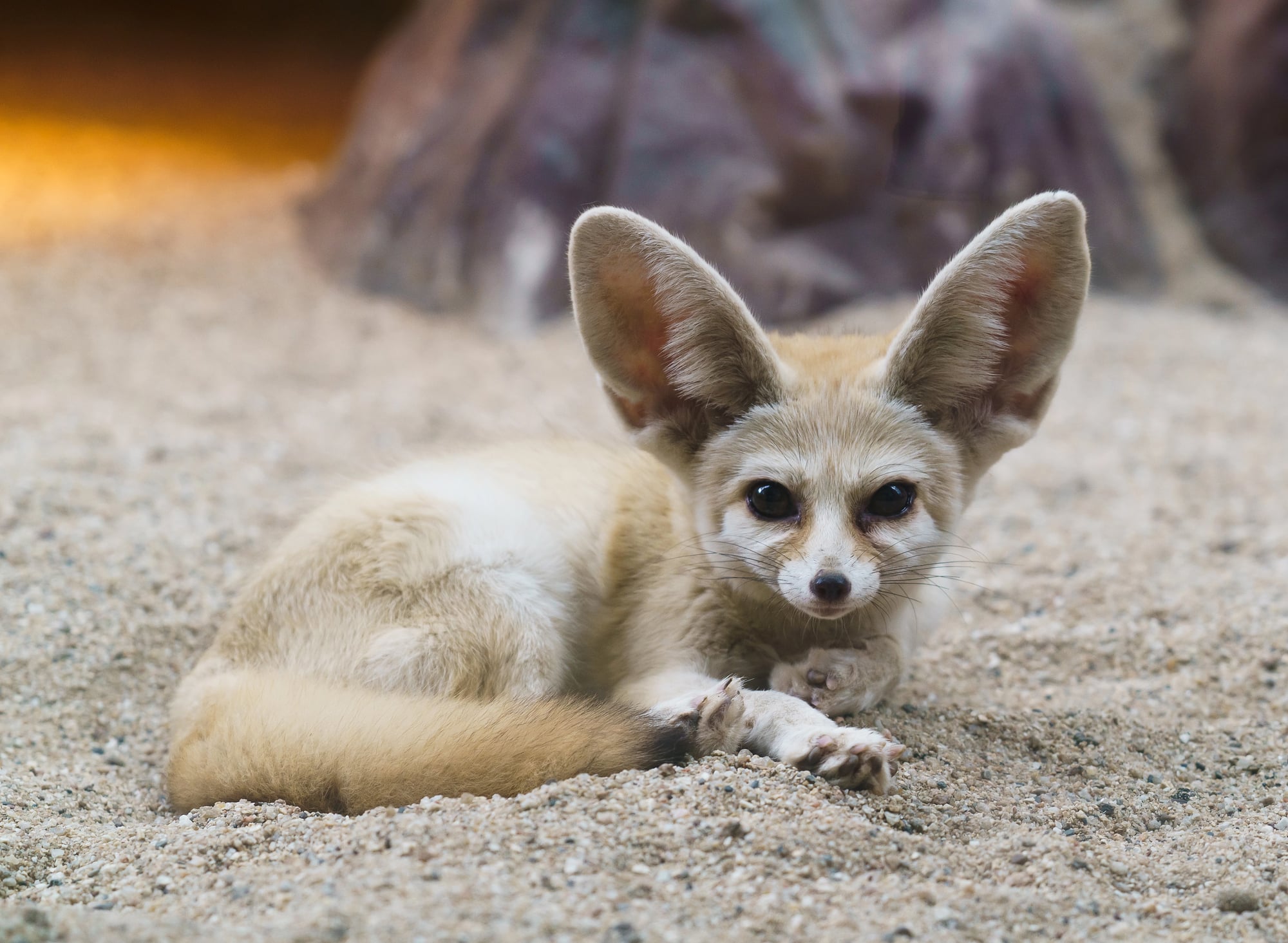
Those enormous ears on fennec foxes aren’t just for show. Each ear can be up to six inches long on an animal that weighs just three pounds.
The ears are packed with blood vessels close to the surface, and as blood flows through them, heat radiates away from the fox’s body. This cooling system works so well that fennec foxes stay active during desert nights when temperatures are merely warm instead of scorching.
During the day, they den up in burrows, sometimes in groups, which helps regulate their body temperature. Their kidneys are also adapted to conserve water.
They produce highly concentrated urine and dry feces, losing minimal moisture through waste. Plus, their fur acts as insulation, protecting them from both heat and cold desert nights.
Addax Antelopes Get Water From Plants

The addax lives in some of the most barren parts of the Sahara Desert. Water sources are so rare that these antelopes have evolved to survive without drinking at all.
They get all the moisture they need from the plants they eat, even though those plants are sparse and dry. Their bodies are incredibly efficient with water.
They produce very little urine, and their feces are extremely dry. Their body temperature rises during the day and falls at night.
Reducing the need for water-consuming cooling mechanisms like sweating. The addax’s pale coat reflects sunlight, and broad hooves help them walk on sand without sinking.
They’re perfectly designed for life in extreme heat—so much so that they’re now critically endangered. Partly because their adaptations can’t compete with human impacts on their habitat.
Thorny Devils Drink Through Their Skin
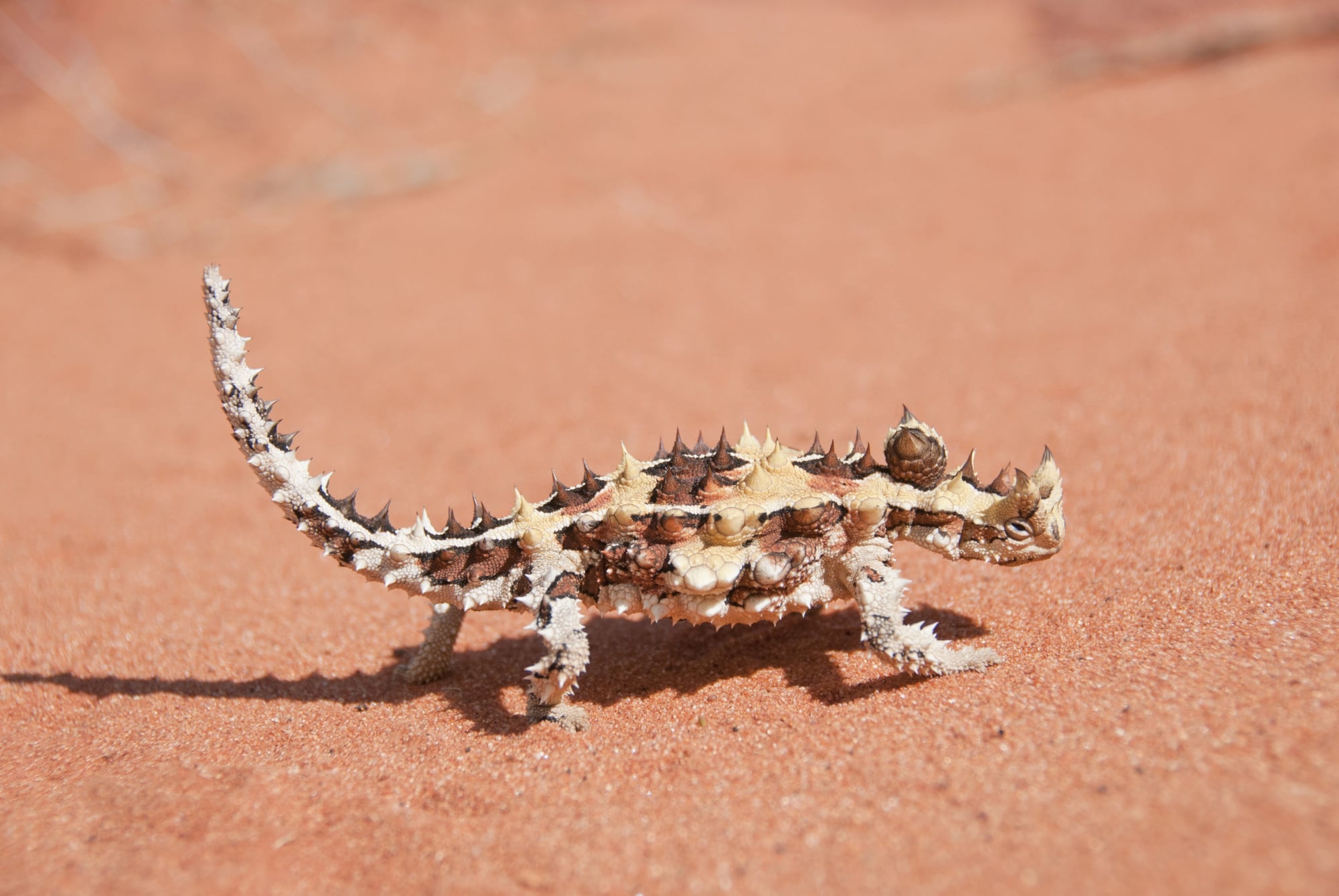
This small Australian lizard has one of the strangest drinking methods in the animal kingdom. Grooves in its skin channel any moisture—from dew, rain, or even damp sand—directly to its mouth.
The lizard doesn’t need to find water sources. Water finds its way to the lizard.
Thorny devils eat only ants, consuming thousands in a single day. They move slowly and deliberately, and their spiky appearance deters predators.
Those spines aren’t just armor—they also help collect morning dew. They handle heat by staying still during the hottest parts of the day and changing color.
Darker in cool morning temperatures, lighter during peak heat. This color change helps regulate body temperature without wasting energy or water.
Kangaroo Rats Never Drink
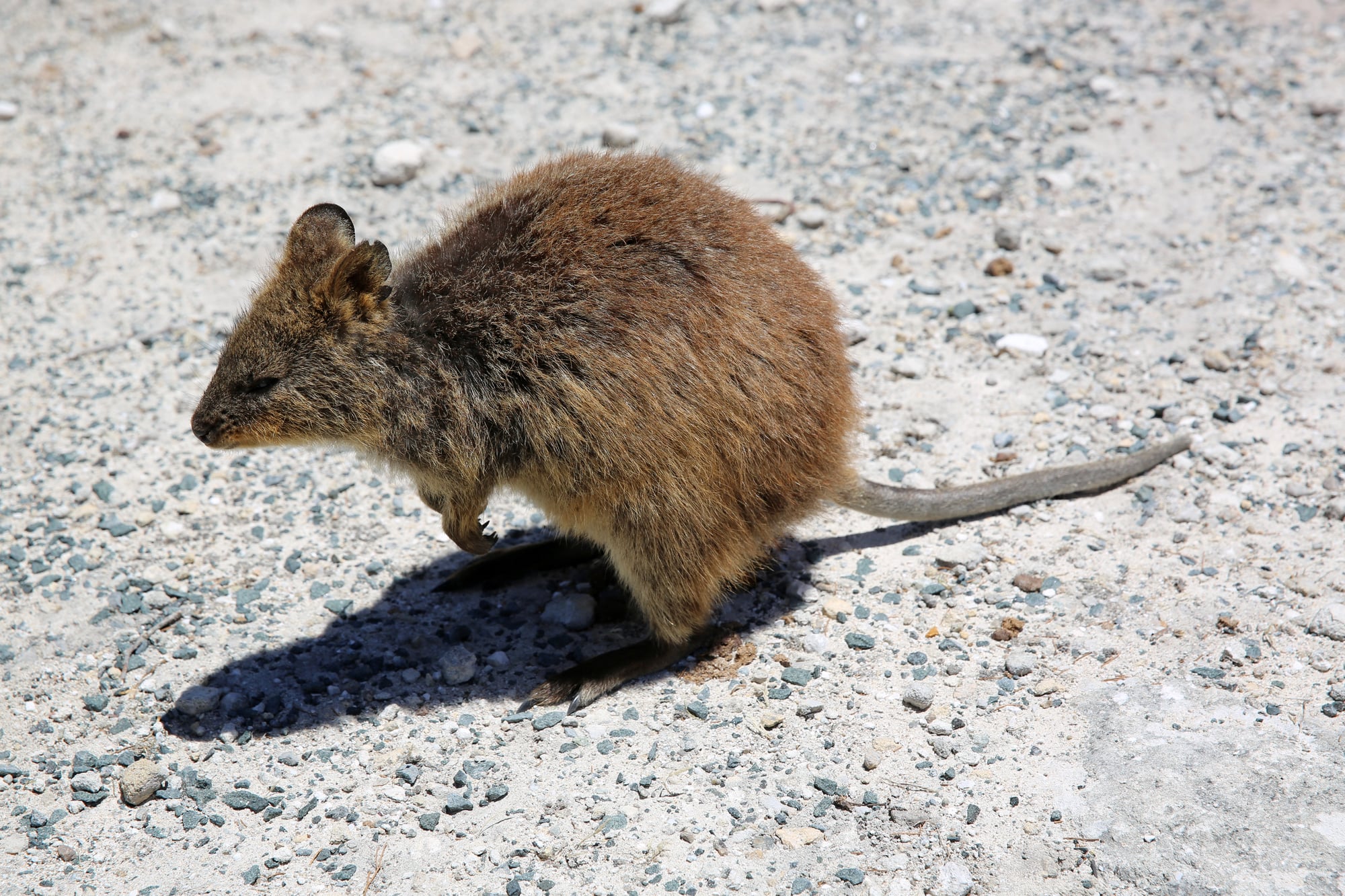
Kangaroo rats live in the deserts of North America and have never been observed drinking water. Not once.
They extract all the moisture they need from seeds, and their metabolism produces water as it breaks down food. Their kidneys are remarkably efficient.
Producing urine five times more concentrated than human urine. They also seal their burrows during the day, creating a humid microclimate that reduces water loss through breathing and evaporation.
These rodents stay underground during hot days and emerge at night to forage. Their powerful hind legs let them jump quickly away from predators.
They can cover ground fast when temperatures drop enough for safe travel.
Sidewinder Rattlesnakes Move Sideways
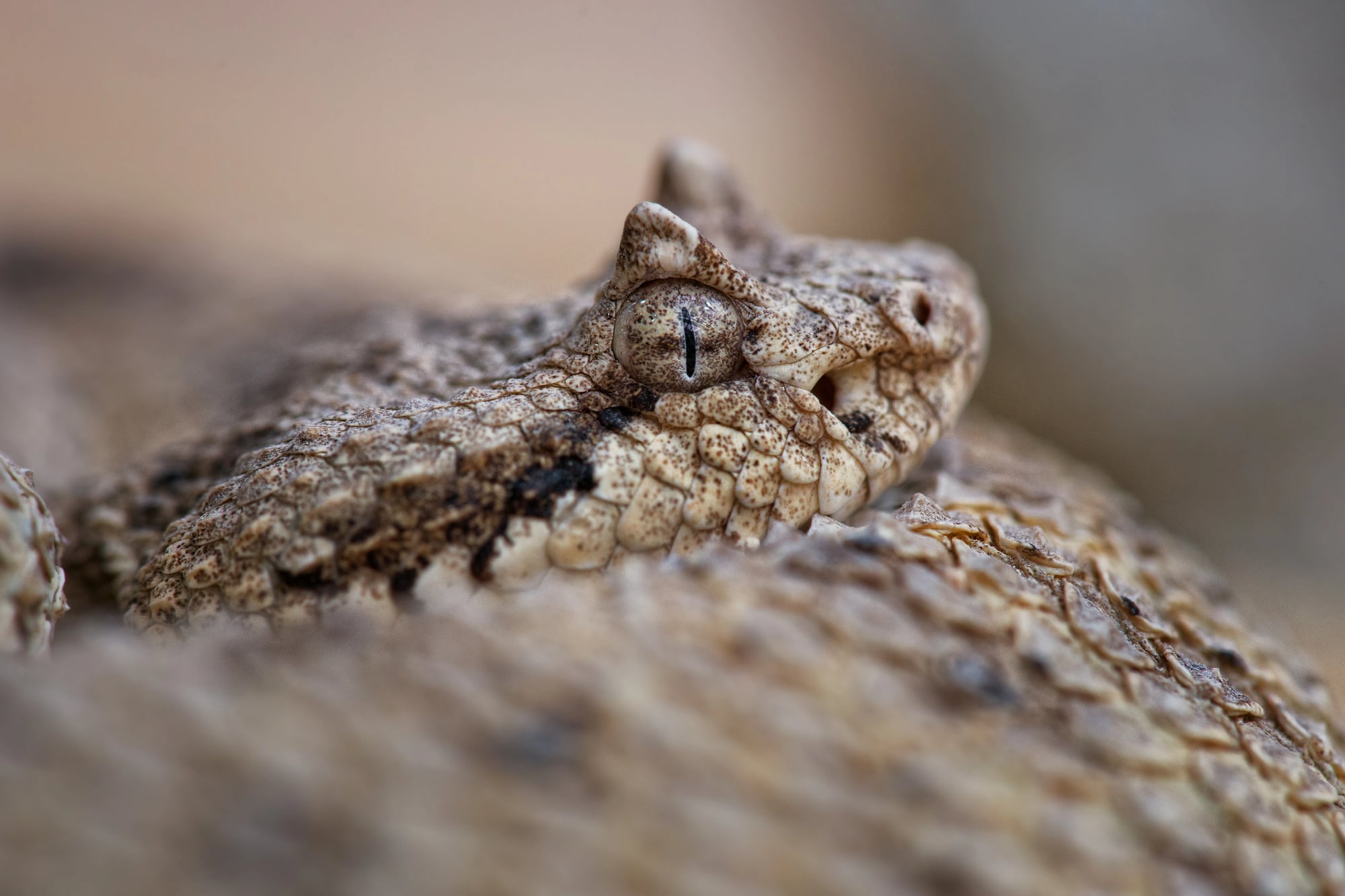
The sidewinder’s peculiar movement isn’t just interesting—it’s essential for survival in scorching sand. By moving sideways, the snake minimizes contact with the hot ground.
Only two points of its body touch the sand at any time, reducing heat transfer. This movement also works well on loose sand where other forms of locomotion would fail.
The snake leaves distinctive J-shaped tracks across dunes, evidence of its efficient travel method. Sidewinders hunt at night when rodents emerge.
During the day, they bury themselves in sand or hide under bushes, keeping their bodies away from direct sunlight. Their heat-sensing pits help them locate warm-blooded prey even in darkness.
Ostriches Pant Without Losing Water

Ostriches live in African savannas where temperatures regularly exceed 100°F. When they get hot, they pant—but not like dogs.
They’ve developed a specialized breathing pattern that cools them down without dehydrating them. Their respiratory system separates cooling air from breathing air.
Allowing rapid panting without hyperventilating. They can also reduce their metabolic rate during extreme heat.
Producing less internal heat when external temperatures soar. Their long legs lift their bodies away from hot ground, and their feathers provide insulation.
Yes, insulation helps in heat too—it keeps body heat in but also keeps external heat out.
Saharan Silver Ants Run at Noon
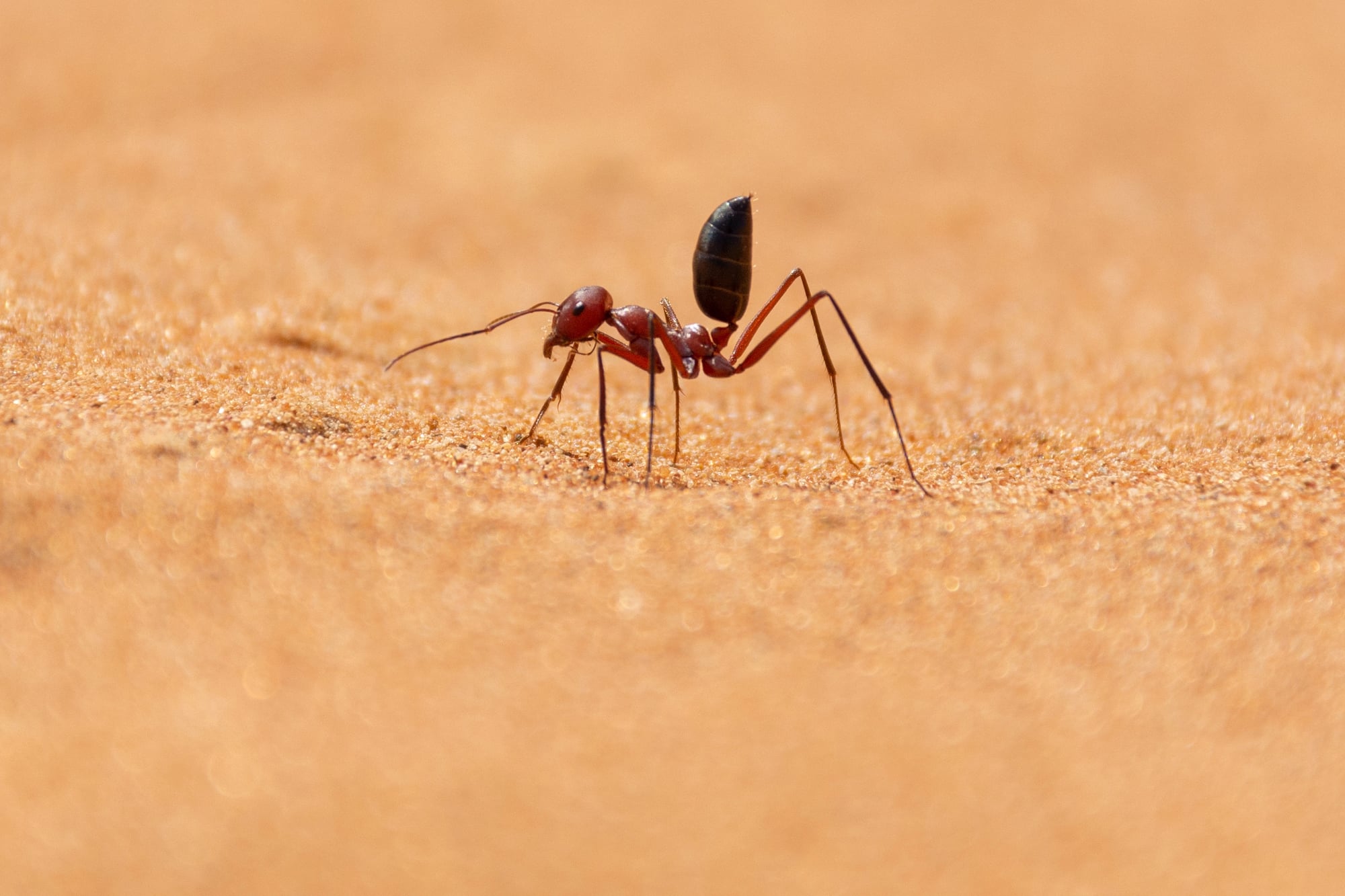
Most desert animals avoid midday sun. Not the Saharan silver ant.
This tiny insect emerges during the hottest part of the day, when surface temperatures can reach 158°F. That’s when predators have retreated, giving the ants a safe window to scavenge.
They move incredibly fast, covering up to three feet per second relative to their body size—that’s faster than a cheetah proportionally. Their silver coating reflects heat, and their long legs keep their bodies elevated above the scorching sand.
But they can only stay out for about 10 minutes before their internal temperature becomes lethal. They navigate using the sun’s position.
And when time’s up, they sprint back to their nest with whatever food they’ve found.
Roadrunners Lower Their Metabolism
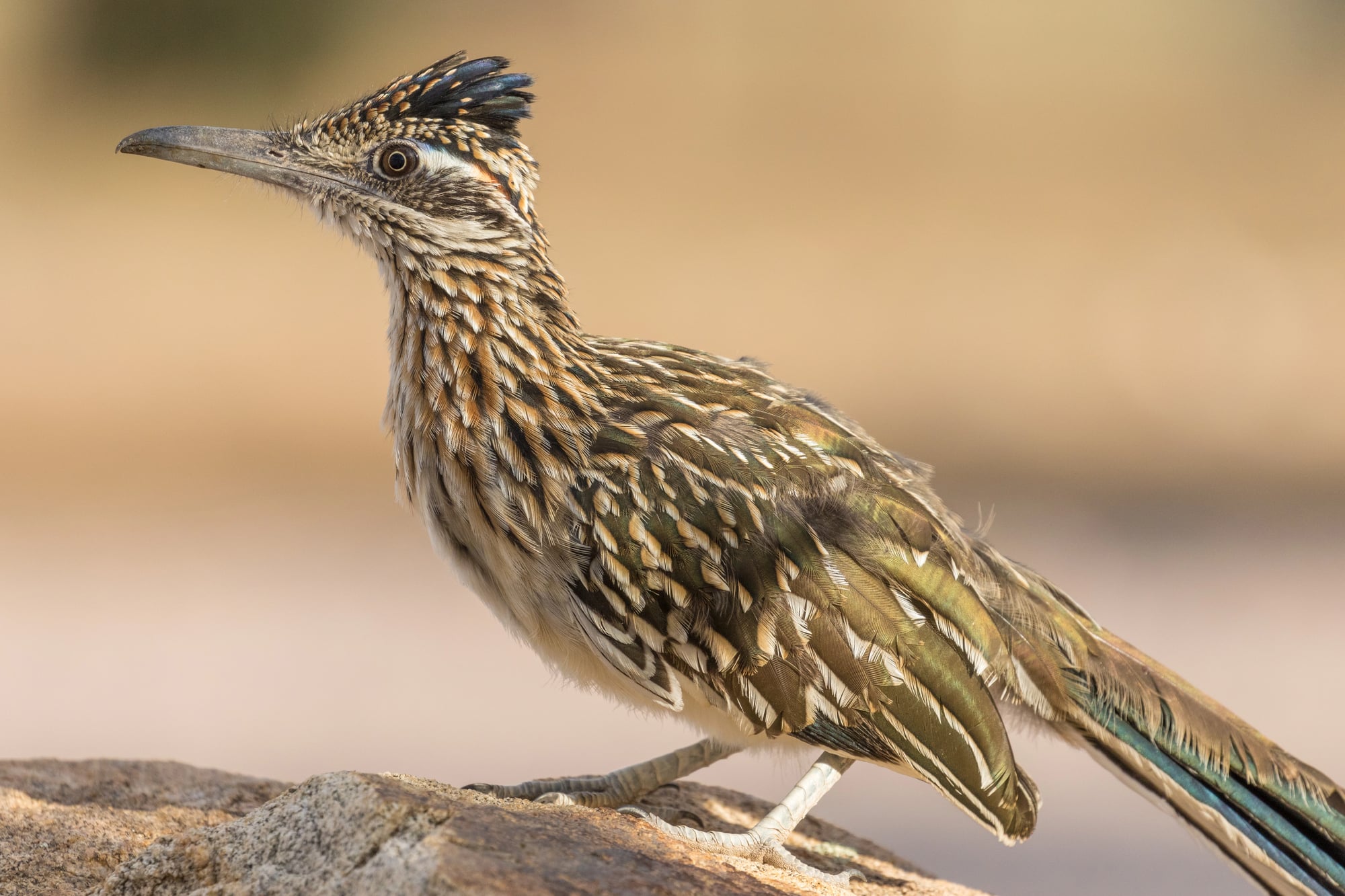
Roadrunners are famous for their speed, but their real survival skill is metabolic control. During cold desert nights, they let their body temperature drop significantly.
Entering a state similar to hibernation. This saves energy and water.
In the morning, they sunbathe to warm up, absorbing heat passively instead of generating it metabolically. During extreme heat, they seek shade and reduce activity.
But they can still function at high temperatures that would disable other birds. They also have salt glands that excrete excess salt through their nasal passages.
Allowing them to eat salty prey without needing extra water to flush the salt through their kidneys.
Dung Beetles Navigate by the Stars
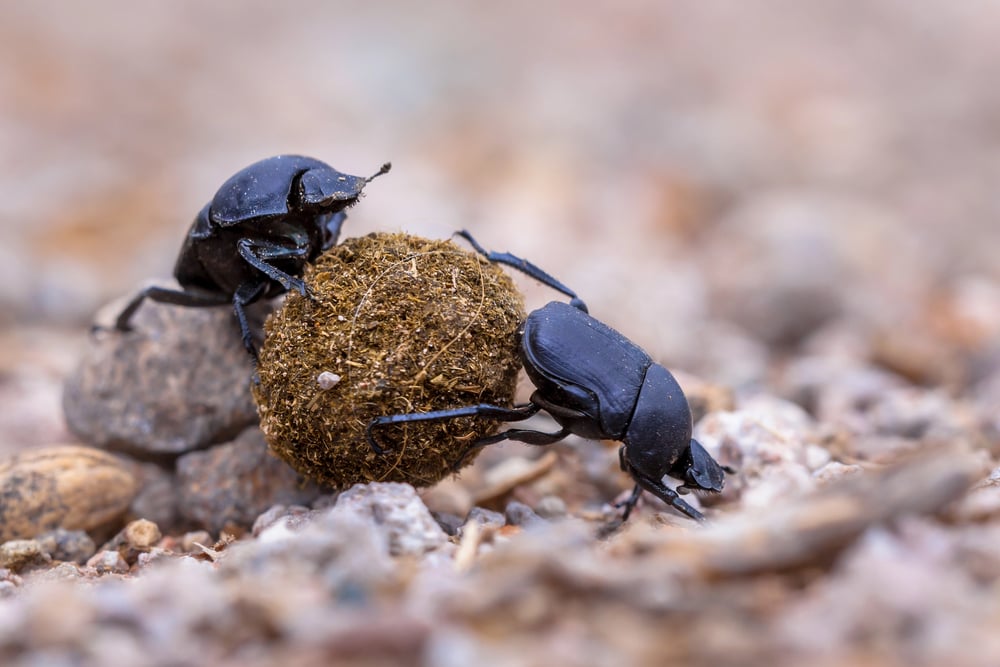
African dung beetles work fast because they have to. They form dung into spheres and roll them away before competitors steal their prize.
But the real challenge is doing this in blazing heat. Beetles climb on top of their dung spheres during the hottest parts of the day.
Using the dung as an insulator between their bodies and the burning sand. They also perform a distinctive dance on top of the sphere.
This isn’t ritual; they’re orienting themselves using polarized moonlight or the Milky Way. They work at night when possible.
But during the day they move quickly and take breaks on their relatively cool dung spheres. Which stay cooler than the surrounding sand.
Meerkats Work in Shifts
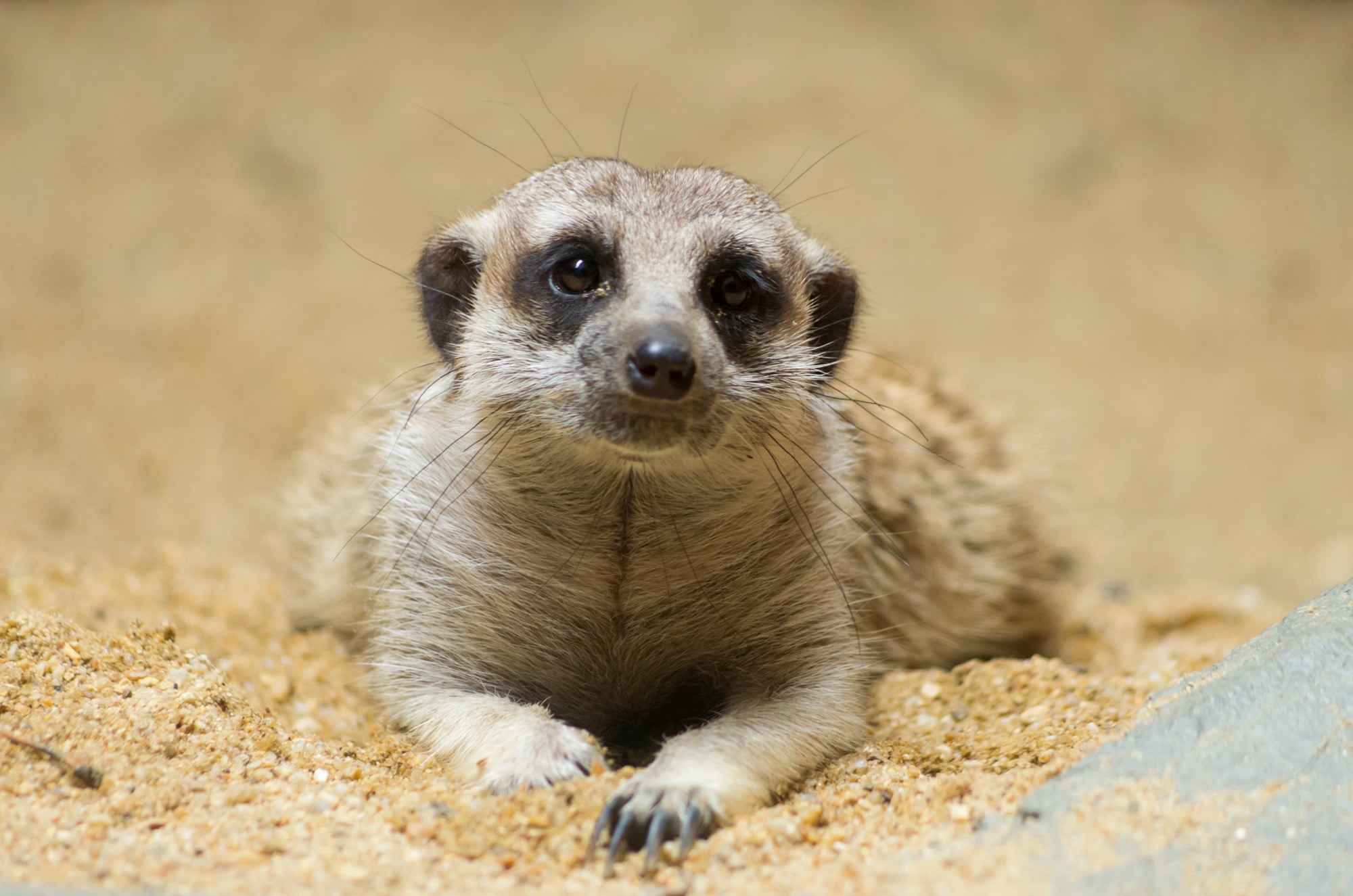
Meerkats live in the Kalahari Desert, and they handle heat through social cooperation. The group takes turns standing guard while others forage.
This rotation ensures no single meerkat stays exposed to the sun too long. They dig extensive burrow systems with multiple chambers at different depths.
When surface temperatures become unbearable, they retreat underground. These burrows maintain comfortable temperatures even during peak heat.
Meerkats also sunbathe in the early morning to warm up. Standing upright to maximize sun exposure.
But once temperatures rise too high, they shift to shady spots and reduce activity until evening.
Scorpions Glow Under Moonlight

Scorpions are among the toughest desert survivors. They can slow their metabolism to an extremely low rate.
Surviving on a single insect for months. Their exoskeletons are waxy and waterproof.
Preventing moisture loss. They hunt at night when temperatures drop.
And their fluorescent bodies glow under ultraviolet light—though scientists still debate why. During the day, they hide under rocks or in burrows.
Avoiding heat entirely. Some scorpion species can survive being frozen solid and can also handle extreme heat.
They’re ancient arthropods that have perfected desert survival over millions of years.
When Heat Becomes Home

These animals don’t just tolerate extreme heat. They depend on it.
Their bodies, behaviors, and life cycles are so finely tuned to hot environments that they’d struggle anywhere else. The desert isn’t their challenge—it’s their home.
And they’ve found ways to thrive where conditions seem impossible. Each adaptation tells a story of survival refined over countless generations.
Proving that life finds a way, even when the thermometer climbs past what seems bearable.
More from Go2Tutors!

- The Romanov Crown Jewels and Their Tragic Fate
- 13 Historical Mysteries That Science Still Can’t Solve
- Famous Hoaxes That Fooled the World for Years
- 15 Child Stars with Tragic Adult Lives
- 16 Famous Jewelry Pieces in History
Like Go2Tutors’s content? Follow us on MSN.