Care Bears and My Little Pony Toys Worth Money
Two toy lines ruled the pastel shelves of the 1980s, and both were built on the same idea: a soft character, a symbol on its body, and a name a child could remember. Hasbro’s ponies carried marks on their hips, Kenner’s bears carried pictures on their bellies, and millions of each were sold, loved, chewed, and eventually boxed up in attics.
Most of those toys are still worth less than a fast-food meal. A handful, though, were made in small numbers, offered only by mail, or built with a gimmick that failed in the toy box, and those are the ones collectors now pay real money for.
My Pretty Pony, the Oversized Ancestor
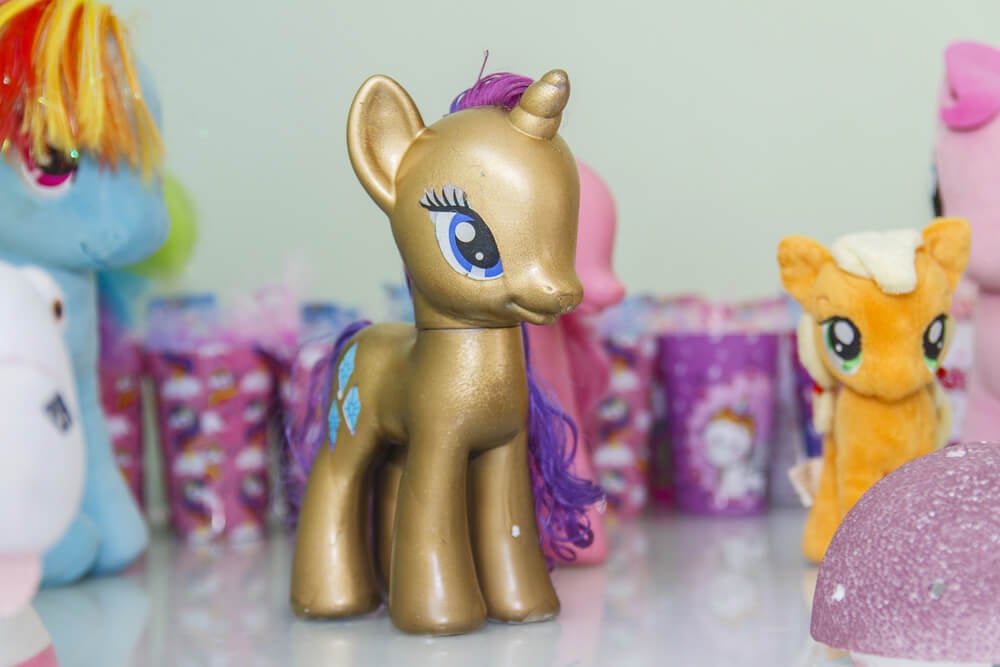
Before My Little Pony existed, Hasbro sold My Pretty Pony in 1981, a hard-plastic horse about ten inches tall with a lever under the chin that made the ears wiggle, the eyes wink, and the tail swish. Designer Bonnie Zacherle worked on the concept, and its modest sales persuaded Hasbro to shrink the animal, soften the plastic, and add candy colors for the 1982 launch.
Original My Pretty Pony examples with the mechanism still working typically bring 100 to 300 dollars, with the brown-and-white version and its baby companion at the higher end. Seized gears, scuffed flanks, and a frizzed tail pull the figure quickly down toward the lower number.
Tenderheart Bear With the Original Kenner Tags
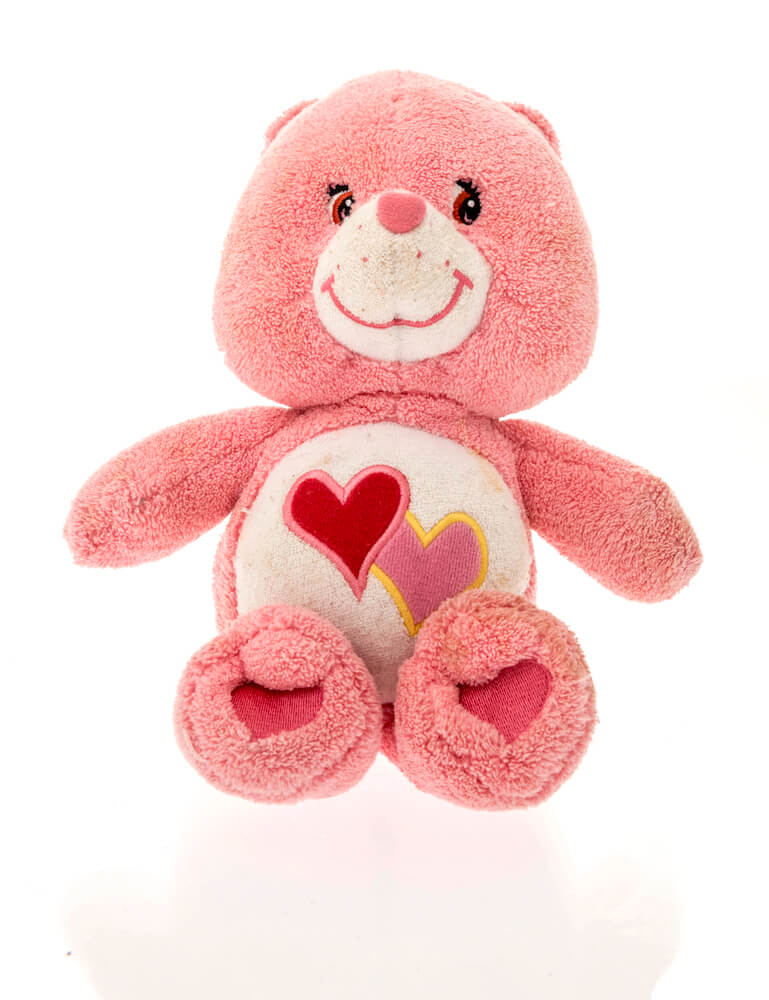
Kenner began producing Care Bears plush in 1983, and the 13-inch Tenderheart Bear with its red heart belly symbol was the face of the line in every television spot. A loose, loved example sells for 15 to 30 dollars because so many were made.
The money is in the paper and cloth: an attached heart-shaped cardboard hangtag, the sewn tush tag reading Kenner, and plush that has not been pilled by the washing machine push examples into the 80 to 200 dollar range. Collectors also check the nose, since early plastic noses crack and later replacements are easy to spot.
Rapunzel, the Mail-Order Pony With the Floor-Length Hair
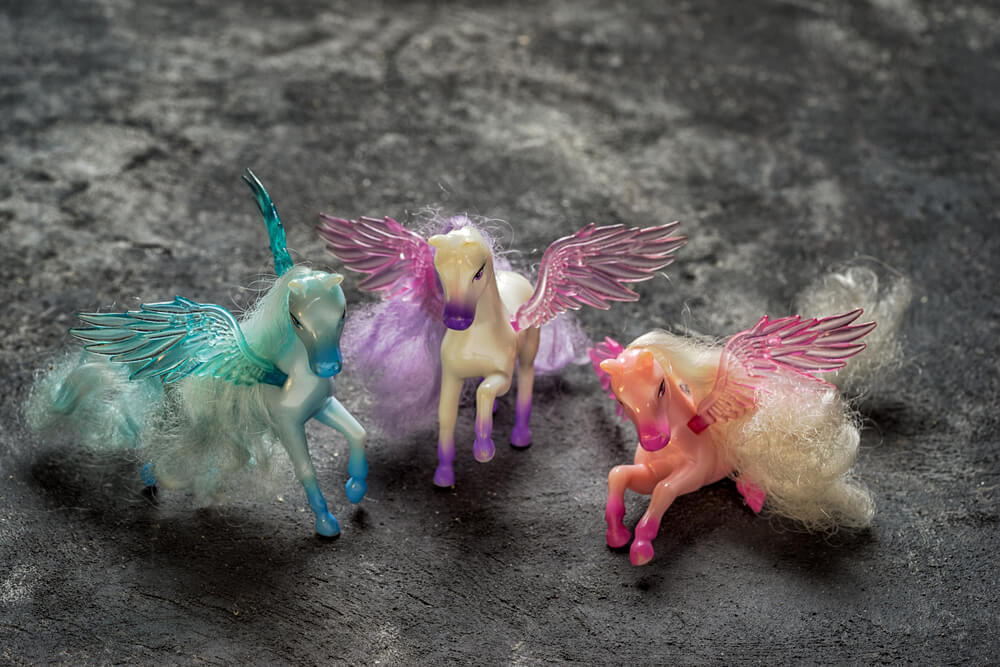
Rapunzel never appeared in stores. Hasbro offered her by mail for two Horseshoe Points clipped from pony packaging plus 8.95 dollars, which is why she remains one of the scarcest G1 ponies.
Her defining feature is an extraordinarily long yellow and pink mane and tail meant to be braided, and an example with that hair uncut and uncrimped has sold for 800 to 1,500 dollars, including one at 1,550 dollars. A single trim by a 1980s child erases most of that premium, and collectors also look closely at the symbol, since a faded or rubbed design is the next most common flaw.
Noble Heart Horse, the Cousin Nobody Bought
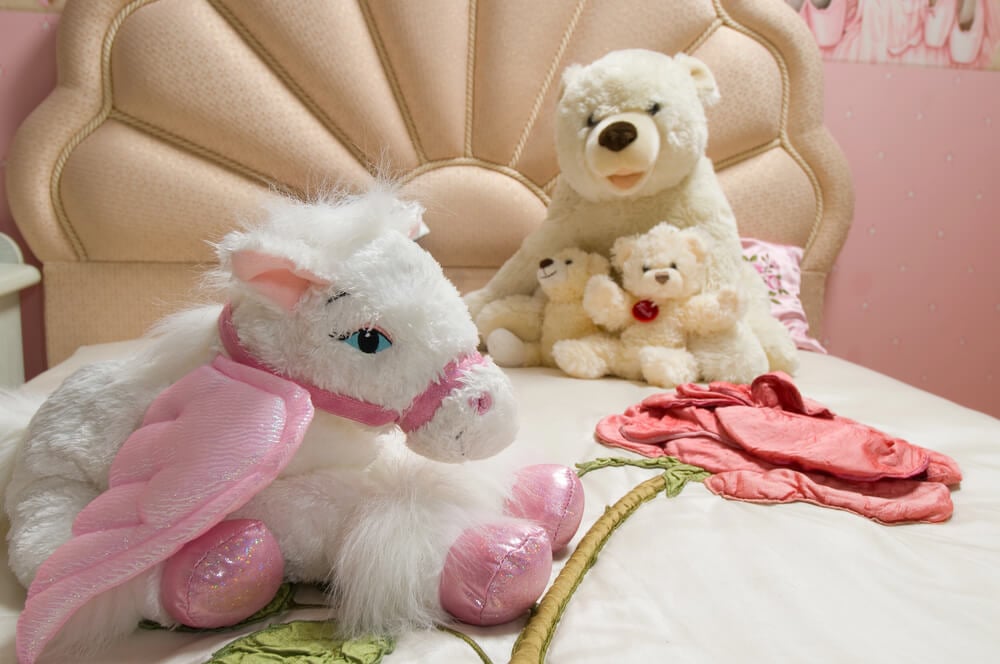
Noble Heart Horse was the purple horse among the Care Bear Cousins, with a multicolored heart on his belly and a rainbow mane. Kenner’s plush version appears to have been produced in smaller quantities than the lion, rabbit, or elephant Cousins, and demand from completists keeps him near the top of the Care Bears market.
A clean 13-inch Noble Heart with intact mane has sold for about 800 dollars, and tagged examples go higher. Matted fur, a yellowed muzzle, and loose threads around the hoof pads knock hundreds off, and the belly symbol itself is prone to cracking because of its many colors.
Mimic, the Twinkle-Eyed Pony With the Gem Eyes
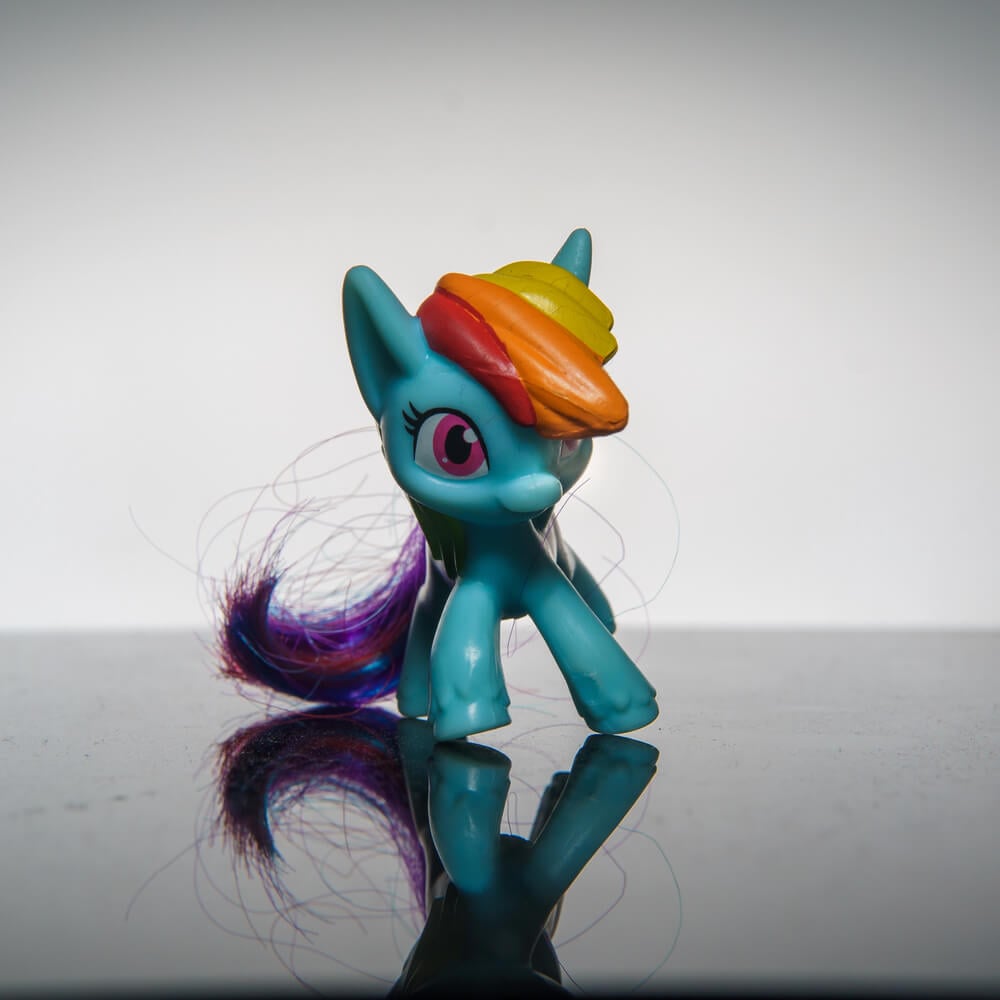
Mimic arrived in 1987 as part of the Twinkle-Eyed ponies, whose eyes were faceted plastic jewels instead of paint. Her teal body and parrot symbol made her memorable, but her short production window made her scarce, and she is now among the most expensive mainline G1 ponies.
Prices for a complete, untouched Mimic can reach about 2,000 dollars. The gem eyes are the weak point: cloudy or missing jewels, along with the body discoloration common to this plastic, cut the price by more than half. Reproduction eyes exist and are something buyers are warned about.
Proud Heart Cat, the Cousin in Pale Orange
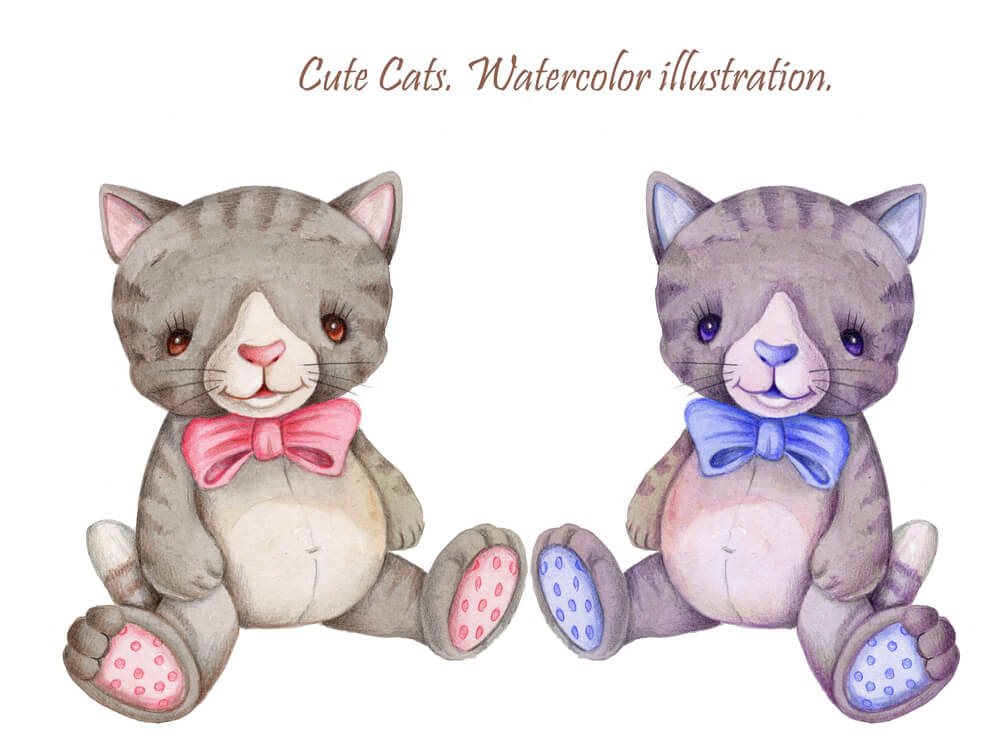
Proud Heart Cat is the sleek, tiger-striped Cousin with a star-and-heart symbol on her chest, and like Noble Heart she is harder to find than the bears proper. Kenner’s plush used a peach-orange fabric that fades badly under sunlight, which is one reason evenly colored examples bring 500 dollars or more.
The whiskers, embroidered in thread, and the small pink nose are the first details to show wear. Tagged examples with the original hangtag and no shelf fading are the ones that approach the upper figure, while washed and matted cats sell for a fraction of that.
Mommy and Baby Pony Boxed Set
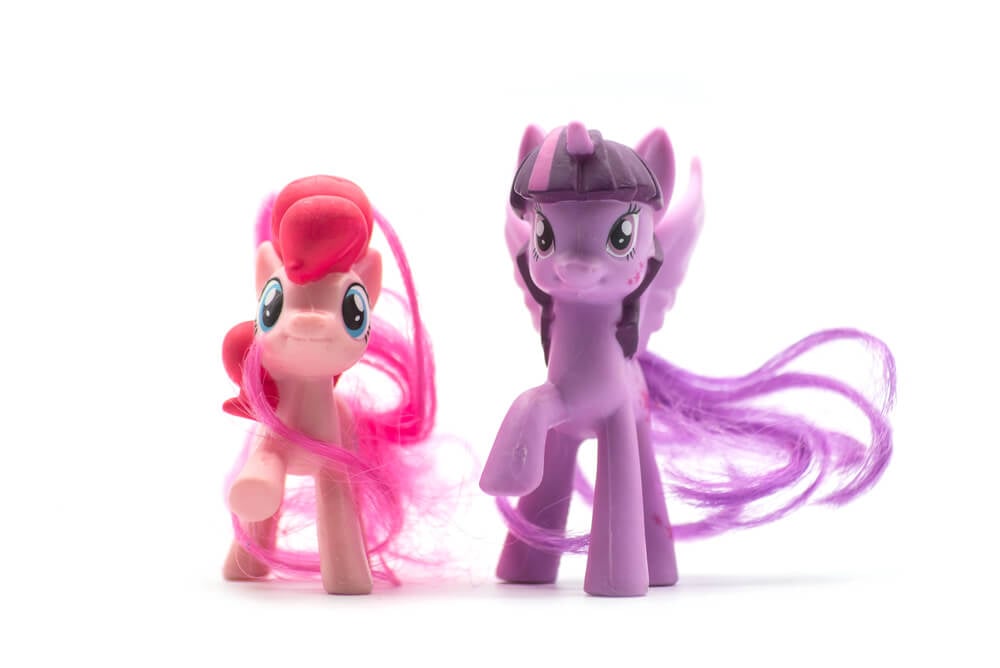
Hasbro released several boxed mother-and-foal pairs near the end of the G1 run, and the 1990 Mommy and Baby Pony set is the scarce one. The pair came in a window box with a tiny bottle and brush, and because the line was already fading from US shelves, fewer were made and fewer were kept.
Boxed examples have sold for up to about 776 dollars. Loose pairs sell for a small fraction of that, and matched sets are tricky to assemble because the baby’s symbol must correspond to the mother’s. Price tags still stuck to the box, oddly, tend to help rather than hurt.
Surprise Bear and the Jack-in-the-Box Belly
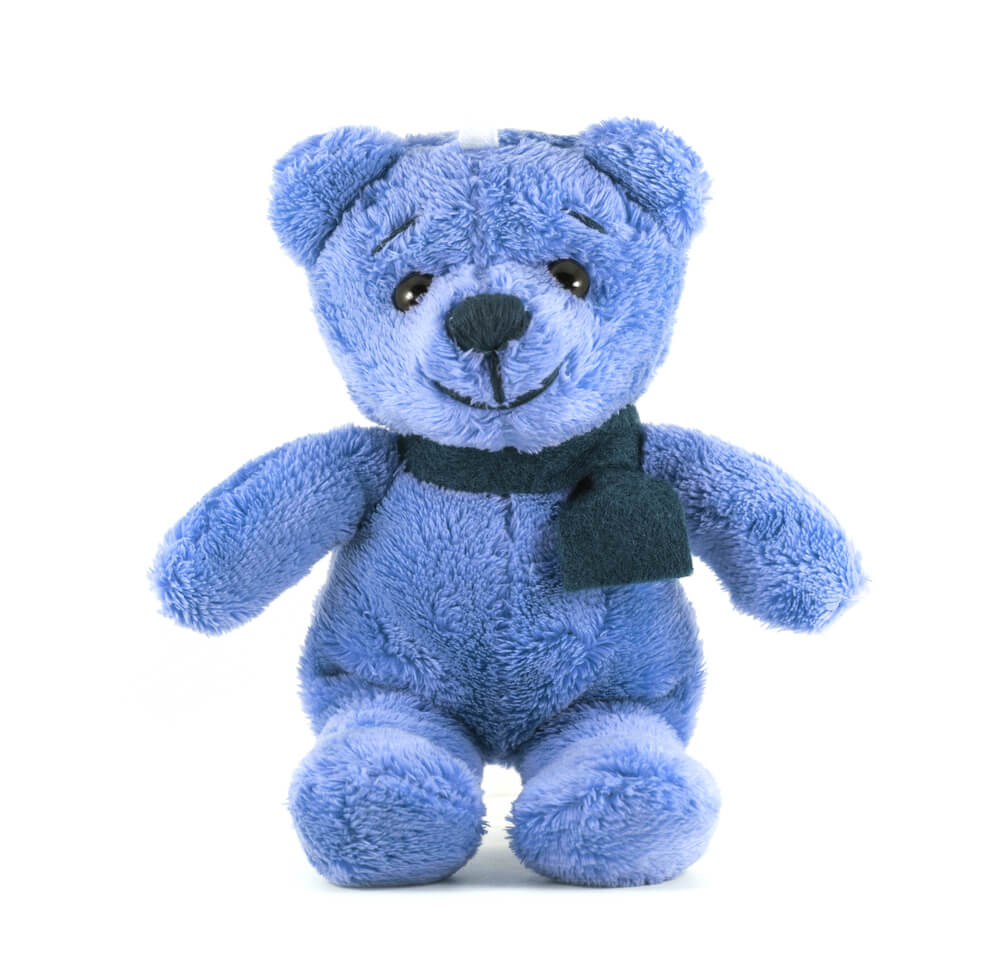
Surprise Bear is pale blue with a jack-in-the-box bursting from a gift on his belly symbol, and he was released late in Kenner’s run, when retailers were ordering far fewer Care Bears. That timing makes him one of the rarest bears to find as a plush at any size.
Collectors report that even loose examples routinely sell for several hundred dollars, and tagged ones go higher. Buyers check that the belly symbol is printed, not a replacement patch, and that the fur color has not shifted toward gray from sun exposure. Yellowing of the white muzzle is common and does matter to the final price.
Paradise Estate, the Pink Mansion From 1985
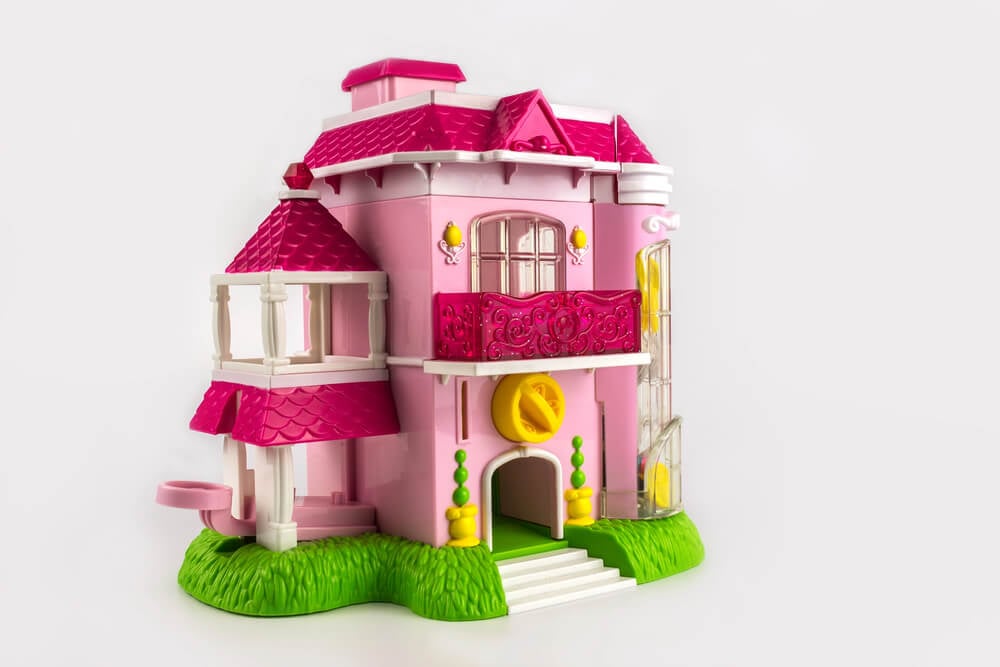
Paradise Estate was one of the largest pony homes Hasbro produced, a sprawling pink and white house released in 1985 with a swimming pool, a kitchen, a sitting room, and a stack of tiny furniture. Its size meant it was often thrown out, and its dozens of small accessories meant almost none survive complete.
A fully complete Paradise Estate with its box has sold for up to about 700 dollars. The pool, lounge chairs, and dining set are the pieces most often missing, and a yellowed or warped roof panel, a frequent fault with the white plastic, is a quick way to lose half the value.
Good Luck Bear From the 1984 Run
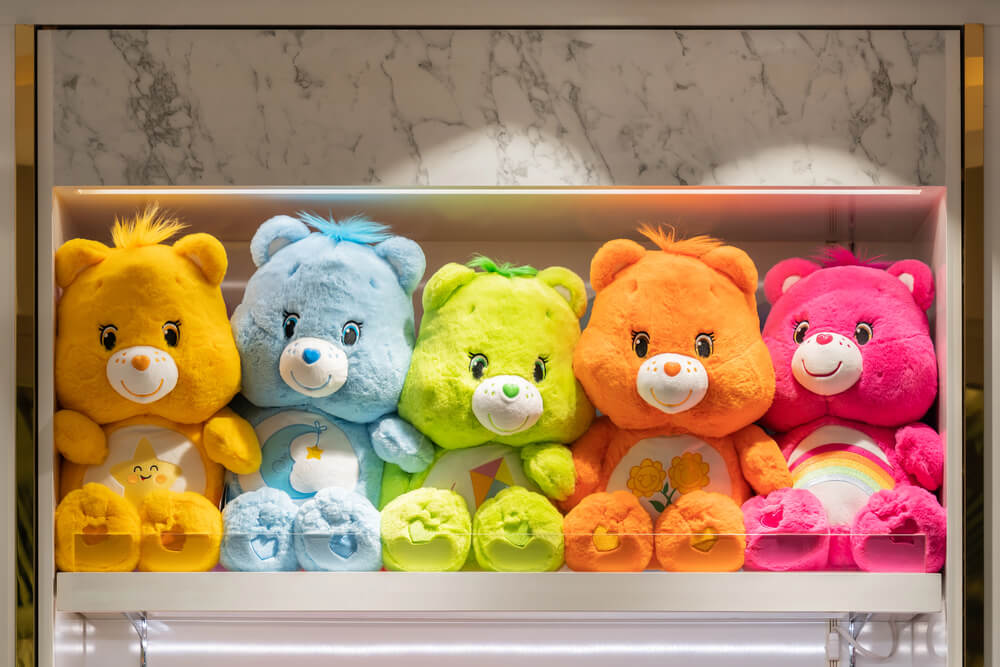
Good Luck Bear, the green bear with a four-leaf clover on his belly, was in the original ten, and the 1984 Kenner plush is the version collectors chase. Experienced sellers date him by the tush tag and the style of the belly symbol, since later issues from other makers differ in both.
Tagged 1984 examples with bright fur and an uncracked nose typically sell for 60 to 150 dollars, well above the common later bears. The clover symbol is prone to peeling at the edges, and the green pile shows dirt more readily than the pastel bears, so a bright, unwashed example is harder to find than it sounds.
Dream Castle in Both of Its Releases
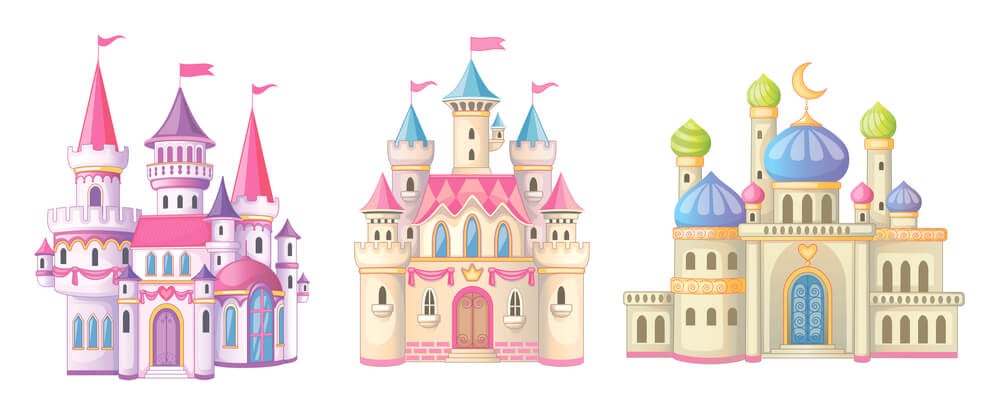
Dream Castle was an early large pony playset, released in 1983 and then reissued in 1989 with different colors. The pink castle came with Majesty the unicorn, her dragon friend Spike, a throne, a drawbridge, and a crown, and the original version has sold for up to about 450 dollars complete.
The 1989 reissue is less valuable but still collected, and the two are easy to tell apart by their shade of pink. Missing turrets, lost crowns, and broken drawbridge hinges are the usual faults, and the included pony’s hair condition is weighed as heavily as the building itself.
Brave Heart Lion, Leader of the Cousins
Brave Heart Lion is the orange lion with a red mane and a crowned heart on his belly, and he was heavily marketed when the Cousins debuted in the mid 1980s. Kenner made him as a 13-inch plush, a smaller plush, and a poseable figure, so he is more findable than the horse or cat.
Clean plush examples typically sell for 40 to 120 dollars, with tagged ones at the top. The mane is the problem area: the red pile mats, thins, and fades to a rusty orange, and a lion with a full, bright mane is scarce enough that collectors pay the premium for it.
Waterfall Set With Sprinkles the Pegasus
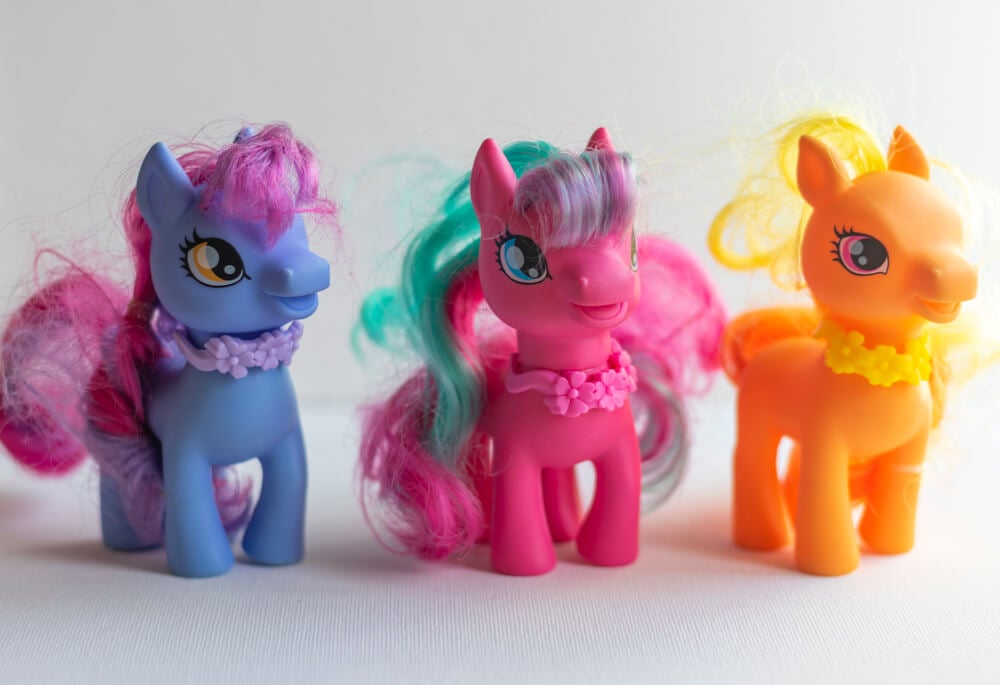
The 1983 Waterfall playset was packaged with Sprinkles, a white pegasus with blue hair who was never sold on her own. That exclusivity drives the set’s value, since anyone completing a pony collection needs this box to get her.
A complete Waterfall set with Sprinkles has sold for about 400 dollars. The waterfall itself used a hand-pumped mechanism that often no longer works, and replacement Sprinkles ponies sometimes appear with sets, so buyers compare her hair color and symbol to known originals before paying full price. Her blue hair is prone to fading to a dull gray-blue.
Swift Heart Rabbit, the Blue Cousin With the Winged Heart
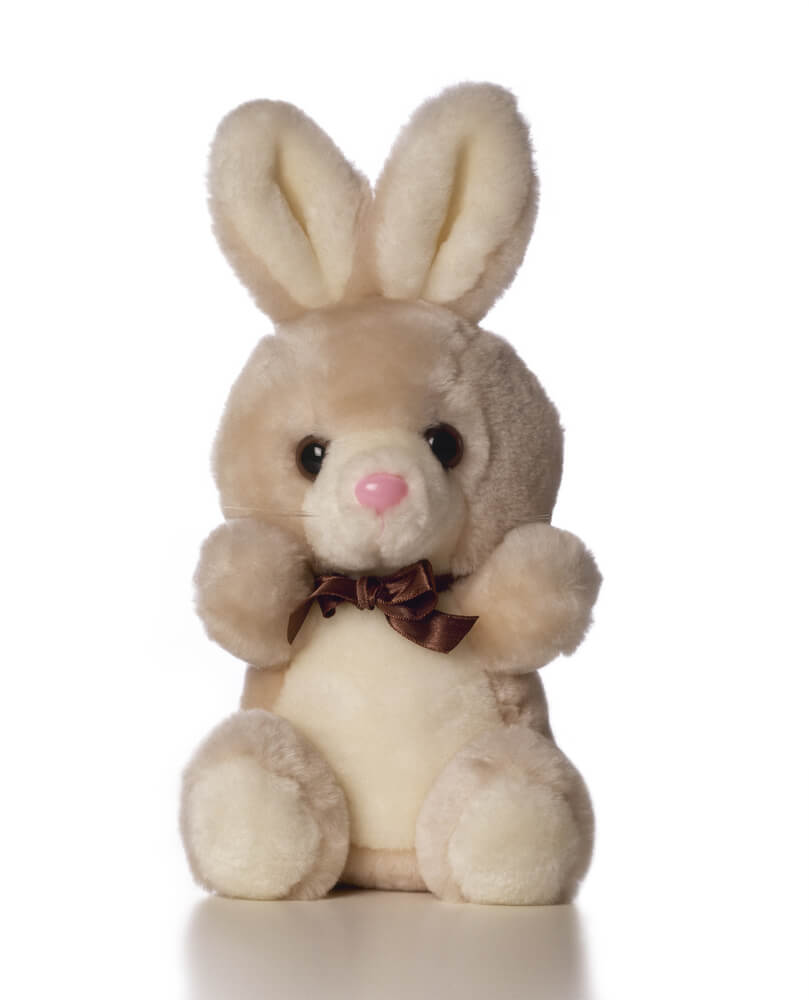
Swift Heart Rabbit is the light blue rabbit with a heart with wings on her belly, and her Kenner plush is one of the easiest Cousins to find and one of the most often damaged. Her long ears were lined with pink fabric that rubs through, and the white tummy patch yellows.
A clean, tagged 1984 or 1985 example sells for roughly 40 to 100 dollars, while worn ones go for 15 to 25 dollars. The poseable figure, about three inches tall, is cheaper but has become collectible in its own right, especially with the original accessory still present.
Sweet Scoops, the Mail-Order Ice Cream Pony
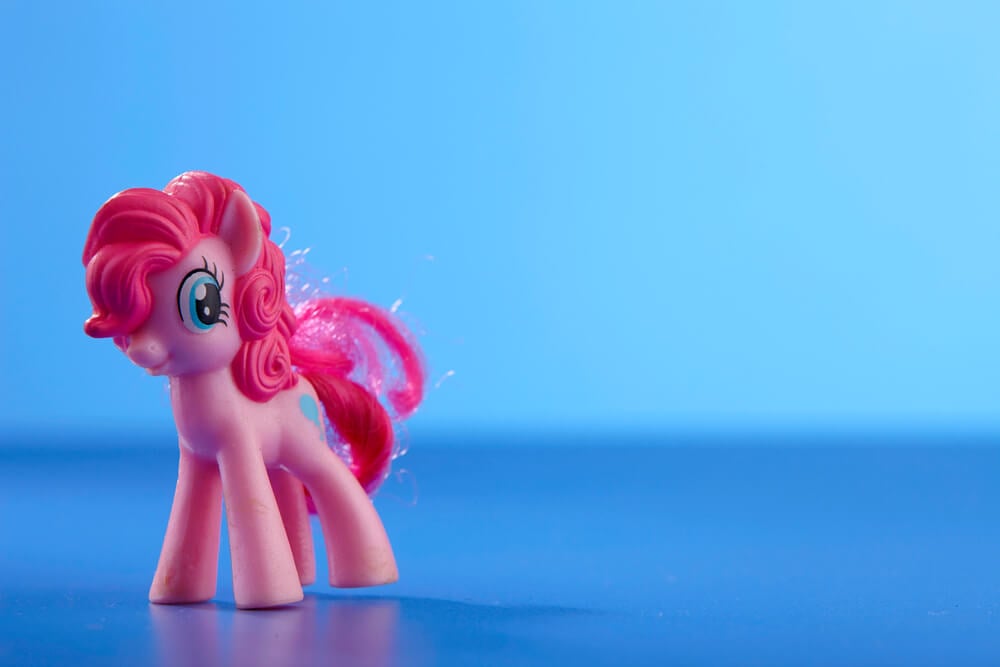
Sweet Scoops was another Horseshoe Points mail-order exclusive, a white pony with a pink and purple mane and an ice cream sundae symbol. Like Rapunzel, she was never on a store shelf, so her numbers were limited to the children whose parents mailed the coupons.
Examples with crisp symbols and uncut hair typically sell for about 350 dollars. Her white body is prone to the yellowing and brown spotting that afflict many G1 ponies, and because her symbol is multicolored, it rubs more easily than a single-color design. A matching original comb adds a little, while a trimmed tail subtracts a lot.
Cozy Heart Penguin, the Cousin With the Knit Cap
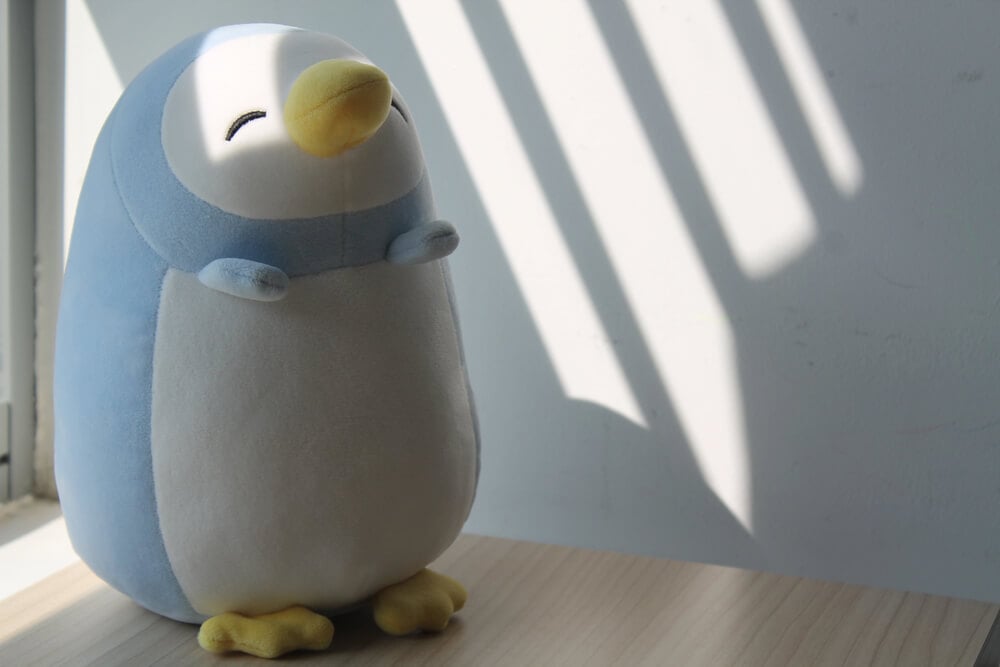
Cozy Heart Penguin stands out among the Cousins because she wears a purple knitted hat, matched by a hat-wearing heart as her belly symbol. Kenner’s plush used a lavender body with a white tummy and orange feet, and complete examples with the hat still attached sell for roughly 50 to 150 dollars.
The hat is the make-or-break accessory, since it was often lost or pulled off, and sellers who find one without it see the price drop to the level of a common bear. The orange beak and feet are a stiff vinyl that can crack, and the white tummy shows every mark.
Soft Sleepy Newborns From 1987
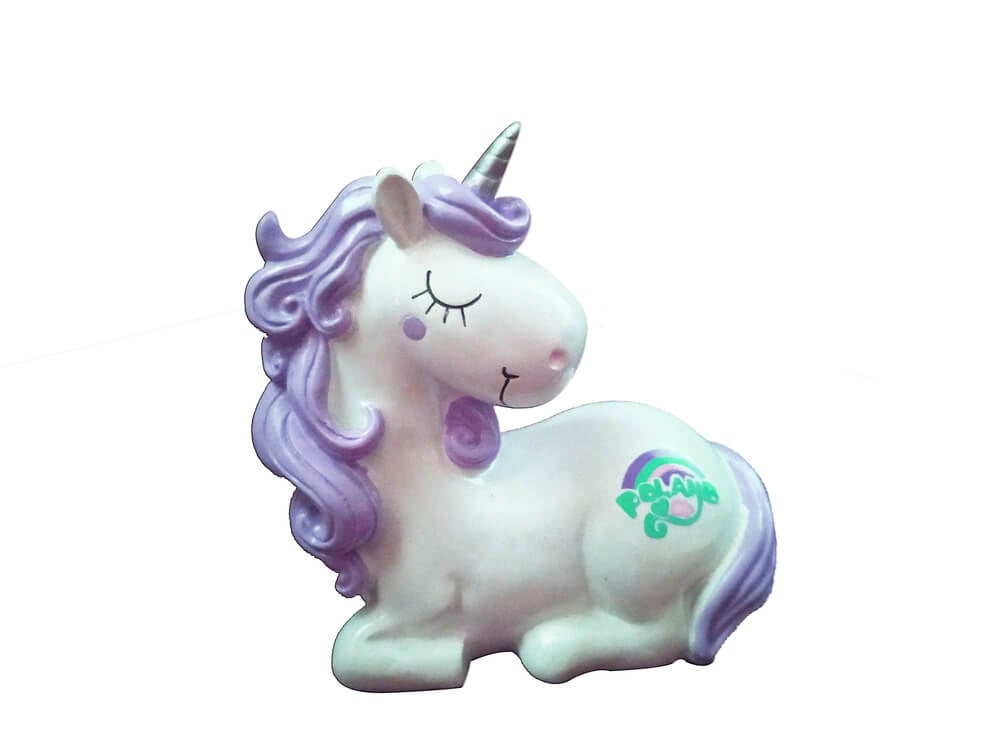
Soft Sleepy Newborns were Hasbro’s 1987 attempt at a cuddly pony, a line of tiny foals with cloth bodies and plastic heads that closed their eyes when laid down. They were fragile by design, and the cloth bodies did not survive childhood well, which makes clean examples scarce.
Complete Soft Sleepy Newborns with their accessories sell for about 200 dollars. The sleep-eye mechanism often sticks, the fabric stains, and the plastic heads discolor along the seam line, so a working, unmarked example is the exception. Boxed sets are rarer still and sell for noticeably more.
Grams Bear, the Grandmother in the Shawl
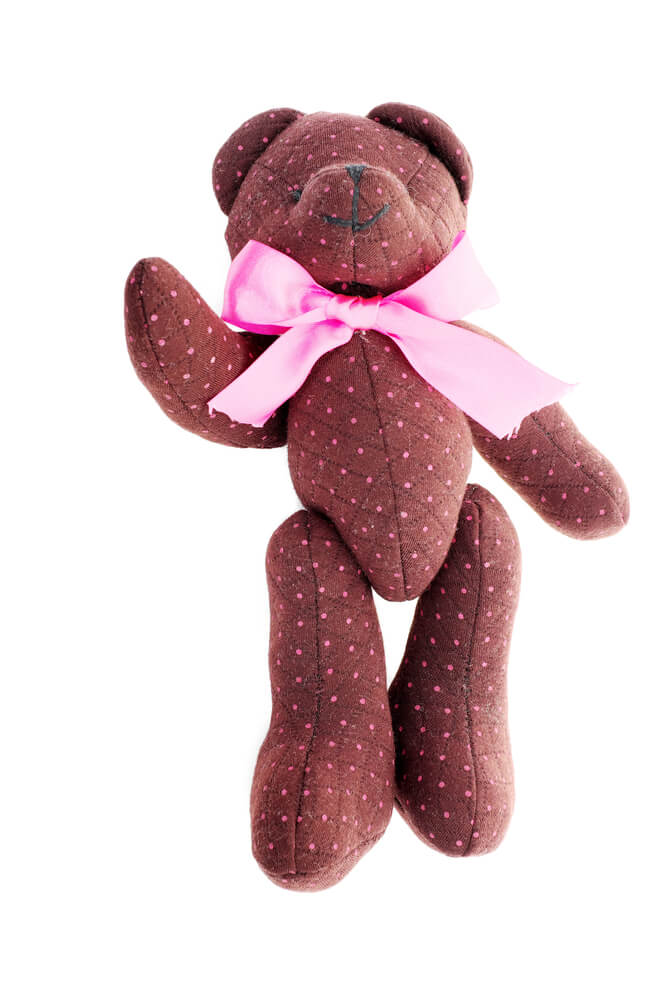
Grams Bear was introduced in the mid 1980s as the gray elder of the family, with a rose-and-heart belly symbol and a pink shawl tied around her shoulders. The shawl is the detail that matters, because it was a separate piece of fabric that children lost almost immediately.
A Grams Bear with shawl, hangtag, and bright gray fur has sold for 80 to 200 dollars, while shawl-less examples go for 20 to 40 dollars. Her gray plush shows yellowing from sunlight more than the brighter bears, and the small plastic glasses on the figure version are frequently missing as well.
Sea Ponies and Their Clamshells
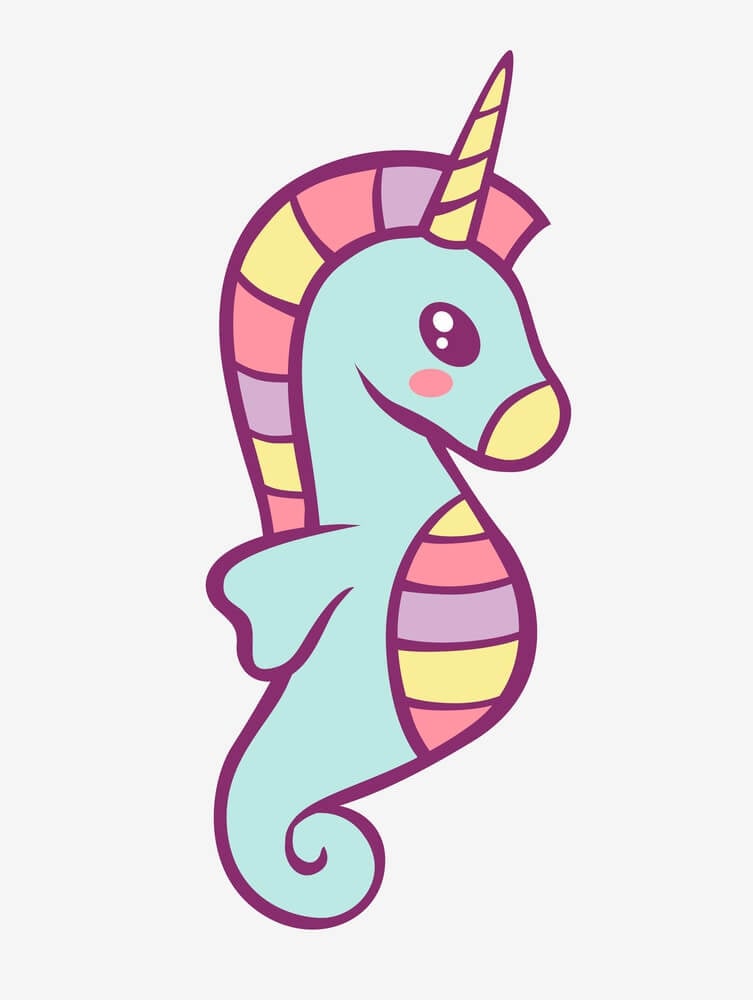
Sea Ponies were sold from 1983 to 1984 as mermaid-tailed ponies that came in pastel seashells with a suction cup base, meant for bathtub play. Water is unkind to toys, and most Sea Ponies surface today with faded hair and mildew spotting inside the shell.
Complete Sea Ponies in their original shells have sold for about 40 to 100 dollars each, with the baby versions and their tiny floats at the higher end. The shells must match the pony’s color scheme to count as complete, and sellers list whether the suction cup still grips, since dried-out cups are the norm.
Baby Hugs and Baby Tugs, the Diapered Pair
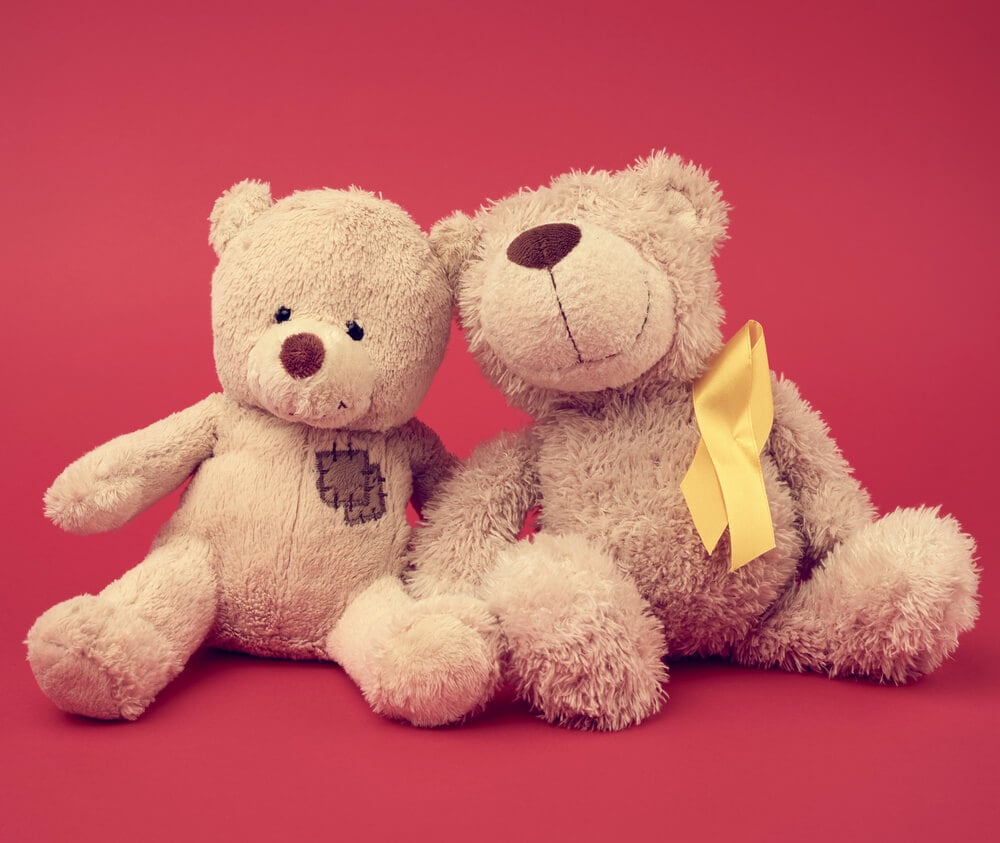
Baby Hugs and Baby Tugs were the toddler bears of the line, a pink girl and a light blue boy who wore cloth diapers and carried matching star-in-a-heart symbols. Kenner made them as small plush and as poseable figures in 1984, and as a matched pair with both diapers present they sell for about 60 to 150 dollars.
Separated or diaperless babies drop to a quarter of that. The diapers were held with a small fabric tie that frays, and the pastel plush picks up stains easily, so a pair that looks the way they did in the catalog is uncommon.
Flutter Ponies and Their Fragile Wings
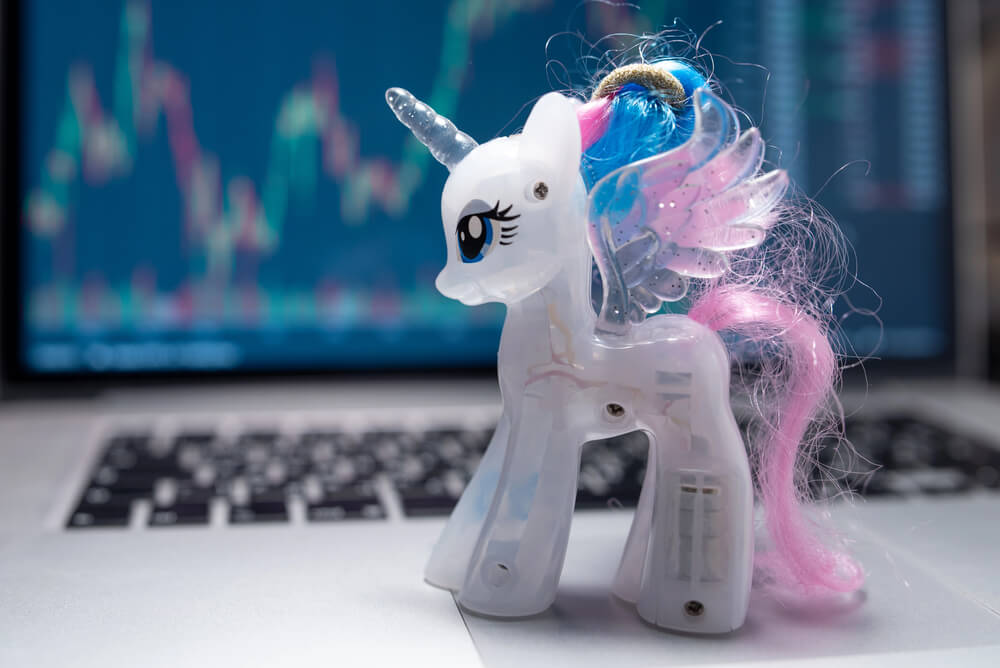
Flutter Ponies appeared in 1986 with slender bodies and translucent wings that fluttered when a tab on the back was pressed. The wings were made of thin, brittle plastic that snapped, cracked, or went missing, and ponies with both original wings intact and the mechanism working now sell for 60 to 200 dollars depending on the character.
Replacement wings are widely sold, so collectors check for the correct glittered pattern and fit before accepting a pony as complete. The slim bodies also mean this plastic shows regrind marks and discoloration more than standard ponies, and a crisp symbol is uncommon.
Professor Coldheart Poseable Figure
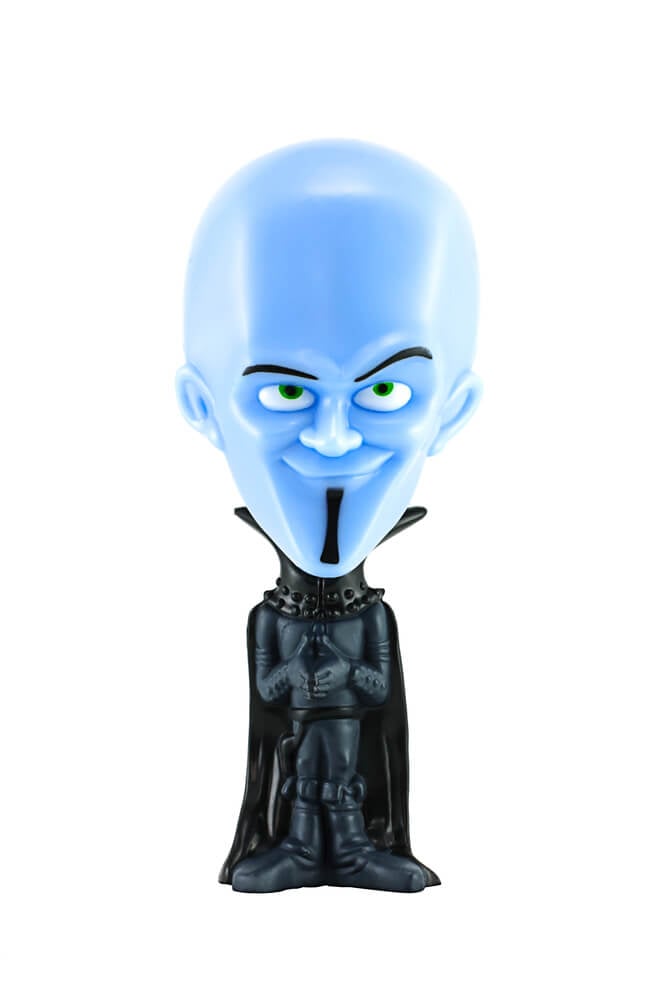
Professor Coldheart was the villain of the early Care Bears cartoons, and Kenner’s 1984 poseable figure of him is a rare piece of the line that children were encouraged to dislike. The pale blue professor came with a Frozen Meanie mug accessory, and a figure with the mug still present typically sells for 40 to 100 dollars, a surprising sum for a three-inch plastic man.
Without the mug, he is a 10 to 20 dollar item. Paint wear on his face and the loss of his tiny glasses are the usual faults, and the mug is small enough that it often disappears from even carefully stored collections.
So-Soft Ponies With Their Flocked Coats
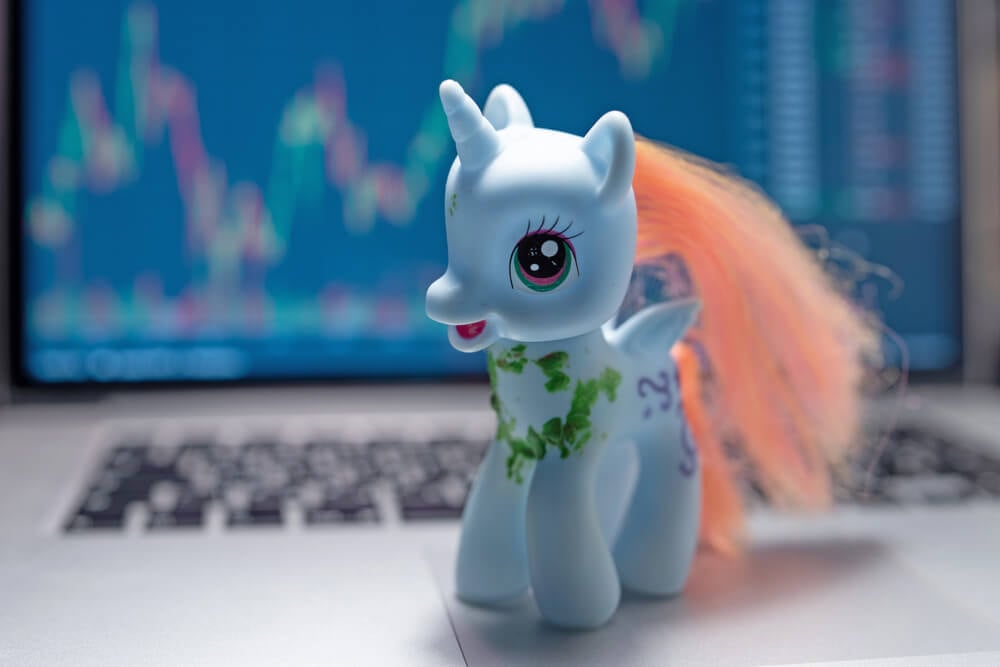
So-Soft ponies, introduced in 1986, were standard ponies covered in a fuzzy flocked finish meant to feel like velvet. The flocking wore off at the hooves, ears, and nose within months, and bald patches are the norm, so a pony with full, even fuzz is the exception rather than the rule.
Fully flocked So-Soft ponies sell for 30 to 100 dollars each, with certain unicorns and pegasi higher. Sunlight fades the flocking unevenly, and cleaning attempts often mat it, which is why sellers photograph the high points of the face and legs where the first bare spots appear.
Care Bears Cloud Car With the Rainbow Roller
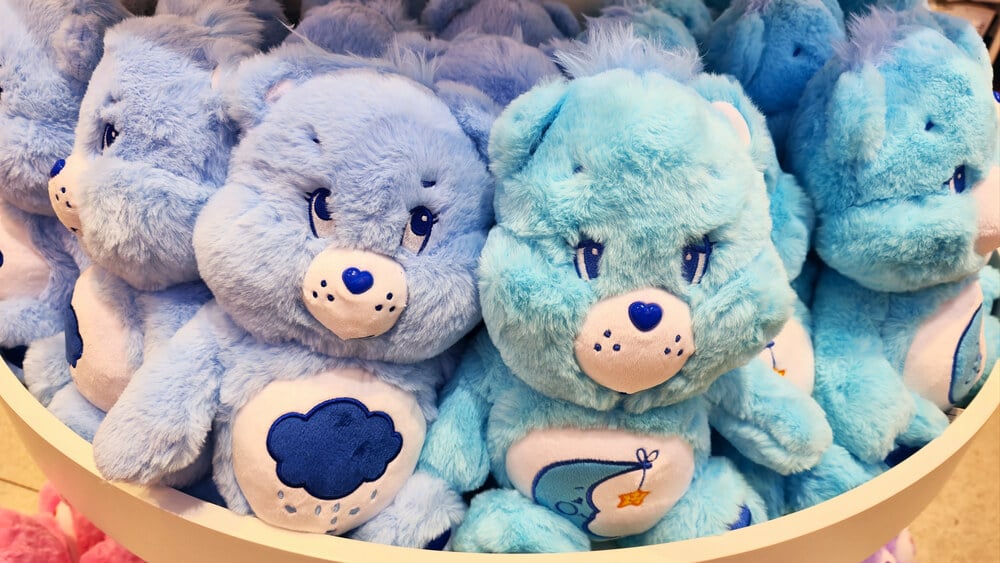
Kenner’s Cloud Car, a white puffy vehicle with heart-shaped wheels designed to carry the poseable figures, is a familiar Care Bears vehicle, and it is often paired with the yellow Rainbow Roller. Both were released around 1984 and both were rolled across kitchen floors for years, so examples with unscuffed white plastic and intact rainbow stickers are scarce.
A clean Cloud Car typically sells for 25 to 60 dollars, and the two vehicles together in good shape can bring over 100 dollars. Missing wheels, peeling decals, and gray scuff lines along the bumpers are the chief faults buyers look for.
Nirvana Ponies From Licensed Foreign Factories
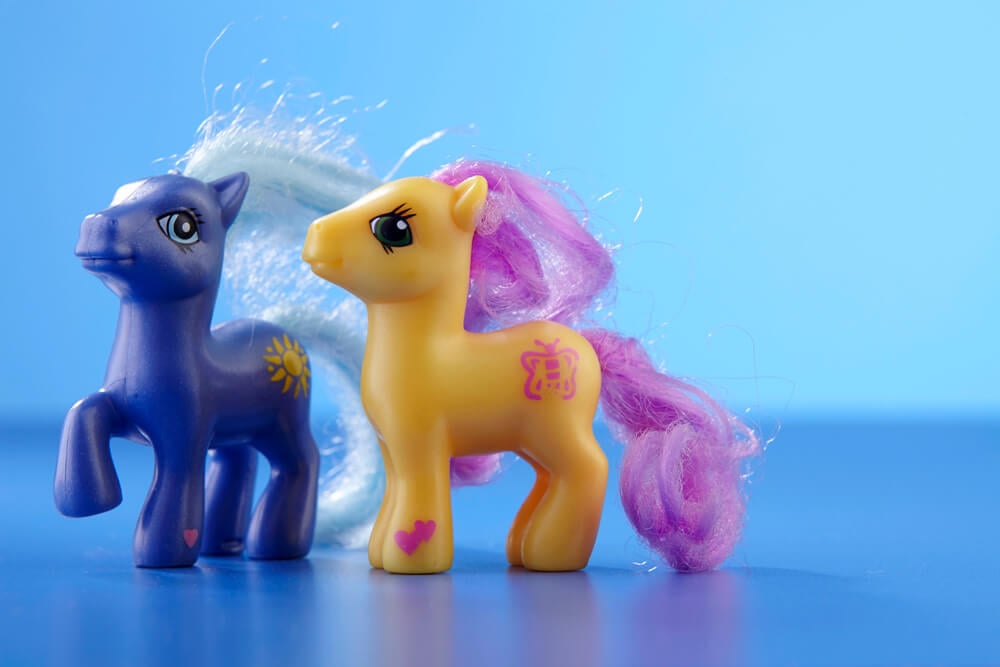
Collectors use the term Nirvana for ponies produced under license in countries like Italy, Greece, Spain, and Brazil, where local factories often used different plastic colors, hair shades, and symbol placements than the US versions. A familiar character might appear with a lavender body instead of blue, or with hair in colors Hasbro never used in America.
Some of these variants sell for 100 to 500 dollars or more because so few were exported, and certain Italian and Greek releases rank among the pricier G1 ponies collectors pursue. Authenticity is the concern here: buyers compare factory marks, hoof stamps, and known color combinations, since repainted US ponies are sometimes misrepresented as Nirvana pieces.
Care-a-Lot Playset From 1983
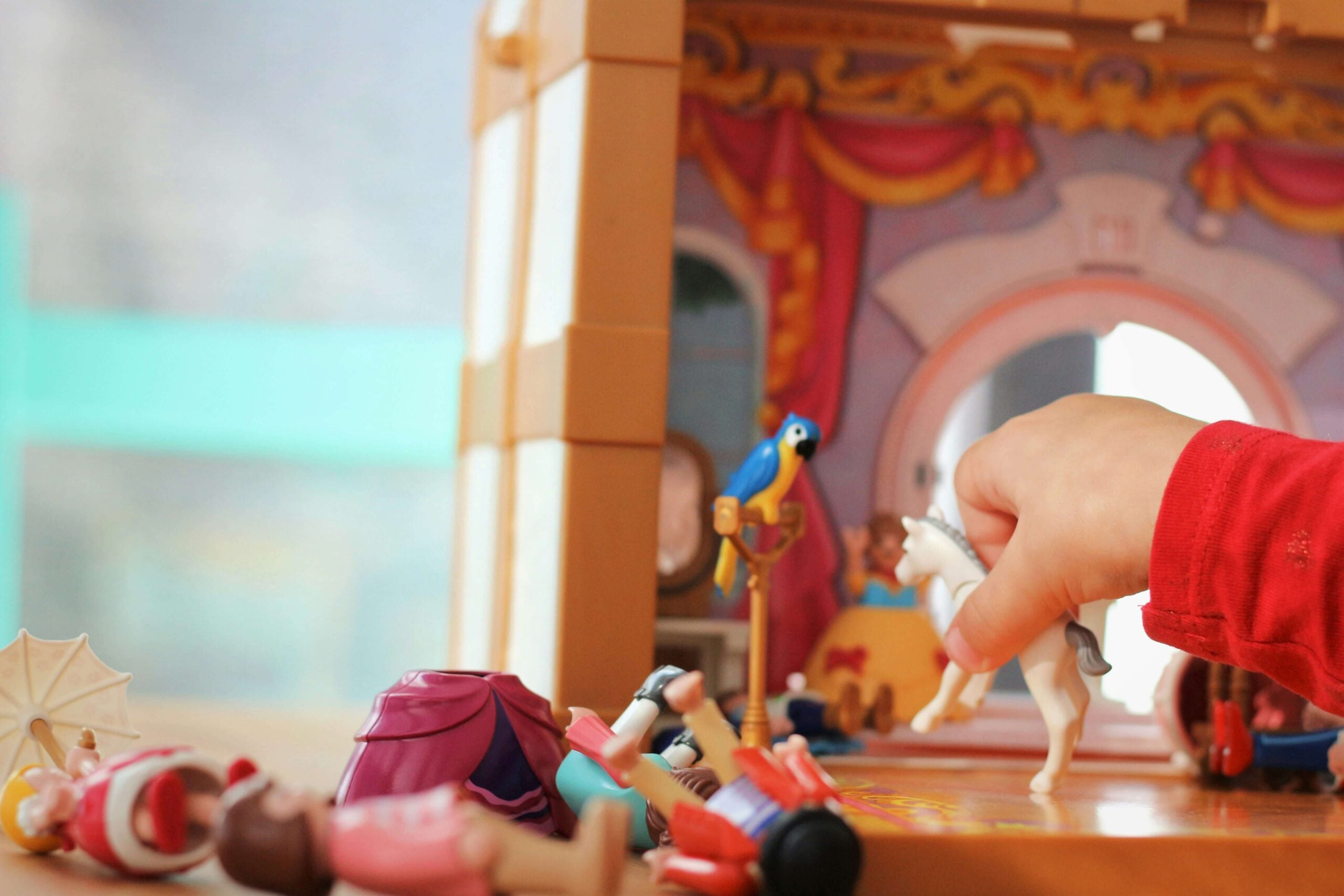
The Care-a-Lot playset was Kenner’s 1983 cloud kingdom for the poseable figures, a pastel base with a rainbow slide, a spinning platform, and several small accessories. It was a large box under many Christmas trees and a large object cluttering many closets afterward, so complete survivors are rare.
A Care-a-Lot with its rainbow, platform, and accessories intact typically sells for 80 to 200 dollars, and a boxed example goes higher. The rainbow slide is often missing or cracked, the stickers peel, and the pastel plastic yellows, while the included figures, if present, are assessed separately for paint wear on their faces.
Rainbows Fade Faster Than Prices Rise
Both lines were built to be touched, brushed, bathed, and hugged, and that is exactly why so few survive in the condition collectors want. A pony whose hair was never cut and a bear whose tag was never removed represent children who were, in a sense, not playing correctly. Those unplayed-with toys are now the ones that pay.
The pattern across every entry is the same: scarcity came from mail-order coupons, late production runs, and gimmicks that broke. Nostalgia supplies the demand, but condition, completeness, and authentication decide the price. A box of 1980s pastel in an attic is probably worth very little, and it is probably worth checking anyway.
More from Go2Tutors!

- The Romanov Crown Jewels and Their Tragic Fate
- 13 Historical Mysteries That Science Still Can’t Solve
- Famous Hoaxes That Fooled the World for Years
- 15 Child Stars with Tragic Adult Lives
- 16 Famous Jewelry Pieces in History
Like Go2Tutors’s content? Follow us on MSN.