Castles That Inspired Blockbuster Movies
There’s something about a castle that makes filmmakers reach for their cameras. Maybe it’s the centuries of history embedded in the stone, or the way towers and turrets instantly transport audiences to another world.
From the Scottish Highlands to the Bavarian Alps, real castles have served as the backdrop for some of cinema’s most beloved films. These aren’t just pretty locations either.
In many cases, the castles themselves shaped the stories we know and love, influencing everything from animated fairy tales to epic fantasy series. Here are 14 castles that inspired blockbuster movies and changed the way we see these ancient structures on screen.
Alnwick Castle
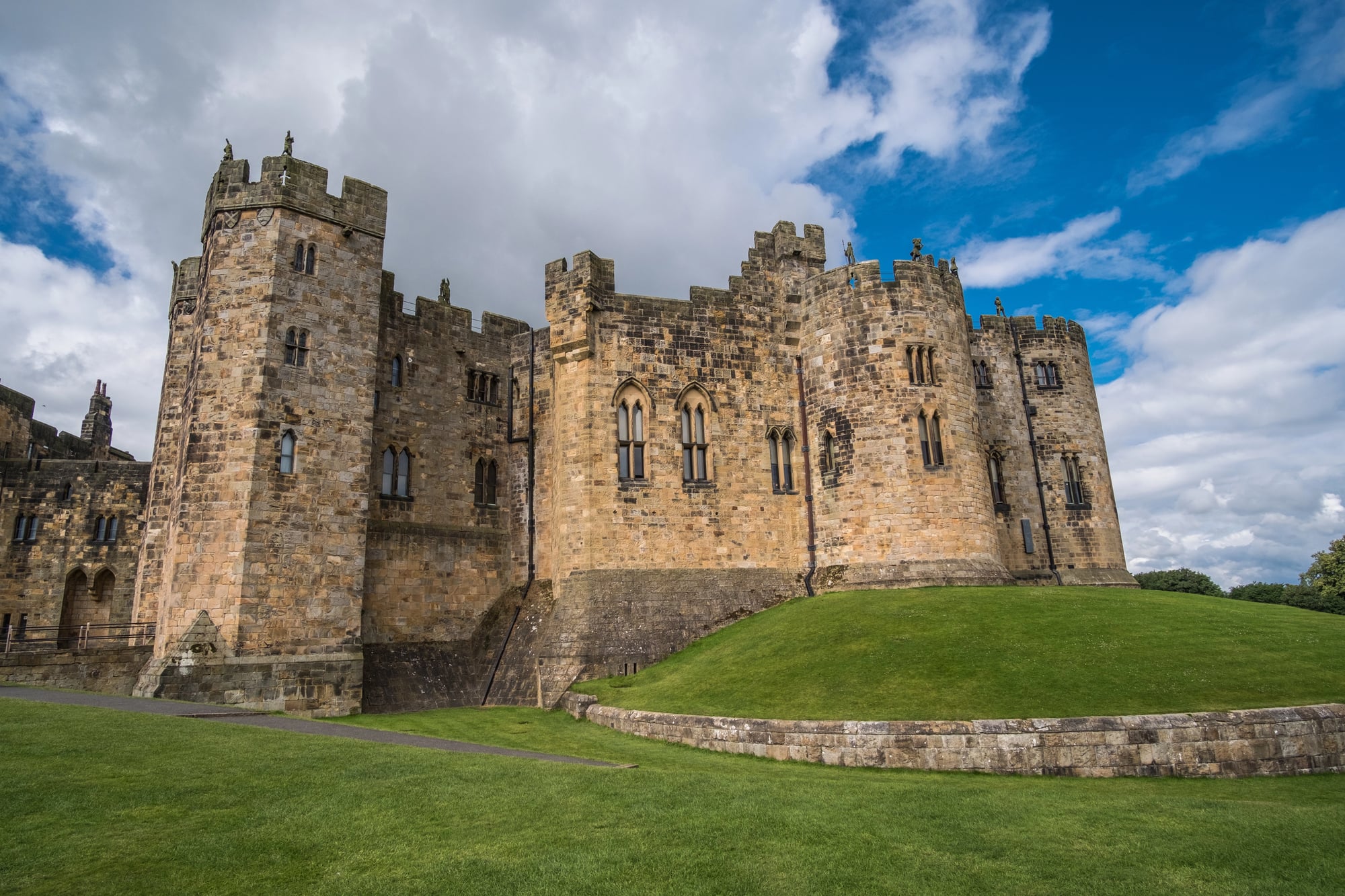
This 11th-century fortress in Northumberland, England, is best known to millions as the exterior of Hogwarts School of Witchcraft and Wizardry. The castle appeared in Harry Potter and the Philosopher’s Stone and Harry Potter and the Chamber of Secrets, serving as the location where Harry first learned to fly a broomstick under Madam Hooch’s instruction and where Oliver Wood taught him the rules of Quidditch.
The Outer Bailey is where those memorable flying lessons took place, and the Lion Arch served as the gateway to Hagrid’s hut and the Forbidden Forest. The courtyards and baileys were used to film students going about their daily activities at Hogwarts.
Today, visitors can take broomstick training lessons on the same grounds where Daniel Radcliffe once filmed his scenes. The castle has also appeared in Downton Abbey, Robin Hood: Prince of Thieves, and Transformers: The Last Knight.
Highclere Castle
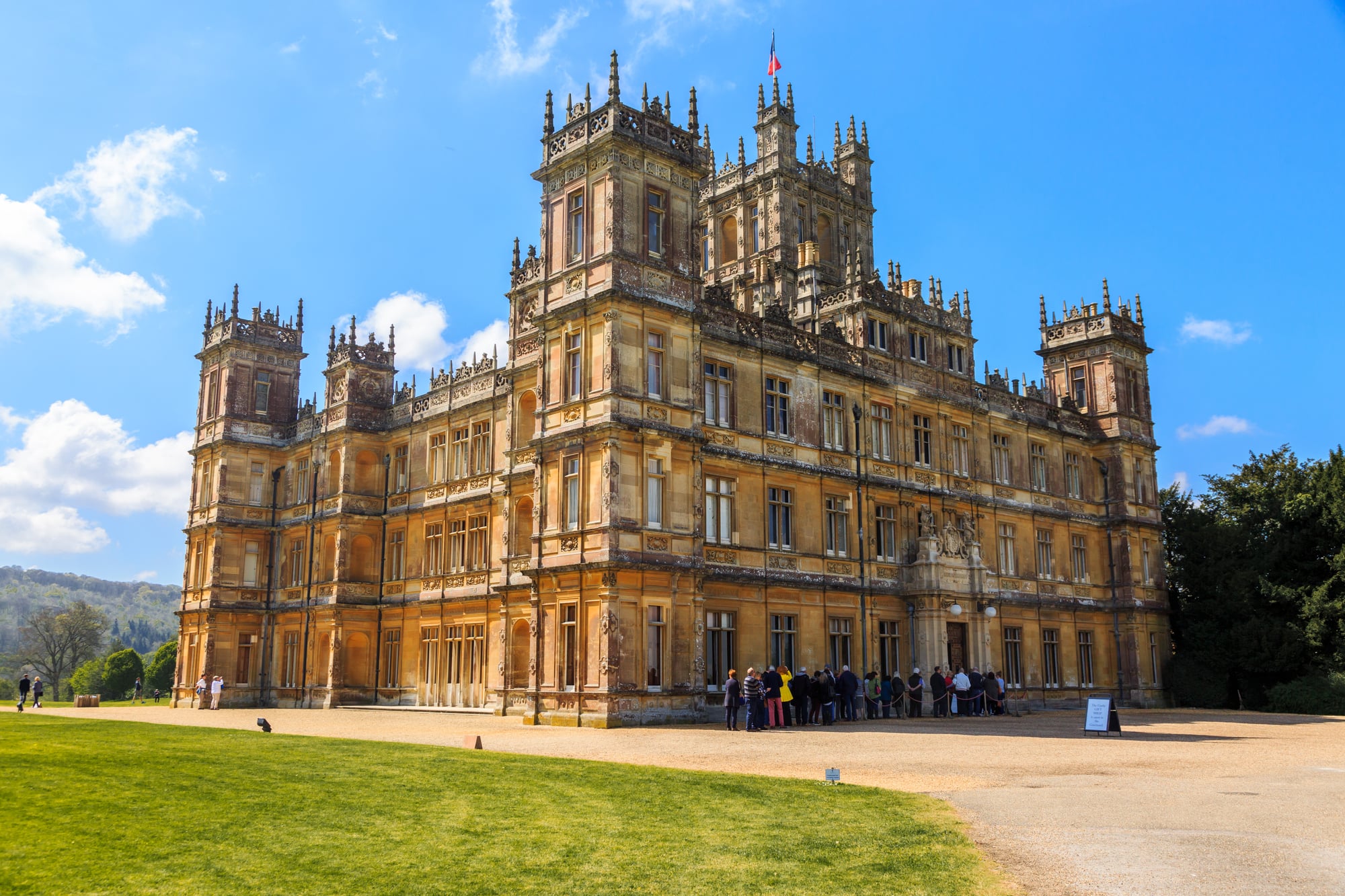
Before it became synonymous with Downton Abbey, Highclere Castle in Hampshire had already lived many lives. The estate dates back to 749 AD and has been home to the Carnarvon family since 1679.
The current Gothic Revival structure was designed by Sir Charles Barry, the same architect behind the Houses of Parliament. When writer Julian Fellowes created Downton Abbey, he had Highclere specifically in mind, and the castle’s grand interiors perfectly captured the world of the fictional Crawley family.
Filming began in 2010 and continued for six seasons, plus three feature films. The show brought international fame to the estate and, more practically, helped fund millions of pounds in urgent repairs to the roof and turrets.
The castle has also appeared in Robin Hood: Prince of Thieves and Jeeves and Wooster.
Neuschwanstein Castle
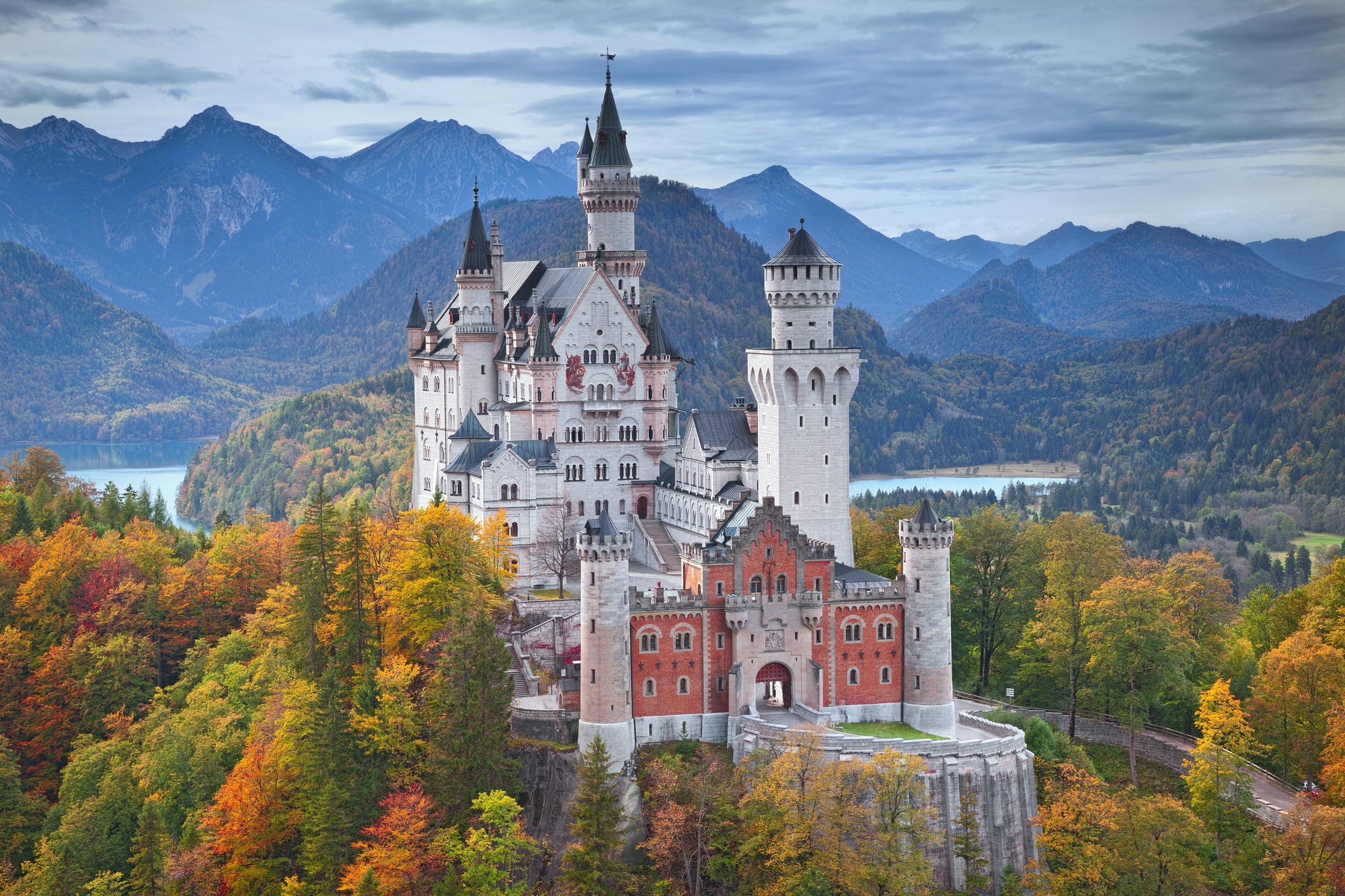
Walt Disney visited this Bavarian castle in 1935 and never forgot it. Built in the late 19th century by King Ludwig II, Neuschwanstein sits on a rugged hilltop in the German Alps and looks like something pulled directly from a storybook.
Ludwig, often called the ‘Fairy Tale King,’ designed the castle as a private retreat inspired by the operas of Richard Wagner, filling it with theatrical flourishes and Romanesque details. He died under mysterious circumstances before it was completed, and the castle opened to the public just six weeks later.
Disney used Neuschwanstein as a primary inspiration for Sleeping Beauty Castle in Disneyland, which opened in 1955, though the final design drew from multiple European castles. The castle’s silhouette has become one of the most recognizable images in the world, influencing theme parks and animated films across the globe.
Doune Castle
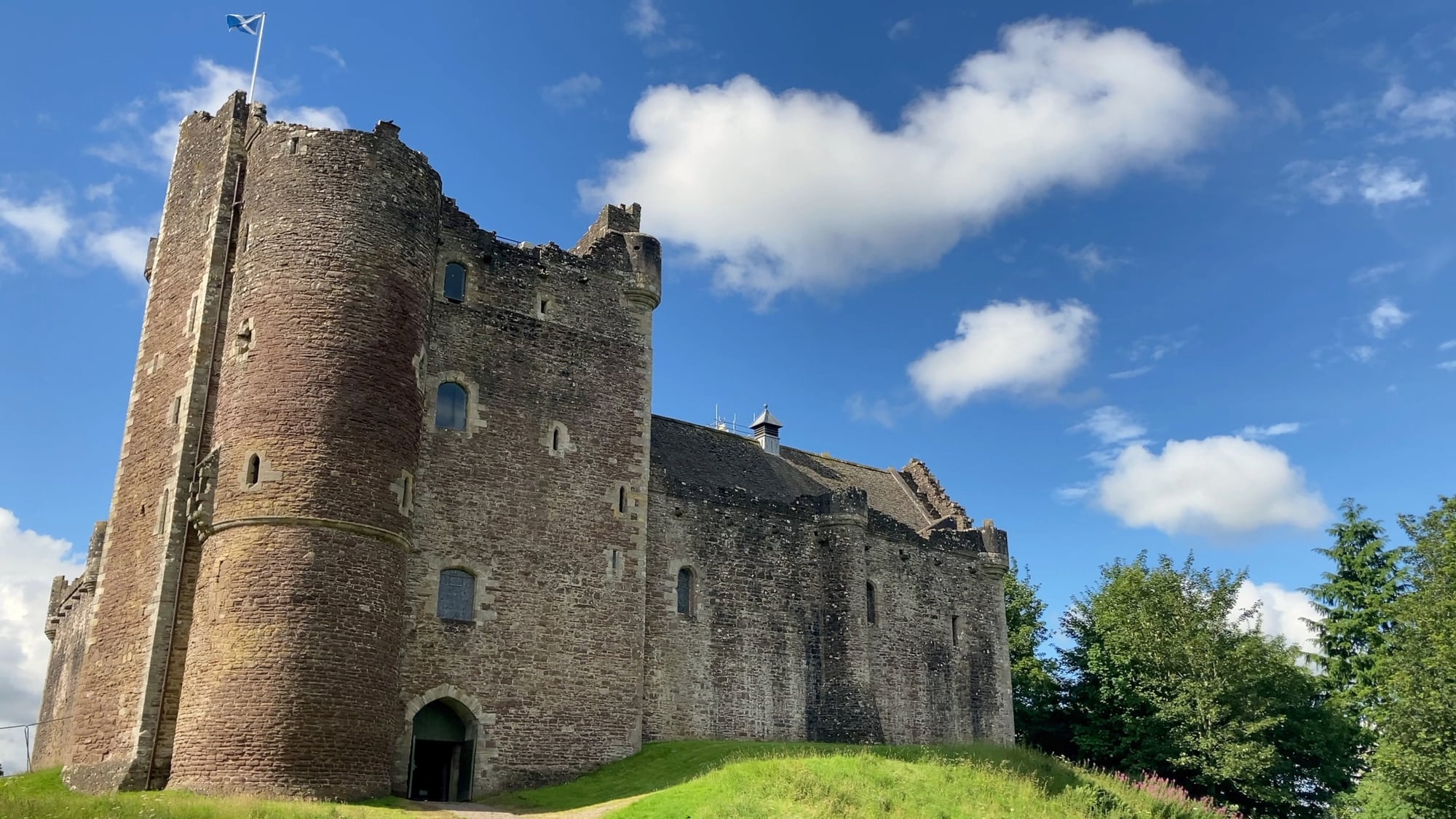
Few castles can claim as diverse a filmography as this 14th-century Scottish stronghold. Doune Castle first gained cult status in 1975 when it appeared throughout Monty Python and the Holy Grail, standing in for multiple locations including Camelot, Castle Anthrax, and the French castle where knights were taunted about elderberries.
When the National Trust for Scotland withdrew permission to film at other sites, the Monty Python team improvised by using different angles of Doune to create the illusion of multiple castles. Decades later, the castle appeared as Winterfell in the pilot episode of Game of Thrones and as Castle Leoch in Outlander.
The castle now offers an audio guide narrated by Terry Jones of Monty Python and Sam Heughan of Outlander. Occasional Monty Python-themed events have been held at the castle over the years, drawing fans from around the world.
Eilean Donan Castle
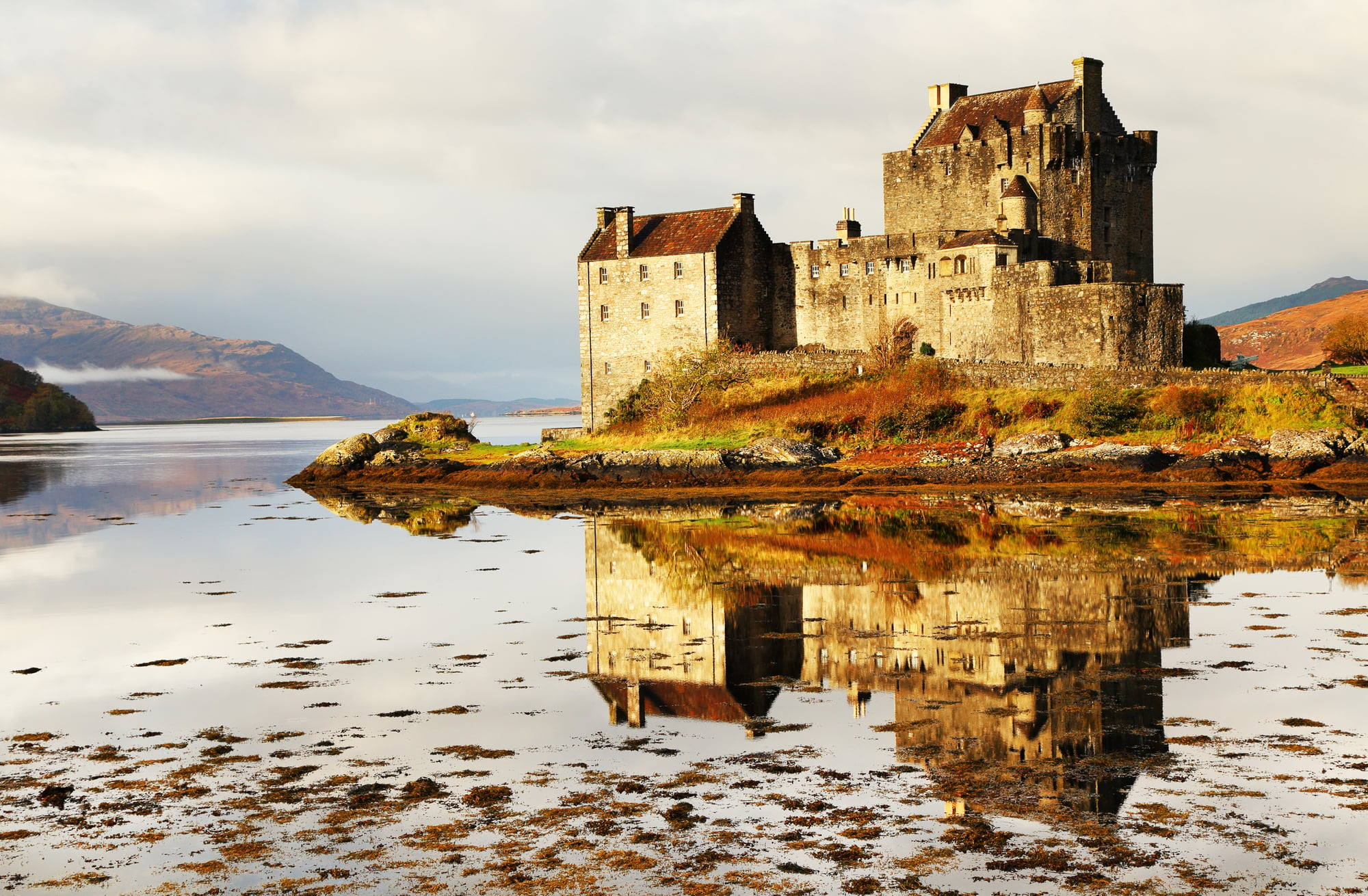
Perched on a small tidal island in the Scottish Highlands, Eilean Donan is one of the most photographed castles in Scotland. It also had a respectable film career.
The castle served as the ancestral home of the fictional Clan MacLeod of Glenfinnan in the 1986 fantasy film Highlander, which starred Christopher Lambert and Sean Connery. More than a decade later, it appeared in The World Is Not Enough as the Scottish headquarters of MI6, complete with a memorable scene where Q demonstrates bagpipes that double as a machine gun.
The castle’s dramatic setting on the water, surrounded by mountains, has made it a go-to location for filmmakers seeking that perfect blend of grandeur and remoteness. It has also appeared in Made of Honor and the 1948 film Bonnie Prince Charlie starring David Niven.
Dunnottar Castle
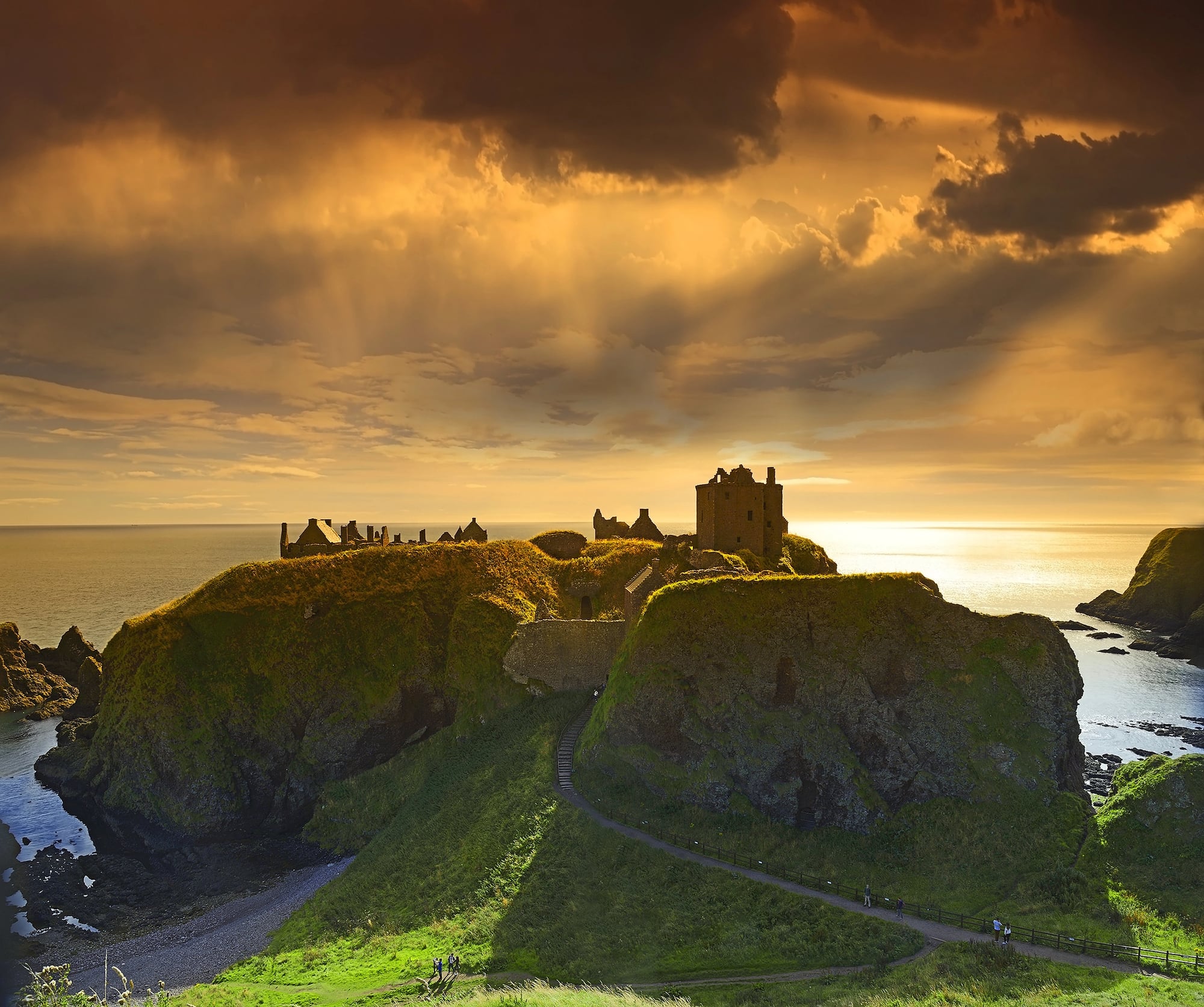
This ruined clifftop fortress on Scotland’s northeastern coast has a knack for playing haunted, dramatic locations. In Franco Zeffirelli’s 1990 adaptation of Hamlet, Dunnottar doubled as Elsinore Castle in Denmark, providing a suitably brooding backdrop for Mel Gibson’s take on the melancholy prince.
The castle also appeared in Victor Frankenstein in 2015, showcasing its darker side in the reimagining of Mary Shelley’s classic. Dunnottar also served as a source of inspiration for the animators at Disney Pixar when they were designing DunBroch Castle for the 2012 film Brave.
After visiting the site, along with other Scottish castles, the team incorporated elements of Dunnottar’s dramatic seaside setting into the final composite design for Merida’s family home.
Blenheim Palace
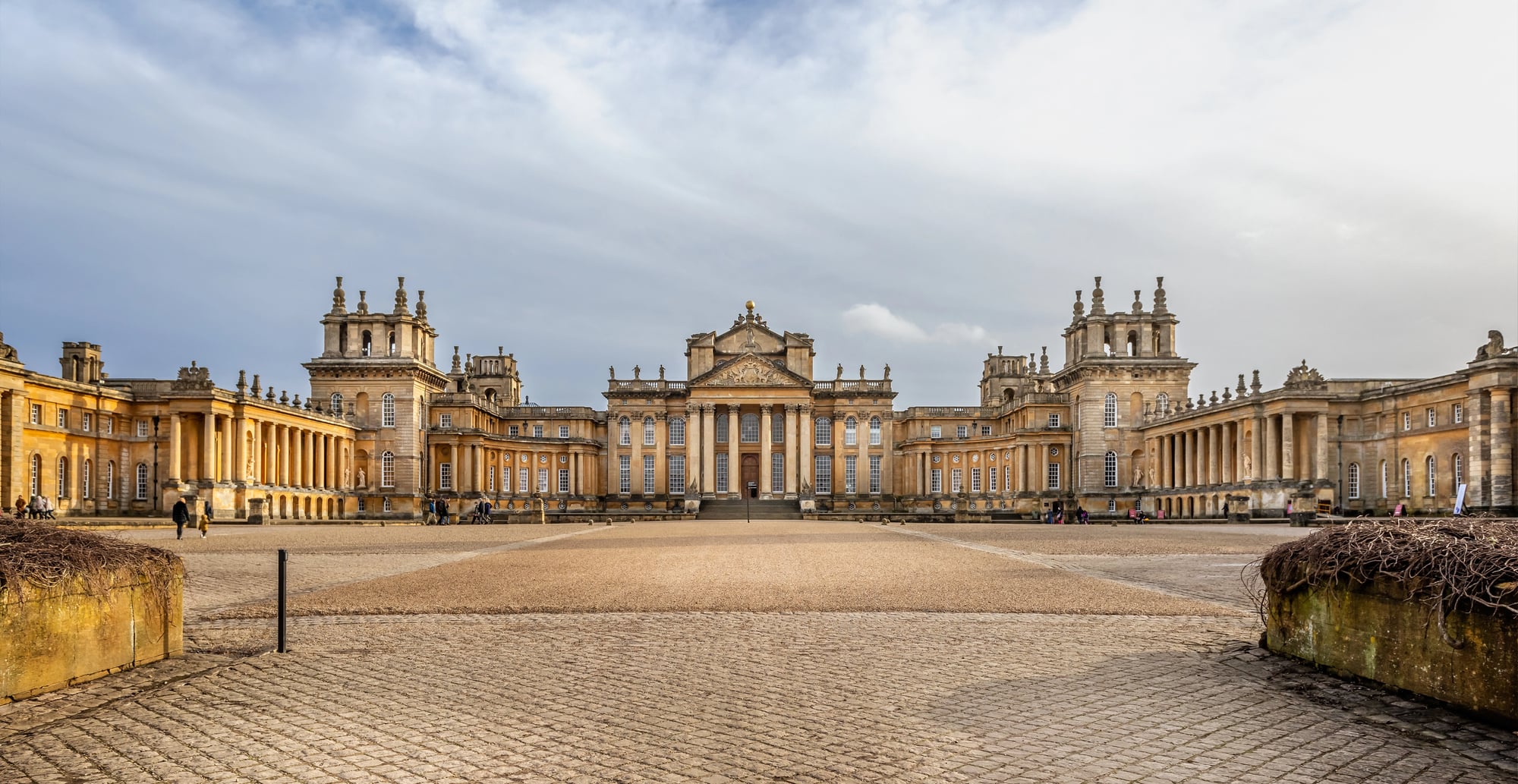
This enormous English Baroque palace in Oxfordshire is the only non-royal country house in England to hold the title of ‘palace,’ and it has the film credits to match. Built in the early 18th century as a gift to the Duke of Marlborough, Blenheim is perhaps best known as the birthplace of Winston Churchill.
In film, he has appeared in everything from Barry Lyndon to Kenneth Branagh’s Hamlet. More recently, the palace’s Great Court stood in for Palazzo Cardenza in the 2015 James Bond film Spectre, where Bond infiltrates a secret meeting of the criminal organization.
The palace also appeared in Mission: Impossible – Rogue Nation the same year. Additionally, it has served as a location for Transformers: The Last Knight, the 2021 adaptation of Cinderella, and multiple seasons of Bridgerton.
Castle Ward
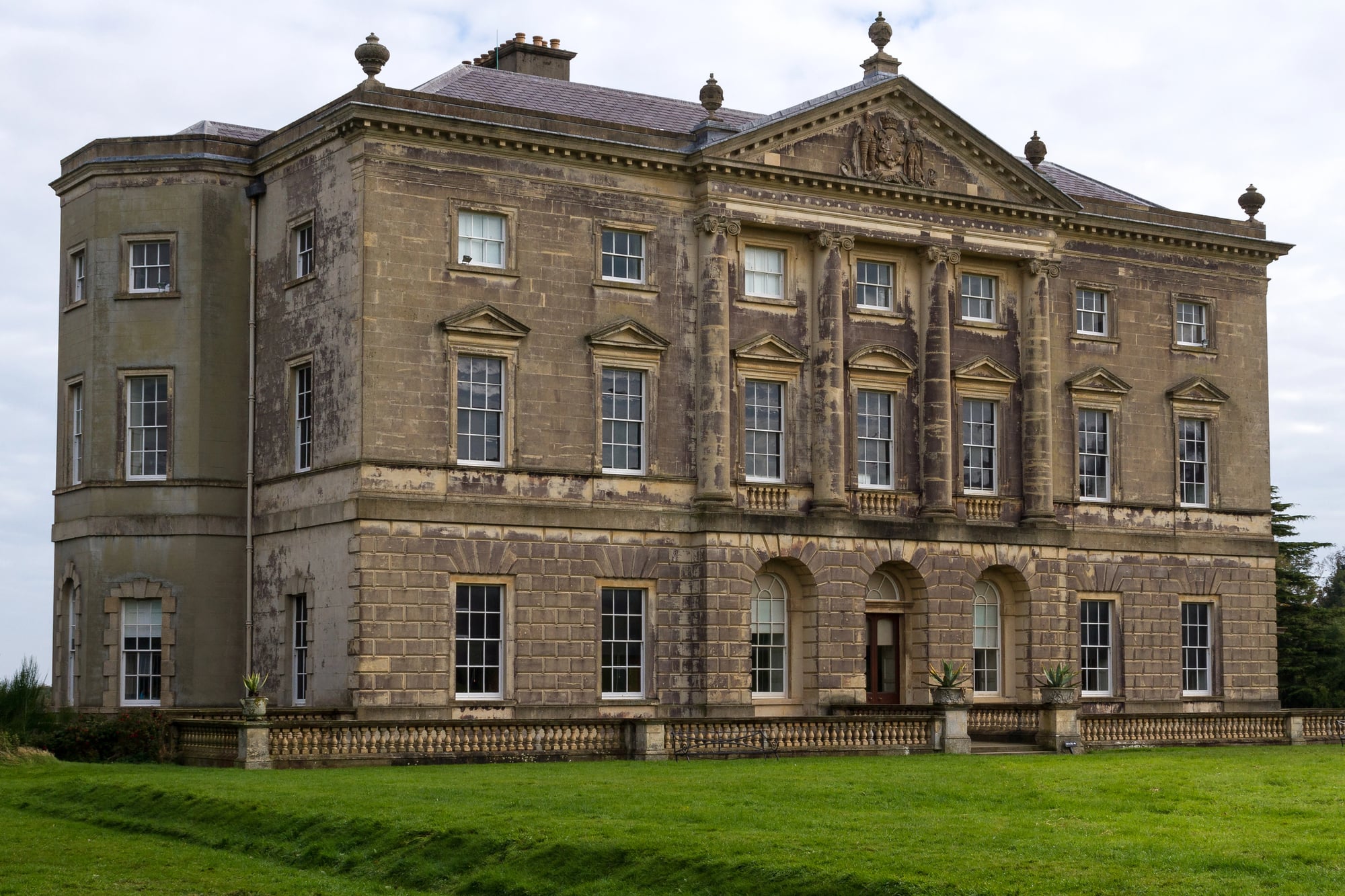
This 18th-century estate in Northern Ireland may not look like much from the front, but walk around back and you’re standing in Winterfell. Castle Ward served as the primary filming location for the Stark family home in Game of Thrones, appearing throughout season one and beyond.
The estate’s Old Castle Ward tower is instantly recognizable as the structure from which Jaime Lannister pushed young Bran Stark, and the surrounding grounds were used for scenes of King Robert Baratheon arriving at Winterfell and Robb Stark’s army camp. The National Trust property now offers Game of Thrones cycling tours and archery lessons at the exact spot where the Stark children practiced with their bows.
Visitors can also meet Northern Inuit dogs similar to those used as direwolves in the show.
Château de Pierrefonds
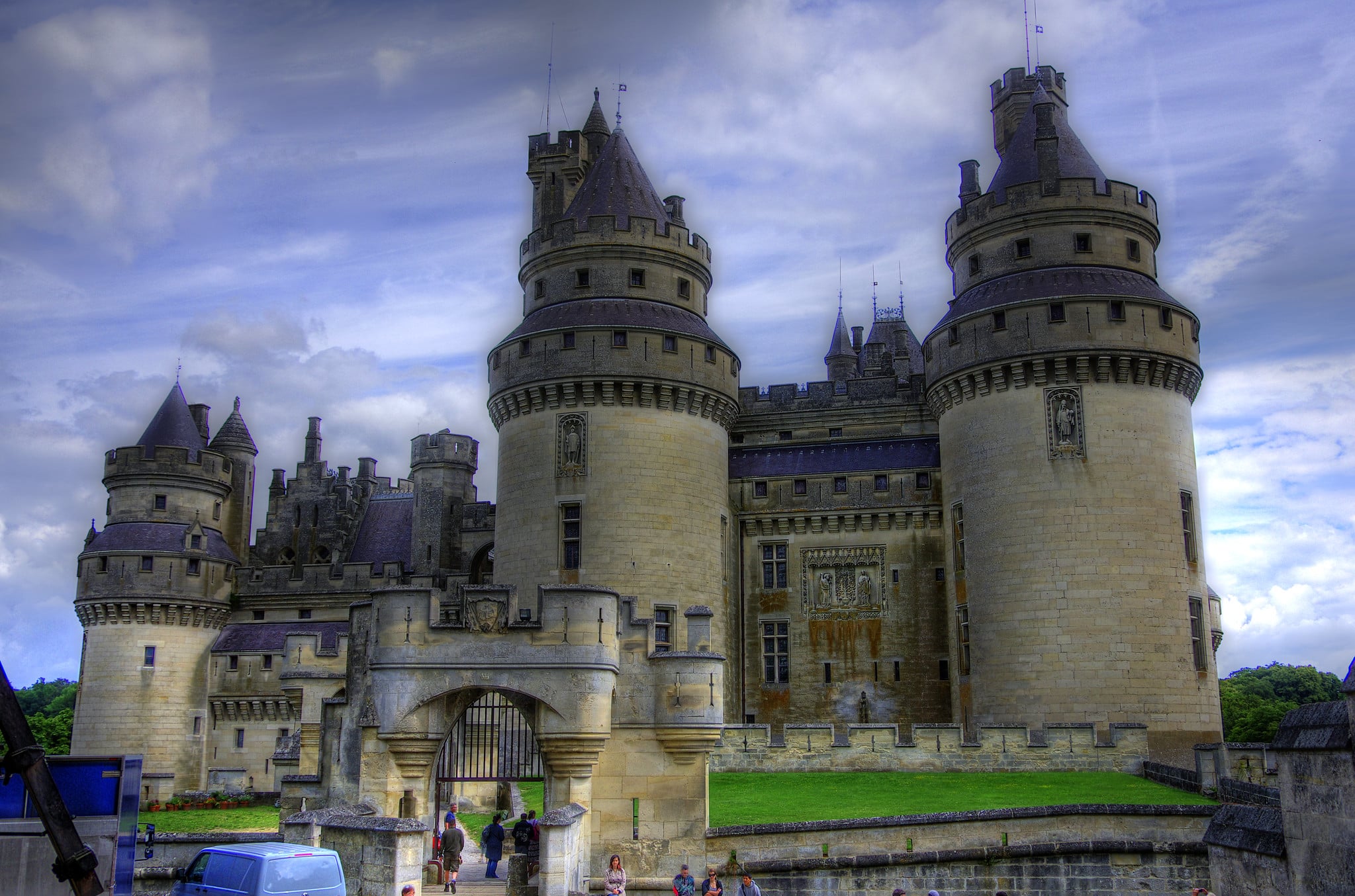
This medieval castle in northern France looks like a fairy tale, but its current appearance is largely a 19th-century reconstruction. Emperor Napoleon III commissioned architect Eugène Viollet-le-Duc to restore the ruined fortress in the 1850s, and the result was a romanticized vision of medieval architecture that would later influence castle design across Europe.
King Ludwig II visited Pierrefonds in 1867 and drew direct inspiration from it when designing Neuschwanstein. The castle has appeared in numerous films and television productions, most notably as Camelot in the BBC series Merlin, which ran from 2008 to 2012.
Its blend of authentic medieval bones and theatrical flourishes makes it a versatile location for productions seeking a storybook aesthetic.
Bamburgh Castle
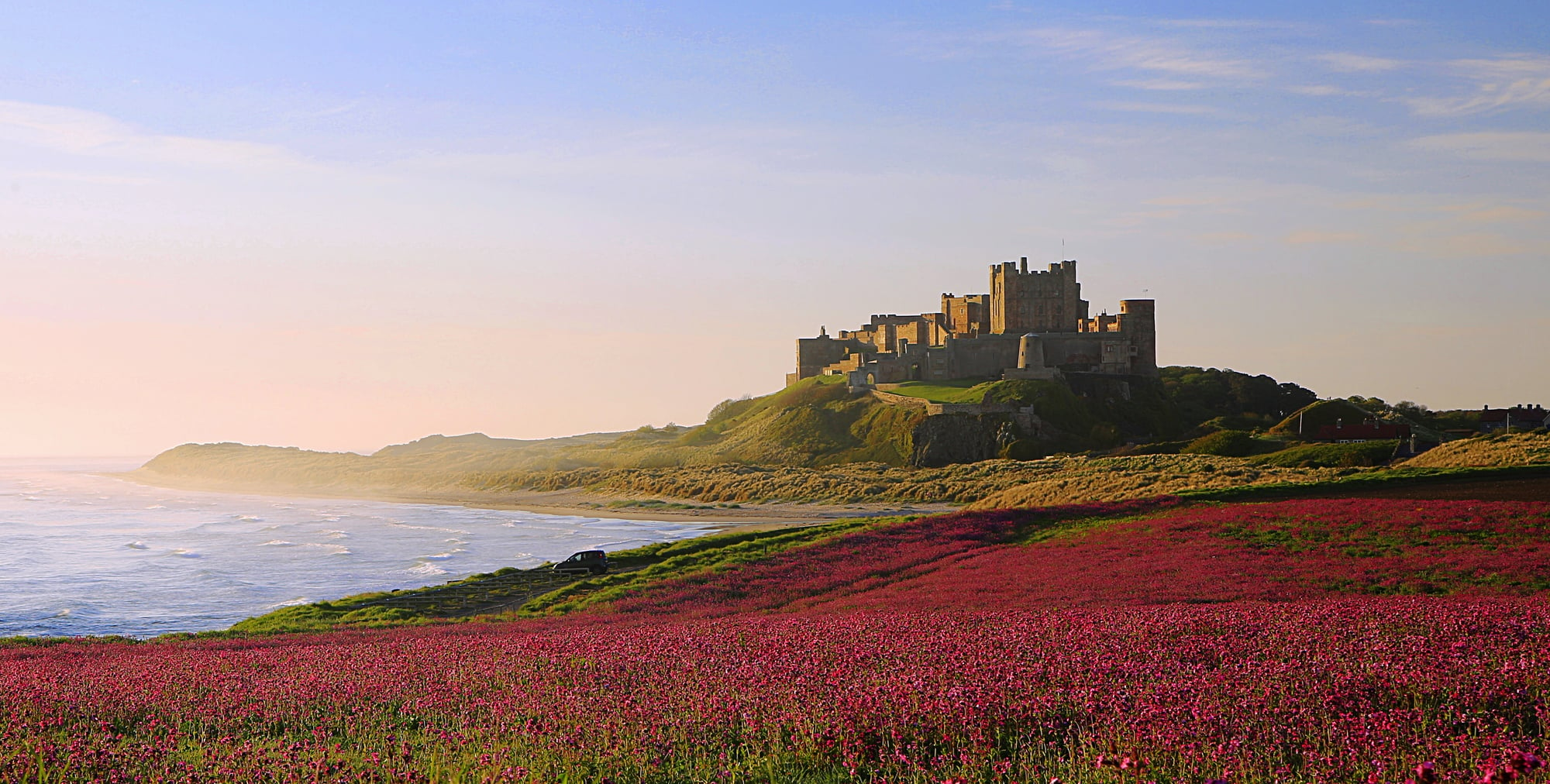
This coastal fortress in Northumberland has been standing guard over the North Sea since the 6th century, making it one of England’s oldest occupied castles. Its dramatic clifftop setting has attracted filmmakers for decades.
Bamburgh appeared in the 1952 film Ivanhoe and the 1961 epic El Cid, both of which earned multiple Academy Award nominations. More recently, it served as a key location in the 2010 Robin Hood film starring Russell Crowe and directed by Ridley Scott.
The castle’s imposing silhouette against the sea has made it a favorite for productions requiring a fortress that looks both ancient and formidable. Unlike many film-famous castles, Bamburgh remains a private residence, though it is open to visitors during certain months.
Bodiam Castle
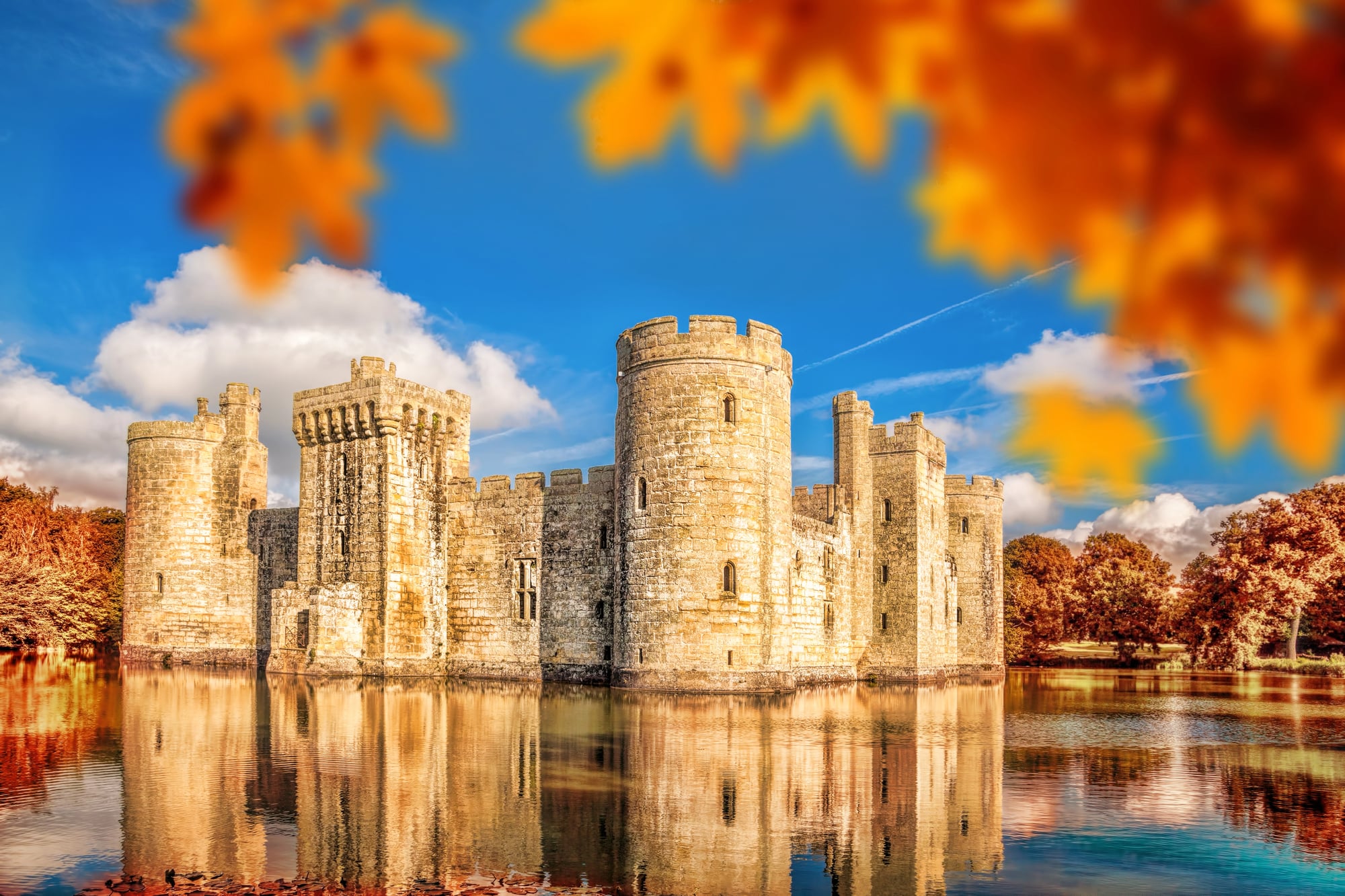
With its square towers, moat, and perfectly symmetrical design, Bodiam Castle in East Sussex looks like it was built to be photographed. The 14th-century fortress was constructed during the Hundred Years’ War and has remained remarkably intact, even as its interior fell into ruin.
The castle has appeared in numerous productions, including Monty Python and the Holy Grail, where it briefly stood in for Castle Aaaaarrrrrrggghhh. Its proximity to London makes it a convenient filming location, and its classic castle silhouette has made it a popular choice for productions seeking an archetypal medieval fortress.
The castle is now owned by the National Trust and is one of the most visited heritage sites in southeastern England.
Stirling Castle
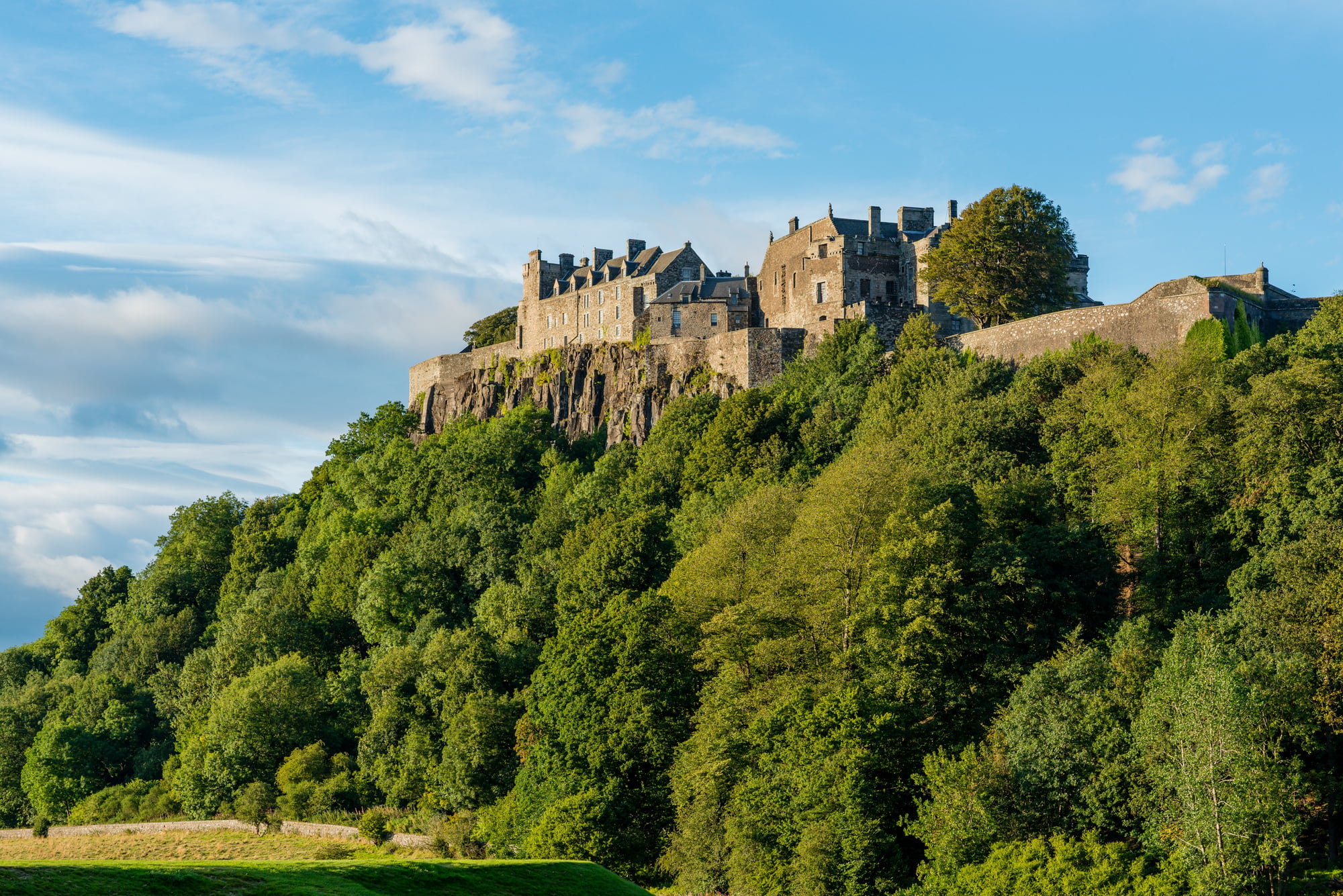
Sitting atop a volcanic rock in central Scotland, Stirling Castle has witnessed some of the most pivotal moments in Scottish history. It was here that Mary Queen of Scots was crowned in 1543, and the castle played a strategic role in the Wars of Scottish Independence.
In film, Stirling has appeared in a range of productions, and the surrounding area served as a filming location for scenes in Monty Python and the Holy Grail, with extras for the battle scenes drawn from students at the nearby University of Stirling. The castle’s dramatic position overlooking the surrounding plains has made it a natural choice for historical dramas and period pieces requiring a commanding Scottish backdrop.
Dover Castle
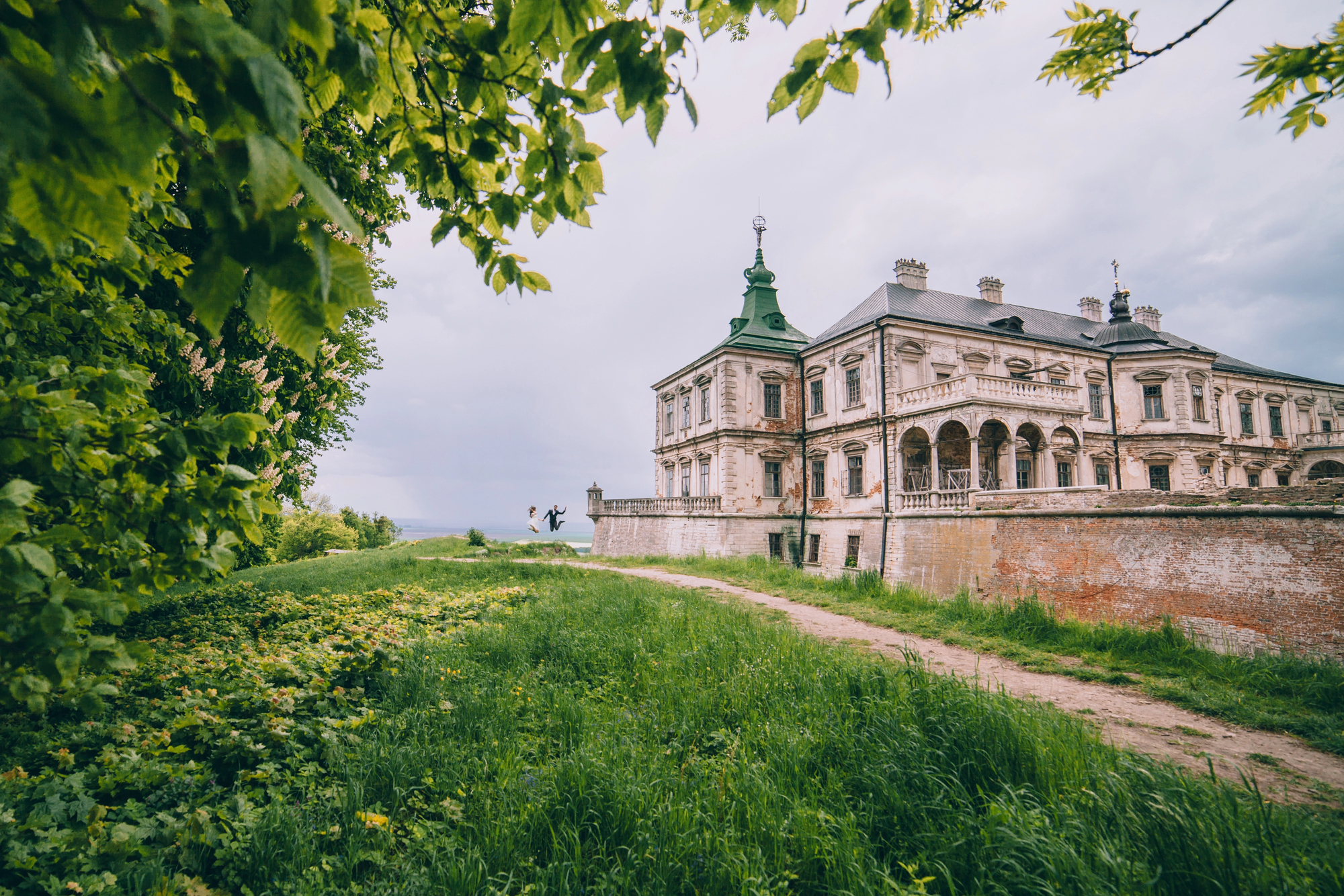
Known as the ‘Key to England’ for its strategic position on the English Channel, Dover Castle has been used as a military fortification since the Iron Age. The current stone structure dates primarily to the 12th century and includes an elaborate network of tunnels used during both World War I and World War II.
In film, Dover has appeared in The Other Boleyn Girl, where it doubled as the Tower of London, and in several episodes of Doctor Who and The Crown. The castle’s tunnels and medieval keep provide a range of atmospheric settings, from royal chambers to dank dungeons.
With nearly 2,000 years of history as a defensive stronghold, Dover continues to attract productions seeking authentic military architecture and an imposing sense of scale.
Inveraray Castle
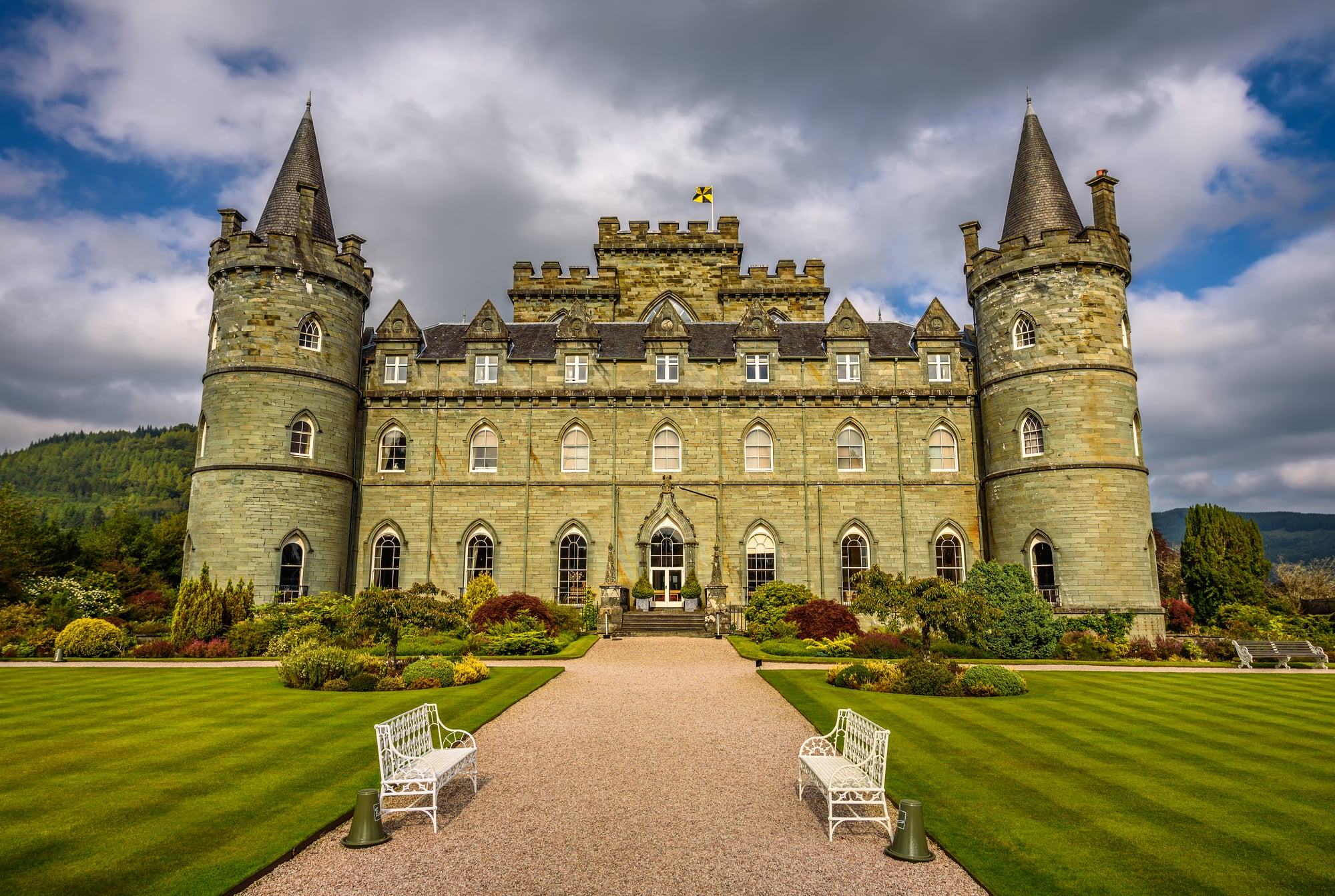
This Scottish castle on the shores of Loch Fyne has been the seat of the Duke of Argyll since the 15th century, though the current building dates to the 18th century. Its distinctive turrets and Gothic Revival architecture have made it a popular filming location for period dramas.
Inveraray appeared in the 2012 Christmas special of Downton Abbey as Duneagle Castle, the fictional home of the Crawley family’s Scottish relatives. The castle’s interiors and grounds provided a suitably grand setting for the holiday episode, complete with hunting scenes and formal dinners.
Inveraray has also appeared in various other productions over the years, benefiting from its combination of authentic historical atmosphere and proximity to Glasgow.
Where History Meets Hollywood
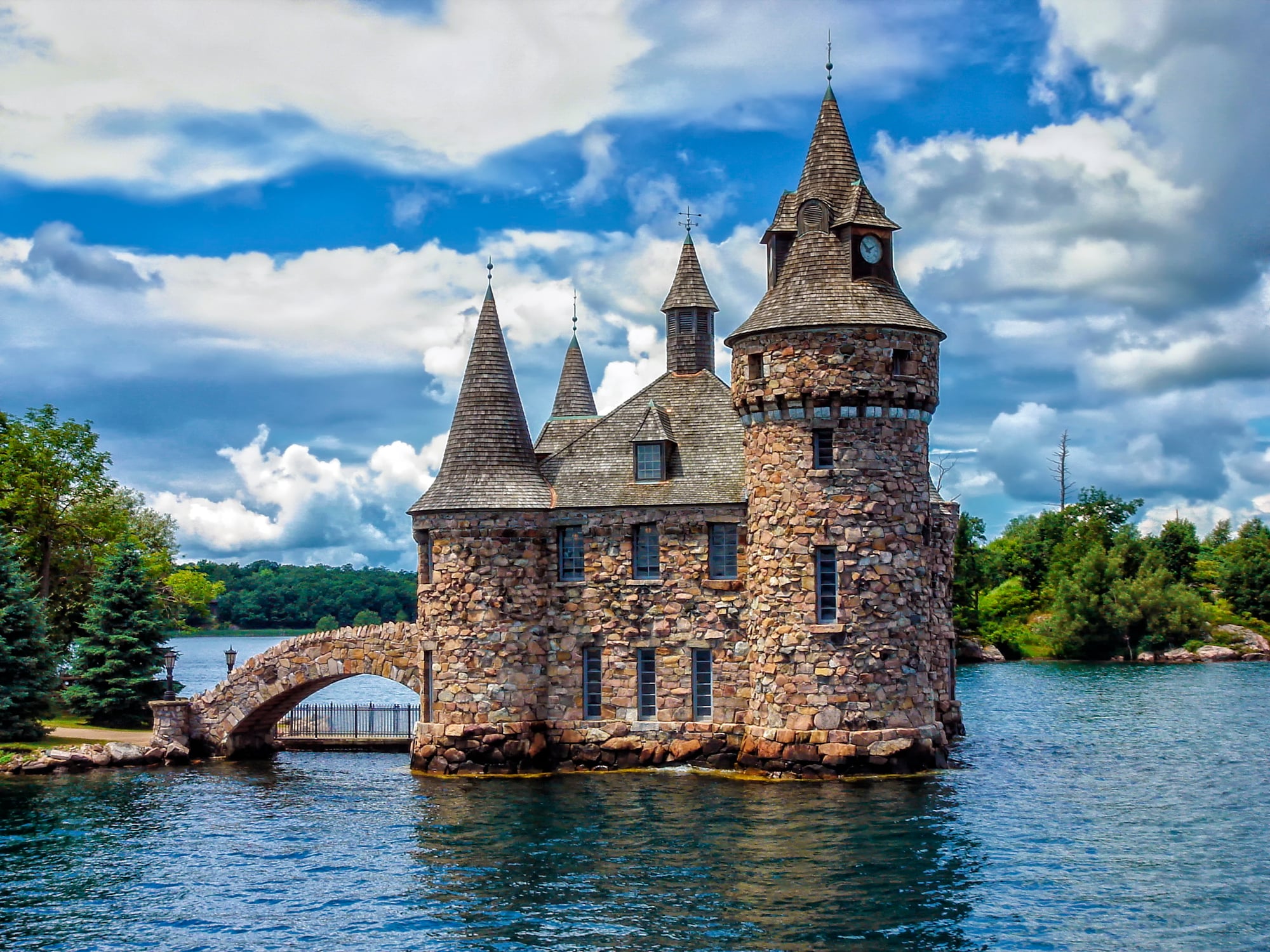
These 14 castles span centuries of construction and thousands of miles, yet they share something in common: the ability to transport audiences to another world. Some, like Neuschwanstein, shaped the visual language of fairy tales for generations.
Others, like Castle Ward, gave life to fictional places that now feel as real as any historical site. What makes these castles so effective on screen is that they carry the weight of actual history.
The stones have seen sieges and coronations, banquets and betrayals. When a camera captures those walls, it’s not just filming a set.
It’s borrowing a thousand years of accumulated atmosphere and letting audiences feel, even for a moment, what it might have been like to walk through those gates when kings still ruled from within.
More from Go2Tutors!

- The Romanov Crown Jewels and Their Tragic Fate
- 13 Historical Mysteries That Science Still Can’t Solve
- Famous Hoaxes That Fooled the World for Years
- 15 Child Stars with Tragic Adult Lives
- 16 Famous Jewelry Pieces in History
Like Go2Tutors’s content? Follow us on MSN.