Modern Survival Skills Everyone Should Know
Survival know-how? Often seen as something just for troops, outdoor types, or folks filmed struggling in nature. Fact remains – crises show up uninvited.
Picture lights going out without notice. Imagine a vehicle sputtering to silence far from help.
Water rising fast after heavy rain might catch you off guard. Medical trouble too can begin quietly, then take hold quickly.
Funny how it works – anyone can step up when things go wrong. With just some hands-on know-how, staying steady replaces scrambling at the last minute.
Finding Clean Water

Nothing matters more when surviving than having water. Without it, people typically survive just under seventy-two hours.
Finding ways to collect moisture – like catching rainfall or drawing droplets from plant surfaces at dawn – might be what keeps someone alive. One full minute of boiling removes many dangerous microbes, turning unsafe liquid into something drinkable.
Building A Fire Without A Lighter

Warmth comes from fire, also light shows up along with cooked meals and help signals. Most folks underestimate how handy it gets when matches fail.
Rubbing two sticks – one upright, one flat – builds heat through motion, if you know the rhythm. Practice matters because timing changes everything here.
Tucked away somewhere dry: stash leaves, bits of bark, twig ends. Ready stuff catches faster once sparks arrive.
Reading A Physical Map

A dead phone means GPS stops working – suddenly those old tools look useful. When signals vanish, something else must take over.
Paper maps do not need charging; a compass never drops service. Few bother learning these ways now, yet that only makes them stronger when needed.
Finding direction without satellites involves watching nature, reading land shapes, tracing paths by hand. Getting lost feels less scary once someone knows what to spot on solid ground.
Performing Basic First Aid

When seconds matter, knowing what to do makes all the difference. A short class, often just one afternoon, teaches hands-only CPR in nearly every town.
Pressing firmly on a cut slows loss until medics show up. Cool running water over a burn eases pain while reducing damage underneath.
Help does not need expertise – just readiness.
Building A Simple Shelter
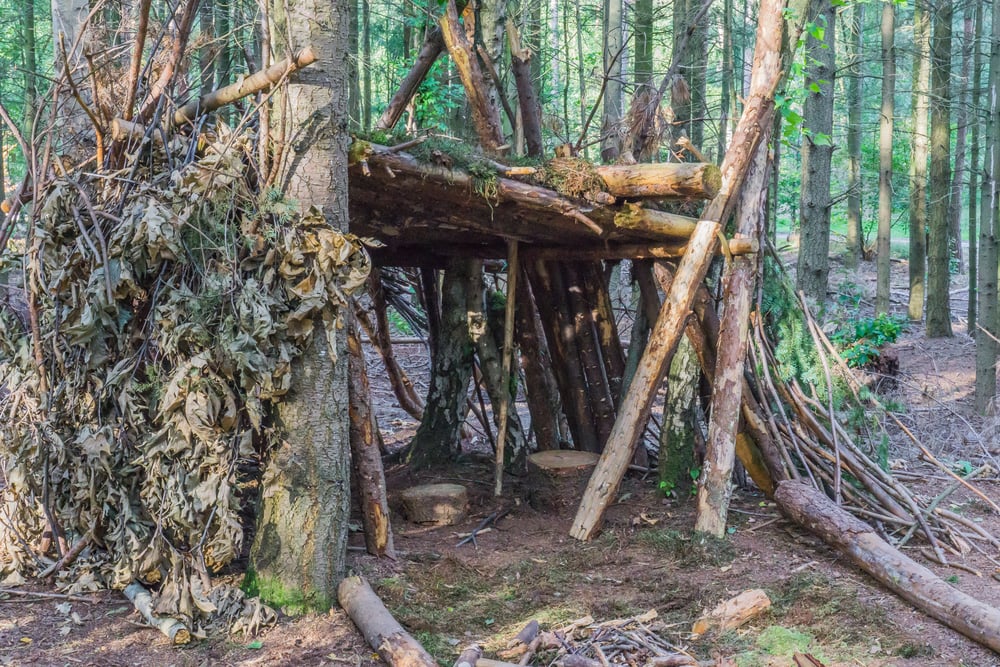
Out there, when cold hits along with wind or drenching rain, things turn rough fast. Not every cover has to look impressive – just stop gusts and stay waterproof.
Start with dead limbs, scatter some foliage, work what nature left nearby, then shape a slanted wall in less than sixty minutes. Avoid wet clothes and sharp breezes – that shift alone cuts down how fast chill sets into bones.
Signaling For Help
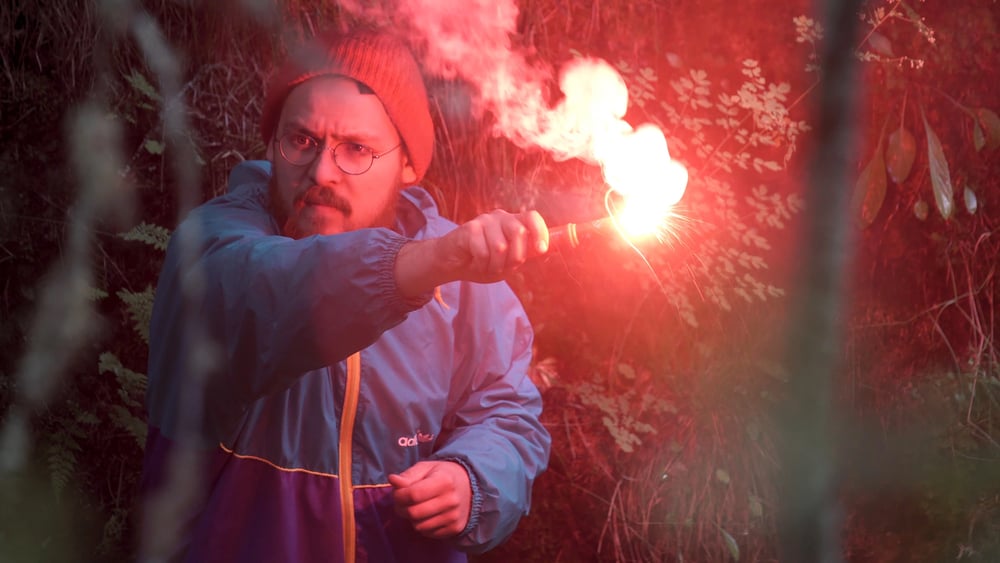
Alone in the wild, fear takes hold fast – yet silence when you need aid cuts deeper. Flashing sunlight off glass might catch an eye miles away.
Shout through metal with three sharp sounds, lay flames shaped like corners of a star, wave fabric in triple motion, or pulse beams skyward thrice; each speaks the same urgent message across borders.
Help is needed now.
Navigating By The Stars
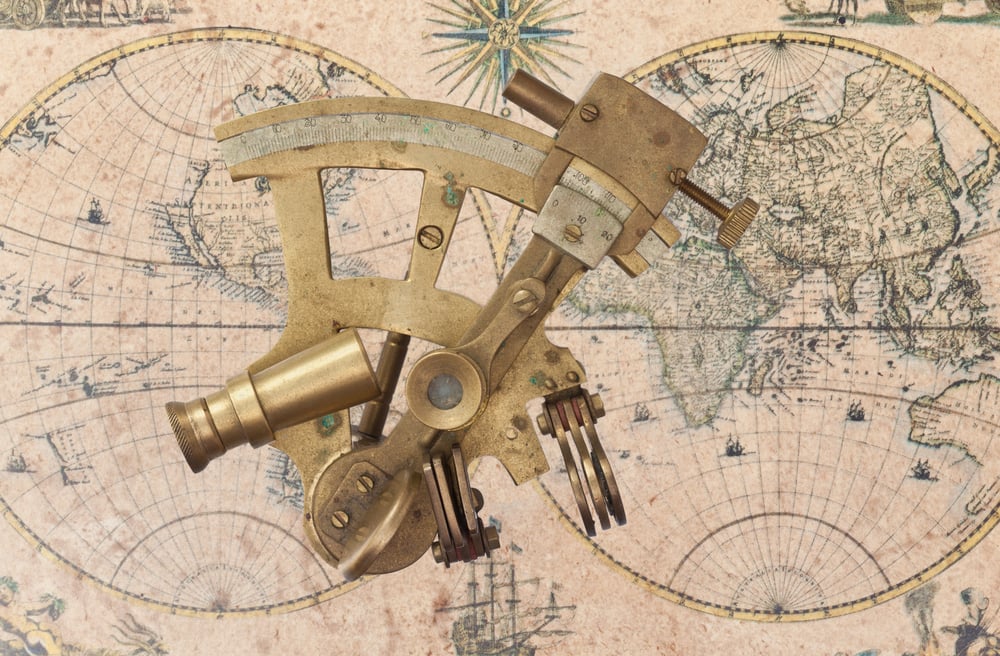
When the sky is dark and clear, stars have pointed travelers north for ages. Look up in the northern half of the world to find Polaris using the shape of the Big Dipper.
It might take some tries at first still knowing it brings steady guidance forever after. Nothing powers it needs no charging ever.
Foraging For Edible Food

Figuring out what grows in the woods and won’t harm you doesn’t happen fast. Some standouts – dandelion leaves, blackberry brambles, a handful of mushroom types – are common across much of the U.S.
Unless you’re 100 percent sure about a plant’s identity, leave it alone. Mistakes when hungry can turn small problems into real danger.
Treating Dehydration And Heatstroke

When it gets too hot and someone keeps moving, their body might react badly before they even notice. Spotting trouble early – like strange behavior, skin that feels dry and scorching, or fast shallow breaths – can make all the difference.
Getting them out of the sun right away while lowering their temperature slowly helps avoid worse outcomes. Instead of only giving water, mixing in salts matches what sweat takes out, bringing things back where they need to be.
Tying Essential Knots
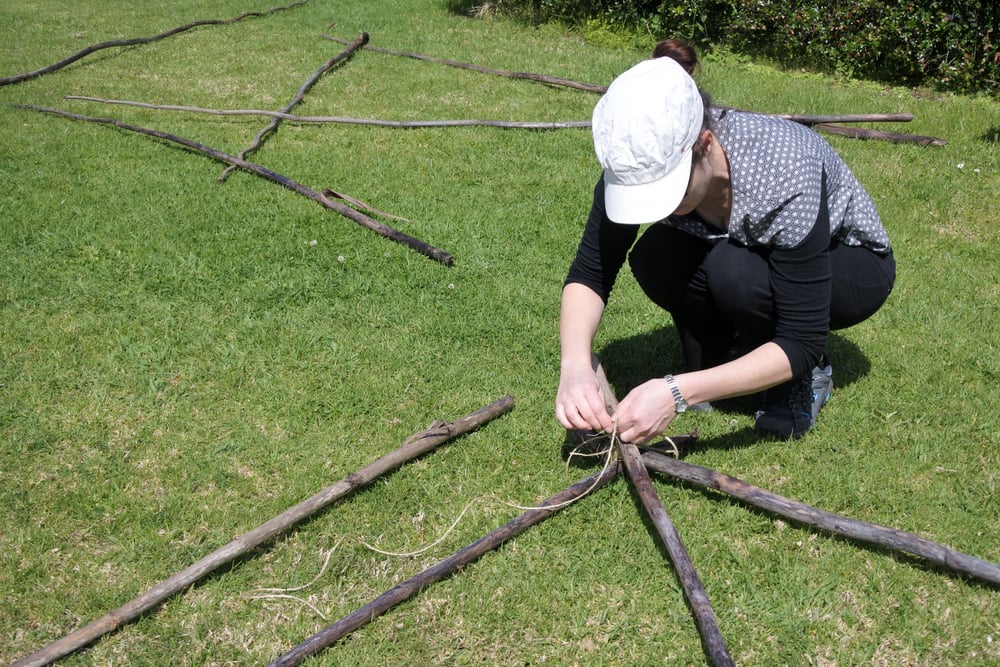
A shelter stays put because of a solid knot, just like rescues depend on them, gear gets bundled that way too, sometimes they form stretchers when nothing else works. Tying shoelaces? That’s usually the extent of most folks’ skills.
Four simple types handle nearly every urgent task – square, bowline, clove hitch, reef – with each doing its own job without fuss. Lightweight but tough, paracord fits anywhere needed, especially packed away where it won’t weigh you down.
Crossing Moving Water Safely

Water often seems quiet above yet rushes strong below. Before stepping in, release your pack’s strap so it won’t drag you down.
Pointing toward the flow helps keep footing when moving across. A sturdy pole held wide gives extra stability under rushing current.
Skip narrow spots where depth pulls hard – wider stretches slow things out. Shallow spread-out areas cut speed, making passage safer by nature.
Treating A Sprain Or Fracture In The Field
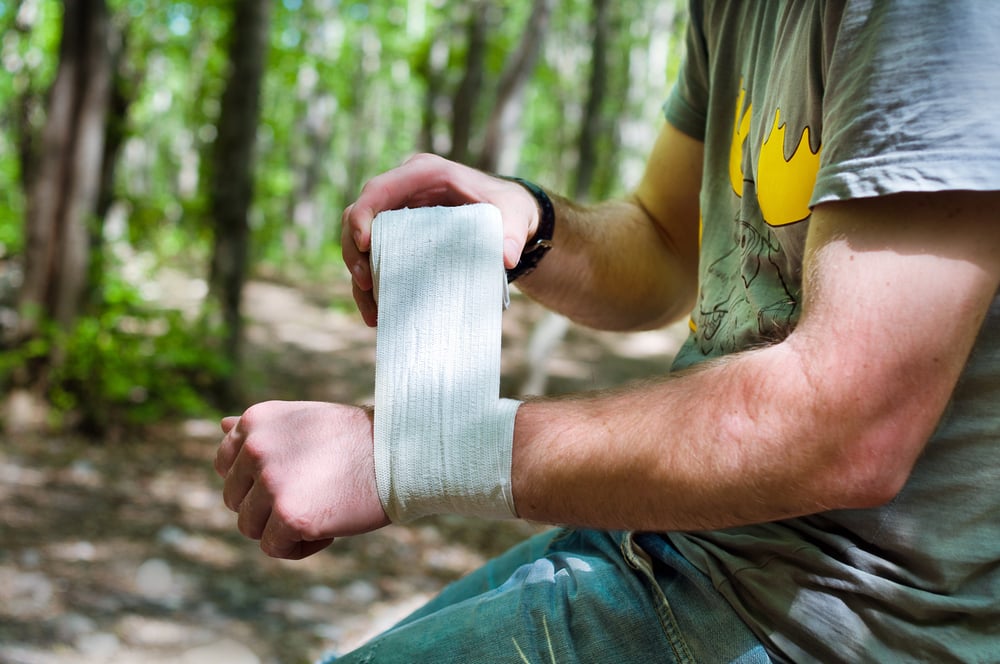
A twist or break might occur far from medical help. When that happens, using whatever is nearby – like branches and fabric – to hold the limb still makes a difference.
Stay quiet, move slowly, think clearly. Propping up the hurt spot helps reduce swelling, so long as it does not cause pain.
Putting no pressure on the part keeps things from getting worse while waiting for aid. How someone responds right after the incident shapes recovery more than many assume.
Managing Hypothermia

Cold slows thought, makes motion clumsy when body heat falls too far. Right away – move them from damp clothes into something dry, wrap up fast.
If they’re awake, they can drink without choking, and offer warmth in a cup. Heat stays best near the chest and skull, and matters less what legs or fingers feel.
Using A Knife Safely

A sharp blade beats a broken edge every time – point it clear of your skin when slicing. Because blunt ones slip under pressure, staying alert matters just as much as clean edges.
Away from fingers, stashed sheathed, danger drops fast. Carve tips for spears, split sticks small enough to catch flame, slice what you eat: each move turns one object into several helpers.
How you hold it changes everything.
Rationing Food And Energy
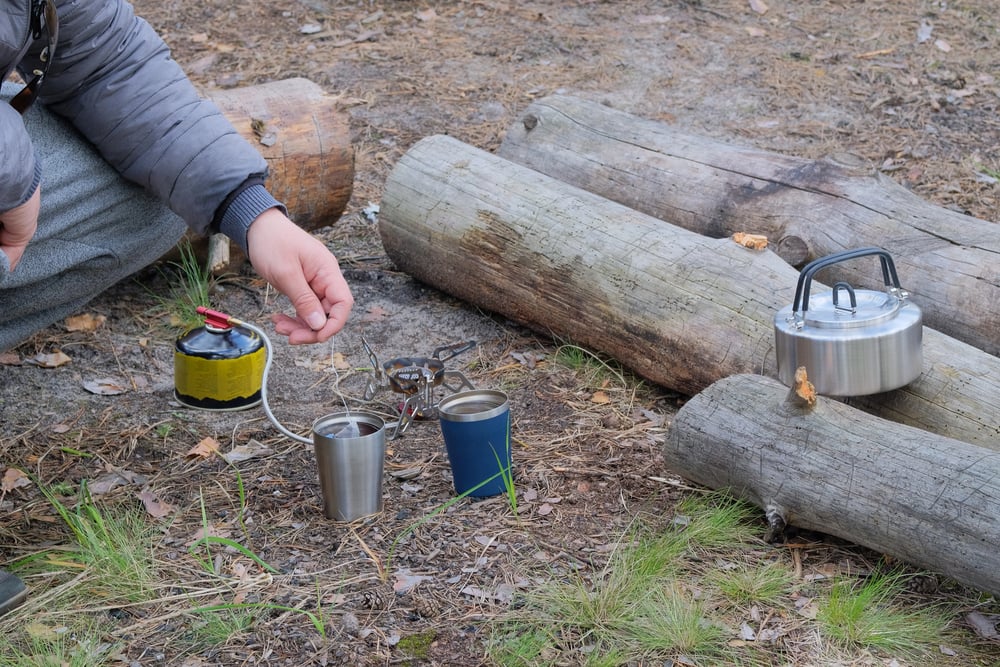
When you’re trying to survive, what your body has stored makes a difference. Instead of using it all fast, spreading meals out helps keep strength steady.
Resting more than moving saves energy if there isn’t much to eat. Knowing how stress changes bodily needs leads to better choices as rations shrink.
Purifying Water Without Equipment

Some people might not carry filters or purification tablets. Out in the open, sunlight can clean water when you place it in a clear plastic bottle under the rays for half a day.
With enough time, ultraviolet light breaks down dangerous germs inside the liquid – no expenses involved. Simple as it seems, this trick works well even far off places where resources are tight.
Staying Calm Under Pressure

What sets this apart is how it supports every other ability. When panic hits, choices get worse, effort gets scattered, thoughts go sideways.
Breathing deeper, sticking to one thing at once, naming what tools you have nearby – these nudge the mind out of alarm mode into clear thinking. Keeping your head calm during tough moments matters just as much as strength or speed.
A quiet mind works faster than a rushed one.
Administering The Heimlich Maneuver
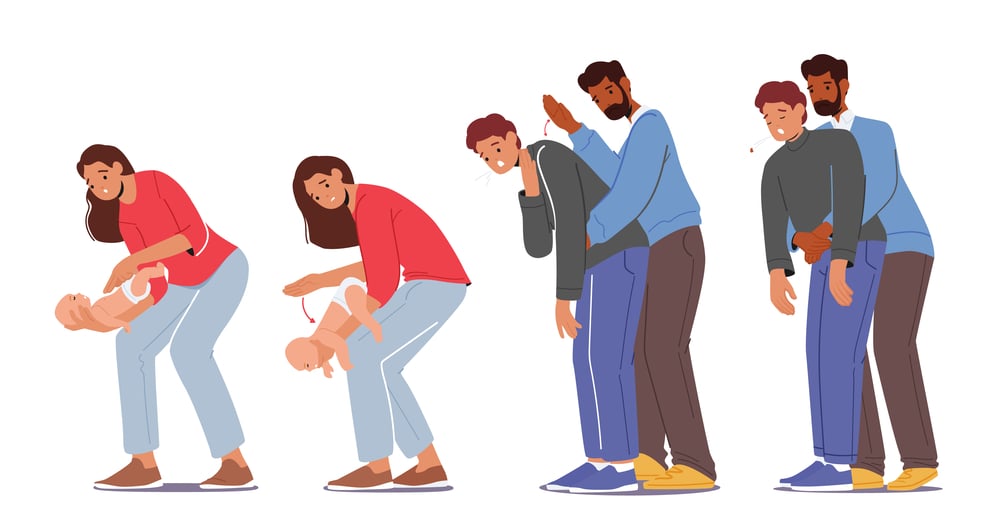
Choking kills thousands of people each year, and most incidents happen in everyday settings like homes and restaurants. The Heimlich maneuver involves standing behind the person, placing a fist just above the navel, and delivering firm upward thrusts until the object clears the airway.
Knowing the child and infant variations of this technique adds another layer of preparedness. This is one skill that takes five minutes to learn and could save a life before an ambulance even arrives.
Skills That Outlast Any Emergency

Survival skills are not about preparing for the worst-case scenario every single day. They are about building confidence in the ability to handle the unexpected.
The world has always had unpredictable moments, from natural disasters to sudden accidents, and the people who come through them best are rarely the ones who panicked. Learning even a handful of these skills changes the way a person moves through the world, quietly and steadily, with the kind of readiness that never goes to waste.
More from Go2Tutors!

- The Romanov Crown Jewels and Their Tragic Fate
- 13 Historical Mysteries That Science Still Can’t Solve
- Famous Hoaxes That Fooled the World for Years
- 15 Child Stars with Tragic Adult Lives
- 16 Famous Jewelry Pieces in History
Like Go2Tutors’s content? Follow us on MSN.



