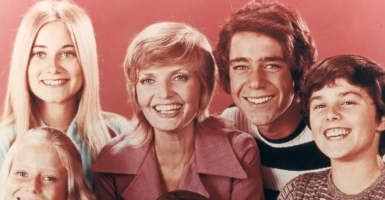
Catchphrases from ’90s Sitcoms Fans Still Quote
Some television lines never leave. They surface at family dinners, in office chat threads, and in the mouths of people who were not born when the episode first aired.
A good catchphrase is short enough to repeat without effort and flexible enough to fit a situation the writers never imagined.
The 1990s produced an unusually large crop of them, from network hits to cable oddities. Here are sixteen that still turn up in everyday speech.
Seinfeld and “Yada Yada Yada”
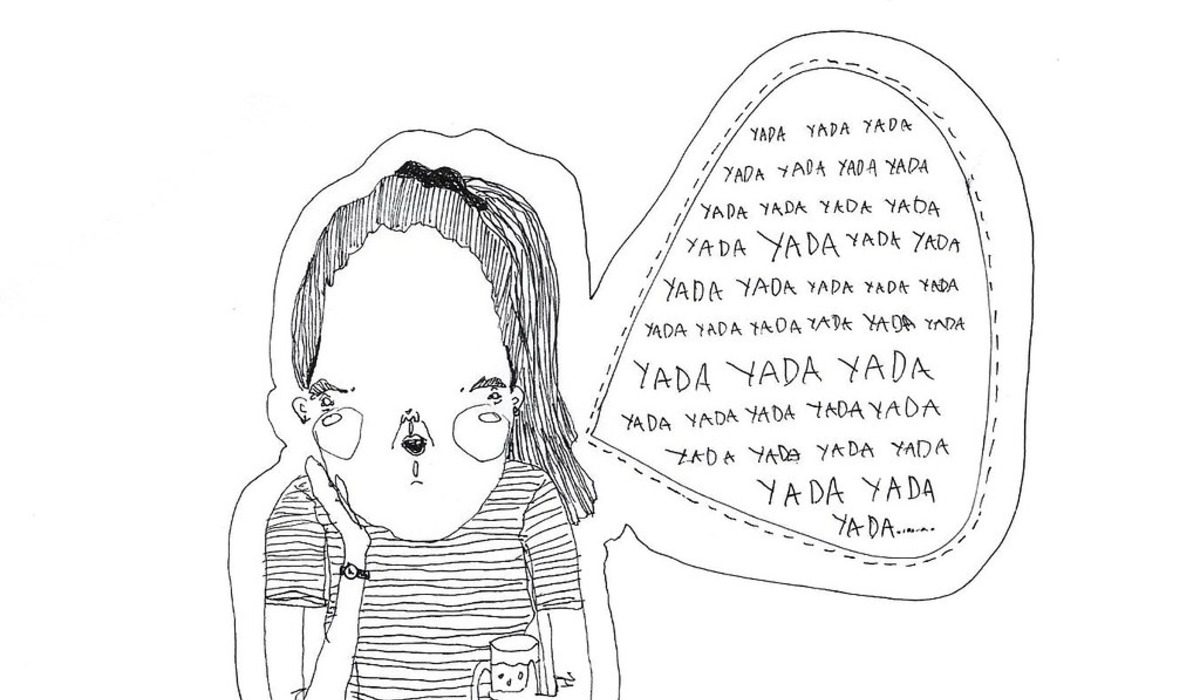
The phrase got its big moment in a 1997 episode of Seinfeld titled “The Yada Yada,” from the show’s eighth season. In it, a character uses the words to skip past inconvenient details of a story, and the others quickly realize how much can be hidden inside them.
The expression existed before the episode, but the show turned it into a staple of everyday speech. Seinfeld itself ran on NBC from 1989 to 1998.
Frank Costanza on Seinfeld and “Serenity Now”
Frank Costanza shouts it in the 1997 Seinfeld episode “The Serenity Now,” after being advised to use the phrase to manage his blood pressure. The advice is to say it whenever stress builds, and Frank takes the instruction literally and loudly.
The actor delivered it as a bellow rather than a calming mantra, which is the entire joke. Fans still use it, usually while being anything but serene.
Steve Urkel on Family Matters and “Did I Do That?”
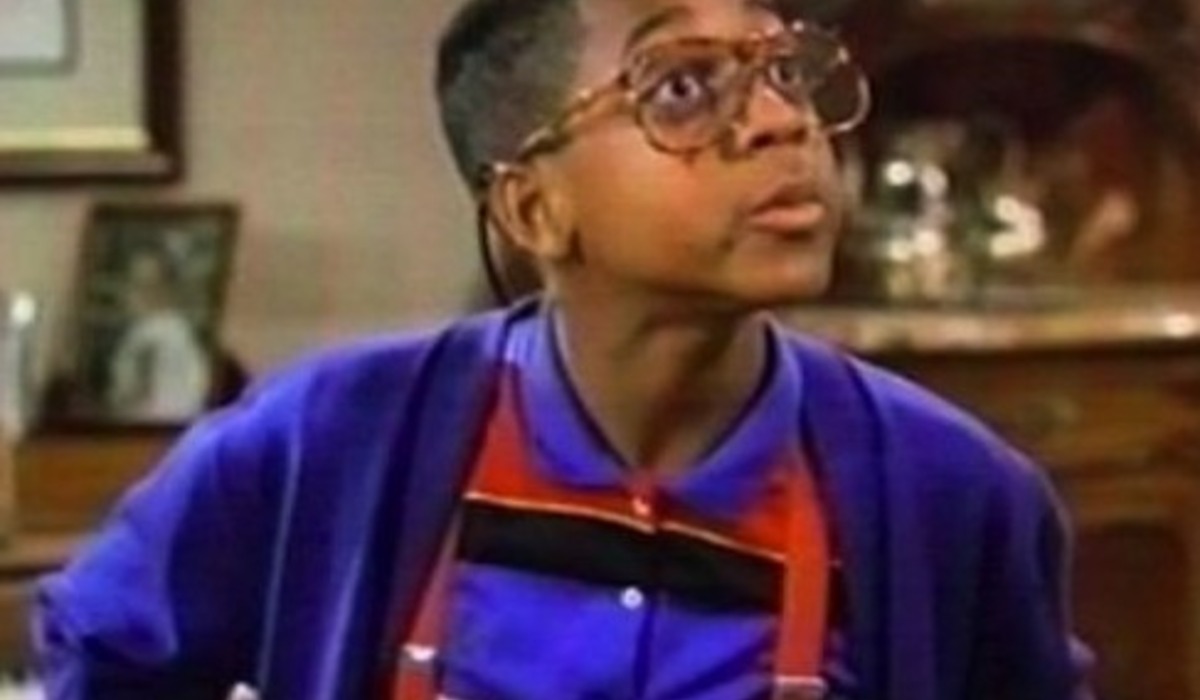
Steve Urkel debuted in 1989 as a one-time guest on Family Matters, and audiences liked him so much that he became a central character. His signature line followed nearly every disaster he caused, delivered with wide-eyed innocence by Jaleel White.
The show began on ABC in 1989 and ran until 1998, moving to CBS along the way. The phrase remains closely associated with Urkel and is still used as a playful way to acknowledge a mistake.
Uncle Jesse on Full House and “Have Mercy!”
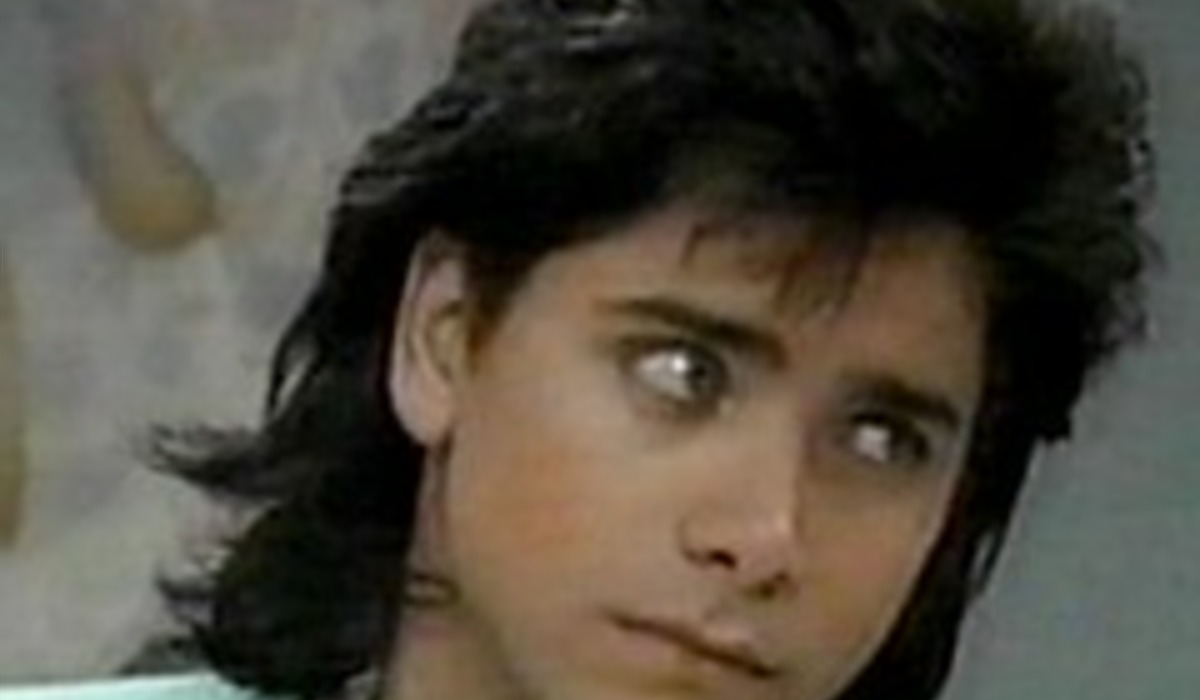
Uncle Jesse, played by John Stamos, used the expression to react to everything from a pretty woman to a bad haircut. Full House aired on ABC from 1987 to 1995 and finished with 192 episodes.
The line outlived the show by decades and has been quoted in the follow-up series Fuller House. Stamos has talked in interviews about where the phrase came from, though it works fine without any backstory.
Joey Tribbiani on Friends and “How You Doin’?”
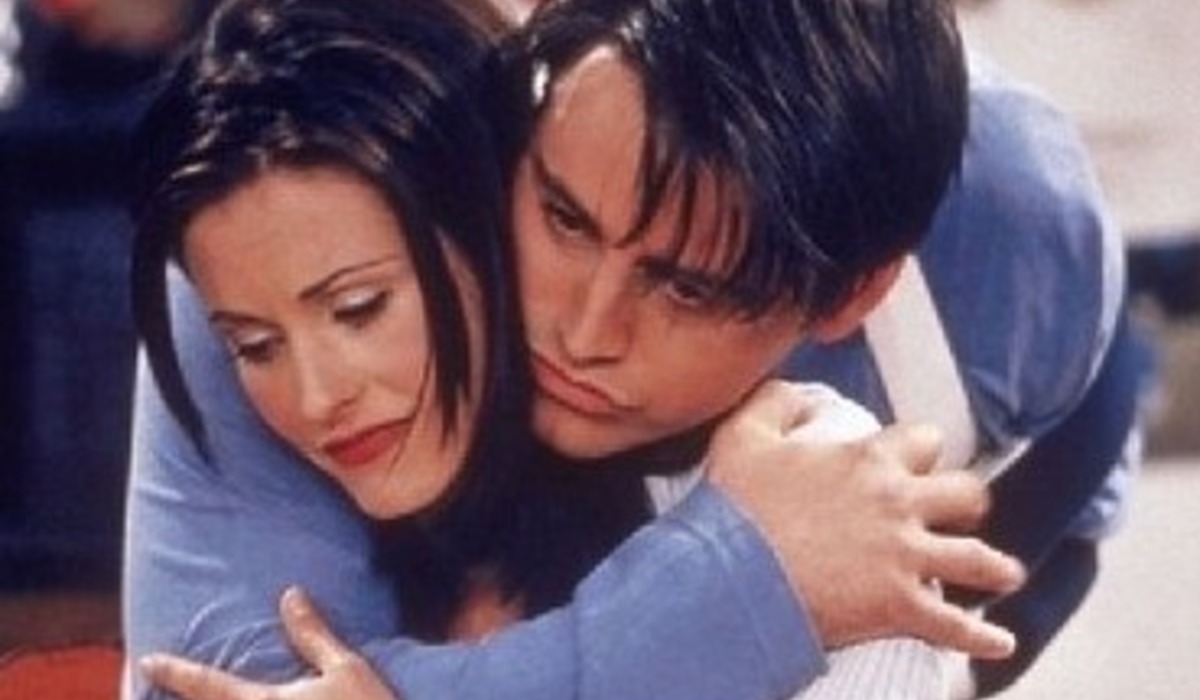
Matt LeBlanc’s Joey Tribbiani deployed it as a pickup line, usually with a raised eyebrow and a slow delivery. Friends aired on NBC from 1994 to 2004 across ten seasons.
The line was strong enough to follow the character into the spinoff Joey, which ran from 2004 to 2006. Its comic appeal rests on how reliably it fails.
Chandler Bing on Friends and “Could I BE Any More…?”
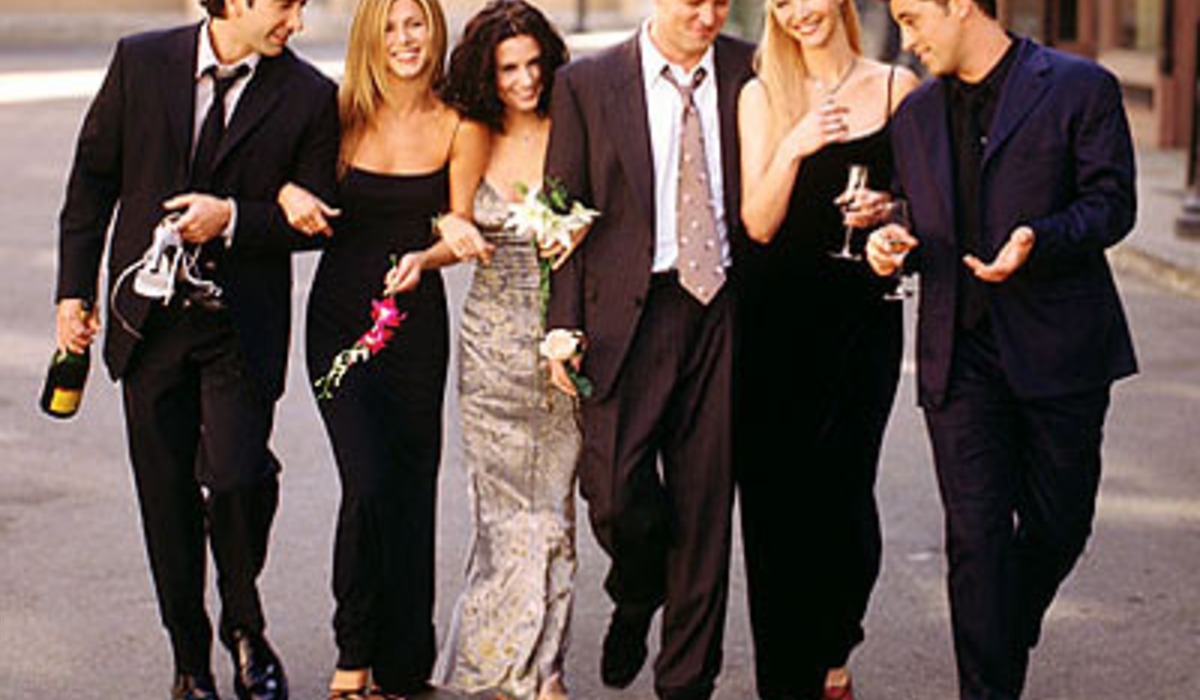
Matthew Perry’s Chandler Bing built an entire style of sarcasm around stressing a single word, and the stress often landed on “be.” The structure is endlessly reusable, since any adjective can finish the sentence.
Fans type it out in capital letters to preserve the rhythm. It remains one of the easiest ways to identify a Friends devotee mid-conversation.
Tim Taylor on Home Improvement and “More Power!”

Tim Allen played Tim “The Tool Man” Taylor on Home Improvement, which aired on ABC from 1991 to 1999. His character believed any tool could be improved by making it louder, bigger, and more dangerous, often punctuating his enthusiasm with a grunt or a call for more power.
The show-within-a-show, Tool Time, was sponsored by the fictional Binford Tools brand. Binford became a running gag so durable that the logo appeared on real merchandise.
Frasier Crane on Frasier and “I’m Listening”
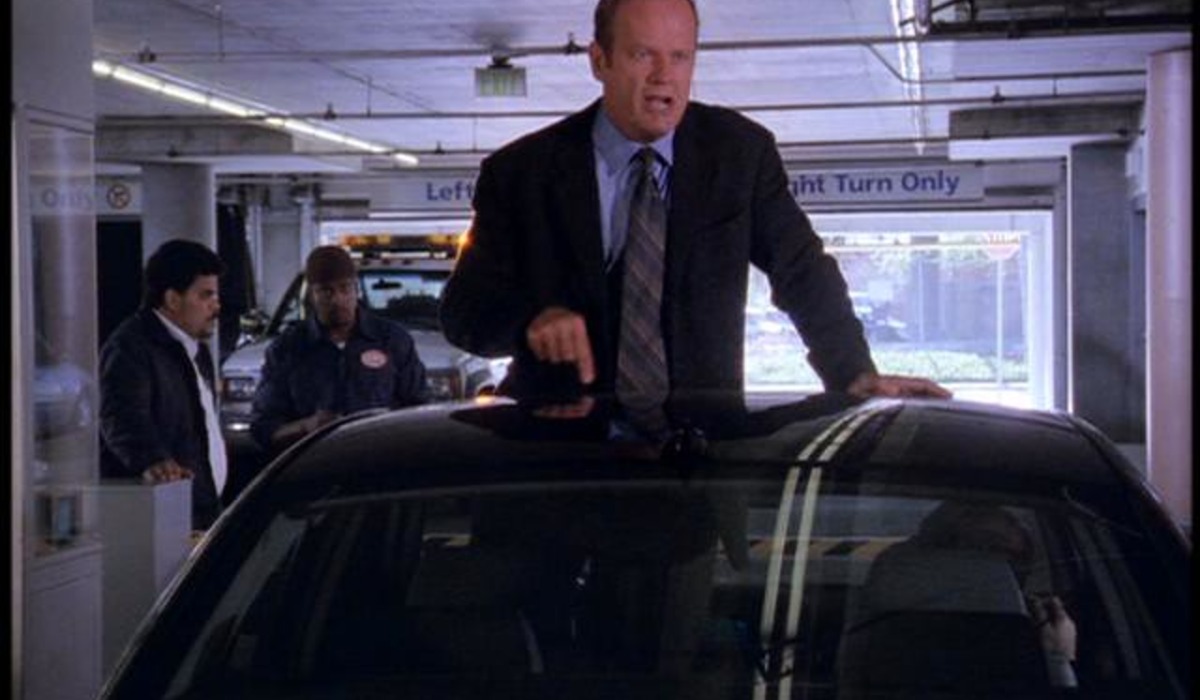
Kelsey Grammer’s Dr. Frasier Crane used the phrase while hosting his Seattle radio show.
The sitcom aired on NBC from 1993 to 2004 and grew out of Cheers, where Grammer had played the same character. The program won the Emmy for Outstanding Comedy Series five years in a row, from 1994 through 1998.
The phrase became shorthand for any person who invites a confession and then enjoys it too much.
Zack Morris on Saved by the Bell and “Time Out!”
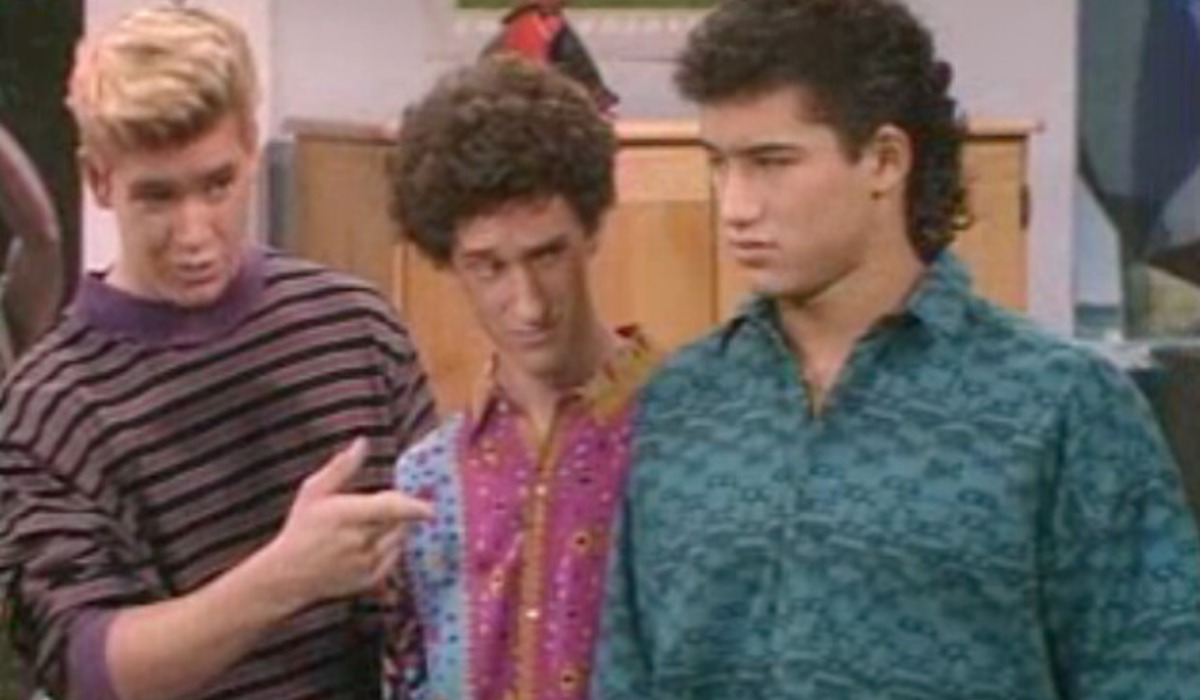
Mark-Paul Gosselaar’s Zack Morris would shout it, stop the action around him, and speak straight to the camera. Saved by the Bell aired on NBC beginning in 1989 and followed a group of friends at the fictional Bayside High School.
The trick was a memorable example of a teen sitcom breaking the fourth wall. Fans still invoke it when they want a moment to explain themselves.
Baby Sinclair on Dinosaurs and “Not the Mama!”
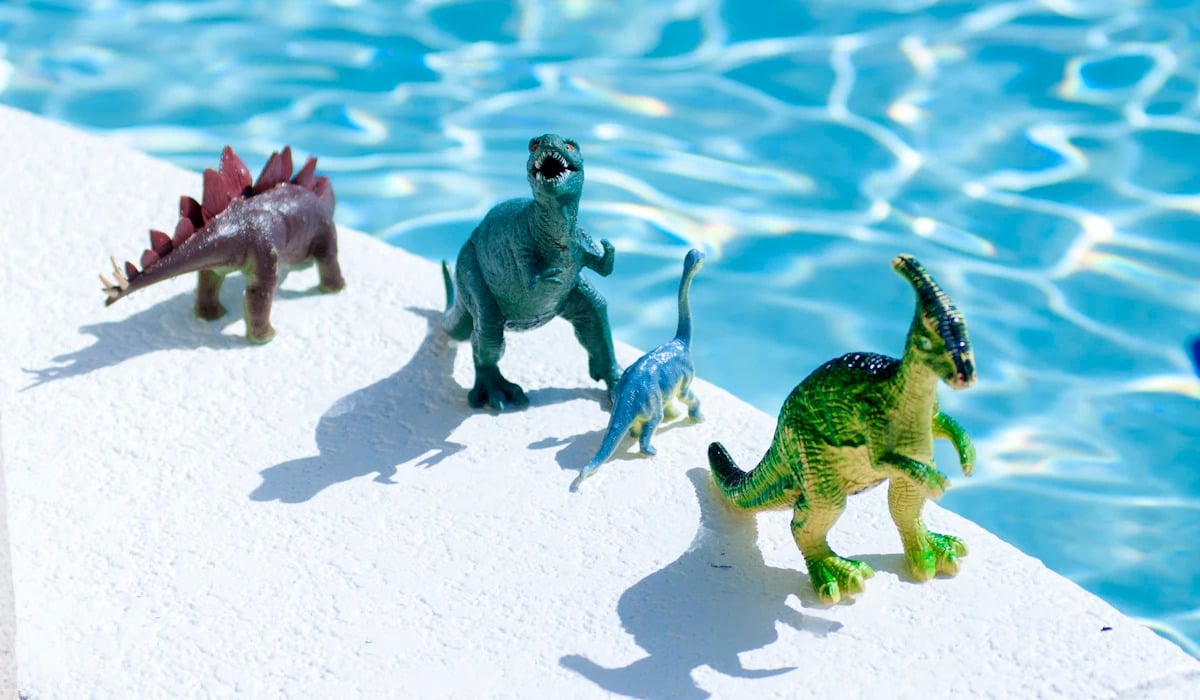
Dinosaurs aired on ABC from 1991 to 1994 and came from the Jim Henson Company, which built its characters as elaborate full-body puppet suits. Baby Sinclair, the youngest of the family, delivered the line before smacking his father with a frying pan.
The show treated a family of prehistoric reptiles as a standard suburban household, and the humor was surprisingly sharp. Its final episode ends with the family facing the consequences of environmental destruction, including an approaching ice age.
Kel Mitchell on Kenan & Kel and “Who Loves Orange Soda?”
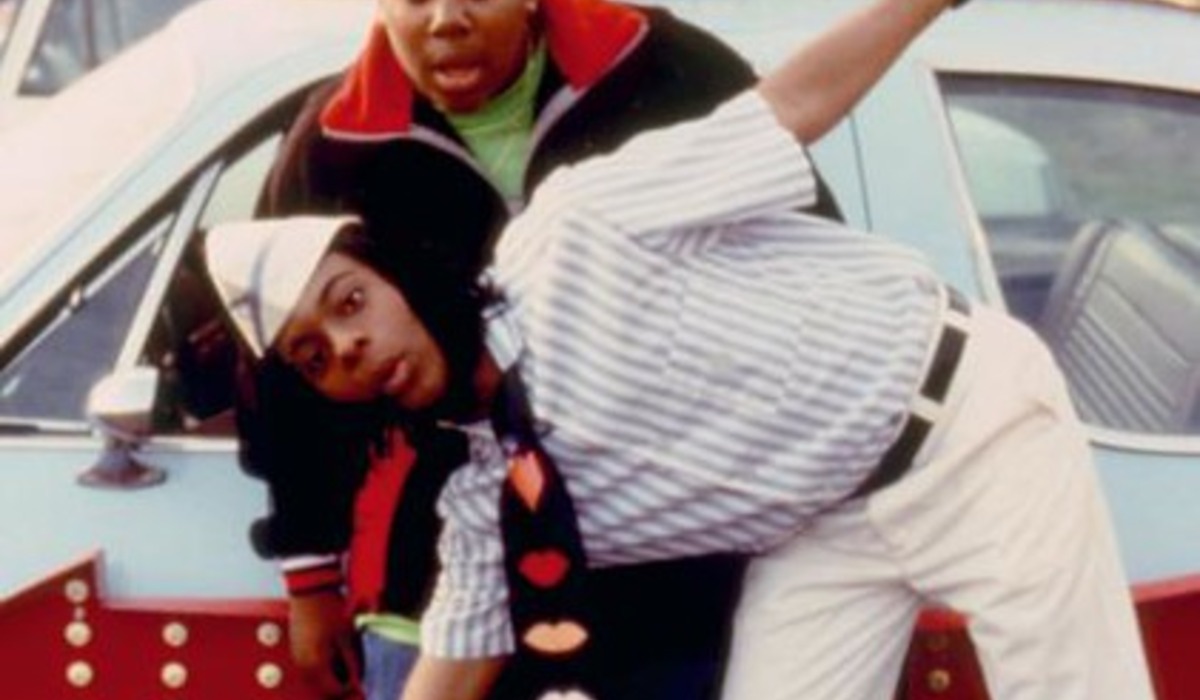
The Nickelodeon sitcom ran from 1996 to 2000 and starred Kenan Thompson and Kel Mitchell as two Chicago teenagers. Kel’s love of orange soda became his defining trait, and the question-and-answer routine became a call-and-response for a generation of viewers.
Mitchell has said in interviews that fans still ask him about it. Thompson later became a long-serving cast member on Saturday Night Live.
Michael Kelso on That ’70s Show and “Burn!”
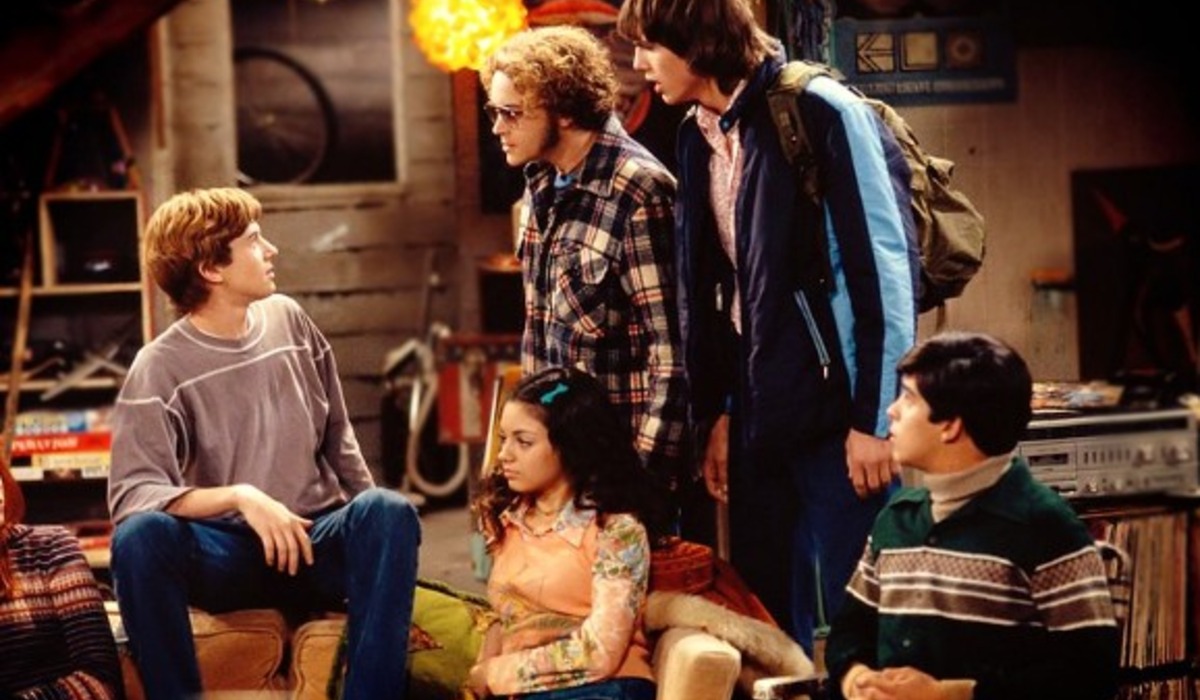
The Fox series aired from 1998 to 2006 and was set in the fictional suburb of Point Place, Wisconsin. Though it depicted the late 1970s, the show was a product of the late 1990s, and its teenagers traded insults with a 1990s sense of timing.
When one character landed a good one, Kelso would often shout the single word as a verdict. It became so widely copied that it is hard to hear it today without picturing a basement full of teenagers.
Hank Kingsley on The Larry Sanders Show and “Hey Now!”

Jeffrey Tambor played Hank Kingsley, the vain and insecure sidekick on HBO’s The Larry Sanders Show, which aired from 1992 to 1998. The show was set behind the scenes of a fictional late-night talk program, and Hank’s greeting was meant to sound smooth while giving away how eager he was for approval.
It became one of the best-known lines from a series that earned substantial critical acclaim and influenced later workplace comedies. Critics still cite the show as a major influence on later workplace comedies..
Fran Fine on The Nanny and “Mr. Sheffield!”
Fran Drescher created The Nanny with her then-husband Peter Marc Jacobson, and the series aired on CBS from 1993 to 1999. Her character, Fran Fine, called out her boss’s name in a nasal, drawn-out way that managed to carry affection, irritation, and flirtation all at once.
Charles Shaughnessy played Maxwell Sheffield, a widowed Broadway producer. Her laugh is as famous as the phrase, which says something about how much of the show’s identity came from sound.
Joey Russo on Blossom and “Whoa!”

Blossom aired on NBC from 1990 to 1995 and starred Mayim Bialik, who later became widely known for The Big Bang Theory. Joey Lawrence played her older brother Joey Russo, whose enthusiastic exclamation became a calling card.
The word is simple enough to belong to anyone, which helped it spread well beyond the show. Lawrence has long been tied to the expression in the minds of fans.
Why Small Phrases Last the Longest
Most of these lines are only a few words long, and that is the reason they survived. A catchphrase works because it can be dropped into any conversation without explanation, and the person who recognizes it feels a small jolt of shared history.
The plots of the episodes fade, but the phrase keeps working.
Network television in the 1990s gave millions of people the same set of references at the same time. Streaming has given each viewer a private library, which makes a shared line harder to produce.
That is why these phrases still feel like a language, and why they are still being spoken.
MORE FROM GO2TUTORS!

- The Romanov Crown Jewels and Their Tragic Fate
- 13 Historical Mysteries That Science Still Can’t Solve
- Famous Hoaxes That Fooled the World for Years
- 15 Child Stars with Tragic Adult Lives
- 16 Famous Jewelry Pieces in History
Like Go2Tutors’s content? Follow us on MSN.