16 IQ Milestones That Changed Science
Intelligence testing has been around for over a century now. What started as a simple way to help struggling students turned into this whole complex field that touches everything from education policy to heated arguments about human nature.
The story of how we measure smarts is pretty wild when you look back at it. Here’s a list of 16 moments that basically changed everything about how we think intelligence works.
Alfred Binet Creates the First Modern Intelligence Test

Back in 1905, this French guy named Alfred Binet had a problem. Teachers in Paris couldn’t figure out which kids needed extra help.
So Binet teamed up with Theodore Simon and made the first real intelligence test. Instead of testing what kids already learned in school, they tested how kids actually think through problems.
Nobody had done anything like this before. It was genius because it focused on thinking skills rather than just memorized facts.
Lewis Terman Introduces the Stanford-Binet Scale
Lewis Terman at Stanford took Binet’s idea and ran with it in 1916. He created what we now call the IQ score – you know, that number everyone obsesses over.
His math was pretty straightforward: take someone’s mental age, divide by their actual age, multiply by 100. Boom, you’ve got an IQ score.
This made it possible to compare a 7-year-old’s intelligence to a 12-year-old’s for the first time ever.
Like Go2Tutors’s content? Follow us on MSN.
The Army Alpha and Beta Tests

When World War I hit, the U.S. Army had a massive problem – they needed to sort through 1.7 million soldiers and figure out who could do what jobs. So they created two tests: Alpha for guys who could read and Beta for those who couldn’t.
It worked pretty well for sorting people, but it also showed some ugly biases that nobody really wanted to talk about at the time.
David Wechsler Develops Adult Intelligence Testing

David Wechsler noticed something obvious that everyone else missed – all the intelligence tests were made for kids. Adults think differently than children, so why use the same test?
In 1939, he created the first intelligence test specifically for grown-ups. His test had separate scores for different types of thinking, which was revolutionary.
Finally, someone understood that a 40-year-old’s brain works differently than a 10-year-old’s brain.
Factor Analysis Reveals Intelligence Structure

Charles Spearman was this British psychologist who loved math and statistics. In the 1920s, he used some fancy statistical methods and discovered something interesting – people who are good at one type of thinking tend to be good at other types too.
He called this general intelligence or ‘g factor.’ This started a huge debate that’s still going on: Is there really such a thing as overall intelligence, or are we just good at different things?
Like Go2Tutors’s content? Follow us on MSN.
The Flynn Effect Discovery

James Flynn dropped a bombshell in the 1980s. He looked at IQ scores from the past 50 years and found something nobody expected – people were getting smarter.
Not just a little bit, but about 3 points every decade. That’s like 15 points per generation.
Nobody could agree on why this was happening. Better nutrition? More education? Television? The internet? Flynn himself wasn’t even sure.
Multiple Intelligence Theory Emerges

Howard Gardner at Harvard basically said “screw traditional IQ tests” in 1983. He argued there are eight different types of intelligence – musical, spatial, social, you name it.
Gardner’s point was simple: why should we consider someone stupid just because they can’t do math if they’re brilliant at music or understanding people?
A lot of teachers loved this idea, even though many psychologists thought Gardner was full of it.
Emotional Intelligence Gains Recognition
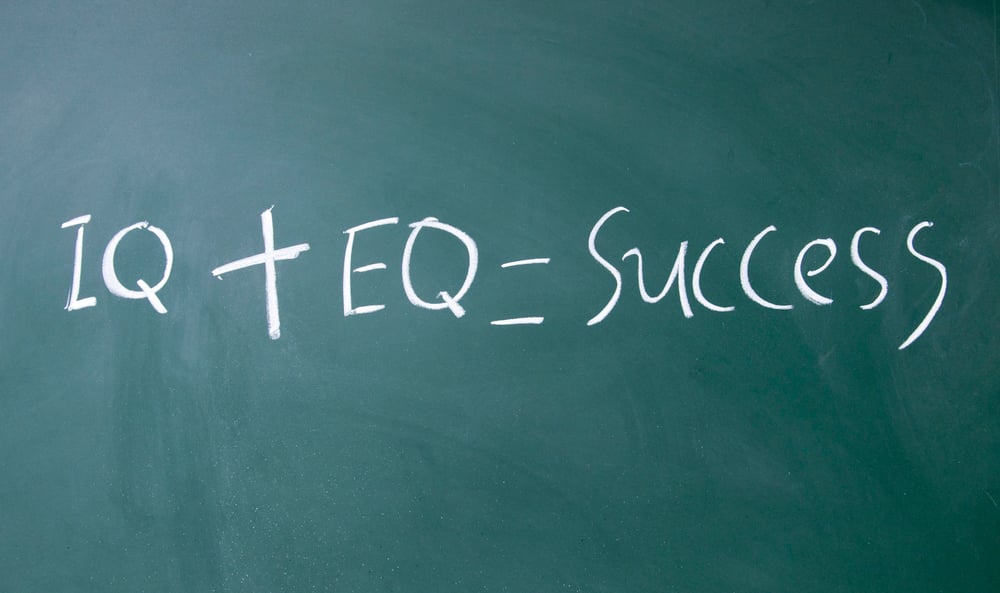
Daniel Goleman made emotional intelligence famous in the 1990s, though other researchers had been working on it for years. The basic idea is that understanding emotions – yours and other people’s – is its own type of intelligence.
This was huge because it explained why some really smart people (high IQ) were terrible at managing people or even their own lives. Suddenly, being emotionally smart became just as important as being book smart.
Like Go2Tutors’s content? Follow us on MSN.
The Bell Curve Controversy
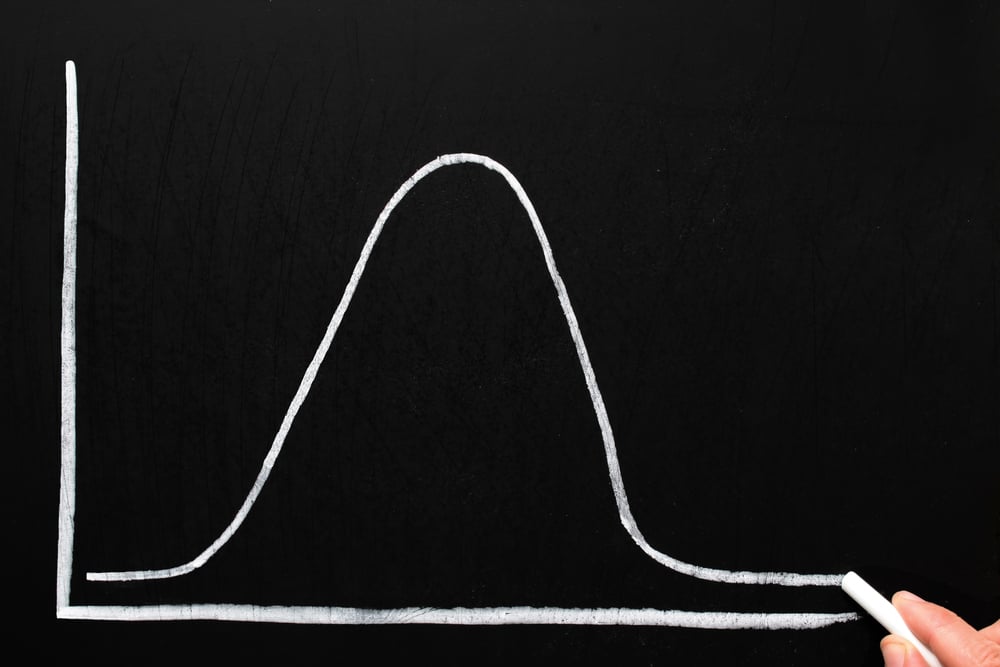
In 1994, Richard Herrnstein and Charles Murray published a book that basically set the intelligence research world on fire. “The Bell Curve” made some pretty controversial claims about intelligence differences between racial groups.
Scientists, politicians, and activists went nuts. The book raised uncomfortable questions about genetics, environment, and social policy that people are still arguing about today.
Cognitive Load Theory Applications

John Sweller figured out something important about how our brains work in the 1980s. We can only hold so much information in our heads at once before we get overwhelmed.
This explains why some people bomb on intelligence tests – not because they’re not smart, but because they’re trying to juggle too much information at the same time.
Teachers started using this knowledge to design better lessons that don’t overload students’ brains.
Brain Imaging Reveals Neural Correlates
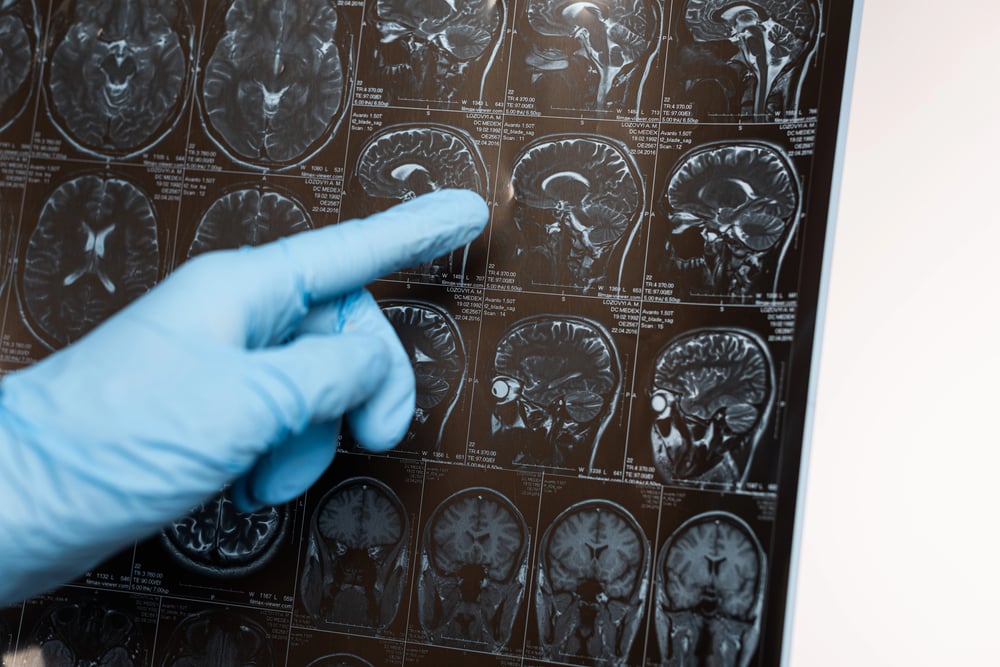
The 1990s brought us brain scanners that could actually see what’s happening inside people’s heads while they think. For the first time, researchers could look at someone’s brain and see physical differences that matched their IQ scores.
Certain brain areas, especially the front part called the prefrontal cortex, seemed really important for intelligence. This was exciting because it proved intelligence isn’t just some abstract concept – there’s real biology behind it.
Like Go2Tutors’s content? Follow us on MSN.
Stereotype Threat Research

Claude Steele discovered something pretty disturbing in the 1990s. Just reminding people about negative stereotypes could make them perform worse on tests.
For example, if you reminded women that “women are bad at math” right before a math test, they’d actually score lower. This wasn’t because they were less capable – it was because the stress of the stereotype messed with their performance.
This finding changed how we think about test scores and fairness.
Working Memory Models Advance

Alan Baddeley spent decades figuring out how our working memory operates. Think of working memory as your brain’s scratchpad – where you hold information while you’re using it.
Baddeley found that people with better working memory tend to score higher on IQ tests. Makes sense when you think about it – if you can hold more information in your head at once, you can solve more complex problems.
Genetic Studies Identify Intelligence Factors

Scientists started doing massive genetic studies in the 2000s, looking at thousands of people’s DNA. They found that intelligence is influenced by hundreds or maybe thousands of tiny genetic changes.
Each one has a minuscule effect, but they add up. Twin studies kept showing that genetics matter a lot for intelligence – maybe 50-80% in adults.
But the environment still plays a huge role, especially when kids are young.
Like Go2Tutors’s content? Follow us on MSN.
Computerized Adaptive Testing

Computer-based intelligence tests got really sophisticated. Instead of giving everyone the same questions, these new tests adjust based on your answers.
Get a question right, and the next one gets harder. Get it wrong, and it gets easier.
This means the test can figure out your ability level much faster and more accurately than old paper tests. Plus, you don’t waste time on questions that are way too easy or impossibly hard for your level.
Cultural Intelligence Concepts

Globalization made researchers realize there’s another type of intelligence they’d been ignoring – the ability to function in different cultures. Christopher Earley and Soon Ang showed that some people are just naturally better at adapting to new cultural situations.
This cultural intelligence is separate from regular IQ but just as important in our connected world. It explained why some really smart people struggle when they move to different countries or work with diverse teams.
What We Know Now About Intelligence

Intelligence research today looks nothing like it did 50 years ago. We’ve moved way past simple IQ numbers to understanding that human smarts come in many flavors.
Your genes matter, but so does your environment, your culture, your education, and probably a bunch of other stuff we haven’t figured out yet. IQ tests are still useful for some things, but they’re just one tool in a much bigger toolbox.
The field keeps changing as we learn more about how the human brain actually works, and honestly, we’re probably just getting started.
More from Go2Tutors!

- 16 Historical Figures Who Were Nothing Like You Think
- 12 Things Sold in the 80s That Are Now Illegal
- 15 VHS Tapes That Could Be Worth Thousands
- 17 Historical “What Ifs” That Would Have Changed Everything
- 18 TV Shows That Vanished Without a Finale
Like Go2Tutors’s content? Follow us on MSN.



