Caves That Hold Ancient Climates
Caves aren’t just dark pits in the ground where bats hang out. They’re actually natural time capsules that scientists use to read Earth’s climate history going back hundreds of thousands of years.
The formations inside these underground spaces grow so slowly and carefully that they record temperature changes, rainfall patterns, and even major environmental events that happened long before humans started writing anything down.
Let’s look at some of the most important caves around the world that are helping scientists understand what our planet’s climate used to be like.
Soreq Cave
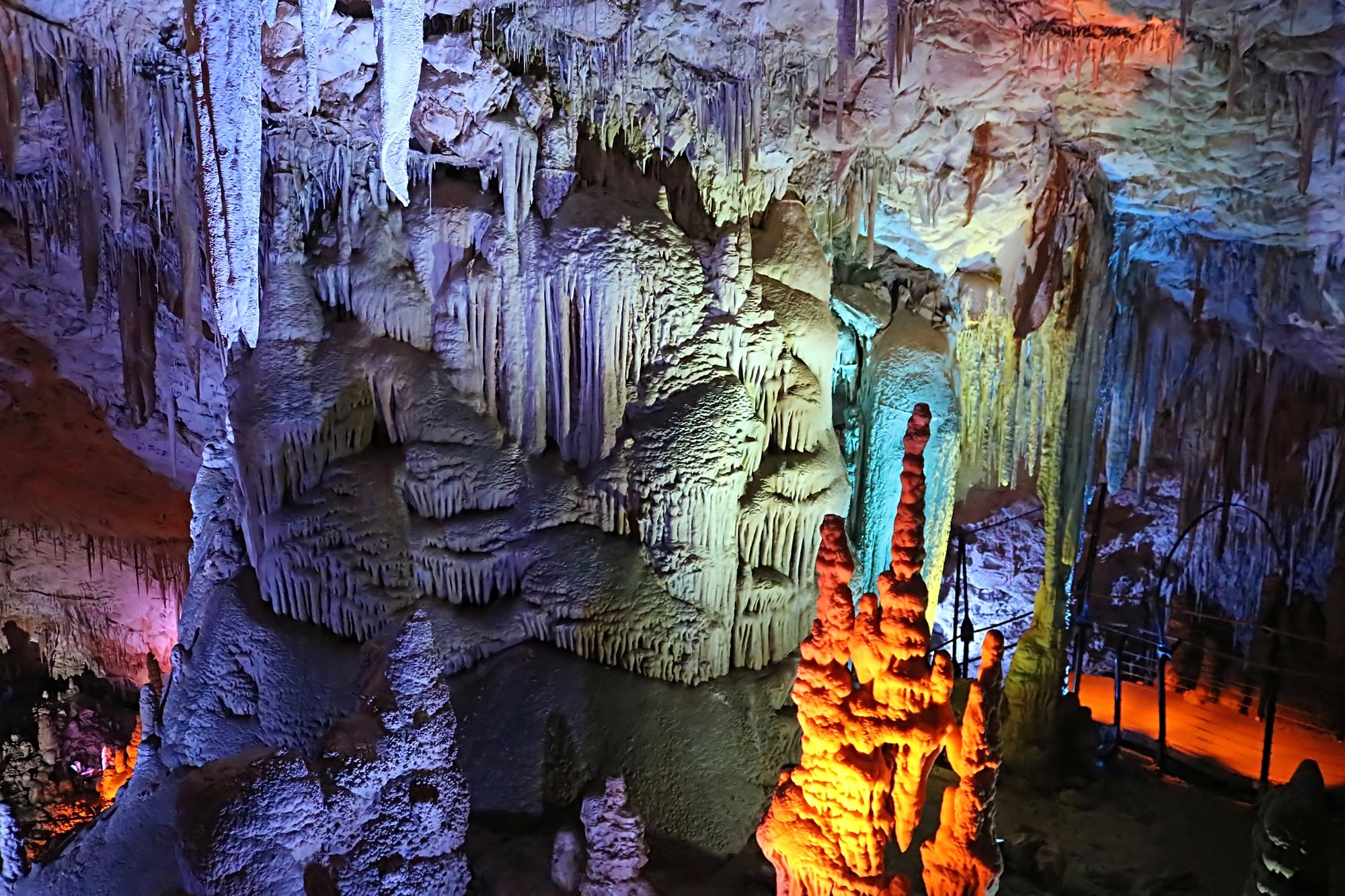
This Israeli cave sits in the Judean Hills and contains some of the most detailed climate records from the Middle East. Scientists study the stalactites here because they grew continuously for the past 185,000 years without any breaks.
The layers inside these formations show exactly when the region experienced wet periods and droughts, which helps researchers understand how ancient civilizations in the area dealt with water shortages. The cave stays at a constant temperature year-round, which makes it perfect for preserving these delicate climate signals.
Hulu Cave
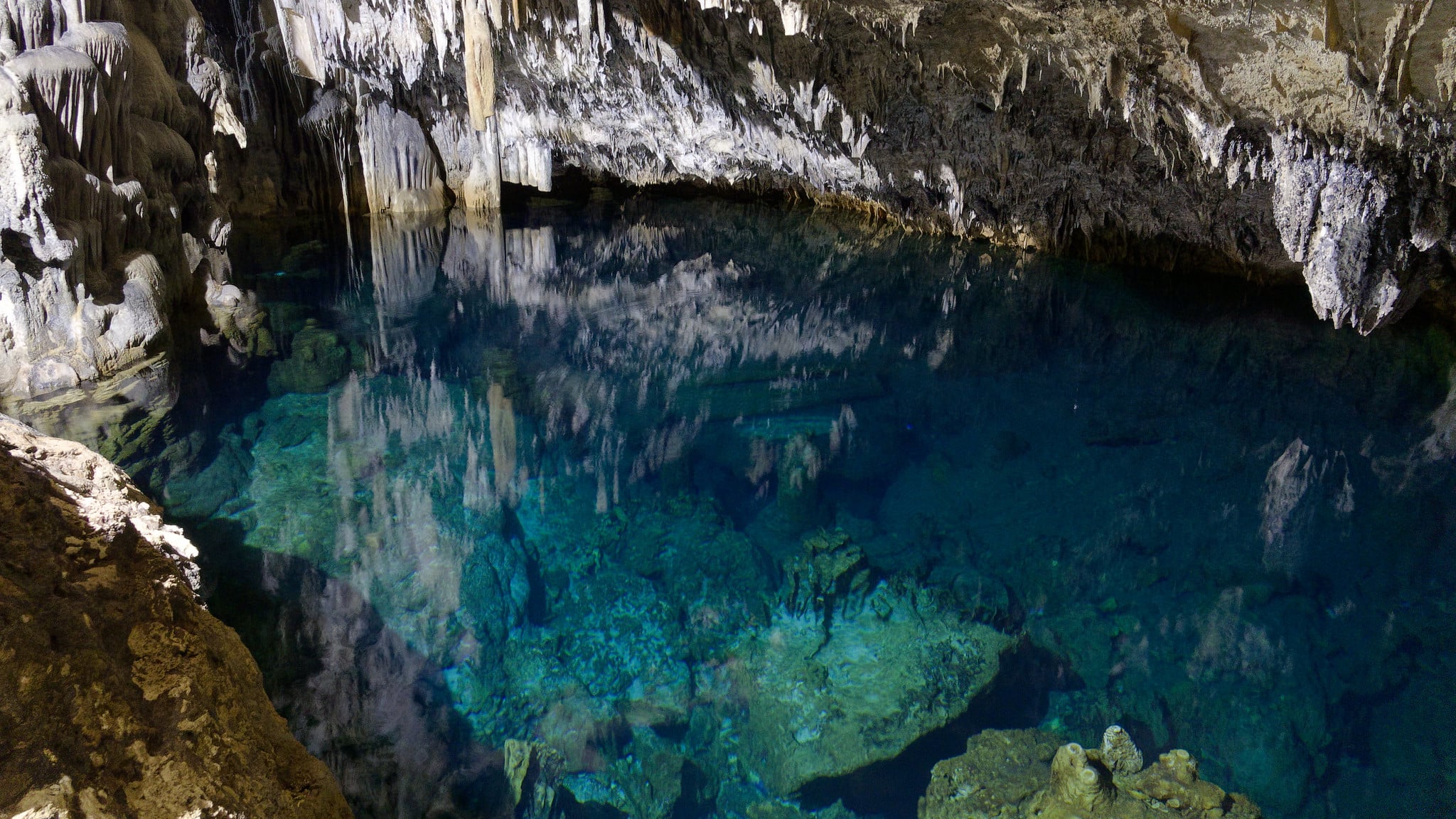
Located in eastern China, Hulu Cave has given scientists one of the most precise records of monsoon rainfall in Asia. The stalagmites here are incredibly tall, some reaching over 10 feet high, and they’ve been growing for more than 200,000 years.
Researchers can measure oxygen isotopes in the rock formations to figure out exactly how much rain fell during different time periods. This information has been crucial for understanding how monsoons shifted during ice ages and warm periods.
Devils Pit
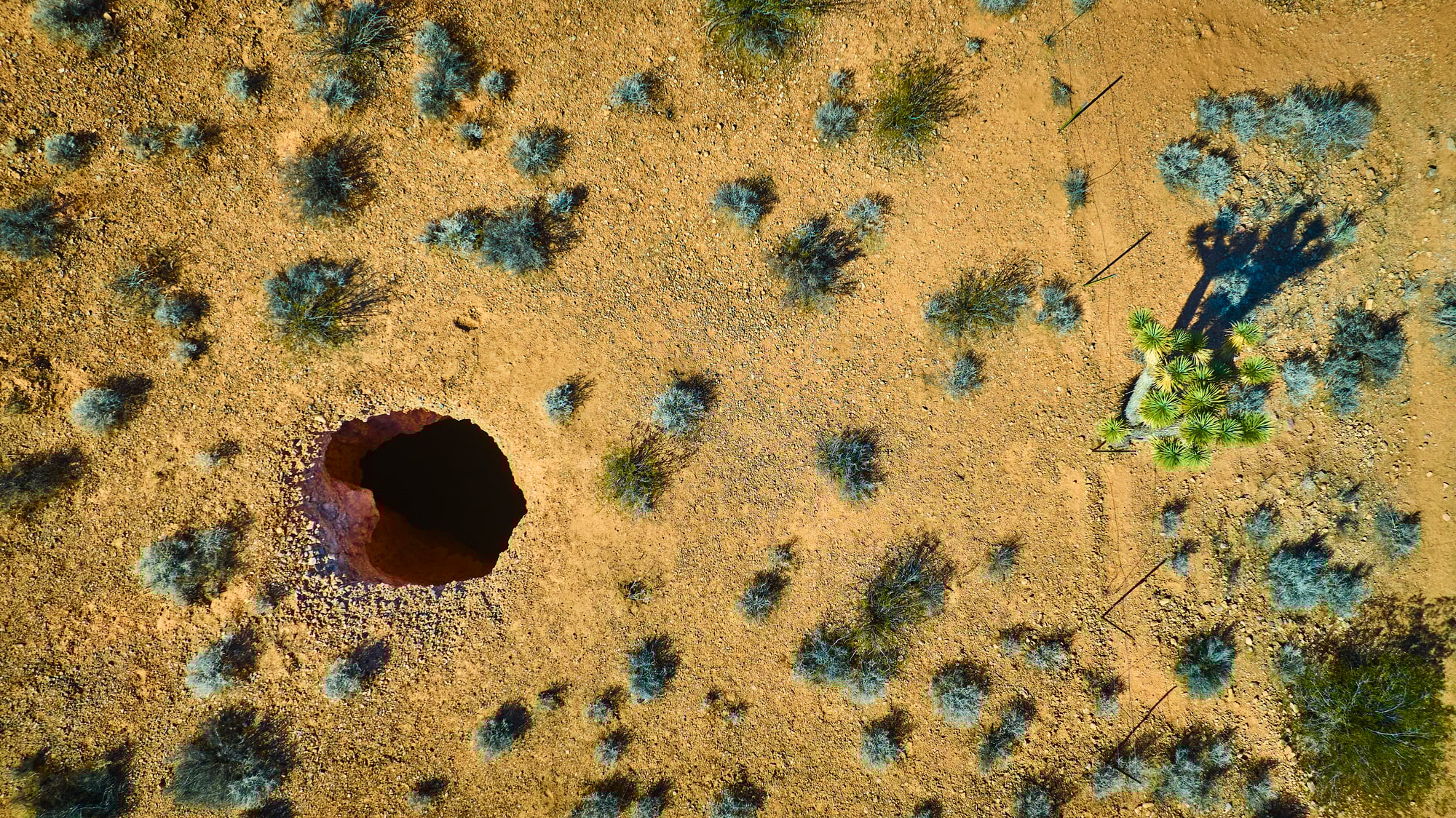
This geothermal cave in Nevada doesn’t look like much from the outside, but it contains a calcite formation that’s been growing underwater for over 500,000 years. The water temperature here stays incredibly stable at around 92 degrees Fahrenheit, which creates perfect conditions for preserving climate signals.
Scientists have used samples from this cave to challenge and refine our understanding of when ice ages started and ended. The formation here is so valuable that only specially trained divers are allowed to go near it.
Cueva de los Tayos
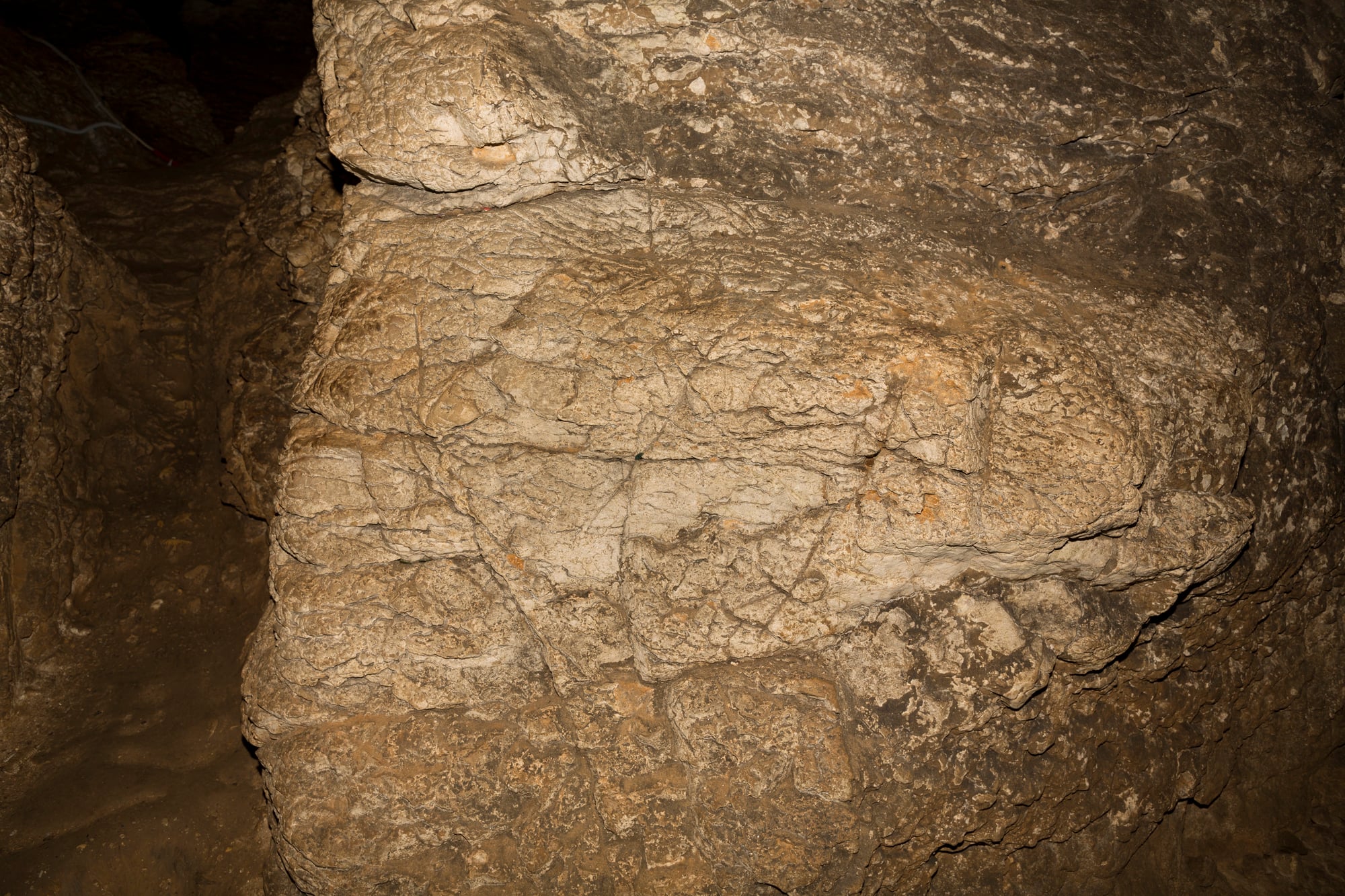
Deep in the Ecuadorian Amazon, this cave system holds records of how rainfall changed in one of the wettest places on Earth. The formations here grow extremely fast compared to caves in drier regions because of all the water dripping through the limestone.
Scientists studying this cave have discovered that the Amazon wasn’t always as wet as it is today. During ice ages, parts of the rainforest actually turned into grassland because rainfall dropped so dramatically.
Carlsbad Caverns
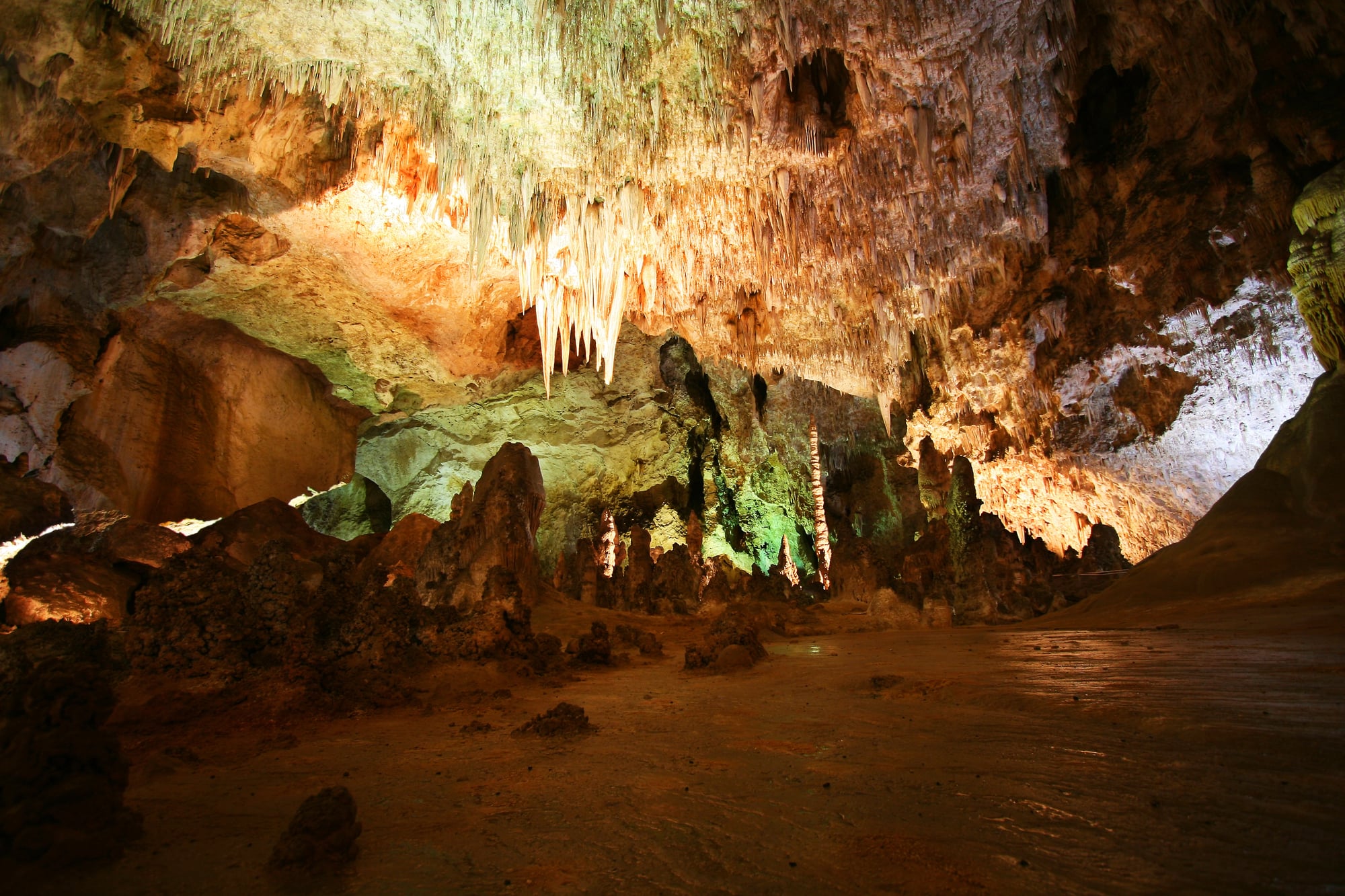
This famous New Mexico cave isn’t just a tourist destination. Researchers have found that the formations here contain detailed records of how the southwestern United States shifted between wet and dry periods over the past 500,000 years.
The cave is so large that it has different climate zones within it, and each zone preserves slightly different information. Some formations show that West Texas used to be much wetter during certain ice age periods, which seems backwards but makes sense when you understand how global weather patterns shifted.
Grotta di Ernesto
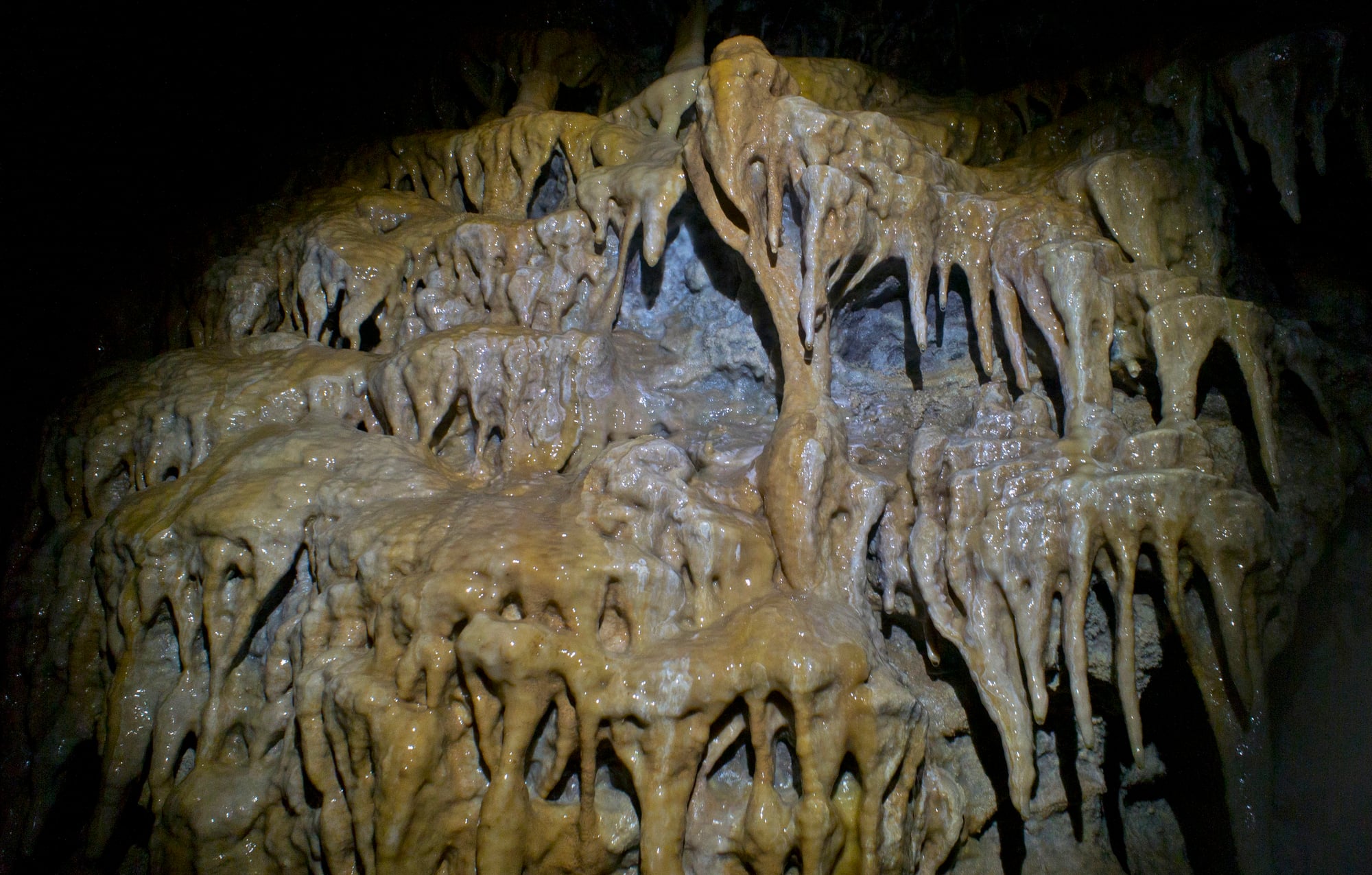
Hidden in the Italian Alps, this cave sits at a high elevation where modern climate change is happening faster than almost anywhere else on Earth. The stalagmites here are still actively growing, which means scientists can compare current growth patterns to ancient ones.
This cave has revealed that European temperatures during the last ice age were even colder than scientists originally thought. The formations also show evidence of rapid warming events that happened in just a few decades, not centuries.
Snežna Jama
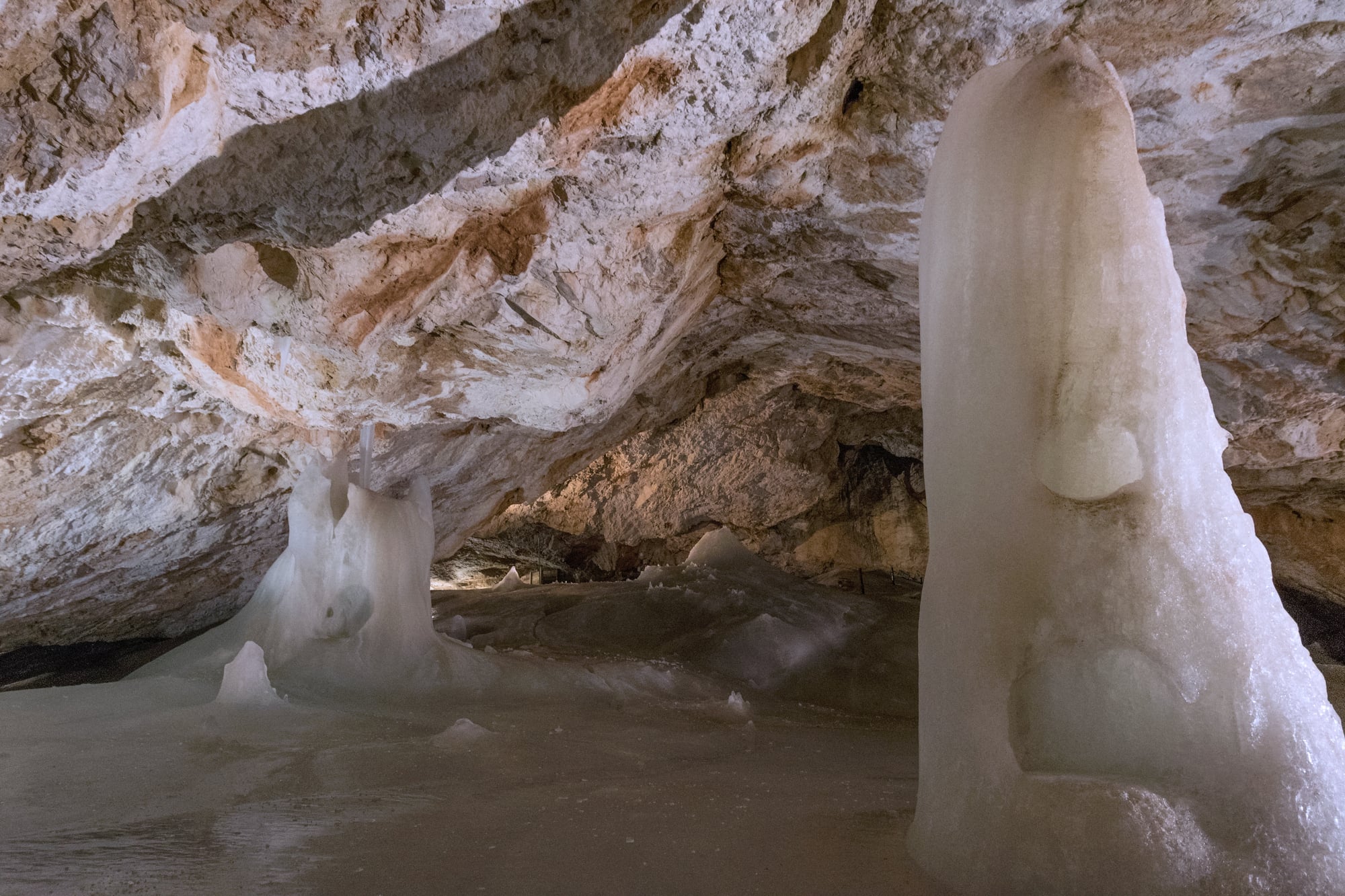
This Slovenian cave sits near the Adriatic Sea and captures climate signals from both Mediterranean and continental European weather systems. The formations here are particularly sensitive to temperature changes because the cave is close to the boundary where different air masses meet.
Scientists have used this cave to understand how European climate responded to changes in ocean currents, especially the Atlantic current that keeps Western Europe warmer than it should be based on latitude alone.
Dongge Cave
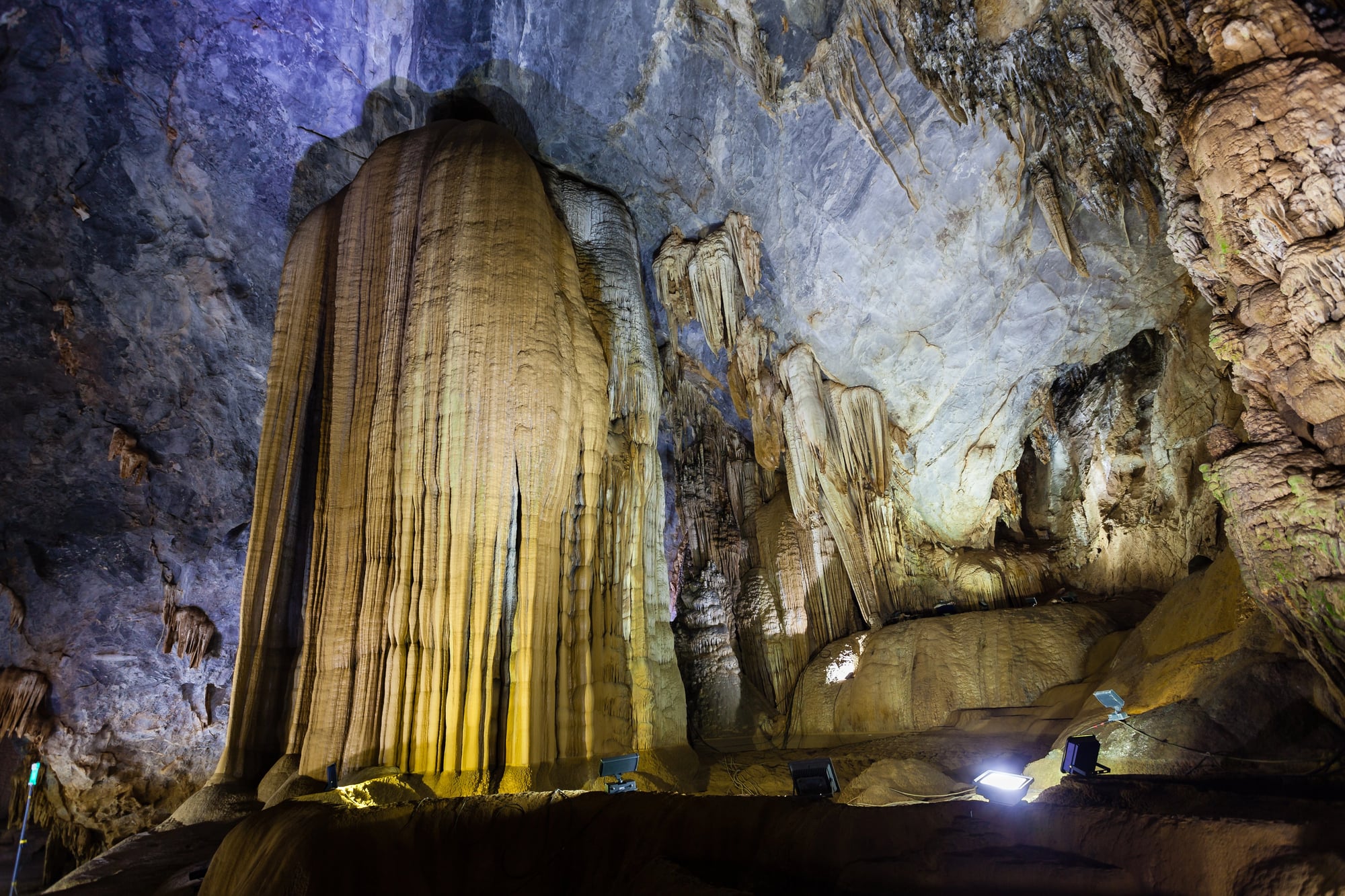
Located in southern China, Dongge Cave has provided some of the clearest evidence of how monsoons weakened during cold periods and strengthened during warm ones. The stalagmites here grow in layers that you can see with the unaided eye, almost like tree rings.
Researchers discovered that several ancient Chinese dynasties collapsed during periods when the monsoon failed and crops couldn’t grow. The cave basically acts as a warning system showing what happens when climate shifts happen too quickly for societies to adapt.
Cango Caves
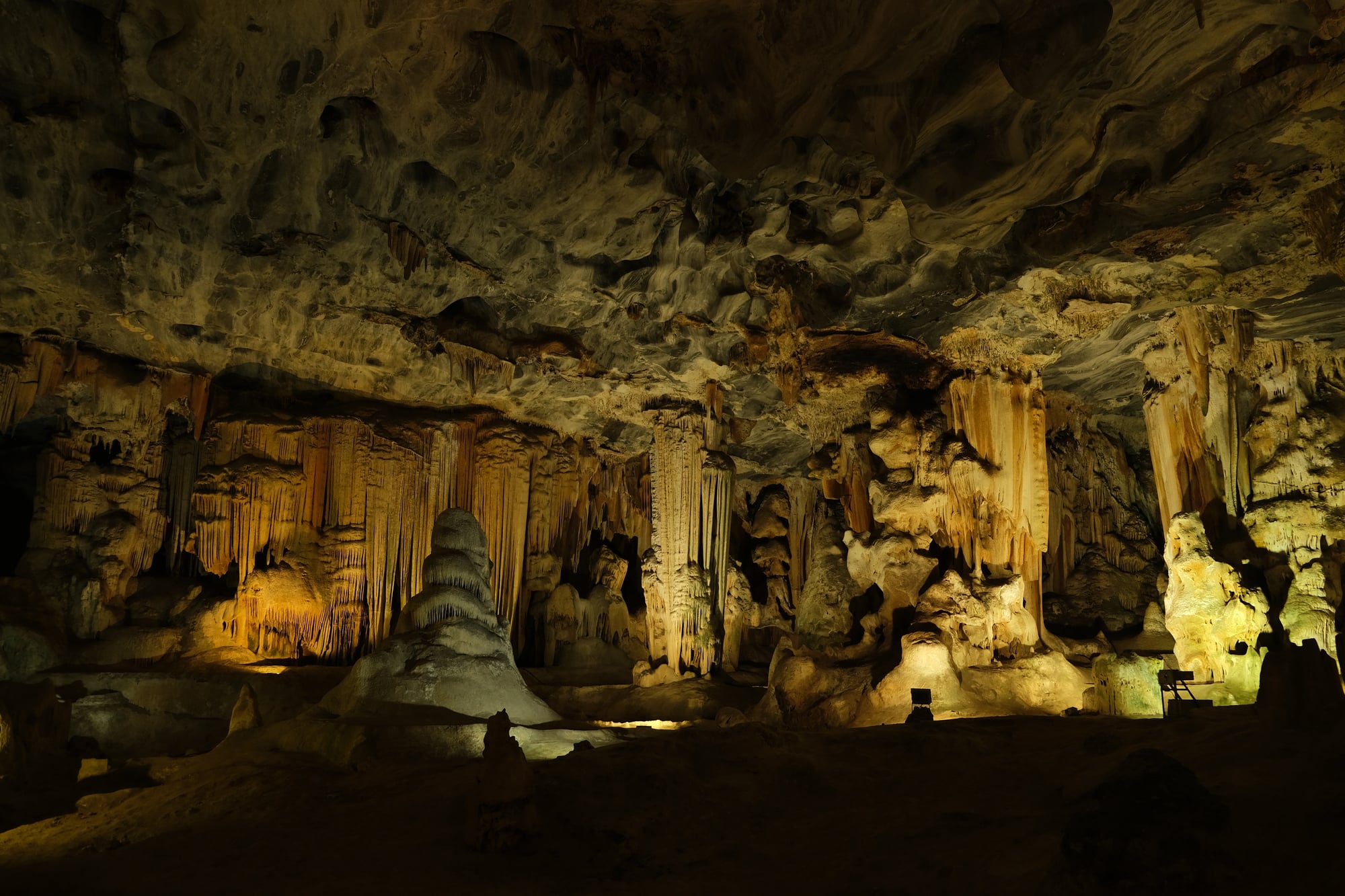
South Africa’s Cango Caves hold climate records from the Southern Hemisphere, which are much rarer than Northern Hemisphere records. The formations here show that South Africa’s climate didn’t always change in sync with the rest of the world.
During some periods when the north was cold, the south was relatively warm, and vice versa. This cave has helped scientists understand that climate change isn’t uniform across the globe.
Borneo caves
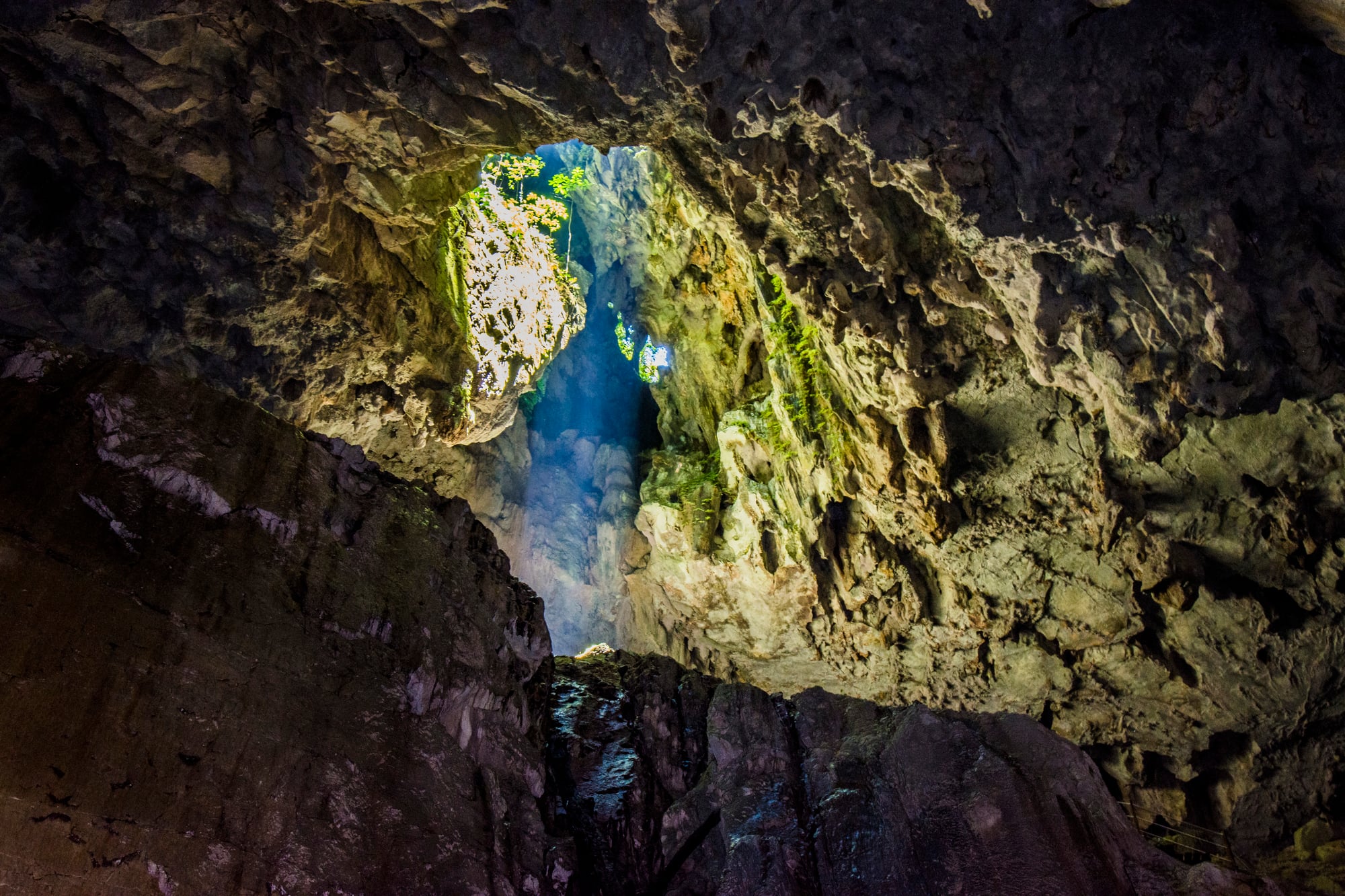
The cave systems scattered across this Southeast Asian island contain formations that have been growing for over 100,000 years in one of the most stable tropical climates on Earth. Scientists study these caves to understand what ‘normal’ looks like for tropical regions.
The formations show that even areas we think of as always hot and wet actually experienced significant changes in rainfall. Some periods saw 40% less rain than today, which would have dramatically changed the rainforest.
Oregon Caves
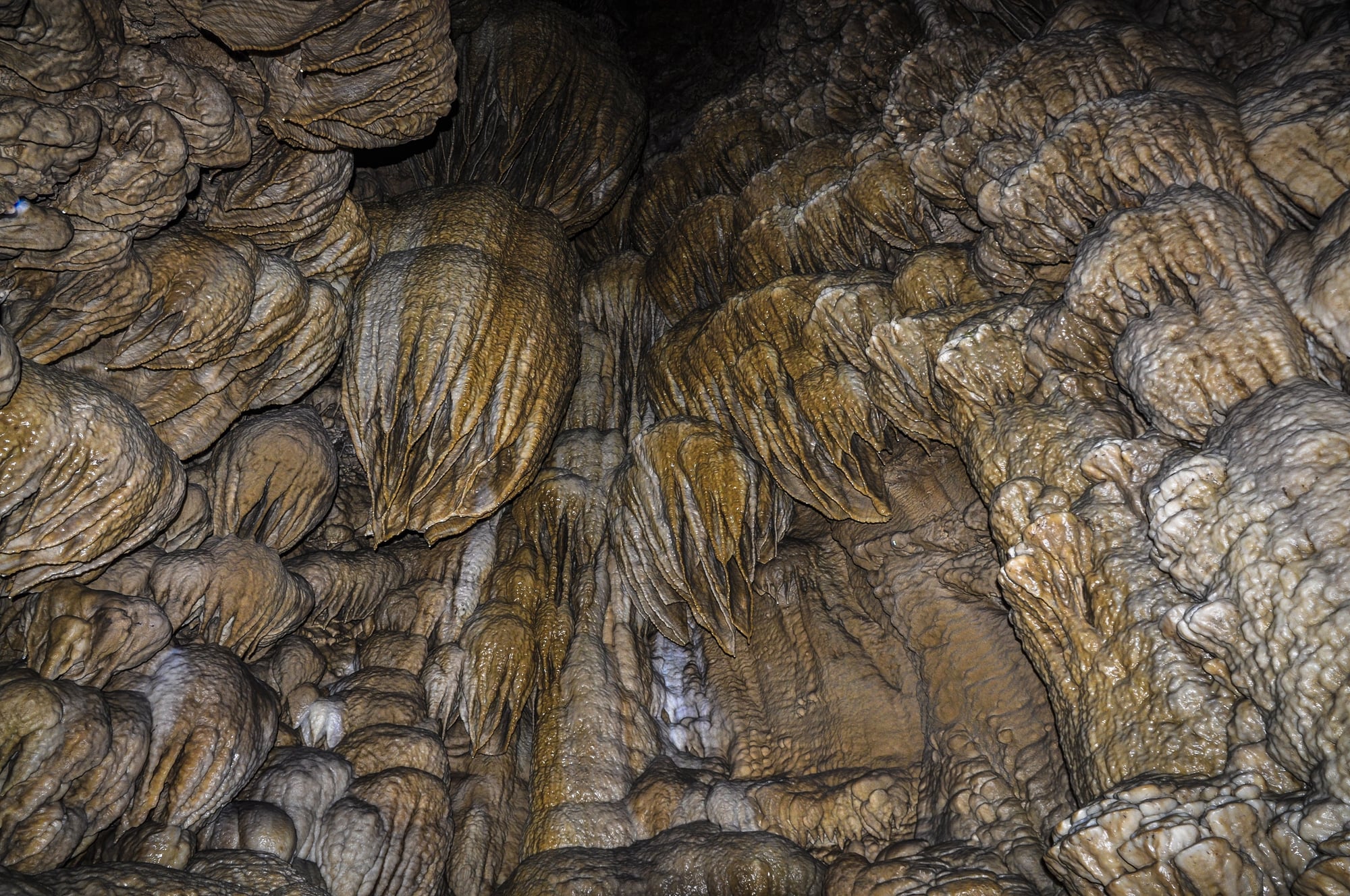
These caves in the Pacific Northwest preserve records of how rainfall patterns shifted along the West Coast of North America. The formations here are younger than many other climate caves, only going back about 380,000 years, but they’re extremely detailed.
Scientists have discovered that the Pacific Northwest experienced massive swings in precipitation, with some periods receiving twice as much rain as today. These caves also show evidence of volcanic eruptions from the Cascade Range, with ash layers embedded in the formations.
Yok Balum Cave
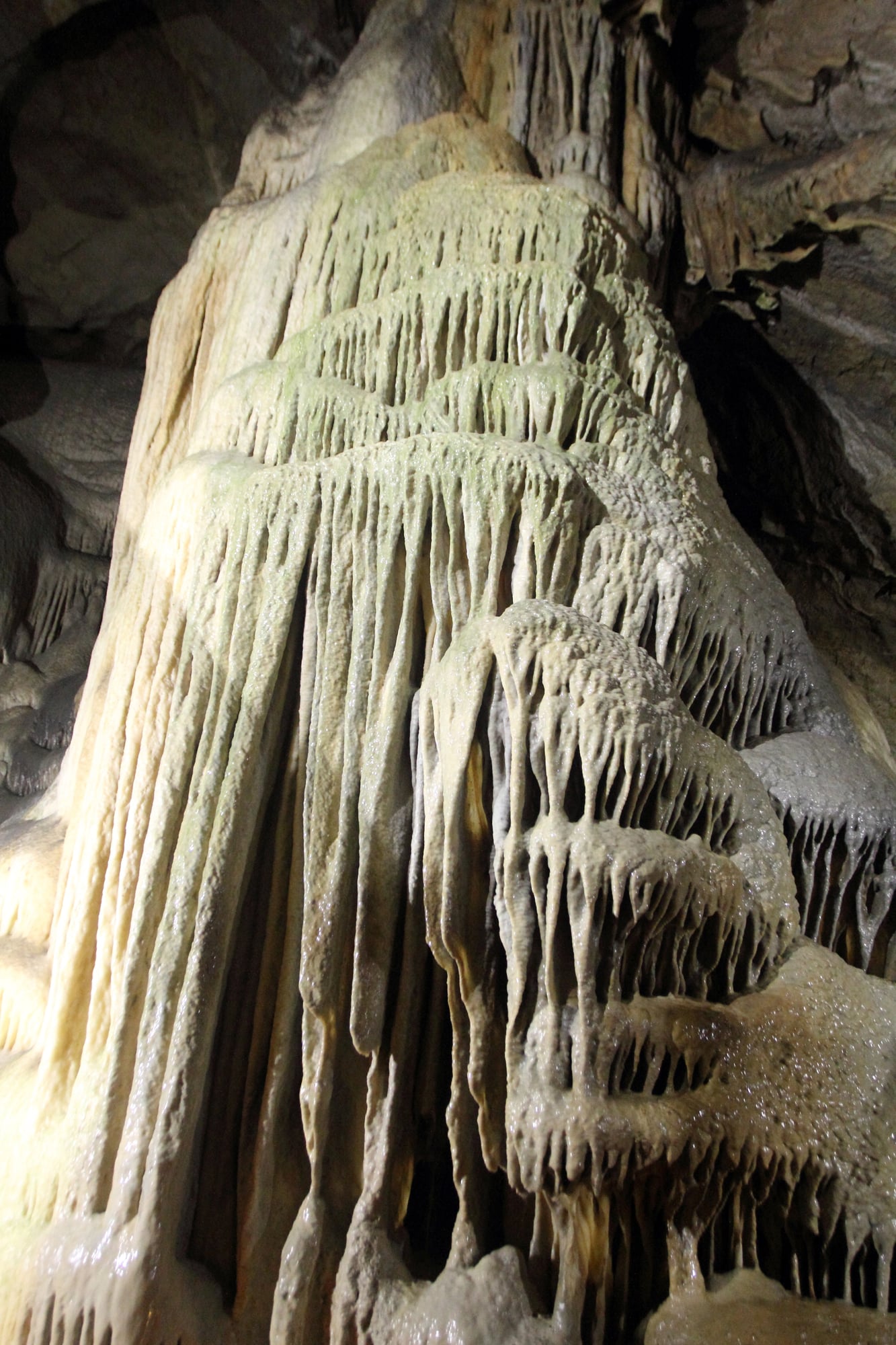
This cave in Belize sits in the heart of the ancient Maya territory and has revealed crucial information about why Maya civilization collapsed. The stalagmites here show that the region experienced a series of severe droughts between 800 and 1000 AD, right when Maya cities were being abandoned.
The droughts weren’t constant but came in waves, each lasting several decades. This pattern matches up with archaeological evidence of Maya cities being abandoned, partially reoccupied, and then abandoned again.
Bunker Cave
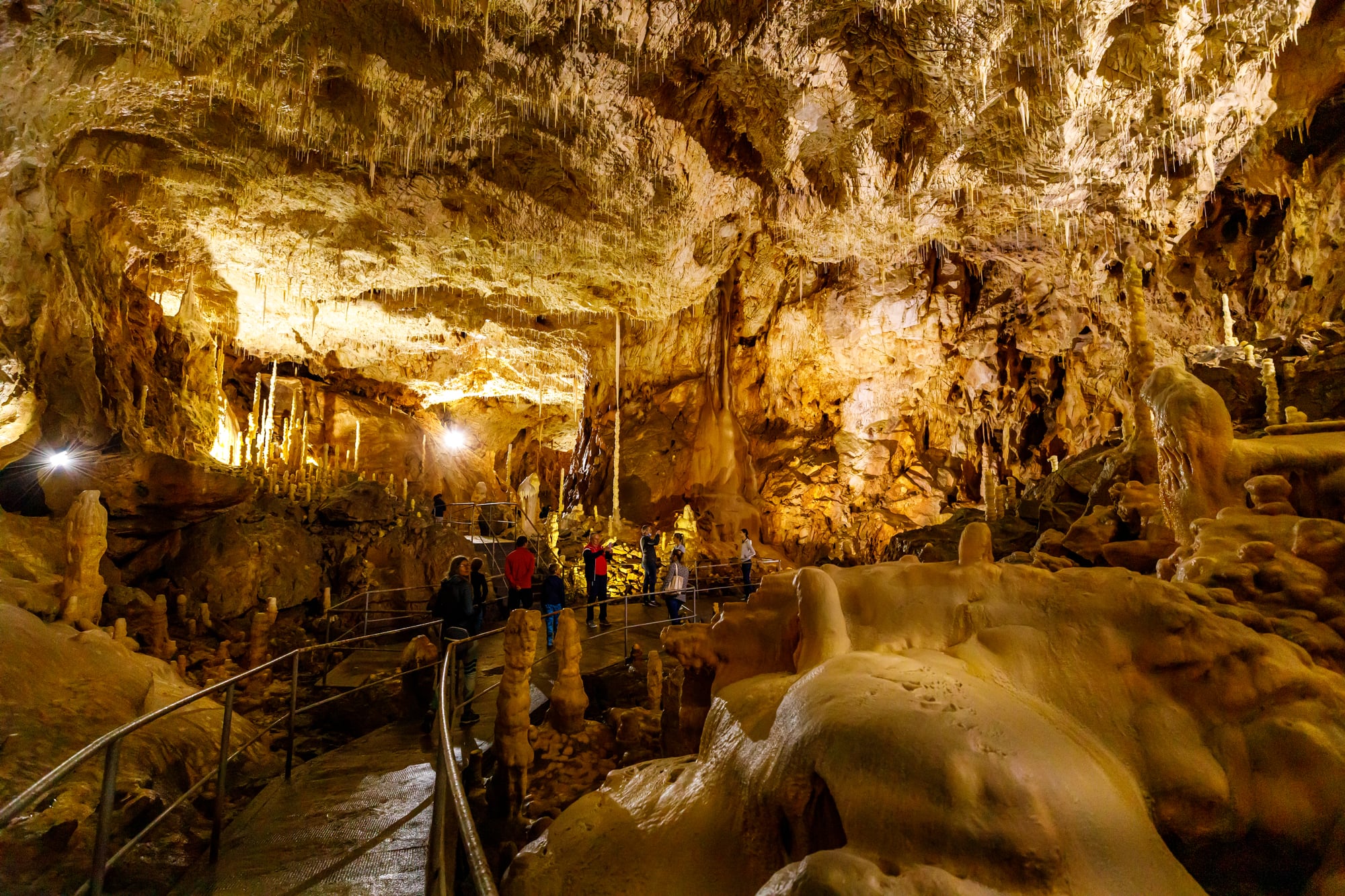
Located in western Germany, this cave has given scientists detailed information about the European climate during the last ice age. The formations here contain trapped air bubbles and organic material that provide multiple ways to reconstruct past temperatures.
Researchers discovered that central Europe experienced wild temperature swings during the ice age, with some warming events raising temperatures by 15 degrees Fahrenheit in less than 50 years. These rapid changes would have made life extremely difficult for early humans living in the region.
Thunderbird Cave
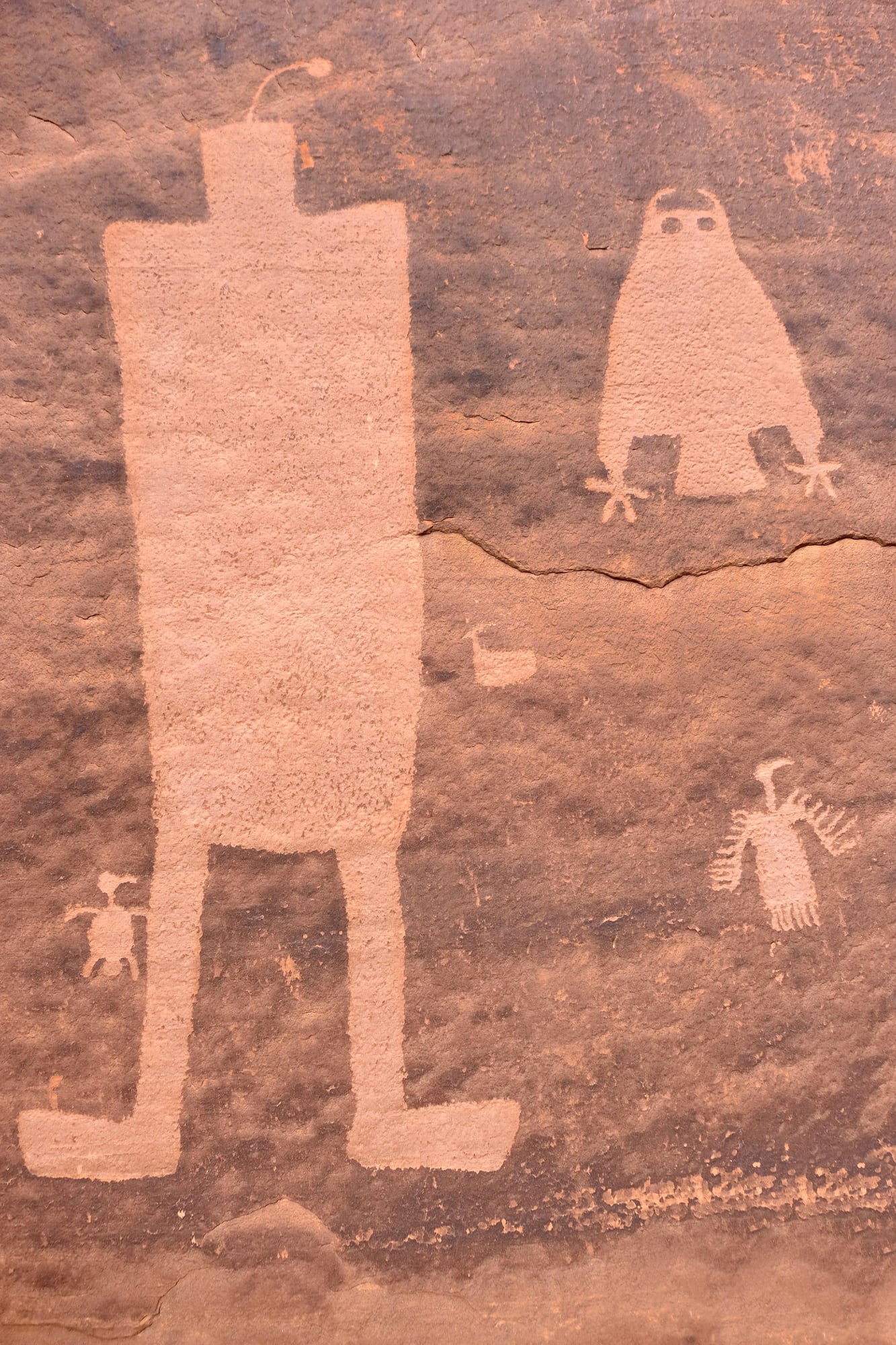
This Arizona cave sits in the Chiricahua Mountains and preserves climate records from the American Southwest going back 55,000 years. The formations here show that the region was much wetter during ice ages, with lakes and forests where desert exists today.
Scientists have used this cave to understand how Native American populations adapted as the climate dried out after the last ice age. The Southwest went from having reliable water sources to becoming one of the driest regions in North America.
Waitomo Caves
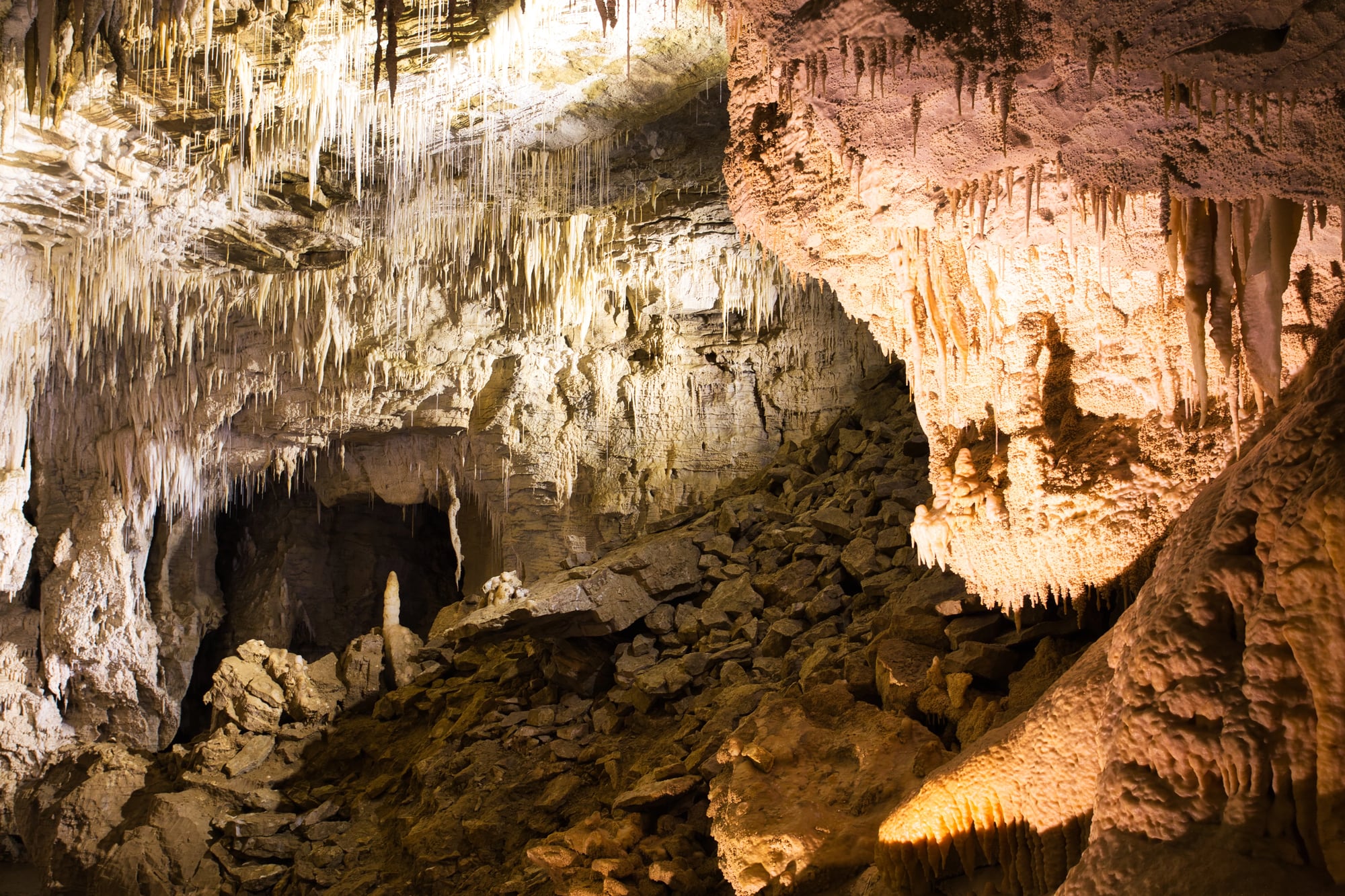
These New Zealand caves are famous for their glowworms, but they also contain important climate records from the Southern Hemisphere. The formations here show that New Zealand’s climate is heavily influenced by ocean temperatures in the surrounding Pacific Ocean.
When ocean temperatures changed, rainfall patterns on the islands shifted dramatically. Scientists have discovered that some periods experienced 60% more rainfall than today, which would have created very different ecosystems.
Brown’s Folly Cave
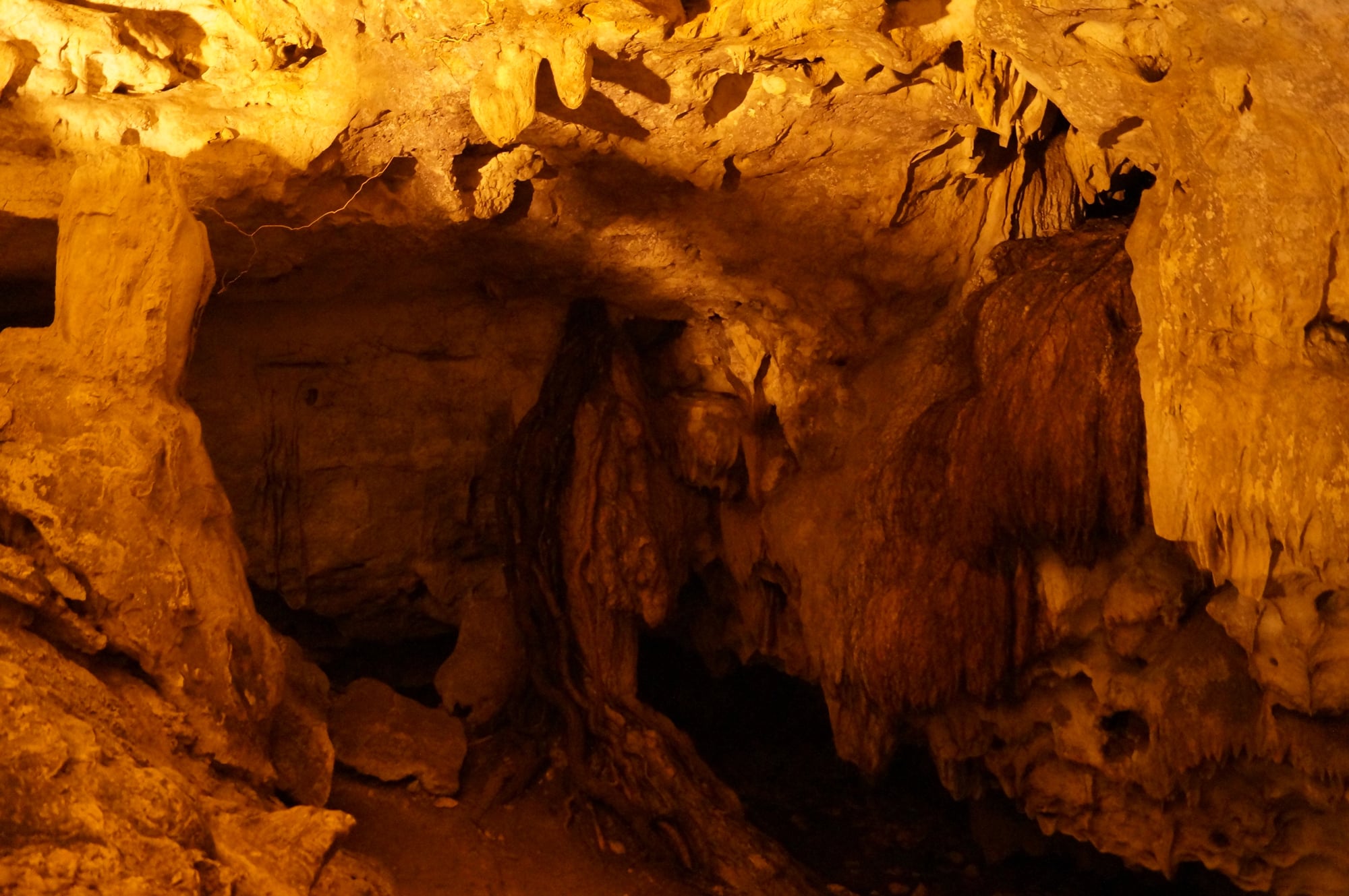
Deep inside a modest limestone chamber close to Bath, delicate rock shapes slowly built up over 130 millennia. That stretch spans the full duration of Earth’s most recent deep freeze along with today’s milder era.
Though compact in size, scientists keep returning to this site – it stays intact, simple to reach. Clues found in its layers revealed ancient Britain did not stay frozen throughout the glacial peak.
Instead, breaks in chill allowed woodlands to spread across the land. Some thawed stretches held on for thousands of years until frost took back control.
Leviathan Cave
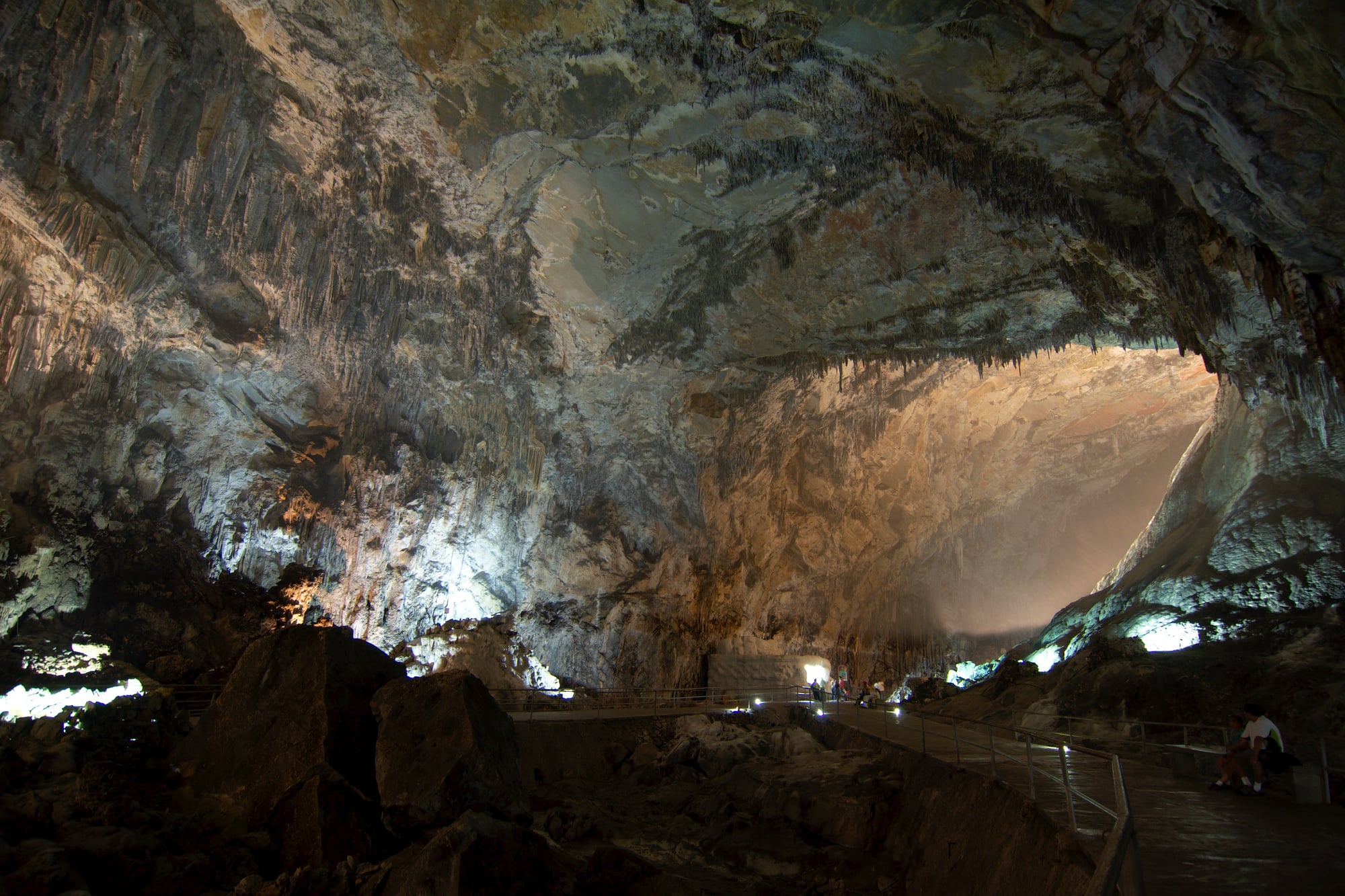
High up in Nevada, close to California, Leviathan Cave cuts through the Great Basin Desert at more than 7,000 feet. Inside its walls, mineral deposits hold clues about shifts in the Southwest’s climate when glaciers northward were breaking apart.
Moisture once reached deeper into this land, bringing heavier rains – flooding parts of the cavern now bone-dry. Because of these traces, experts can piece together how desert water patterns may shift again under today’s warming trends.
What lies beneath helps clarify what might come above.
Reading Earth’s diary
Down in the dark, ancient stories hide. Not on paper, but in rock – layer after layer built drop by drip over ages.
Every continent holds them, save one frozen land. Time slows here, letting crystals and minerals sketch a timeline rain cannot wash away.
Each ripple in limestone whispers temperature, drought, flood – from long before humans tracked seasons. New chambers open now and then, revealing chapters we never knew existed.
What sleeps beneath may sound like echoes, yet shapes tomorrow’s weather forecasts. As air warms above at an unusual pace, these silent vaults offer clues few expected to find.
Hidden below, truth grows without hurry.
More from Go2Tutors!

- The Romanov Crown Jewels and Their Tragic Fate
- 13 Historical Mysteries That Science Still Can’t Solve
- Famous Hoaxes That Fooled the World for Years
- 15 Child Stars with Tragic Adult Lives
- 16 Famous Jewelry Pieces in History
Like Go2Tutors’s content? Follow us on MSN.