Censored Artworks Throughout History That Were Later Celebrated as Masterpieces
Art has always lived in the crosshairs of controversy. What scandalizes one generation often becomes the pride of the next, hanging in museums where tourists snap selfies without knowing the battles fought for its survival.
The history of censorship reveals as much about society’s fears as it does about artistic courage. These works didn’t just survive their suppressors — they outlasted them entirely.
Olympia by Édouard Manet
Manet painted a prostitute and called her art. The 1863 Salon rejected it outright.
Two years later, when it finally hung in Paris, visitors tried to attack it with walking sticks and umbrellas. The painting violated every rule of acceptable female nudity.
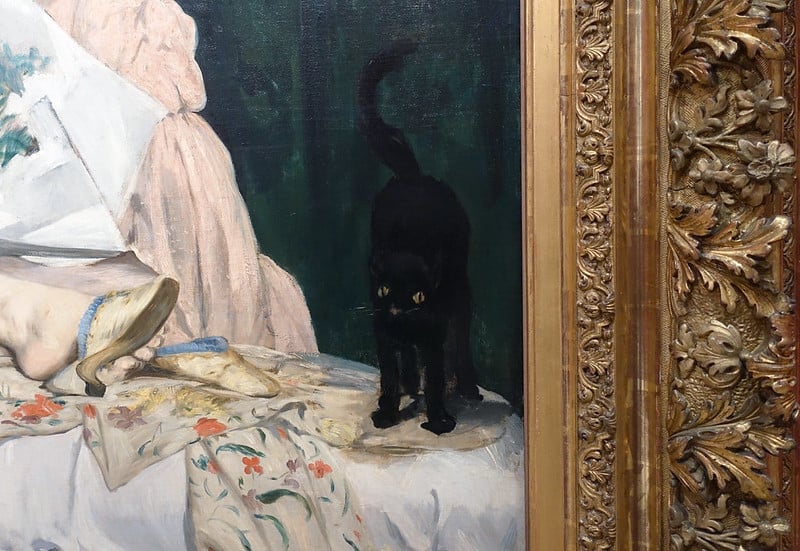
Instead of a goddess or mythological figure, Manet presented a working woman staring directly at viewers with unsettling confidence. Her Black maid brought flowers — likely from a client — while a black cat replaced the sleeping dog that traditionally symbolized fidelity.
Critics called it vulgar, immoral, and a degraded model. The public wanted it removed.
Today it hangs in the Musée d’Orsay as a cornerstone of modern art.
The Rite of Spring by Igor Stravinsky
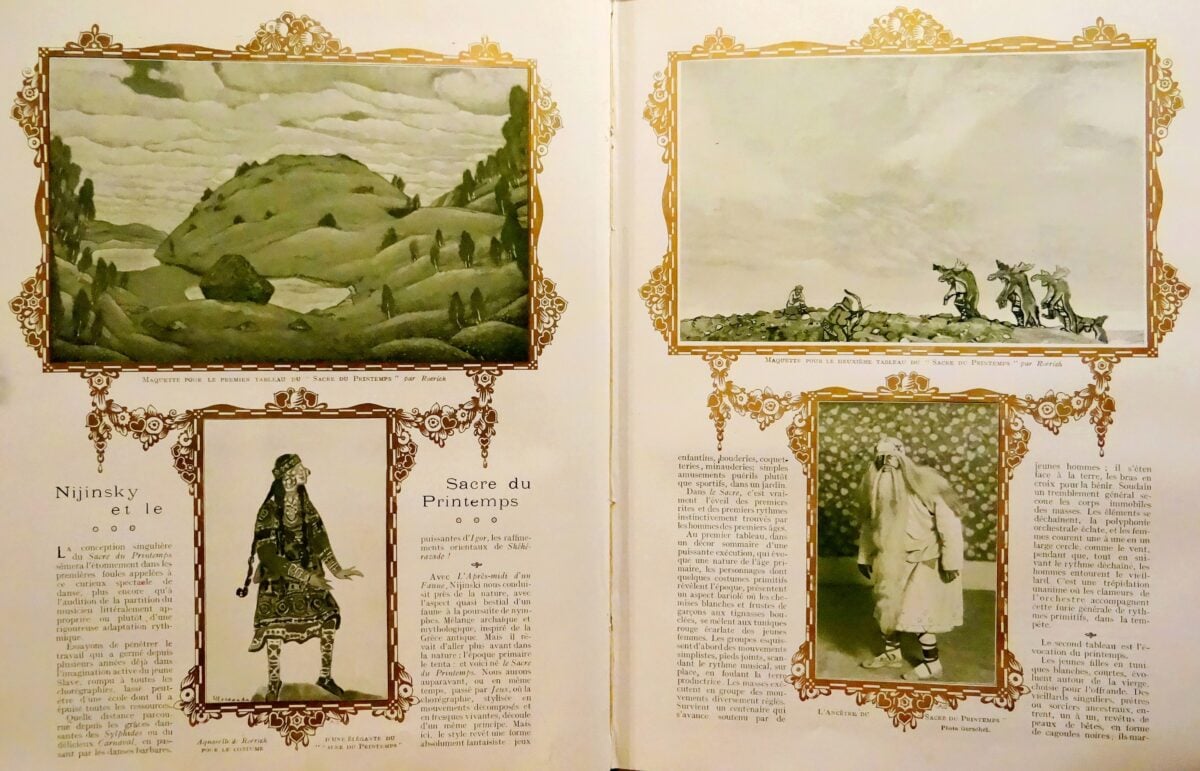
The music started, and Paris rioted. Not metaphorically — actual chairs flew through the Théâtre des Champs-Élysées on May 29, 1913, while Stravinsky’s ballet played to a crowd that had apparently come expecting something else entirely.
The problem wasn’t just the pounding rhythms or dissonant harmonies (though those certainly didn’t help), it was the entire assault on what ballet was supposed to be: the dancers stomped rather than glided, the story depicted primitive sacrifice rather than romantic fantasy, and the music — well, the music sounded like machinery having an argument with itself, which in 1913 was not what people paid good money to hear. But here’s the thing about riots in concert halls: they tend to indicate that something genuinely important is happening, something that’s shifting the ground beneath everyone’s feet in ways that won’t become clear until much later.
And Stravinsky’s masterpiece (because that’s what it turned out to be, despite the flying furniture) didn’t just shift musical ground — it cracked it open entirely. So naturally, within a few decades, it became one of the most performed and recorded pieces of the 20th century.
The riot became part of its legend.
Ulysses by James Joyce
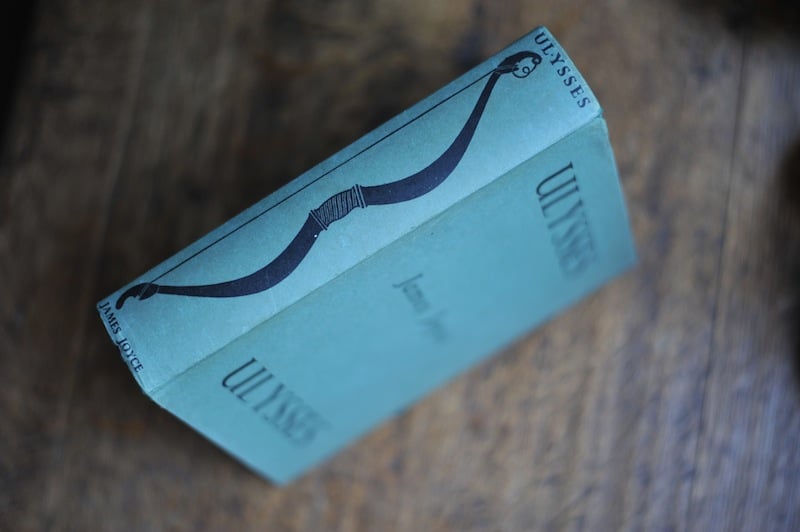
Like watching someone’s thoughts leak onto paper in real time — every mundane detail, every fantasy, every moment of doubt or desire that people usually keep locked away. Joyce’s novel follows Leopold Bloom through a single day in Dublin, but the journey takes readers through territories that 1922 censors found absolutely unacceptable.
The book was banned in the United States and Britain for over a decade. Copies were seized and burned.
The explicit passages, the stream-of-consciousness technique, the unflinching look at human consciousness in all its messy complexity — it all felt too raw, too honest for public consumption. What the censors missed was that Joyce wasn’t writing pornography.
He was mapping the human mind with unprecedented precision. The frank identity, the wandering thoughts, the moments of beauty emerging from ordinary experiences — this was literature trying to capture life as it actually felt rather than as it was supposed to feel.
Lady Chatterley’s Lover by D.H. Lawrence
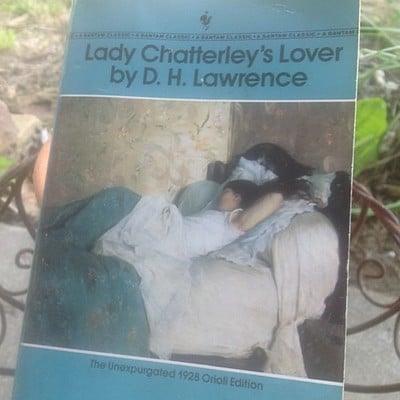
Lawrence wrote about desire like it mattered. Not as sin or shame, but as something essential to being fully human.
British authorities disagreed and banned the novel for thirty years. The explicit relationship between aristocratic Constance Chatterley and her gamekeeper Mellors violated class boundaries as much as moral ones.
Lawrence described their physical connection in language that was frank without being crude, passionate without being exploitative. Prosecutors argued the book would corrupt readers.
The 1960 obscenity trial became a cultural watershed, with literary experts defending the novel’s artistic merit. The acquittal marked a turning point in both censorship law and social attitudes toward literature that dealt honestly with human relationships.
The Origin of the World by Gustave Courbet
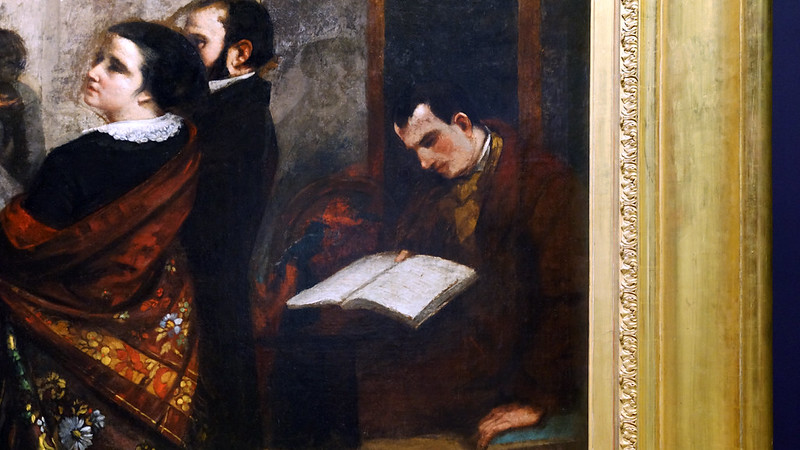
Courbet painted exactly what the title suggests, and people have been arguing about it ever since. The 1866 work shows the female form with an anatomical directness that museums still handle carefully, often keeping it in separate rooms with warning signs.
The painting was commissioned by a Turkish diplomat, hidden away for decades, passed through private collections, and seized by the Nazis before eventually finding its way to the Musée d’Orsay. Facebook famously banned users for posting images of it as recently as 2011.
What makes the work more than mere provocation is Courbet’s technical mastery and his refusal to romanticize or idealize. He painted the human body as a fact rather than a fantasy.
The controversy reveals more about viewers’ discomfort with unmediated reality than about any flaw in the art itself.
Areopagitica by John Milton
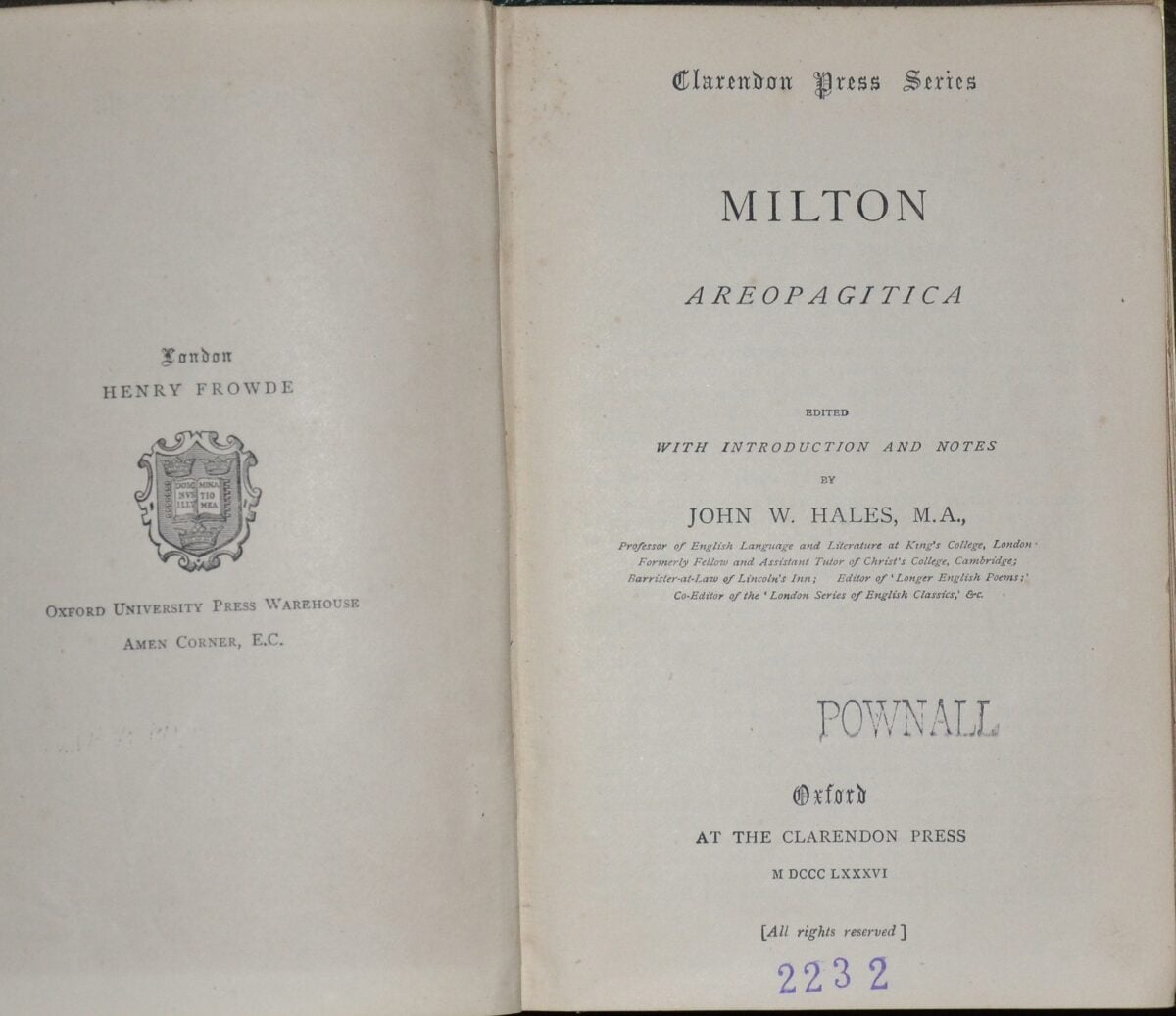
Before he wrote Paradise Lost, Milton argued for something radical: the right to publish without government permission. His 1644 pamphlet challenged England’s licensing laws that required official approval for all printed materials.
The government had banned Milton’s earlier writings on divorce, prompting him to defend free expression itself. Areopagitica argued that truth emerges through open debate rather than official decree, that bad ideas should be defeated by better ideas rather than suppression.
Parliament ignored the pamphlet and maintained licensing for another fifty years. But Milton’s arguments became foundational to later concepts of press freedom and intellectual liberty.
The work that couldn’t be legally published became one of history’s most influential defenses of the right to publish freely.
Leaves of Grass by Walt Whitman
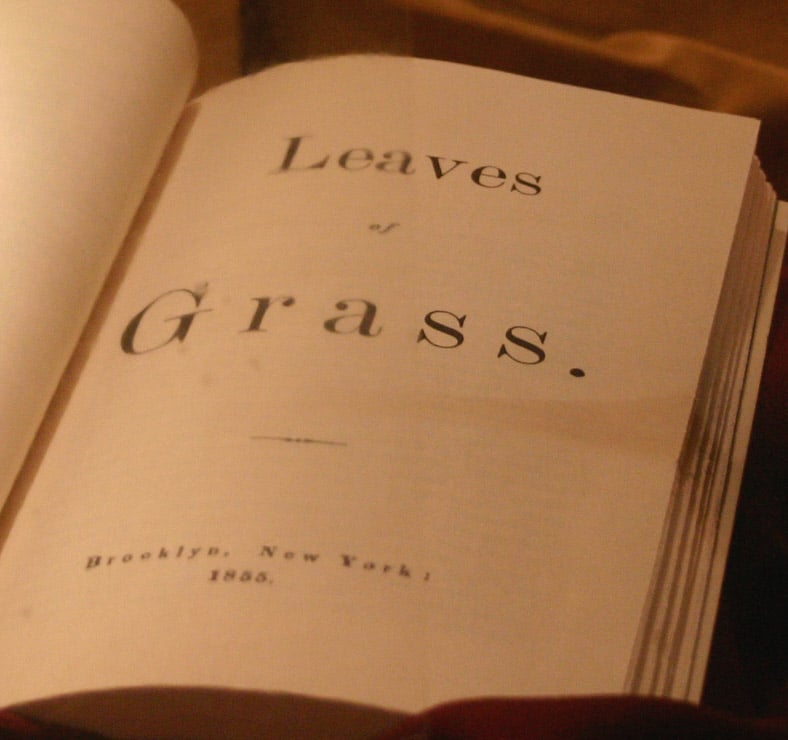
Whitman celebrated the human body with an enthusiasm that made 19th-century America deeply uncomfortable. The 1855 first edition of his poetry collection was called obscene, immoral, and unfit for decent society.
Bookstores refused to carry it. Critics denounced its frank identity and unconventional free verse.
Whitman’s joyful embrace of physical existence, his democratic vision of American life, his refusal to separate body from soul — all of it violated literary and moral conventions. The poet kept revising and republishing despite continued censorship.
Boston banned the 1881 edition, forcing Whitman to find a Philadelphia publisher. What scandalized the Victorian era became the foundation of modern American poetry.
A Clockwork Orange by Anthony Burgess
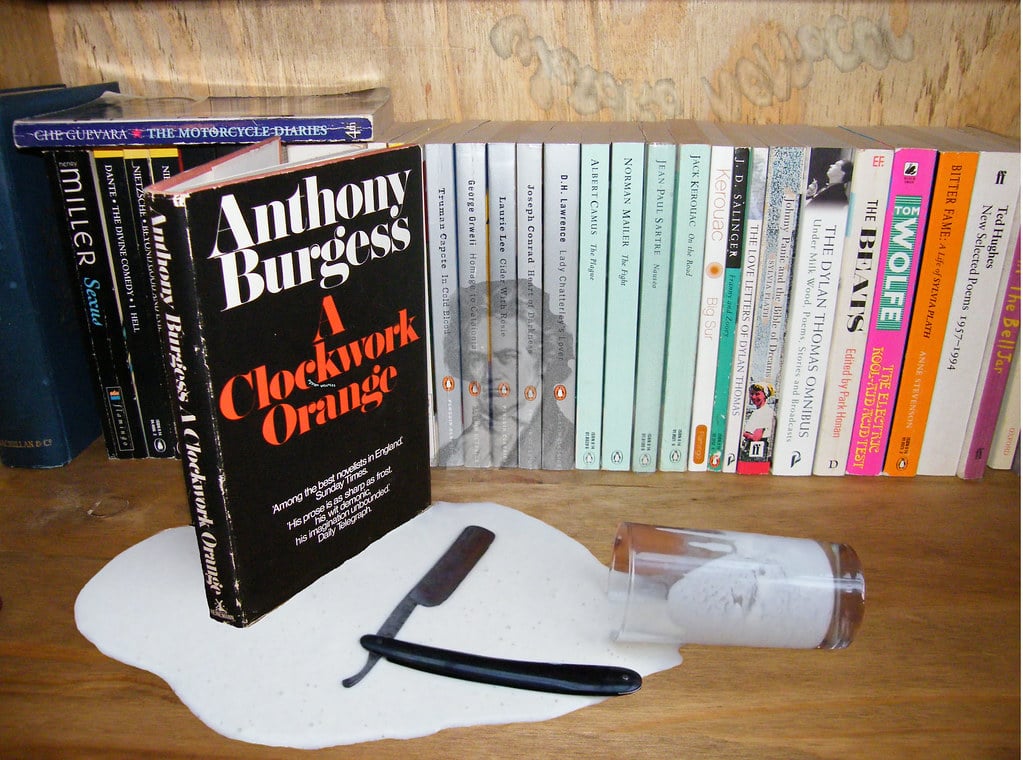
Violence as ballet, performed by teenagers who speak in invented slang and commit horrors with artistic precision (Burgess created a language that made brutality sound almost musical), the novel forces readers to confront uncomfortable questions about free will, moral choice, and whether society has the right to eliminate evil by eliminating choice itself. And then there’s the central paradox that Burgess embedded in his dystopian vision: Alex, the protagonist, is simultaneously a monster and the most vital character in the book, someone whose capacity for evil is inseparable from his capacity for aesthetic appreciation, his love of Beethoven existing alongside his appetite for “ultraviolence.”
So when the state steps in to cure him through psychological conditioning, turning him into a clockwork orange (something organic made mechanical), the reader faces an impossible question: is a world without evil worth having if it means a world without authentic moral choice? But the book’s journey from banned text to literary classic reveals something about how society learns to handle difficult art.
The initial censorship wasn’t entirely wrong — the novel is disturbing, challenging, designed to make readers uncomfortable. It just took time for people to understand that discomfort was the point.
Madame Bovary by Gustave Flaubert
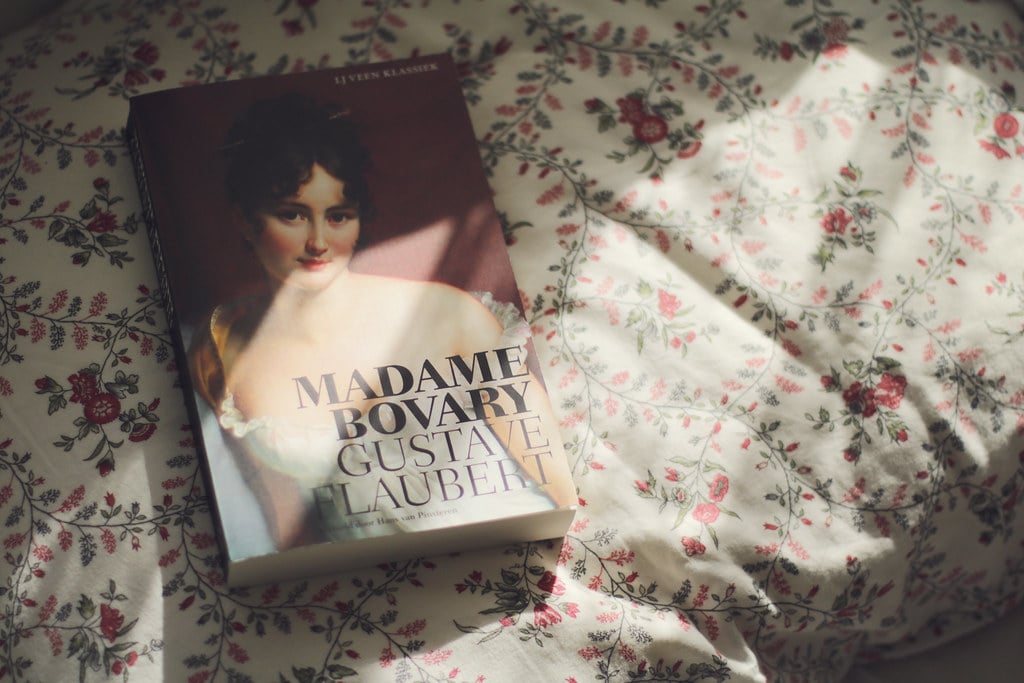
Flaubert put a bored housewife at the center of literature and nearly went to prison for it. Emma Bovary’s adultery and materialism violated every standard of moral fiction, prompting the French government to prosecute both author and publisher for offenses against public morality.
The novel’s realism was the real scandal. Instead of punishing Emma’s sins through melodramatic justice, Flaubert examined her desires with clinical detachment.
He neither condemned nor celebrated her choices but presented them as consequences of social circumstances and personal psychology. The 1857 trial ended in acquittal, with judges acknowledging the work’s literary merit despite moral reservations.
The publicity made Flaubert famous and established the novel’s reputation. What prosecutors saw as dangerous moral relativism became a cornerstone of modern literary realism.
The Awakening by Kate Chopin
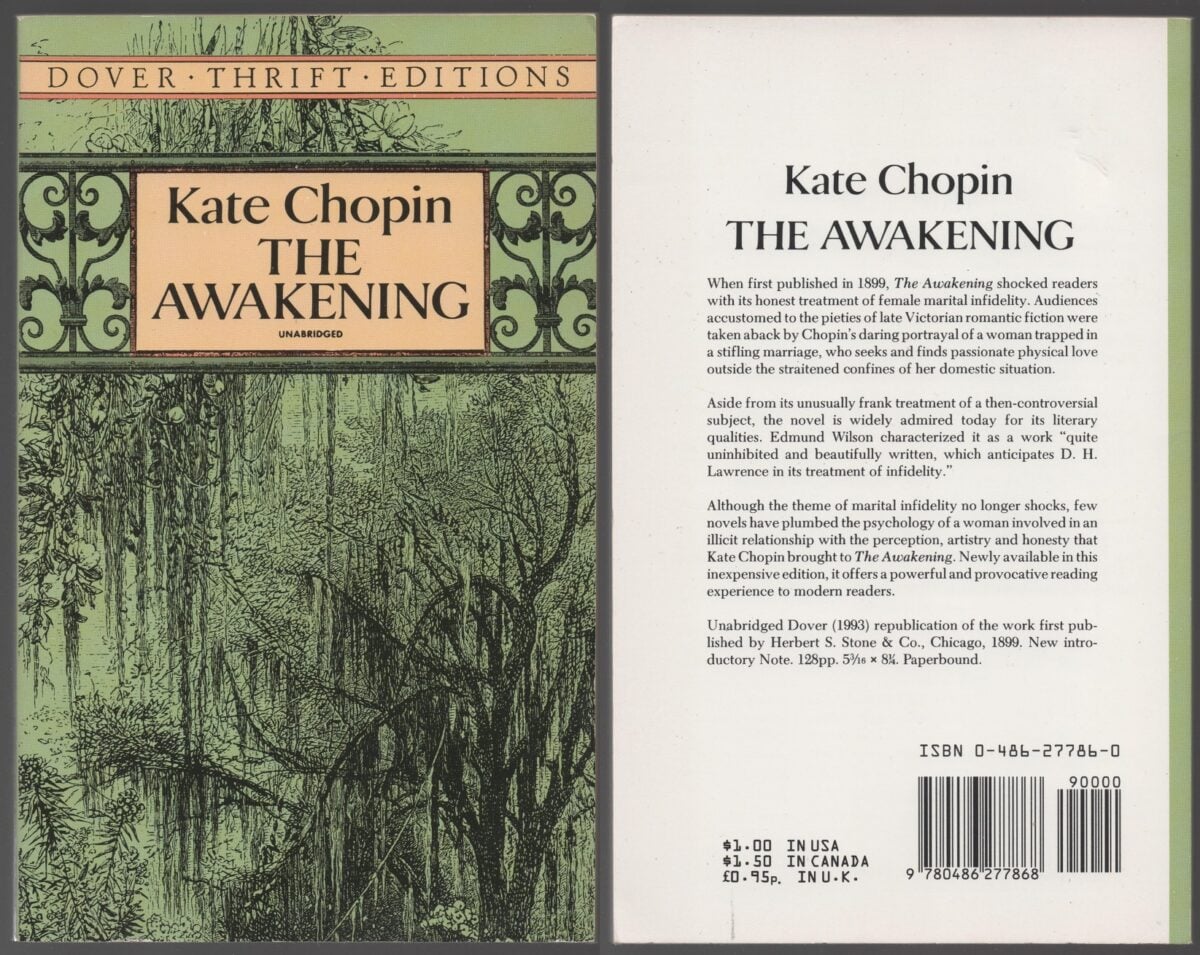
Chopin wrote about a woman who wanted more than marriage and motherhood offered. In 1899, that was enough to end careers.
Edna Pontellier’s gradual awakening to her own desires, her rejection of conventional roles, her final tragic choice — critics found it all deeply offensive. The novel suggests that some people aren’t built for the lives society expects them to live, that personal fulfillment might matter more than social obligation.
For late Victorian America, this was dangerous thinking, especially when applied to women. Libraries banned the book.
Critics savaged it. Chopin’s publisher cancelled her next collection.
The novel disappeared from public attention for over seventy years before feminist scholars rediscovered its psychological sophistication and narrative power. The awakening that scandalized one era became essential reading for the next.
The Satanic Verses by Salman Rushdie
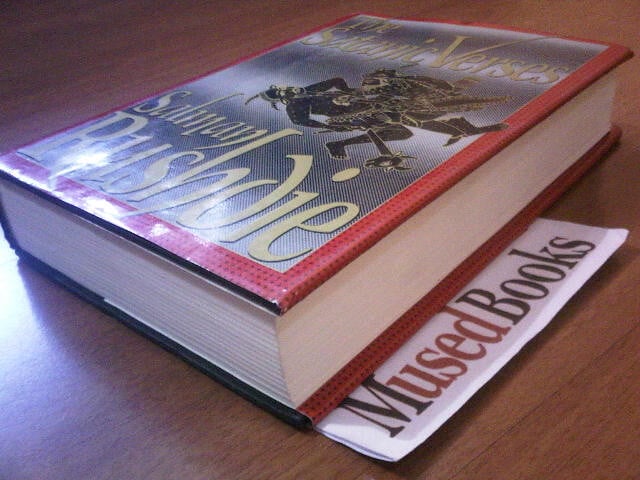
Rushdie wrote a magical realist novel and received a death sentence from Iran’s religious leader. The 1988 book’s irreverent treatment of Islamic themes prompted worldwide protests, book burnings, and the author’s decade in hiding under police protection.
The novel blends dream sequences with historical fiction, challenging religious narratives through postmodern literary techniques. What some readers saw as blasphemous satire, others recognized as sophisticated examination of faith, doubt, and cultural identity in a globalized world.
The controversy overshadowed the book’s literary qualities for years. Only as tensions subsided could readers approach it as fiction rather than religious provocation.
The Booker Prize judges included it on their “Best of the Best” list, recognizing artistic achievement separate from political impact.
American Psycho by Bret Easton Ellis
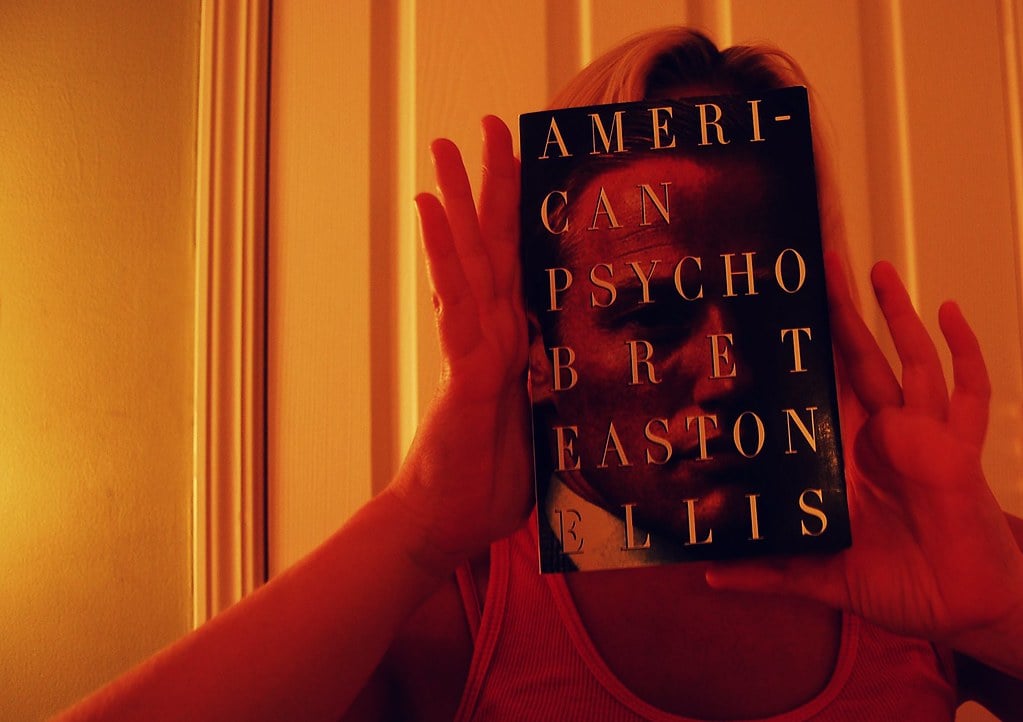
Ellis held up a mirror to 1980s consumer culture and showed something monstrous staring back. His 1991 novel about Patrick Bateman, a Wall Street executive whose materialism coexists with serial murder, was too graphic for many publishers and too satirical for comfortable reading.
The extreme violence serves a satirical purpose, connecting consumer obsession with human disposability. Ellis presents a character who treats brand names and torture with identical precision, suggesting uncomfortable parallels between capitalism and cruelty.
Publishers dropped the book. Feminists protested its depiction of violence against women.
Critics debated whether it was brilliant social satire or exploitative trash. Time has clarified the novel’s satirical intent and cultural significance, though it remains deliberately difficult reading.
In the Realm of the Senses by Nagisa Oshima
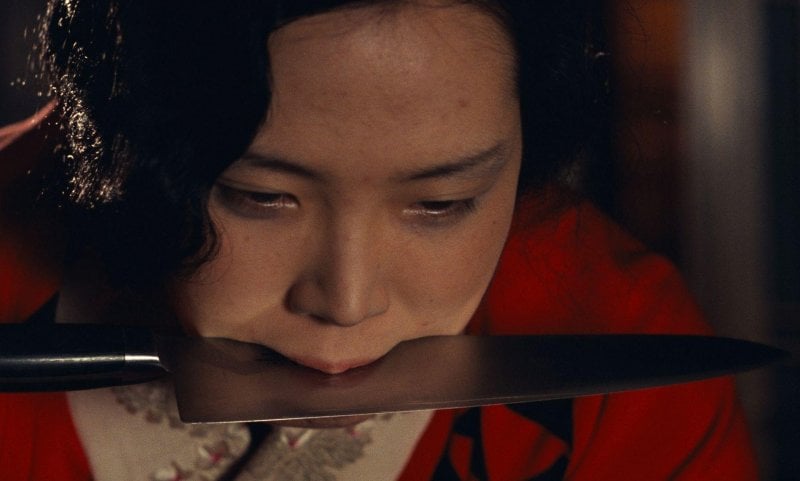
Oshima made a film about obsessive love that governments couldn’t categorize or control. The 1976 Japanese-French production depicted real rather than simulated intimacy, blurring lines between art cinema and explicit material in ways that confused censors worldwide.
The film was banned in Japan, heavily cut in most countries, and seized by customs officials. Based on a true story of obsession ending in death, it challenged assumptions about what cinema could show and how it could show it.
Critics recognized the film’s artistic seriousness despite or because of its explicit content. The careful cinematography, the tragic narrative structure, the exploration of passion taken to destructive extremes — these elevated the material beyond mere provocation to genuine cinematic achievement.
The Jungle by Upton Sinclair
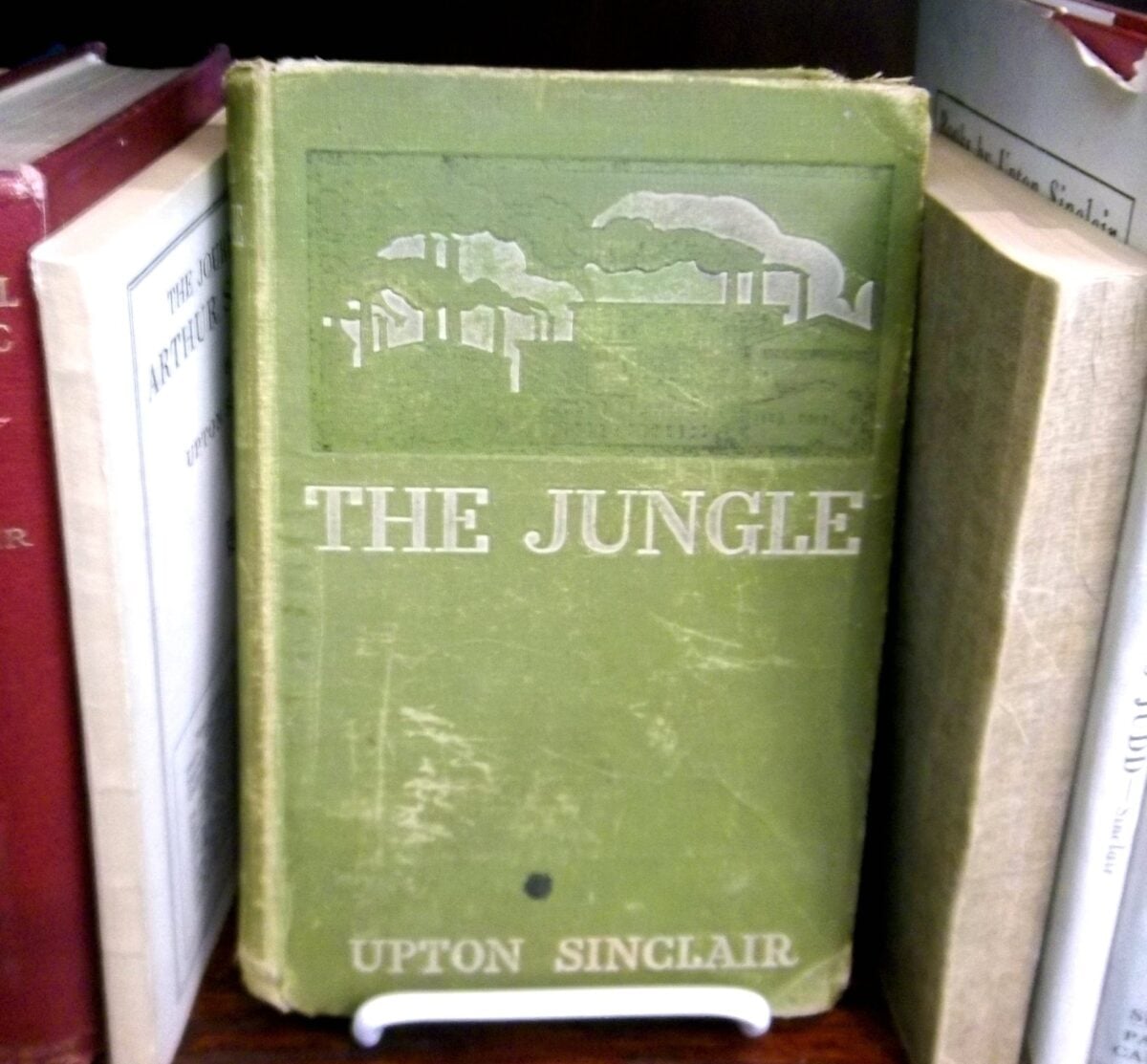
Sinclair wrote a novel about immigrant workers and accidentally created a food safety crisis. His 1906 exposé of Chicago’s meatpacking industry was more effective than he intended, but not in the way he hoped.
The book’s graphic descriptions of unsanitary conditions, worker exploitation, and contaminated food products horrified readers. President Theodore Roosevelt ordered investigations that led to federal food safety legislation within months of publication.
Industry leaders tried to suppress the book, calling it exaggerated socialist propaganda. But Sinclair had researched his subject carefully, spending weeks in the stockyards documenting conditions firsthand.
The novel’s political impact proved its factual accuracy, even as critics dismissed its literary merit.
120 Days of Sodom by Marquis de Sade
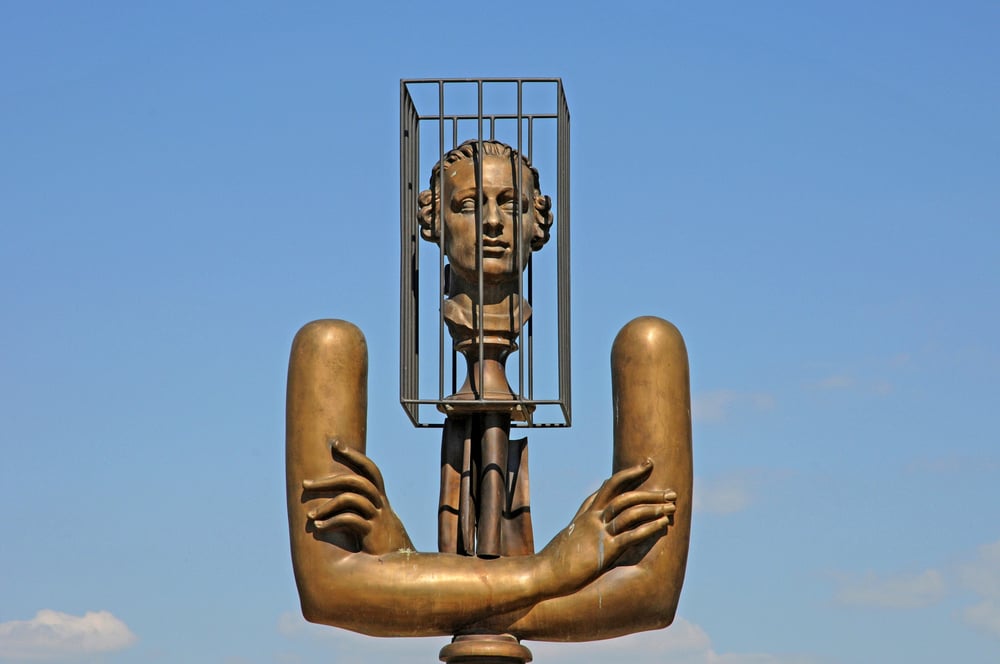
— Photo by packshot
De Sade wrote the unthinkable and created a philosophical problem that literature still hasn’t solved. His 1785 novel catalogs every form of human cruelty with systematic thoroughness, challenging readers to consider whether absolute freedom includes the freedom to destroy others.
The manuscript was lost during the French Revolution, rediscovered in the 20th century, and remains difficult to obtain in many countries. Its extreme content makes rational discussion nearly impossible, yet serious critics recognize its influence on later examinations of power, control, and human nature.
The book’s philosophical implications outlast its shock value. De Sade’s systematic exploration of evil anticipated modern concerns about totalitarianism, the psychology of oppression, and the relationship between freedom and responsibility.
What began as scandalous literature became essential reading for understanding darker aspects of human capability.
The Power of Now
Art doesn’t wait for permission to matter. The works that survive censorship share something beyond mere controversy — they capture truths that official culture wasn’t ready to acknowledge.
Whether depicting human desire, questioning authority, or revealing uncomfortable realities about society, these banned books, paintings, and films forced conversations that needed to happen. The pattern repeats across centuries and cultures: suppress the work, miss its significance, then eventually recognize what the censors couldn’t see.
What appears dangerous to one generation becomes essential to the next. The controversy fades, but the art endures — which suggests that truth, however uncomfortable, has a way of making itself known.
More from Go2Tutors!

- The Romanov Crown Jewels and Their Tragic Fate
- 13 Historical Mysteries That Science Still Can’t Solve
- Famous Hoaxes That Fooled the World for Years
- 15 Child Stars with Tragic Adult Lives
- 16 Famous Jewelry Pieces in History
Like Go2Tutors’s content? Follow us on MSN.