Chilling Secrets Of the Cecil Hotel in Los Angeles
Most hotels want you to sleep peacefully. The Cecil Hotel in downtown Los Angeles had other plans entirely.
For nearly a century, this towering structure has collected stories that most establishments would prefer to bury. But the Cecil never hid from its darkness—it seemed to embrace it, becoming one of America’s most notorious addresses along the way.
A Foundation Built On Tragedy
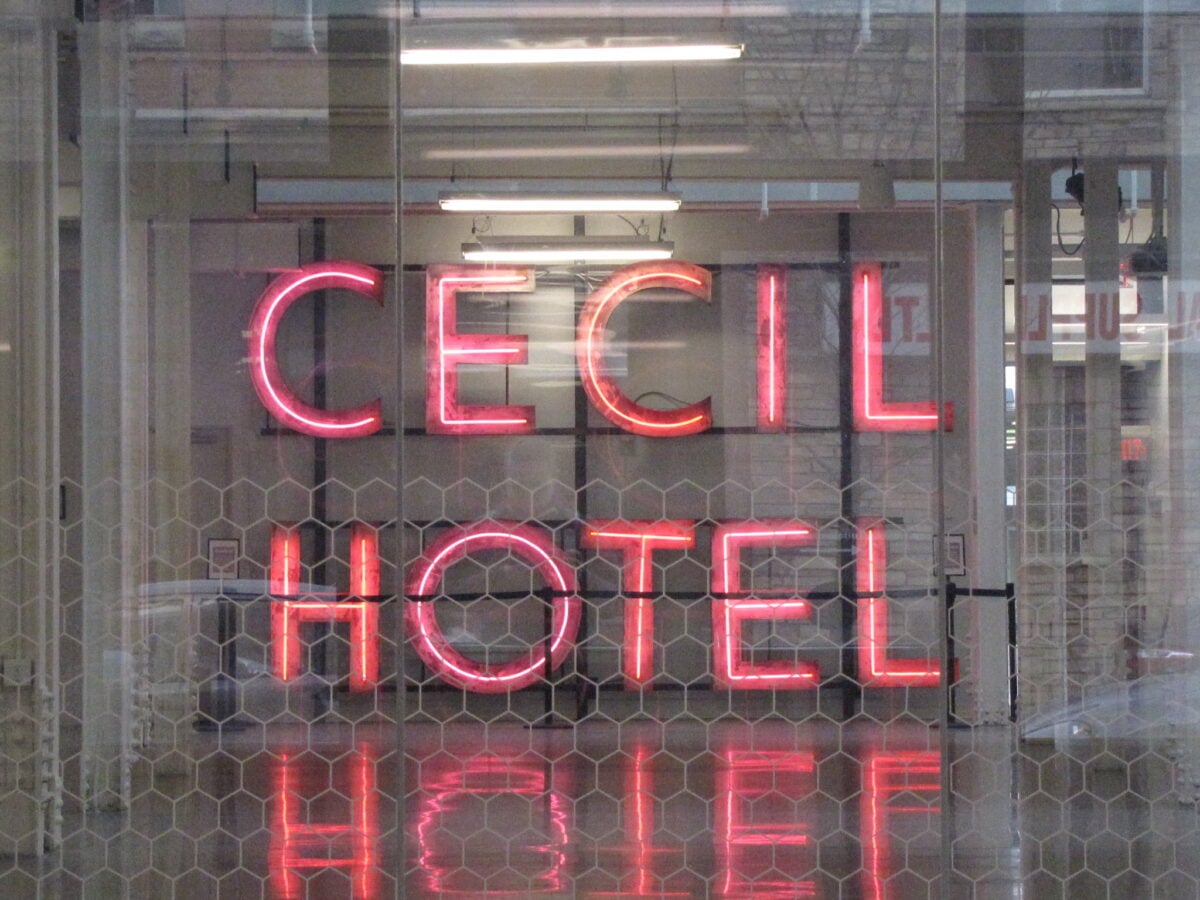
The Cecil opened its doors in 1924 with grand ambitions. Those ambitions died quickly.
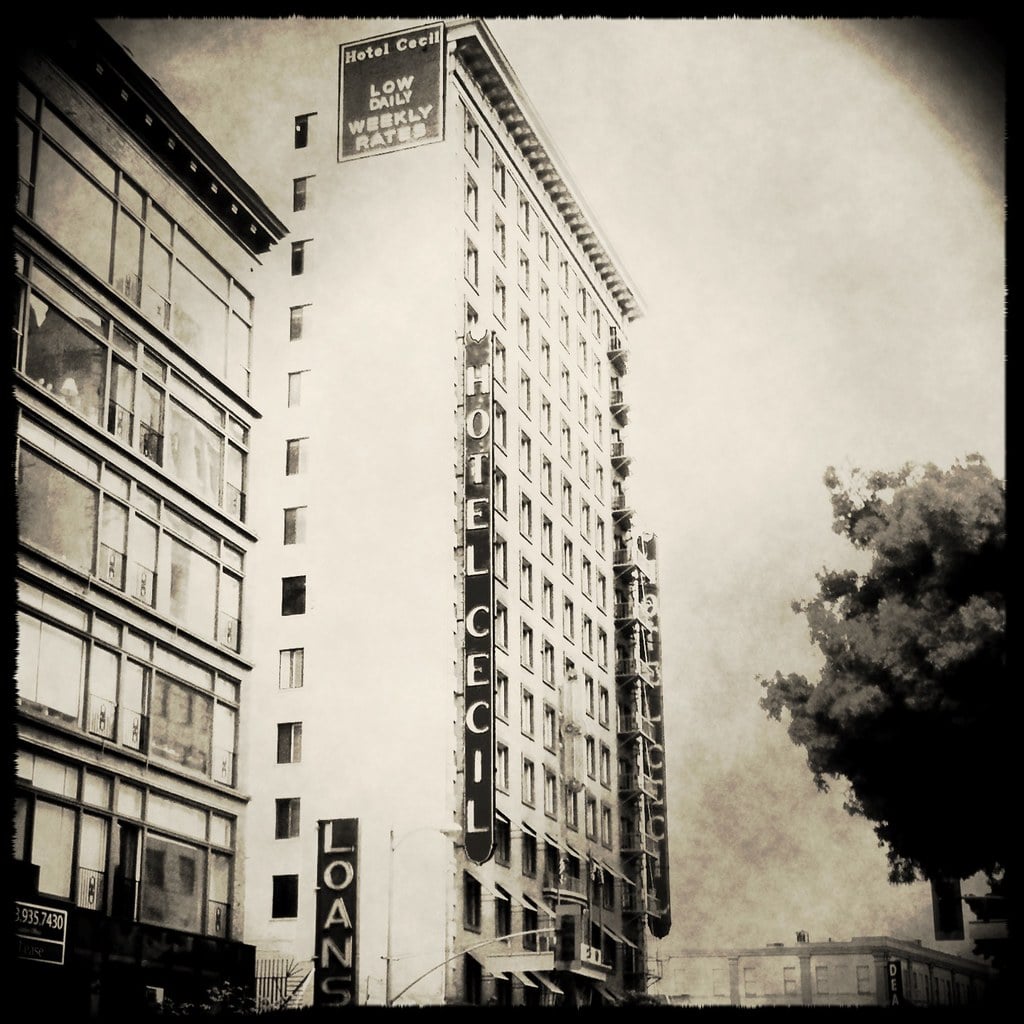
By the 1950s, the hotel had already earned a reputation that respectable travelers avoided. The building itself hadn’t changed—fourteen floors of unremarkable rooms—but something about the place attracted trouble like a magnet draws metal.
The Skid Row Location
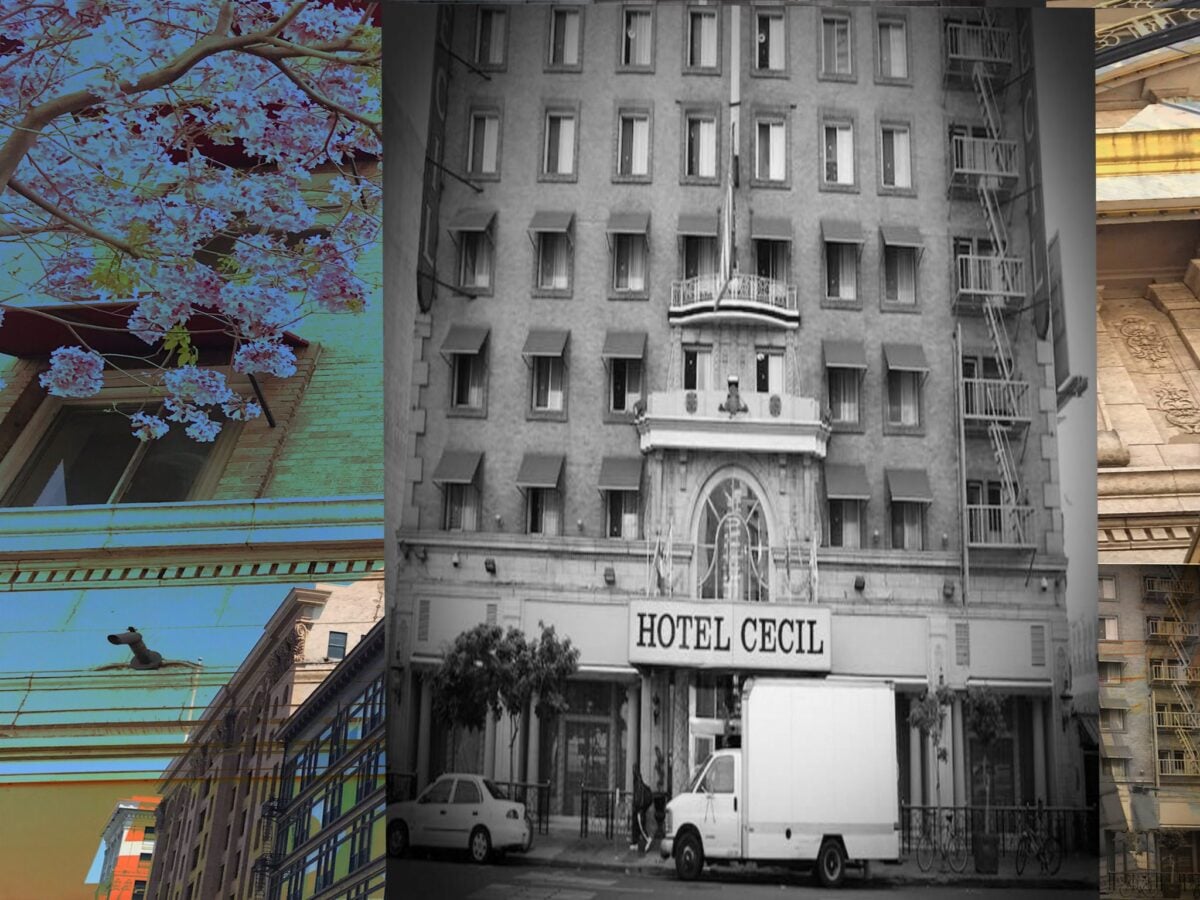
Geography matters more than most people realize. Desperation has a way of seeping through walls.
When you place a budget hotel in the heart of human suffering, the building absorbs more than just cig smoke and worn carpet smells.
Serial Killers Called It Home

Here’s what makes the Cecil different from other troubled hotels: it didn’t just house one serial killer, it collected them like some people collect stamps. Richard Ramirez (the Night Stalker) lived on the fourteenth floor during his 1985 killing spree, and Jack Unterweger, an Austrian journalist who turned out to be murdering women while writing about crime, stayed there in 1991.
The hotel management didn’t know, of course—but that almost makes it worse, because it suggests the Cecil was the kind of place where someone covered in blood could walk through the lobby without raising eyebrows.
The Elisa Lam Mystery
Think of the Cecil as a puzzle box that occasionally reveals its contents (though never in ways that provide real answers), and Elisa Lam’s death becomes both the hotel’s most famous mystery and its most disturbing metaphor for how places can swallow people whole. The 21-year-old Canadian student was found dead in the hotel’s rooftop water tank in 2013, but not before security cameras captured her final moments in an elevator—pressing buttons frantically, stepping in and out, gesturing at something or someone outside the frame.
And yet the footage raises more questions than it answers: the elevator doors never close during her strange behavior, as if the building itself was watching. Her death was ruled accidental drowning with bipolar disorder as a contributing factor, but explanations don’t always explain away the feeling that something essential remains hidden.
The water tank discovery came only after hotel guests complained about low water pressure and a strange taste. People had been drinking, bathing in, and brushing their teeth with water from Lam’s makeshift tomb for weeks.
A History Of Self-Harm
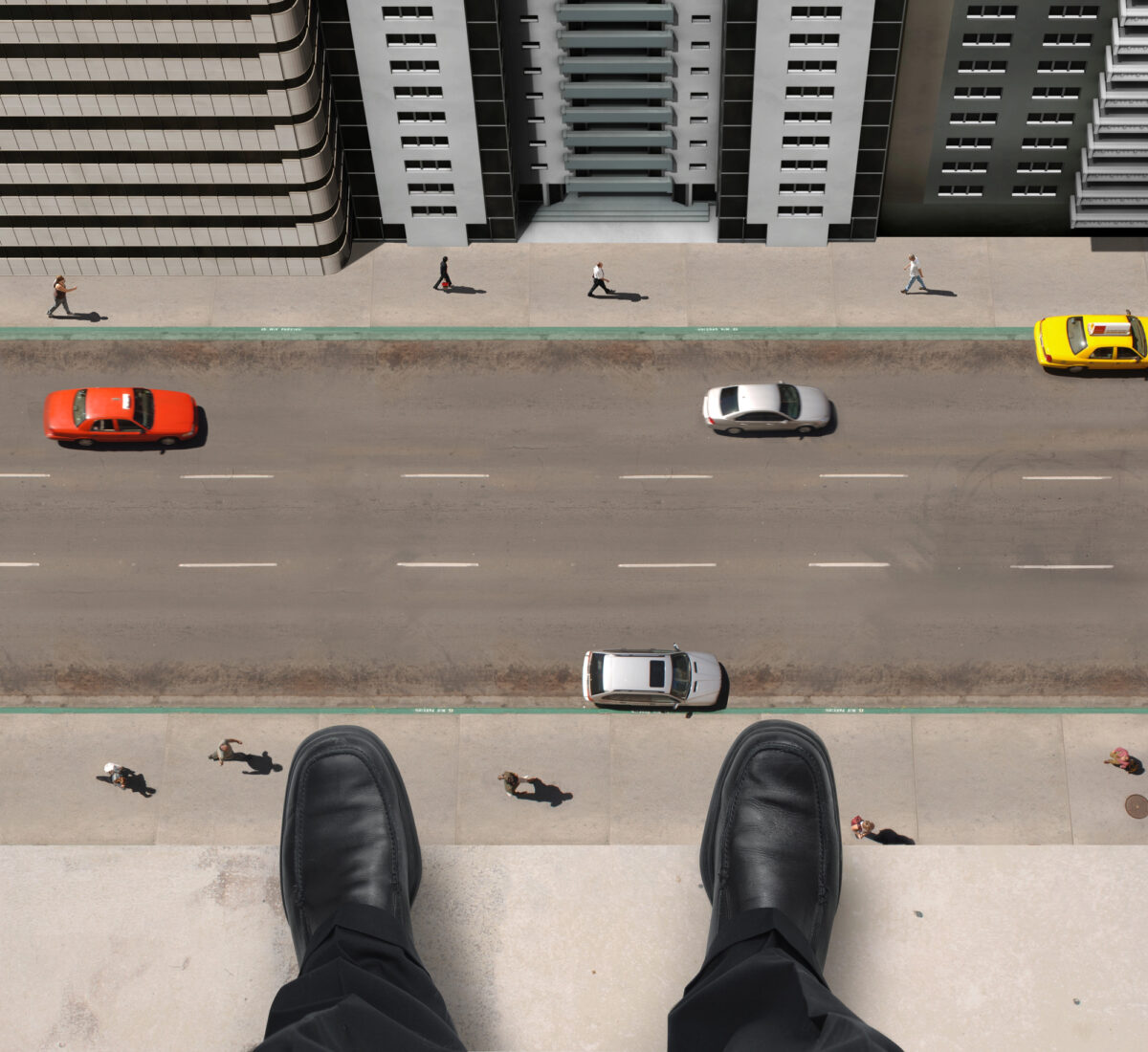
The Cecil became Los Angeles’ unofficial monument to despair. Since opening, more than a dozen people have ended their lives there, many choosing the same method: jumping from the upper floors.
The hotel’s windows don’t open anymore—management finally installed stops after decades of tragedy.
But here’s what the statistics don’t capture: how a building develops an appetite for certain kinds of stories, the way some theaters are known for comedies and others for Shakespeare.
The Hotel’s Multiple Identities
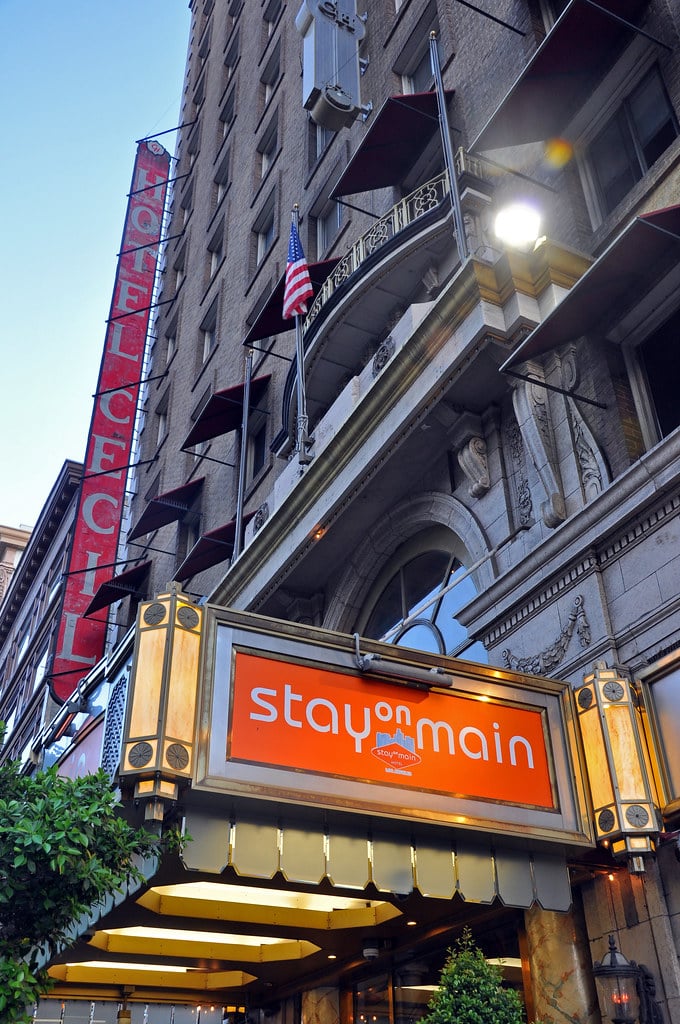
Rebranding doesn’t erase history. In 2007, part of the Cecil was converted into budget housing called Stay on Main, with a separate entrance and slightly better marketing.
The idea was to distance the new operation from the old reputation. Same building, same address, same energy.
Different sign out front.
The Water Tank Access Problem

Getting to the Cecil’s roof requires passing through locked doors and climbing past areas marked for employees only. The water tank where Elisa Lam was found sits behind additional barriers, with a heavy lid that takes considerable effort to move.
Yet somehow, a young woman in the middle of a mental health crisis navigated these obstacles alone, in the dark, without triggering any alarms. The logistics make as little sense now as they did in 2013.
The Elevator Footage That Captivated The Internet

Before social media turned everyone into amateur detectives, hotel security footage was just hotel security footage. The Cecil changed that.
Lam’s elevator video went viral, spawning countless theories about everything from supernatural possession to government conspiracies. Frame-by-frame analysis revealed nothing definitive, but millions of people became convinced they could solve what investigators could not.
A Magnet For Dark Tourism
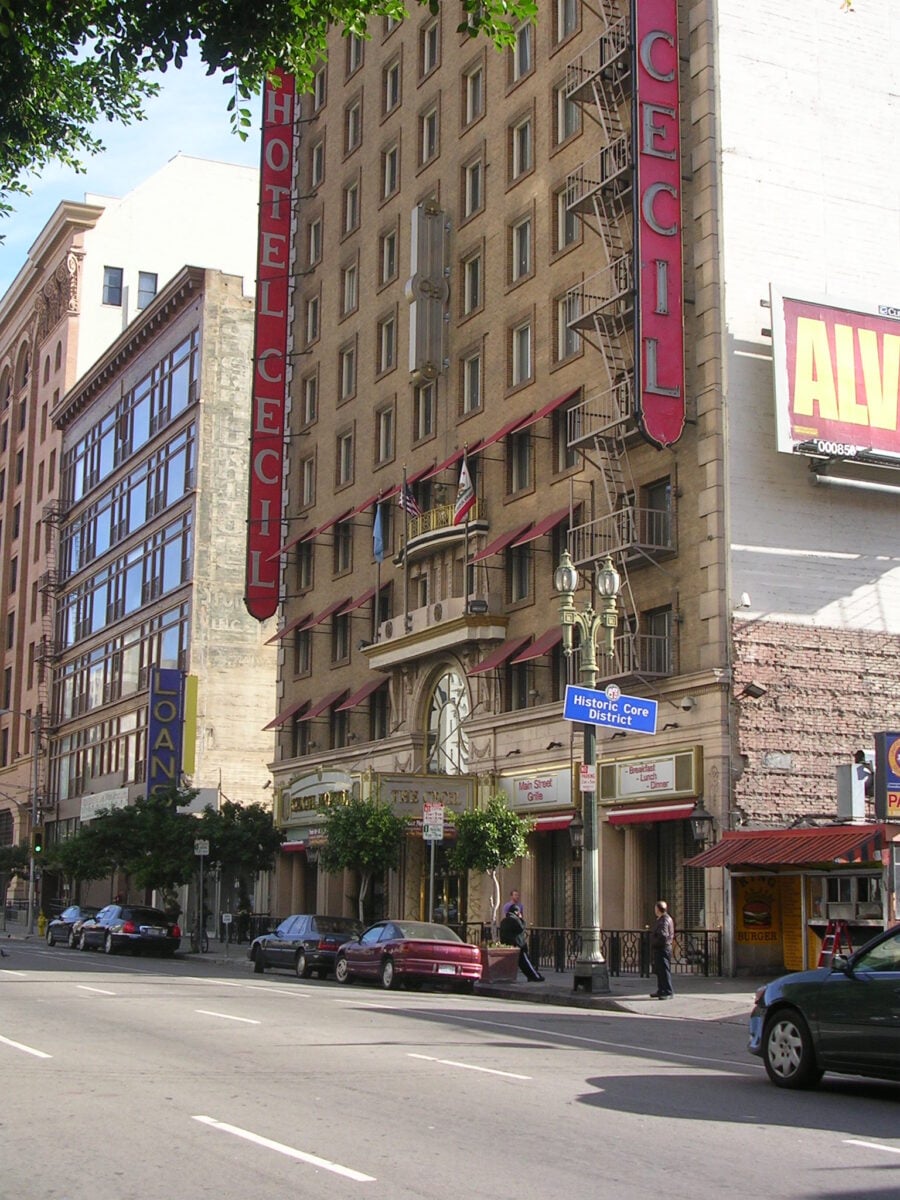
Some places become famous for beauty or historical significance. The Cecil became famous for accumulating human misery—and then discovered that misery sells tickets.
Dark tourism brought visitors who wanted to experience the hotel’s notorious atmosphere firsthand. They came seeking thrills, ghost sightings, or just the bragging rights of sleeping where serial killers once laid their heads.
The Netflix Effect

“Crime Scene: The Vanishing at the Cecil Hotel” turned the building into a streaming sensation in 2021. Suddenly, everyone knew about Elisa Lam, the elevator footage, and the hotel’s grim history.
Fame arrived decades late, but it arrived nonetheless. The documentary explored every theory, interviewed every expert, and ultimately concluded what investigators already knew: some questions don’t have satisfying answers.
The Paranormal Claims

Ghost stories follow tragedy the way shadows follow sunlight, and the Cecil has collected more supernatural claims than most places accumulate dust. Guests report cold spots, unexplained sounds, and the feeling of being watched.
Elevator buttons press themselves. Doors open without human assistance.
Whether these phenomena reflect actual paranormal activity or just the power of suggestion in a place soaked with tragic history, they’ve become part of the hotel’s permanent identity.
The Tuberculosis Connection

Los Angeles built the Cecil during the city’s tuberculosis epidemic. Downtown was full of people seeking California’s supposedly healing climate, many of them dying slowly in cheap hotel rooms.
The building opened as the disease claimed thousands of lives across the city. That foundation of illness and death might seem like ancient history, but foundations have a way of influencing everything built on top of them.
Current Status And Future
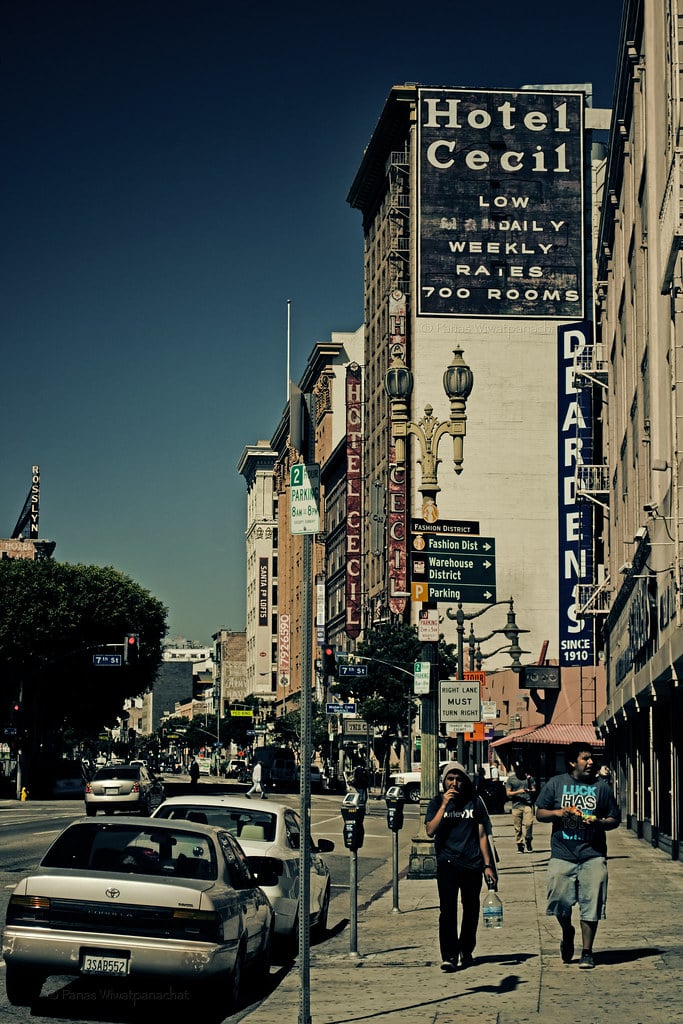
The Cecil closed to the public in 2017 after decades of trying to outrun its reputation. The building still stands, still looms over the same troubled neighborhood, still carries the weight of all those accumulated stories.
Recent plans call for converting it into affordable housing—another attempt to transform a place that seems resistant to transformation.
When Buildings Absorb Their Stories
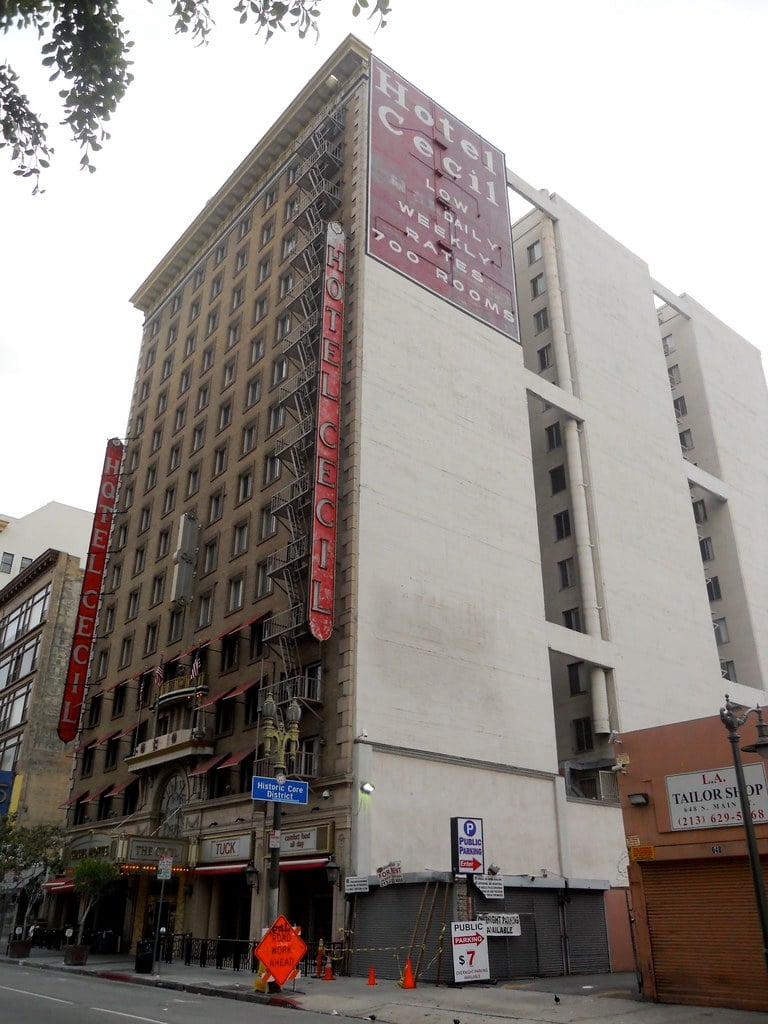
Hotels are supposed to be temporary spaces where people pass through without leaving permanent traces. The Cecil became something else entirely: a repository for Los Angeles’ darkest moments, a place where the city’s pain concentrated until it became part of the architecture itself.
Some buildings house people; others house memories that refuse to fade. The Cecil proved that geography, history, and human tragedy can combine in ways that defy explanation—and that some places earn their reputations one dark story at a time.
More from Go2Tutors!

- The Romanov Crown Jewels and Their Tragic Fate
- 13 Historical Mysteries That Science Still Can’t Solve
- Famous Hoaxes That Fooled the World for Years
- 15 Child Stars with Tragic Adult Lives
- 16 Famous Jewelry Pieces in History
Like Go2Tutors’s content? Follow us on MSN.



