Cities Built in Perfect Locations for Thriving Growth
Some cities seem to have it all figured out from day one. They didn’t stumble into prosperity or luck into the right opportunities — they were planted in spots that practically guaranteed success.
The right mix of water, elevation, climate, and natural resources creates urban magic that’s hard to replicate anywhere else.
These aren’t accidents of history. They’re cities that learned how to use what nature gave them and turned geographic advantages into lasting prosperity.
Austin
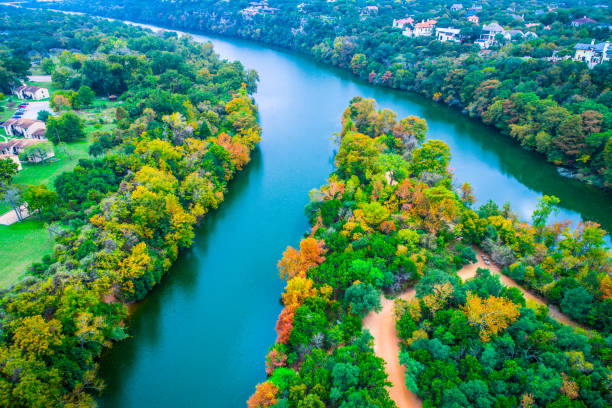
Austin sits where the Colorado River cuts through the Hill Country, and that positioning has defined everything about the city’s growth story. The river provides water, the hills offer elevation changes that create distinct neighborhoods, and the location places Austin right between the agricultural plains to the east and the ranching country to the west.
But here’s what really matters: Austin landed in the sweet spot between major Texas cities. Close enough to Dallas and Houston to benefit from their economic pull, far enough away to develop its own identity.
The university arrived early and never left, which meant the city always had young people and new ideas flowing through it.
San Diego
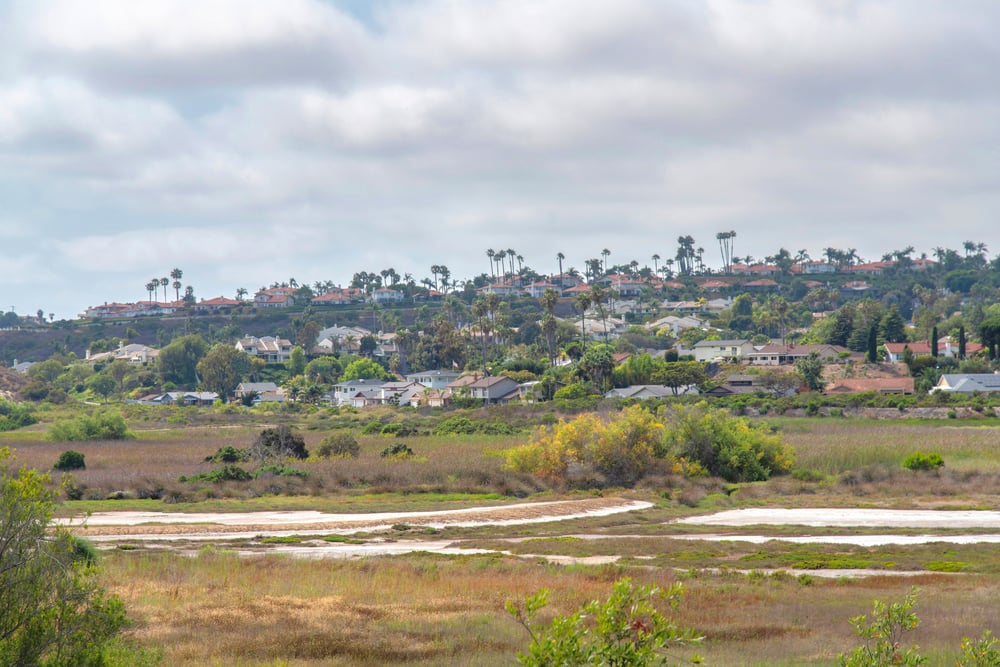
San Diego has the kind of natural harbor that made Spanish explorers stop everything and build a settlement on the spot. The bay is protected, deep enough for large ships, and connects to land that actually stays pleasant year-round (which is saying something for a place that far south in California).
The climate does most of the work here. Moderate temperatures mean lower heating and cooling costs, year-round outdoor activities, and the kind of lifestyle that attracts both businesses and workers.
Add in the proximity to Mexico for trade and you have a city that was always going to thrive — the only question was how big it would get.
Denver
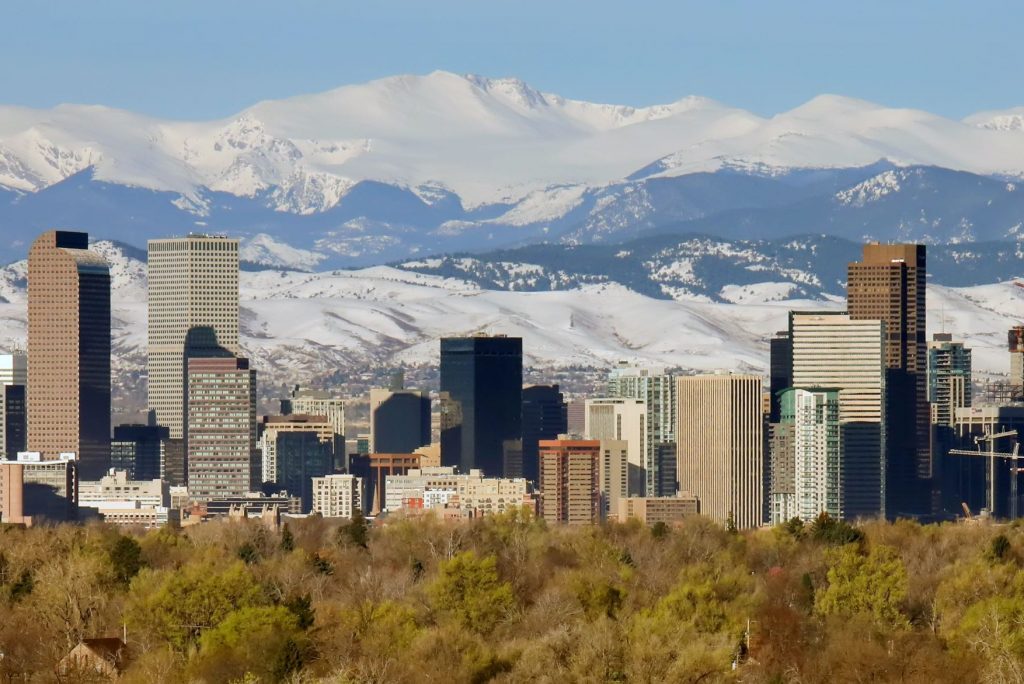
Picture a city that sits exactly where the flat prairie crashes into the Rocky Mountains, and you start to understand why Denver became the hub for everything happening in the American West. It’s like nature built a perfect loading dock between two completely different worlds — the agricultural plains stretching east toward Kansas and the mining territories climbing west into the mountains.
During the gold rush (and this is where the geography gets interesting), Denver wasn’t where people found gold, but it was where they stopped to resupply before heading up into the mountains where the gold actually was. So while other boom towns went bust when the mines played out, Denver had already figured out how to make money from everyone passing through.
And they just kept coming — first miners, then ranchers, then people who realized that sitting at 5,280 feet above sea level with 300 days of sunshine per year wasn’t the worst place to build a life.
The elevation creates something else that matters: Denver gets the weather benefits of altitude without the isolation. High enough for crisp air and dramatic views, accessible enough that you can still build an airport and move goods in and out without fighting mountain passes every day.
Tampa
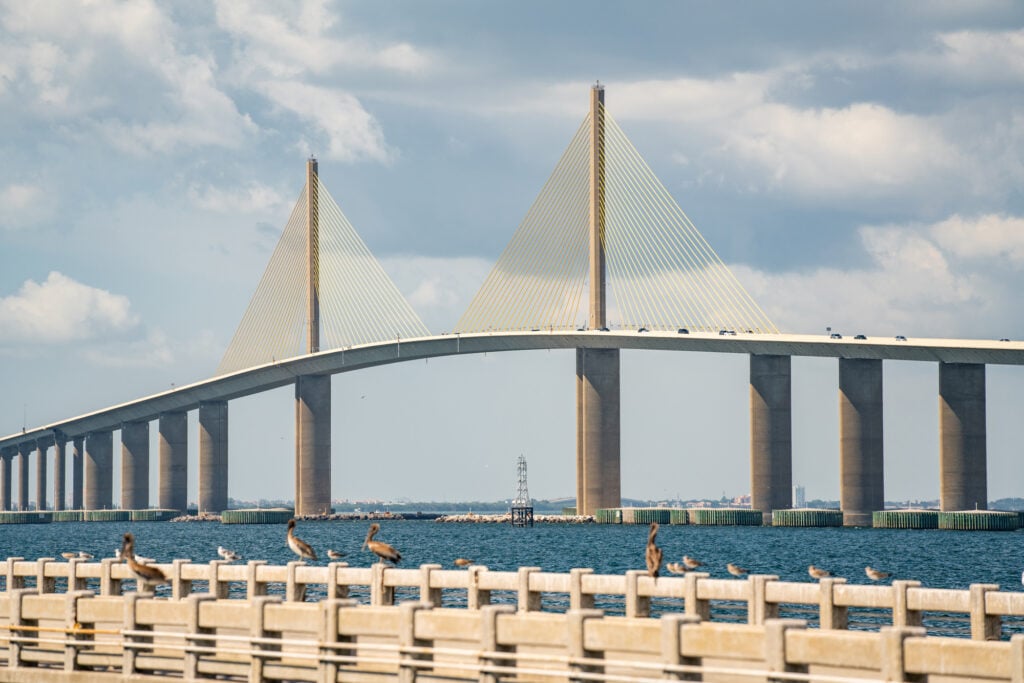
Tampa Bay is one of those natural harbors that makes city planners weep with joy. Deep water, multiple tributaries, and protection from Gulf storms create the kind of port that can handle serious shipping traffic while staying connected to inland waterways.
The location puts Tampa in the center of Florida’s growth corridor, with easy access to both coasts and major inland markets. But the real advantage is climate — warm enough to attract retirees and tourists, not so hot that people flee during summer months.
That balance keeps the economy running year-round instead of boom-and-bust seasonal cycles.
Charlotte
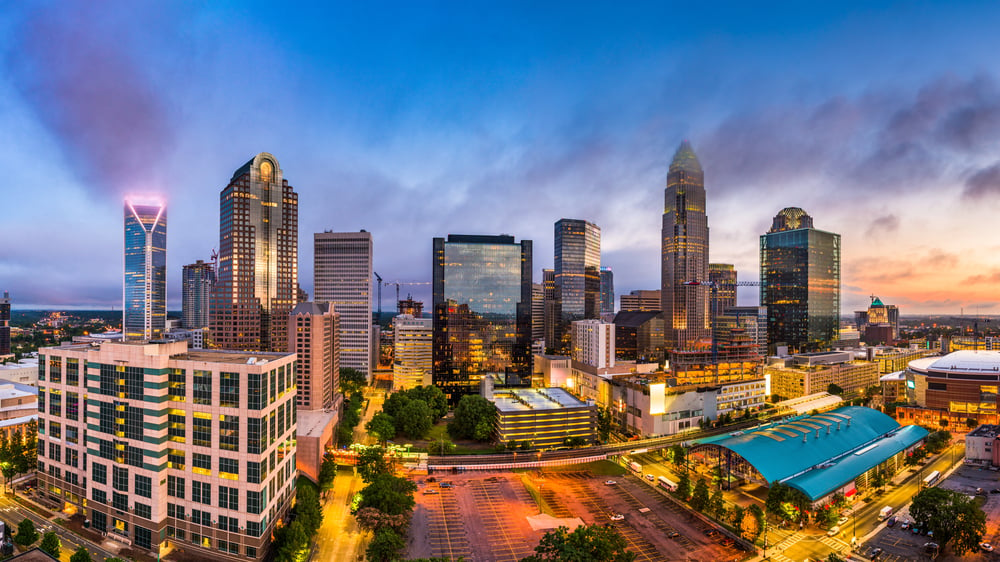
Charlotte exists because someone looked at a map of the Carolinas and noticed that all the trade routes between the mountains and the coast had to pass through one particular spot. That spot became Charlotte, and the city has been benefiting from that geographic necessity ever since.
The Piedmont region gives Charlotte elevation without isolation — high enough to avoid coastal flooding and humidity, low enough to stay connected to major transportation networks (like those shipping routes that flow from the mountains down toward the Atlantic, except they’re now interstate highways and railroad lines instead of dirt roads and river barges). Charlotte figured out early that being the place everyone has to pass through is better than being the final destination, because it means you never depend on just one industry or one type of visitor to keep things running.
Banking followed the trade routes, and once the financial sector established roots, Charlotte became the kind of city that attracts more banks because other banks are already there. Geography created the opportunity, but the city was smart enough to recognize what it had.
Seattle
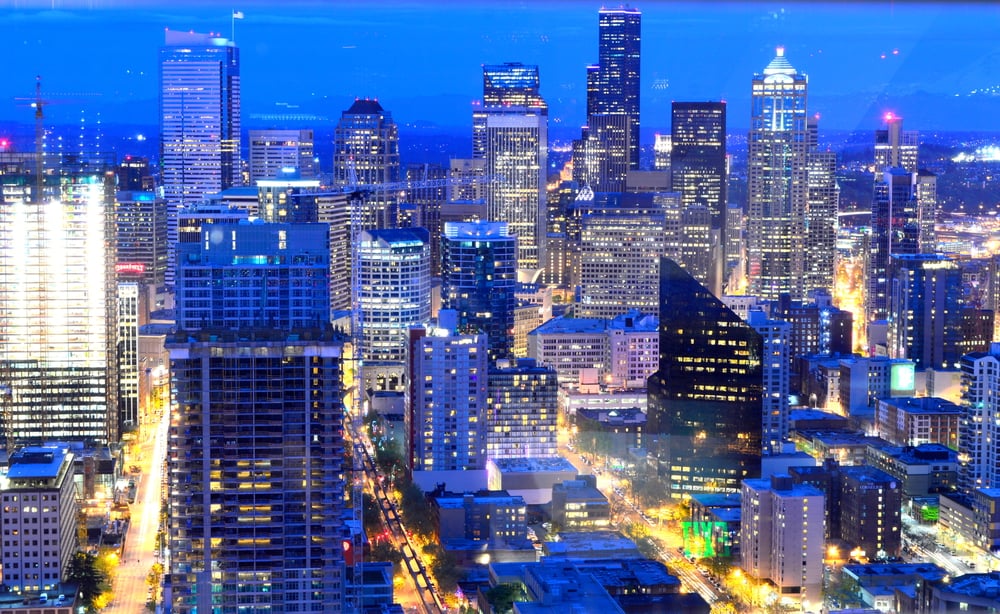
Seattle sits between mountains and water like someone designed it specifically to showcase the Pacific Northwest, but the real geographic advantage isn’t the scenery — it’s the position as the last major port before you hit Canada and the first major port after you leave Asia.
That positioning made Seattle the natural hub for Pacific trade long before anyone figured out that coffee shops and tech companies would also thrive in a city where it rains half the year. The port brought money and people, the mountains provided fresh water and hydroelectric power, and the sound gave the city room to expand without running into geographic barriers.
The climate helps more than people realize. Cool and wet means lower air conditioning costs and year-round green spaces, but it also creates the kind of indoor culture that turns people into readers, coffee drinkers, and eventually computer programmers.
Nashville
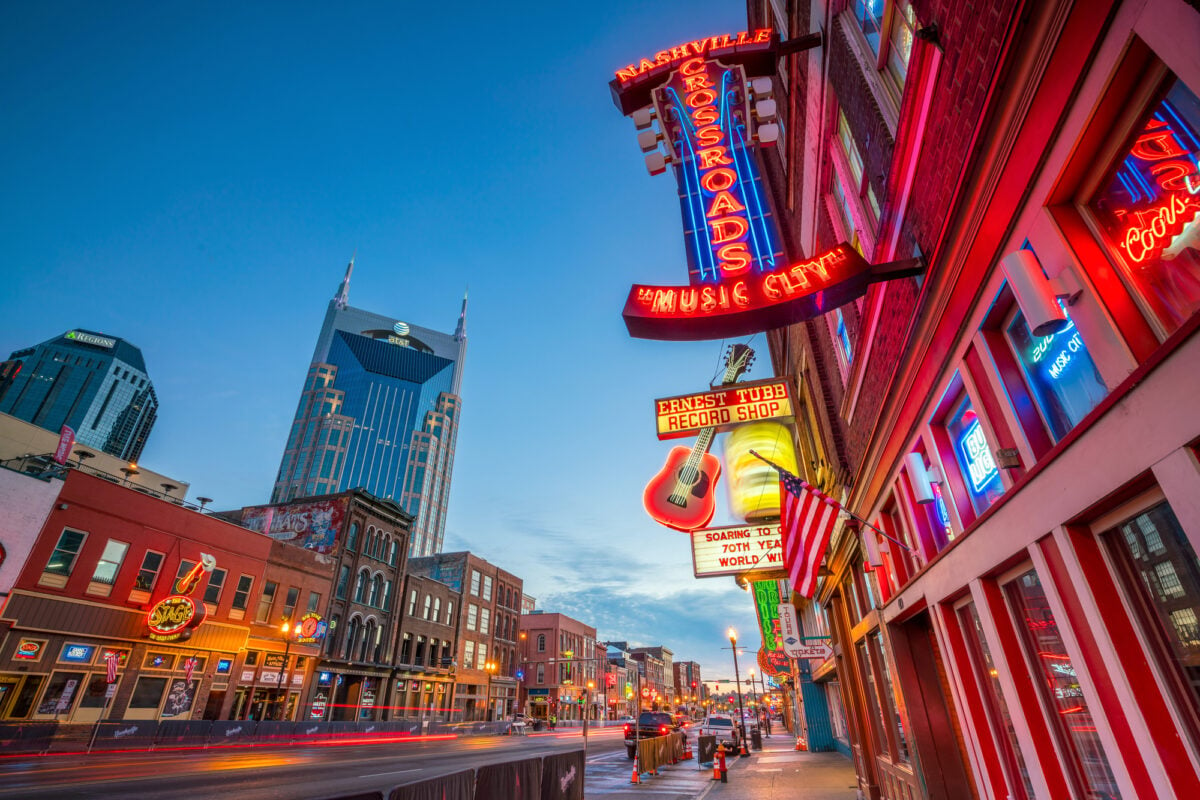
Nashville figured out something that most cities never learn: being centrally located matters more than being the biggest or the richest. Sitting in the middle of Tennessee puts Nashville within driving distance of major population centers in multiple states — Atlanta, Louisville, Memphis, Birmingham, St. Louis.
The Cumberland River provides water and transportation, but the real advantage is topography. Nashville sits in a basin surrounded by rolling hills, which creates natural boundaries that forced the city to develop density instead of sprawling endlessly.
Higher density means better infrastructure efficiency and more walkable neighborhoods.
The music industry didn’t choose Nashville by accident. Central location meant touring musicians could reach multiple major markets from one home base, and the city’s size was large enough to support professional recording facilities but small enough that everyone in the industry knew each other.
Miami
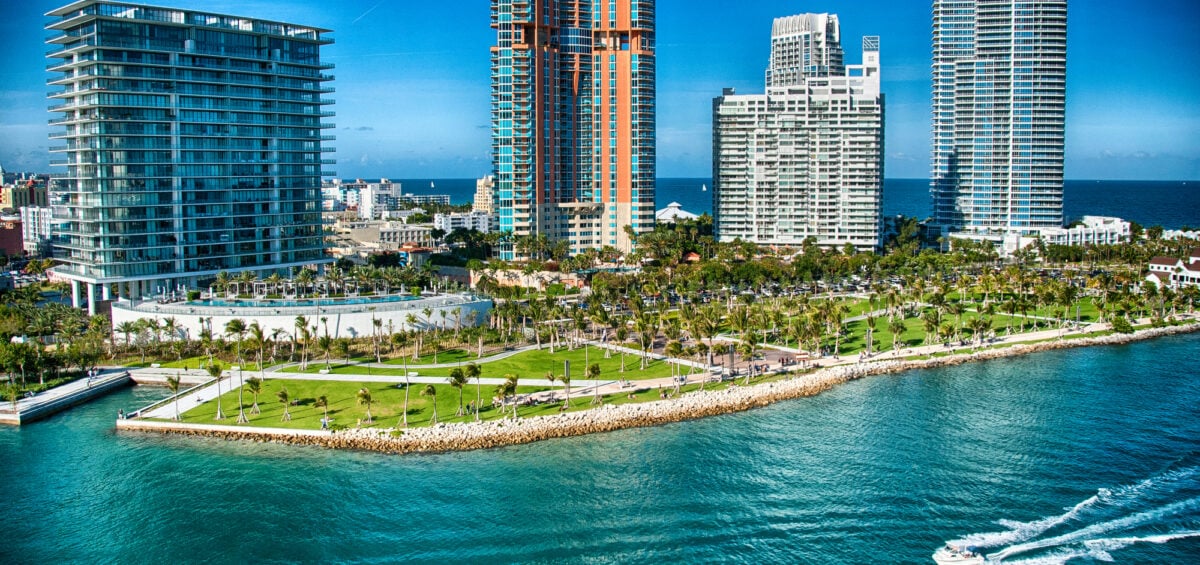
Miami exists at the exact point where the United States reaches toward the Caribbean, and that position has determined everything about the city’s growth trajectory. It’s not just about being in Florida — it’s about being the northernmost city that feels genuinely tropical and the southernmost city that’s still unquestionably American.
The port handles Caribbean trade, the airport connects North and South America, and the climate attracts people who want to live somewhere that feels like vacation year-round. But Miami’s real geographic advantage is latitude: far enough south to avoid freezing temperatures, close enough to the Gulf Stream to avoid the worst hurricane impacts.
Miami’s position near the Gulf Stream provides warm water that moderates temperature but does not protect it from hurricanes. Miami is one of the most hurricane-prone major metropolitan areas in the United States, making it particularly vulnerable to severe tropical storms rather than insulated from them.
Portland

Portland sits where the Willamette River meets the Columbia, which means the city has access to both inland agricultural regions and ocean shipping routes. But the real geographic advantage is the Columbia River Gorge — the only sea-level route through the Cascade Mountains.
That gap in the mountains makes Portland the natural funnel for trade moving between the Pacific Coast and inland markets. Everything flowing from the agricultural regions of eastern Oregon and Washington toward Pacific ports has to pass through or near Portland, and everything moving inland from the coast follows the same route in reverse.
The surrounding valleys provide fertile agricultural land, the rivers offer hydroelectric power, and the mountains create microclimates that keep Portland cooler and wetter than most cities at the same latitude. That combination attracted industries that needed cheap power and access to both raw materials and shipping facilities.
Phoenix
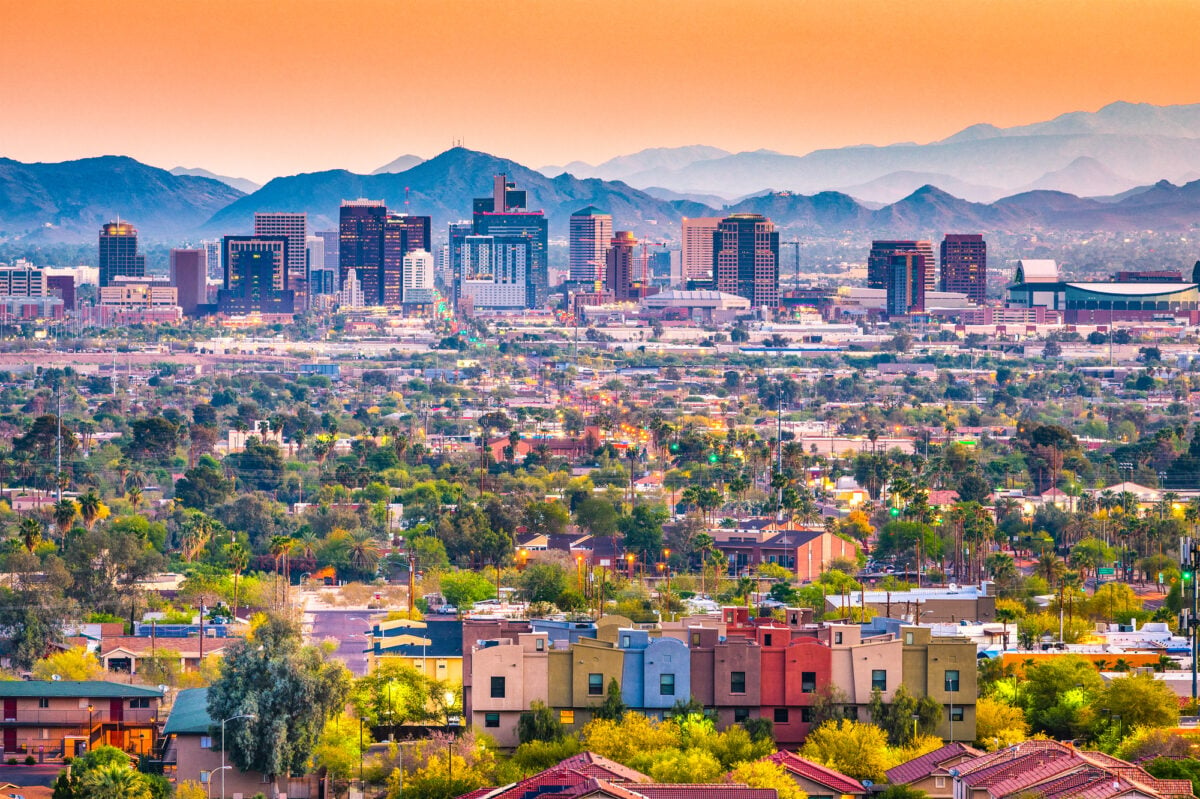
Phoenix sits in the Salt River Valley, which sounds like a terrible place to build a major city until you understand what that positioning provides. The valley offers flat land for development, mountain barriers that create distinct weather patterns, and access to water resources that most desert cities can’t match.
The Sonoran Desert gets more rainfall than other desert regions, and the mountains that surround Phoenix trap that water in underground aquifers. Early settlers figured out how to tap those aquifers and build irrigation systems that turned desert into farmland.
Modern Phoenix just scaled up the same concept.
The elevation keeps Phoenix cooler than lower desert cities, while the dry climate creates the kind of weather that attracts retirees and tourists. Add in a central location that puts Phoenix within driving distance of Los Angeles, Las Vegas, and major Mexican markets, and you have a city that was always going to grow once air conditioning made desert living comfortable.
Orlando

Orlando’s geographic advantage isn’t obvious until you look at a map of Florida and realize that the city sits at the exact center of the state’s population corridor. It’s equidistant from major coastal cities and positioned where multiple highways and railroad lines naturally converge.
The location puts Orlando close enough to both coasts to benefit from port access and beach tourism, but far enough inland to avoid hurricane storm surge and coastal flooding. The elevation is just high enough to provide good drainage, while the climate stays warm enough for year-round outdoor activities without getting as hot as South Florida.
But here’s what really matters: Orlando landed in the perfect spot for theme parks before anyone knew that theme parks would become a major industry. Central location meant tourists could fly into Orlando and reach attractions that drew visitors from across the Southeast, while the available land and favorable climate made large-scale outdoor entertainment facilities practical to build and operate.
Raleigh
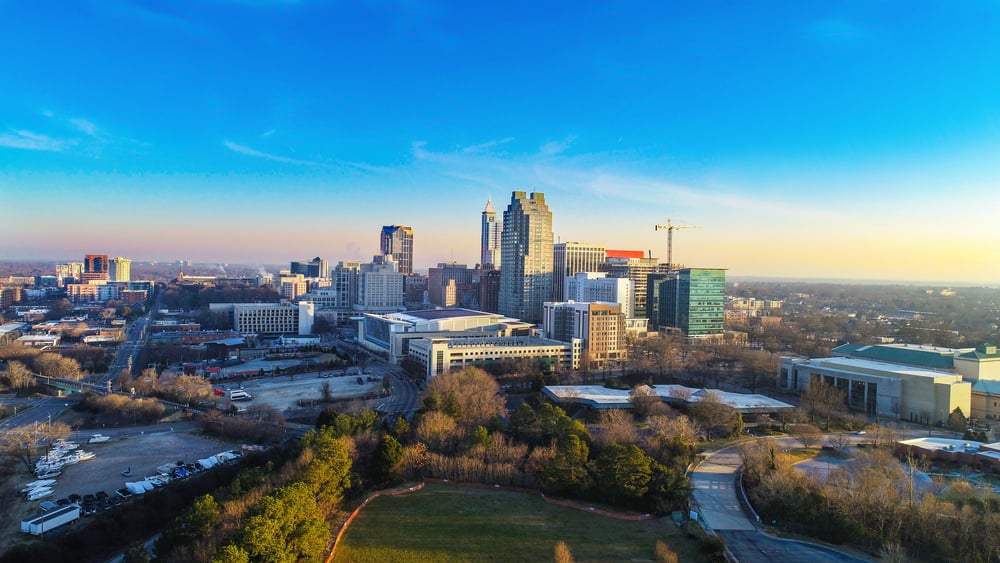
The Research Triangle exists because someone noticed that Raleigh, Durham, and Chapel Hill formed a geographic cluster with three major universities, available land for development, and transportation connections to major East Coast markets. Raleigh anchors the triangle because it sits at the intersection of major highway and rail routes crossing North Carolina.
The Piedmont location gives Raleigh moderate elevation and climate — high enough to avoid coastal heat and humidity, low enough to stay connected to transportation networks. The surrounding region offers a mix of agricultural land, forest resources, and existing infrastructure that made it easy for tech companies and research facilities to expand.
Raleigh benefits from being large enough to support major institutions and businesses but small enough that housing costs and traffic congestion haven’t reached the levels that drive companies and workers toward smaller cities. The geographic positioning between major East Coast metropolitan areas means Raleigh can draw talent and investment from multiple regions without competing directly with any single major city.
Salt Lake City

Salt Lake City sits in a valley between mountain ranges, but what makes the location special is the Great Salt Lake itself. The lake creates a microclimate that moderates temperatures and provides water resources in a region where both matter enormously.
The valley offers flat land for development, while the surrounding mountains provide fresh water, mineral resources, and natural barriers that create distinct seasons and weather patterns. The elevation keeps summers cooler than other cities at the same latitude, while the mountain protection creates relatively mild winters despite the northern location.
But the real advantage is position: Salt Lake City sits on the natural route between California and the eastern United States. That positioning made the city a transportation hub for transcontinental railroads and later interstate highways.
Modern Salt Lake City benefits from the same geographic necessity that made it a crucial stop for westward migration — everything moving between the West Coast and the interior has to pass through or near the city.
A Foundation That Lasts

Geography doesn’t guarantee success, but it creates the conditions where smart planning and good timing can build something lasting. These cities found ways to turn natural advantages into economic opportunities, and most importantly, they recognized what they had before someone else claimed it.
The best urban locations offer multiple advantages that reinforce each other — water access plus transportation routes plus favorable climate plus available land. Cities that have only one geographic advantage can thrive for a while, but cities that have several tend to keep growing even when economic conditions change or industries shift.
More from Go2Tutors!

- The Romanov Crown Jewels and Their Tragic Fate
- 13 Historical Mysteries That Science Still Can’t Solve
- Famous Hoaxes That Fooled the World for Years
- 15 Child Stars with Tragic Adult Lives
- 16 Famous Jewelry Pieces in History
Like Go2Tutors’s content? Follow us on MSN.