How Entire Languages Were Kept Alive by a Handful of Speakers
There’s something quietly staggering about the fact that some languages have survived on the voices of fewer people than you’d find at a small dinner party. Not in libraries, not in textbooks — but in the mouths of living people who woke up every morning and kept speaking, sometimes without anyone around who fully understood them.
Languages don’t die the way buildings do, all at once in a visible collapse. They thin out, speaker by speaker, until one day the last person who dreamed in that language closes their eyes for the final time.
What follows are the stories of languages that came almost that close — and the stubborn, sometimes extraordinary people who refused to let them get there.
Welsh

Welsh is the closest thing linguistics has to a comeback story with actual receipts. By the mid-twentieth century, the language had hemorrhaged speakers for generations — pushed out of schools, mocked in workplaces, systematically treated as a relic by the English-speaking establishment.
And yet Welsh didn’t disappear; it dug in, and the Welsh Language Act of 1993 gave it official status, and immersive Welsh-medium schools called Ysgolion Cymraeg began producing fluent young speakers by the thousands, so that by the 2021 census, over 17% of Wales’s population — roughly 538,000 people — reported being able to speak it. What other language got legislated back into relevance like that?
Māori
Māori nearly vanished inside a single generation. By the 1970s, only around 5% of Māori children could hold a conversation in their ancestral language — a catastrophic drop caused directly by colonial-era policies that punished children for speaking anything other than English in school.
The response was the kōhanga reo movement, “language nests,” where elders would immerse infants and toddlers in Māori from birth, betting everything on the idea that language lives in children the way it can’t always live in adults. That bet paid off.
Cornish
Cornish is the only language in this story that technically went extinct and then came back. The last undisputed native speaker, Dolly Pentreath, died in 1777 in Mousehole, Cornwall — though some scholars argue a handful of speakers persisted into the early nineteenth century.
What followed was two hundred years of revival work based almost entirely on written records and phonetic reconstructions, eventually producing the Unified Cornish and then the Standard Written Form, and today there are estimates — contested, but credible — of a few hundred fluent speakers and several thousand partial speakers. A language rebuilt from documents is still a language.
Hawaiian

Hawaiian came within striking distance of silence. In 1983, there were fewer than 50 children left on the entire island chain who spoke Hawaiian as a first language, clustered almost entirely on the privately held island of Ni’ihau.
The people who stepped in weren’t linguists or politicians first — they were parents, specifically a group of educators who founded the Pūnana Leo immersion preschools in 1984, convinced that whatever had been lost could still be recovered if children were placed inside the language early enough. Today Hawaiian is taught in dedicated schools from preschool through university, and the number of speakers has climbed into the tens of thousands.
Manx
The last native speaker of Manx — Ned Maddrell of the Isle of Man — died on December 27, 1974, and linguists had, fortunately, seen it coming. In the 1940s and 1950s, researchers recorded hours of audio from the dwindling community of elderly speakers, preserving pronunciation, idiom, and grammar in a form that could be studied long after those speakers were gone.
Those recordings became the foundation for a revival that now counts over 1,800 people with some Manx ability on an island of roughly 85,000, and a small but growing number of children raised in it from birth. The dead language turned out to be dormant.
Ainu

The Ainu language of northern Japan and Sakhalin is in genuine danger, but the fact that it still exists at all is worth remarking on. Japanese assimilation policies over the nineteenth and twentieth centuries actively suppressed Ainu culture and language — Ainu people were pressured to abandon their names, their customs, and their speech.
By the early 2000s, fluent native speakers numbered somewhere between ten and fifteen elderly individuals. Japan officially recognized the Ainu as an indigenous people only in 2019, a recognition that arrived very late — but it arrived, and it came with renewed institutional support for documentation and teaching programs that are now racing the clock.
Breton

Breton is a Celtic language still spoken in the northwestern corner of France, and the French state spent most of the nineteenth and twentieth centuries trying to kill it. The infamous “symbol” — a wooden clog hung around the neck of any child caught speaking Breton at school, passed on to the next child who slipped — was a real pedagogical tool used well into the twentieth century, and it worked, stripping Breton from one generation after another.
What saved it, partially, was the same stubborn localism that made Brittany distinctive in the first place: families who kept speaking it at home, and later a network of Diwan schools founded in 1977 that offered full Breton-medium instruction. The language has somewhere between 200,000 and 250,000 speakers today, though most are elderly.
Basque
Basque is an isolate — genetically unrelated to any other language on earth — which makes its survival under Francisco Franco’s dictatorship in Spain nothing short of remarkable. Franco banned the public use of Basque outright, forbidding its use in churches, schools, and public spaces, and actively destroyed cultural institutions that sustained it.
What kept Basque alive during those decades was, in large part, the kitchen: it kept being spoken inside homes, in the places Franco’s enforcers couldn’t reach every hour of every day. The ikastola school movement — Basque-language schools operating semi-clandestinely in the 1960s — laid the groundwork for a post-Franco revival that has made Basque one of the better-documented revitalization successes in Europe.
Wampanoag
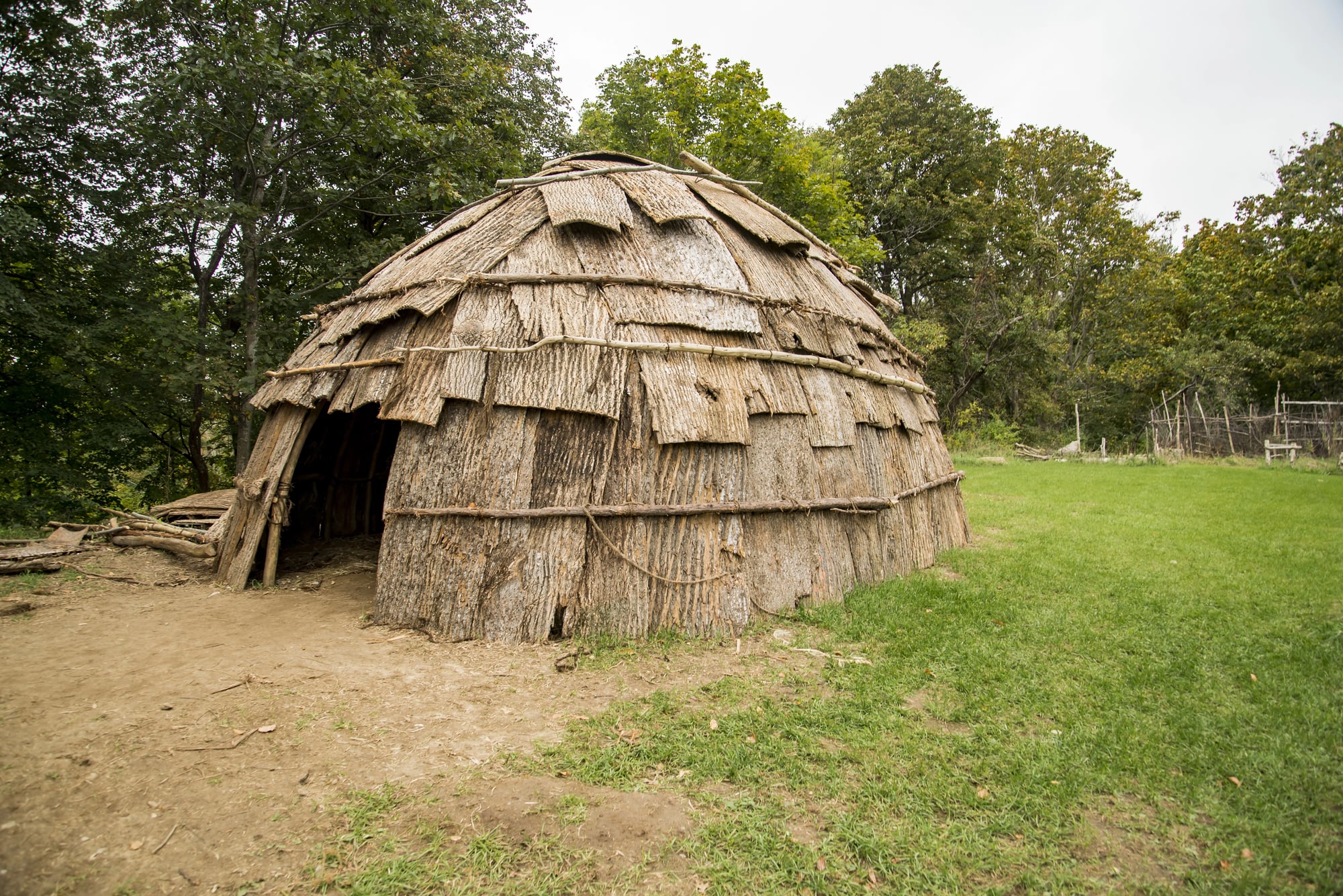
Wampanoag — the language of the Indigenous people of what is now southeastern Massachusetts — had no living speakers at all when Jessie Little Doe Baird began her work in the 1990s. Baird, a Mashpee Wampanoag tribal member, experienced what she described as recurring dreams in the language before she’d ever studied it — and she took that experience seriously enough to pursue a graduate degree at MIT, working with linguist Kenneth Hale to reconstruct Wampanoag from thousands of written documents, including a 1663 Bible translation.
Her daughter Mae Alice became the first native speaker of Wampanoag in over a century, a fact that reframes the word “native” in ways that no dictionary has quite caught up to.
Faroese
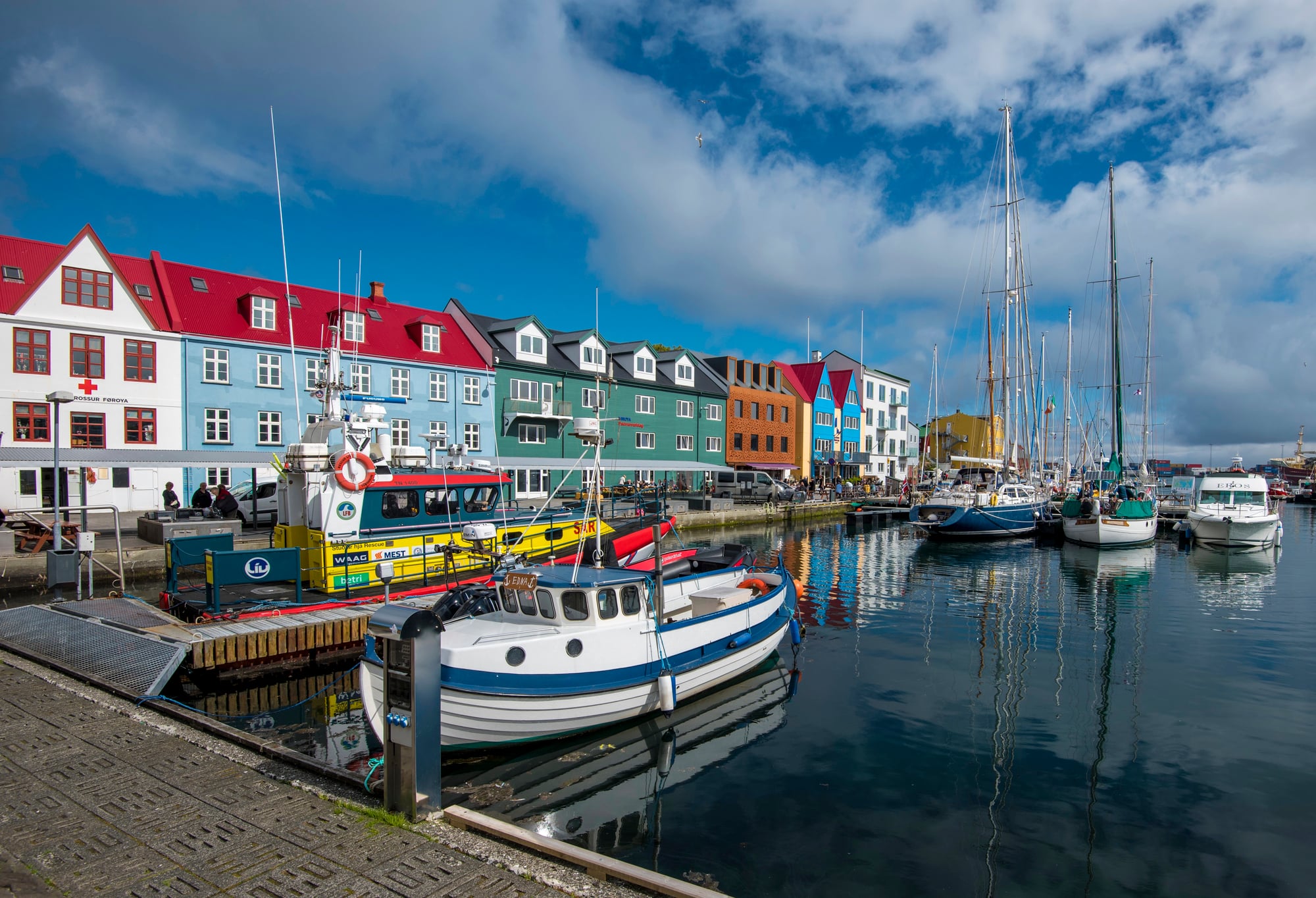
Faroese is spoken by around 70,000 people on the Faroe Islands, and for much of the nineteenth century, Danish administrators treated it as a peasant dialect unworthy of official recognition. The turning point was a single poem — “Fuglakvæði,” or “The Ballad of the Birds,” written on Christmas Day 1906 by Jóannes Patursson — delivered at a gathering that became known as the Farpingið, the first political meeting conducted entirely in Faroese.
It’s the kind of moment that sounds mythologized until you check: it really was one poem, one night, in a small archipelago in the North Atlantic, and it genuinely shifted the trajectory of a language. The Faroese people standardized their written language by 1937 and declared it the official language of the islands in 1948.
Myaamia
The Miami-Illinois language, known as Myaamia, had no fluent speakers left by the 1960s — its last fully fluent speaker, Myaamia elder Angelique Micouin, died decades before any organized revitalization effort began. What the Miami Tribe of Oklahoma had were documents: letters, fur trade records, and most valuably, a 1,000-page manuscript dictionary compiled by French priest Pierre Potier in the early eighteenth century.
Working with linguist David Costa, the tribe launched the Myaamia Project in collaboration with Miami University of Ohio — the university is named for the people, not the Florida city — and has produced curriculum, audio materials, and a generation of partial speakers who are teaching their children. A language preserved in colonial handwriting is being spoken again at dinner tables.
Scottish Gaelic
Scottish Gaelic is fighting a slow retreat with the determination of something that refuses to acknowledge the odds. Concentrated primarily in the Western Isles — the Outer Hebrides — it has somewhere between 57,000 and 60,000 speakers, down from hundreds of thousands before the Highland Clearances of the eighteenth and nineteenth centuries forcibly displaced Gaelic-speaking communities from their land.
The BBC’s Gaelic-language channel, BBC Alba, launched in 2008 and is genuinely watched — not as a cultural gesture, but because it airs football, drama, and news that people actually want. That’s not nothing, as revival strategies go: a language attached to things people enjoy watching on a Tuesday night has better odds than one preserved purely in classrooms.
Yiddish
Yiddish lost a third of all its speakers in a single decade — the 1940s — through the Holocaust, which killed roughly six million Ashkenazi Jews, most of whom spoke Yiddish as their primary language. What survived was geographically scattered and socially fragmented, kept alive by communities in New York, Buenos Aires, Melbourne, and Antwerp, as well as ultra-Orthodox communities where Yiddish served as the daily vernacular deliberately kept separate from Hebrew.
The YIVO Institute for Jewish Research, founded in Vilna in 1925 and relocated to New York after the war, has been the institutional spine of Yiddish preservation — its archives, its standardization of orthography, its language courses. A language doesn’t survive a catastrophe that large without people who treat its survival as a moral obligation.
Romani
Romani is technically a collection of dialects rather than a single standardized language, spoken by Roma communities across Europe, the Americas, and beyond — but what holds the varieties together is a shared grammatical structure and lexicon rooted in Sanskrit, brought westward from northern India over a thousand years ago. Romani has survived not through institutions but despite the absence of them: no official homeland, no state support, frequent persecution across centuries in Europe including forced assimilation campaigns and, during the Holocaust, deliberate genocide.
The language lives in families, in song, in oral tradition — passed from grandparent to grandchild in circumstances where writing it down wasn’t always safe or even possible. That’s a different kind of preservation than a language nest or a television channel, and it’s no less real.
Tzeltal
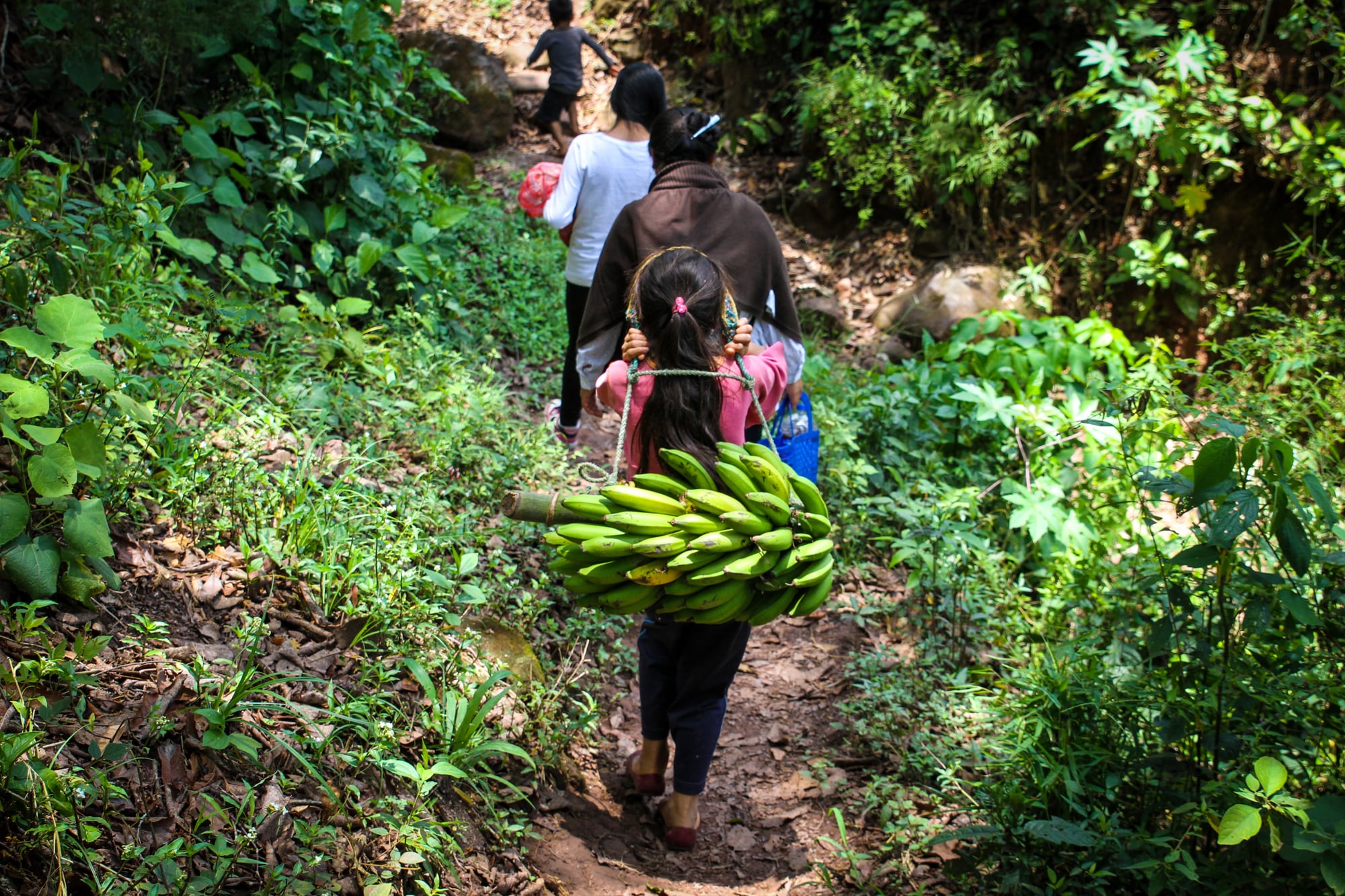
Tzeltal is a Mayan language spoken in the highlands of Chiapas, Mexico, and unlike most entries on this list, it was never reduced to a handful of speakers — but it belongs here because of what it tells you about the conditions under which minority languages survive. Tzeltal has around 590,000 speakers today, making it one of the more robust indigenous languages in the Americas, and linguists point to geographic isolation, community cohesion, and a strong tradition of local governance as the factors that insulated it from the language shift that erased so many of its neighbors.
Survival, it turns out, isn’t always a dramatic rescue — sometimes it’s just a community stubborn enough to stay itself.
Livonian
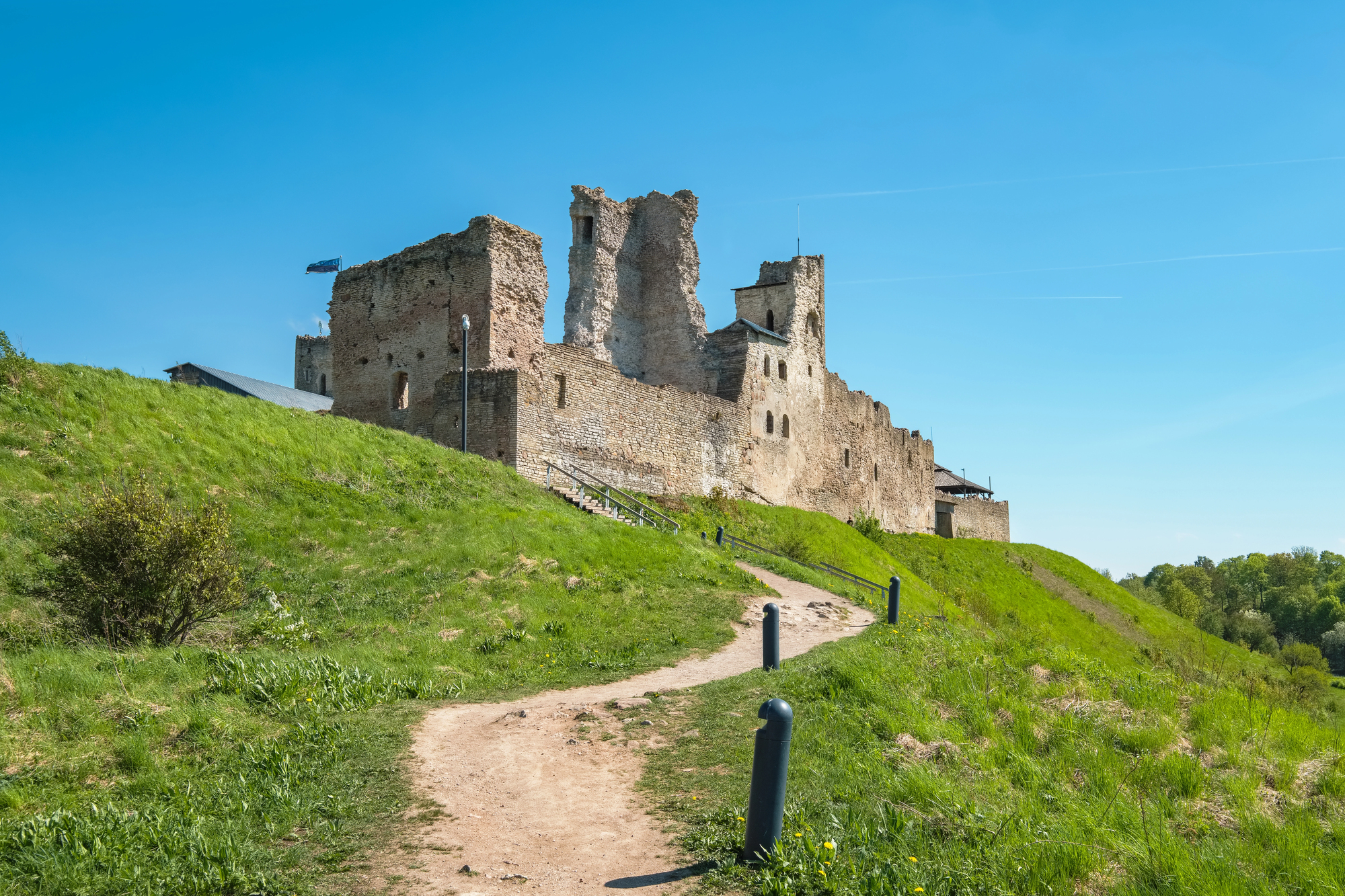
Livonian is a Finnic language from the coast of Latvia, and by the twenty-first century it existed in a condition that can only be described as technically alive. The last fully native speaker, Grizelda Kristiņa, died in 2013, and before her, Viktor Berthold died in 2009 — leaving behind recordings, a dictionary, and a small community of heritage learners and enthusiasts who continue to study and teach it.
The Livonian Cultural Center in Mazirbe, on the Livonian Coast, holds summer camps and language courses; there are perhaps a few dozen people today who speak Livonian with any real fluency. It is a language being held at the surface by human effort alone, which is exactly how most languages have survived long enough to be noticed.
The Weight of One Last Voice
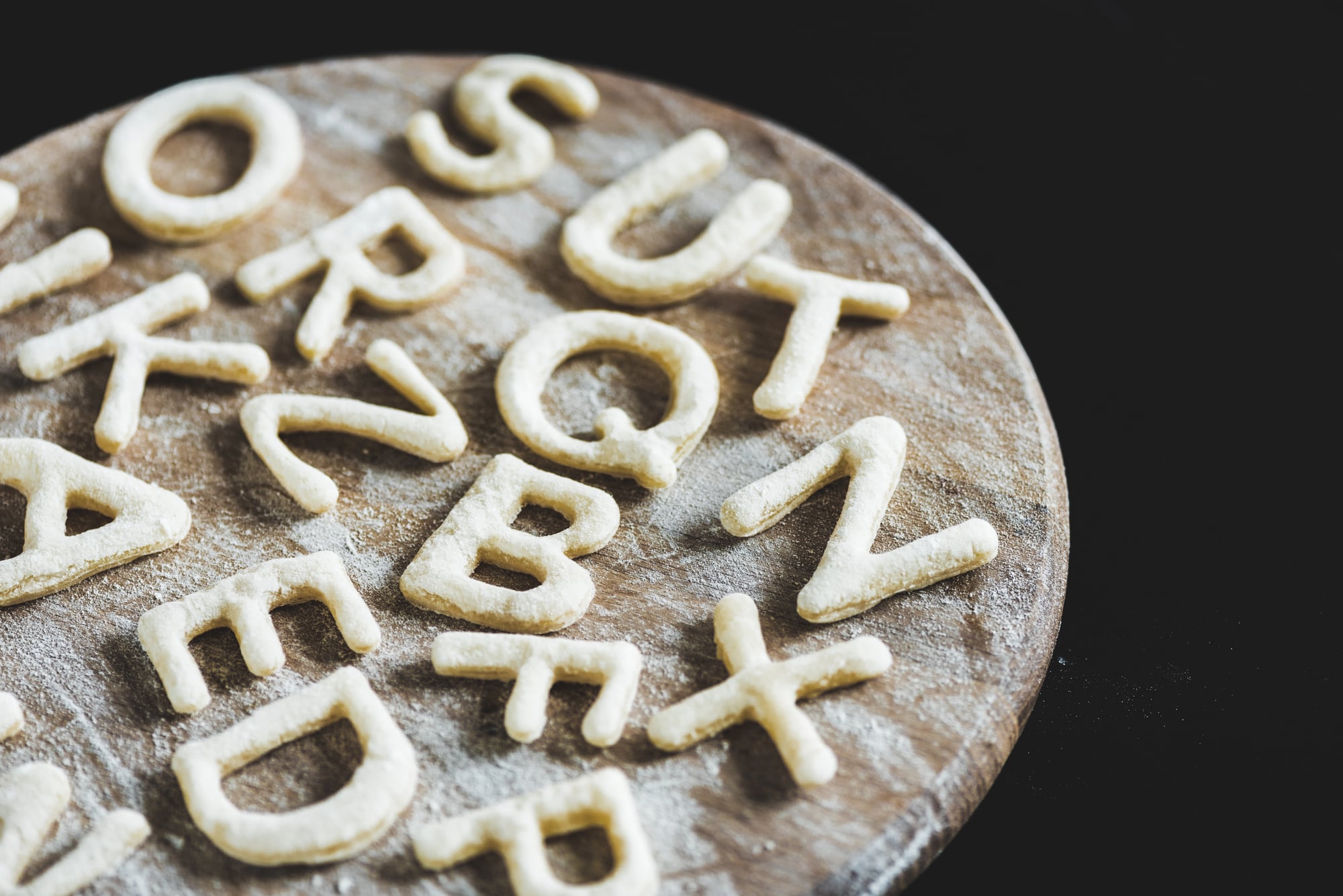
There’s a particular kind of loneliness that belongs to the last speaker of a language — not always acknowledged, not always even recognized by the speaker themselves. Some of the people in these stories knew they were carrying something irreplaceable.
Others just thought they were talking. What both groups shared was the act of continuing: showing up in the language every day, in kitchens and classrooms and cramped recording studios with aging tape equipment, without any guarantee that anyone would be listening in a hundred years.
Languages aren’t preserved by institutions alone — institutions help, but they follow the people who refused to stop speaking first. Every language still alive today, by whatever margin, has at least one person somewhere in its history who kept going when going was genuinely hard.
That’s not sentimentality. That’s just how it worked.
More from Go2Tutors!

- The Romanov Crown Jewels and Their Tragic Fate
- 13 Historical Mysteries That Science Still Can’t Solve
- Famous Hoaxes That Fooled the World for Years
- 15 Child Stars with Tragic Adult Lives
- 16 Famous Jewelry Pieces in History
Like Go2Tutors’s content? Follow us on MSN.



