Classic PC Games Still Loved By Many
Back when screens were blocky and saves lived on floppy drives, computer games won the day by being fun to play. Not one relied on high-end gear yet stuck around in memories like old friends.
Some started whole categories of play, grew tight-knit circles of fans, showed brilliance needs no sparkle. Long after they launched, their ideas live on – quiet proof that smart craft trumps gloss.
Years go by, yet these old PC games stick around in players’ minds like they were just released yesterday. Not because they’re perfect, but because something about them feels alive even now.
Doom
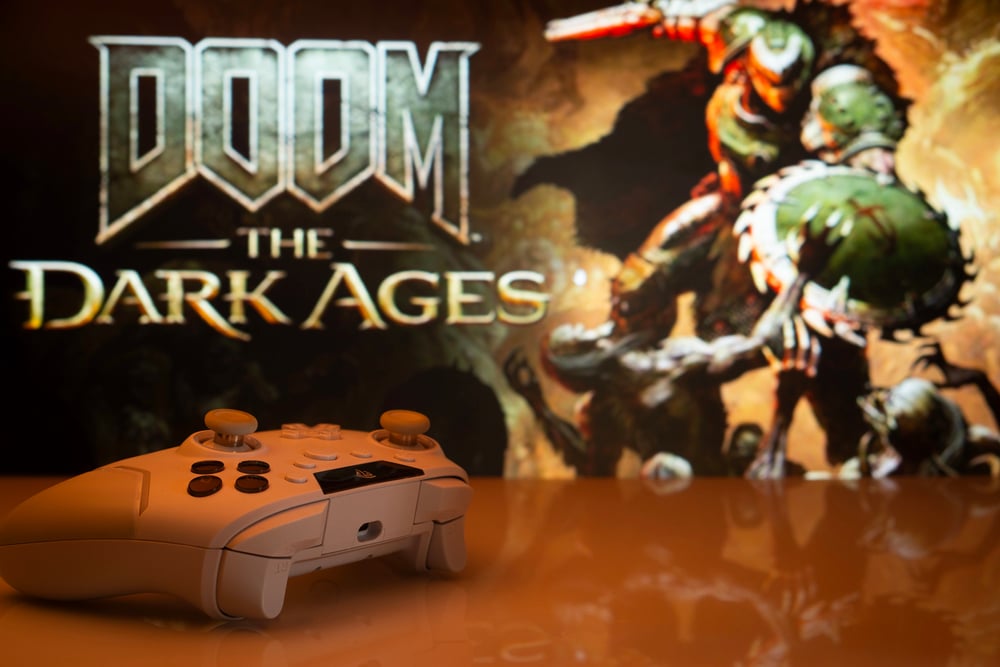
Something shifted the moment id Software dropped this shooter back in 1993. Hellish hallways swarmed with monsters became playgrounds for players packing explosive firepower.
Each weapon landed with a punch, heavy and real. Modding opened doors – anyone could reshape the experience, build fresh worlds inside its code.
Years rolled on, yet folks still gathered around it, tinkering, launching rockets into pixelated nightmares. What began as gunfire in digital pits grew into something lasting – a blueprint others followed without knowing they were copying.
Fans keep lighting fuses even now.
SimCity 2000
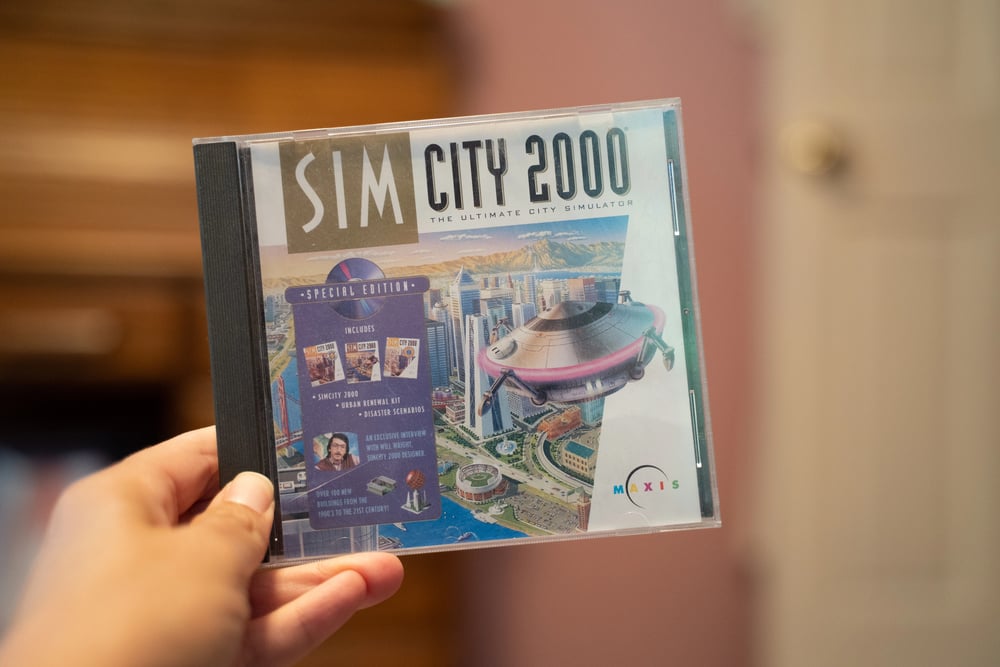
Back in 1993, Maxis handed control straight to players who shaped cities block by block. Budgets needed attention just as much as roads did if people were going to stay content.
Below ground, tunnels carried water and trains – adding depth most games skipped. Hours melted away while fine-tuning every district, each decision stacking up quietly.
A humming skyline at last – that reward came only after patience paid off.
StarCraft
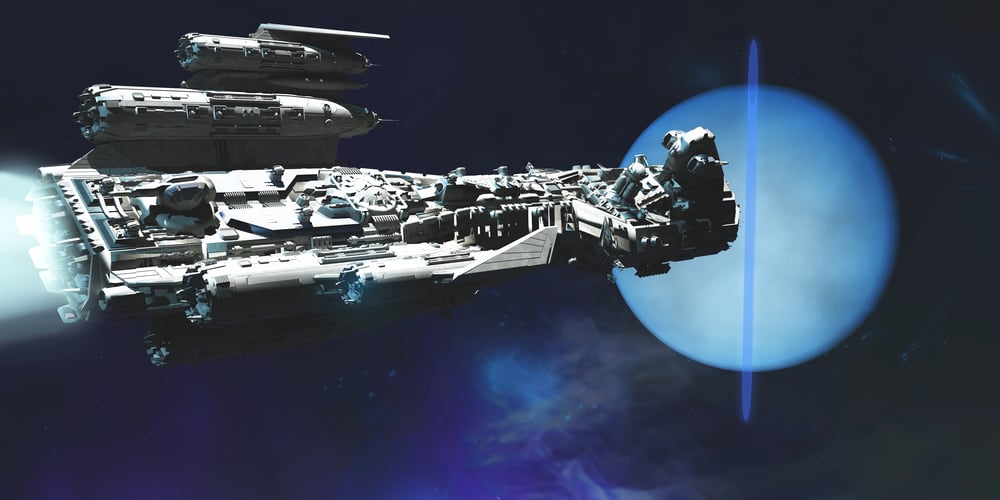
Back in 1998, Blizzard dropped a real-time strategy title that quietly slipped into global culture – South Korea took it further, turning top gamers into household names. Because each of the three factions felt unique yet evenly matched, high-level play didn’t grow stale, lasting far beyond expectations.
Resource gathering shaped every decision; bases rose slowly while troop movements demanded sharp timing and smarter choices than sheer speed alone. Instead of just clicking fast, long-term vision often tipped battles in quiet but decisive ways.
Missions unfolded like sci-fi chapters, pulling players forward simply by making them wonder what came next.
Half-Life
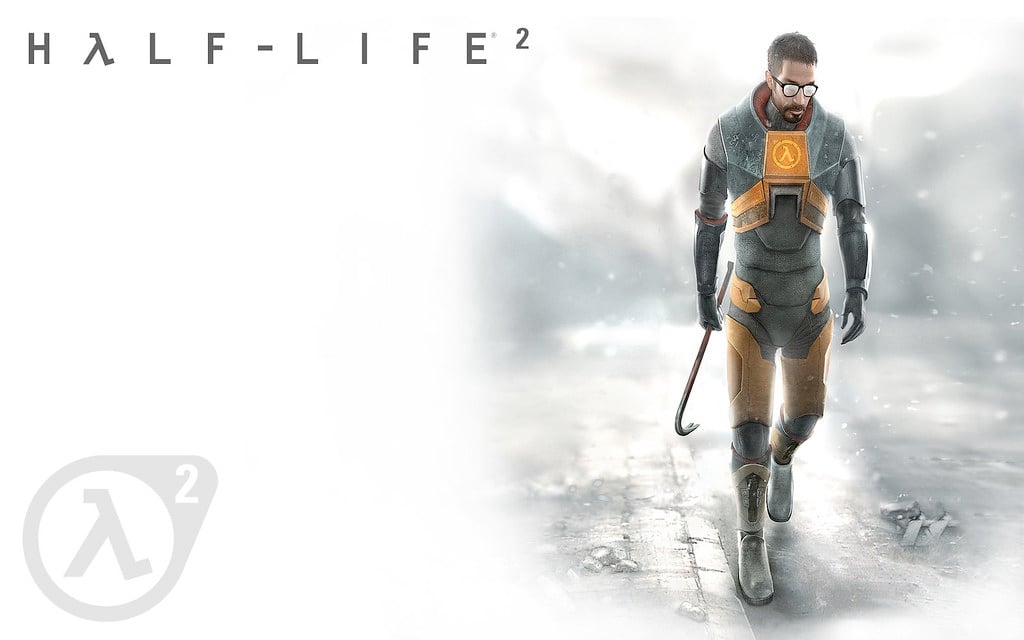
From the start, Valve’s 1998 shooter let players move freely while revealing its plot piece by piece. Gordon Freeman stayed silent, yet somehow became someone you walked beside, not just controlled.
Instead of cutscenes, it wove challenges into hallways – moments where thinking mattered as much as shooting. Combat hit hard, surprises lurked around corners, each room added another thread to the unease.
Years later, echoes of that design hum through games we still play today.
Age Of Empires Two
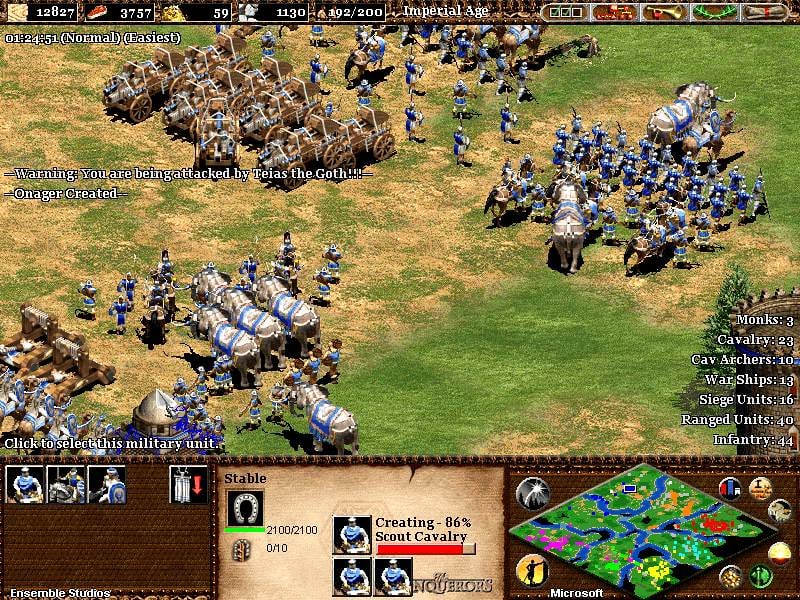
A single click back in 1999 opens a world where empires rise from rubble to grandeur. Not every tribe marches the same path – some strike fast, others build slow, each shaped by distinct tools and knowledge.
History slips into play naturally, mission after mission retelling wars and treaties like they happened. Long after most games fade, strangers face off across continents, testing old tactics on digital battlefields.
Time has not dulled its core; it simply runs on.
The Sims
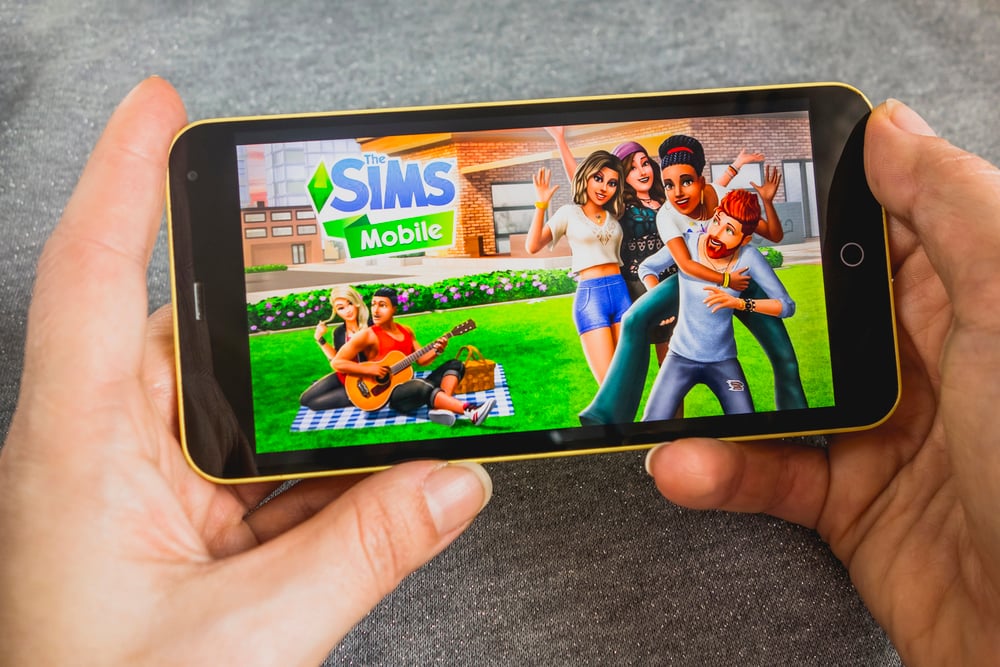
Out of nowhere came a game by Will Wright in 2000 – people shaped tiny digital lives, step by awkward step. On the surface? It looked dull, maybe even pointless.
Yet somehow, juggling jobs, emotions, and broken toilets pulled players back again and again. Instead of following rules, they made up dramas, stacked rooms into wild homes, tested limits no one had planned for.
Over time, more versions appeared – not just copies, but shifts, mutations – and still folks buy them now.
Civilization II

Back in 1996, Sid Meier dropped a strategy game where you start small – stone tools, mud huts – and aim for orbit. Where you plopped down each city shaped everything after that moment.
Research paths twisted your progress, sometimes fast, sometimes stuck. Folks kept saying they’d quit soon… then looked up to find morning light creeping through blinds.
Because outcomes shifted wildly every time,
even if choices felt familiar at first.
Diablo II
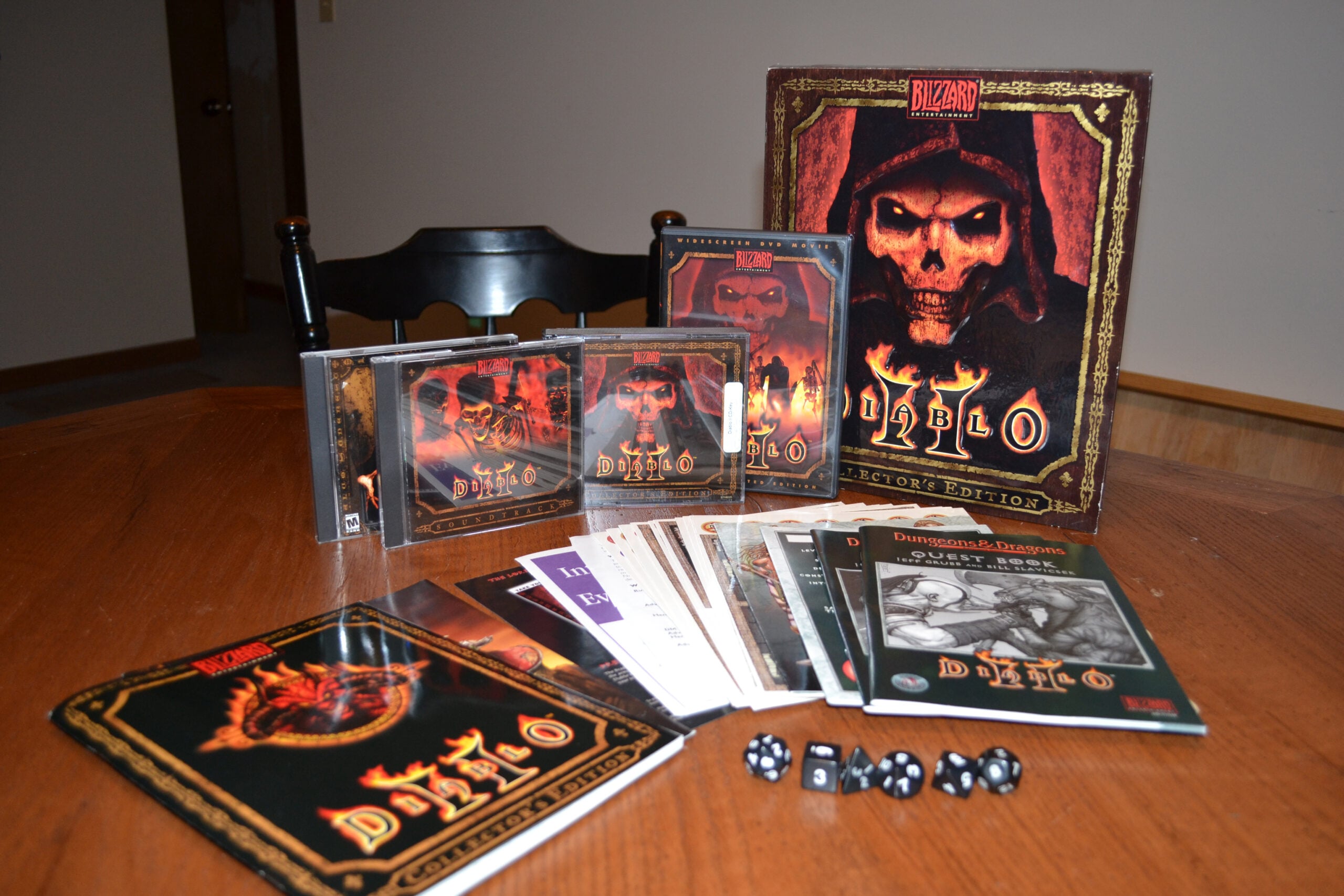
One thing after another drops into place when you click through enemies and scoop up what they leave behind. Dark skies hang over a world where warriors choose their path by how they fight, not just who they are.
Each choice opens new ways to mix armor, weapons, tricks – no two playthroughs feel quite the same. Gamers swapped treasures like secrets, hunted powerful foes again and again, shaped heroes unlike any other.
Almost every similar title that came later borrowed something without saying so.
Baldur’s Gate II
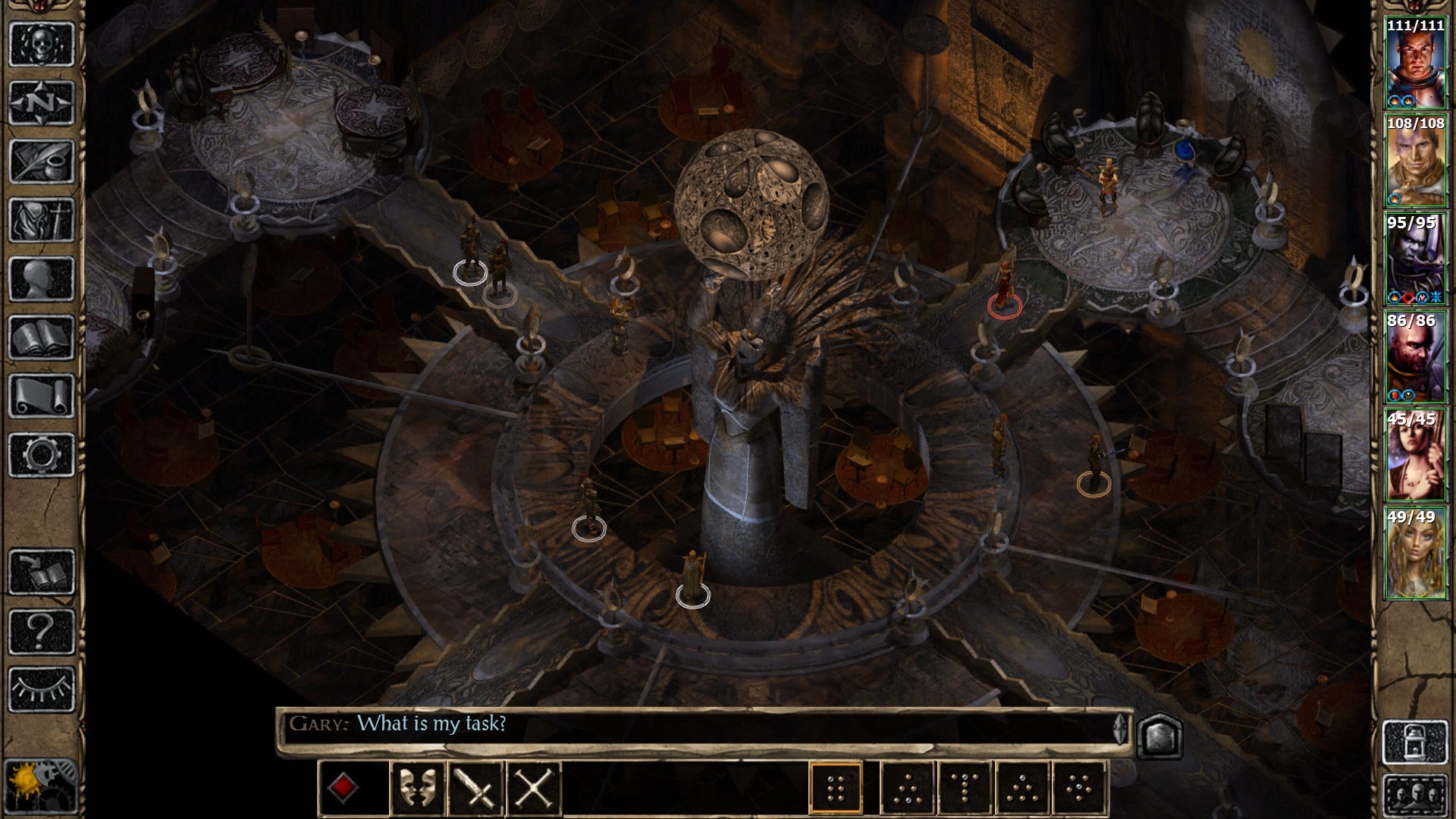
A world unfolded where decisions shaped destinies, not just paths. Characters breathed life into the journey – flawed, driven, real.
One moment you’re planning battle moves like chess on fire, next you’re untangling a companion’s past over campfire smoke. Story branches cracked open under your choices, never neatly, always with weight.
Some dialogues linger years later, lines etched in memory without fanfare. Time bent inside this adventure, stretching into weeks without notice.
Few have come close since. Not even near.
Counter-Strike

A game born from a Half-Life modification back in 1999 slowly shaped how people played shooters for years after. Opposing teams of attackers and defenders clashed in structured missions where coordination mattered more than reflexes alone.
Instead of just shooting, planning came into play because gear depended on earnings – each weapon purchased using money earned through past results. Because players took it seriously, organized contests popped up, turning casual matches into something closer to sport.
Over time, those events helped give rise to what many now call professional gaming.
Warcraft III
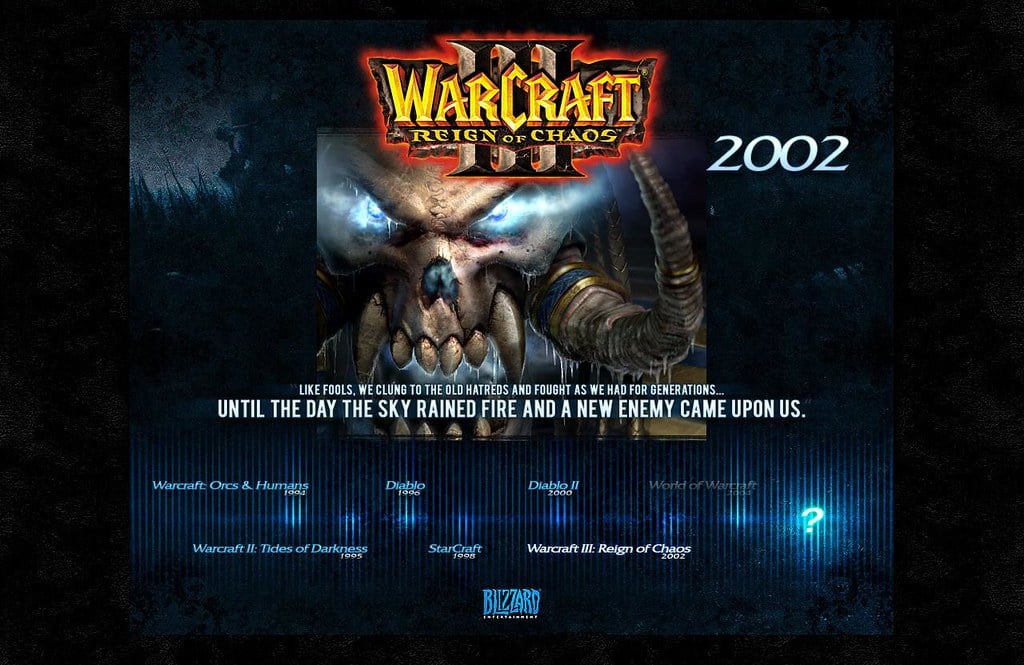
Blizzard’s 2002 real-time strategy game combined traditional base-building with hero units that leveled up and carried items. The campaign introduced characters and storylines that would later form the basis for World of Warcraft.
Players enjoyed the custom game mode that let them create their own scenarios, which eventually spawned entire new genres like tower defense and MOBA games.
Planescape: Torment

Black Isle Studios released this philosophical RPG in 1999, focusing on story and dialogue over combat. Players controlled an immortal amnesiac searching for answers about his past lives in a bizarre fantasy setting.
The game asked deep questions about identity, morality, and the nature of existence. Its writing quality and unique approach influenced how developers thought about narrative in games.
System Shock 2
Looking Glass Studios and Irrational Games created this 1999 survival horror shooter that terrified players aboard a haunted spaceship. The game combined shooting, role-playing elements, and resource management while delivering genuine scares.
Players explored abandoned corridors, upgraded their character, and pieced together what happened through audio logs. Its influence shows clearly in games like BioShock that came later.
Roller Coaster Tycoon
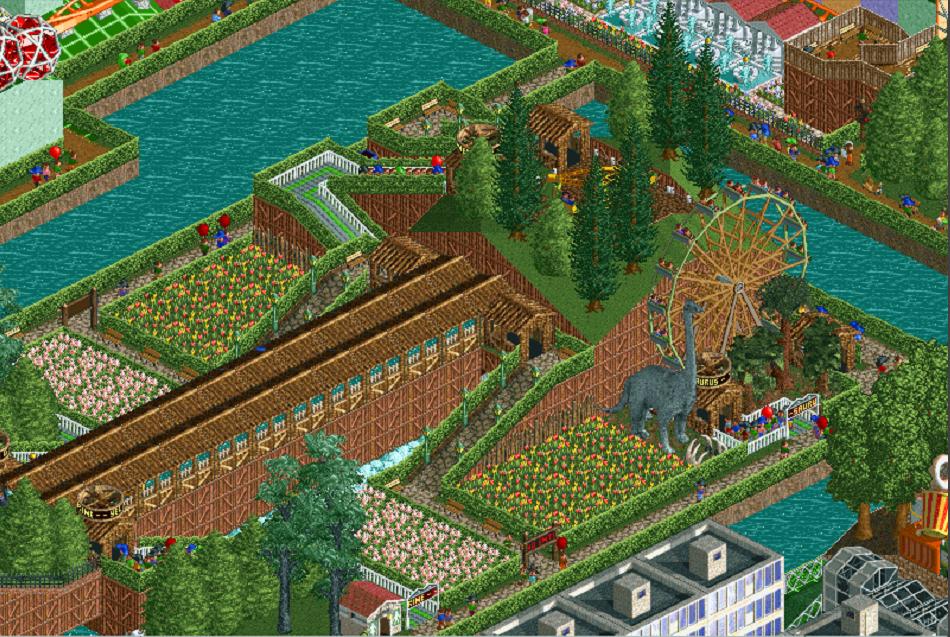
Chris Sawyer programmed this entire theme park simulation game by himself in assembly language and released it in 1999. Players designed roller coasters, managed park finances, and tried to keep visitors happy.
The game let people build outrageous rides or create death traps for virtual guests. Its charming graphics and deep management systems made it accessible yet challenging.
Myst
Cyan’s 1993 puzzle adventure game sold millions of copies despite having no action or violence. Players explored beautifully rendered pre-rendered worlds, solving intricate puzzles to uncover the story.
The game’s atmosphere and challenging puzzles made it a cultural phenomenon. It proved that games could succeed by making players think rather than react quickly.
Command & Conquer
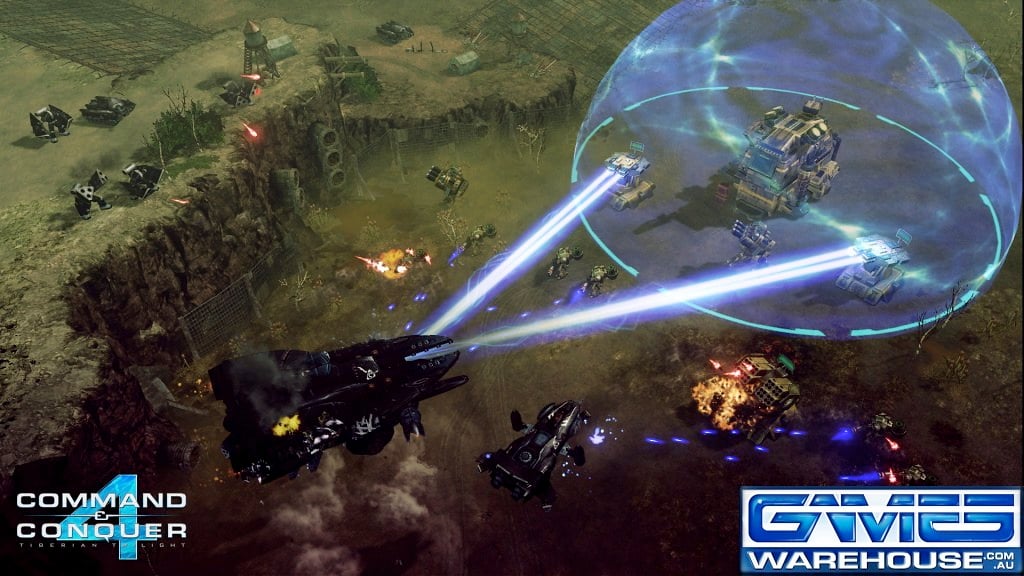
Westwood Studios launched this real-time strategy series in 1995, featuring a conflict between two factions fighting over a valuable resource. The game featured live-action cutscenes that added personality to the campaign.
Players built bases, harvested resources, and commanded armies in fast-paced battles. Its accessible gameplay helped popularize the real-time strategy genre beyond hardcore gamers.
When Pixels Meant More

These games succeeded without photorealistic graphics, motion capture, or voice acting from Hollywood stars. They relied on solid mechanics, creative ideas, and respect for the player’s intelligence.
Modern gaming owes these classics a debt, as they established genres, proved concepts, and showed what interactive entertainment could achieve. The fact that people still play many of these titles decades later says everything about their quality and lasting appeal.
More from Go2Tutors!

- The Romanov Crown Jewels and Their Tragic Fate
- 13 Historical Mysteries That Science Still Can’t Solve
- Famous Hoaxes That Fooled the World for Years
- 15 Child Stars with Tragic Adult Lives
- 16 Famous Jewelry Pieces in History
Like Go2Tutors’s content? Follow us on MSN.



