Reasons People Are Embracing Tiny Homes
The housing market keeps getting more complicated. Prices climb higher, mortgages stretch longer, and the whole process of finding a place to live feels exhausting.
But something interesting has been happening over the past decade. More people are choosing to shrink their living spaces instead of expanding them.
Tiny homes—usually under 400 square feet—have moved from quirky novelty to genuine lifestyle choice for thousands of Americans.
The Money Just Makes Sense

Traditional homes cost a fortune. The average American house now runs well over $400,000 in most markets, and that’s before you factor in decades of interest payments.
Tiny homes typically cost between $30,000 and $80,000. You can pay that off in years instead of spending your entire adult life chained to a mortgage.
The math speaks for itself.
Lower Bills Change Everything

Heating and cooling a tiny space costs a fraction of what you’d pay for a standard house. Your electric bill drops.
Water usage shrinks. Property taxes—if you even pay them—stay minimal.
These savings add up month after month, year after year. You suddenly have money left over at the end of each month instead of watching your paycheck disappear into utility companies and tax collectors.
Less Stuff, Less Stress

When you only have room for what truly matters, you stop accumulating junk. You can’t impulse-buy decorative items or kitchen gadgets you’ll never use because there’s simply nowhere to put them.
This forced simplicity clears your mind. You spend less time organizing, cleaning, and managing possessions.
Your weekends open up.
Freedom to Move
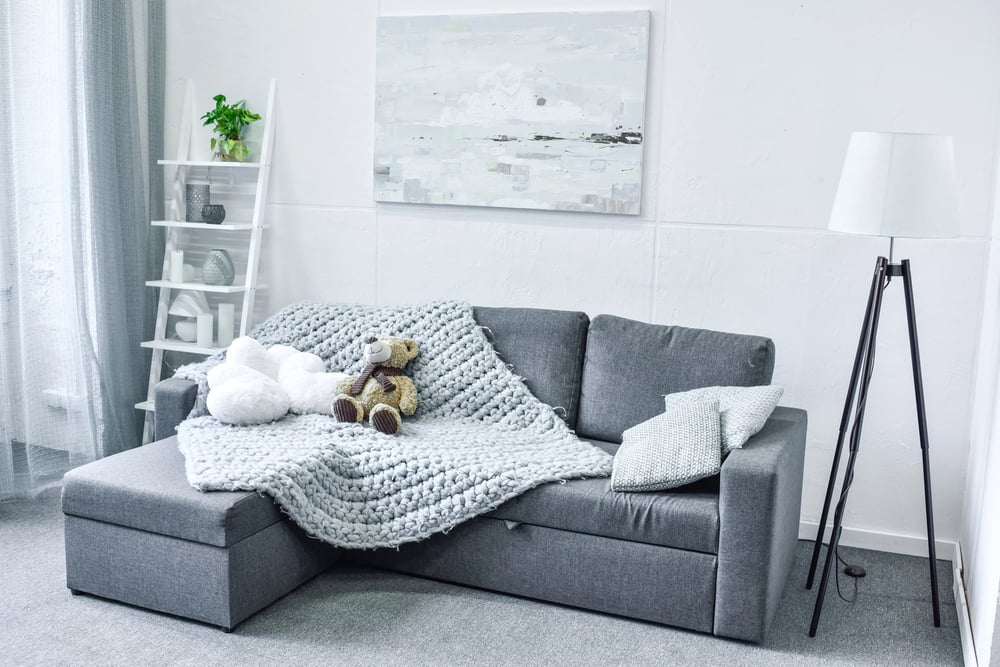
Many tiny homes sit on trailers, which means you can literally take your house with you when you relocate for work or just want a change of scenery. No selling process, no closing costs, no realtor fees.
Just hitch up and go. This mobility appeals to remote workers, retirees, and anyone tired of feeling stuck in one place because of their housing situation.
Environmental Impact Actually Shrinks

A smaller footprint means less energy consumption, fewer building materials, and reduced waste. You’re not heating empty rooms or maintaining spaces you rarely use.
Solar panels can often power an entire tiny home, making off-grid living realistic. Composting toilets and rainwater collection systems fit naturally into this scaled-down lifestyle.
Building Community Differently

Tiny home villages and communities have sprouted up across the country. These neighborhoods foster connection because everyone shares similar values around simplicity and sustainability.
When you live in close quarters with like-minded people, relationships form faster and deeper. You actually know your neighbors instead of just waving at them occasionally.
Retirement Gets Rewritten

Retirees are discovering that tiny homes solve multiple problems at once. Fixed incomes go further when housing costs plummet.
Maintenance becomes manageable as you age—there’s no lawn to mow or roof to worry about. You can position your tiny home near family or in a retirement community designed specifically for this housing style.
The dream of retiring comfortably no longer requires massive savings or selling a large family home. You can downsize on your own terms and still live with dignity and comfort.
Young People Enter Housing Markets
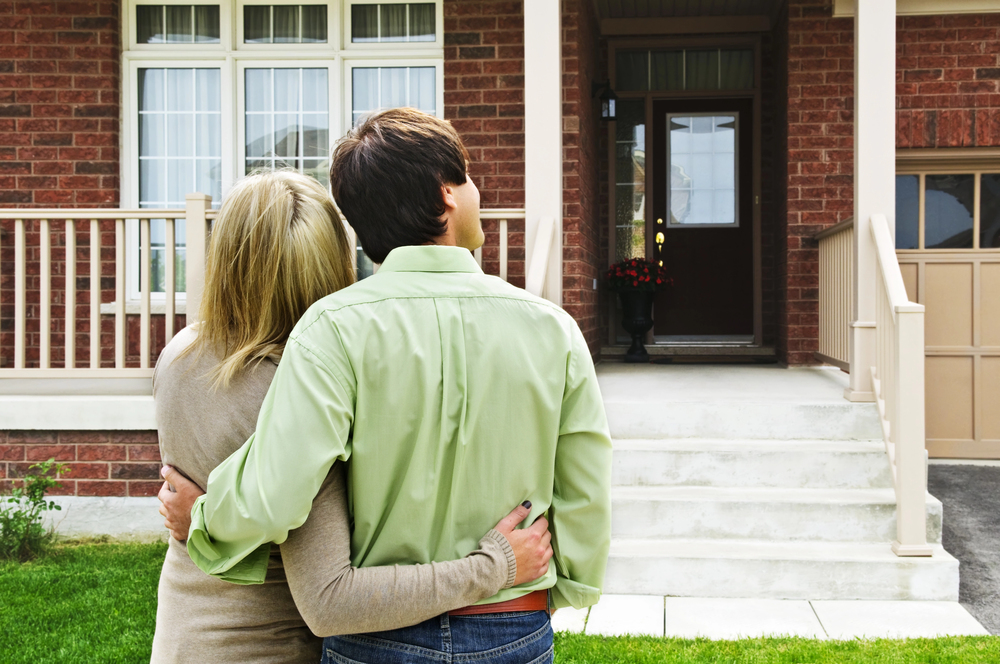
First-time buyers face brutal competition and sky-high prices that make homeownership feel impossible. Tiny homes offer an entry point.
You can own property, build equity, and establish yourself without taking on crushing debt. Young professionals, recent graduates, and couples just starting out see this as a realistic path to ownership instead of renting forever.
Divorce and Life Transitions

When life changes suddenly, you need affordable housing fast. Divorce, job loss, or other major transitions often require quick downsizing.
Tiny homes provide a complete, self-contained living solution without the complications of apartment hunting or competing for rentals. You get privacy, ownership, and the ability to start fresh without drowning in housing costs.
Creative Expression Through Design
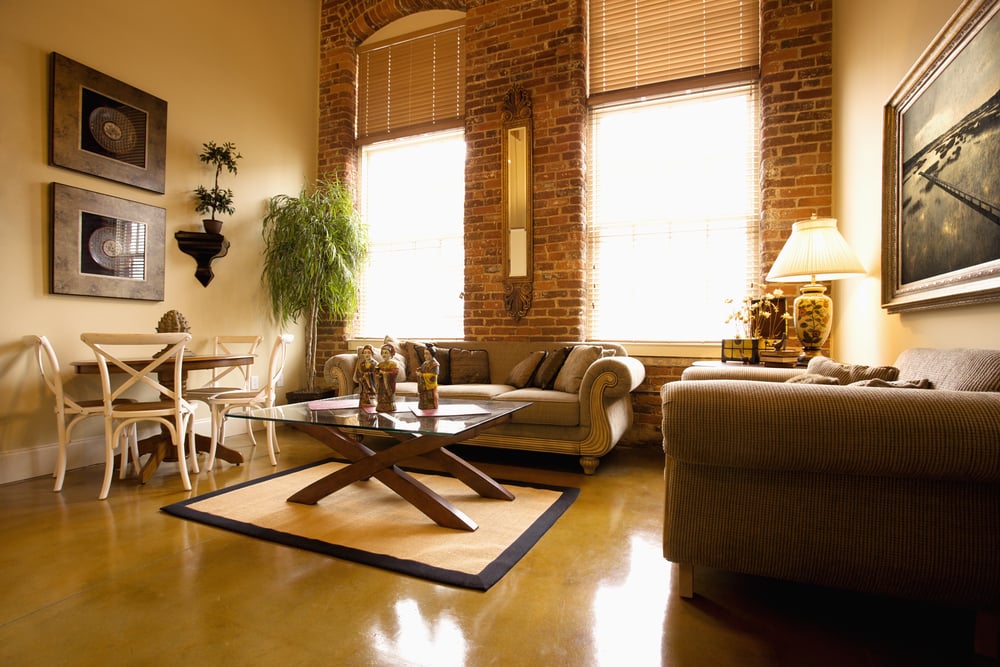
Designing and building a tiny home lets you customize every inch. You pick the layout, choose materials that match your style, and create a space that reflects exactly who you are.
No cookie-cutter subdivisions or bland apartment complexes. Your home becomes a personal statement.
Some people build their own tiny homes from scratch, learning construction skills along the way. Others work with designers to create custom layouts that maximize function and beauty in minimal square footage.
Either way, you end up with something uniquely yours.
Simplifying Inheritance and Estate Planning
Leaving a tiny home to your children creates far less burden than a traditional house. There’s no massive property to maintain, no huge tax bill, and no complicated decisions about keeping or selling.
Your heirs inherit something manageable that actually helps them instead of creating stress and financial obligations.
Disaster Recovery Becomes Faster
When hurricanes, wildfires, or floods destroy homes, tiny houses can be deployed quickly to provide immediate housing. Their small size and mobility make them ideal for disaster relief.
Families can get back on their feet faster instead of living in temporary shelters for months or years while rebuilding traditional homes.
Escaping Suburban Sprawl
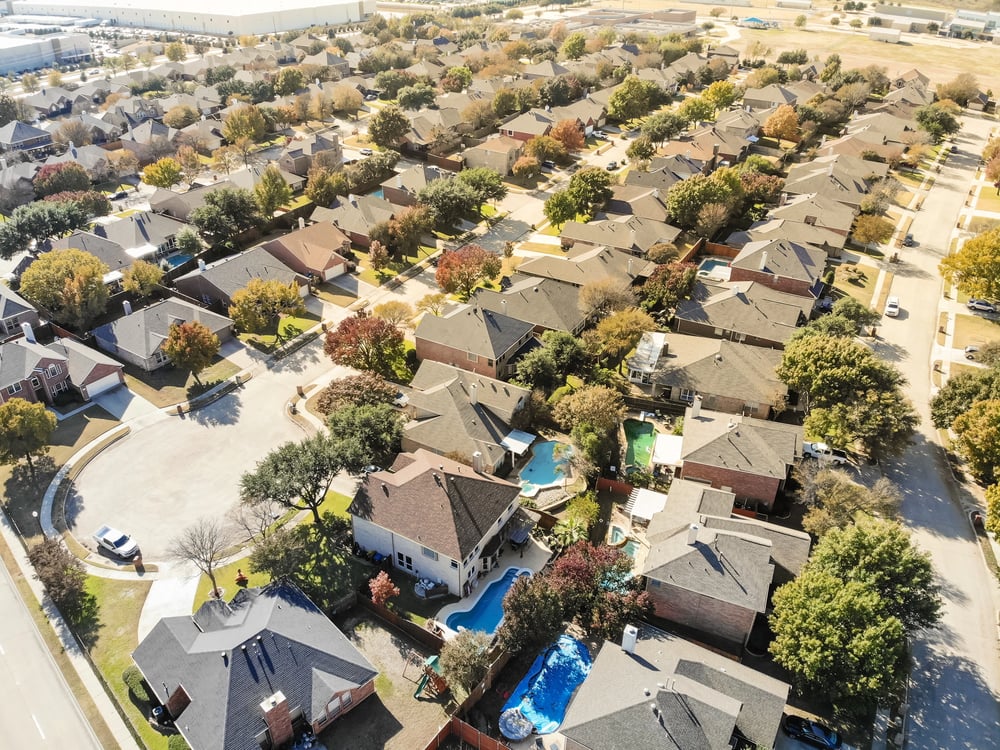
The suburbs promised space and peace but delivered traffic, strip malls, and isolation. Tiny homes let you opt out of that model entirely.
You can park in rural areas, mountain settings, or on small urban lots. Geography becomes your choice again instead of being determined by where you can afford a standard house.
Health Through Decluttering

Mental health improves when physical clutter disappears. Living in a tiny space forces you to keep only what serves you.
This physical organization translates into mental clarity. You spend less time managing possessions and more time living intentionally.
The psychological benefits of simplicity show up in reduced anxiety and increased life satisfaction.
A Different Kind of Wealth

Money in a bank account does not tell the whole story. What counts is time on your hands, choices without pressure, calm thoughts at day’s end.
Living small brings these things into reach. Less income needed when rent or mortgage shrinks fast.
Worry fades because upkeep takes fewer hours each week. Space opens up for activities that feel meaningful instead.
Suddenly, wealth feels different than before – lighter, clearer, real. Your pay covers more ground now.
Time settles into your hands, quiet and yours. Keeping pace with others? That weight slips off.
How you see achievement shifts, like light changing through a window.
Where Simple Meets Enough
Living small does not equal missing out. Bigger spaces often bring more stress, not joy.
Comfort fits within four hundred square feet just fine. Smart layouts matter most, along with decisions made on purpose.
Challenging what everyone assumes is normal takes strength. Size rarely defines a life well lived.
Living small tends to leave people feeling clearer, unburdened, because space stops dictating their mood. Comfort shows up not in square footage but in how easily things fit together now.
Once that balance clicks – simple yet full – the rest of life shifts without force.
More from Go2Tutors!

- The Romanov Crown Jewels and Their Tragic Fate
- 13 Historical Mysteries That Science Still Can’t Solve
- Famous Hoaxes That Fooled the World for Years
- 15 Child Stars with Tragic Adult Lives
- 16 Famous Jewelry Pieces in History
Like Go2Tutors’s content? Follow us on MSN.