14 Public Statues That Were Secretly Repurposed From Other Figures
Throughout history, statues have stood as monuments to power, achievement, and cultural values. Yet beneath their stoic exteriors lies a fascinating secret: many iconic public sculptures actually began their lives honoring completely different individuals. Stone and bronze weren’t always cheap or easy to come by, leading thrifty administrators and artists to get surprisingly creative with existing works.
Let’s explore fourteen remarkable examples of public statues that underwent secret identity transformations, serving as monuments to practicality as much as to the figures they eventually came to represent.
The Colossal Constantine
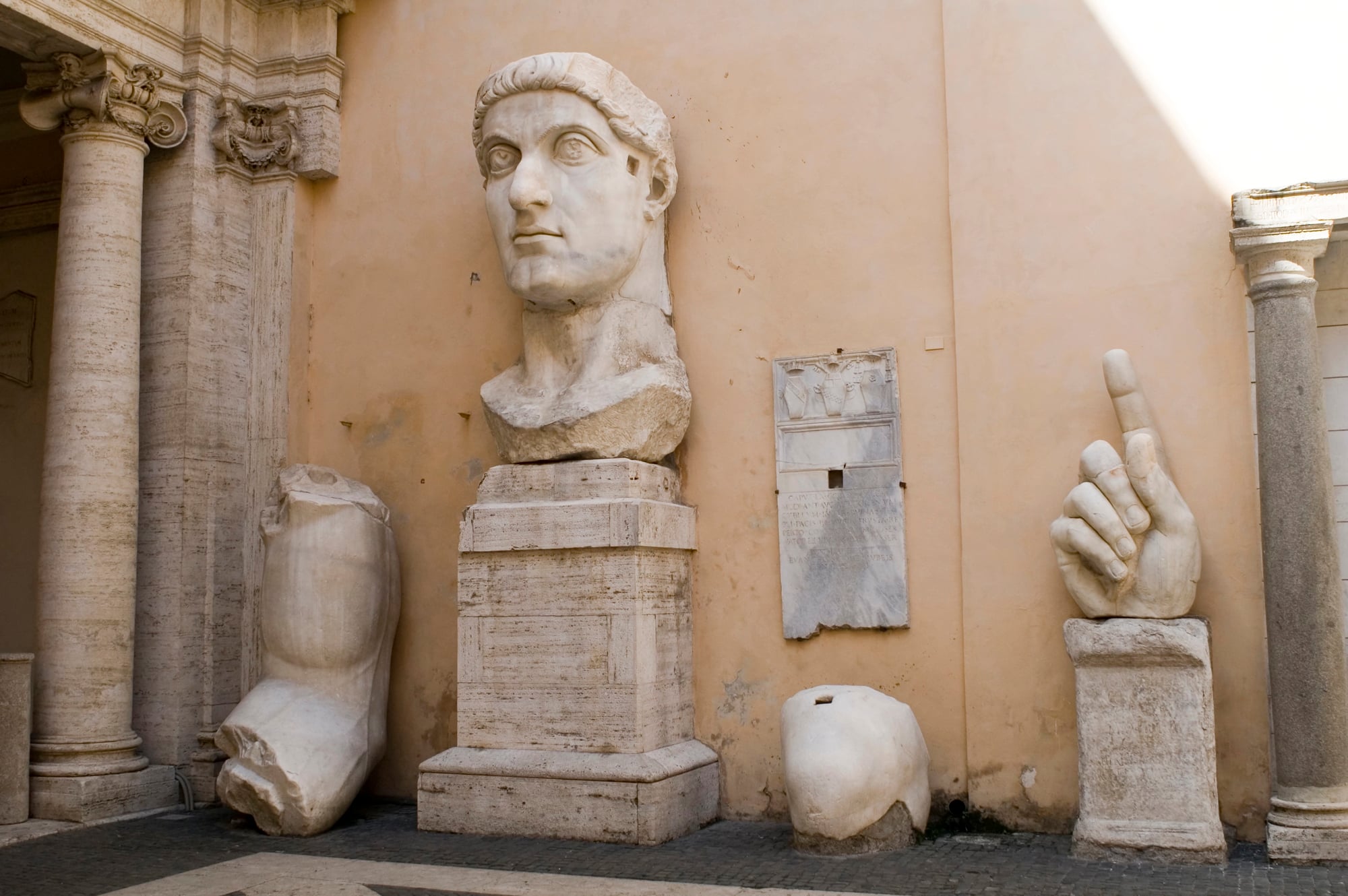
Perhaps the most famous example of statue repurposing happened in ancient Rome with the massive seated figure of Emperor Constantine. Archaeological evidence reveals this enormous marble statue – fragments of which still survive in Rome’s Capitoline Museum – was originally commissioned as a likeness of Emperor Maxentius.
After Constantine defeated Maxentius at the Battle of Milvian Bridge in CE, sculptors hastily recarved the head and hands to transform the monument into a representation of the victor. Though the alterations were meant to be seamless, modern analysis shows obvious chiseling marks where the facial features were adjusted to match Constantine’s younger appearance.
Caracalla’s Brotherly Deletion
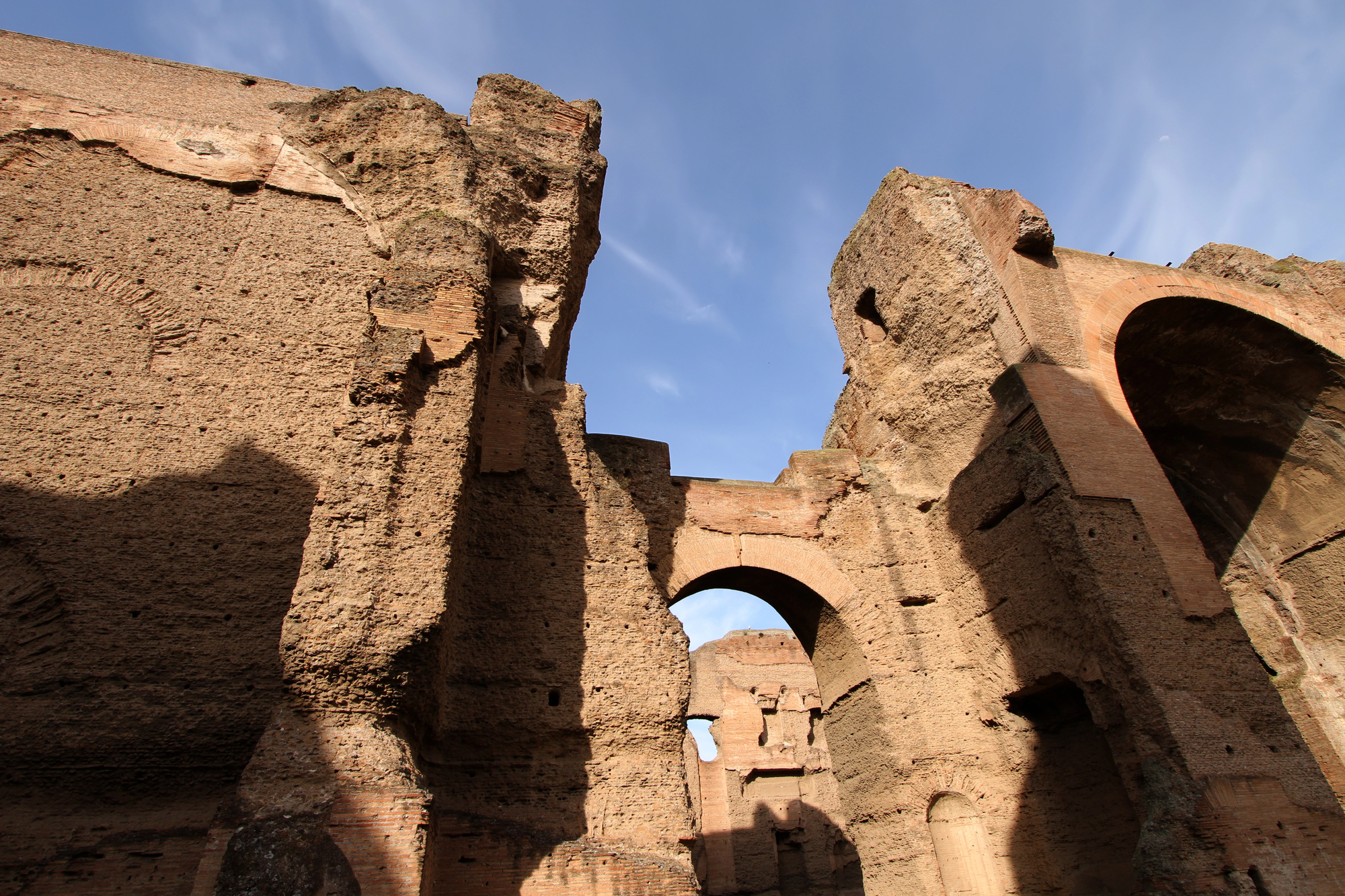
The Arch of the Argentarii in Rome’s Forum Boarium still bears the physical scars of one of history’s most notorious statue alterations. Originally decorated with relief sculptures depicting Emperor Septimius Severus alongside his two sons, Caracalla and Geta, the monument underwent a dramatic modification after Caracalla murdered his brother in CE.
Rather than commission entirely new artwork, Caracalla ordered Geta’s image chiseled away from every public monument – including this arch. Today, the awkward empty space where Geta once stood serves as a chilling reminder of how easily public art could be manipulated to align with political reality.Z
Napoleon’s Revolutionary Rebrand
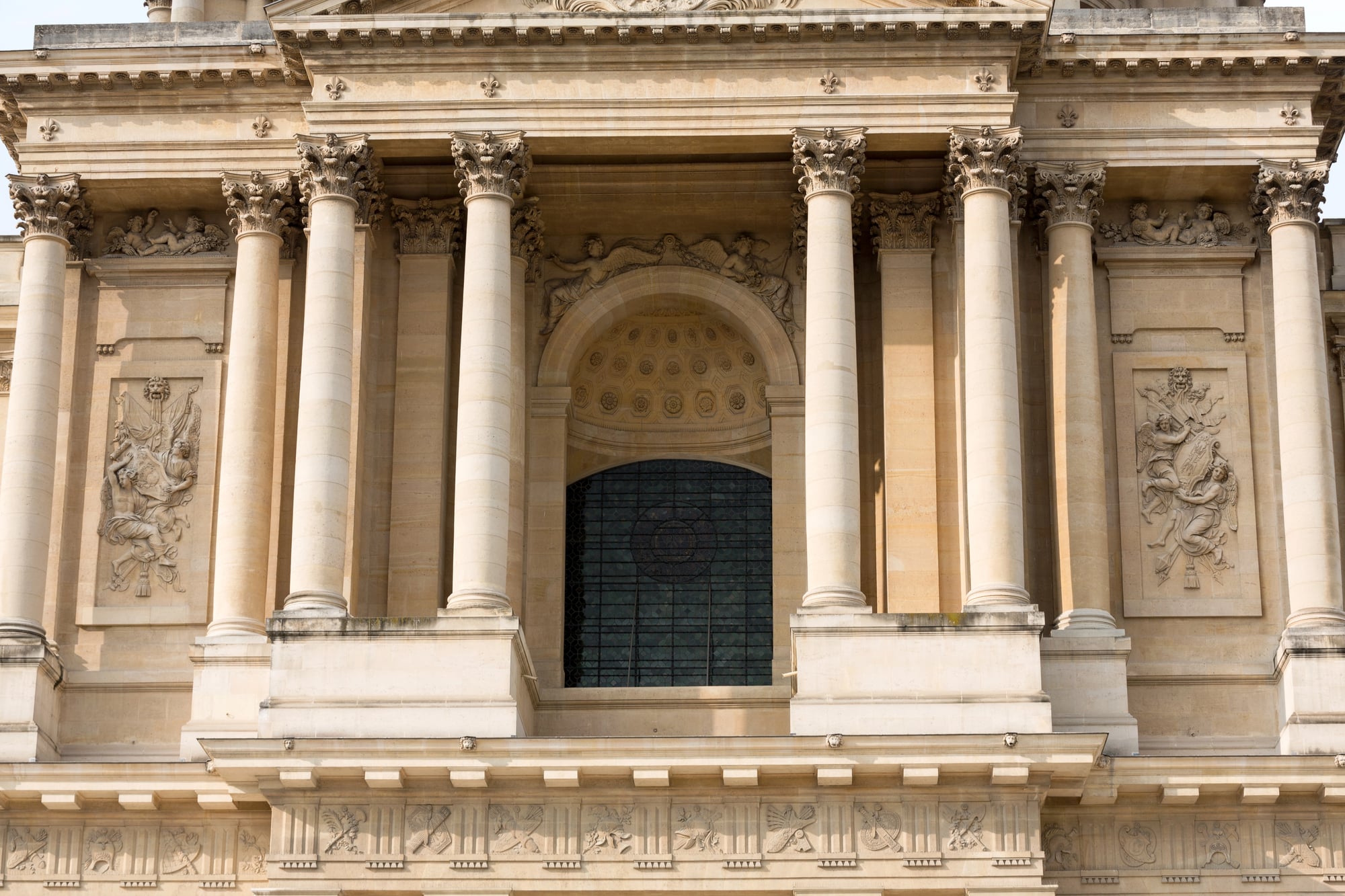
Paris’s Place Vendôme features a towering column that’s undergone multiple identity crises throughout its existence. Initially erected in to celebrate Napoleon’s victory at Austerlitz, it was topped with a statue of the emperor dressed as Caesar.
Following Napoleon’s fall, the Bourbon restoration government couldn’t afford to demolish the massive monument, so they simply replaced Napoleon’s statue with an enormous fleur-de-lis. When Louis-Philippe took power in, he in turn replaced the royal symbol with a new Napoleon statue – but this time depicted in his recognizable military greatcoat.
Marcus Aurelius Becomes Constantine (Again)
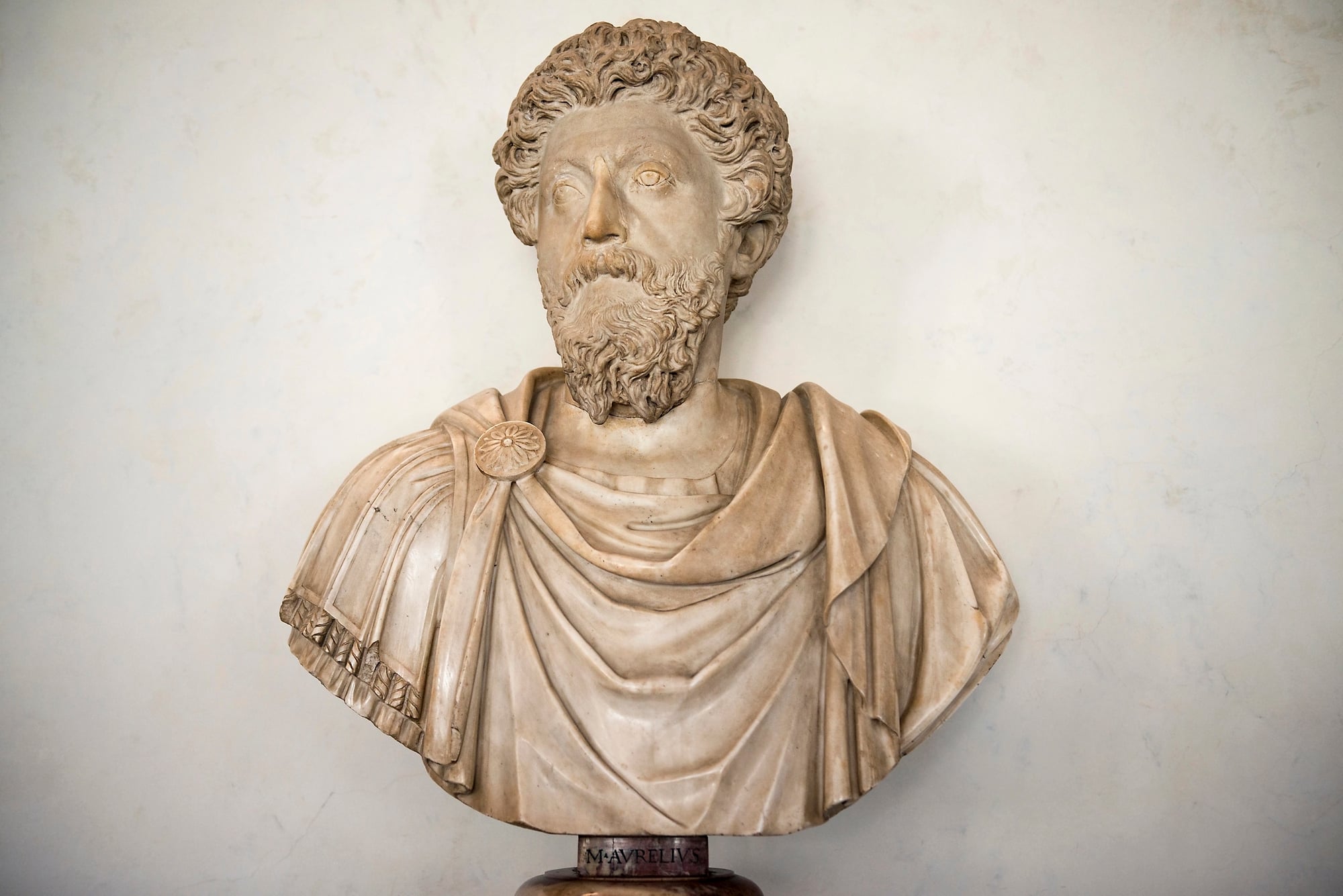
The famous bronze equestrian statue of Marcus Aurelius that now stands in Rome’s Capitoline Museum (with a replica in the piazza) survived the medieval period because of a case of mistaken identity. Medieval Romans believed it depicted Constantine, the emperor who legalized Christianity.
This misattribution saved the statue from being melted down like most ancient bronzes. When Renaissance scholars correctly identified the figure as Marcus Aurelius – a pagan emperor who had persecuted Christians – the statue had already become too beloved to destroy.
Hadrian Becomes Saint Peter
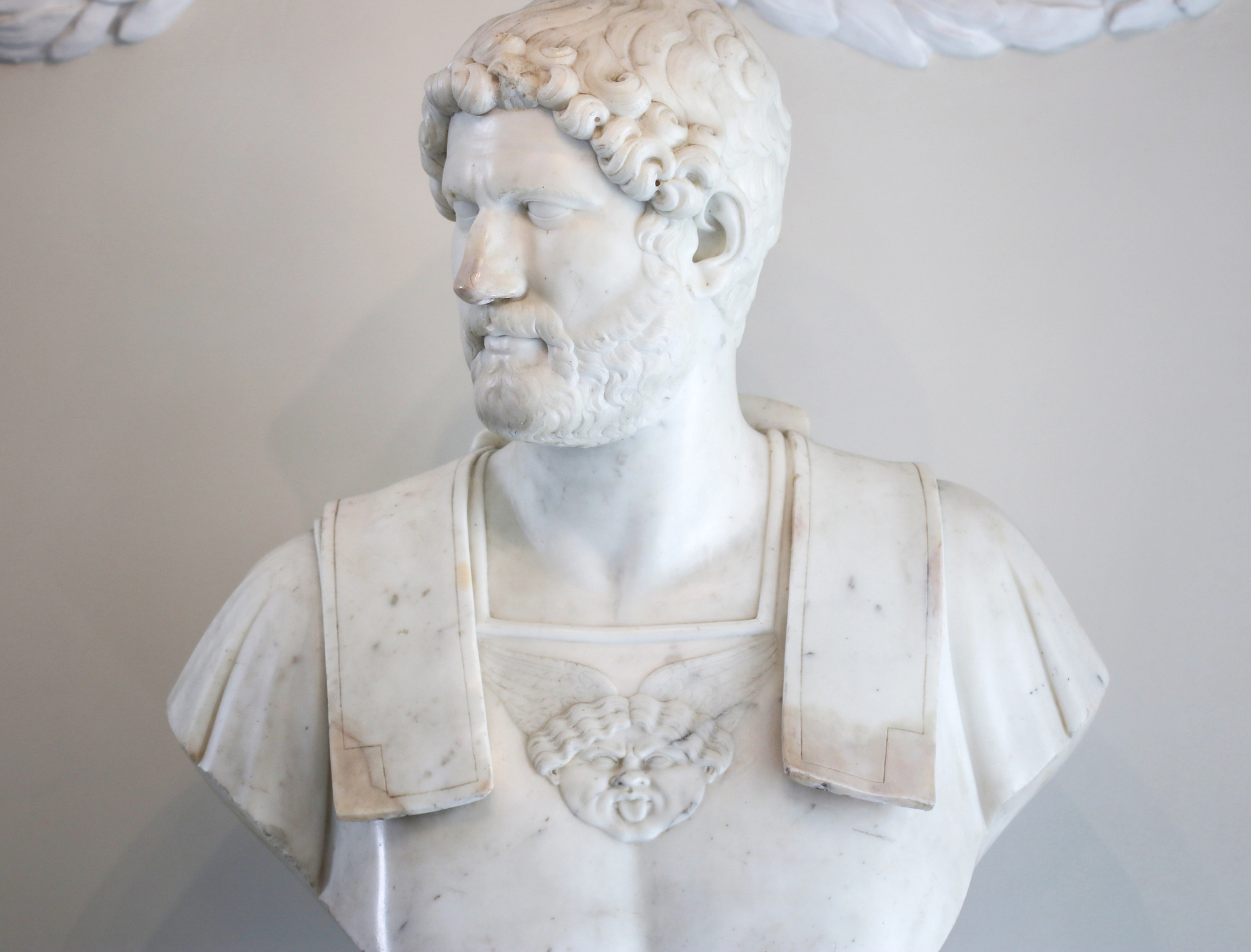
During the medieval period, Christians in Rome repurposed a bronze statue of Emperor Hadrian, adapting it to become a revered depiction of Saint Peter. The famous seated bronze in St. Peter’s Basilica – whose foot has been worn smooth by centuries of pilgrims’ touches – strongly resembles Roman imperial portraits in its style and posture.
Scientific analysis confirms it was originally cast during the early 2nd century CE, making it almost certainly an imperial portrait. Early church authorities, unwilling to waste valuable bronze but uncomfortable with pagan imagery, simply added a halo and keys while redesigning the face to transform the emperor into Christianity’s first pope.
Claudius Gets Nero’d
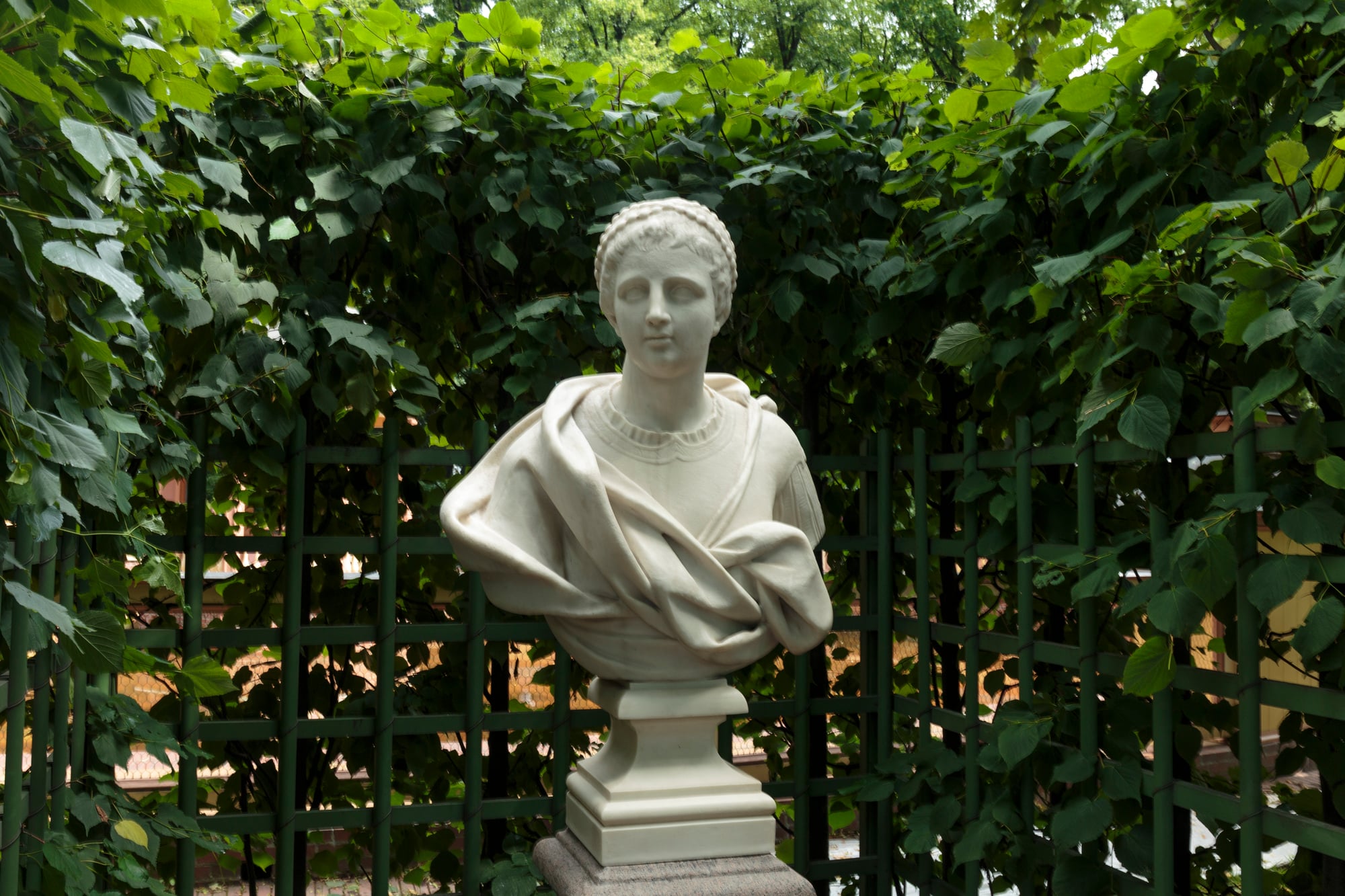
The Museo Nazionale Romano houses a remarkable example of Roman recycling: a marble statue identified through scientific examination as originally depicting Emperor Claudius before being recarved to represent his successor Nero. Tell-tale signs include the unnaturally small head proportion and traces of Claudius’s characteristic hairstyle still visible at the nape of the neck.
When Nero fell from power and suffered damnatio memoriae (official condemnation of memory), the statue underwent yet another transformation – facial features were crudely re-chiseled to resemble a generic Roman citizen, essentially anonymizing the twice-recycled imperial portrait.
Commodus as Hercules Becomes Someone Else
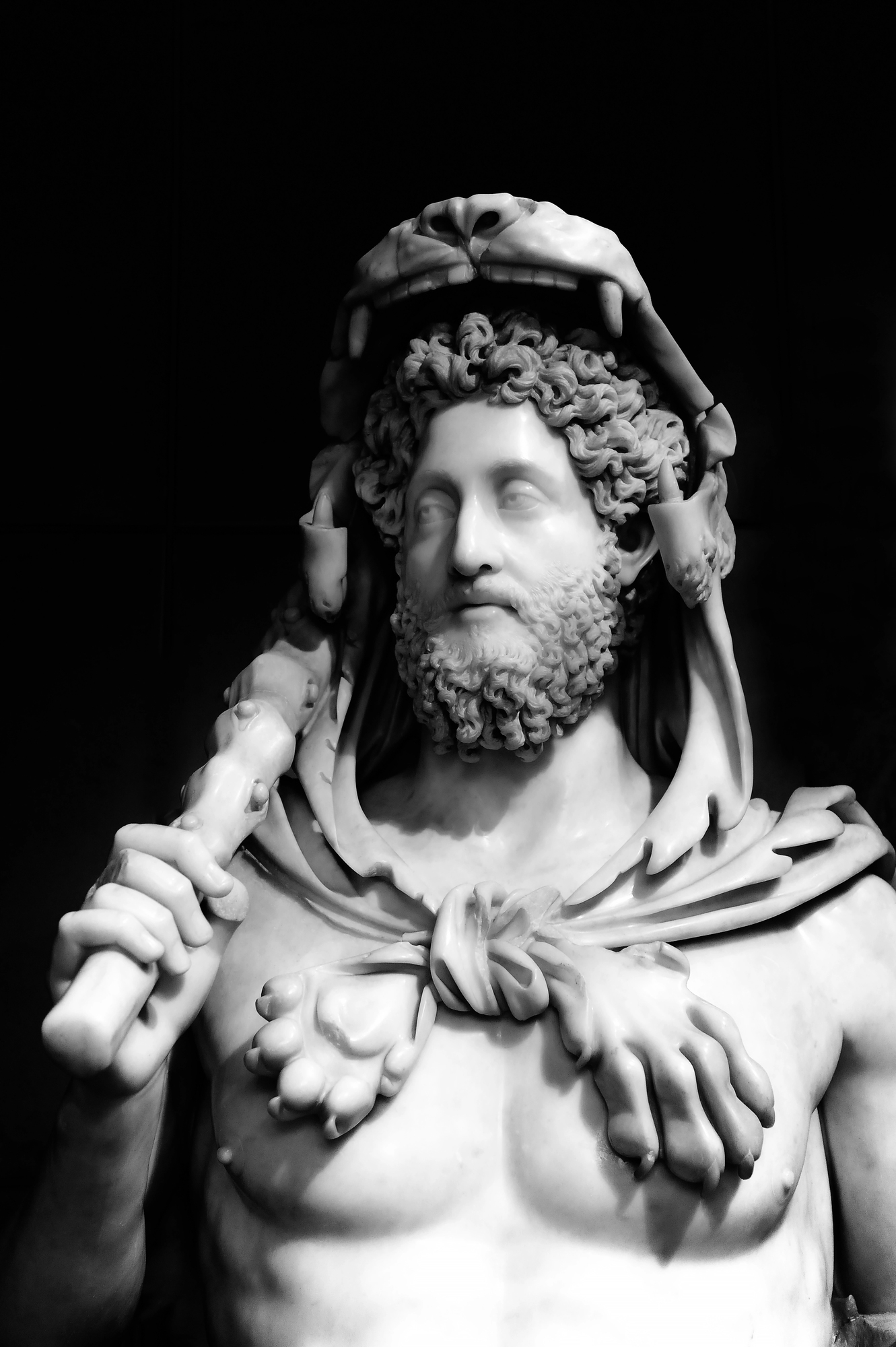
The infamous Emperor Commodus commissioned numerous statues of himself portrayed as the divine hero Hercules, complete with lion skin and club. After his assassination and subsequent damnatio memoriae in CE, these grandiose self-representations became politically problematic.
Rather than destroy these expensive marble works, many were recarved with the faces of more respectable figures. One striking example in the Capitoline Museum shows clear evidence of reworking, with Commodus’s distinctive curly hair partially visible beneath the more austere hairline of the replacement identity – likely a wealthy private citizen who purchased the discounted “pre-owned” imperial statue.
Domitian Transforms into Nerva
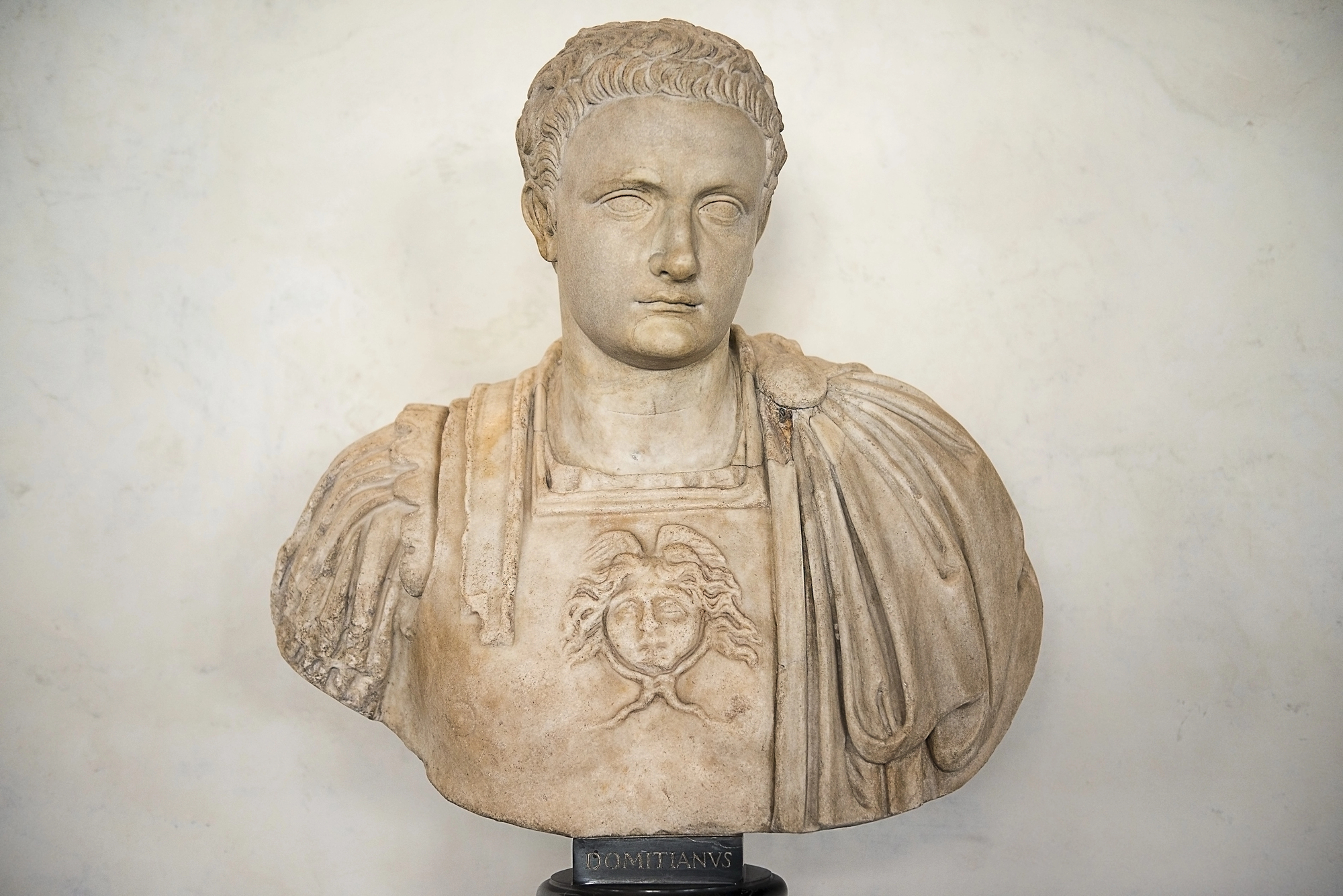
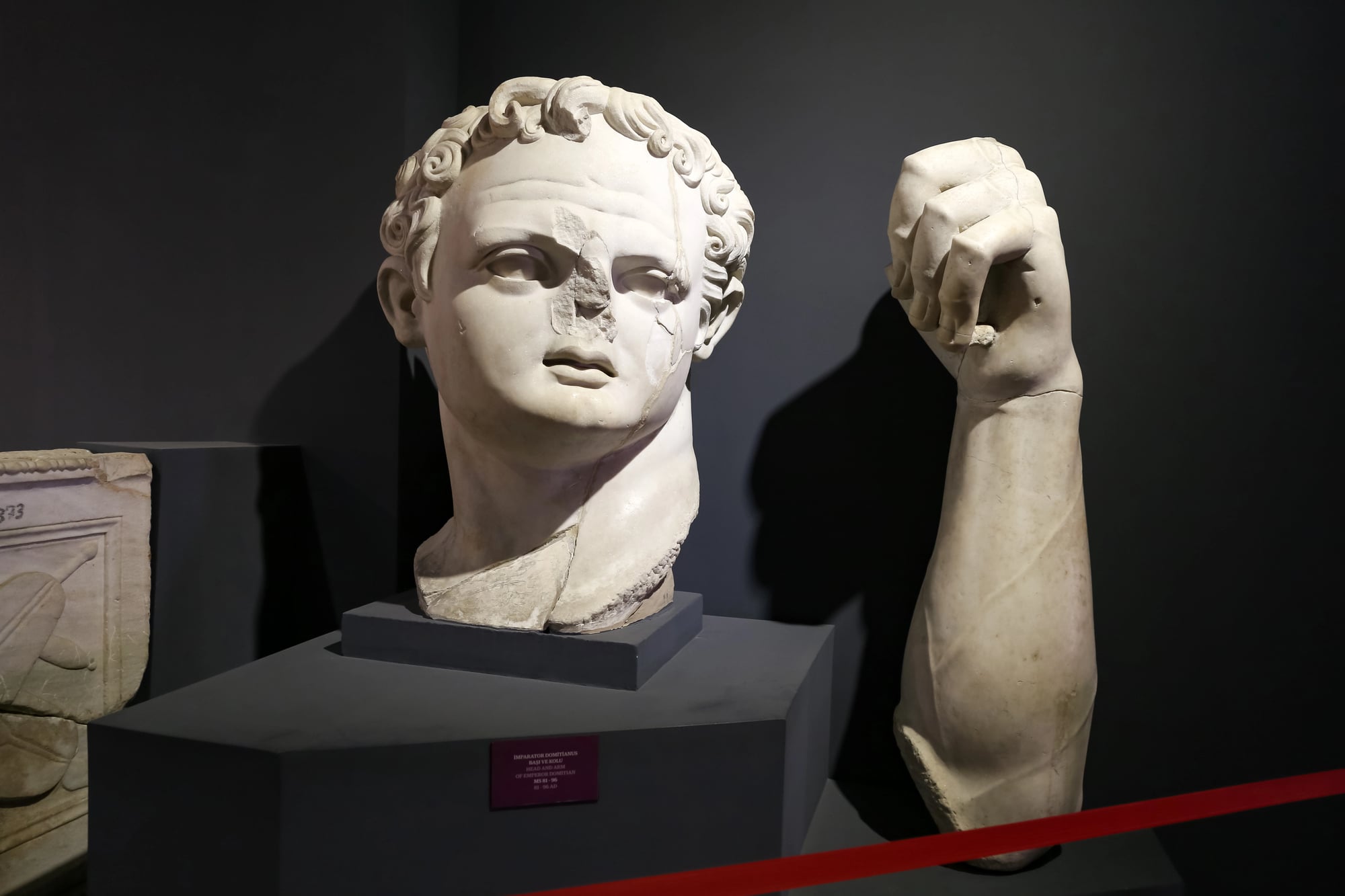
The Cancelleria Reliefs, spectacular marble panels now housed in the Vatican Museums, represent one of history’s most dramatic statue repurposings. Originally depicting Emperor Domitian in ceremonial scenes, they were extensively recarved after his assassination and memory condemnation in CE.
His successor, Nerva, literally took Domitian’s place in the composition. The hasty replacement job is betrayed by Nerva’s disproportionately small head – sculptors had to reduce the facial features significantly when reworking Domitian’s larger countenance.
Louis XV Becomes Revolutionary Statuary
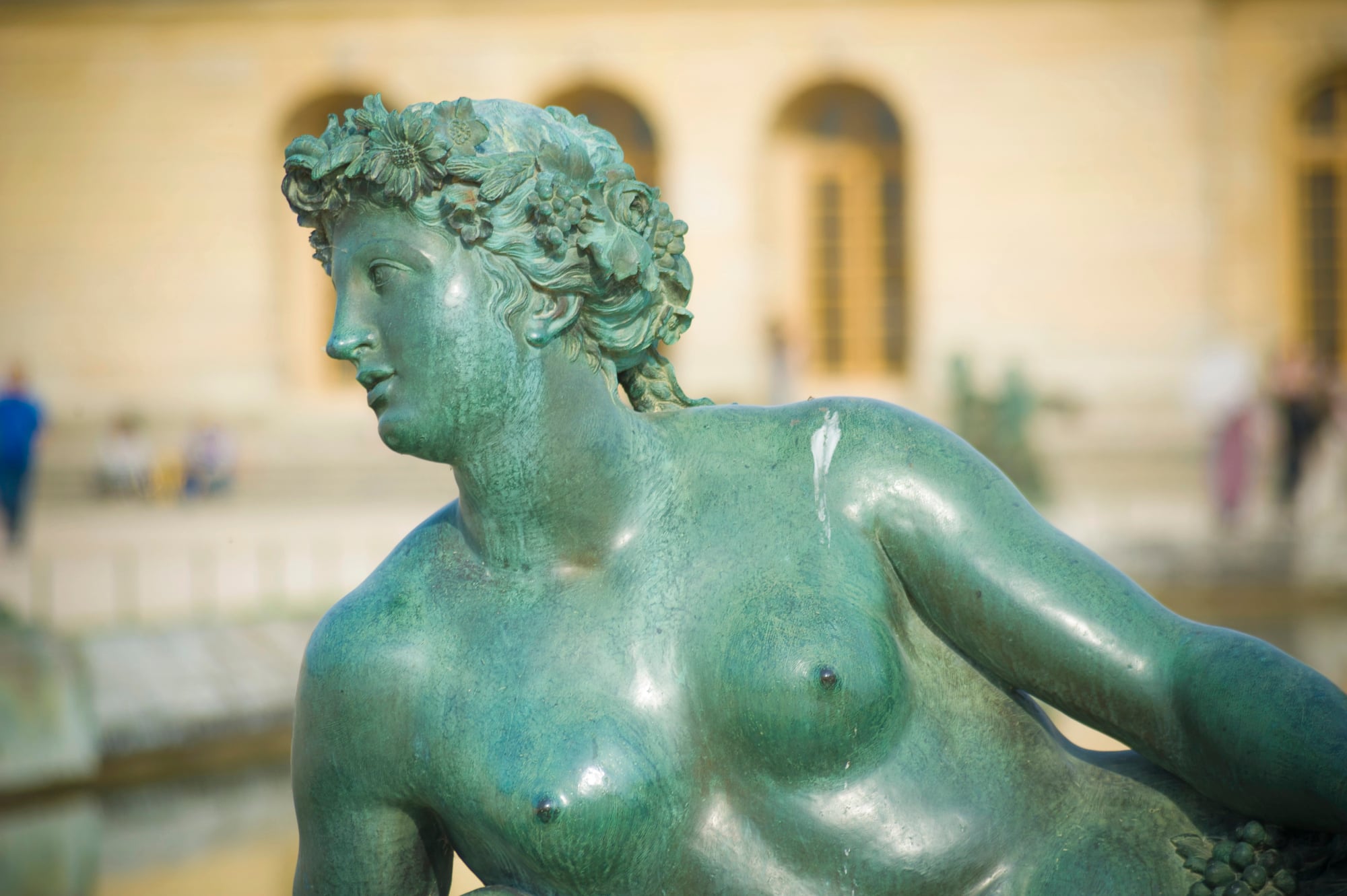
After the French Revolution, countless royal statues faced destruction as symbols of the overthrown monarchy. Yet bronze was too valuable to waste in economically unstable times.
In Paris, a massive equestrian statue of Louis XV was melted down to create revolutionary symbols, including a large statue of the goddess Liberty that temporarily stood in the Place de la Révolution. The revolutionary government made no secret of this transformation – in fact, they celebrated the symbolic metamorphosis from royal authority to republican ideals through the same physical material.
Joseph Stalin Becomes Mother Armenia
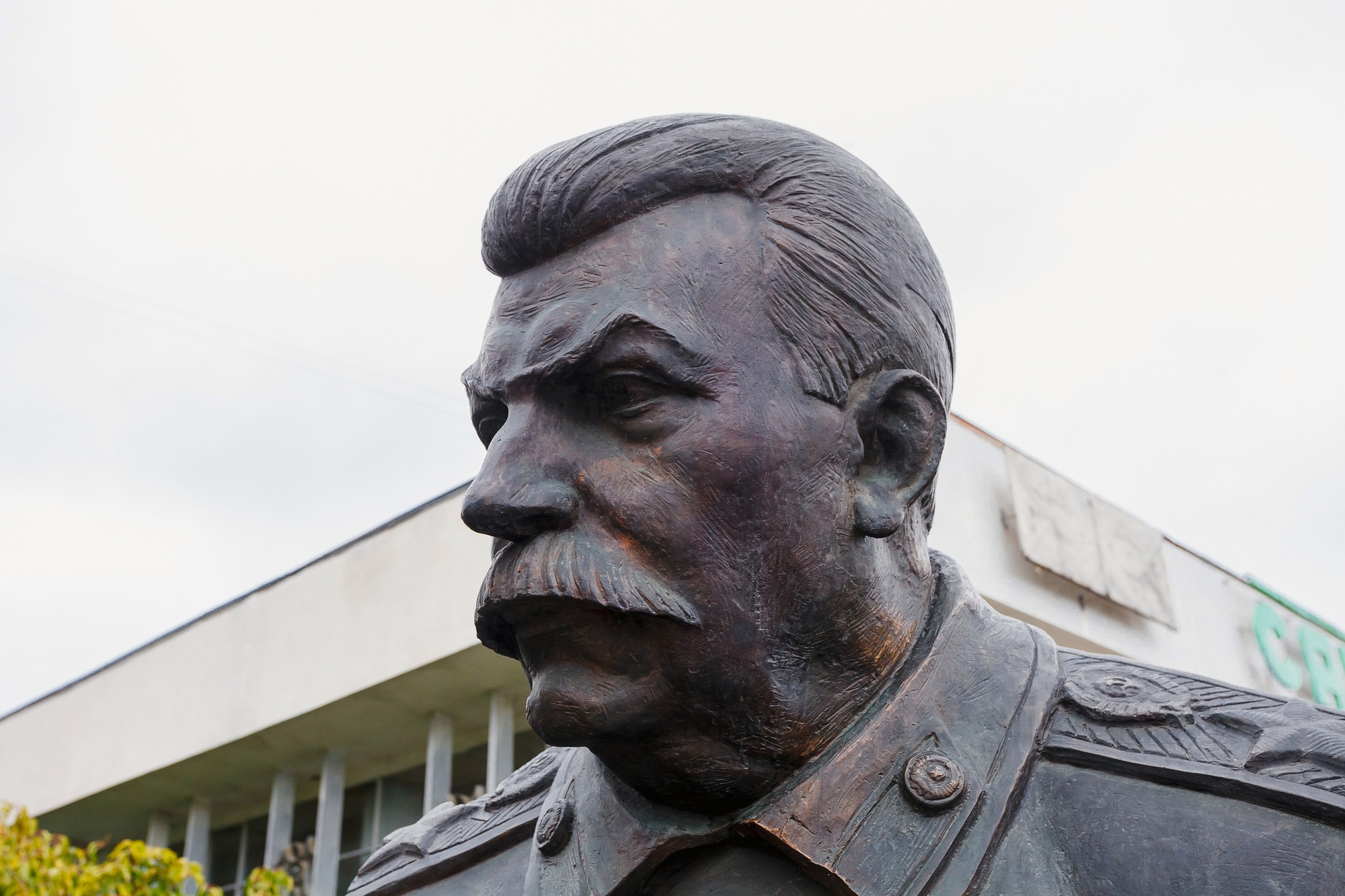
In Yerevan, Armenia’s capital, a massive statue of Joseph Stalin once dominated the skyline. Following Khrushchev’s de-Stalinization campaign in, Armenian authorities faced mounting pressure to remove it – yet completely demolishing such an enormous monument would have been prohibitively expensive.
Their solution? They kept the meter pedestal but replaced Stalin with a meter female figure representing Mother Armenia. Engineers carefully removed Stalin while preserving the massive base structure, creating an entirely new symbolic meaning while saving tremendous costs.
Caligula’s Transformation
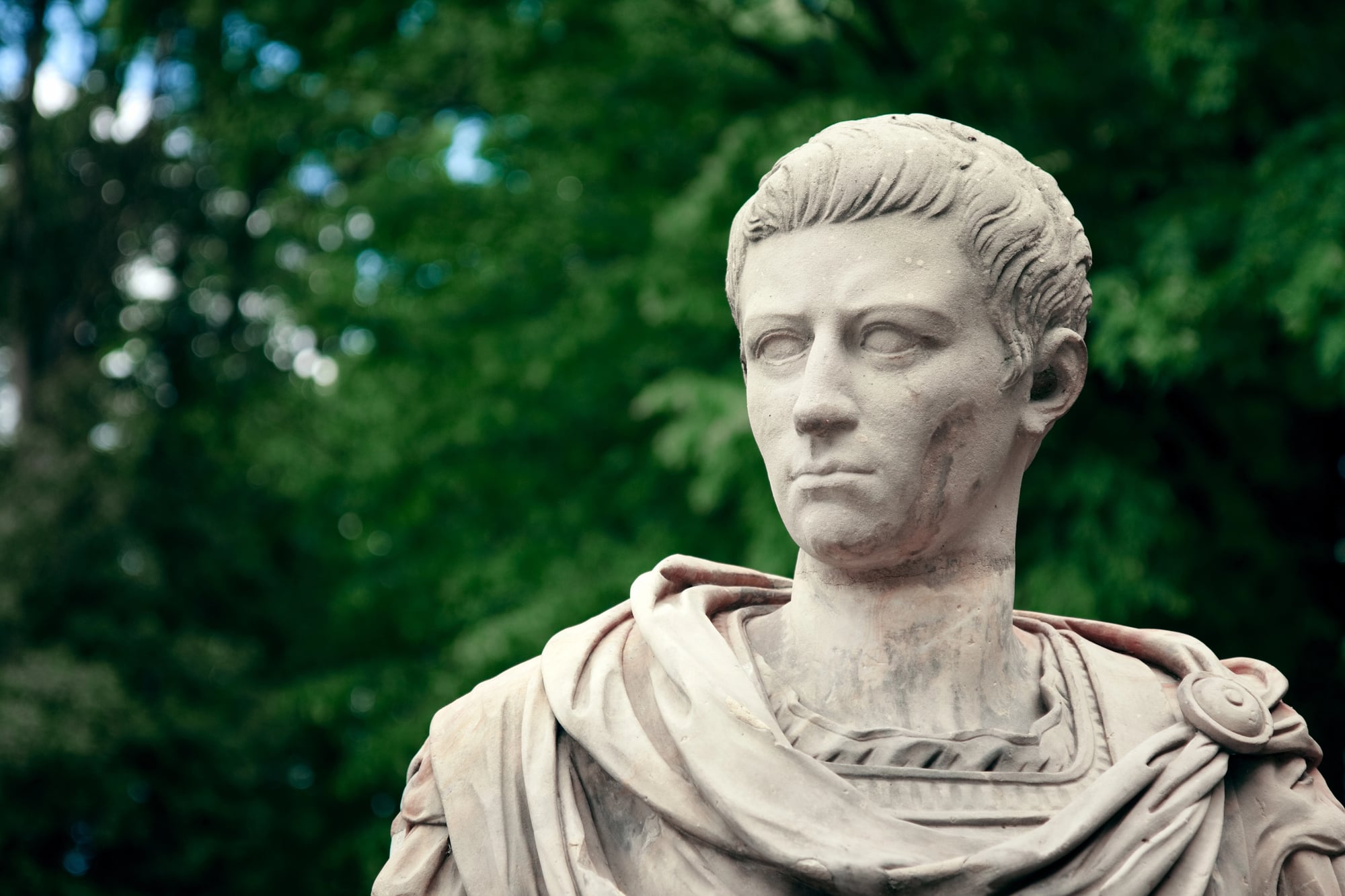
The Roman Emperor Caligula’s brief but tyrannical reign ended with his assassination and memory condemnation in CE. Rather than discard valuable marble statues, many were recarved to resemble his successor and uncle, Claudius.
The Worcester Art Museum houses a particularly revealing example where microscopic tool marks show clear evidence of facial restructuring – Caligula’s more angular jawline and distinctive hairline were softened and reshaped to match Claudius’s older, rounder features.
The Venetian Lions Switch Allegiance
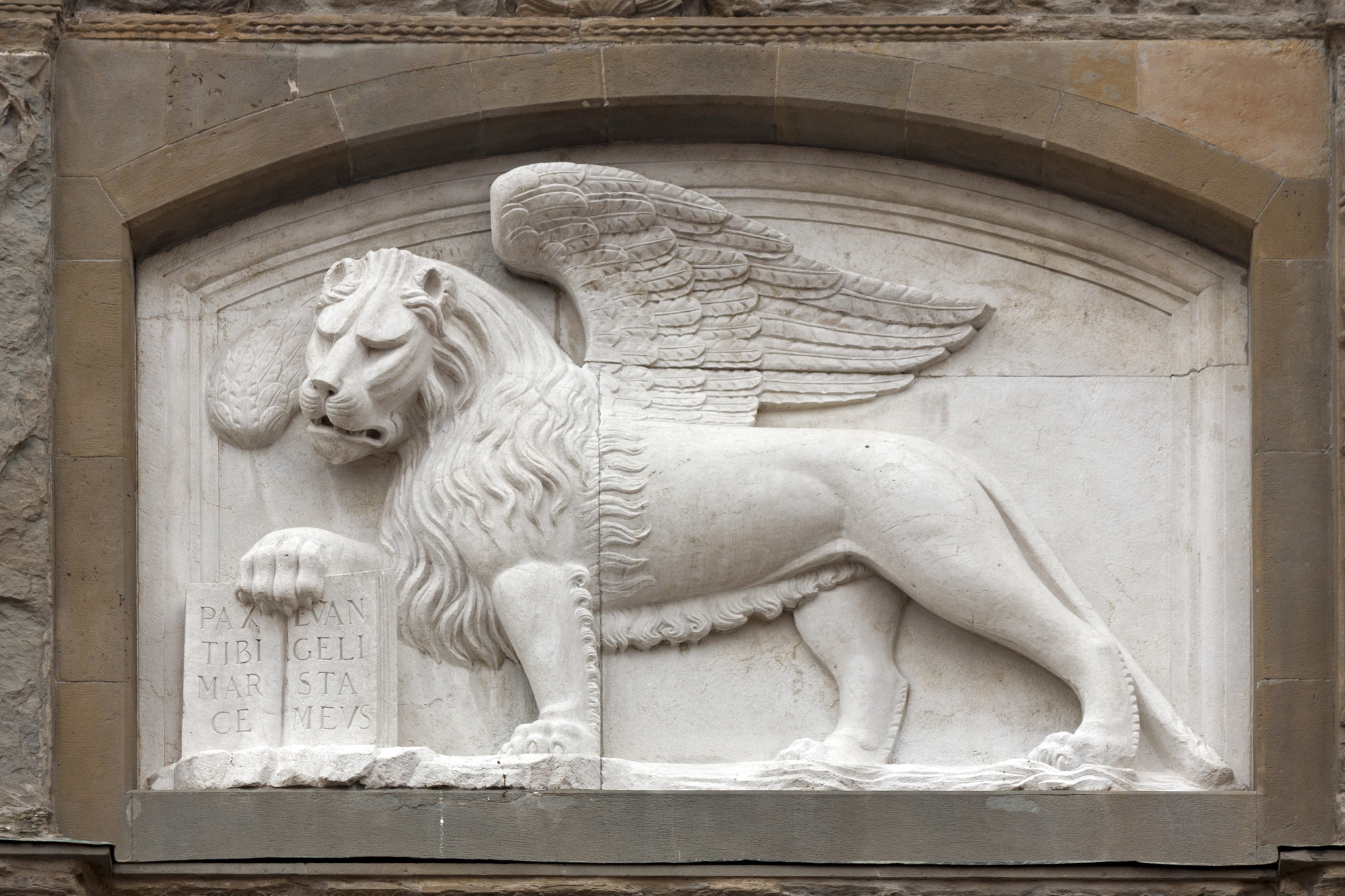
The famous bronze lions at Venice’s Arsenal entrance have a secret history hidden in plain sight. Originally created as imperial monuments in ancient Greece, they were transported to Constantinople during the Byzantine era.
When Venice conquered parts of the Byzantine Empire in the century, the lions were shipped to the maritime republic as war trophies. Careful examination reveals ancient Greek inscriptions partially visible beneath later Venetian additions.
Marcus Agrippa’s Pantheon Becomes Hadrian’s
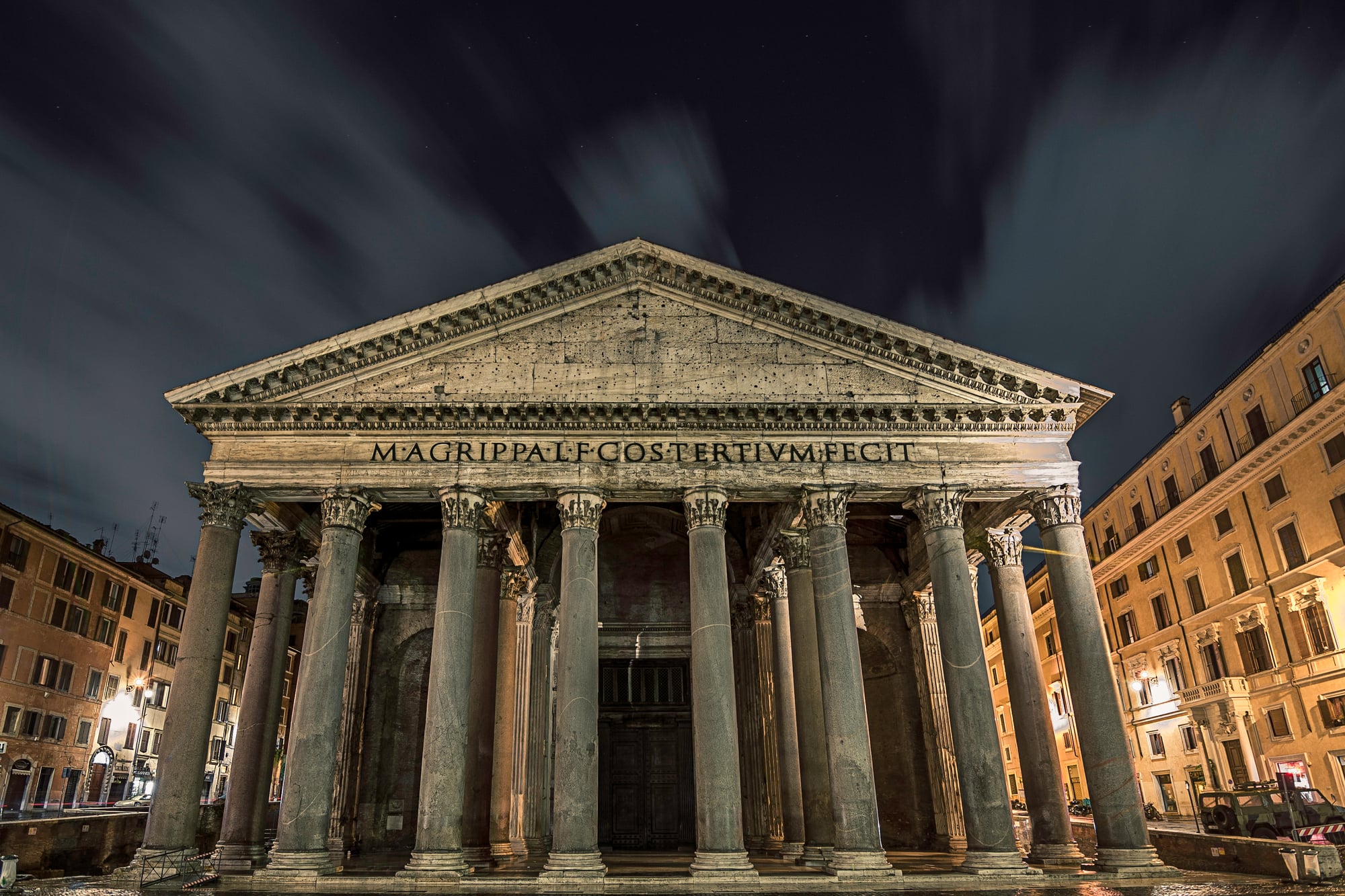
Rome’s magnificent Pantheon bears an inscription crediting Marcus Agrippa with its construction during Augustus’s reign. However, archaeological evidence definitively proves the current structure was actually built by Emperor Hadrian in the s CE.
Rather than claim full credit, Hadrian deliberately preserved Agrippa’s inscription from the earlier building that had stood on the site. This curious case represents an intentional “false attribution” – Hadrian purposefully allowed the rebuilt monument to maintain its association with a revered figure from Rome’s past.
Modern Moscow’s Mixed Messages
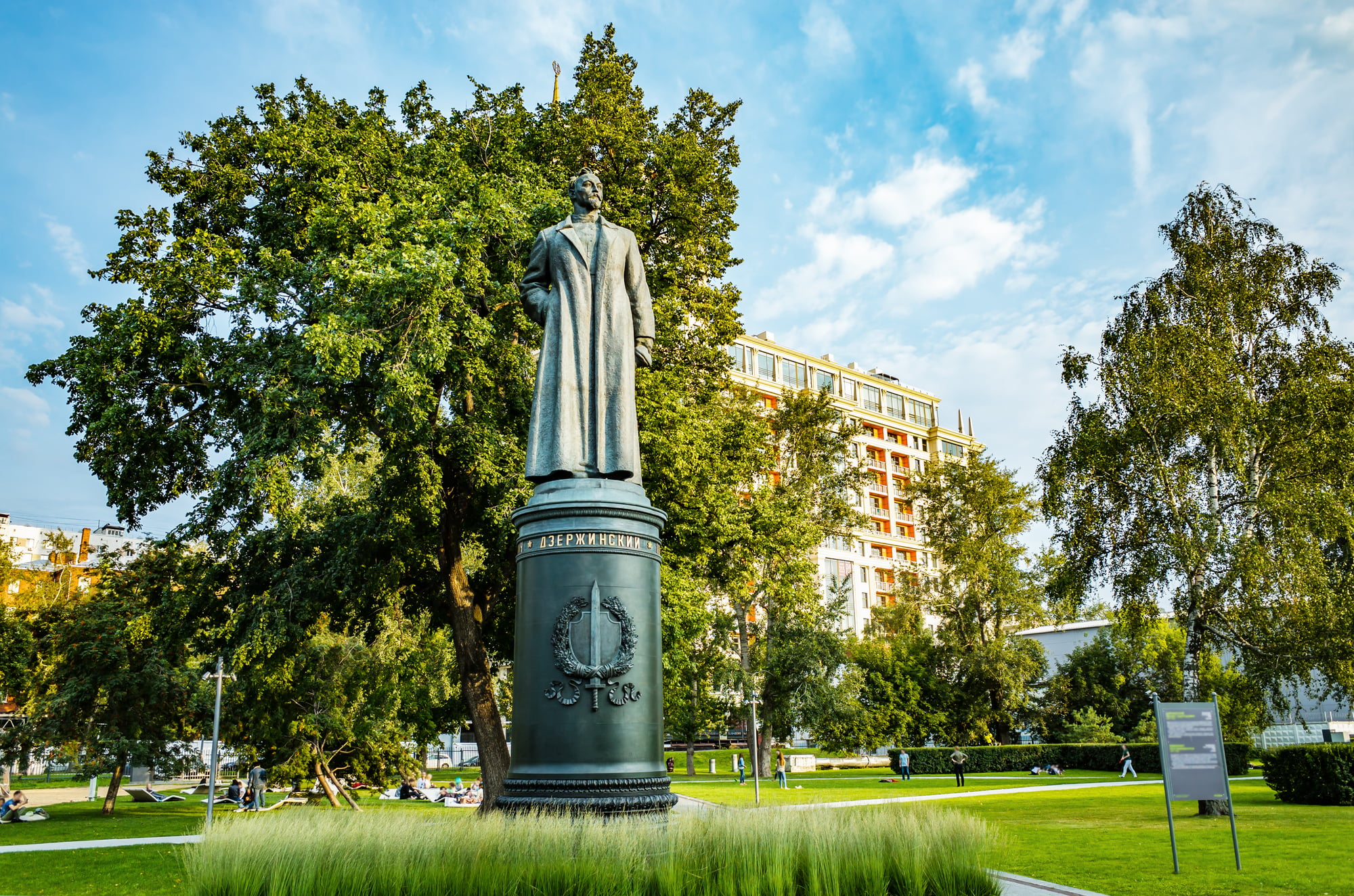
Following the collapse of the Soviet Union, the Moscow authorities faced hundreds of Communist-era monuments suddenly rendered politically problematic. Rather than destroy them all, city planners established Muzeon Park (often called “Fallen Monument Park”) where deposed statues found new purpose as historical artifacts.
The most remarkable transformation occurred with a massive statue of Felix Dzerzhinsky, founder of the Soviet secret police. Removed from outside KGB headquarters during the coup attempt, the bronze was carefully preserved but recontextualized – positioned flat on the ground rather than on a pedestal, symbolically fallen yet not destroyed.
The Evolving Art of Monumental Reinvention
From ancient Rome to modern times, the practice of repurposing public statues reveals fascinating insights about how societies manage both physical resources and cultural memory. These transformations—sometimes subtle, sometimes dramatic—remind us that monuments aren’t static objects but evolving symbols constantly reinterpreted through changing political and cultural lenses.
The next time you encounter an imposing public statue, look closely – you might detect traces of a previous identity lurking just beneath the surface, waiting for future archaeologists and historians to uncover its secret past.
More from Go2Tutors!

- The Romanov Crown Jewels and Their Tragic Fate
- 13 Historical Mysteries That Science Still Can’t Solve
- Famous Hoaxes That Fooled the World for Years
- 15 Child Stars with Tragic Adult Lives
- 16 Famous Jewelry Pieces in History
Like Go2Tutors’s content? Follow us on MSN.