Classic Songs That Were Originally Poorly Received
Music history loves a good redemption story.
Some of the most beloved songs ever recorded didn’t start out as hits at all.
Critics trashed them, radio stations refused to play them, and audiences stayed away in droves.
Years later, those same tracks became the ones everyone knows by heart.
Here’s a closer look at songs that had to fight their way to legendary status.
Bohemian Rhapsody
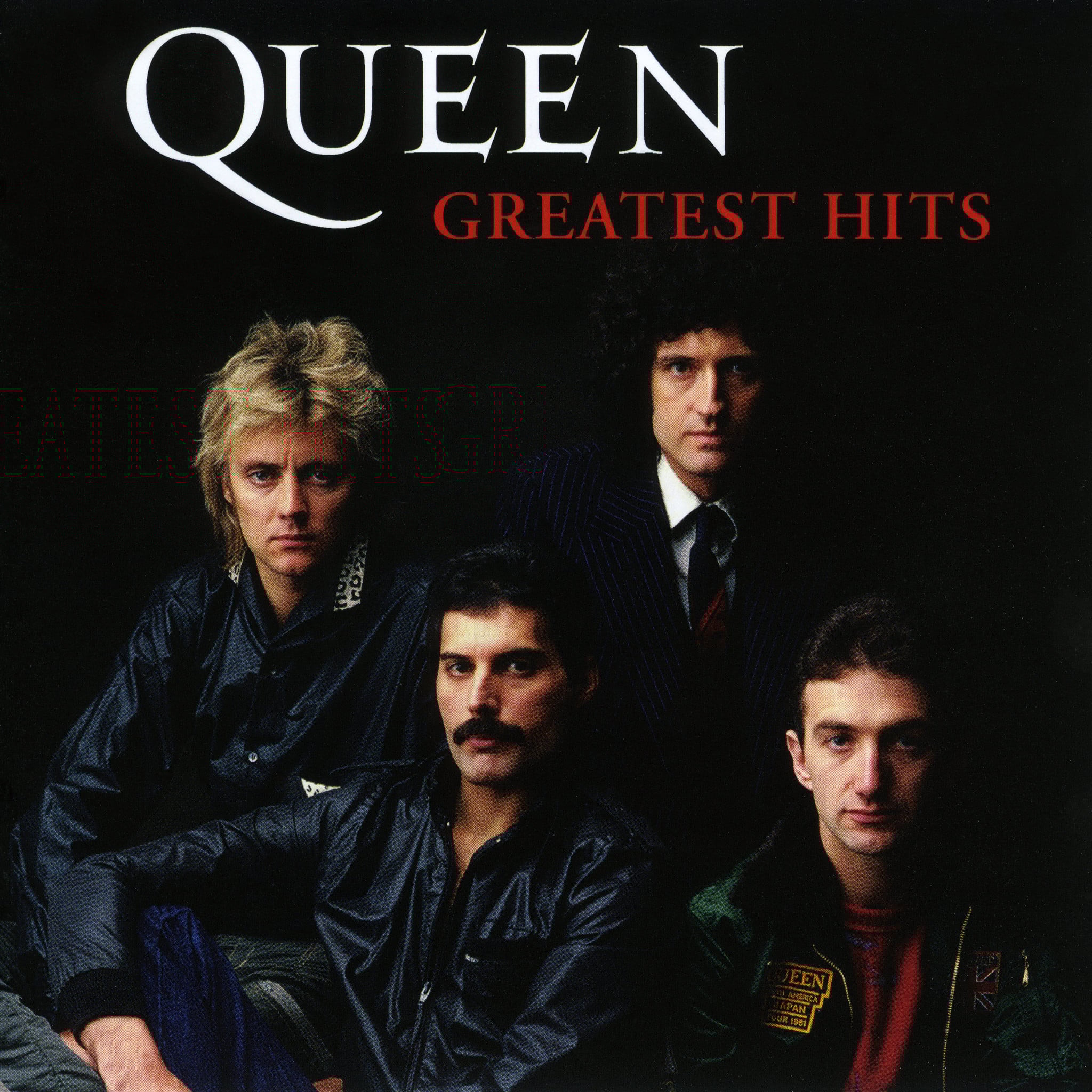
Picture this: it’s 1975, and Queen just finished recording a six-minute operatic rock song that makes absolutely no sense by conventional standards.
Music critics heard it and lost their minds—in the worst way possible.
They called it pretentious, overproduced, and way too long for radio play.
Record executives practically begged the band to cut it down or pick something else, anything else, because no station would touch something that bizarre.
Freddie Mercury wasn’t having it.
He refused to change a single note.
The song barely scraped into the charts at first, limping along while everyone waited for it to disappear.
But it didn’t.
Slowly, listeners started to get it.
Months passed, and suddenly the song everyone said was too weird became the one everyone wanted to hear.
Now it’s considered one of the greatest rock songs ever made, and those early critics probably wish they could take back their reviews.
Hallelujah

Leonard Cohen poured his heart into this song, and his own record label rejected it.
They told him it was too depressing, too strange, too everything.
The label refused to include it on an album that would get proper distribution in the United States.
Cohen had to sneak it onto a release that barely anyone heard.
The song sold almost nothing.
It just vanished into the void like it never existed.
For years, it sat there gathering dust while Cohen moved on to other projects.
Then something unexpected happened.
Other artists started covering it, each one adding their own spin.
Jeff Buckley’s version particularly struck a chord.
Decades after Cohen first recorded it, people finally understood what he’d created.
Now you hear it everywhere—weddings, funerals, talent shows, movie soundtracks.
The song that nobody wanted became the one everybody needs.
Walk This Way
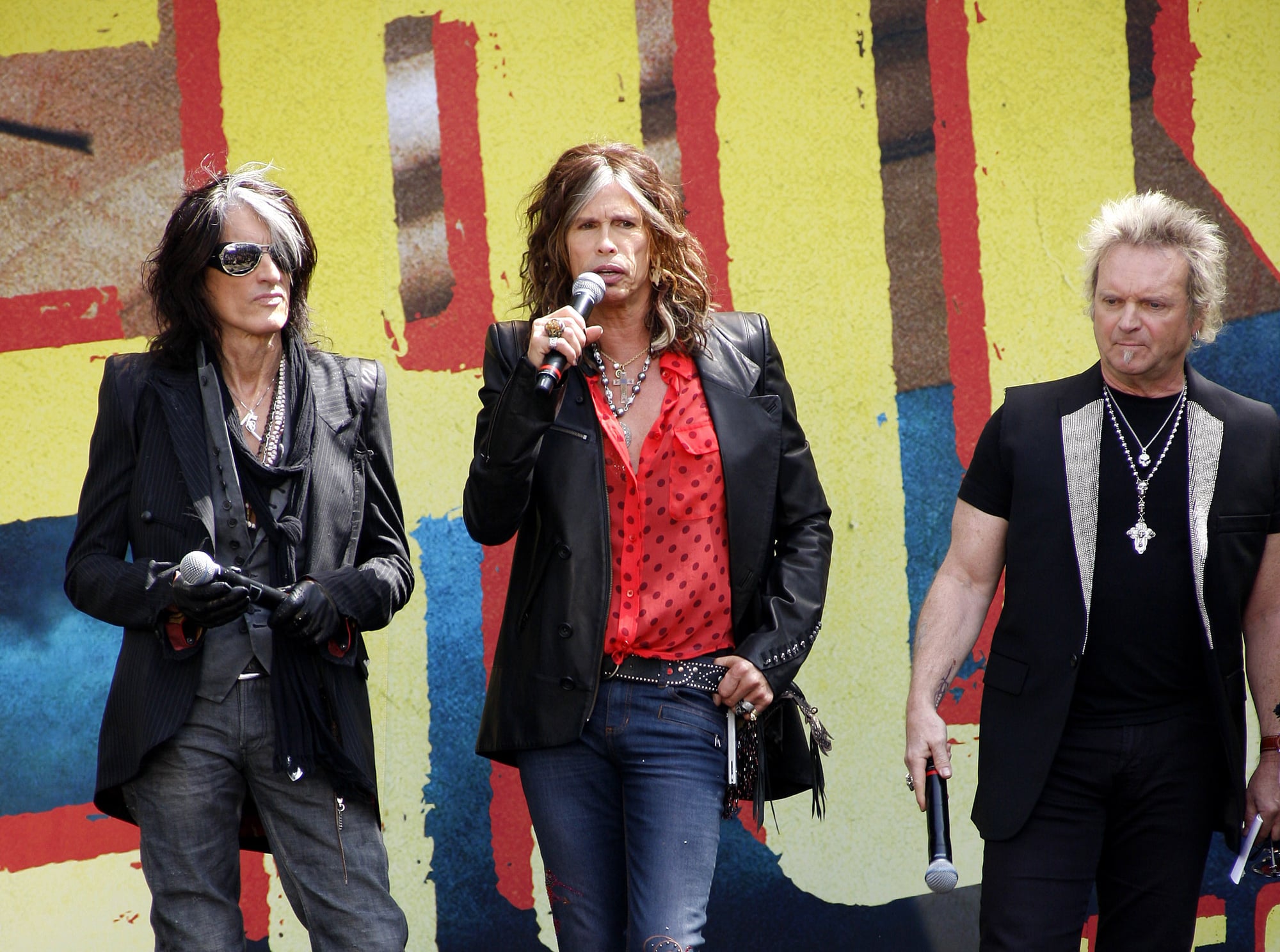
Aerosmith put this out in 1975, and it did fine.
Nothing spectacular, just another rock song in a catalog full of them.
Fast forward to the mid-1980s, and Aerosmith was practically washed up, playing smaller venues and wondering where their career went.
Then Run-DMC decided to do something wild.
They wanted to cover the song and blend rock with hip-hop, two genres that supposedly had nothing to do with each other.
People in the music industry thought it was a disaster waiting to happen.
Why would rock fans want rap?
Why would hip-hop fans want guitars?
The whole thing seemed doomed before it started.
Except it wasn’t.
The collaboration became massive, saved Aerosmith’s career, and basically opened the door for hip-hop to break into mainstream rock radio.
The original version that nobody paid much attention to suddenly became a classic, but it needed a complete reinvention to get there.
Shout
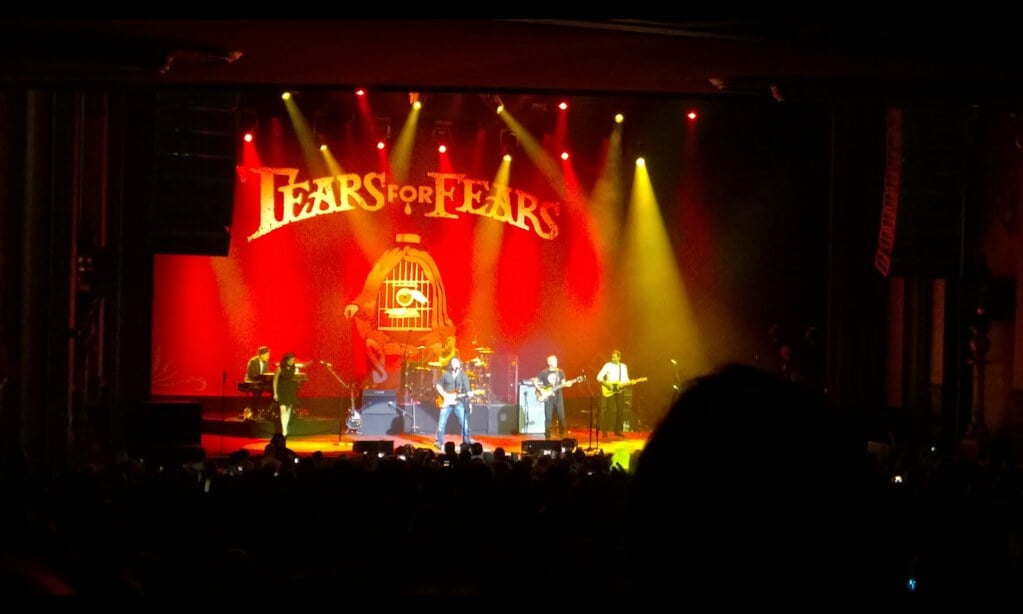
Tears for Fears released this anthem in 1984, and initial reviews were brutal.
Critics called it too chaotic, too dramatic, too much of everything.
Radio programmers listened to it and scratched their heads.
The song kept building and building without following any normal pop structure.
Where was the neat verse-chorus pattern?
Why did it feel like three songs in one?
The band’s label got nervous about releasing it as a single in the United States.
They worried American audiences would reject something this unconventional.
But once it finally got airplay, something clicked.
Listeners connected with the raw emotion pouring out of every note.
The song climbed to number one, and suddenly what seemed too strange for radio became one of the defining tracks of the decade.
Sometimes chaos is exactly what people need.
The Velvet Underground and Nico
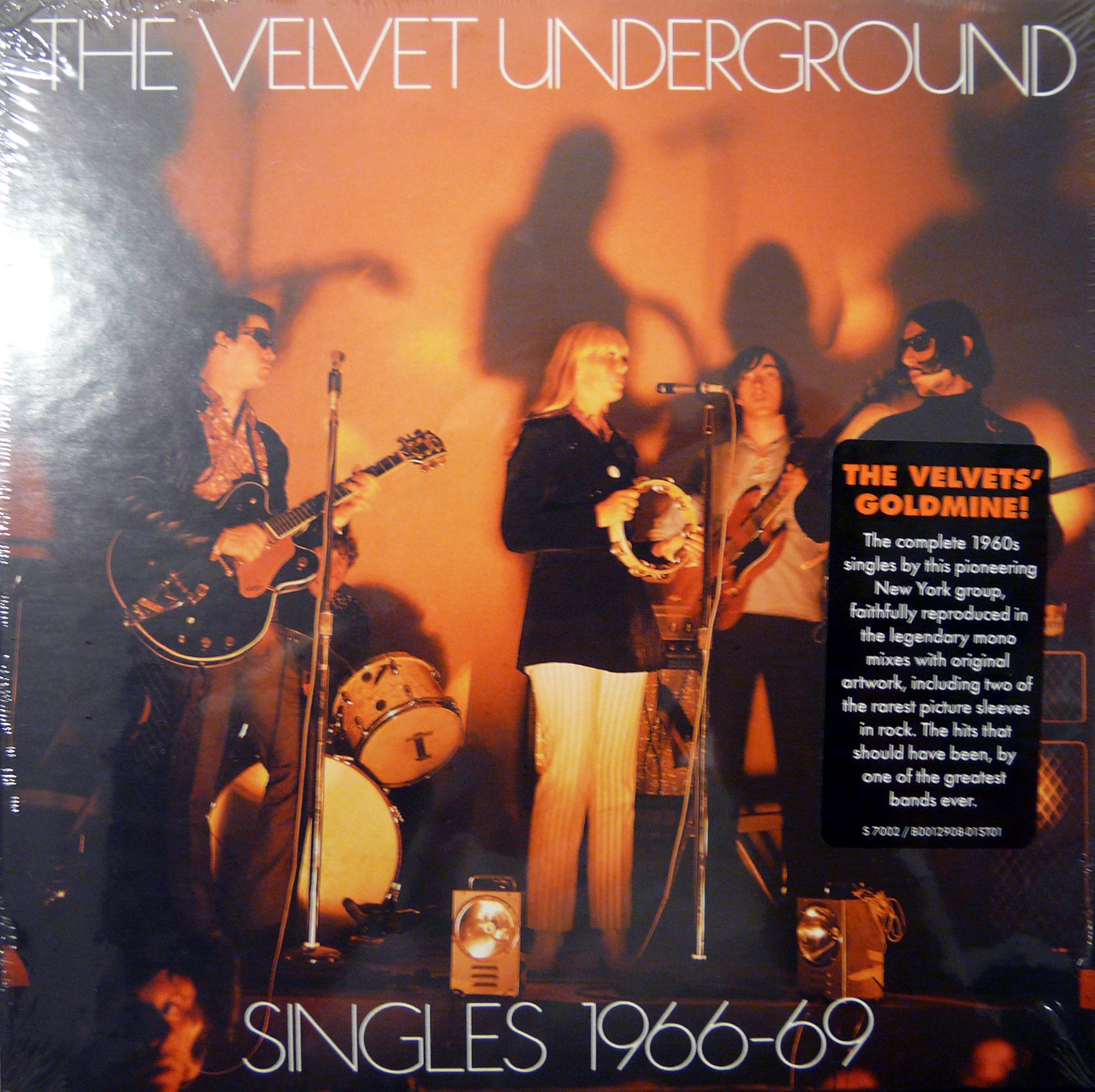
This album landed in 1967 like a bomb that didn’t explode.
Critics heard it and called it ugly, depressing, and deliberately offensive.
The album sold fewer than 30,000 copies in its first five years.
For context, that’s a commercial disaster by any measure.
The record label basically gave up on it.
Decades passed.
Music historians started looking back at the 1960s and realized something important.
This album that nobody bought had somehow influenced practically every alternative rock band that came after it.
Brian Eno said something that became famous: everyone who bought one of those original copies started a band.
He wasn’t exaggerating by much.
The album that failed spectacularly became one of the most important releases in rock history.
It just took 20 years for anyone to notice.
Baba O’Riley

The Who dropped this in 1971, and listeners were genuinely confused.
What was that synthesizer doing at the beginning?
Why did the song end so abruptly?
People expected a typical rock song and got something that felt like two different tracks forcibly smashed together.
Radio stations started cutting it short because it ran too long.
Reviews complained it was unfocused and messy.
Roger Daltrey’s primal scream at the end seemed excessive.
Pete Townshend’s synthesizer work felt out of place.
Nothing about it made sense to audiences at the time.
But that scream and that synthesizer eventually became iconic.
The song just needed listeners to catch up with what The Who was attempting, which took longer than anyone expected.
Like a Rolling Stone
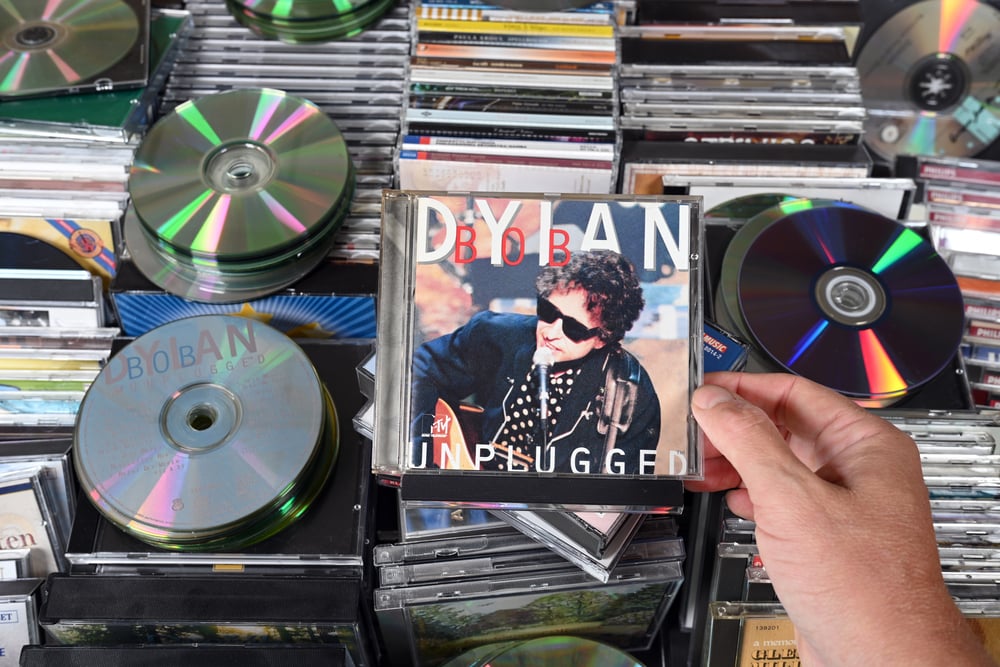
Bob Dylan went electric, and his folk purist fans felt betrayed.
This six-minute single seemed designed to offend everyone who’d supported him up to that point.
Radio stations looked at the length and said no way.
Critics accused Dylan of selling out and abandoning everything that made him important.
Columbia Records wanted to edit it down to something more manageable.
Dylan refused.
He’d made the song he wanted to make, and that was that.
The song forced its way onto radio through sheer persistence, building momentum week by week.
Rolling Stone magazine eventually called it the greatest song ever recorded.
But getting there meant surviving a wave of backlash that would have crushed most artists.
Smells Like Teen Spirit
Nirvana’s label thought this might be a minor alternative rock hit at best.
Their expectations were low when they released it in 1991.
Early reviews were mixed.
Some critics called it sloppy, derivative of bands like the Pixies, nothing particularly special.
MTV stuck the video in late-night alternative programming because they figured mainstream audiences wouldn’t care.
Then teenagers heard it.
Within weeks, the song exploded so fast it shocked everyone, including the band.
Kurt Cobain reportedly hated how popular it became, which is its own kind of tragedy.
But there was no stopping it once listeners connected with the frustration and energy pouring through their speakers.
The song that nobody expected to matter changed rock music forever.
Good Vibrations
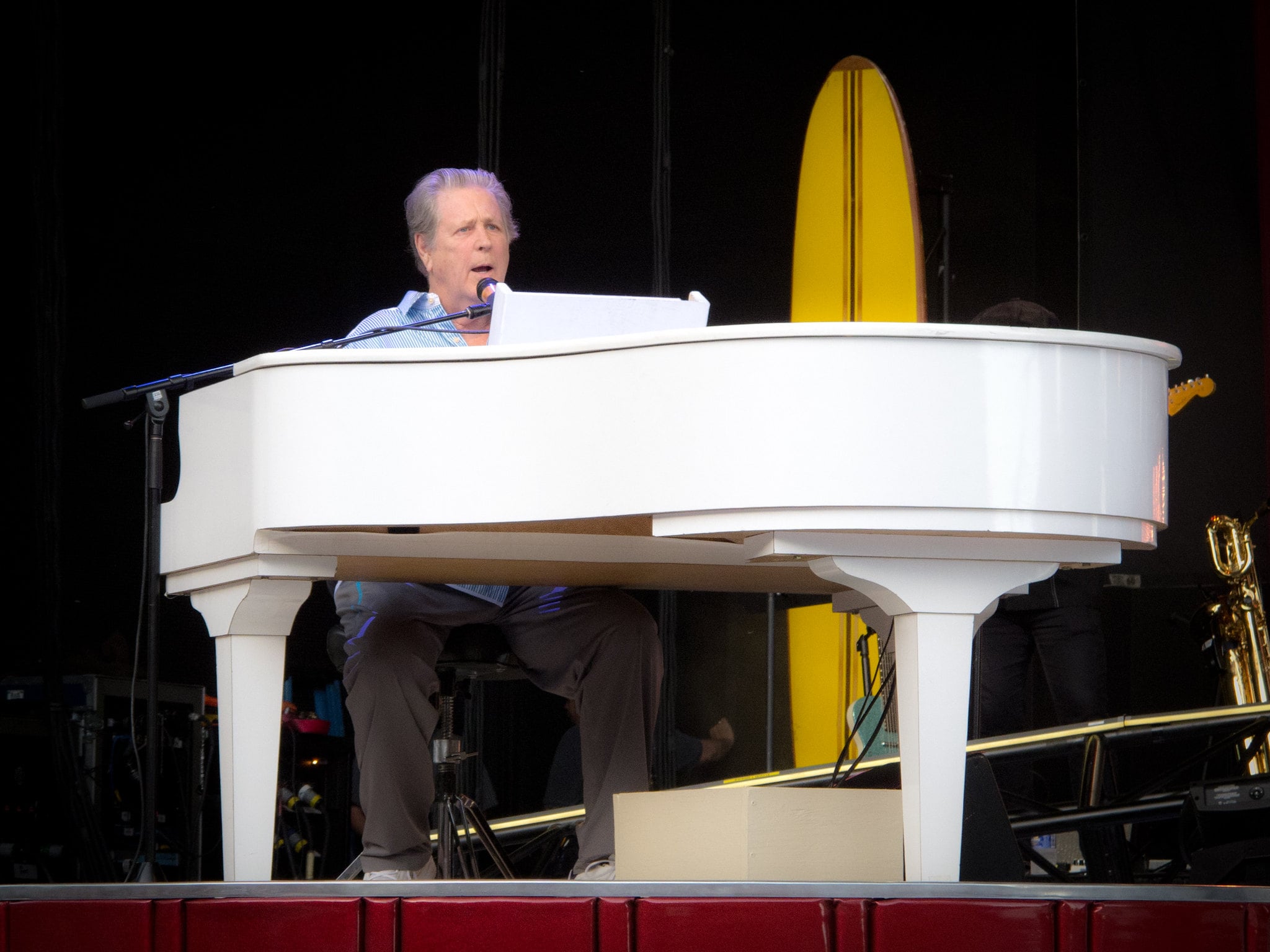
Brian Wilson spent months and a small fortune recording this song in 1966.
Capitol Records thought he’d completely lost his mind.
The label called it too experimental and worried the complex production would confuse fans who just wanted simple surf rock.
The song jumped between different sections without warning, breaking every rule about how pop songs should work.
Some radio programmers refused to play it.
Critics were split down the middle between calling it genius and calling it overindulgent nonsense.
But Wilson had created something genuinely new, something that expanded what pop music could be.
It became the Beach Boys’ biggest hit and influenced countless artists who came after.
The song just had to survive the initial wave of doubt first.
Suspicious Minds
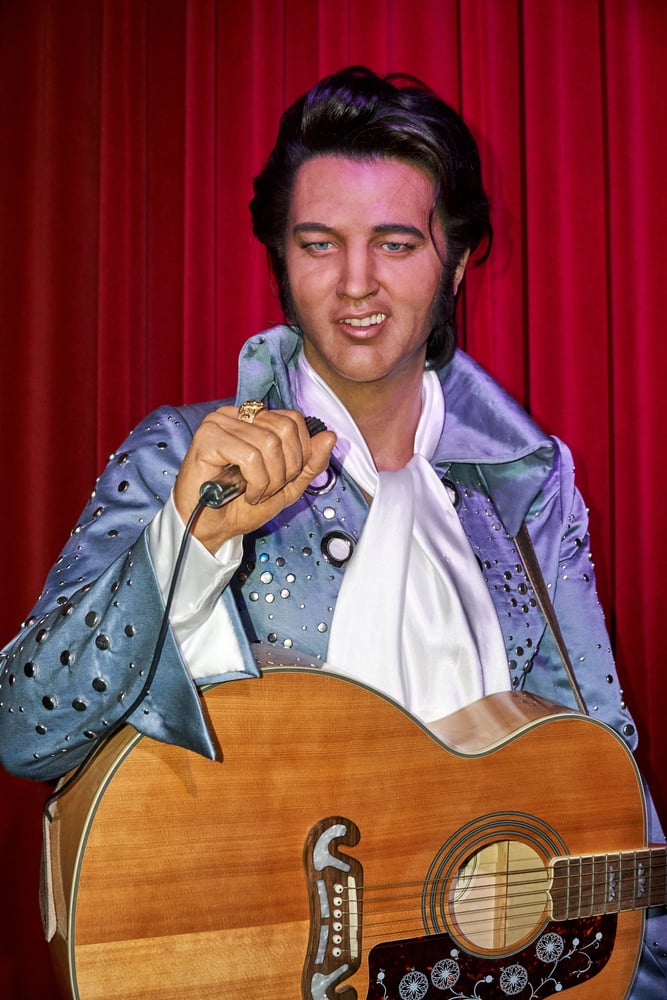
Elvis Presley recorded this in 1969 when his career was in serious decline.
His glory days seemed far behind him.
RCA Victor didn’t think much of the song and buried it as an album track instead of pushing it as a single.
Radio stations ignored it completely.
Then a Cleveland DJ heard it and fell in love.
He started playing it over and over because he believed in it.
Other stations slowly picked it up, one by one.
The song gave Elvis his first number-one hit in seven years.
Without that one DJ taking a chance, this comeback track might have disappeared entirely.
Sometimes all it takes is one person who gets it.
A Day in the Life
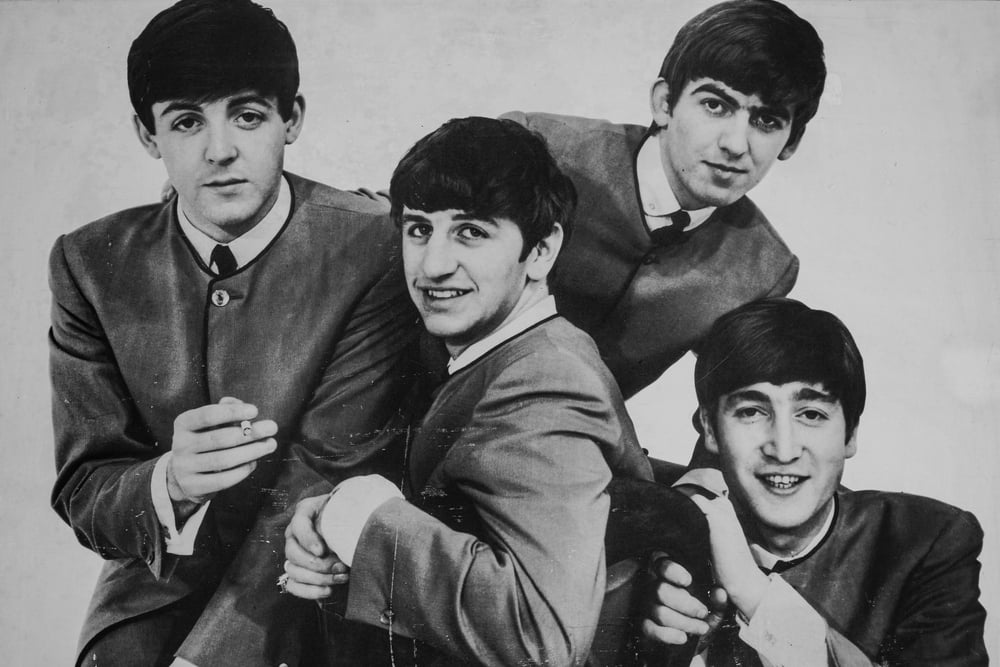
The BBC banned this Beatles song in 1967 because they claimed it encouraged drug use.
Critics called it self-indulgent and accused the band of making music only for themselves instead of their fans.
Some reviewers thought the orchestral buildup was pretentious.
The song structure felt too fragmented to work as a cohesive piece.
John Lennon and Paul McCartney had created something genuinely experimental, pushing boundaries just to see what would happen.
It took years before people recognized it as one of the band’s finest achievements.
The ban probably helped it become more famous, giving it an outlaw appeal.
But the initial critical reception was harsh enough to make lesser artists reconsider their choices.
Heart of Glass

Blondie released this disco-rock hybrid in 1978, and both sides rejected it immediately.
Rock fans accused the band of abandoning punk credibility to chase trends.
Disco purists said it wasn’t real disco and felt calculated.
The band’s own label worried it would alienate their core audience without gaining new listeners.
Nobody seemed to want it.
But the band pushed forward anyway, and the song hit number one.
It became Blondie’s biggest success and proved that sometimes the best move is the one everyone tells you not to make.
Taking risks pays off more often than playing it safe, even when everyone’s shouting warnings.
Teenage Dirtbag

Wheatus put this out in 2000, and American radio mostly shrugged.
Critics dismissed it as juvenile and overly simplistic.
The band’s label gave up on promoting it in the United States after it failed to chart.
It seemed destined to be forgotten.
But the song became a massive hit in Europe and Australia.
Audiences there connected with the outsider lyrics and catchy melody in a way Americans didn’t.
Years later, it developed a cult following in America through movies and TV shows.
It became the nostalgic anthem it was always meant to be, just not in the place or time anyone expected.
In the Air Tonight
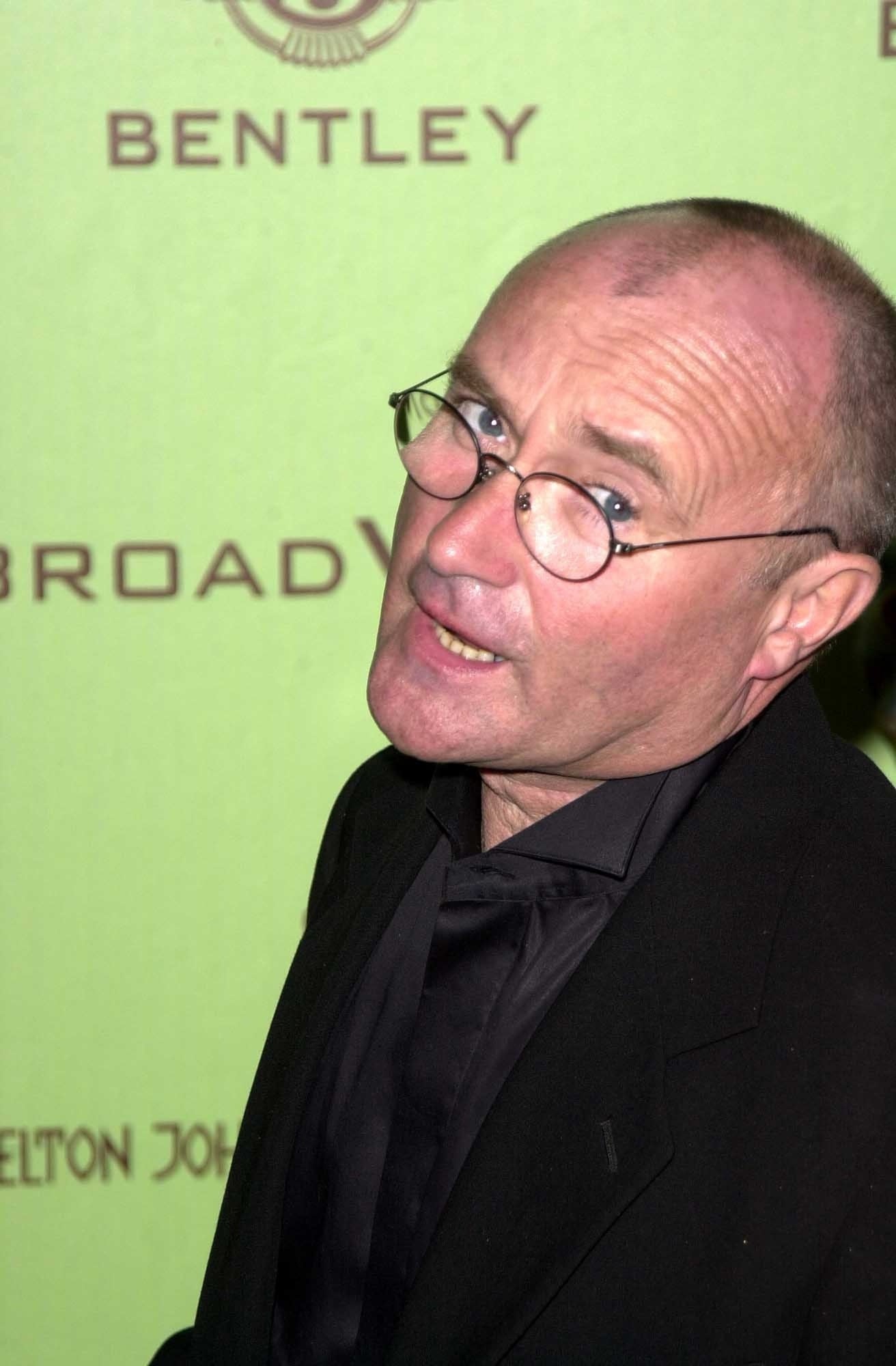
Phil Collins released this as his debut solo single in 1981, and initial reactions were lukewarm at best.
Critics thought the drum break took too long to arrive.
The song felt too cold and distant.
Some reviewers called it boring and predicted it would hurt his career rather than help it.
That drum break, though.
When it finally hit, it became one of the most recognizable moments in 1980s music.
The atmospheric production that seemed too weird eventually made perfect sense.
Collins just had to wait for audiences to appreciate what he was doing, which took longer than he probably wanted.
Once in a Lifetime

Talking Heads released this in 1980, and radio programmers had absolutely no idea where it fit.
The jerky rhythm confused everyone.
David Byrne’s strange vocal delivery sounded like nothing else on the radio.
Critics divided themselves between calling it innovative and calling it unlistenable.
MTV later made it a hit through constant video rotation.
The iconic clip of Byrne doing his spastic dance moves became impossible to ignore.
But the song itself took years to find its audience.
Now it’s considered one of the band’s signature tracks and a defining moment in art rock history.
Getting there meant surviving a lot of confused looks and uncertain reviews.
What’s Going On
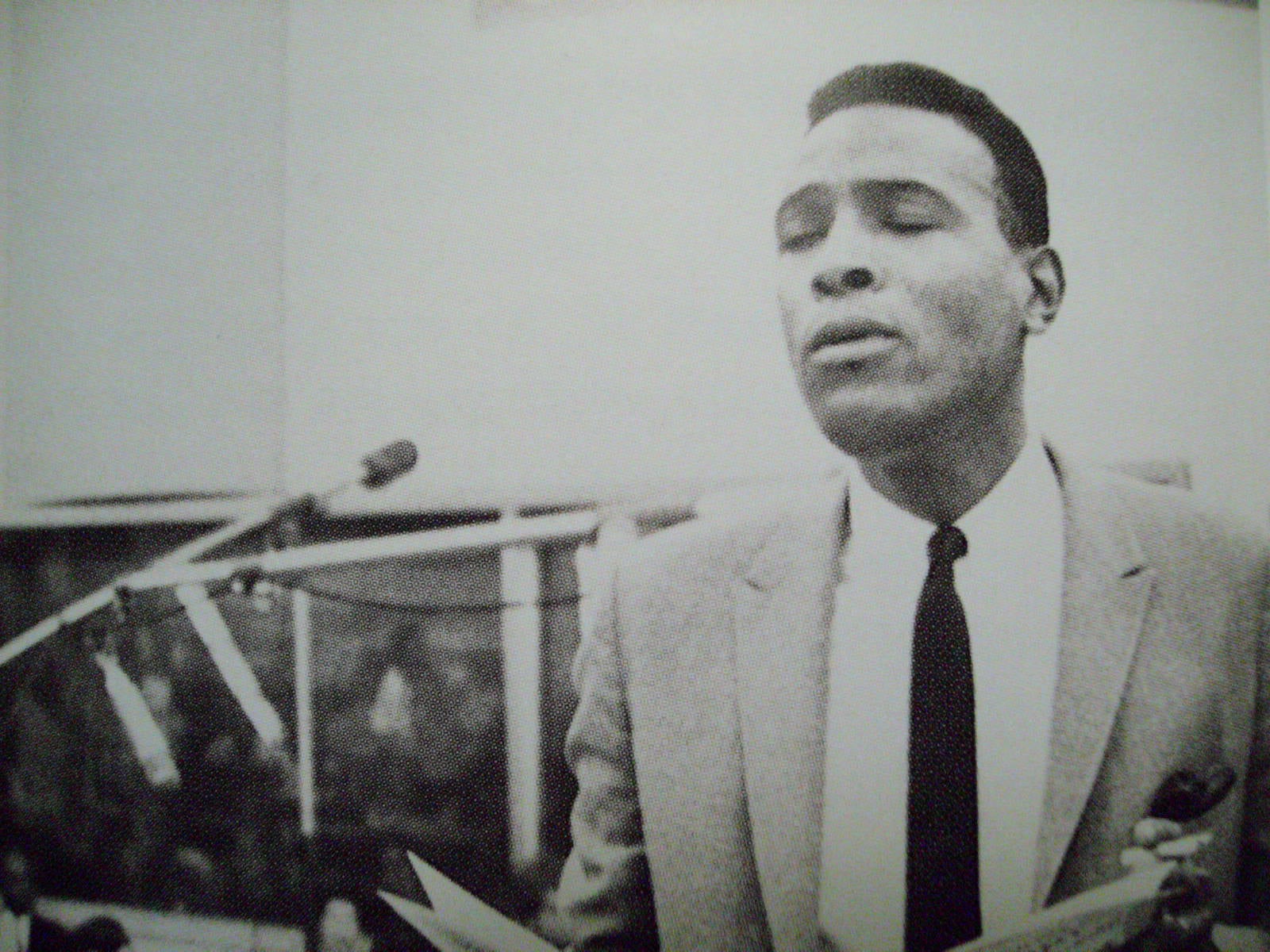
Marvin Gaye fought with Motown Records for months to release this song in 1971.
Berry Gordy, the label’s founder, called it the worst thing he’d ever heard.
That’s not an exaggeration—he genuinely thought it was terrible.
Gordy believed the jazz-influenced production was uncommercial and the political lyrics would alienate fans.
Gaye refused to back down.
He threatened to never record again unless Motown released the song.
The label finally gave in, probably just to end the argument.
The song became a massive hit and changed what people expected from soul music.
It almost never saw the light of day because one powerful person didn’t understand it.
That’s how close we came to losing one of the most important songs ever recorded.
Songs that needed time

These tracks remind us that first impressions aren’t everything.
Critics get things wrong all the time.
Labels make terrible calls.
Audiences sometimes need years to understand something new.
The songs that seemed too weird, too long, or too different often become the ones that define entire generations.
Music doesn’t become classic overnight—it earns that status slowly, through persistence and the gradual realization that some artists see things the rest of us haven’t caught up to yet.
The best songs are patient.
They wait for us to be ready.
More from Go2Tutors!

- The Romanov Crown Jewels and Their Tragic Fate
- 17 Halloween Costumes Once Considered Taboo
- Famous Hoaxes That Fooled the World for Years
- 15 Child Stars with Tragic Adult Lives
- 16 Famous Jewelry Pieces in History
Like Go2Tutors’s content? Follow us on MSN.