How Goats Communicate with Strange Sounds
Anyone who has spent time around goats knows they are far from quiet creatures. These animals create a surprising variety of sounds that can range from adorable bleats to downright weird noises that might catch you off guard.
Research indicates that goats can produce over 20 different vocal sounds, each with a specific meaning. What many people don’t realize is that these sounds form a complex communication system that helps goats navigate their social world, express emotions, and survive in their environment.
Now let’s dive into the fascinating world of goat communication and explore just how these creatures use their voices to get their point across.
The classic bleat everyone knows

The high-pitched bleat is probably the most recognizable sound goats make. This familiar “baa” or “maa” serves as their basic greeting and general-purpose communication tool.
Baby goats use bleating to call for their mothers, while adult goats bleat to get attention from humans or other goats. The pitch and intensity can change depending on what the goat wants to express.
A sharp, urgent bleat usually means the goat needs something important like food or help.
Screaming that sounds almost human

Goats scream or yell for several reasons, including hunger, fear, excitement, or a simple desire to call out to another member of the herd. This piercing sound can startle people because it often resembles human yelling or screaming.
The noise happens when goats are really worked up about something or desperately trying to communicate across long distances. Some goats are naturally more vocal than others and will scream just because they want attention.
Like Go2Tutors’s content? Follow us on MSN.
Grunting like tiny pigs

Goats make low, rumbling grunts that sound surprisingly similar to pigs. These deeper sounds usually happen when goats are content and comfortable with their surroundings.
Mother goats often grunt softly to their babies as a way of reassuring them. Adult goats might grunt while eating their favorite foods or when they’re relaxing in a sunny spot.
The grunting shows they feel safe and happy in the moment.
Snorting as warning signals

For instance, goats make a snort-bleat sound to warn others of potential danger. The sharp snorting noise serves as an alarm system within the herd.
When one goat senses something wrong, it will snort to alert the others to pay attention. This sound often comes before the goats decide whether to run away or investigate further.
The snort acts like a “heads up” message that gets everyone ready for action.
Chattering when they’re nervous
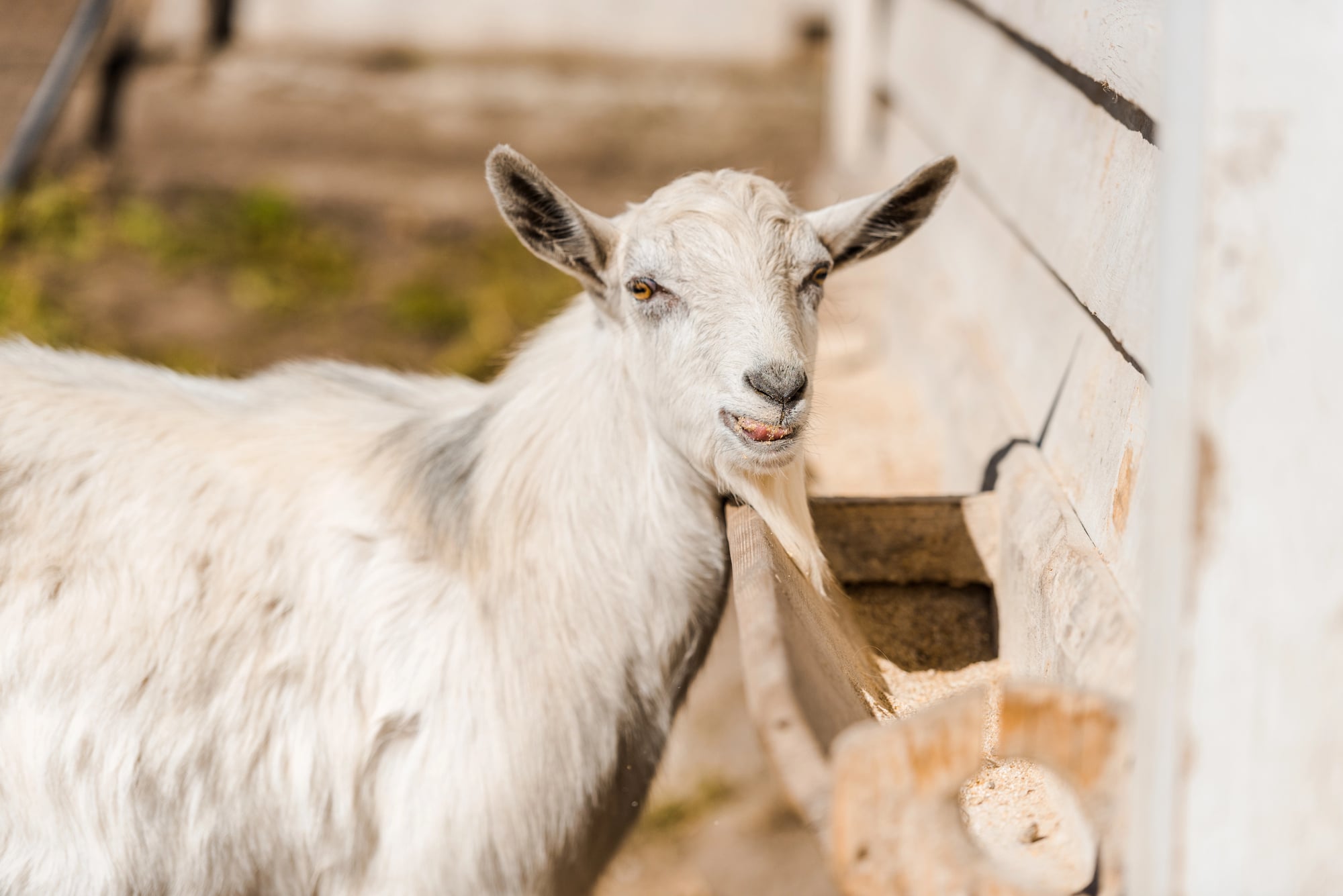
Goats sometimes make quick chattering sounds with their teeth when they feel anxious or uncertain. This behavior usually happens in new situations or when they encounter unfamiliar people or animals.
The chattering can be barely audible or quite obvious depending on how nervous the goat feels. Young goats are more likely to chatter than adults who have learned to handle stress better.
Like Go2Tutors’s content? Follow us on MSN.
Groaning from frustration

Goats can also make a low, guttural sound known as a groan, which is often used to express frustration or discomfort. This drawn-out sound expresses annoyance when things don’t go the goat’s way.
A goat might groan if it can’t reach food through a fence or if another goat is bothering it. The groaning tells everyone around that the goat is not pleased with the current situation.
Purring like content cats

Some goats make soft purring or rumbling sounds when they feel extremely content. This gentle noise often happens when they’re being petted by humans they trust or when they’re cuddling with other goats.
The purring is much quieter than their other sounds and shows deep satisfaction. Not all goats purr, but those that do usually save it for their most peaceful moments.
Whinnying similar to horses

Certain goats produce whinnying sounds that remind people of small horses. This higher-pitched noise often expresses excitement or anticipation, especially around feeding time.
The whinnying can get quite loud when multiple goats join in together. Some breeds are more likely to whinny than others, making it a distinctive trait for those particular goats.
Like Go2Tutors’s content? Follow us on MSN.
Coughing to clear their throats
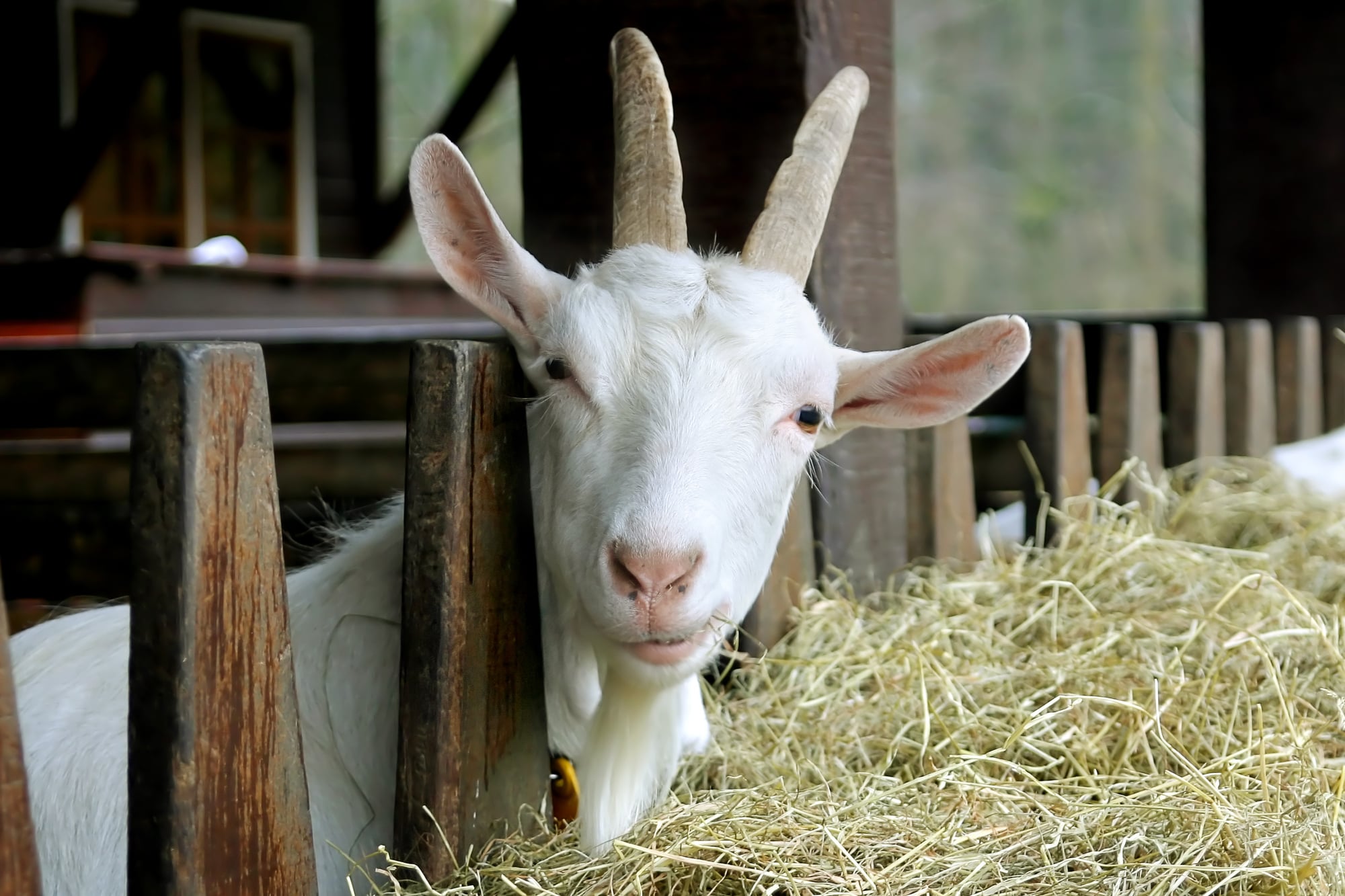
Goats cough just like other animals when they need to clear something from their throats. However, they also use coughing sounds as a form of communication with other goats.
A deliberate cough can serve as a polite way to get another goat’s attention without being too aggressive. The timing and frequency of the coughs help determine whether it’s health-related or social behavior.
Whistling through their noses
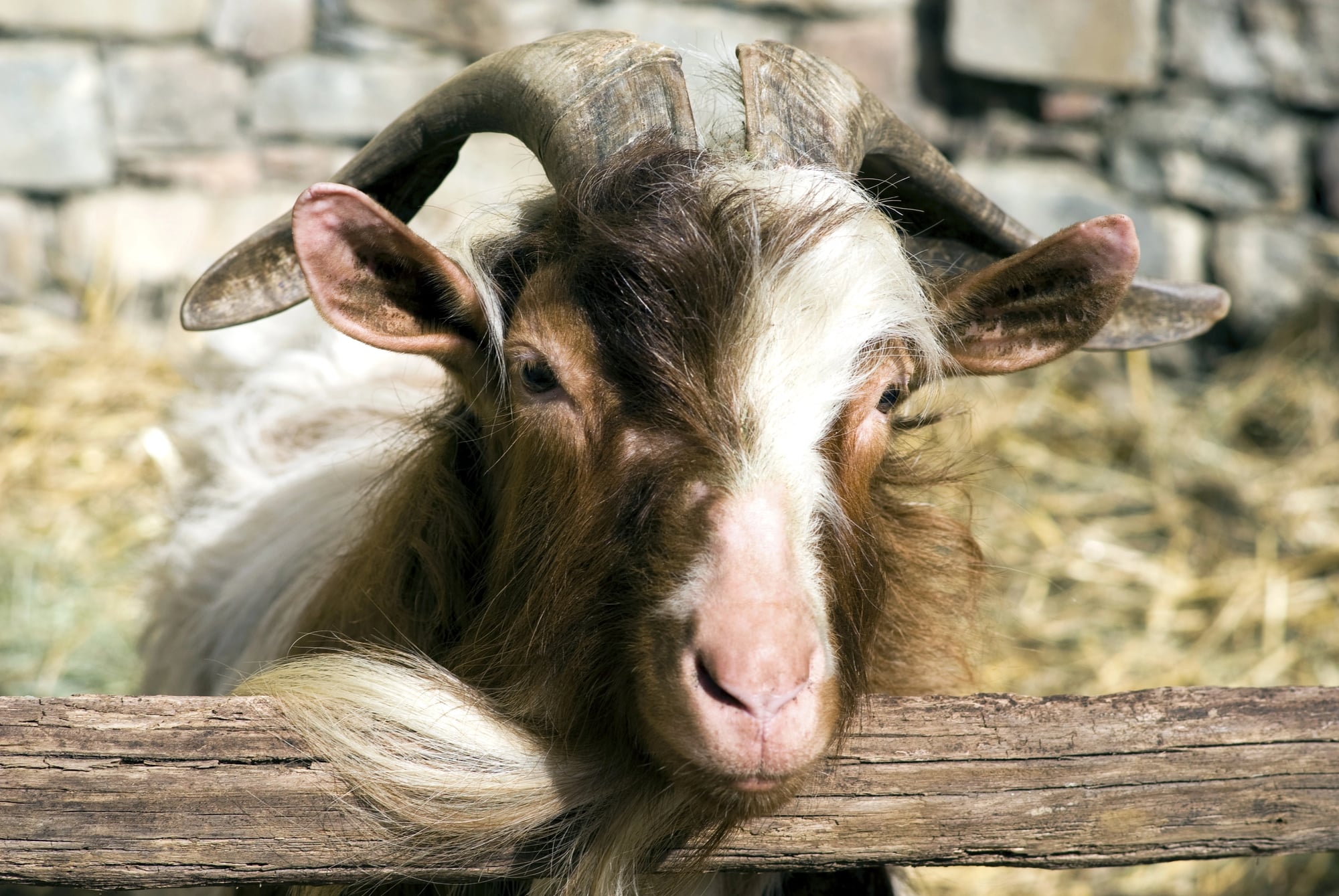
Some goats create whistling sounds through their noses when they breathe heavily or get excited. This odd noise happens more often in certain breeds with specific nose shapes.
The whistling can be constant or come and go depending on the goat’s activity level. While it might sound concerning to new goat owners, it’s usually just part of that individual goat’s normal vocal range.
Humming quiet melodies
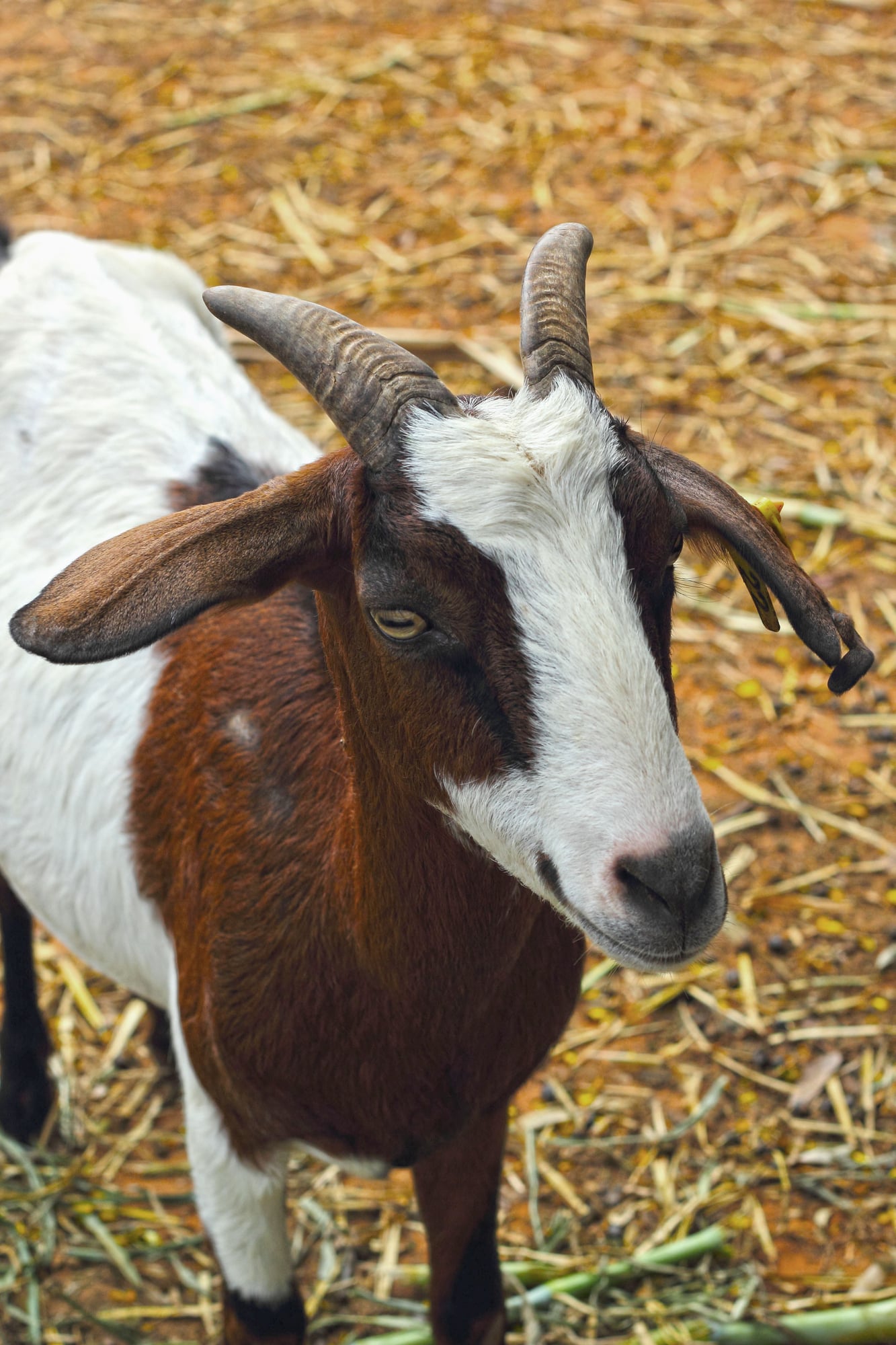
Goats sometimes hum soft, melodic sounds that can be quite soothing to hear. This gentle noise usually indicates contentment and relaxation.
Mother goats often hum to their babies as a form of comfort and bonding. The humming creates a peaceful atmosphere in the herd and shows that the goats feel secure in their environment.
Like Go2Tutors’s content? Follow us on MSN.
Squeaking from excitement
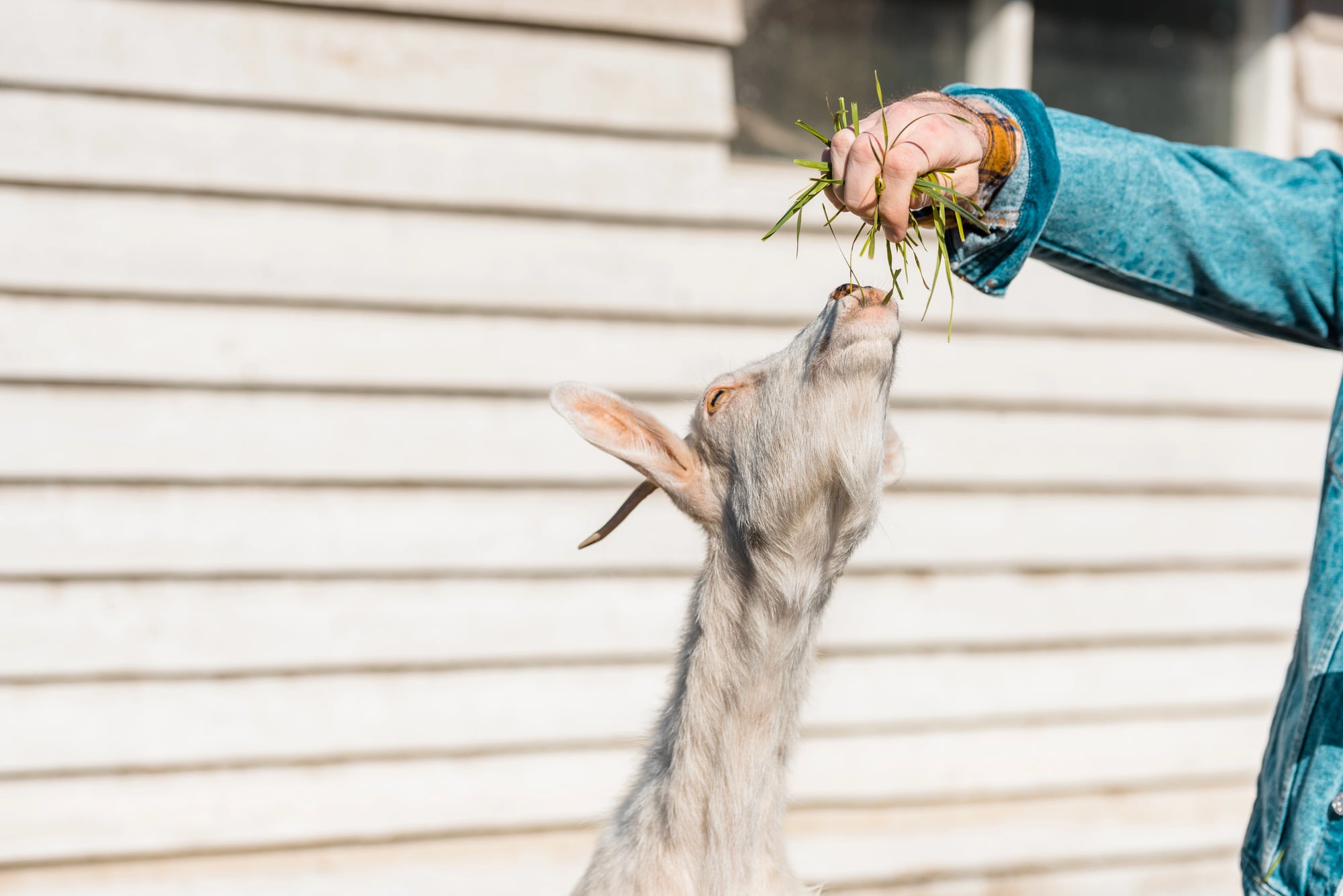
Young goats especially tend to make high-pitched squeaking sounds when they get excited about something. The squeaks often happen during playtime or when they see their favorite human approaching.
These sharp little sounds are quite different from their regular bleats and show pure joy. Adult goats can squeak too, though it’s less common as they mature.
Moaning in different situations

Goats produce various moaning sounds that can mean different things depending on the context. A soft moan might indicate mild discomfort or tiredness after a busy day.
Louder moaning could signal that the goat is in pain or distress and needs attention. Some goats moan when they’re bored and want something interesting to happen in their environment.
Clucking like chickens

Strange as it sounds, some goats make clucking noises similar to chickens. This unusual sound often happens when goats are investigating something new or trying to get closer to other animals.
The clucking seems to be a way of showing curiosity without being too forward. Not many goats make this sound, making it quite special when you hear it.
Like Go2Tutors’s content? Follow us on MSN.
Warbling with complex tones

Certain goats create warbling sounds that involve multiple tones at once. These complex vocalizations demonstrate the sophisticated nature of goat communication.
The warbling often occurs during social interactions between goats who know each other well. The varied tones can convey subtle emotions and intentions that simpler sounds cannot express.
From ancient farms to modern understanding
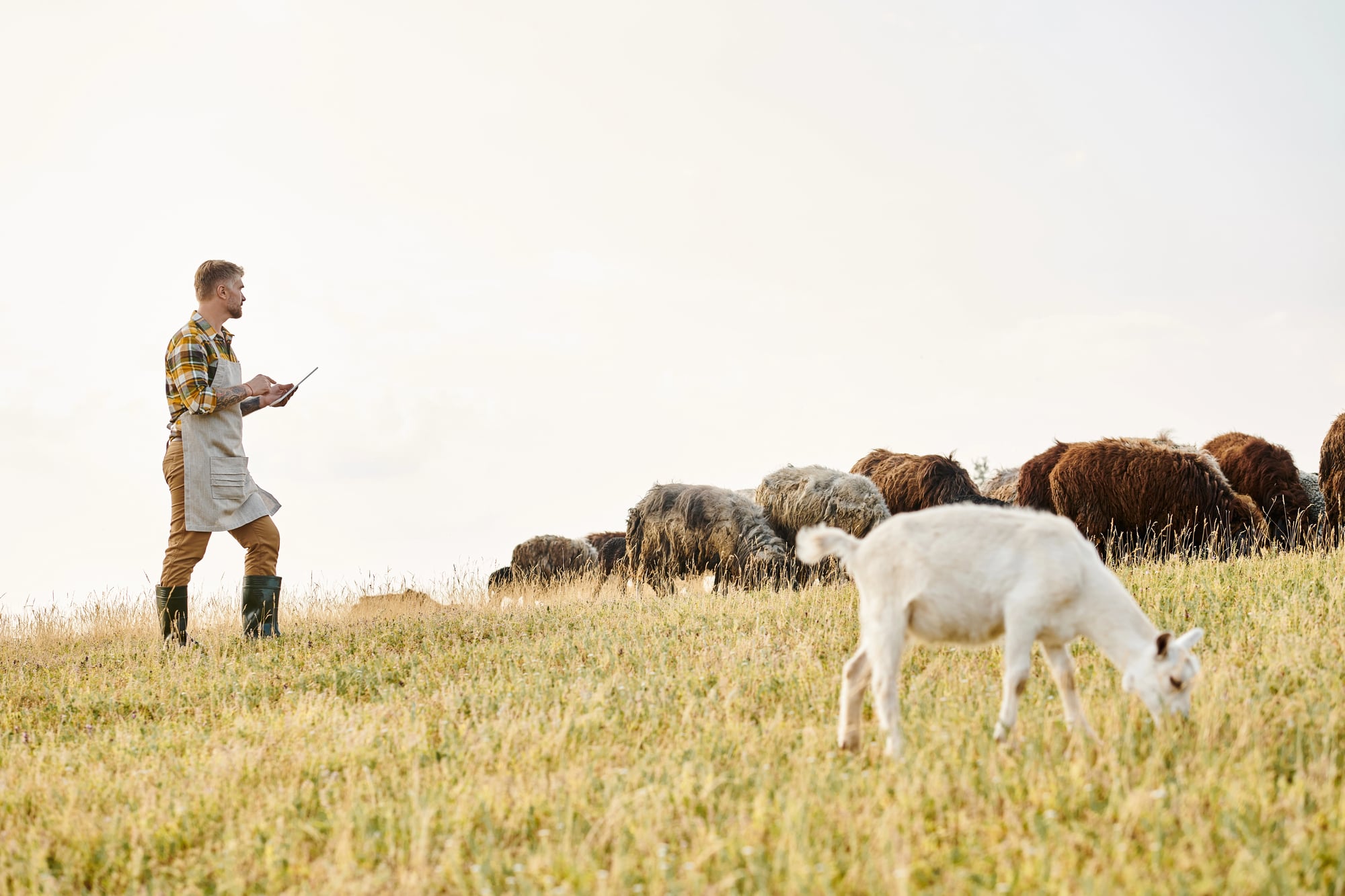
Humans have been listening to goat sounds for thousands of years without fully grasping their complexity. We developed a Convolutional Neural Network (CNN) architecture tailored for classifying goat vocalizations, yielding an average classification rate of 95.8% in discriminating various goat emotional states.
More from Go2Tutors!

- 16 Historical Figures Who Were Nothing Like You Think
- 12 Things Sold in the 80s That Are Now Illegal
- 15 VHS Tapes That Could Be Worth Thousands
- 17 Historical “What Ifs” That Would Have Changed Everything
- 18 TV Shows That Vanished Without a Finale
Like Go2Tutors’s content? Follow us on MSN.



