How Playground Chants Reflect Cultural Traditions
Playground chants are more than just fun sayings kids shout while skipping rope or playing tag. They carry a bit of history, reflecting the cultural traditions passed down through generations.
These simple rhymes and tunes help shape the social lives of children, while also providing a snapshot of the values, jokes, and stories of different communities. It’s interesting how these chants are passed on from one group of kids to another.
Passing down local slang

Many playground chants are filled with regional or local slang, words that may not be found in a dictionary but hold meaning for those who use them. These expressions reflect the unique ways different groups of kids communicate, often based on the area or neighborhood they come from.
As these chants are passed down, so are these little bits of language, helping to preserve local culture.
Celebrating diversity through rhymes
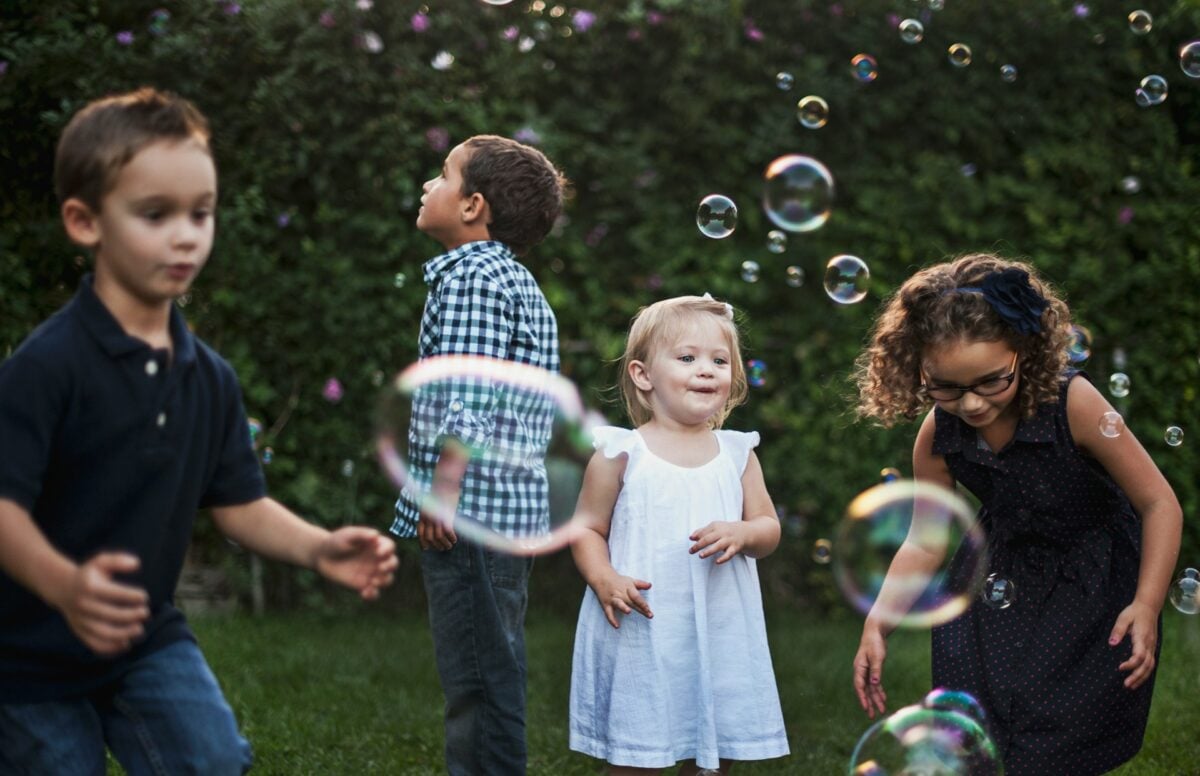
Playground chants aren’t just limited to one culture or ethnicity. They are often a mix of different languages, traditions, and experiences.
Kids might use phrases from their family’s native language, or include words from other cultures they’ve encountered. These chants become a way to celebrate the rich diversity of communities, reflecting how multiple cultures intertwine in everyday life.
Reflecting family traditions
Some playground chants are tied to specific family traditions or regional festivals. For instance, kids from a Mexican heritage might incorporate elements of traditional holidays like Día de los Muertos into their chants.
These chants serve as a fun way for children to connect with their family’s customs, even if they don’t realize it at the time. It’s like carrying a small piece of family history everywhere they go.
Honoring history through games

Some playground chants tell stories about historical events, famous figures, or cultural milestones. While these stories are simplified for young minds, they still reflect a broader understanding of history.
For example, some chants might reference famous heroes, civil rights movements, or important moments in the past. These chants allow children to learn about their culture’s history in an easy and fun way, even without formal lessons.
Encouraging teamwork and unity
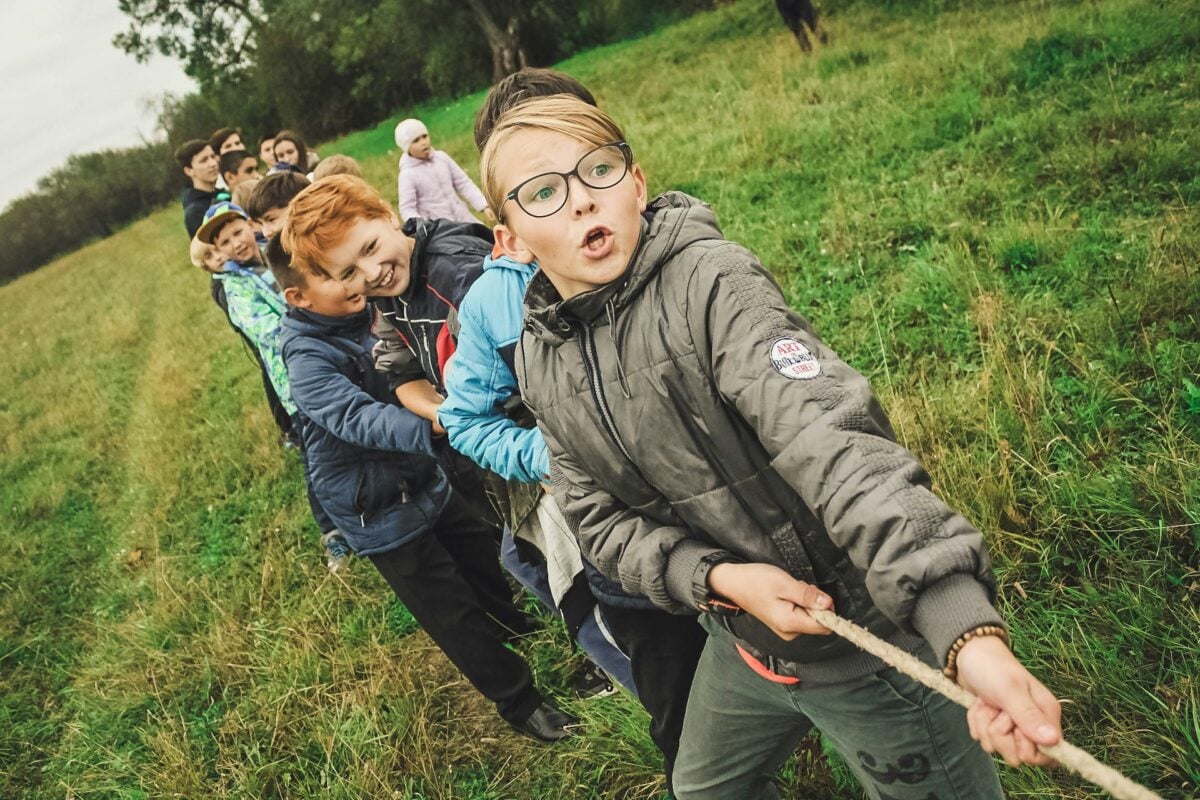
A lot of playground chants are created for games that require collaboration, like jump rope or hand clapping games. The chants promote unity, teamwork, and cooperation, teaching children to work together to achieve a goal.
These rhymes reflect the importance of community, emphasizing that everyone plays a role in achieving success, whether it’s in a game or in life.
Mirroring societal norms and values
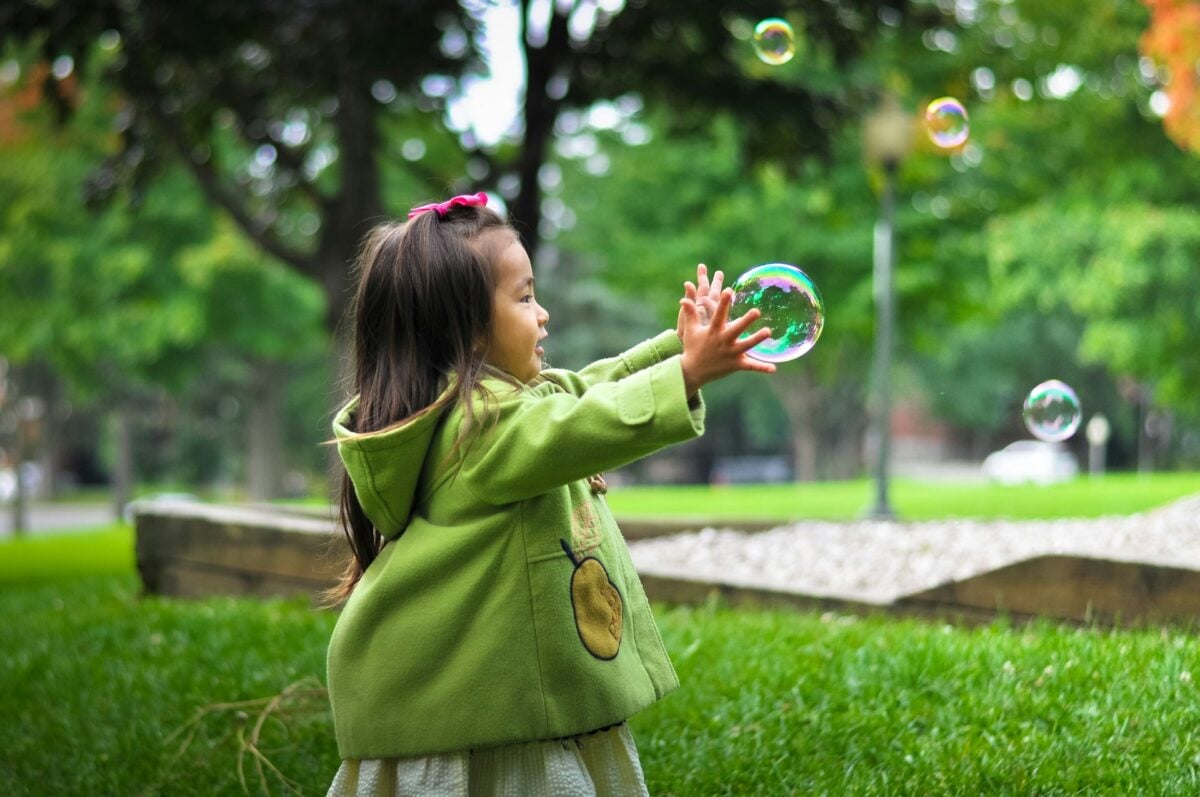
The themes of playground chants often reflect the values that are important in society. For example, many chants focus on ideas like fairness, winning, losing, and doing your best.
These values are learned early in life, often through playful competition, and are reinforced through the chants kids sing. It’s a subtle but powerful way to teach kids about right and wrong, success and failure, and everything in between.
Connecting generations through familiar tunes
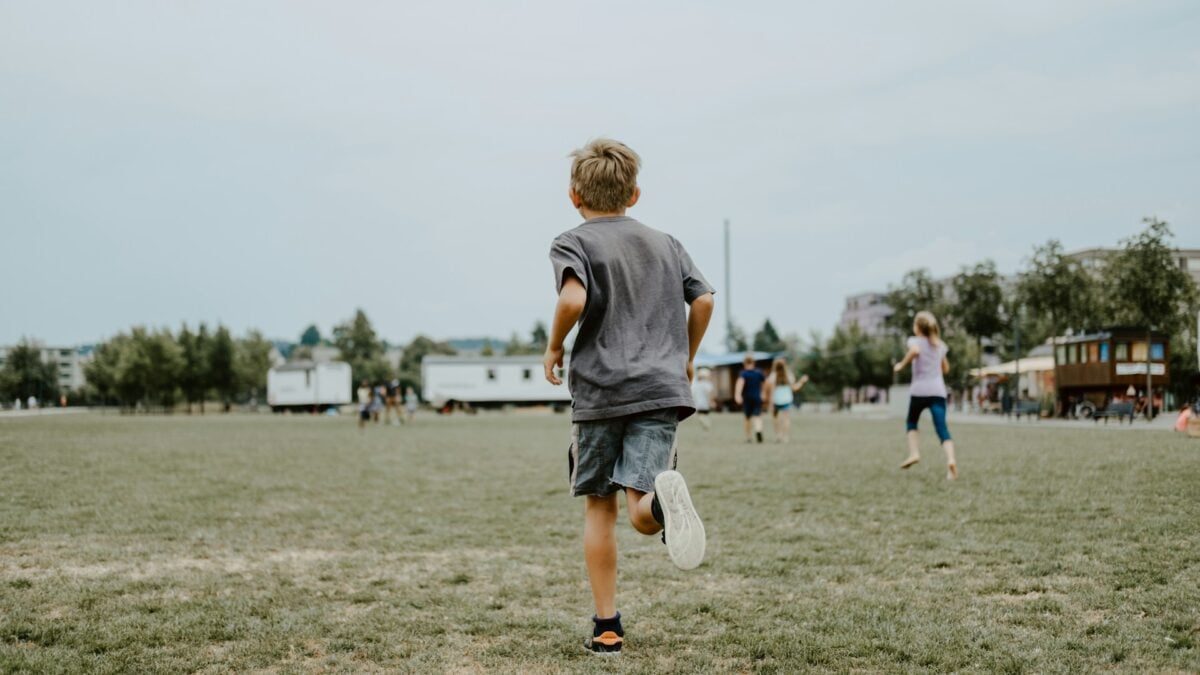
Even though playground chants change over time, many of them stay remarkably similar across generations. A chant that children used to sing in the 1960s might be passed down to today’s kids with only minor tweaks.
This connection through time gives children a sense of continuity and belonging. It’s like hearing a song that your parents used to sing when they were young, helping create a bond between generations.
Forming group identity

When kids chant together, they form a group identity, whether it’s a schoolyard gang or just a group of friends. These chants create a sense of belonging, where kids know the rules, the words, and the right timing.
In many ways, these chants help kids define who they are in the context of their peers, and make them feel like they are part of something bigger than themselves.
Celebrating childhood milestones
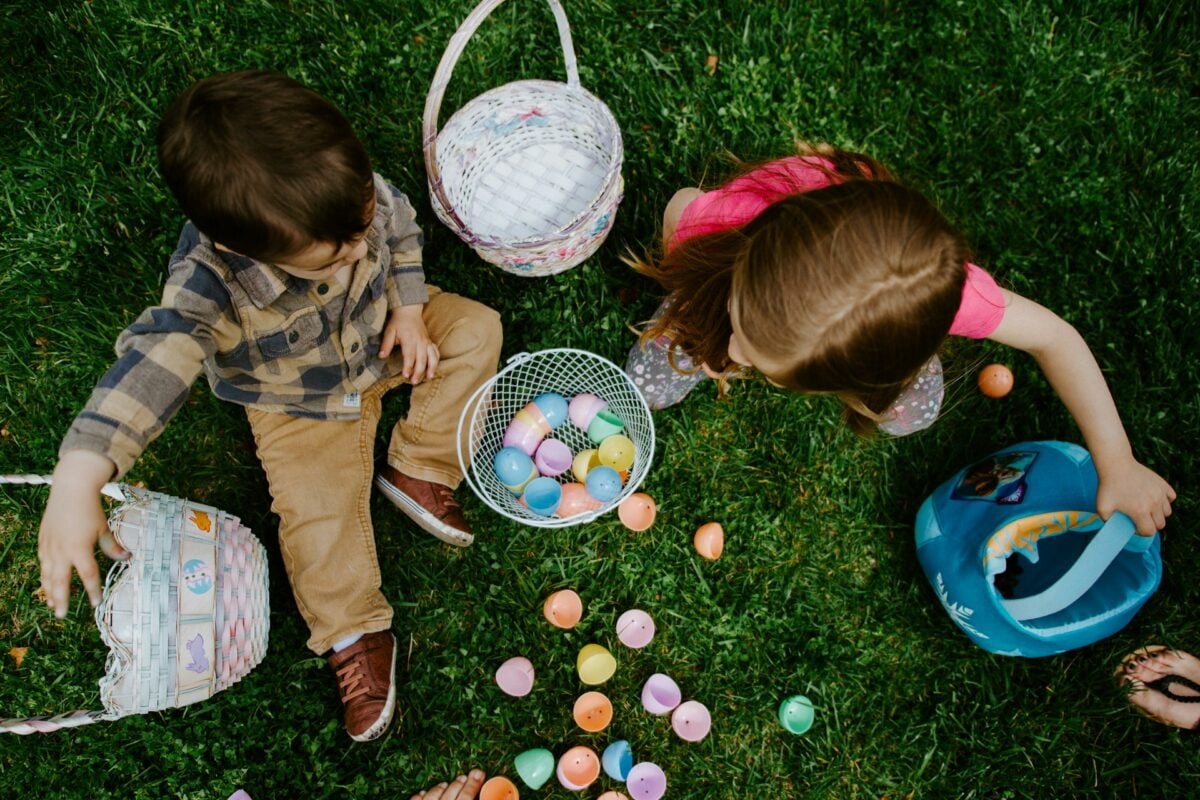
Playground chants often celebrate the simple yet important milestones of childhood. Whether it’s the first time a child can successfully skip rope or the victory of winning a game of tag, these chants mark progress.
They reflect the joys and achievements that kids go through as they grow, all while celebrating their accomplishments in a lighthearted way.
Strengthening friendships through shared experiences

Shared experiences, like chanting together, help build lasting friendships. Kids form bonds as they laugh, compete, and cooperate over these simple games.
The repetition of chants becomes a language of friendship, making memories that last far beyond the playground. Through these shared moments, kids learn the value of camaraderie and teamwork.
Teaching rules and structure
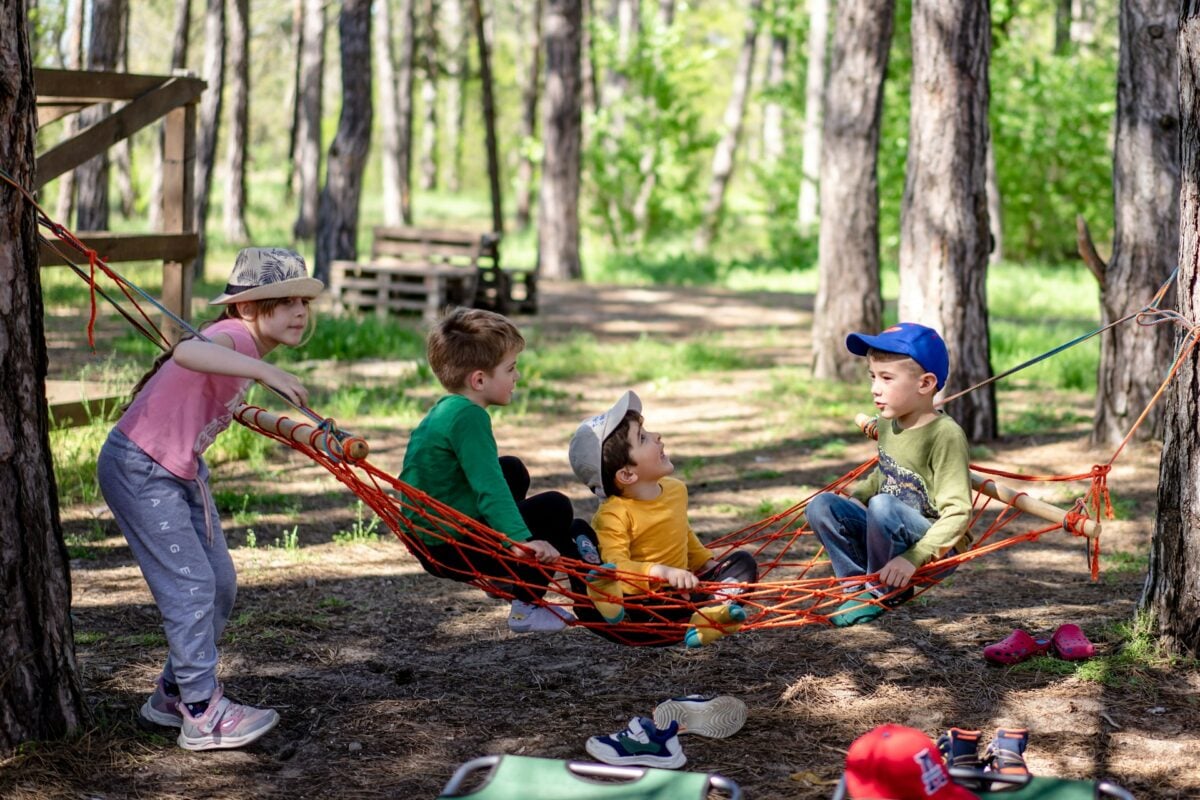
Some playground chants have built-in rules, whether it’s about when to jump into a game or when to start a new round. This adds structure to playtime, and in doing so, reflects the importance of rules in everyday life.
By following these unwritten rules, children learn about boundaries, fairness, and how to navigate the structure of society in a low-stakes setting.
Fostering creativity in play
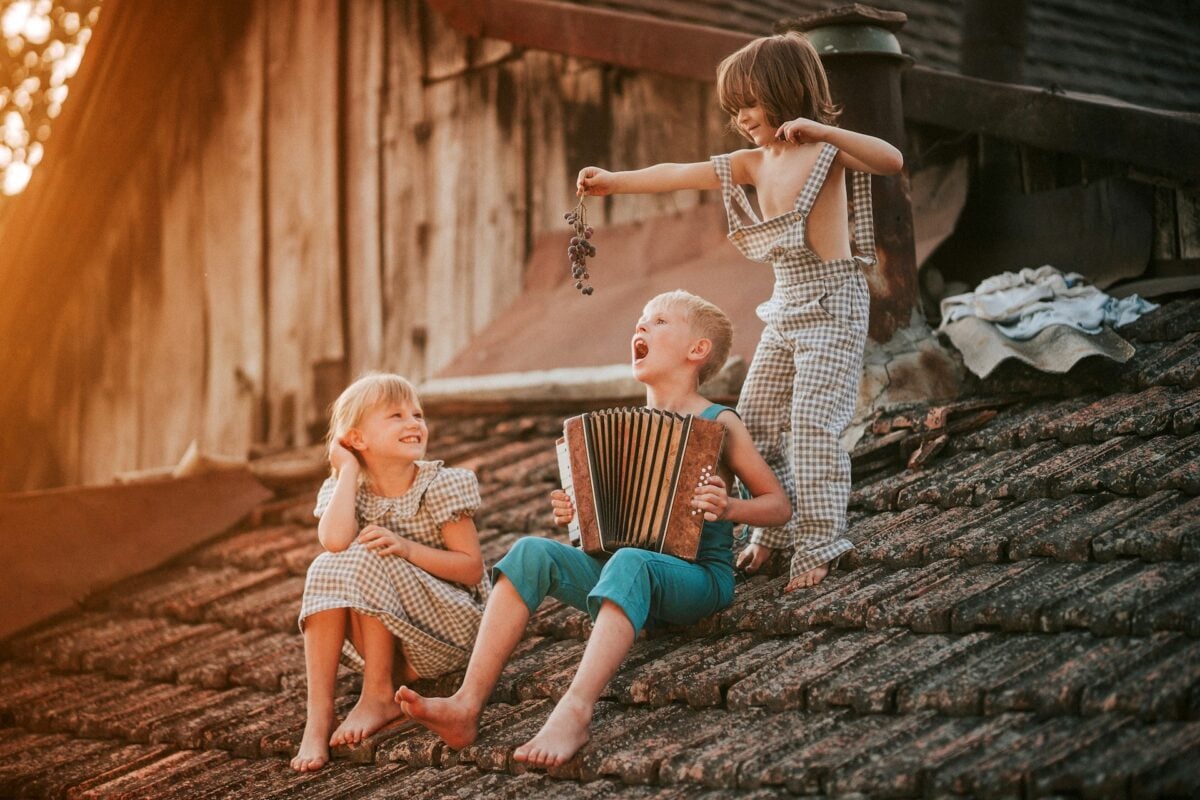
Playground chants often spark creativity in children. While the basic structure of a chant might remain the same, kids often add their own twists, creating variations and new versions.
This fosters imagination, allowing children to feel empowered to make their playtime their own. This creative expression encourages problem-solving and individual thought, qualities that are important in the broader world.
The lasting influence of play on culture
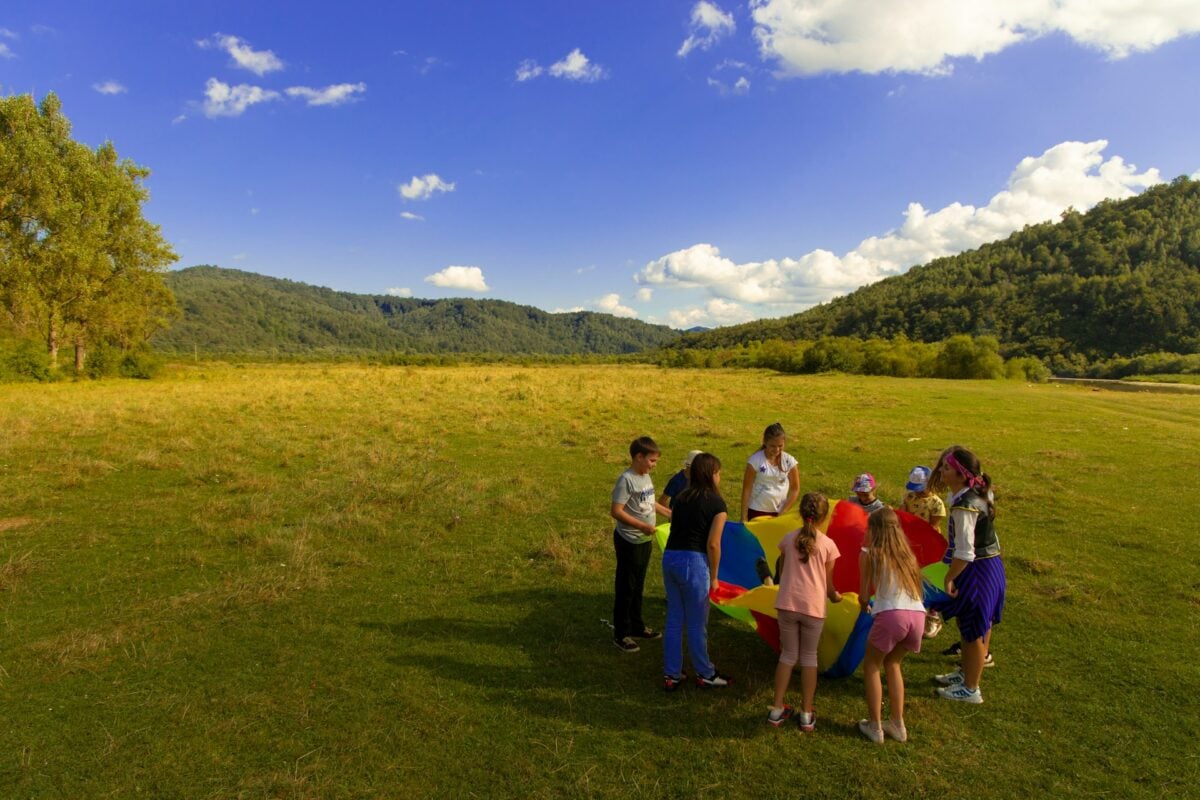
Playground chants may seem simple, but their impact on culture is long-lasting. They influence the way we communicate, bond, and express ourselves.
From the words we say to the rhythm we follow, these chants are a living testament to how cultural traditions are kept alive through everyday activities. They remind us that culture is not just passed down in books or classrooms but also through play, laughter, and song.
Tradition lives on in every chant
In every playground chant, there’s a reflection of cultural values, traditions, and shared experiences. While these chants might seem like simple games, they carry deeper meanings that connect kids to their heritage and community.
Even as times change and new trends emerge, these little songs remain a powerful part of childhood, preserving the traditions of the past in the voices of today’s kids.
More from Go2Tutors!

- 16 Historical Figures Who Were Nothing Like You Think
- 12 Things Sold in the 80s That Are Now Illegal
- 15 VHS Tapes That Could Be Worth Thousands
- 17 Historical “What Ifs” That Would Have Changed Everything
- 18 TV Shows That Vanished Without a Finale
Like Go2Tutors’s content? Follow us on MSN.



