Climate Facts That Are Alarming
The planet is changing faster than most people realize. You might hear about climate change in the news, but the specific numbers and facts often get lost in the noise.
Some of what’s happening right now would have seemed impossible just a few decades ago. These aren’t predictions anymore—they’re measurements, observations, and realities that scientists document every day.
The Ocean Is Heating Up at an Unprecedented Rate
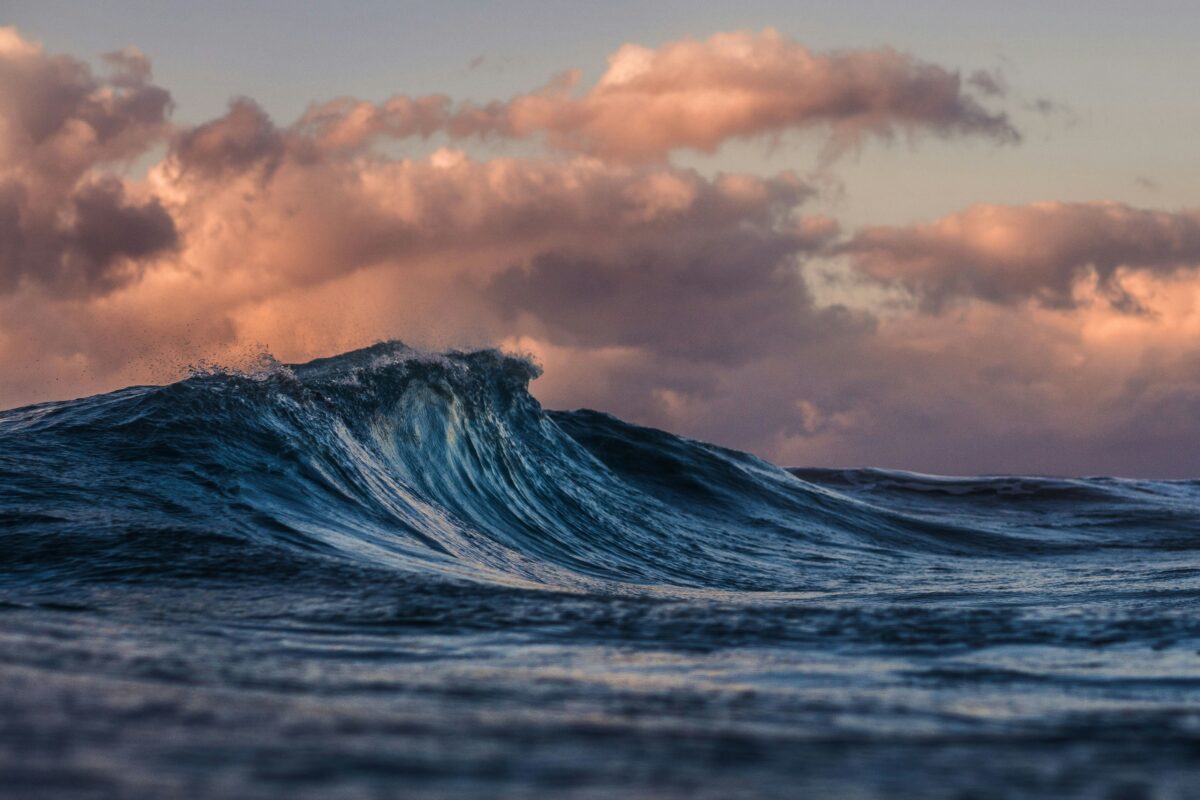
The world’s oceans have absorbed more than 90% of the excess heat created by greenhouse gas emissions. That might sound like a good thing—better the ocean than the atmosphere, right?
But the numbers tell a different story. The top 2,000 meters of ocean water have warmed by about 0.33 degrees Fahrenheit since 1969.
That doesn’t sound like much until you consider the sheer volume of water involved. The amount of energy required to heat that much water equals roughly five Hiroshima bombs exploding every second for the past 25 years.
Arctic Ice Is Disappearing at Alarming Speeds
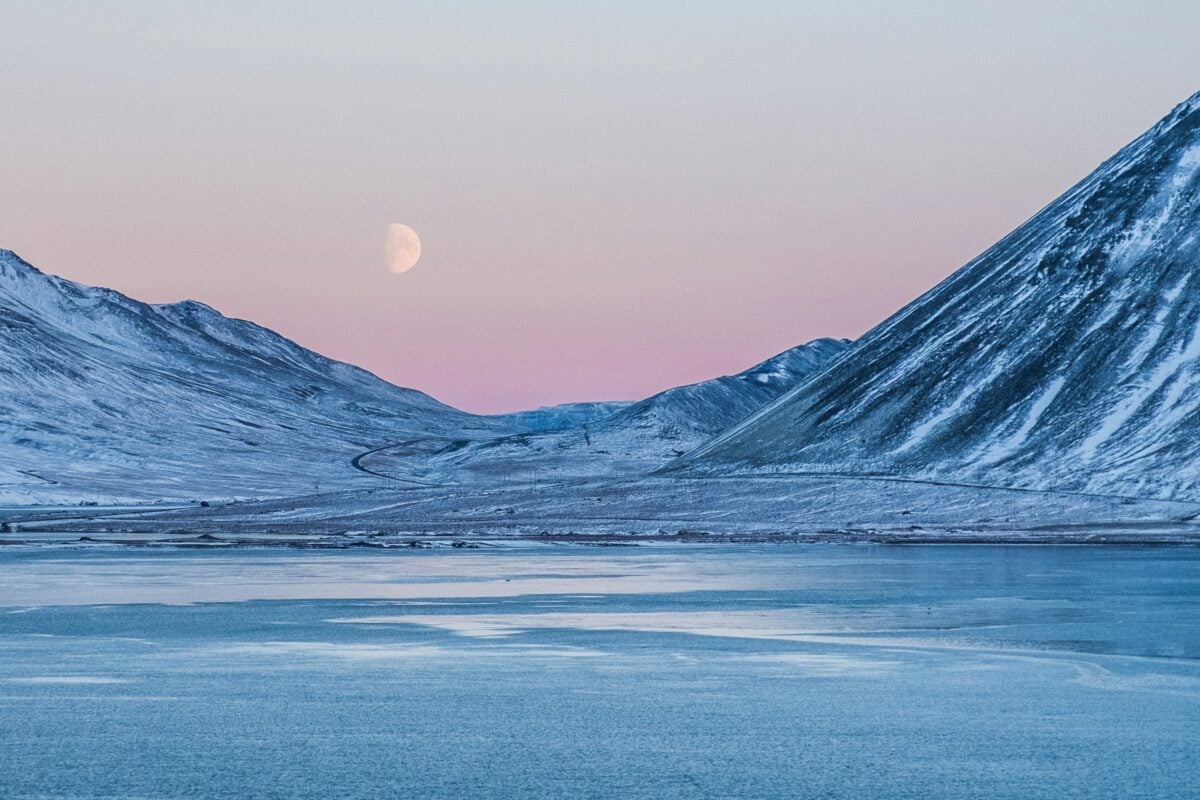
Summer Arctic sea ice has declined by about 13% per decade since 1979. The oldest and thickest ice has nearly disappeared entirely.
What used to be ice that lasted for years or even decades now melts and reforms seasonally. By 2040, scientists predict summers in the Arctic will be ice-free.
That hasn’t happened in at least 125,000 years. The consequences reach far beyond the Arctic.
That white ice reflects sunlight back into space. Dark ocean water absorbs it instead.
This creates a feedback loop that accelerates warming even faster.
Glaciers Are Melting Six Times Faster Than in the 1980s
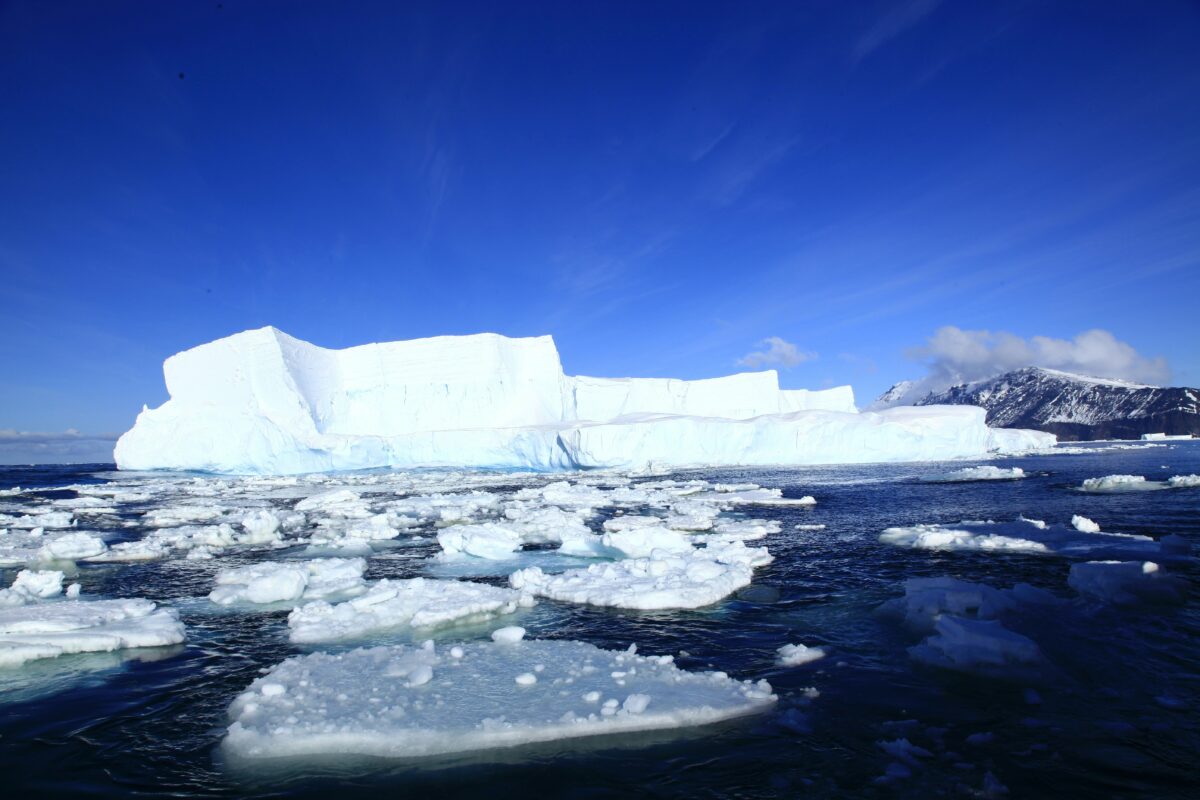
Glaciers around the world are losing about 267 billion tons of ice every year. That rate has accelerated dramatically.
In the 1980s, glaciers lost about 44 billion tons annually. The increase isn’t linear—it’s exponential.
Mountain glaciers from the Alps to the Andes to the Himalayas are shrinking at rates that shock even the scientists who study them. These glaciers provide drinking water for roughly two billion people.
When they’re gone, that water supply disappears too.
Sea Levels Are Rising Faster Than Predicted
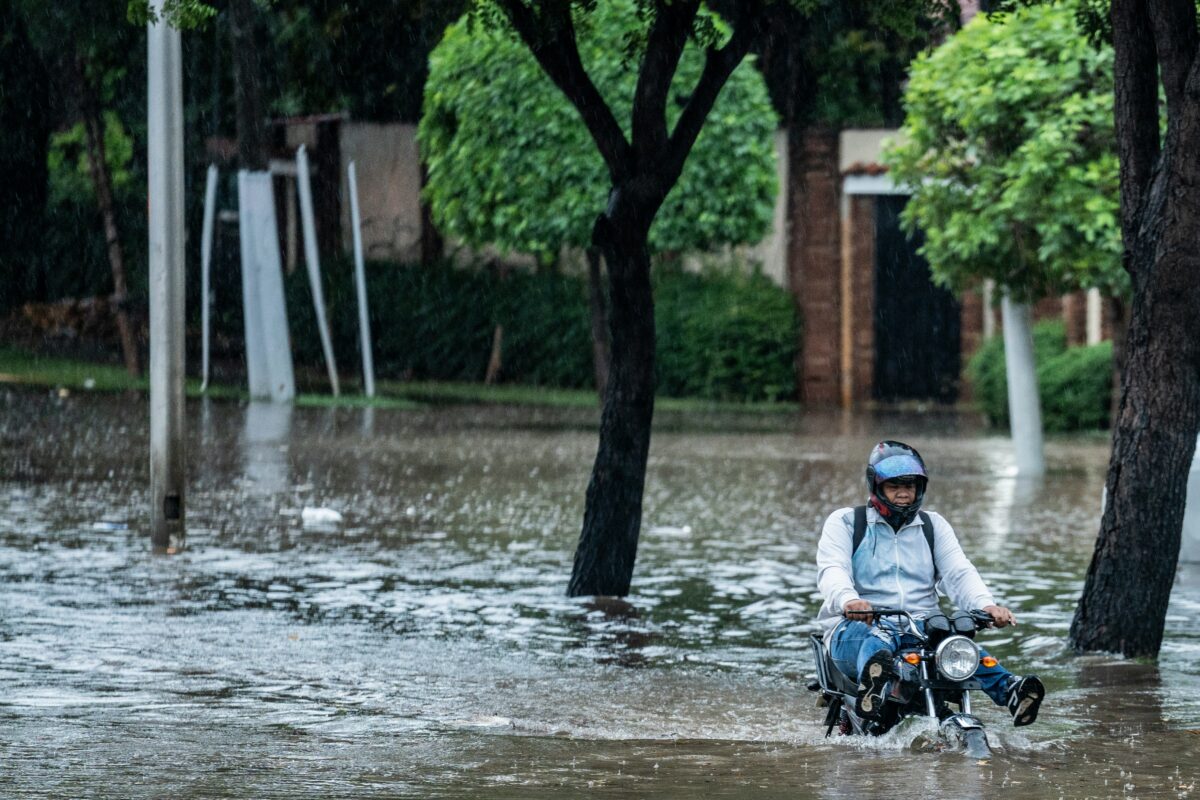
Global sea levels have risen about eight inches since 1880. Half of that rise has occurred in just the last 30 years.
The rate keeps accelerating. By 2100, seas could rise by as much as seven feet if emissions continue at current levels.
Some projections go even higher. Entire nations face extinction.
The Maldives, Tuvalu, and the Marshall Islands could become uninhabitable within this century. Coastal cities from Miami to Shanghai to Mumbai face regular flooding that will only get worse.
More than 410 million people currently live in areas that will be below the annual flood level by 2100.
Carbon Dioxide Levels Are Higher Than Any Time in Human History
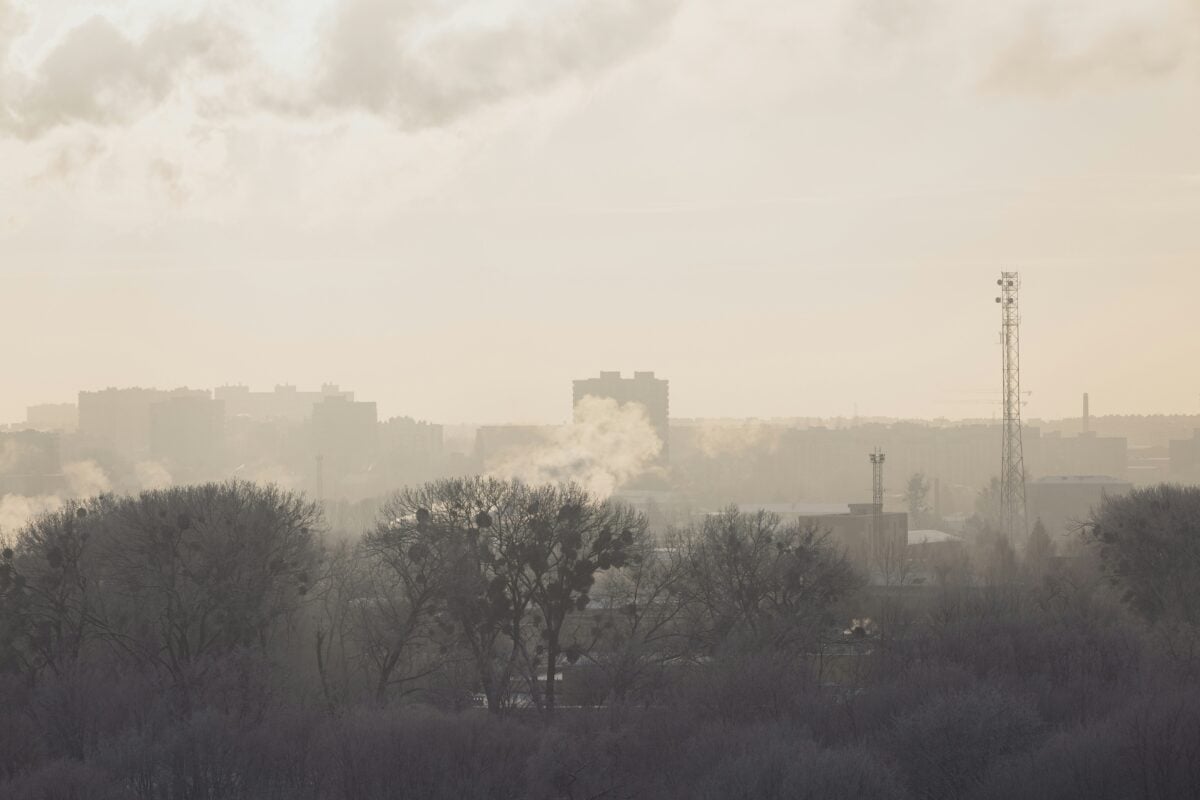
The concentration of CO2 in the atmosphere has reached 420 parts per million. That’s higher than any time in the last 800,000 years—and probably the last three million years.
Before the Industrial Revolution, CO2 levels stayed around 280 parts per million for thousands of years. The rate of increase is what really matters.
CO2 levels are rising about 100 times faster than they did at the end of the last ice age. Nature can’t adapt to changes this rapidly.
Half of the Great Barrier Reef Has Died

The Great Barrier Reef has lost more than half its coral since 1995. Mass bleaching events—once rare occurrences—now happen regularly.
In 2016, 2017, and 2020, severe bleaching killed vast sections of coral. When water temperatures rise even two degrees above normal, corals expel the algae that give them color and food.
Without those algae, the coral turns white and starves. Coral reefs support about 25% of all marine species despite covering less than 1% of the ocean floor.
When reefs die, entire ecosystems collapse.
Permafrost Contains Twice as Much Carbon as the Atmosphere
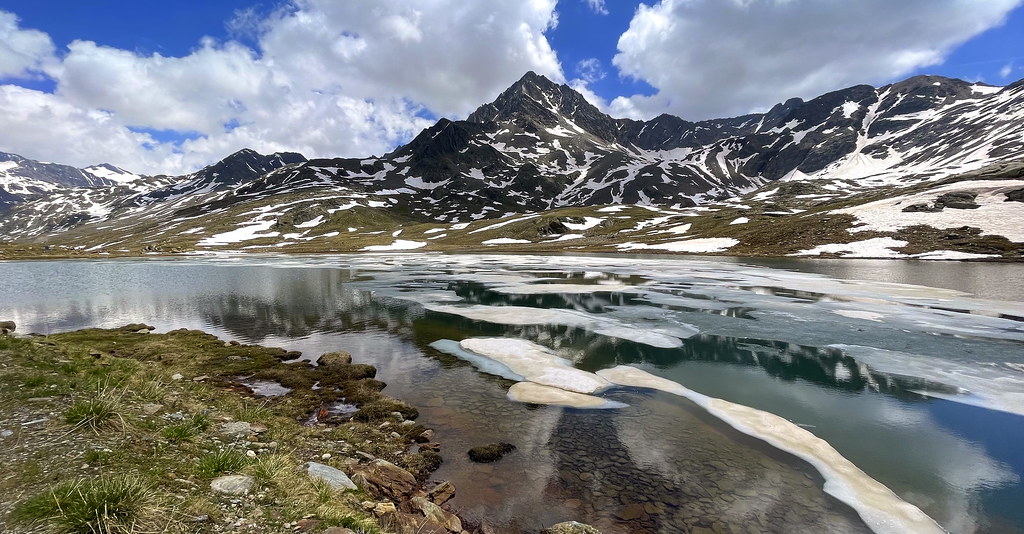
Permafrost—permanently frozen ground in Arctic regions—holds about 1,600 billion tons of carbon. That’s roughly twice the amount currently in Earth’s atmosphere.
As temperatures rise, this frozen ground thaws and releases that carbon as methane and CO2. This creates another feedback loop.
More warming melts more permafrost, which releases more greenhouse gases, which causes more warming. Scientists call these “tipping points”—moments when natural systems start to drive climate change independent of human activity.
Extreme Weather Events Have Increased by 400%

The number of extreme weather disasters has increased more than fourfold since 1970. Hurricanes, floods, droughts, and wildfires occur more frequently and with greater intensity.
The five warmest years on record have all occurred since 2015. Heat waves that used to happen once per century now happen roughly every decade.
In some regions, they happen almost every year. The human cost continues to mount—hundreds of thousands of deaths per year directly linked to climate-related disasters.
One Million Species Face Extinction

Climate change threatens to push one million plant and animal species into extinction within decades. That’s roughly one-eighth of all known species on Earth.
Many of these species exist in narrow temperature ranges or specific habitats. When conditions change too quickly, they can’t adapt or migrate fast enough.
The Amazon rainforest is approaching a tipping point where it could transform from rainforest to savanna. That would release billions of tons of stored carbon and eliminate habitat for countless species found nowhere else on Earth.
Global Food Production Faces Massive Disruption
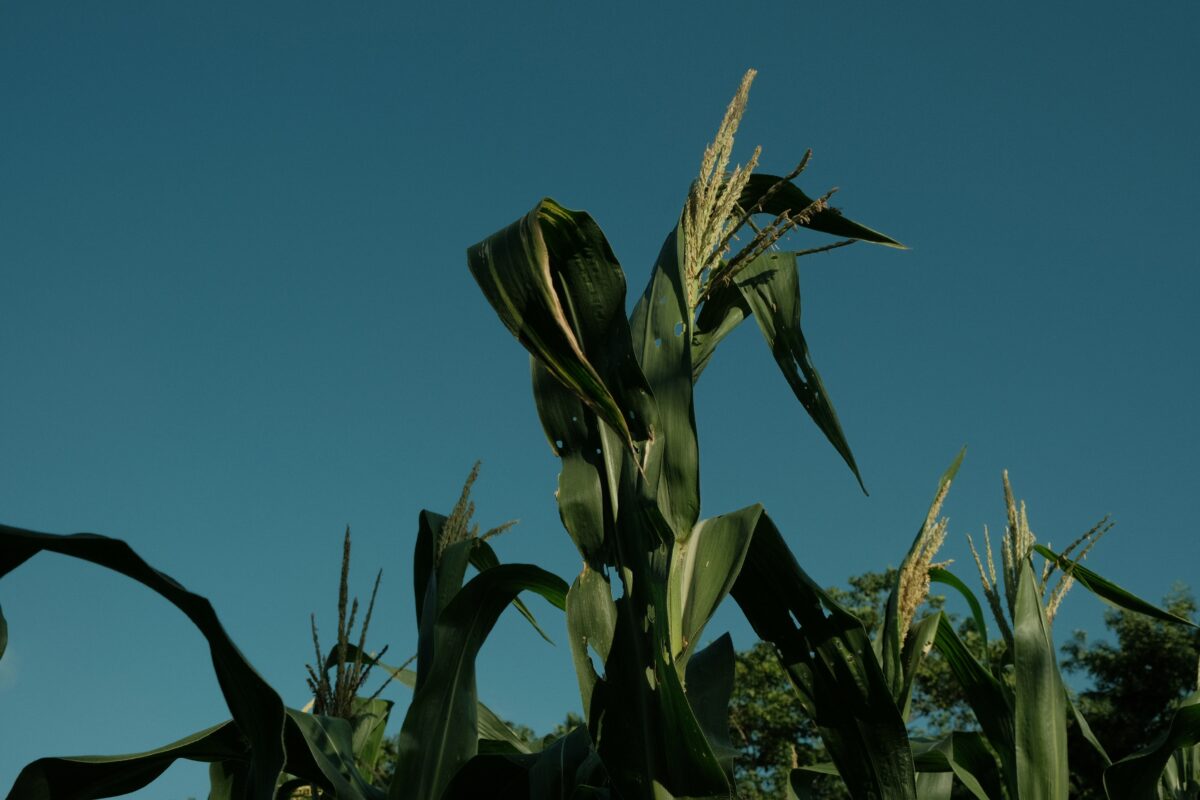
Crop yields for major staples like wheat, rice, and corn have already started declining in many regions. For every degree Celsius of warming, global wheat production drops by about 6%.
Rice yields fall by 3%. These aren’t projections—they’re measurements from the last two decades.
The regions most affected are often those least able to cope. Sub-Saharan Africa and South Asia face the steepest declines. At the same time, their populations are growing fastest.
Food insecurity could affect hundreds of millions more people by mid-century.
Insect Populations Are Collapsing Worldwide
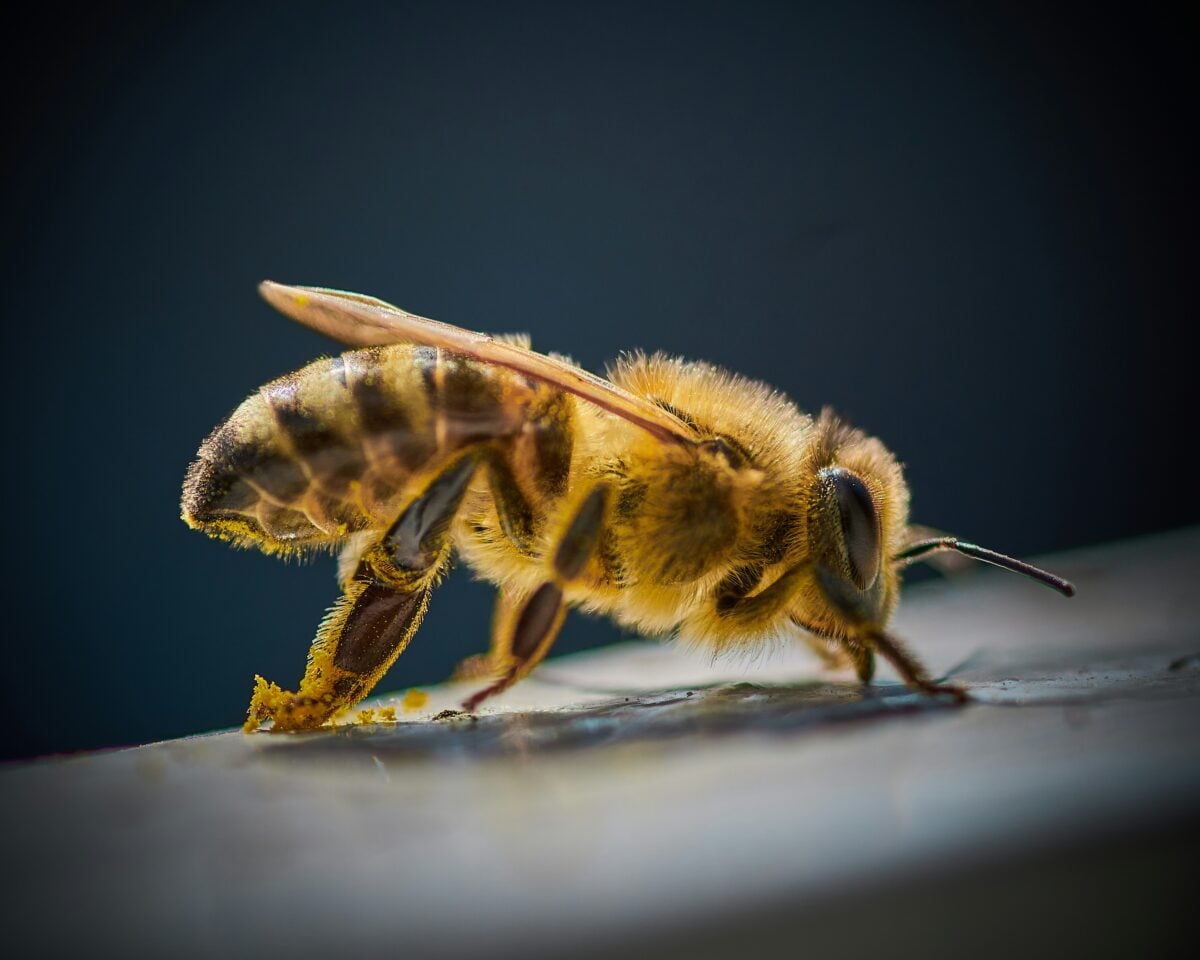
Insect populations have declined by more than 75% in some areas over the past 30 years. Climate change isn’t the only factor—pesticides and habitat loss play major roles—but warming temperatures disrupt the delicate timing that insects and plants have developed over millions of years.
Insects pollinate roughly 75% of the world’s crops. They form the base of most food chains.
When insect populations collapse, everything above them in the food web suffers. Birds, fish, and mammals that depend on insects for food are declining rapidly.
We’re Using Up Our Carbon Budget Fast

To have a reasonable chance of limiting warming to 1.5 degrees Celsius, humanity can emit only about 400 more billion tons of CO2. At current rates, that budget runs out in less than a decade.
To limit warming to 2 degrees Celsius—still dangerous but less catastrophic—we have about 1,150 billion tons left. That’s gone in roughly 25 years at current emission rates.
Every fraction of a degree matters. The difference between 1.5 and 2 degrees of warming means hundreds of millions more people are exposed to extreme heat, water scarcity, and food insecurity.
Antarctica Is Melting from Below

Antarctica holds enough ice to raise global sea levels by about 200 feet if it all melted. That won’t happen anytime soon, but parts of Antarctica are already melting faster than expected.
Warm ocean water flows beneath ice shelves and melts them from below—a process that’s much harder to detect and measure than surface melting. The Thwaites Glacier in West Antarctica has been called the “Doomsday Glacier” because its collapse could destabilize the entire West Antarctic Ice Sheet.
That glacier is already losing about 50 billion tons of ice per year, and the rate is accelerating.
Methane Emissions Are Spiking Mysteriously
Now rising fast, methane levels puzzle researchers despite close study. Over two decades, this gas traps far more heat than carbon dioxide – about eightyfold stronger it proves.
Fossil fuels contribute, especially through methods like breaking rock underground to reach oil and gas. Farms play a role too, tied closely to how animals digest food.
Yet much of the climb still lacks clear cause. A rise in temperatures might be pushing wetlands and frozen ground to let out more methane than models expected.
Or perhaps the air itself isn’t cleaning up the gas as well as before. However it’s happening, the jump makes a tough problem feel even tighter.
The Systems We Rely On Break Easier Than They Look

Balance holds each forest, weather cycle, living web we barely notice. Push too hard, those systems snap instead of stretching.
This is why the data feels heavy. Not marks on paper, but signs about air, water, soil – what lets intricate life survive here.
Right now, shifts are under way that will echo across millennia. Once certain forces begin unfolding, no timeline humans recognize can halt them.
Decisions taken within ten years decide what kind of Earth comes next – not just tougher conditions, but possibly unlivable ones. This isn’t an exaggeration.
It’s matter reacting as it must – physics, molecules, life itself responding to a test we didn’t plan for, yet set into motion anyway.
More from Go2Tutors!

- The Romanov Crown Jewels and Their Tragic Fate
- 13 Historical Mysteries That Science Still Can’t Solve
- Famous Hoaxes That Fooled the World for Years
- 15 Child Stars with Tragic Adult Lives
- 16 Famous Jewelry Pieces in History
Like Go2Tutors’s content? Follow us on MSN.