Retro Gadgets That Defined Generations
Something always slips through time unnoticed, shaping lives without fanfare. Before everything fit into one glowing rectangle we carry everywhere, tools came with jobs to do – and quirks of their own.
Resting on desktops, hanging from waistbands, tucked into common rooms, they settled into days like old habits. Not distractions humming beneath attention, but steady fixtures woven into ordinary moments.
Each era carries these quiet helpers forward, barely remarked yet deeply felt. Timing mattered more than new features.
When folks saw these tools, they felt familiar despite never meeting before. Because gaps existed without anyone naming them, responses arrived right when silence began fading.
These objects shaped routines, unspoken rules, also personal expression. Now reflection shows threads once woven tightly between daily moments and machines.
Flickering memories of old tech shine through today’s screens. These were the tools kids relied on before apps took over.
Each device carried quirks that made them stick in our minds. Nostalgia isn’t the only reason they’re remembered.
Built different – clunky yet full of charm. Their limits somehow sparked more creativity than we get now.
Even modern designs borrow quiet details from their shape and sound. Not flashy, but never forgettable.
The Transistor Radio
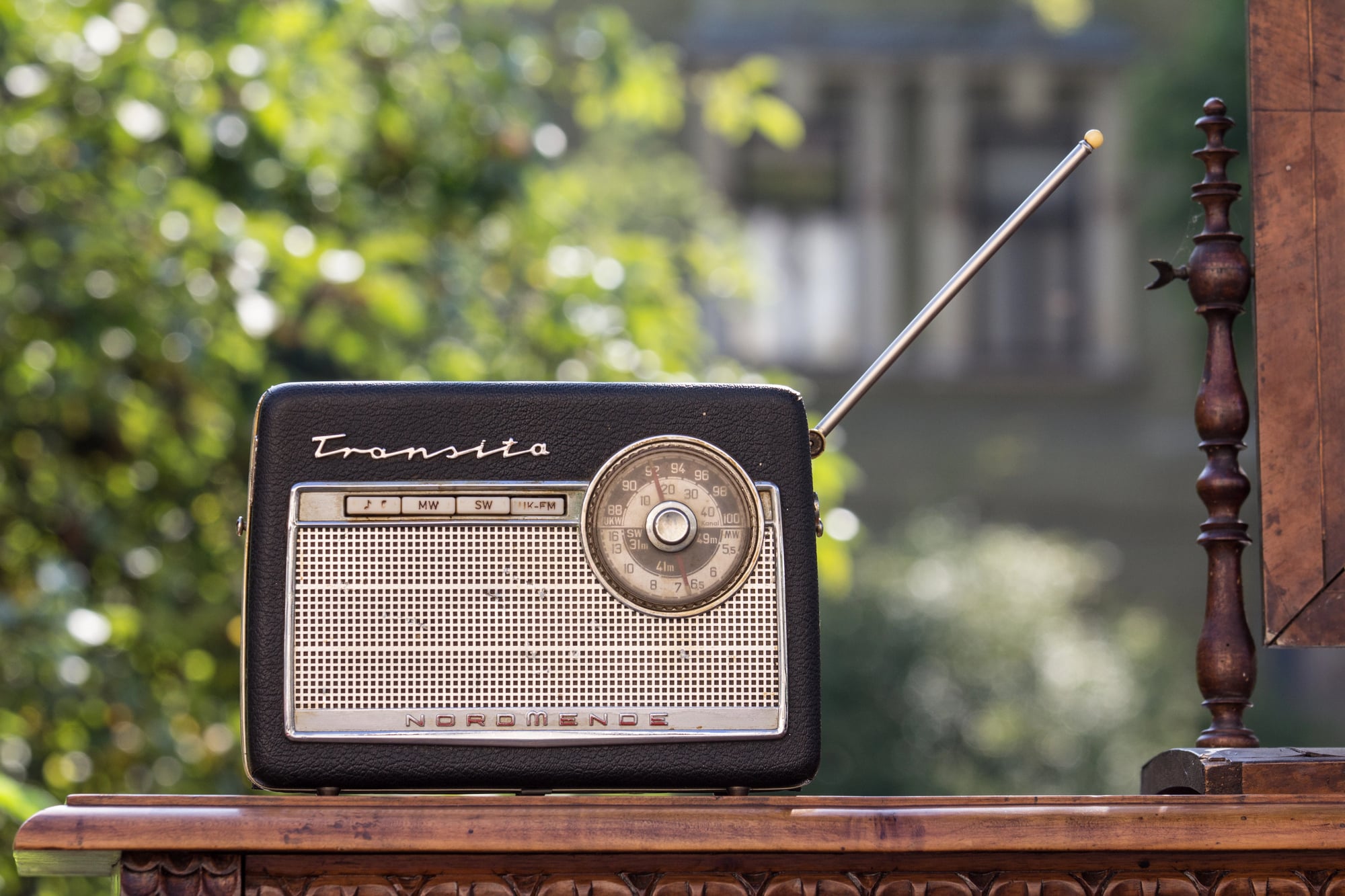
The transistor radio transformed listening from a shared household activity into a personal experience. Small enough to carry, it allowed music and news to travel beyond living rooms and into streets, parks, and bedrooms.
For the first time, people could choose what they listened to and when. This shift mattered culturally.
Music became portable, immediate, and tied to youth identity. Radios accompanied people through daily routines, turning sound into a constant companion.
The device helped establish the idea that media could be personal rather than communal, a concept that would shape every generation that followed.
The Vinyl Record Player
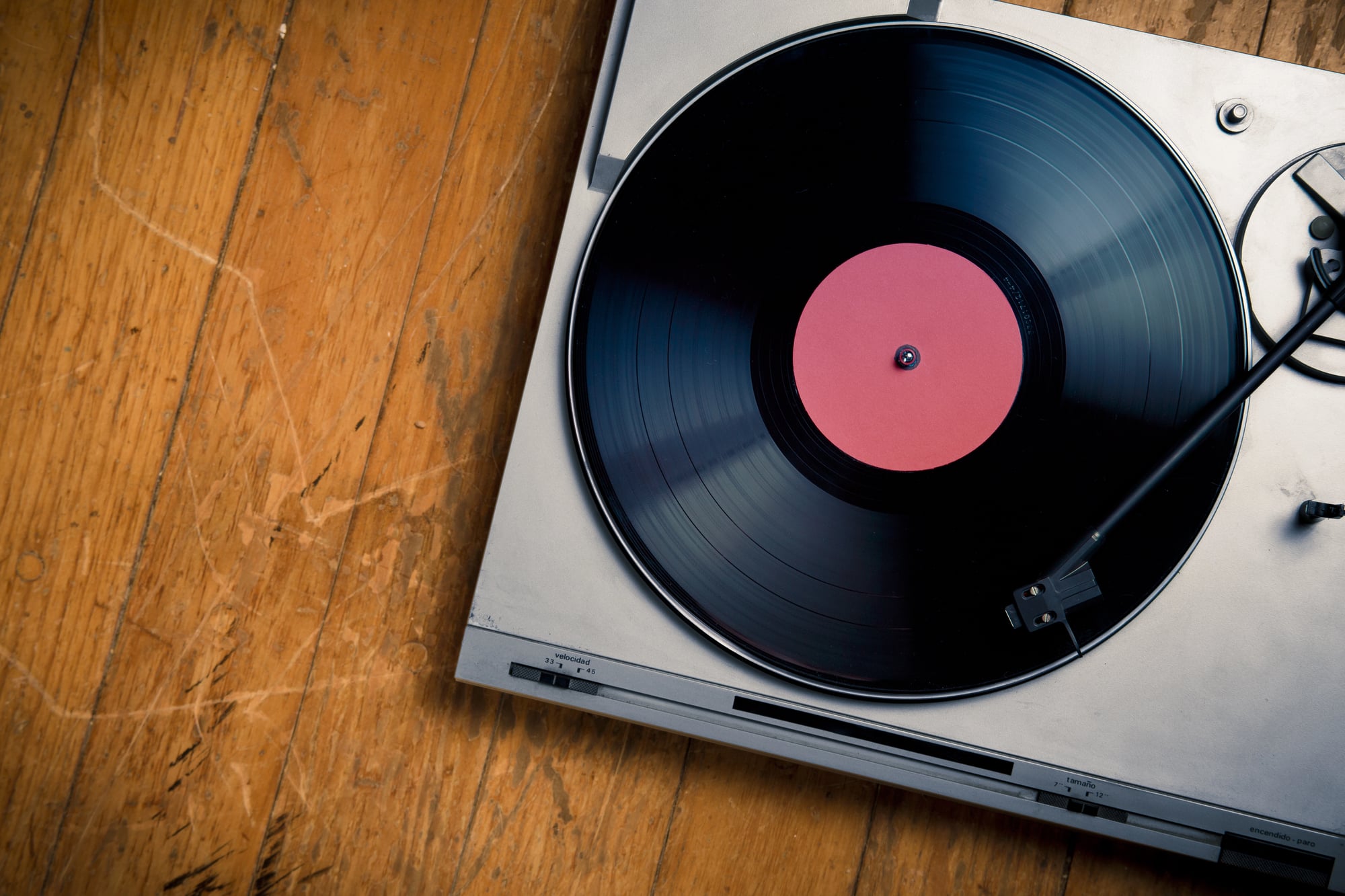
Record players defined how people experienced music as an event. Playing a record required intention, from selecting an album to placing the needle carefully at the edge.
Listening was immersive and often social, with albums played front to back rather than sampled. The physical nature of records gave music weight and presence.
Album artwork, liner notes, and the ritual of flipping sides made listening tactile and memorable. For generations, music was something you handled, displayed, and shared in real time, creating emotional attachment that extended far beyond sound alone.
The Polaroid Camera
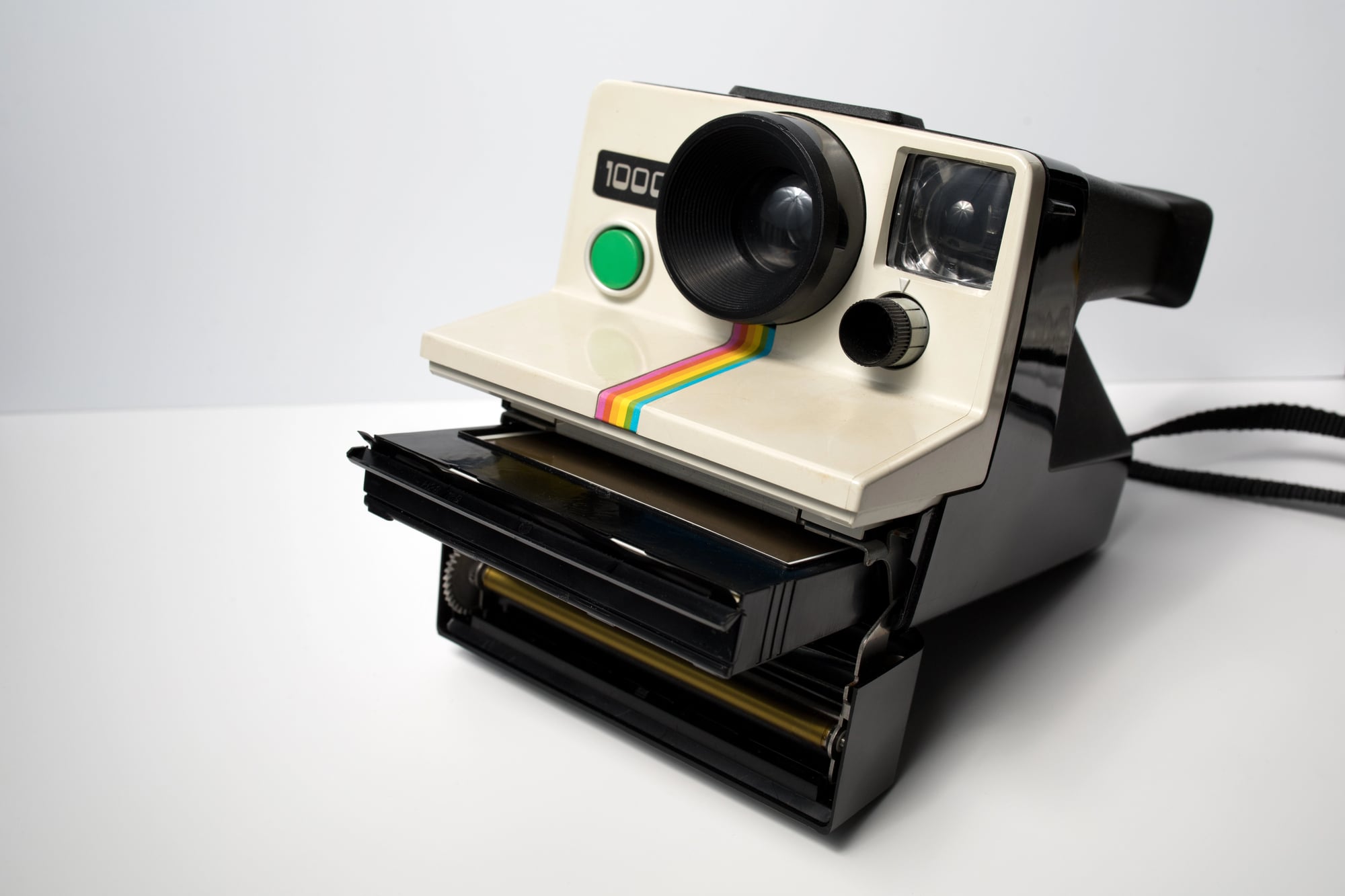
The Polaroid camera changed photography by removing waiting from the process. Photos developed instantly, appearing slowly in the palm of your hand.
This immediacy created excitement and spontaneity that traditional film could not replicate. Polaroids became social objects.
People gathered around to watch images appear, passing prints between friends. The device encouraged experimentation and play, making photography feel accessible rather than formal.
Long before digital sharing, Polaroids offered a glimpse of instant gratification through physical media.
The Cassette Player
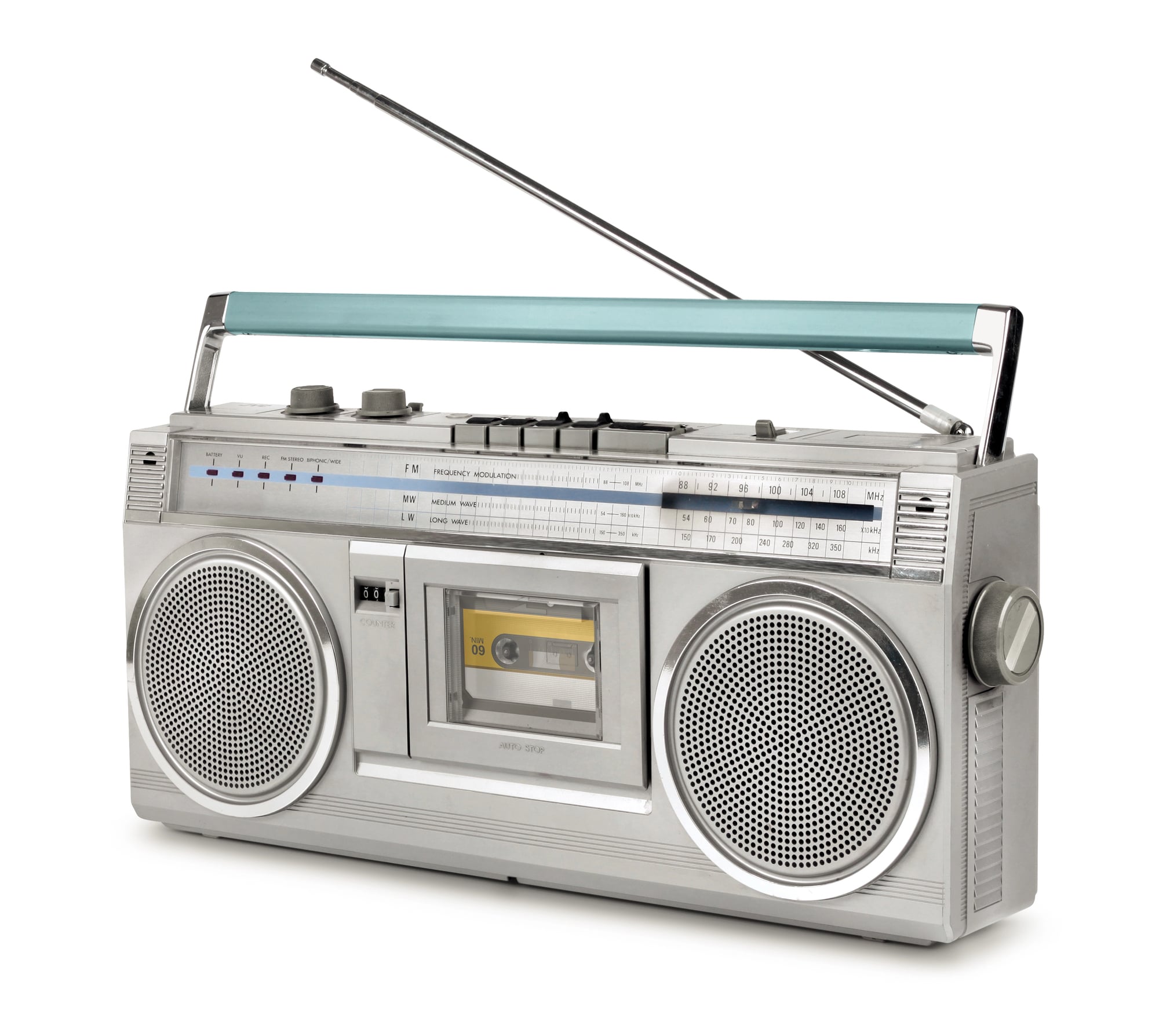
Cassette players brought recording and listening into everyday life. People could create their own tapes, capturing music, voices, and moments with ease.
The ability to record off the radio or copy songs made personalization central to listening habits. Mixtapes became emotional artifacts, carefully curated and shared as expressions of feeling and taste.
The cassette player turned listeners into participants, not just consumers. For many, this gadget marked the first time media felt truly customizable.
The Walkman

The Walkman redefined mobility. Music became something you carried with you, shaping private worlds within public spaces.
Commuters, joggers, and students suddenly moved through life with personal soundtracks. This shift changed behavior.
Headphones created invisible boundaries, allowing people to retreat into sound without leaving their surroundings. The Walkman helped normalize individual media consumption in shared spaces, a cultural adjustment that paved the way for modern personal devices.
The Early Home Computer
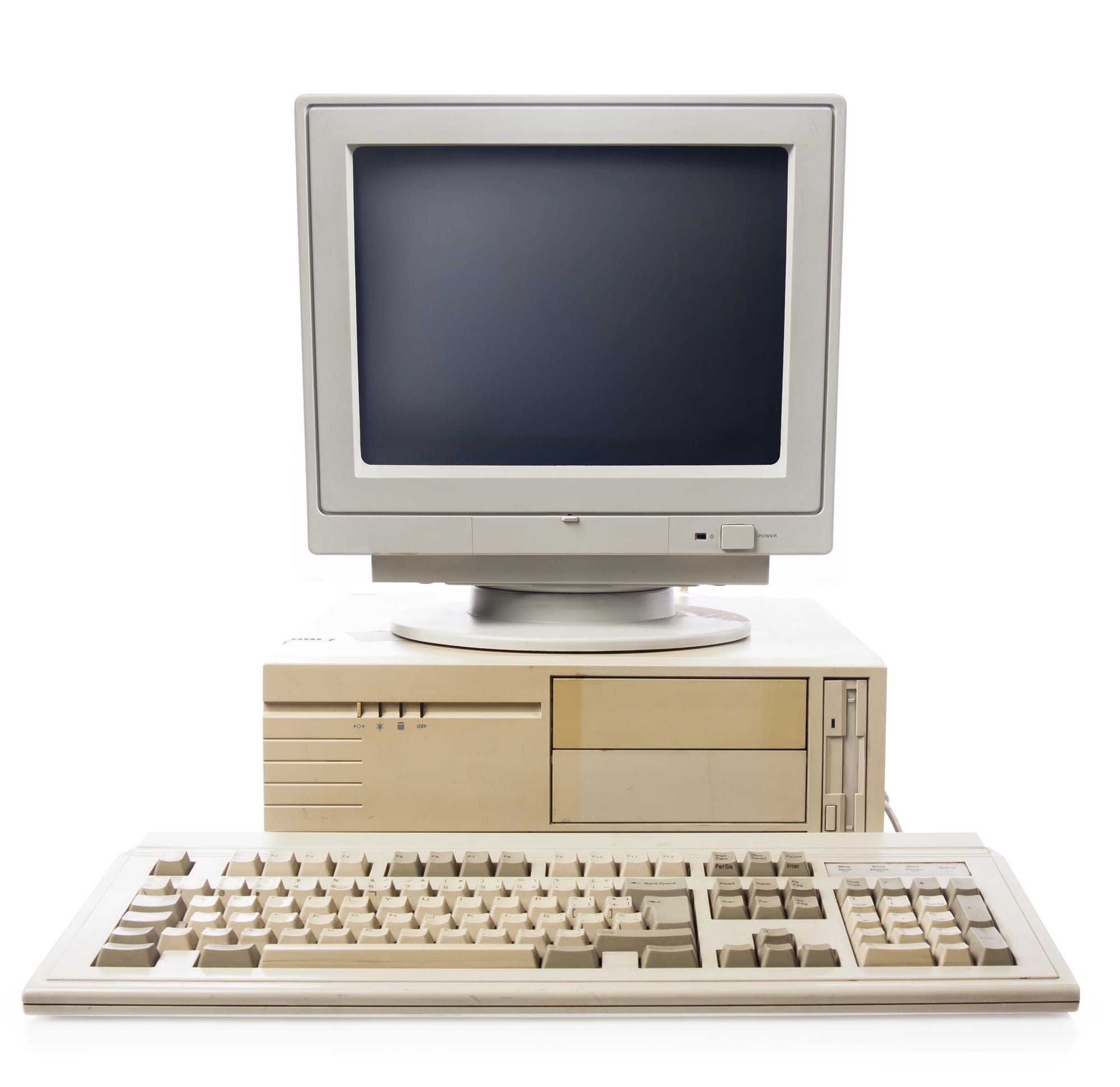
Early home computers introduced a generation to digital possibility. These machines were not immediately intuitive, but they invited curiosity and experimentation.
Users learned by doing, often teaching themselves basic commands and functions. Computers shifted from specialized tools to household objects.
They encouraged problem-solving and creativity, shaping how people thought about work, learning, and play. For many, these machines marked the beginning of a lifelong relationship with technology.
The Game Console

Game consoles turned interactive entertainment into a shared cultural experience. Games moved beyond arcades into living rooms, creating communal rituals around play.
Friends gathered to compete, collaborate, and explore virtual worlds together. Consoles shaped how people understood storytelling and challenge.
Progress, skill, and mastery became central themes. These devices helped establish gaming as a legitimate form of entertainment rather than a novelty, influencing how future generations engaged with digital worlds.
The Pager
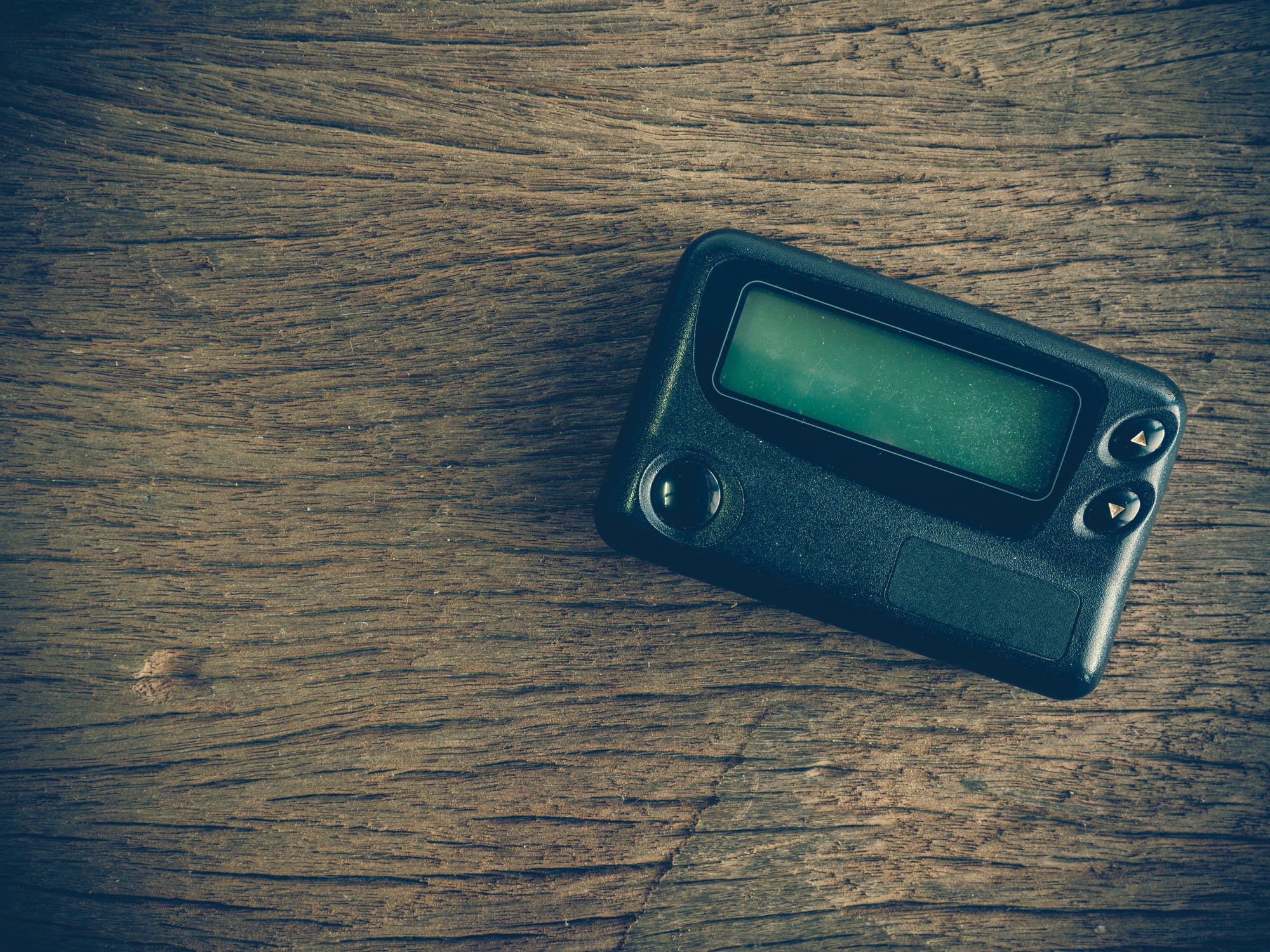
Pagers represented a transitional moment in communication. Messages were brief and often cryptic, requiring follow-up through other means.
Still, they introduced the idea of being reachable beyond fixed locations. For professionals and young users alike, pagers symbolized availability and urgency.
They subtly reshaped expectations around response and connection. The device marked an early step toward constant communication, foreshadowing habits that would soon become widespread.
The Flip Phone
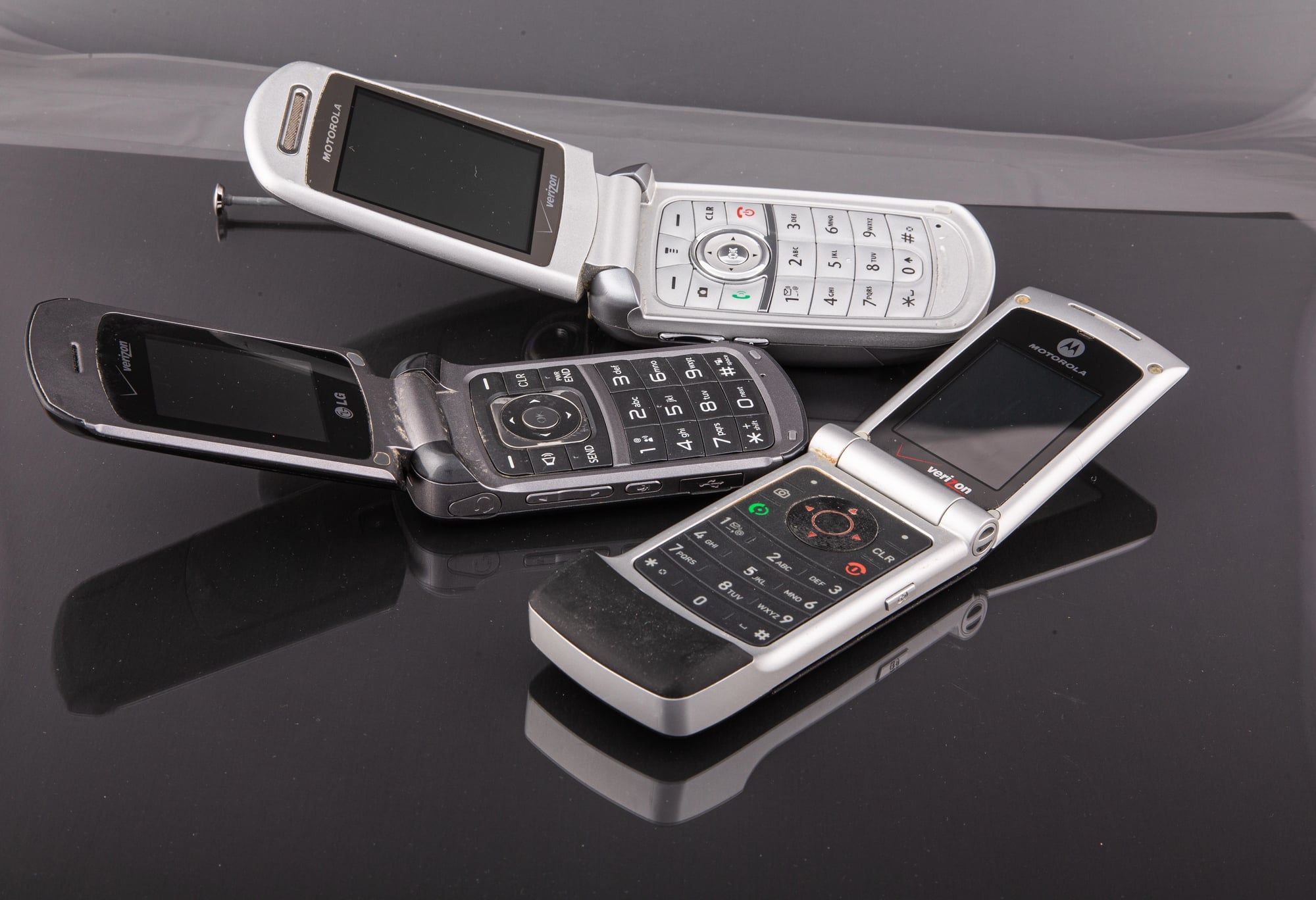
Clamshells shaped how people carried conversation in their pockets. Not just talk, but texts too moved around with you – deliberate, never constant.
Each snap shut marked an end, like punctuation in real life. That click? A tiny ritual before walking away.
Phones like these walked a line – open enough to connect, closed enough to protect. Reachable did not mean trapped inside glowing screens all day.
Simple tools made space for real moments, each gadget built for one job instead of ten. Some still see those clamshell models as relics from when tech stayed out of the way.
Why These Gadgets Still Matter
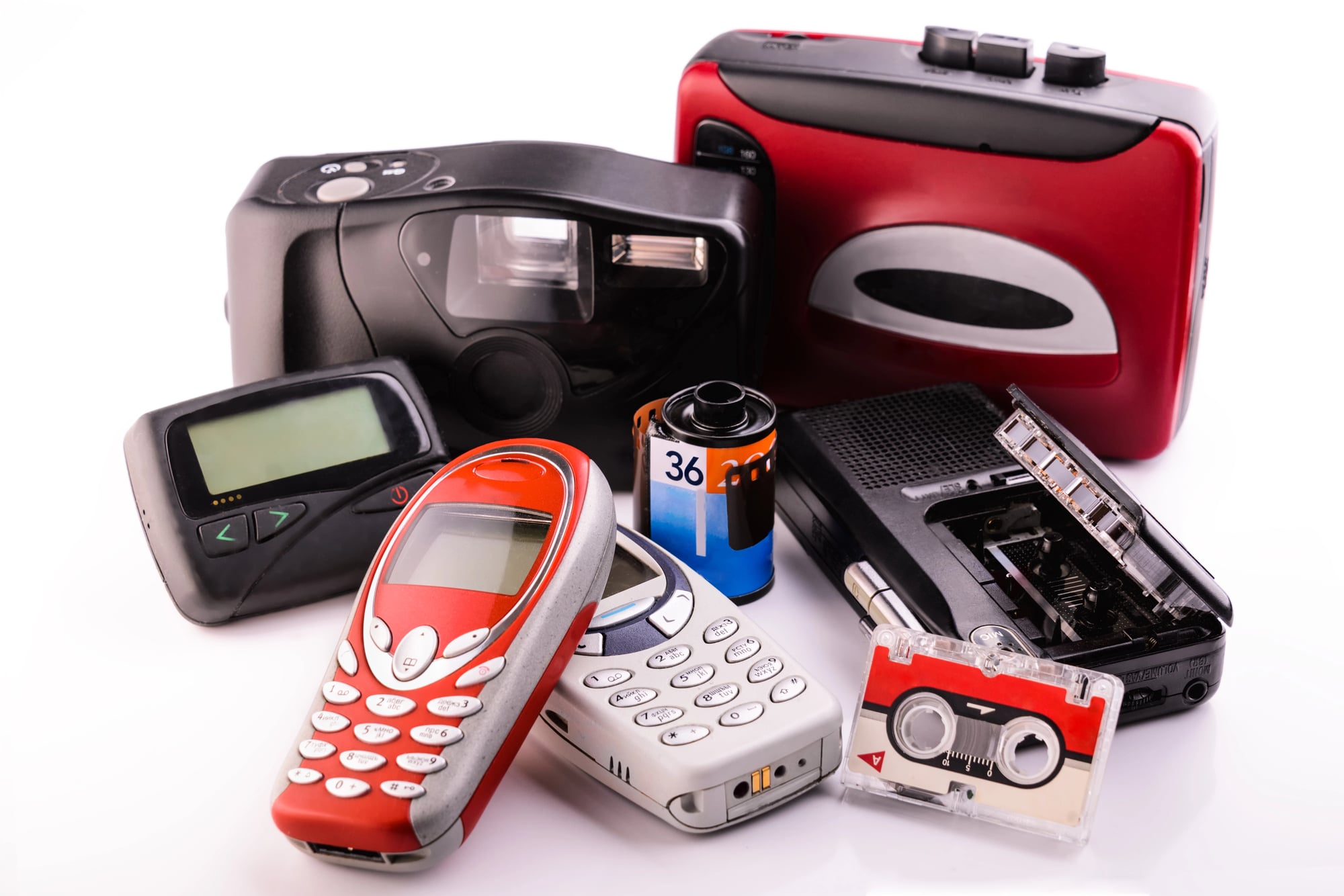
Old devices stick around since they changed how people acted, not only made things easier. What began with a click or a beep rewired daily habits overnight.
Listening shifted, screens told different stories, games played by fresh rules, voices traveled new paths. These machines pinned down memories like photographs without pictures.
Moments froze around their hums and clicks, standing out instead of fading behind everything else. Peering into the past shows tech didn’t flood in waves but stepped forward slowly.
Each device carried a quiet weight, shaping lives piece by piece. Not flashy breakthroughs alone marked their impact.
Instead, they settled into routines, worn like old shoes. Long gone yet somehow still felt, their echoes hum beneath today’s screens.
More from Go2Tutors!

- The Romanov Crown Jewels and Their Tragic Fate
- 13 Historical Mysteries That Science Still Can’t Solve
- Famous Hoaxes That Fooled the World for Years
- 15 Child Stars with Tragic Adult Lives
- 16 Famous Jewelry Pieces in History
Like Go2Tutors’s content? Follow us on MSN.