Common Phrases That Originated in the Military
Funny how much regular chat borrows from soldier words. Out on patrols or inside cockpits, troops shaped sayings that fit fast decisions and loud chaos.
Little by little, those lines jumped the fence into casual talk. Now folks toss them around without ever knowing they’re echoing barracks lingo.
Out of the blue, military slang started showing up in everyday talk. Soldiers tossed around phrases that eventually stuck in regular conversation.
From boot camps to city streets, bits of jargon slipped into homes without fanfare. Some terms changed shape but kept their roots.
Quietly, warzone shorthand became part of how people speak now.
Over the Top
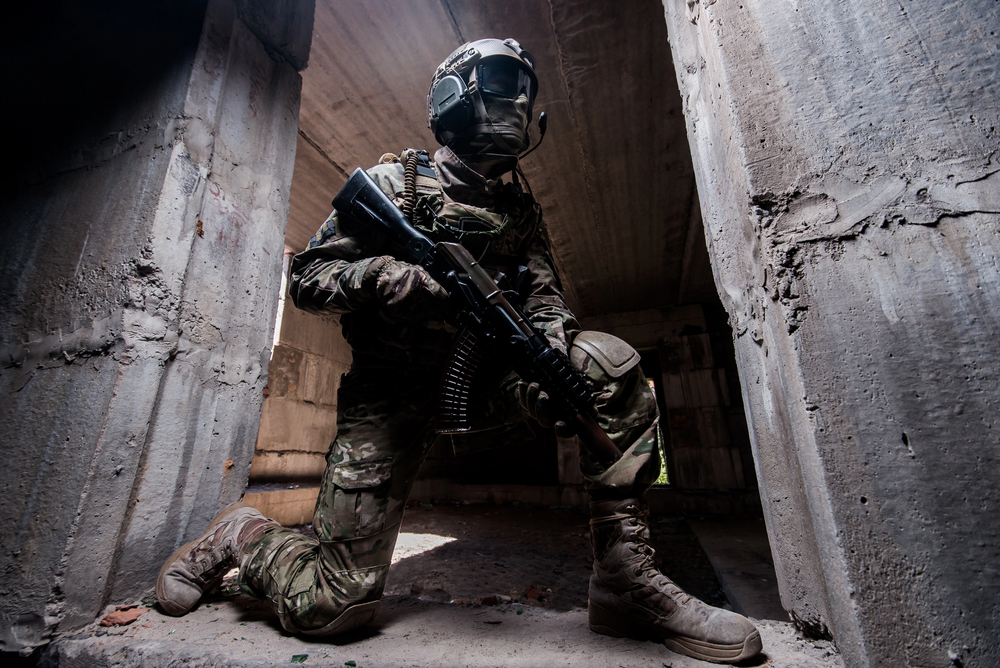
Born in the mud of World War I, troops once scrambled upward from ditches just to face open fire. That leap out of hiding – into chaos – was literally stepping beyond cover with bullets waiting ahead.
Now? The words float around for flair someone thinks is bold but feels like too much. Back then, it wasn’t showy – it was grim, raw survival on broken ground.
AWOL

Somebody vanishes. That is what AWOL points to – Absent Without Leave – a soldier gone from duty with no approval.
By the 1900s, armies had locked it into their vocabulary. These days, folks toss it around when someone just stops showing up.
A pal bailing on dinner works. So does a worker not arriving at the office. It sticks to any quiet exit.
Bought the Farm

A grim idiom tied to dying probably started with WWII aviators. Crashing onto farmland meant the state paid the landowner for losses.
Others think it hints at military life benefits allowing kin to afford property after a combat fatality. However it began, softening mortality through farming metaphors endured well past wartime.
Bite the Bullet
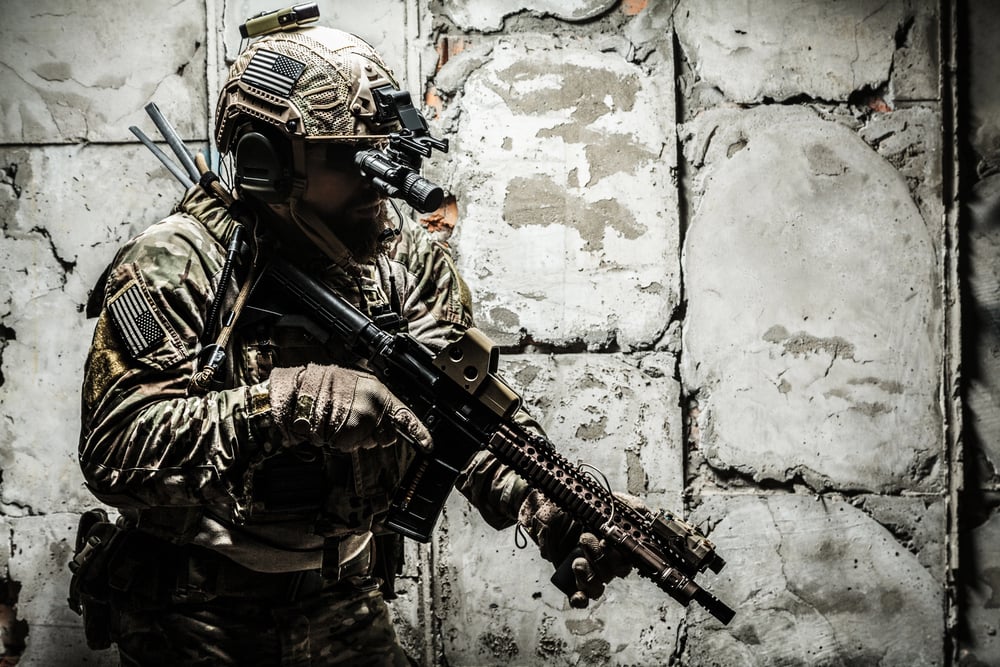
Facing agony once meant clamping teeth on a piece of metal while being cut open – no drugs, just raw endurance. Soldiers held bullets between molars to keep from screaming or swallowing their tongues mid-operation.
That image stuck, shifting over time into a phrase about enduring tough choices. Today, saying someone bites the bullet points to grim acceptance, minus the firearm component.
Boot Camp

Starting in the Navy, the word boot camp came from stiff leg coverings recruits had to wear every day. These weren’t regular shoes – they were heavy, old-style foot wraps known simply as boots.
Over time, that detail stuck and shaped how people named tough entry training across armed forces. Other services picked up the phrase without thinking much about leather gear.
Now it pops up far beyond battlefields – think gym workouts built like drills, youth leagues pushing hard limits, even office workshops pretending grit matters. The label gives a sharp edge to anything labeled serious. Few remember where it began.
Gone Ballistic
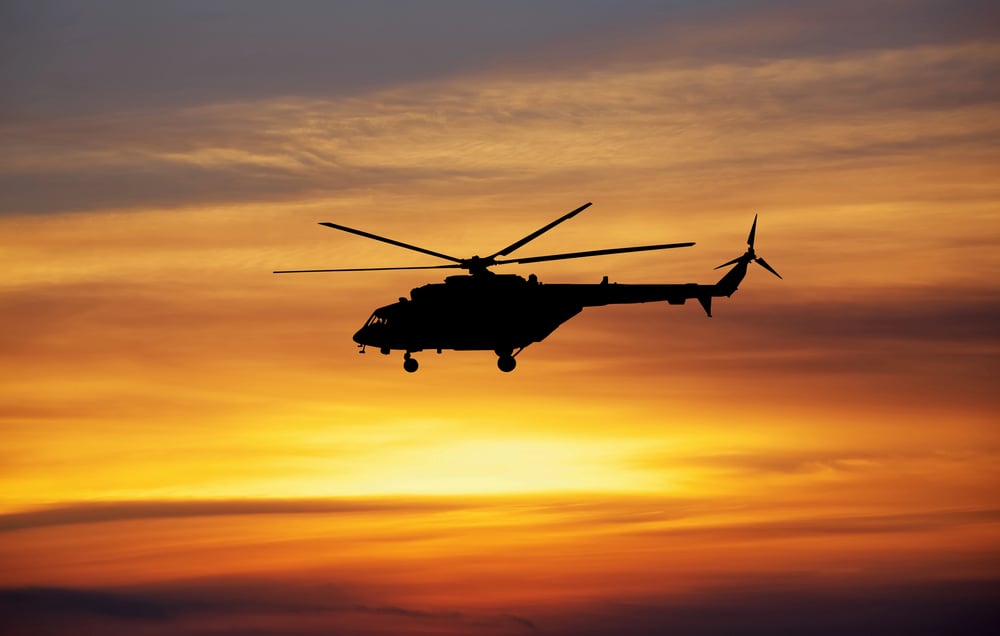
Ballistics is the science of projectiles and their flight paths, especially bullets and missiles. When a missile goes ballistic, it stops being guided and follows a wild, unpredictable trajectory.
Military personnel started using this term to describe equipment malfunctioning, and civilians adapted it to mean someone losing their temper in an explosive way.
Deadline
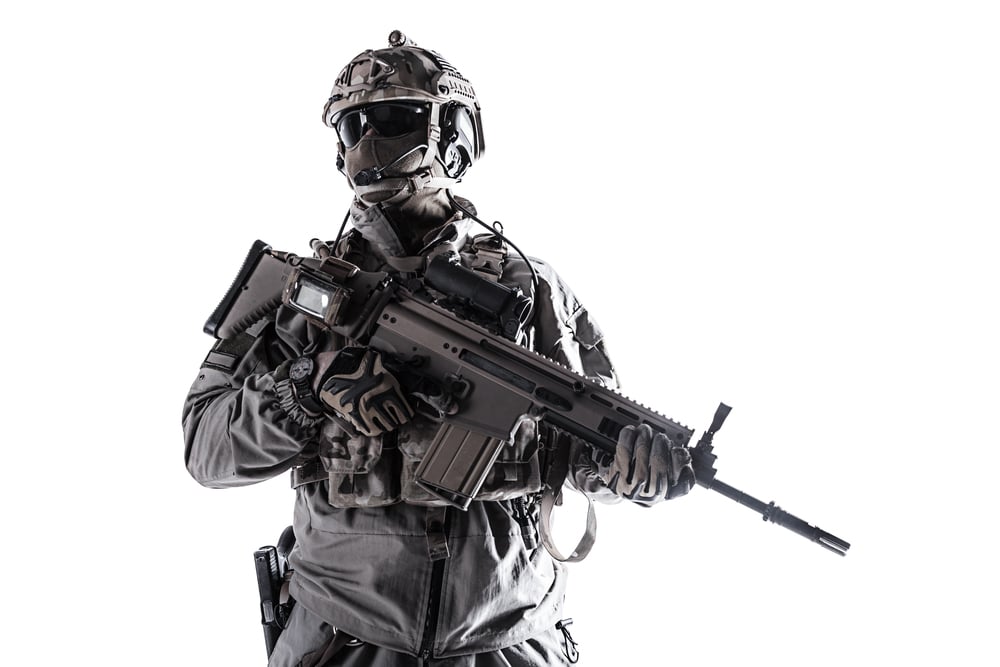
Confederate prison camps during the Civil War had a line drawn around the inside perimeter of their fences. Any prisoner who crossed this line would be shot without warning.
Guards called it the deadline because crossing it meant certain death. The term gradually shifted to mean any time limit that can’t be extended, though the consequences for missing modern deadlines are usually much less severe.
Blockbuster
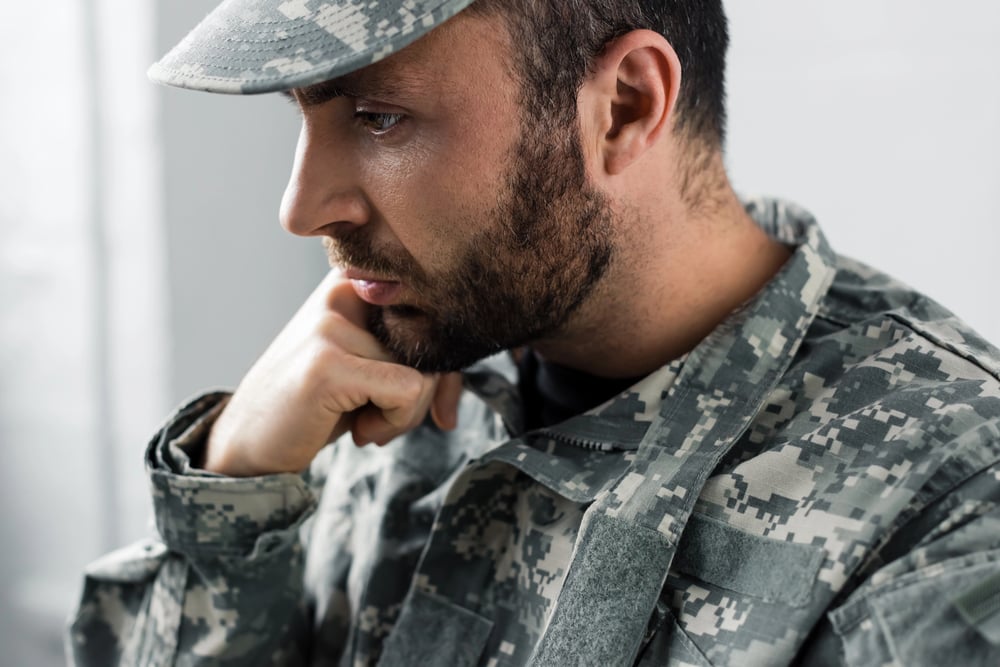
The British Royal Air Force used this term during World War II to describe bombs powerful enough to destroy an entire city block. These massive explosives could level buildings and create widespread destruction.
Hollywood borrowed the term after the war to describe movies that were supposed to have a similar impact at the box office, clearing out everything in their path.
Loose Cannon
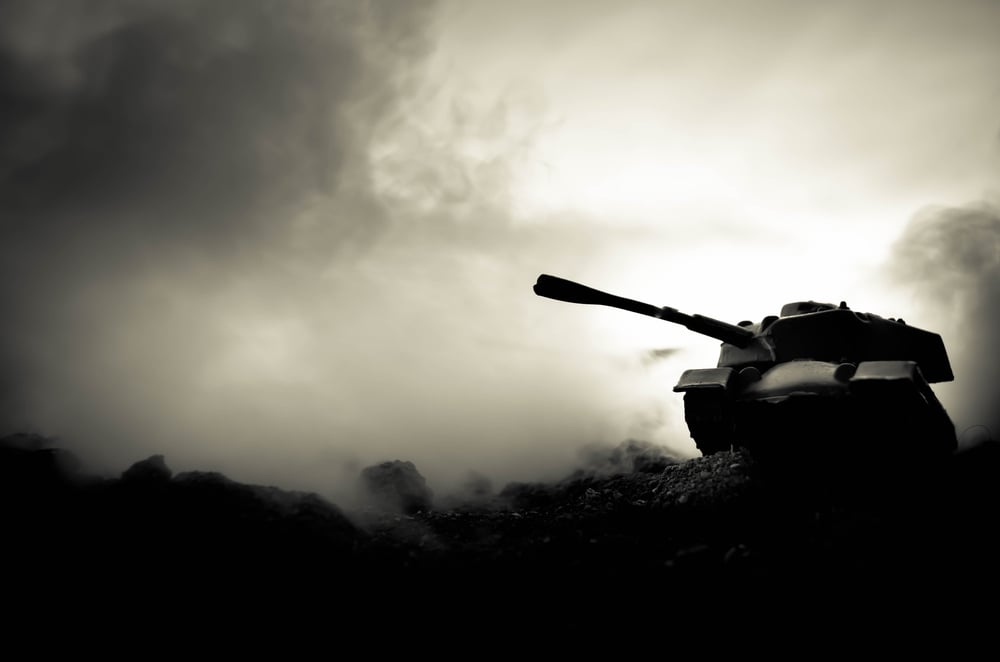
Naval ships mounted their cannons on wheeled carriages that were tied down with ropes and chains. If these restraints broke during rough seas or combat, the heavy cannon would roll around the deck, crushing anything and anyone in its path.
A loose cannon on a ship was incredibly dangerous and unpredictable. Today, calling someone a loose cannon means they’re unpredictable and potentially harmful to those around them.
On the Double

Military commanders use this phrase to order soldiers to move twice as fast as their normal pace. It’s basically telling troops to run instead of walk.
The expression caught on in civilian life as a way to tell someone to hurry up, though most people don’t actually double their speed when they hear it.
Rank and File
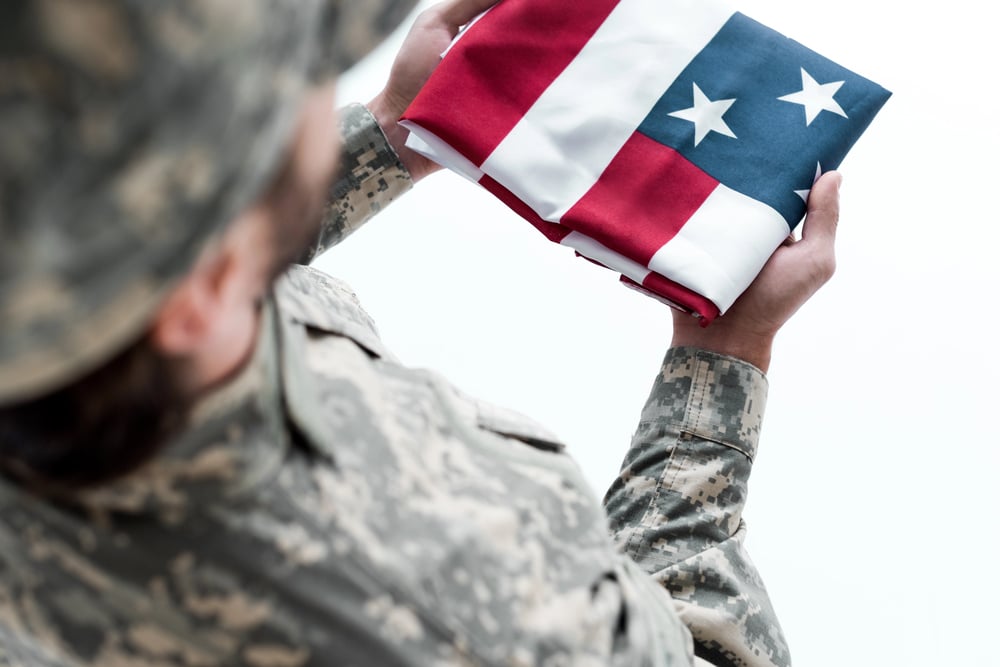
This term describes the formation of soldiers standing in ranks, which are horizontal rows, and files, which are vertical columns. These ordinary soldiers formed the bulk of any army, as opposed to the officers who commanded them.
People now use rank and file to describe regular members of any organization, from union workers to company employees who aren’t in management positions.
Show Your True Colors

Warships used to identify themselves by flying their national flag, called their colors. Some clever captains would fly false colors to trick enemy ships into getting close before raising their real flag and attacking.
Maritime law eventually required ships to show their true colors before firing. The phrase now means revealing someone’s real character or intentions after hiding them.
No Man’s Land
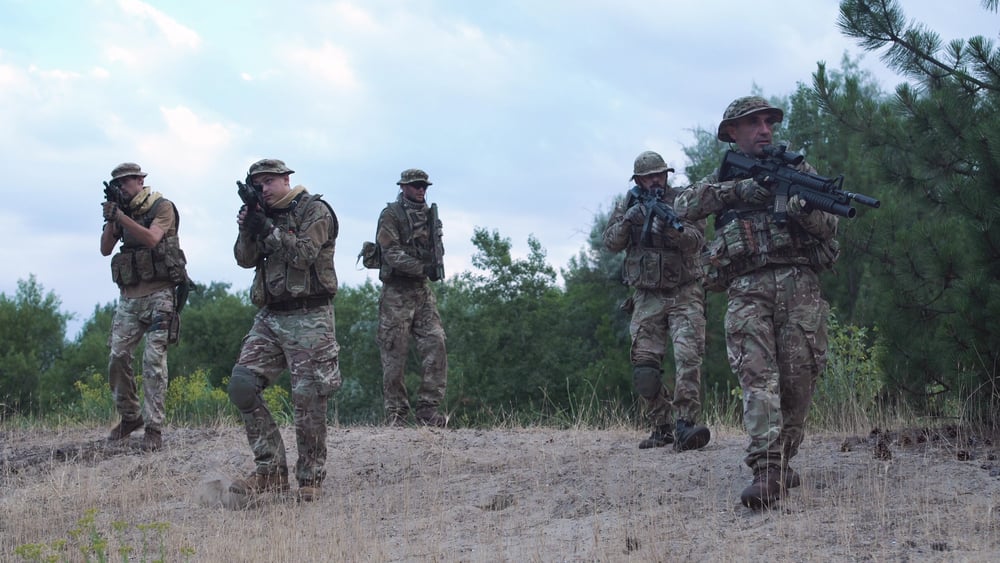
World War I created stretches of devastated ground between opposing trenches that neither side controlled. Crossing this barren, dangerous space meant facing machine gun fire, artillery shells, and barbed wire.
Soldiers called it no man’s land because anyone caught there would likely die. The term now describes any space that’s unclaimed, disputed, or too dangerous for people to occupy comfortably.
Pass With Flying Colors
Naval ships that won battles would sail back to port with their flags, or colors, raised high and proudly displayed. Ships that limped home damaged might lower their flags or not fly them at all.
Passing with flying colors meant returning victorious and undamaged. Students and test-takers borrowed this expression to mean doing exceptionally well, though their victories are usually less dramatic than naval battles.
Push the Envelope
Test pilots use this phrase to describe flying an aircraft beyond its known limits or capabilities. The ‘envelope’ refers to the mathematical boundaries of an aircraft’s performance capabilities, like maximum speed or altitude.
Pushing these limits helps engineers understand what a plane can really do, though it’s obviously risky. People now use it to mean testing any kind of boundary or trying something new and potentially dangerous.
Where the Rubber Meets the Road
Military vehicles need good tire traction to function properly, especially in combat conditions. The point where the rubber tire touches the road surface is where theory becomes reality and performance actually matters.
A vehicle might look impressive, but its true value shows where the rubber meets the road. This phrase translates perfectly to any situation where plans and ideas face real-world testing.
From Soldiers to Everyday Speech
Military expressions work their way into regular conversation because they’re often short, memorable, and describe common situations in fresh ways. These phrases carry the weight of real experiences from people who faced extreme circumstances.
The next time someone tells you to hurry up on the double or accuses you of going AWOL, remember that these words once had much more serious meanings on battlefields and ships. Language evolves constantly, borrowing from every corner of human experience, and the military has contributed more than its fair share to how people communicate today.
More from Go2Tutors!

- The Romanov Crown Jewels and Their Tragic Fate
- 13 Historical Mysteries That Science Still Can’t Solve
- Famous Hoaxes That Fooled the World for Years
- 15 Child Stars with Tragic Adult Lives
- 16 Famous Jewelry Pieces in History
Like Go2Tutors’s content? Follow us on MSN.