Early Computer Games On Floppy Disks
Back when internet hooks didn’t exist, games showed up in small plastic sleeves. Held together by paper labels and hope, these flat rectangles stored entire worlds.
A slight bend could ruin hours of progress – everyone learned to handle them gently. These spinning bits of metal and plastic weren’t merely containers; they defined limits.
Designers worked within tight space rules, trimming sounds, shrinking levels. Sharing meant lending something physical, face to face, no instant transfers.
Copy protection often hid in odd places – a printed code needed mid-game. Even the boot-up ritual mattered: waiting, listening to the drive whirr.
Memories stick not just to gameplay but to the clunk of insertion, the label’s design. What feels outdated now once set the rhythm for play.
A round piece of plastic held whole worlds for kids who grew up typing commands at blinking prompts. Because space was tight, people had to think differently, work around errors, and find clever paths through glitches.
Holding it in hand gave weight to programs – something you could drop, label, lose under a couch. Tiny by now, those old game files built the base others still use without knowing it.
A peek behind the scenes shows what made those first games on floppy disks tick. Their impact grew quietly but never faded.
Because of them, playing video games changed forever.
Floppy Disks Arrived Alongside Home Computers
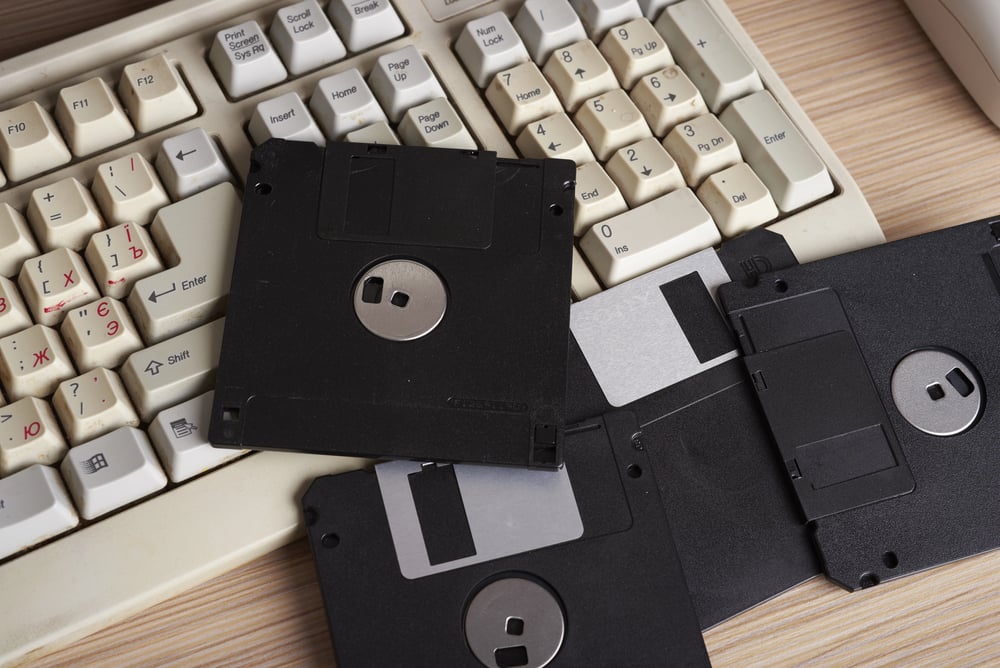
Floppy disks gained popularity as personal computers began entering homes in the late 1970s and early 1980s. Machines like the Apple II, Commodore 64, Atari ST, and IBM PC relied on disks as a practical way to load software quickly compared to cassette tapes.
While tape-based games existed, they were slower and less reliable.
The floppy disk offered faster access and easier navigation between files. That improvement made games feel more immediate and interactive.
As disk drives became standard equipment, game developers quickly adapted, designing titles specifically for disk-based loading rather than linear tape playback.
Storage Limits Defined What Games Could Be
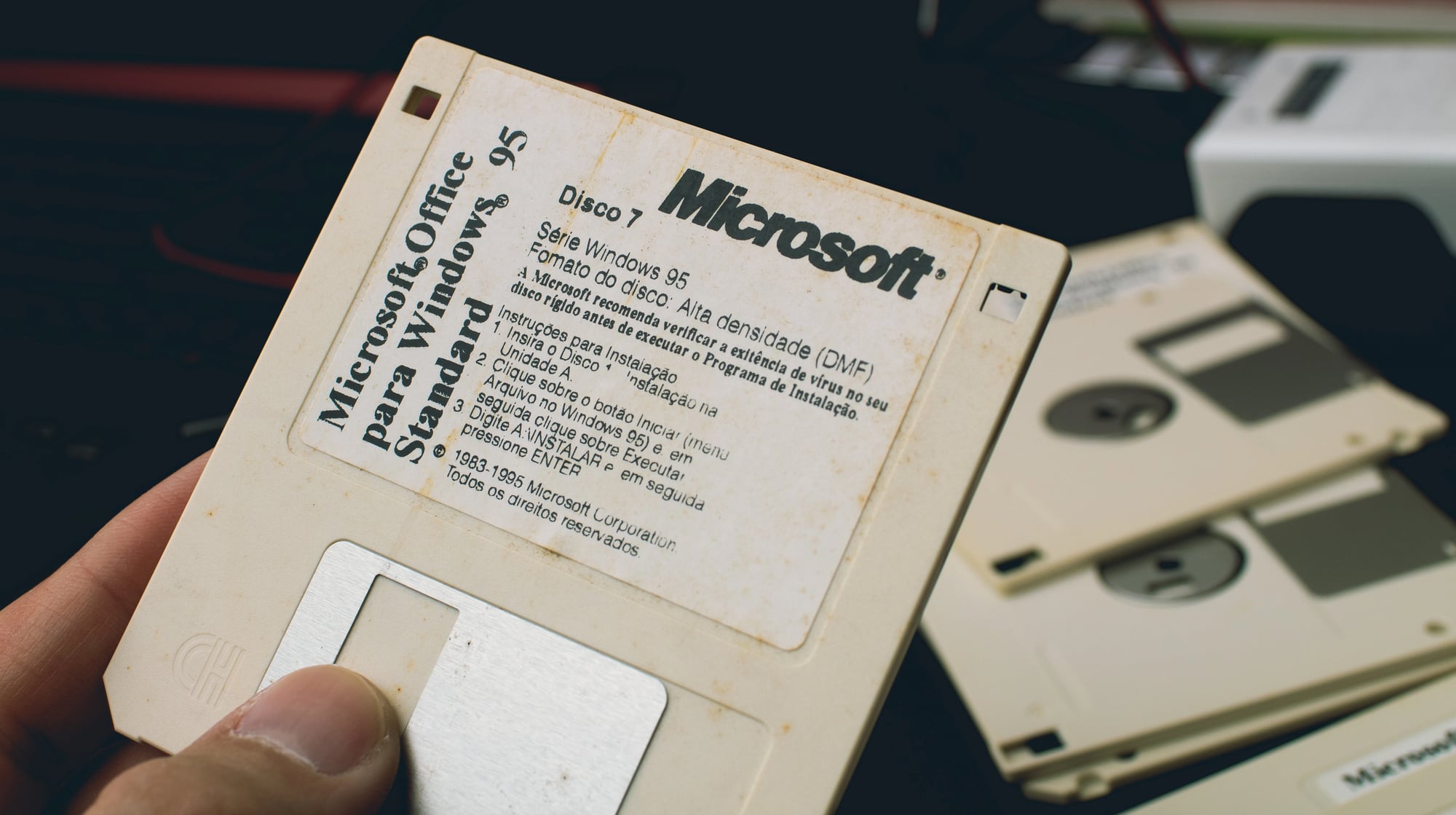
Early floppy disks held remarkably little data by modern standards. Common formats ranged from about 160 KB to 1.44 MB, depending on size and era.
Within that space, developers had to fit code, graphics, sound, and sometimes even documentation.These constraints forced efficiency.
Graphics were simplified, sound effects were sparse, and text often replaced visuals.Developers learned to reuse assets creatively and compress data aggressively.
The result was a design philosophy focused on mechanics and imagination rather than spectacle, a mindset that still influences indie game development today.
Games Often Loaded In Stages
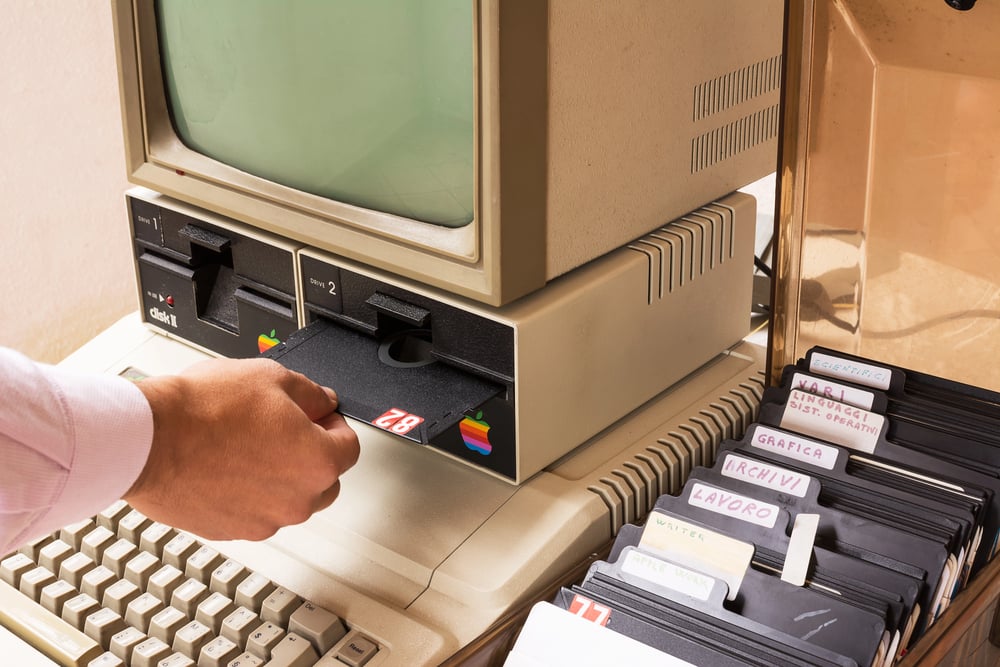
Because of limited memory and disk space, many floppy-based games loaded content in chunks. Players would start a game, reach a new area, and be prompted to insert another disk.
This process became part of the experience rather than an inconvenience.Developers structured games around these transitions.
Levels, worlds, or chapters were designed to fit neatly onto individual disks.This segmented approach shaped pacing and progression, encouraging clear breaks in gameplay that mirrored the physical act of swapping disks.
Copy Protection Became A Design Challenge
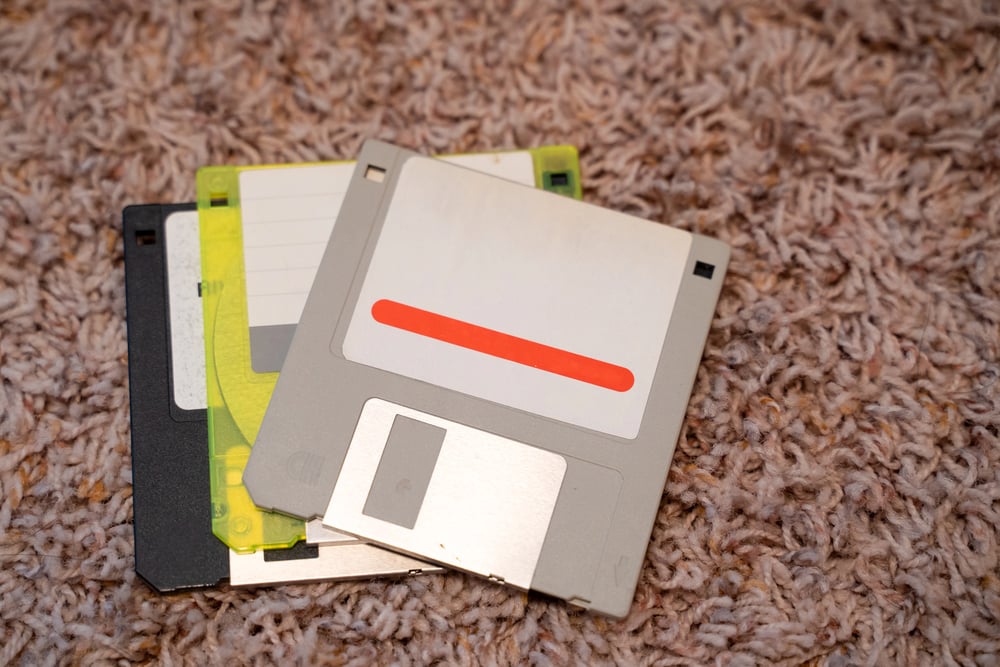
Floppy disks were easy to duplicate, which created early concerns about unauthorized copying. In response, developers experimented with various forms of copy protection.
Some disks included deliberately malformed sectors that standard copying tools could not reproduce.Others relied on physical manuals, asking players to look up specific words or symbols.
These methods were imperfect but inventive.They also reinforced the idea that games were physical products tied to objects on a desk, not abstract files floating invisibly in storage.
Magazines Played A Surprising Role
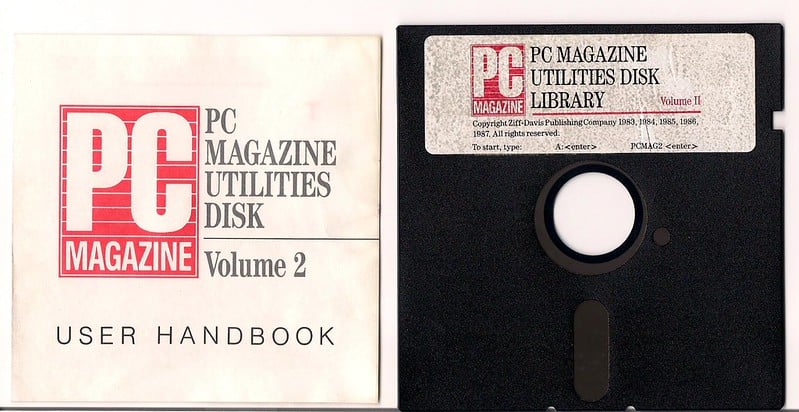
Computer magazines were essential to floppy disk gaming culture. Many publications included disks with demo versions, utilities, or even full games.
Others printed pages of source code that readers could type in themselves.This practice blurred the line between player and creator.
Typing code taught basic programming concepts, while disk-based demos introduced players to new genres and developers.Magazines acted as distribution hubs long before digital storefronts existed.
Shareware Thrived On Floppy Disks
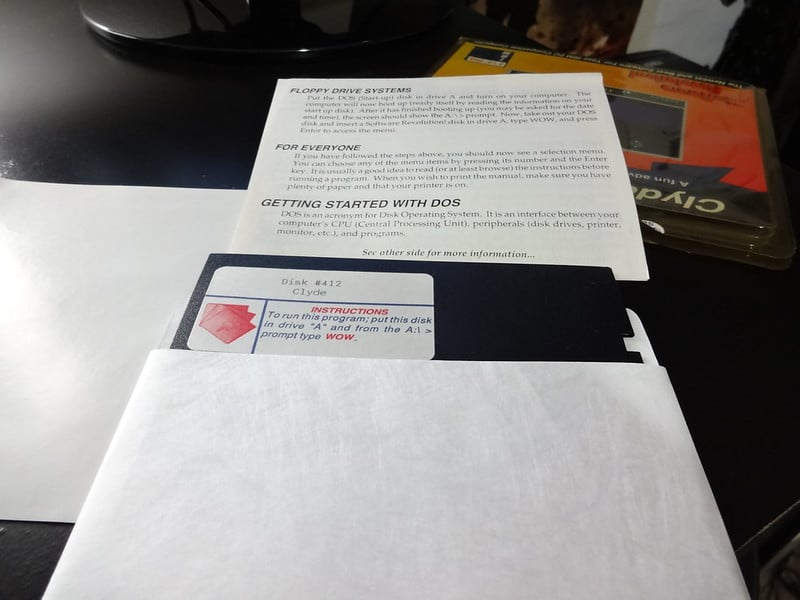
Shareware became one of the most influential distribution models of the floppy disk era. Developers released a portion of a game for free, encouraging players to copy and share it.
If players enjoyed the experience, they could send payment to receive the full version.This model relied entirely on physical disks and trust.
It allowed small teams and solo developers to reach wide audiences without traditional publishers.Many later industry leaders got their start distributing games one floppy disk at a time through mail order.
Saving Progress Felt Deliberate

Saving a game on a floppy disk was a conscious act. Players often had to select save options carefully, knowing disk space was limited and overwriting files was permanent.
There was no automatic backup or quick undo.This added weight to in-game decisions.
Progress felt earned and fragile, which heightened tension and attachment.The act of saving became part of the ritual of play, reinforcing the sense that the disk itself held something valuable.
Graphics Were Shaped By Hardware As Much As Storage
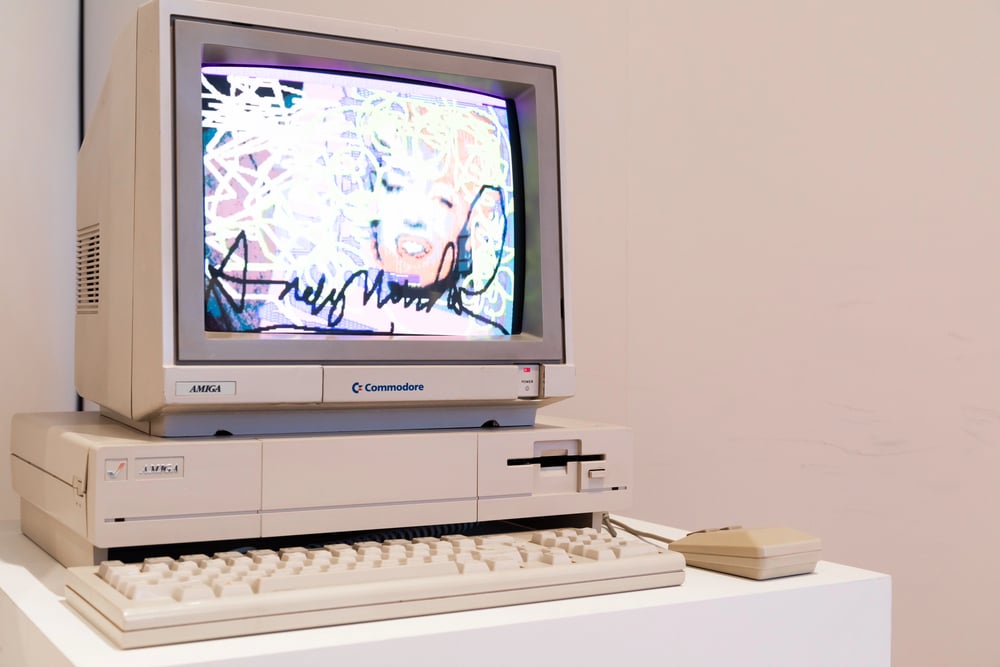
Early computer graphics depended on both disk capacity and display limitations. Color palettes were small, resolutions were low, and animation was minimal.
Developers leaned into stylization rather than realism.Iconic visual styles emerged from these limits.
Distinctive sprites, bold colors, and simple shapes became recognizable signatures.These aesthetics were not chosen for nostalgia, but for clarity and performance on modest systems.
Sound Design Had To Be Economical
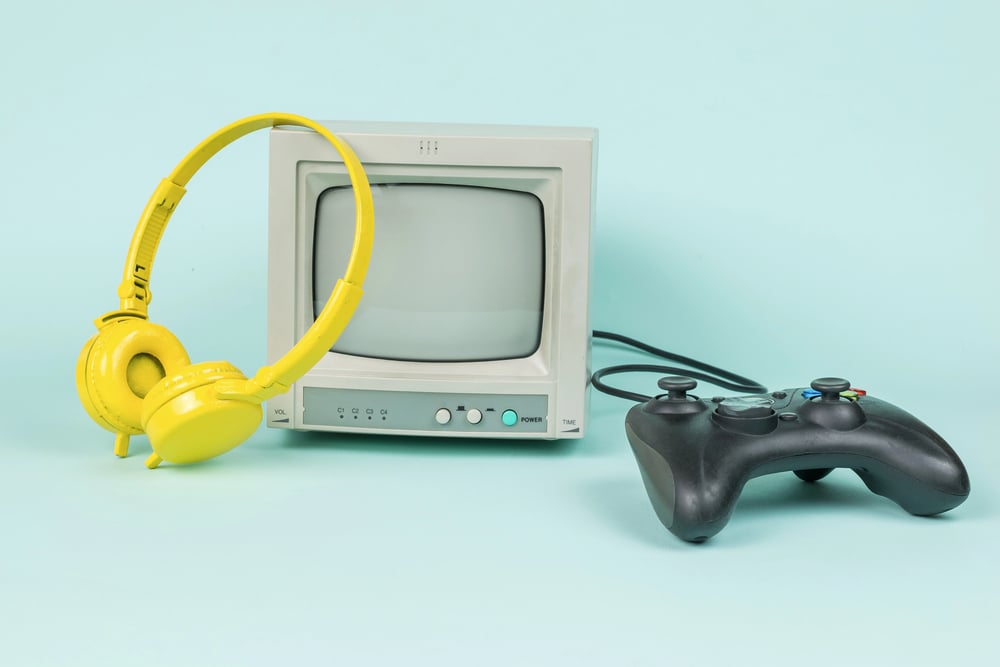
Audio on floppy disk games was constrained by storage and hardware. Many systems relied on basic sound chips capable of simple tones rather than recorded audio.
Music and effects were often generated procedurally.Composers worked within strict limits, crafting melodies that were catchy despite their simplicity.
These sounds became deeply memorable, proving that emotional impact does not require complexity when design is thoughtful.
Installation Was Not Always Required
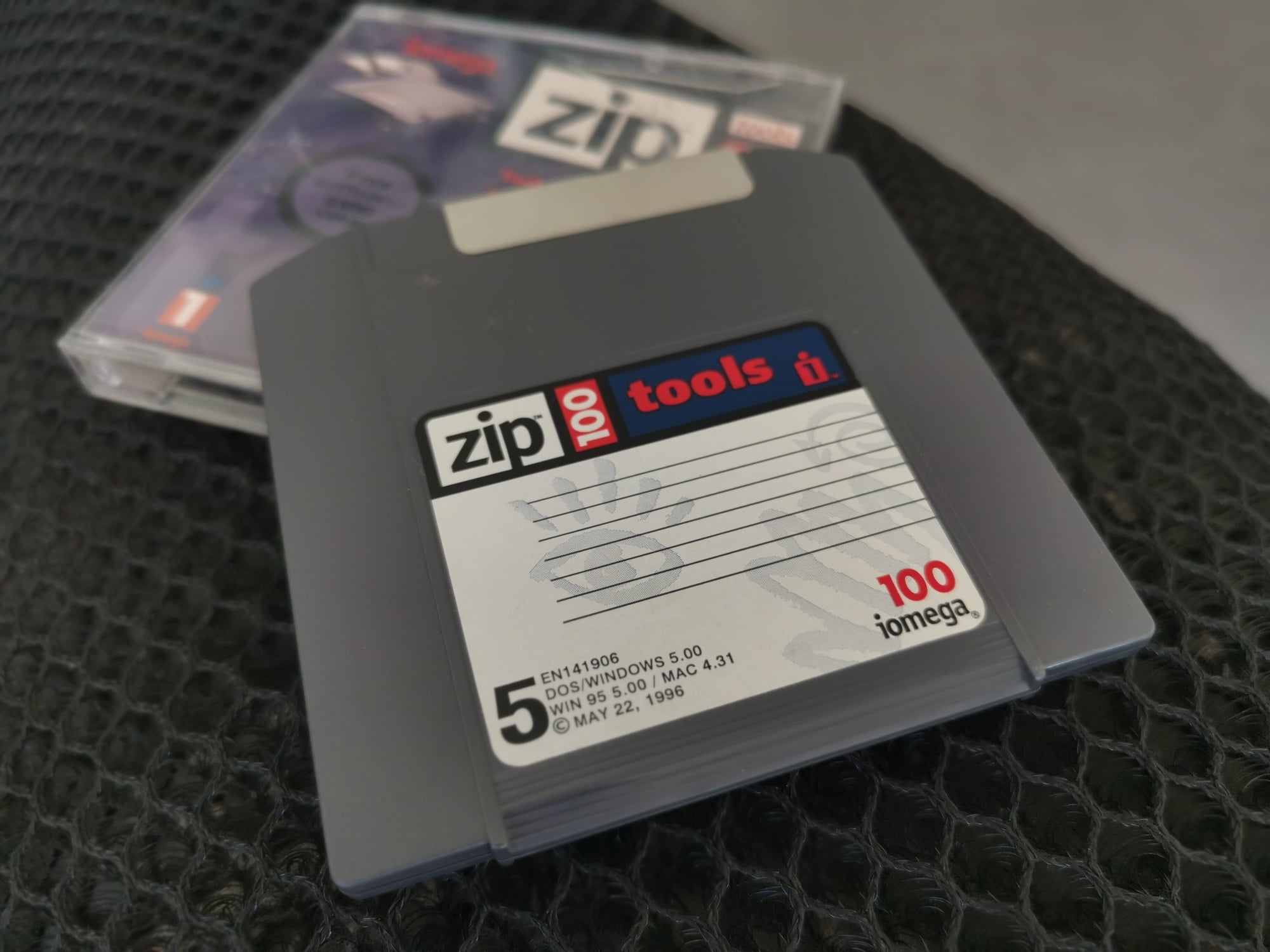
Unlike later software, many floppy disk games ran directly from the disk. This meant players could start a game without copying files to a hard drive, assuming one was even present.
The disk stayed in the drive for the duration of play.This approach made games portable in a literal sense.
A single disk could move between machines, carrying the entire experience with it.That portability helped spread games socially, passed between friends and classmates.
Bugs Were Harder To Fix
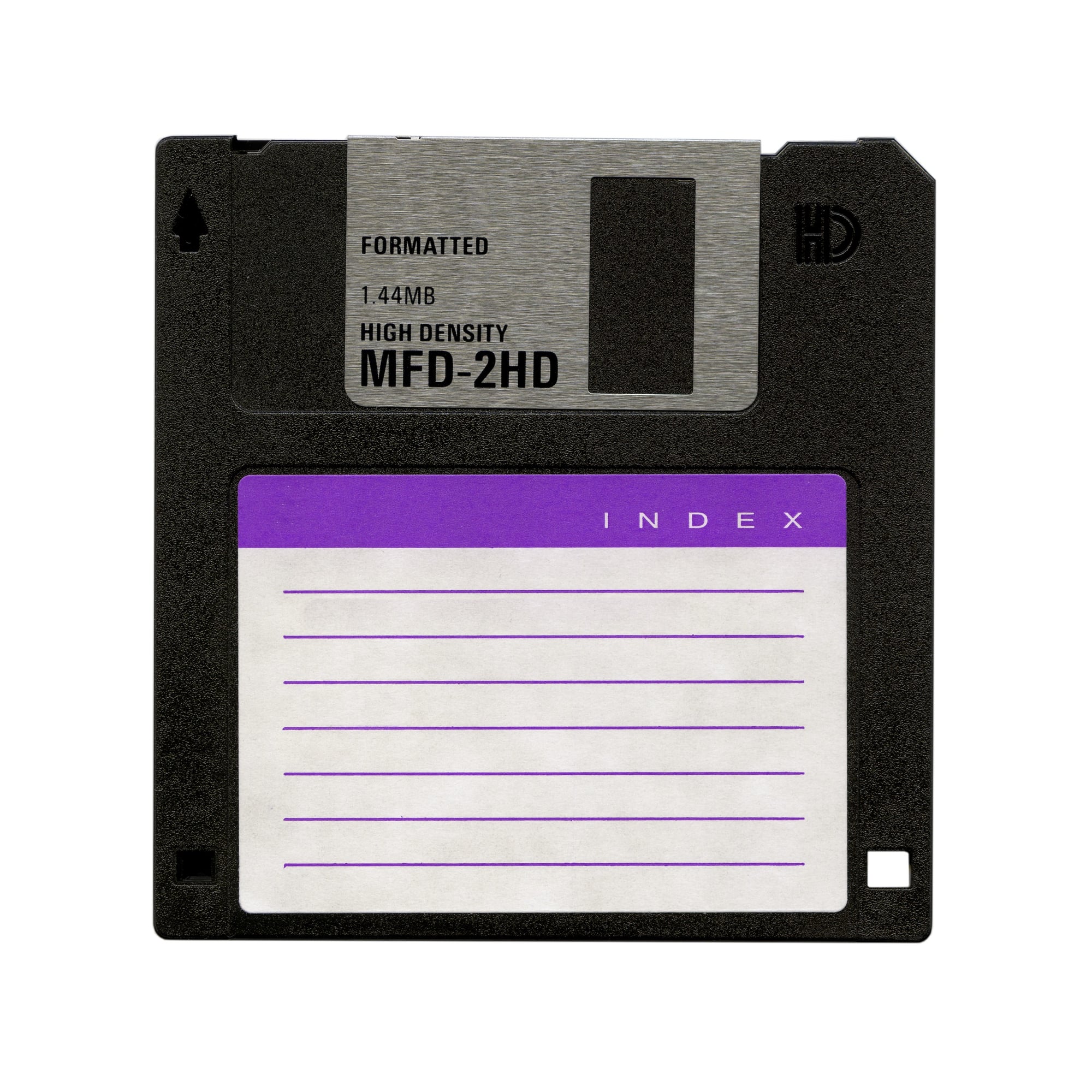
Once a floppy disk game was released, updating it was difficult. There was no patching system or automatic update mechanism.
Fixes required new disks to be distributed physically.As a result, developers tested extensively before release, and players learned to live with quirks.
Some bugs became legendary, remembered fondly as part of the game’s character rather than flaws to be corrected.
The Physical Object Mattered
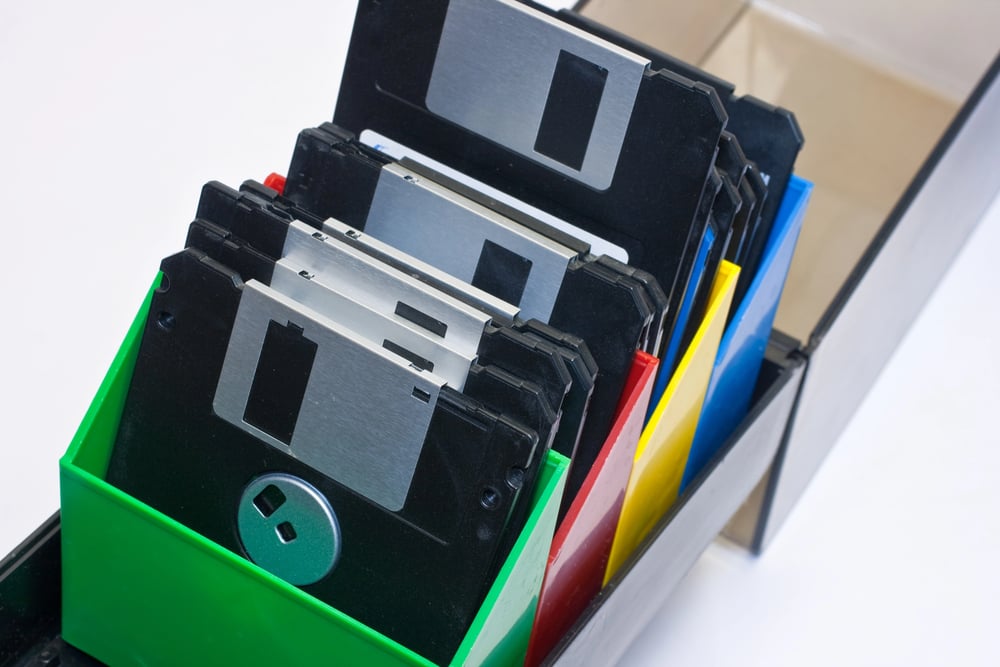
Floppy disks were labeled, stored in boxes, and sometimes decorated with handwritten notes. The physicality of the medium created a sense of ownership that went beyond licensing agreements.
Losing a disk meant losing access entirely. Scratches, dust, or magnetic interference could render a game unusable.
These risks made players more attentive to care and storage, reinforcing the idea that software was something to protect.
Educational Games Flourished On Floppy Disks
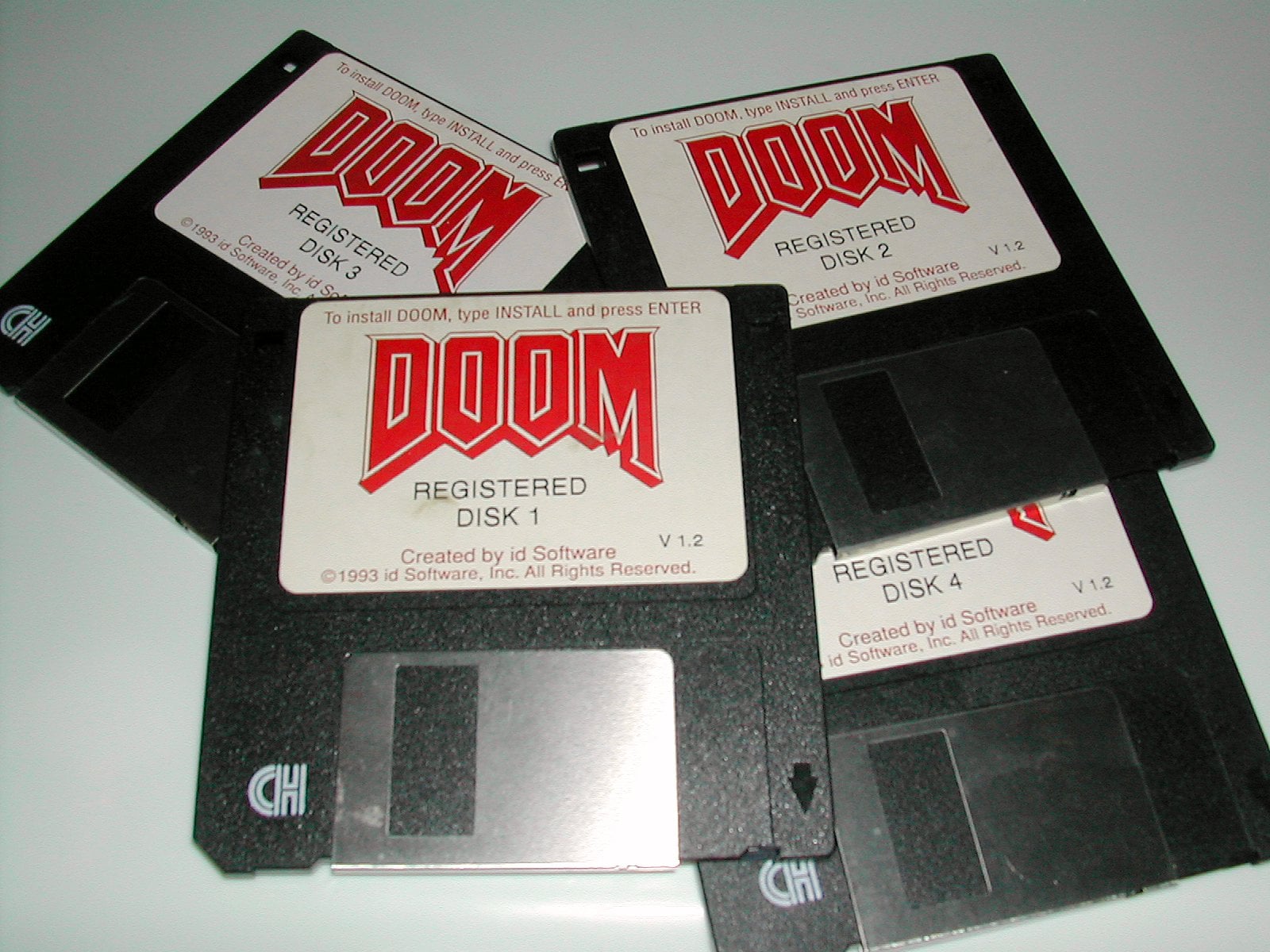
Many early educational titles were distributed on floppy disks, especially for school computers. Math drills, typing tutors, and logic puzzles fit well within the medium’s limits.
These games introduced countless students to computers in a low-pressure context. The simplicity of floppy-based software made it approachable, turning machines into tools for learning rather than intimidation.
The Transition To Newer Media Was Gradual
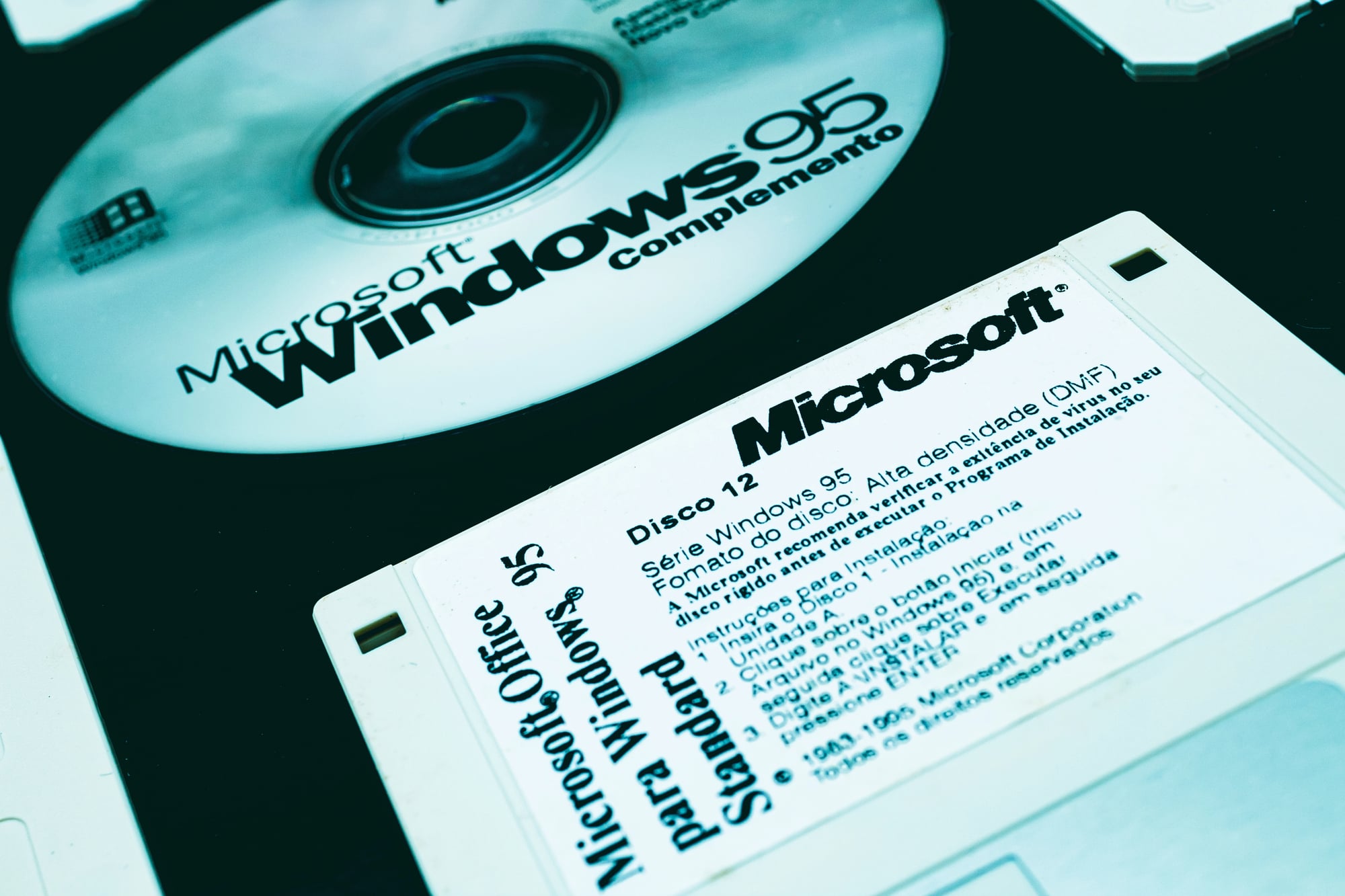
Floppy disks did not disappear overnight. Even as CD-ROMs and hard drives became common, floppy disks remained in use for years.
Many systems supported both, allowing players to straddle eras.This overlap created a unique moment when storage limits expanded rapidly, yet older design principles lingered.
Games grew larger, but the discipline learned during the floppy era continued to influence structure and pacing.
Communities Formed Around Disk Swapping
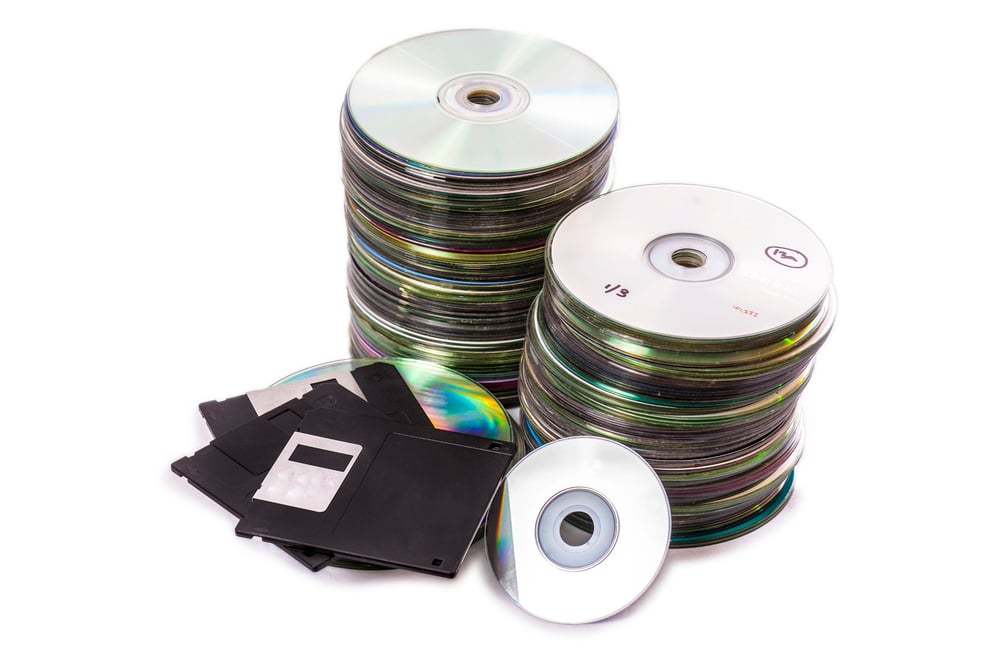
Before online forums and social media, floppy disk trading built informal networks. Friends exchanged games, demos, and utilities.
Clubs and user groups met to share software and tips.These communities fostered collaboration and curiosity.
People learned troubleshooting, basic coding, and system management through shared experience.The floppy disk acted as a social connector as much as a storage device.
Why Floppy Disk Games Still Matter
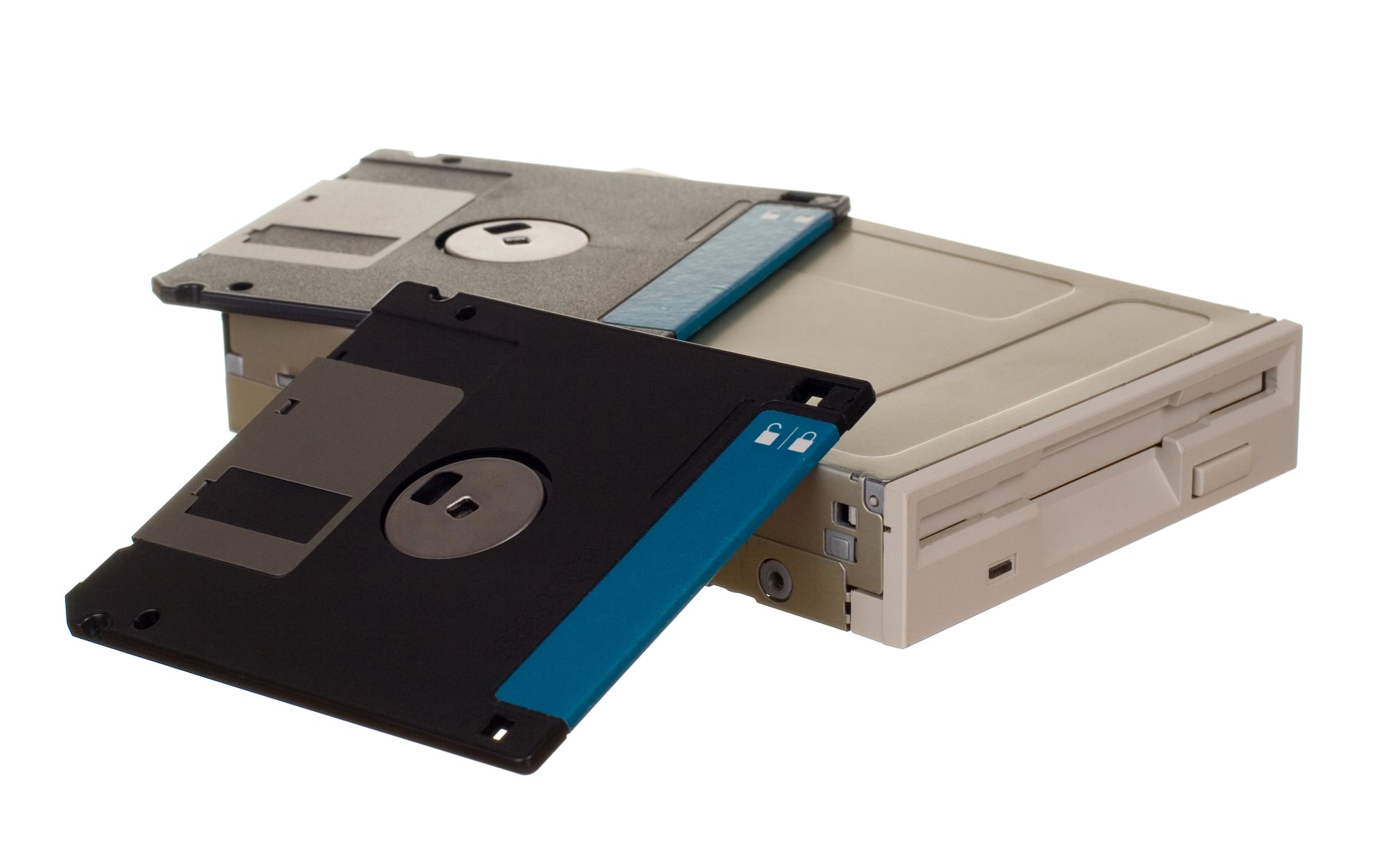
Back then, games lived on floppy disks. Creativity bloomed because options were tight.
With little room to spare, makers sharpened their thinking instead of piling things in. Hardware dragged its feet, yet cleverness moved fast.
Back then, ideas like short game releases or small studio publishing first took shape. Even though nobody uses floppy disks anymore, you can still see their mark today.
That time taught a quiet lesson: big breakthroughs rarely need fancy tools. Often, they grow out of figuring things out with barely anything to work with.
More from Go2Tutors!

- The Romanov Crown Jewels and Their Tragic Fate
- 13 Historical Mysteries That Science Still Can’t Solve
- Famous Hoaxes That Fooled the World for Years
- 15 Child Stars with Tragic Adult Lives
- 16 Famous Jewelry Pieces in History
Like Go2Tutors’s content? Follow us on MSN.