Companies Older Than the USA
The United States declared independence in 1776, making it a relatively young country by global standards. But while America was still figuring out what it wanted to be, some businesses had already been operating for centuries.
These companies survived wars, plagues, economic depressions, and complete changes in how people lived and worked. Some started before Christopher Columbus ever sailed across the Atlantic.
Others opened their doors when knights still wore armor and castles dominated European landscapes. These businesses prove that with the right approach, a company can outlast empires, governments, and even entire civilizations.
History books talk about nations rising and falling. These companies just kept working.
Kongō Gumi Temple Builders
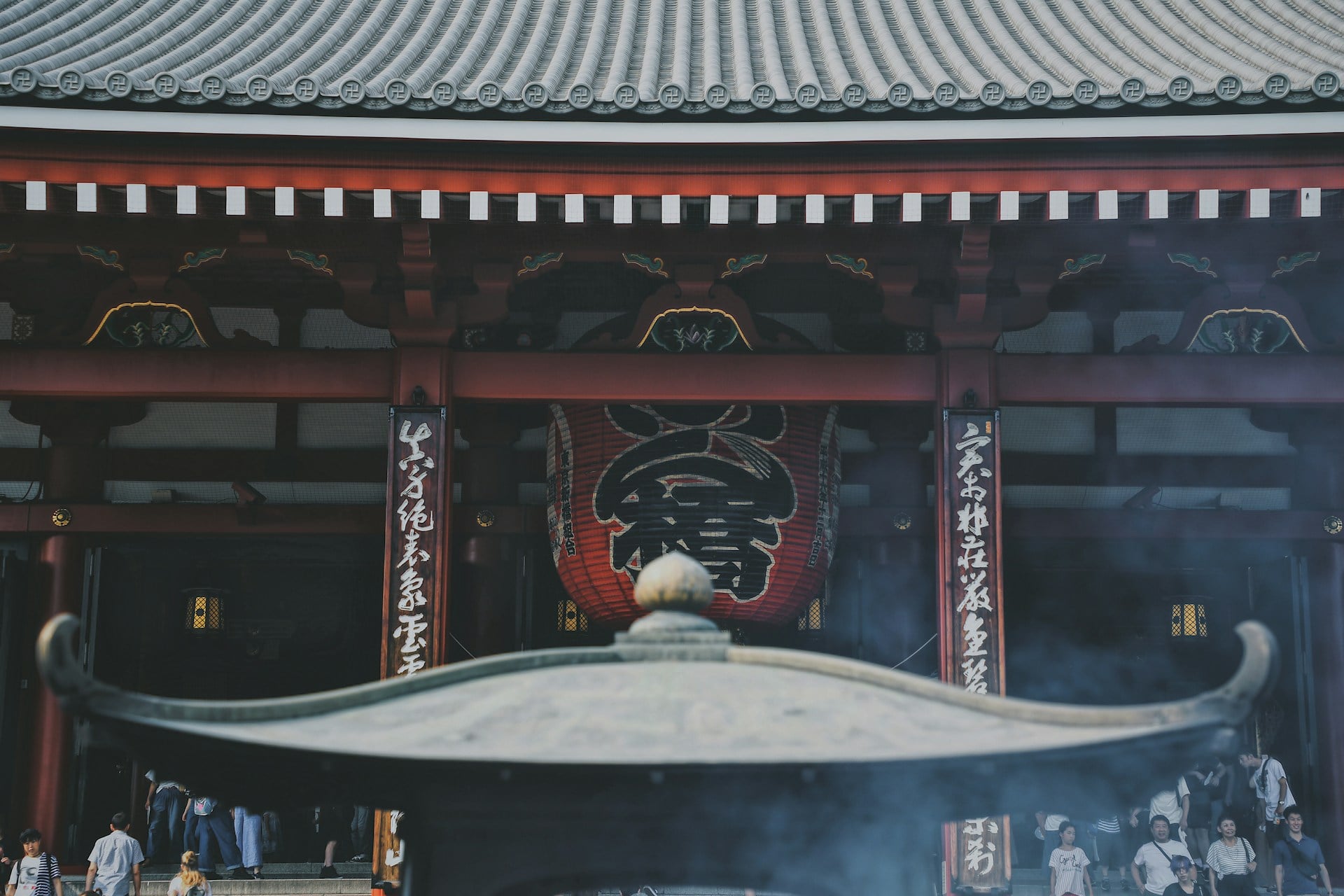
Founded in 578 AD in Japan, Kongō Gumi holds the title as the world’s oldest continuously operating company. Prince Shōtoku commissioned a carpenter from Korea named Kongō Shigetsu to build the Shitennō-ji Buddhist temple, and that carpenter’s family business lasted for over 1,400 years.
The company specialized in building and restoring Buddhist temples using traditional techniques passed down through 40 generations. Financial troubles in the early 2000s forced the company to become a subsidiary of Takamatsu Construction Group in 2006, but it still operates today.
That’s nearly 1,500 years of business, making the USA look like a startup by comparison.
Nishiyama Onsen Keiunkan Hot Springs
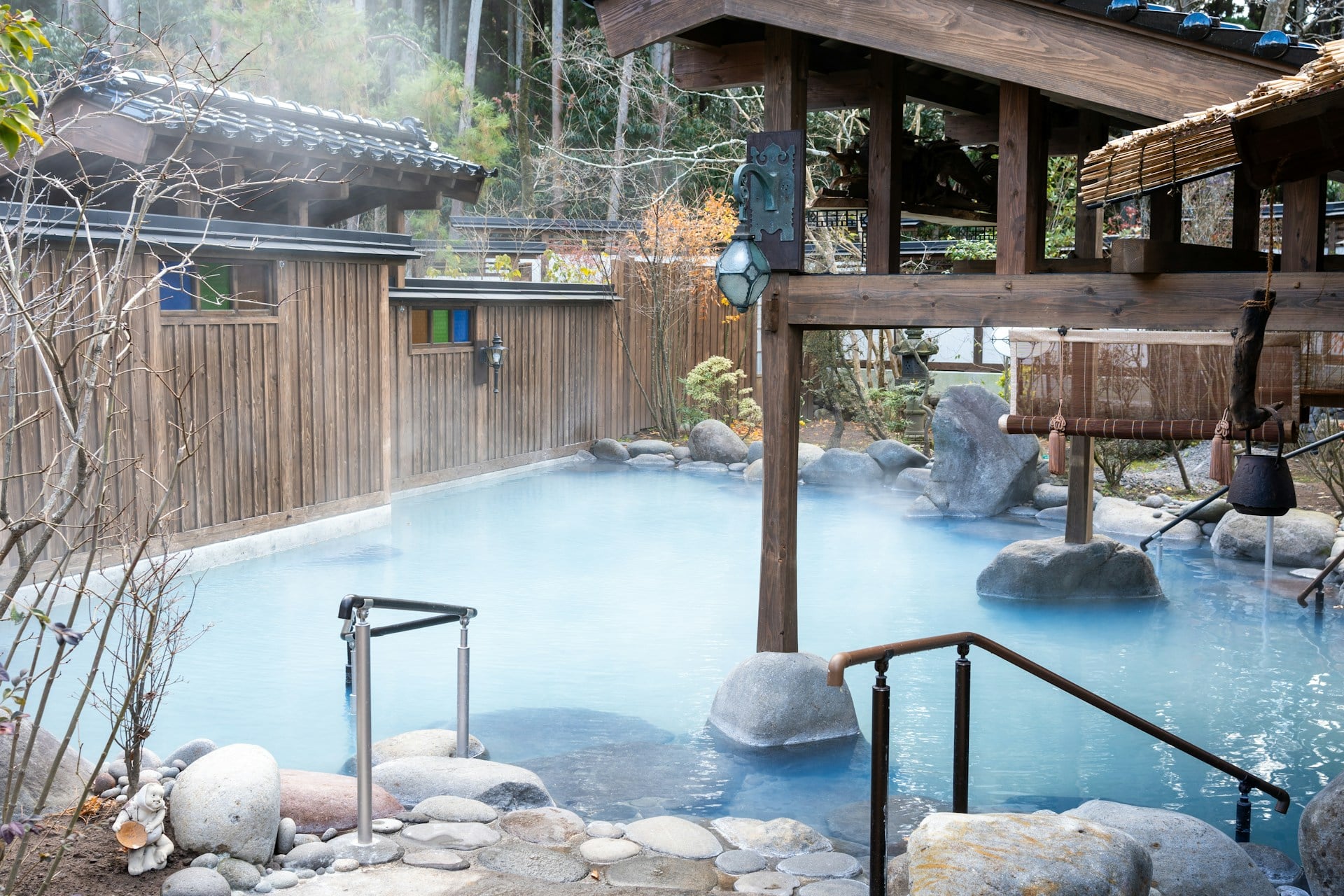
This Japanese hotel opened in 705 AD and earned recognition from Guinness World Records in 2011 as the oldest hotel on Earth. The same family managed the 37-room inn for 52 generations, serving everyone from feudal warlords to modern tourists.
The hot spring resort sits in the mountains of Yamanashi Prefecture, drawing guests who want to soak in volcanic waters just like visitors did 1,300 years ago. When no family member wanted to take over in 2017, the hotel appointed its general manager as president, ending the family succession but keeping the business running.
The hotel proves that sometimes the simplest business model works best: give people a warm bath and a comfortable bed.
Hōshi Ryokan Traditional Inn
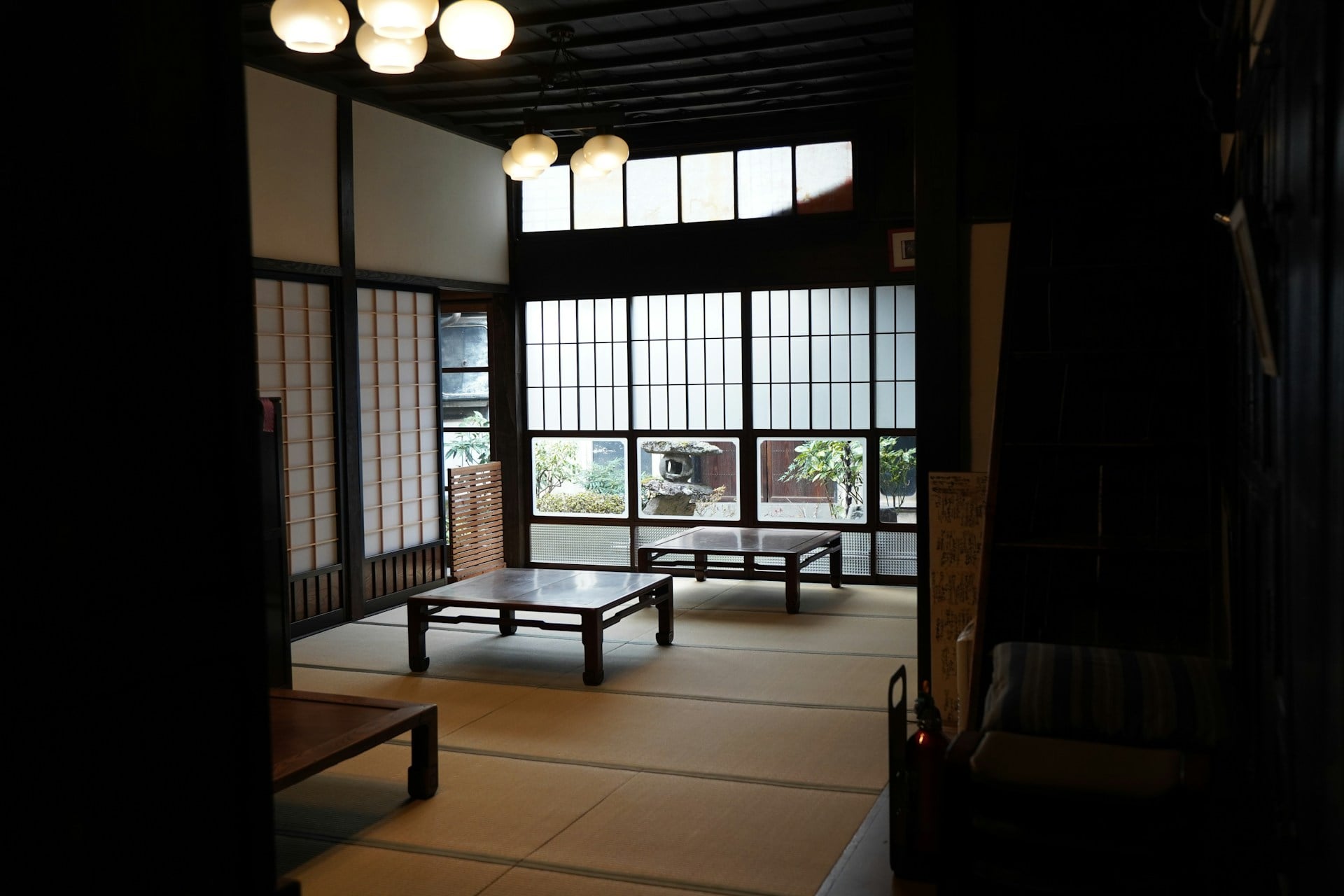
Opened in 718 AD, Hōshi Ryokan was operated by the Hoshi family for 46 generations, making it one of the world’s oldest family businesses. This Japanese inn features hot spring baths, tatami rooms, and a traditional garden that wraps guests in the same atmosphere travelers experienced over a millennium ago.
For most of modern history, people believed Hōshi was the oldest hotel in the world until Nishiyama Onsen proved it opened 13 years earlier. The inn’s longevity comes from understanding that hospitality is timeless: comfort, cleanliness, and respect for guests never go out of style.
St. Peter Stiftskulinarium Restaurant
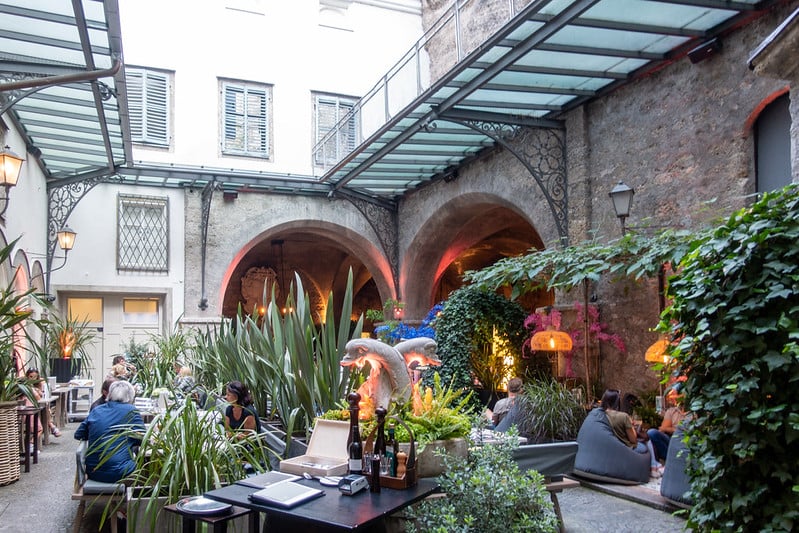
This restaurant within St. Peter’s Abbey in Salzburg, Austria, has served meals since before 803 AD, making it the oldest restaurant in the world. Historical records suggest Christopher Columbus and Mozart both dined there, though obviously at very different times.
The restaurant’s location inside monastery walls helped protect it during centuries of European conflicts. Today it still serves traditional Austrian cuisine in the same stone halls where medieval monks once ate.
The menu has changed over the centuries, but the idea of gathering people around good food remains constant.
Staffelter Hof Winery
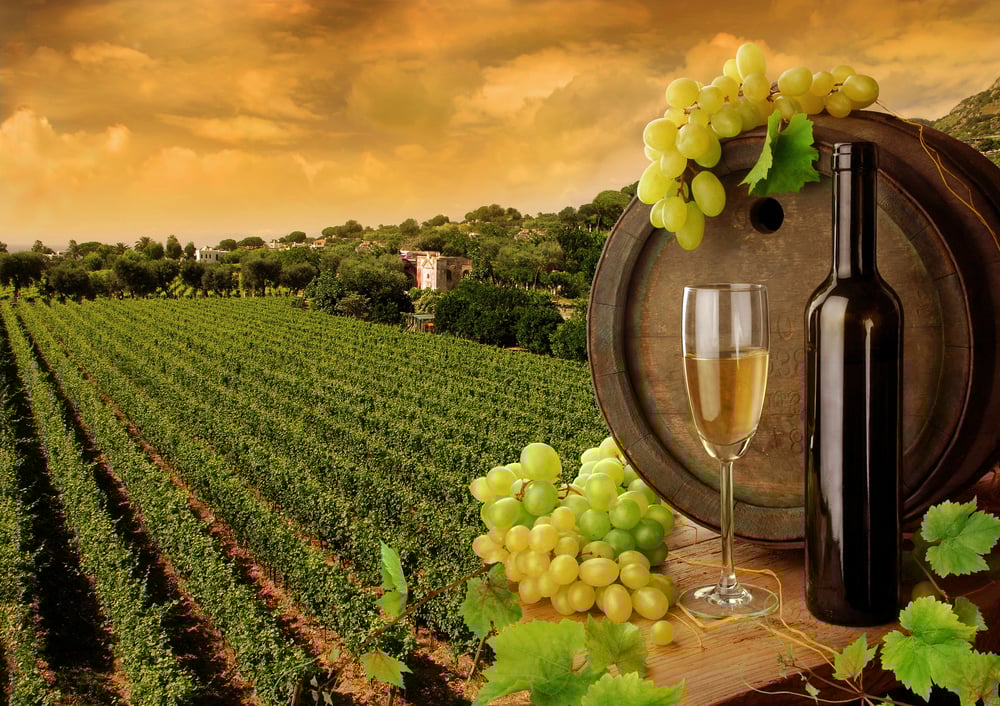
Established in 862 AD, Staffelter Hof is a family-run winery in Germany that has produced wine through the entire Middle Ages, Renaissance, Industrial Revolution, and into the modern era. The vineyard weathered countless wars including both World Wars, religious conflicts, and economic disasters.
Wine production requires patience and long-term thinking since vines take years to mature, making it a business naturally suited to longevity. The winery demonstrates that some products age well in more ways than one.
Monnaie de Paris Mint

France’s national mint has struck coins since 864 AD, making it one of Europe’s oldest operating companies. The mint moved locations over the centuries but never stopped producing currency.
Today it creates French Euro coins alongside medals, jewelry, and collectible items. The business adapted from hand-struck medieval coins to modern automated production while maintaining its core purpose: turning metal into money.
Currency itself has changed from gold and silver to various alloys, but people still need coins, keeping the mint relevant after 1,100 years.
Marinelli Pontificia Bell Foundry
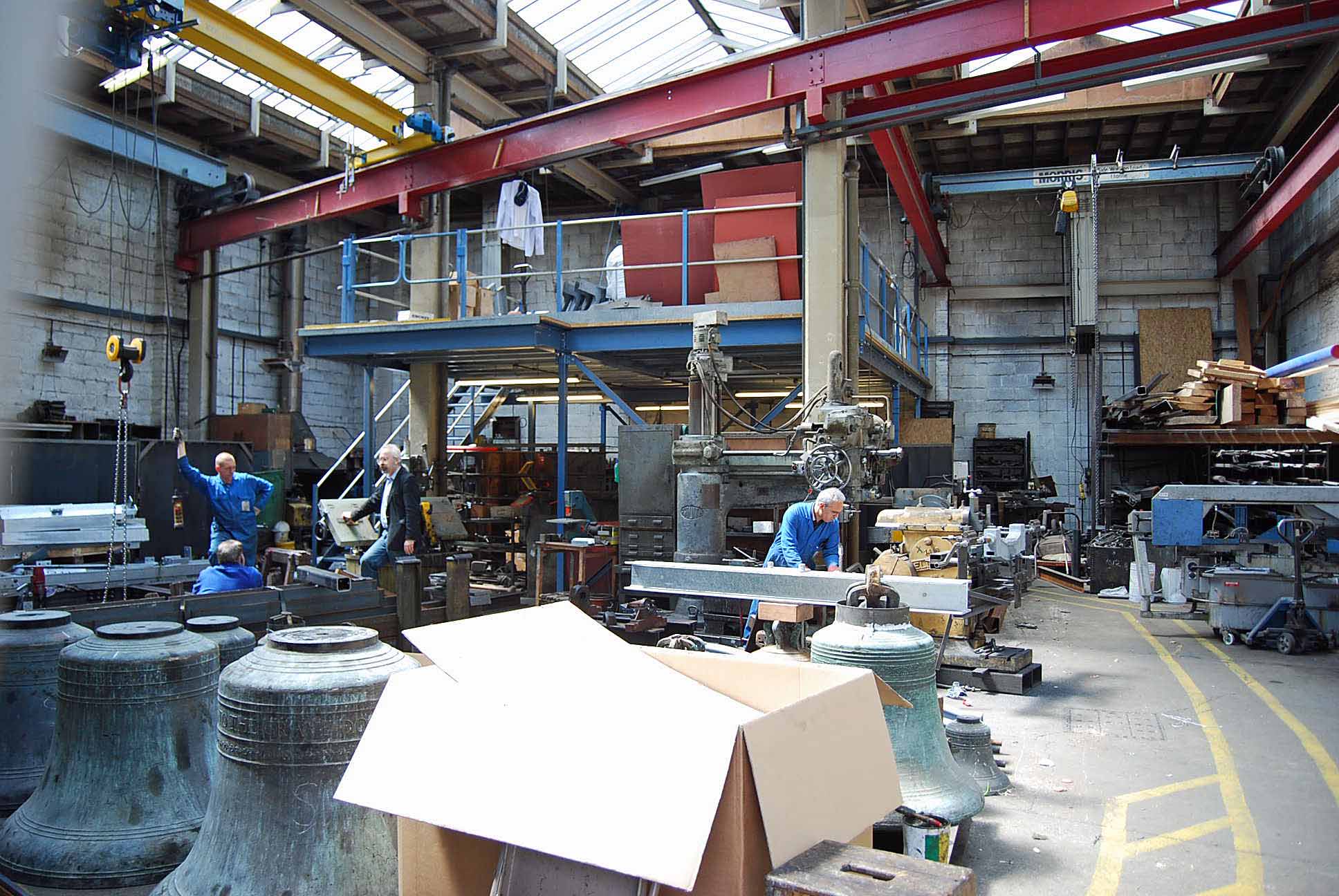
This Italian company has cast bells since the year 1000, specializing in church bells that ring across European towns and cities. The Marinelli family passed down bell-making techniques through generations, creating bells for churches, cathedrals, and public buildings.
Each bell requires specific knowledge about metal alloys, acoustics, and casting methods that the family preserved through written records and hands-on training. The foundry’s bells have called people to worship, warned of danger, and marked time for over a millennium.
In an age of digital notifications, the sound of a bronze bell still carries power.
Barone Ricasoli Wine Estate
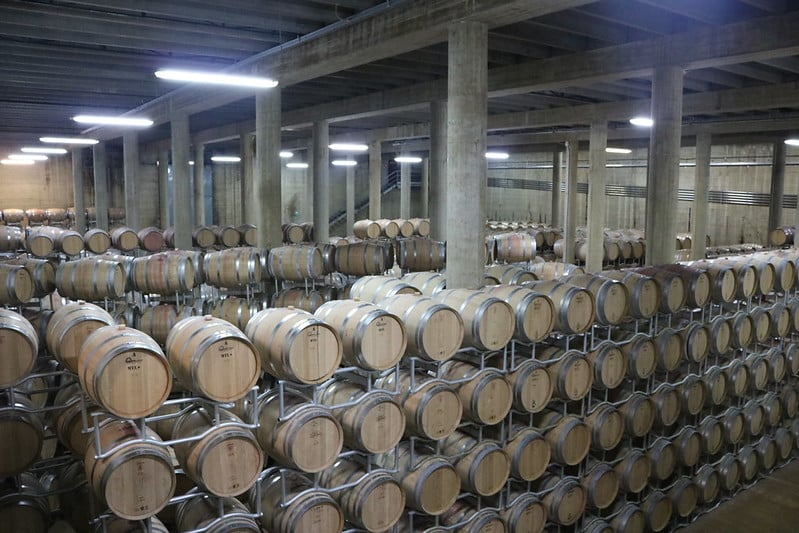
Founded in 1141 in Tuscany, Italy, Barone Ricasoli claims to be the world’s fourth oldest family business and the oldest winery still run by its founding family. The Ricasoli family still owns and operates the estate, producing Chianti Classico wines from the same vineyards their ancestors planted nearly 900 years ago.
The winery survived wars, political upheavals, and changing wine preferences by maintaining quality and adapting to new markets. Italian wine culture helped protect the business since wine production was deeply tied to regional identity and tradition.
Hôtel de la Cour d’Or Historic Inn
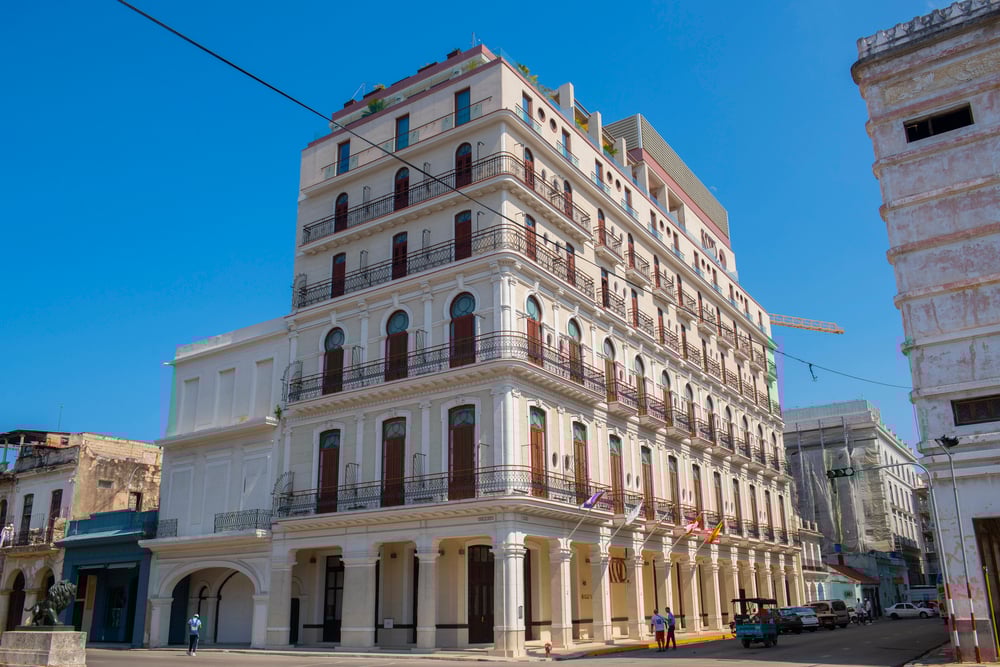
This hotel in Alsace, France, began welcoming guests around 1270, serving travelers for over 750 years. The building itself tells stories through its architecture, with medieval foundations supporting later additions from different centuries.
The hotel survived the Black Death, the Hundred Years’ War, the French Revolution, and two World Wars. Location helped: Alsace sits along major European trade routes, ensuring a steady flow of travelers who needed rooms.
The inn adapted from serving merchants on horseback to hosting modern tourists with cars, changing services while keeping the core hospitality business intact.
Torrini Jewelry in Florence
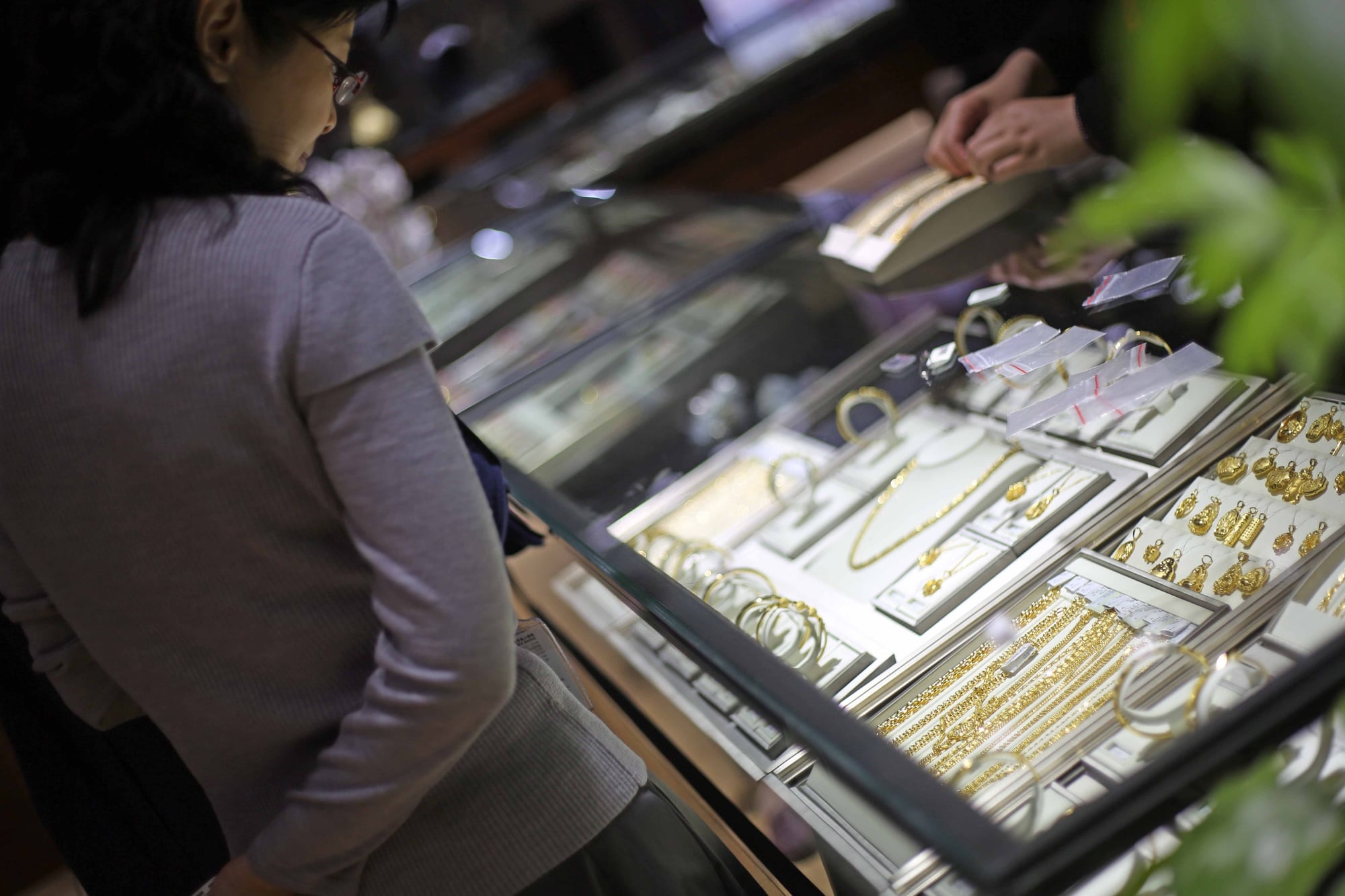
Operating since 1369, this Florence jewelry house has crafted gold and silver pieces through the entire Renaissance and beyond. The Torrini family served Medici rulers, creating crowns, religious items, and personal adornments for Italy’s most powerful families.
The shop still occupies its original location on the Ponte Vecchio bridge, where jewelry shops have clustered for centuries. Luxury goods often survive economic downturns better than necessities because wealthy customers keep buying even during hard times.
Torrini proved that serving the top of the market provides insulation against historical chaos.
Camuffo Shipbuilding

This Venetian company has built boats since 1438, operating during Venice’s height as a maritime power and continuing long after the city-state’s influence faded. The company built everything from war galleys to merchant vessels to modern yachts, adapting its skills to whatever the market demanded.
Venice’s entire economy depended on ships, creating an environment where boat-building skills passed from master to apprentice with exceptional care. Today Camuffo builds luxury boats for wealthy clients, a far cry from the trading vessels that made Venice rich, but still using centuries of accumulated knowledge about how wood and water interact.
Richard Duroux Paper Mill
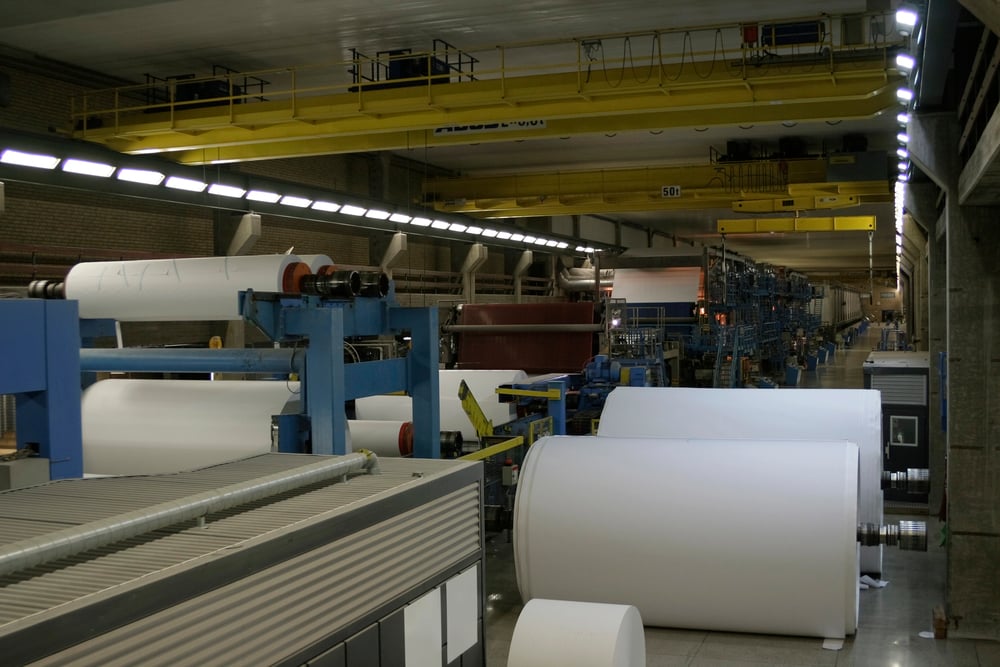
Founded in 1440 in Ambert, France, this paper mill has produced paper through the entire history of printing from Gutenberg’s press to digital printers. The mill started making paper by hand when books were rare treasures.
It survived the transition from handmade to machine-made paper and continues operating as a museum and working mill today. Paper seemed essential for 500 years, then digital technology threatened to make it obsolete, but physical paper persists for certain uses.
The mill’s survival shows that even declining industries can support businesses if they adapt their focus.
Hudson’s Bay Company Fur Trading
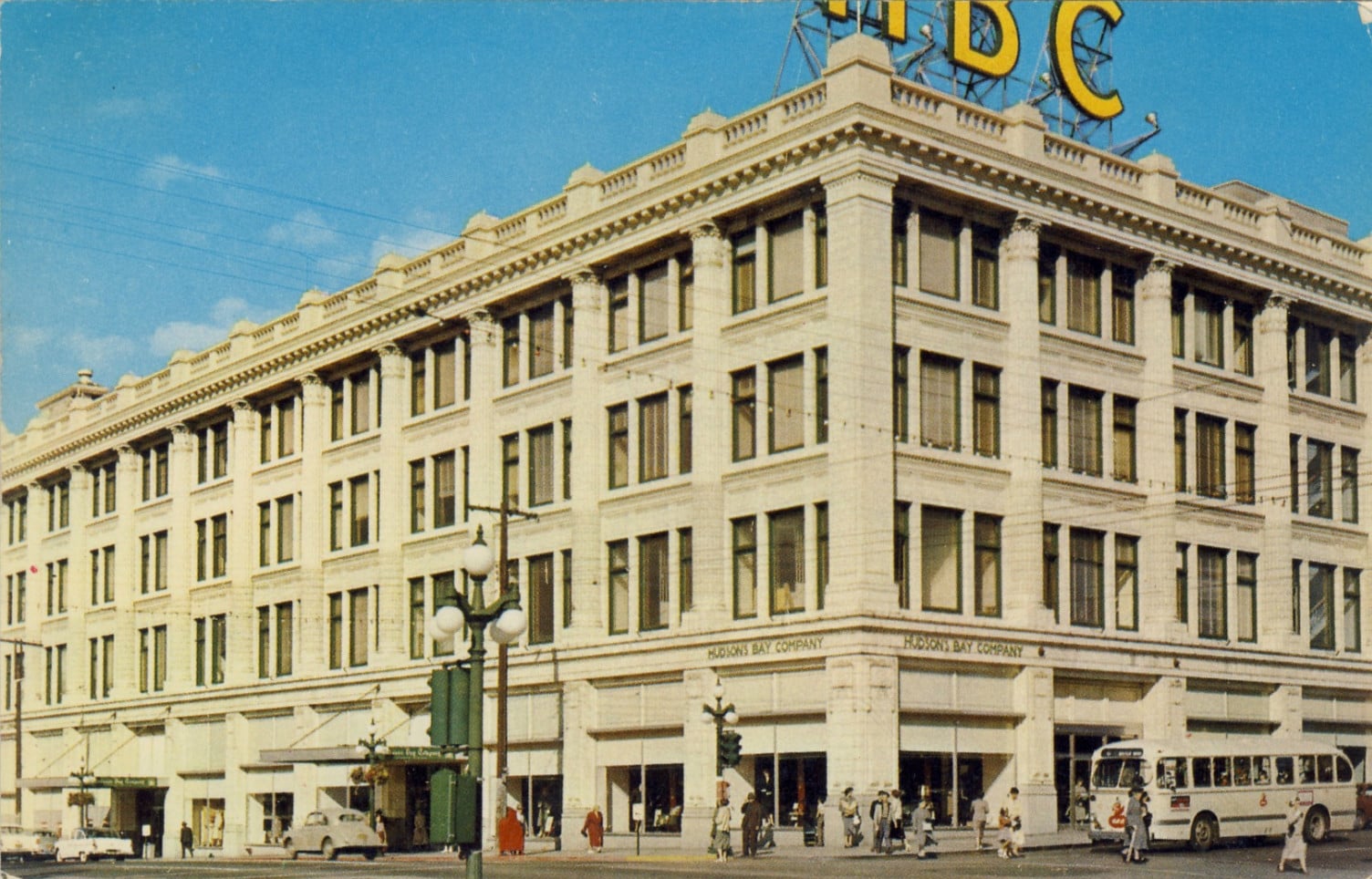
Founded in 1670, the Hudson’s Bay Company is the oldest continuously operating company in North America. King Charles II of England chartered the company to trade furs in what would become Canada.
The company essentially controlled vast territories, acting more like a government than a business for centuries. Today Hudson’s Bay operates department stores and owns luxury chains like Saks Fifth Avenue.
The transformation from fur trading to retail seems dramatic, but the core business of buying and selling goods to people remained constant even as the products changed completely.
Caswell-Massey Perfumes
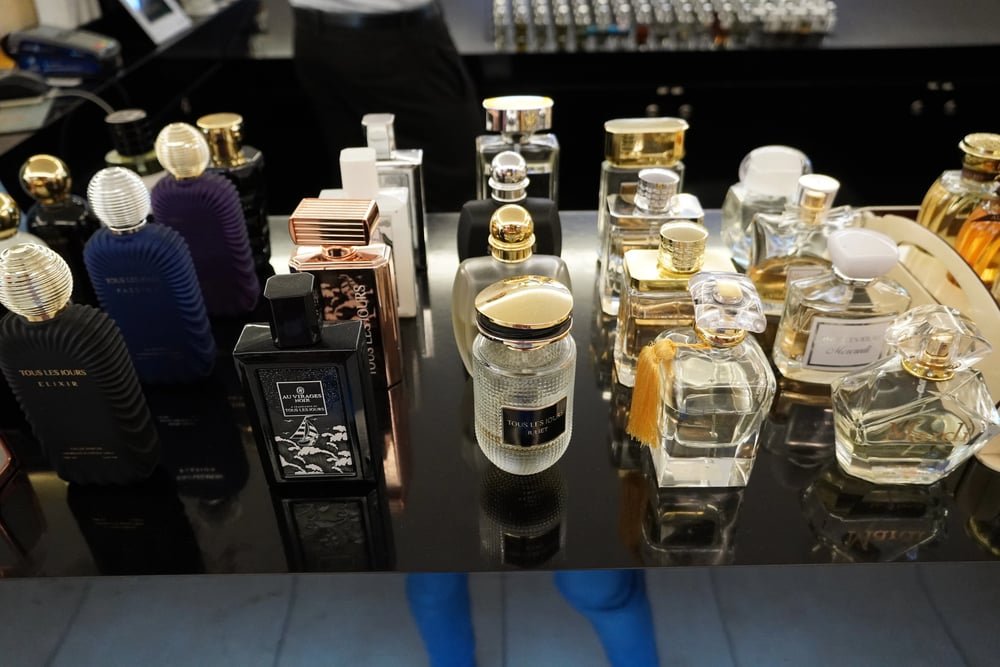
Dr. William Hunter opened an apothecary shop in Newport, Rhode Island, in 1752, making Caswell-Massey America’s oldest company. The shop supplied perfumes, soaps, and medicines to colonial customers including George Washington.
Washington gave bottles of the company’s Number Six Cologne to the Marquis de Lafayette, and Lewis and Clark took Caswell-Massey products on their western expedition. The company exists today as an online retailer, selling fragrances and personal care products based on original colonial formulas.
Starting before American independence gave Caswell-Massey a 24-year head start on the country it would end up calling home.
Shirley Plantation Farming
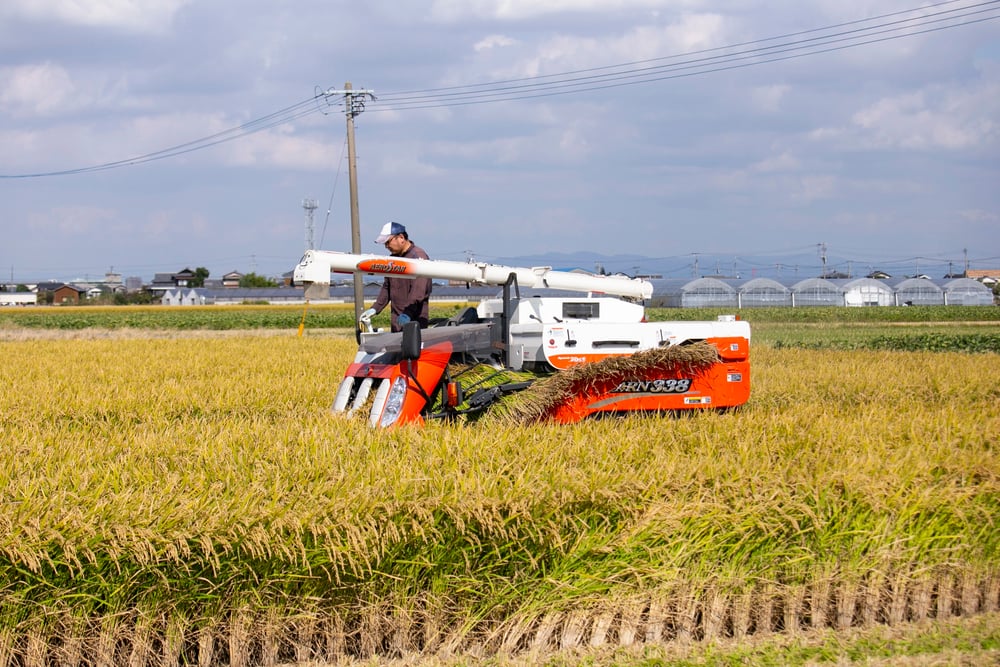
Founded in Virginia in 1613, Shirley Plantation is the oldest company in the United States, predating American independence by 163 years. The same family has owned and operated the plantation through 11 generations, surviving colonial rule, the Revolutionary War, the Civil War, and every economic crisis America has faced.
The plantation now functions partly as a working farm and partly as a historical site open to tourists. Confederate General Robert E. Lee’s parents were married there, connecting the property to major moments in American history.
The plantation represents the uncomfortable truth that America’s oldest businesses often built their wealth on enslaved labor.
Baker’s Chocolate Colonial Sweets
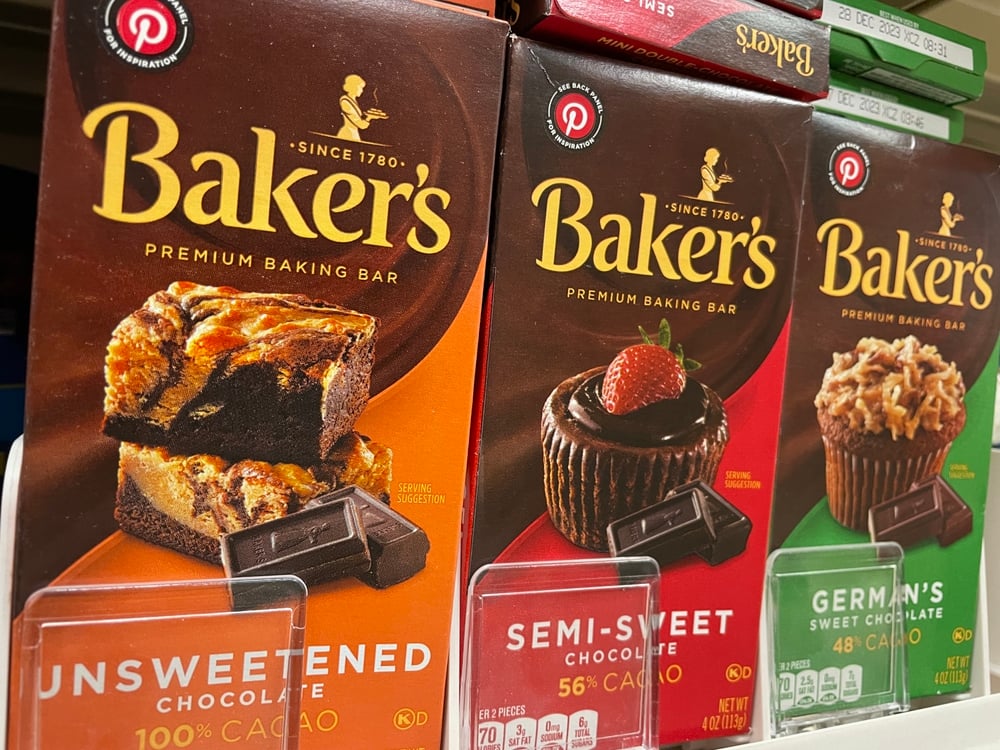
James Baker and John Hannon started making chocolate in Massachusetts in 1765, importing cocoa beans and producing one of America’s first chocolate products. The company made its first recorded chocolate sale in 1772 and introduced branded chocolate in 1780.
Baker’s Chocolate became a household name for baking chocolate, surviving multiple corporate acquisitions while keeping its original name and reputation. The company proved that early entry into a market creates brand recognition that can last centuries, even when ownership changes hands.
Kongo Gumi Family Wisdom
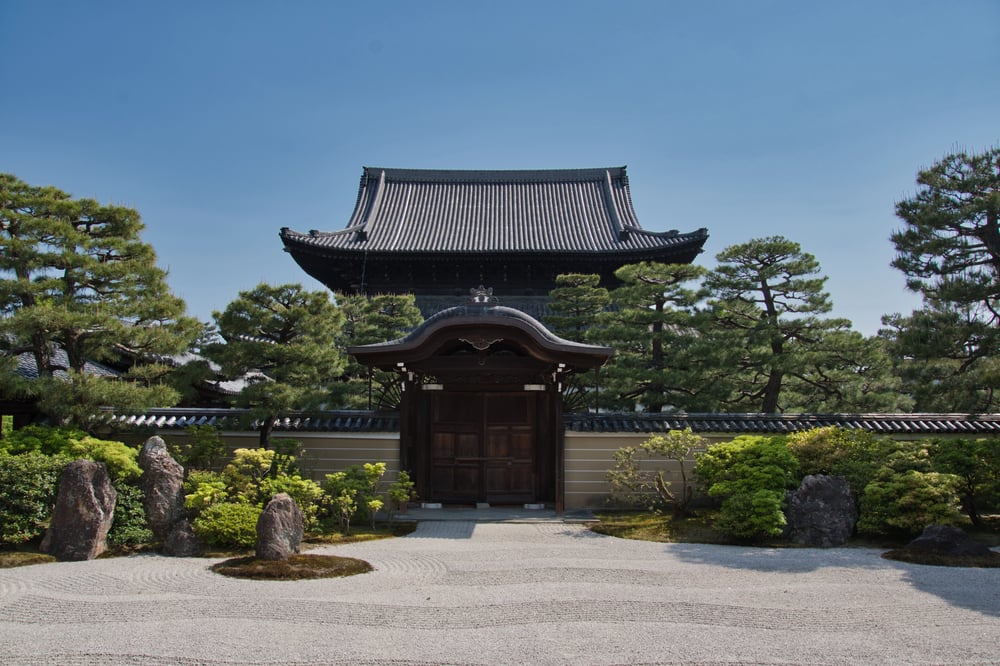
Survival wasn’t accidental for Japan’s oldest builder. A paper penned by the 32nd head of Kongō Gumi laid out sixteen rules under the title ‘family knowledge of the trade.’
Quality first, respect for workers – those mattered. Adjusting to new times without losing old craftsmanship helped too.
Future leadership was always in mind. When temple projects faded during the 2000s downturn, survival grew harder despite strong foundations.
Being absorbed into another firm marked an ending. Yet fourteen centuries standing alone?
That kind of run defies what most firms ever reach.
Japanese Business Philosophy

More than half of the world’s oldest companies come from Japan, says a Bank of Korea study. Firms there that have lasted the past two centuries earn the label shinise.
These ones build their way forward by focusing on survival across generations instead of quick wins. Small teams run most – often under three hundred people – and they stick close to home when serving customers.
What matters is trust built over time, work done well, and passing things down through families. Planning century by century lets them ride out downturns while others do not survive.
A slow rhythm becomes strength.
Fate Sometimes Lets Companies Survive Longer Than Countries Ever Do
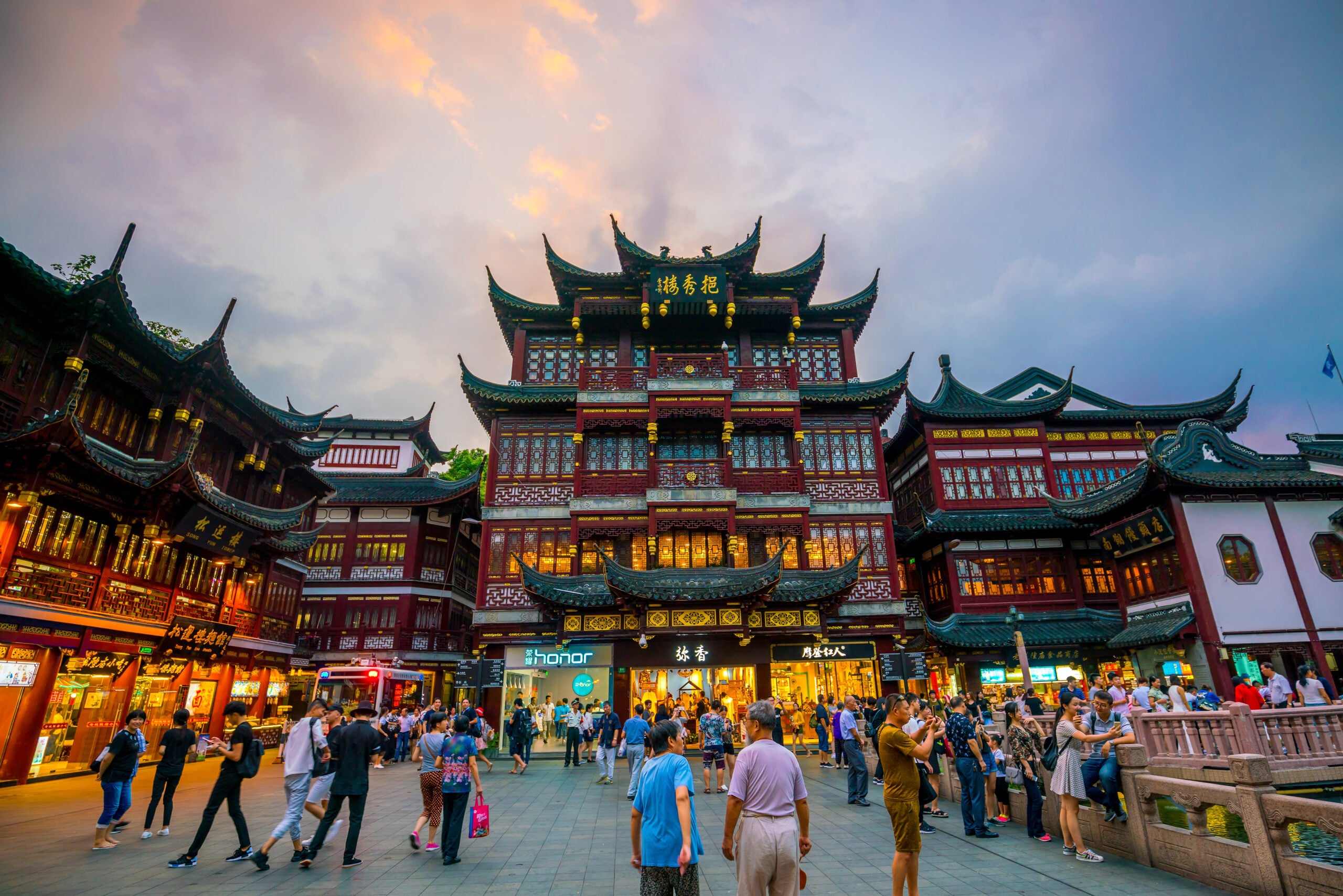
Long before America existed, some businesses were already running. Through wars, inventions, shifting economies, they stayed open.
Their secret was simple – do one thing really well, yet stay flexible on the details. Staying in the family meant choices focused on years ahead, not just next quarter’s numbers.
When people always need what you offer, like meals or a place to live, lasting centuries become possible. A few made high-end items for rich buyers – people who never stop purchasing, even when money gets tight.
Not every company will survive five centuries, yet lasting long often means knowing why you exist without locking yourself into one way of doing things.
More from Go2Tutors!

- The Romanov Crown Jewels and Their Tragic Fate
- 13 Historical Mysteries That Science Still Can’t Solve
- Famous Hoaxes That Fooled the World for Years
- 15 Child Stars with Tragic Adult Lives
- 16 Famous Jewelry Pieces in History
Like Go2Tutors’s content? Follow us on MSN.