Complex Processes Behind Global Food Exports
Food travels thousands of miles before it reaches anyone’s plate. That banana sitting in a fruit bowl probably started its journey weeks ago in Ecuador or the Philippines.
The coffee brewing in the morning came from farms in Colombia or Ethiopia. Getting food from one country to another involves way more steps than most people realize.
It’s not just about picking crops and putting them on a ship. There are inspections, paperwork, temperature controls, and countless other details that have to go exactly right or the whole thing falls apart.
Here’s what really happens behind the scenes when food crosses borders.
Farmers time their harvests for export schedules
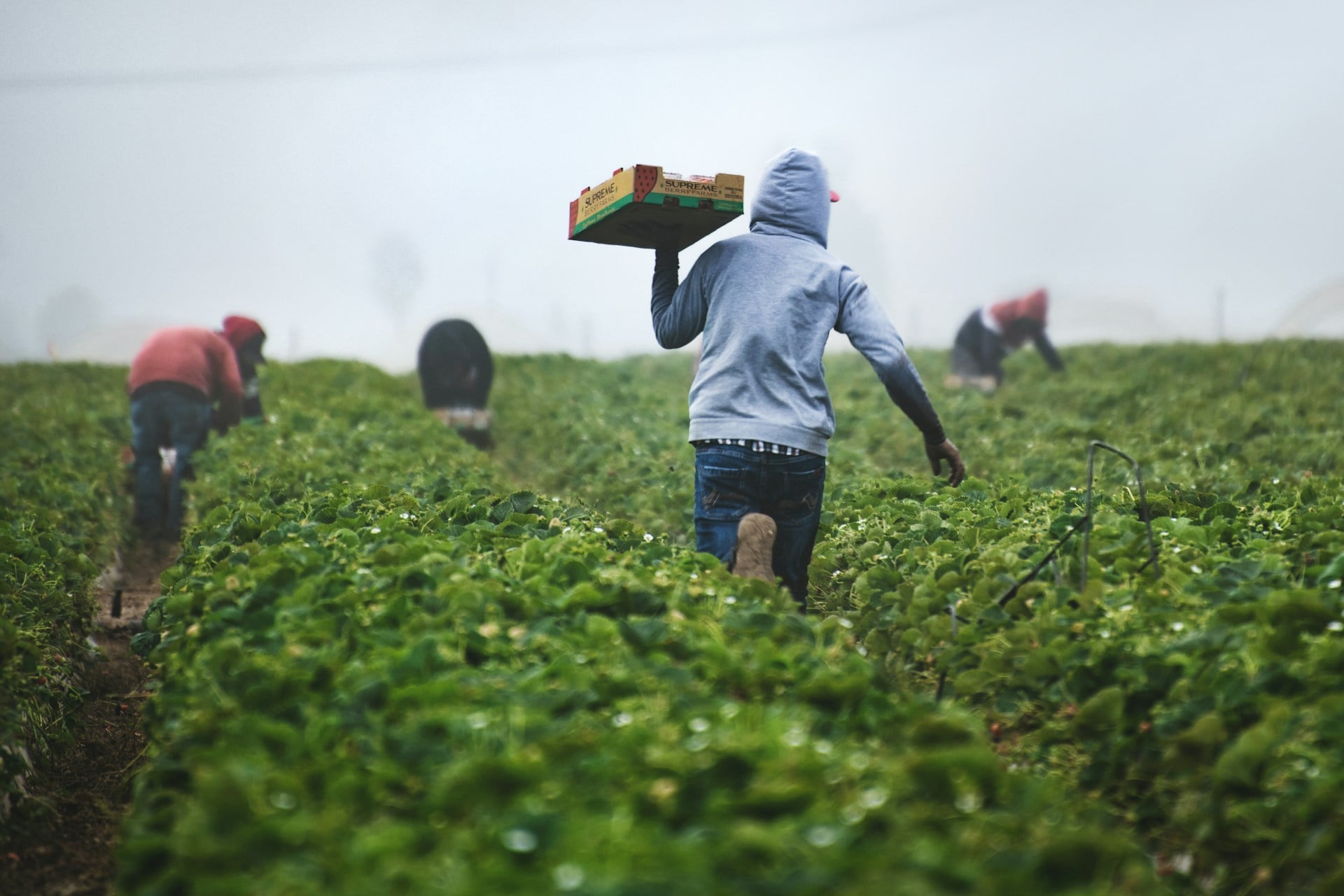
Growing food for export means planning months or even years ahead. Farmers can’t just harvest whenever crops are ready and hope someone buys them.
Export companies give farmers specific time windows when they need certain quantities delivered. A coffee farmer in Kenya might plant trees knowing that buyers in Germany want beans ready by September three years from now.
Timing affects everything from planting dates to which crop varieties farmers choose. Miss the window, and the crop might spoil before finding a buyer.
Quality inspectors check every batch before shipping

Nothing leaves a farm for export without someone examining it first. Inspectors look for size, color, ripeness, and any signs of damage or disease.
They’re pickier than anyone shopping at a grocery store. One bad apple really can spoil the barrel, especially when that barrel is heading across an ocean.
Some countries reject entire shipments if just a small percentage doesn’t meet standards. These inspectors have the power to make or break a farmer’s entire year with a single decision.
Packaging has to survive weeks of rough handling

The boxes and containers holding exported food go through absolute punishment. They get stacked, dropped, loaded onto trucks, transferred to ships, unloaded, and stacked again.
Temperature swings from freezing cold to blazing hot. Rain and humidity try to ruin everything.
Packaging engineers spend years developing materials that protect food through all this chaos. A strawberry container needs tiny air vents so berries don’t suffocate, but not so many that they dry out.
Getting this balance right takes serious science.
Refrigerated containers maintain exact temperatures
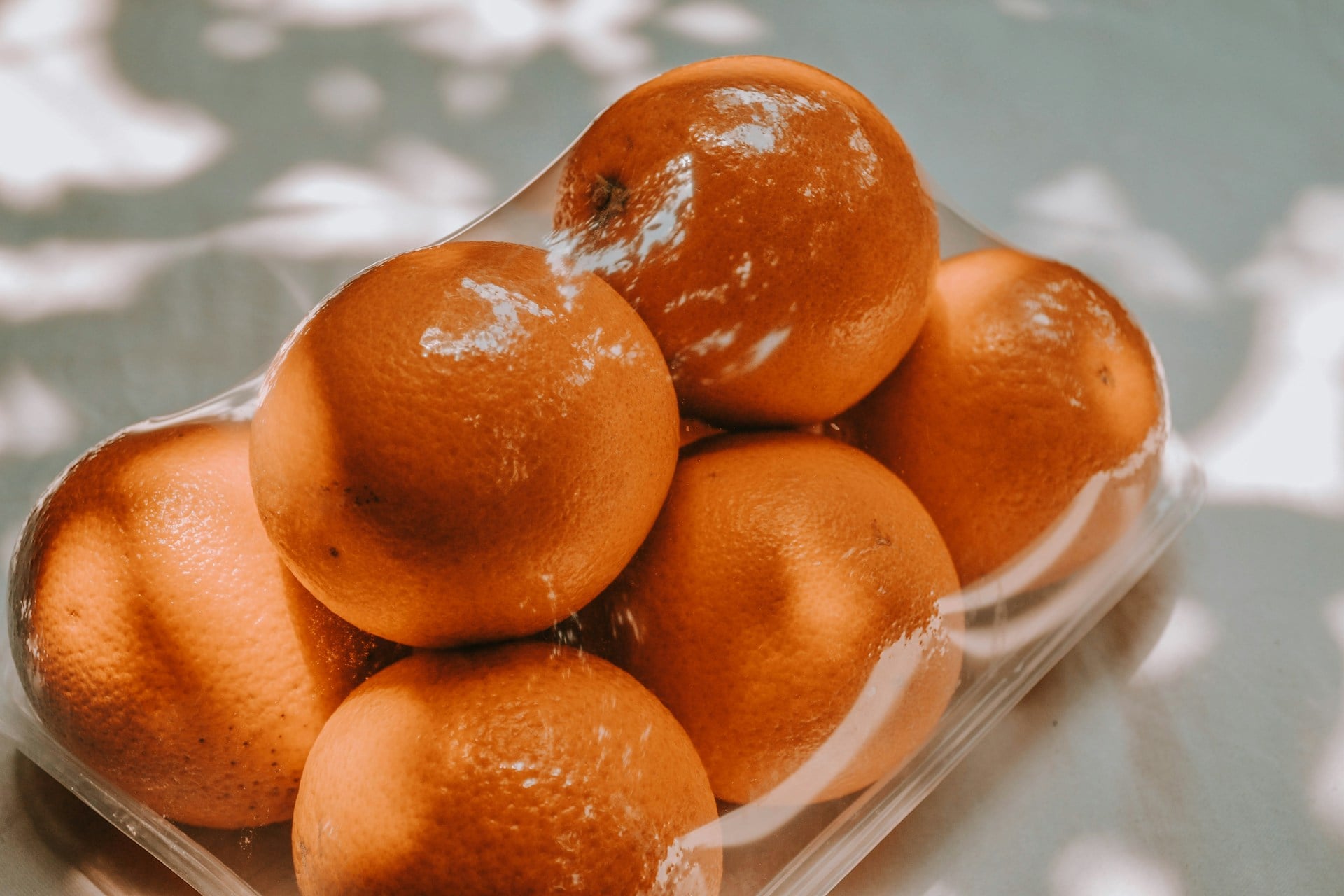
Those big metal shipping containers on cargo ships aren’t just boxes with ice in them. They’re sophisticated refrigeration units that maintain precise temperatures for weeks at a time.
Bananas need to stay at exactly 13.3 degrees Celsius during transit or they either ripen too fast or get damaged. Meat shipments require even stricter controls.
Each container has backup systems and alarms in case something goes wrong. The shipping company monitors these containers constantly through satellite connections, checking temperatures in real time even when the ship is in the middle of the Pacific Ocean.
Customs paperwork can fill entire file folders
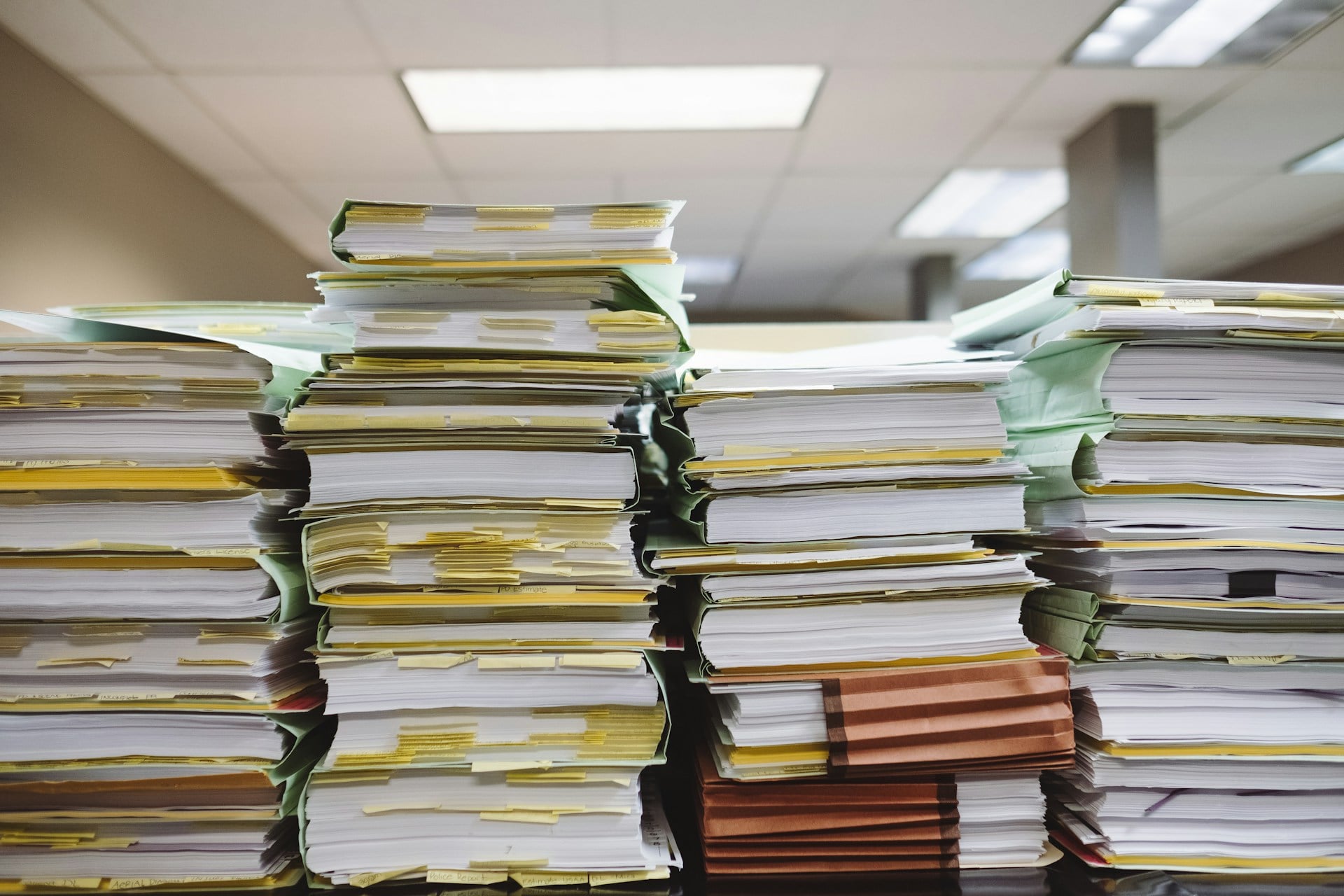
Anyone who thinks bureaucracy is bad should see what food exporters deal with. Each country has its own forms, certificates, and documentation requirements.
A single shipment of mangoes might need health certificates, origin certificates, phytosanitary certificates, commercial invoices, packing lists, and a dozen other documents. Get one form wrong and customs officials send the entire shipment back.
Some companies employ people whose only job is filling out paperwork correctly. The forms even have to be in specific languages using particular formats or they get rejected.
Port delays can ruin perishable shipments

Fresh food doesn’t wait patiently while dock workers sort out scheduling issues. Every hour a container of strawberries sits at a port is an hour closer to those berries turning to mush.
Ports get congested during busy seasons. Equipment breaks down.
Weather delays ships. A three-day delay might not matter for manufactured goods, but it’s a disaster for lettuce or fish.
Exporters pay extra for priority handling, but even that doesn’t guarantee anything when a port is backed up. Sometimes workers unload time-sensitive food shipments in the middle of the night just to keep them fresh.
Fumigation protects crops from hitchhiking pests

Bugs love to hide in food shipments and travel to new countries. One pregnant insect making it through can start an infestation that destroys local crops.
That’s why many countries require fumigation before allowing certain foods to enter. Workers seal containers and pump in gases that kill any insects, larvae, or eggs hiding inside.
The process takes hours and has to happen at specific temperatures. Some fruits can’t handle fumigation chemicals, so they need different treatments like extreme cold or heat.
It’s a constant balance between killing pests and not ruining the food.
Different seasons mean year-round supply
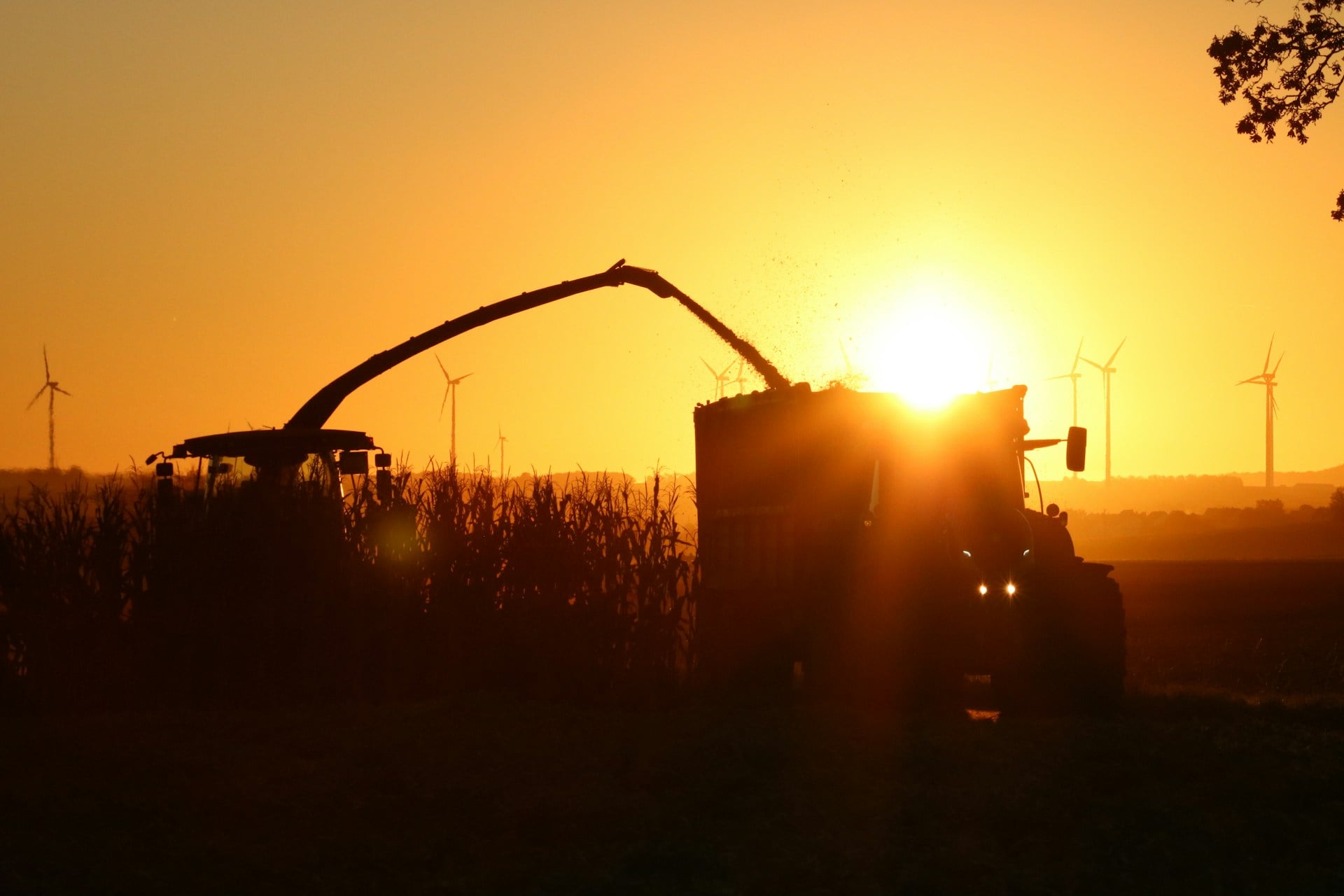
Grapes show up in stores all year because exporters play the seasons. When it’s winter in California, it’s summer in Chile.
Mexican berries arrive during months when nothing grows in Canada. This seasonal hopscotch keeps supermarket shelves stocked regardless of local weather.
Exporters coordinate with farmers across multiple countries to create a continuous supply chain. Some companies have partner farms on four different continents.
They’re basically following summer around the world like people chasing endless vacation weather.
Ripening happens during transit or at the destination

Bananas that get picked in Costa Rica aren’t the yellow ones people eat. They’re green and hard as rocks.
Bananas, avocados, and some other fruits actually ripen better after picking. Shipping companies use this to their advantage.
Fruit travels while still unripe and harder to damage. Then it goes into special ripening rooms at the destination that control temperature, humidity, and ethylene gas levels.
These rooms can speed up or slow down ripening to match when stores need the fruit. It’s like putting ripening on a remote control.
Trade agreements determine what crosses borders

Politics affects food as much as farming does. Countries negotiate trade deals that make certain foods easier or harder to export.
Lower tariffs on Mexican avocados mean cheaper guacamole in the United States. Disputes between nations can suddenly block food that flowed freely for years.
When countries argue, farmers pay the price because their buyers disappear overnight. Some exporters diversify their markets specifically to protect against political problems.
Selling to twelve countries instead of one means that losing access to a single market doesn’t destroy the whole business.
Insurance covers disasters but costs add up

A ship sinking means millions of dollars of food goes to the bottom of the ocean. Pirates still exist and sometimes steal cargo.
Containers fall off ships during storms. Insurance protects exporters from these disasters, but the premiums get expensive.
The cost gets passed along through the supply chain until it shows up in grocery store prices. High-risk routes cost more to insure.
Weather disasters in key shipping lanes make everyone’s insurance rates go up. Some smaller exporters can barely afford proper insurance, so they’re gambling their entire business on every shipment.
Local brokers handle the business end
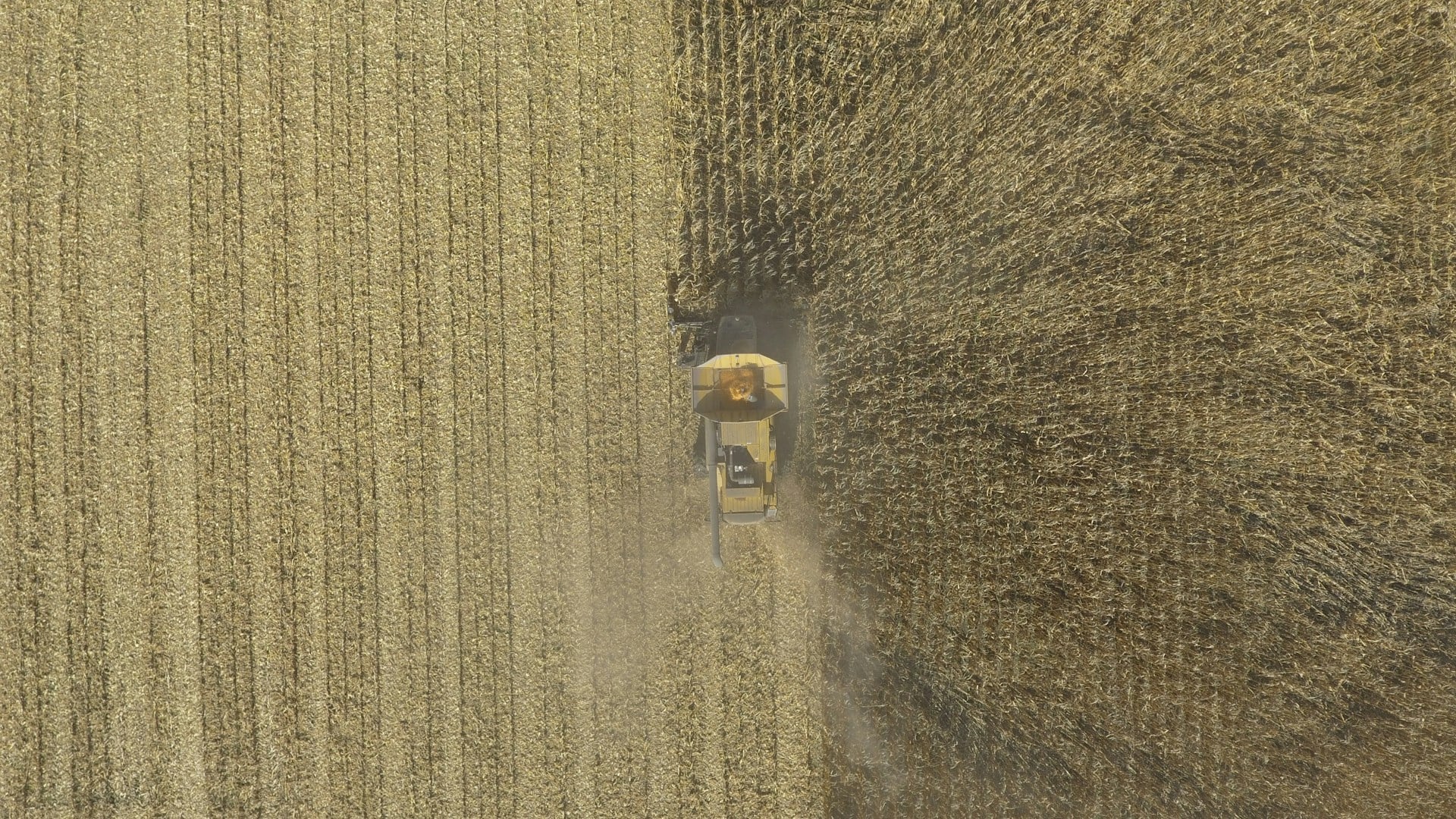
Selling food internationally means working with people who understand local markets. Brokers know which stores want what products and when they’ll pay the best prices.
They speak the language, literally and figuratively. A farmer in Thailand probably doesn’t know how to negotiate with a German supermarket chain, but a good broker does.
These middlemen take a cut of every sale, but they earn it by navigating complex business relationships. The best brokers have connections built over decades and can get products into markets where outsiders can’t sell at all.
Labs test for contaminants and banned substances
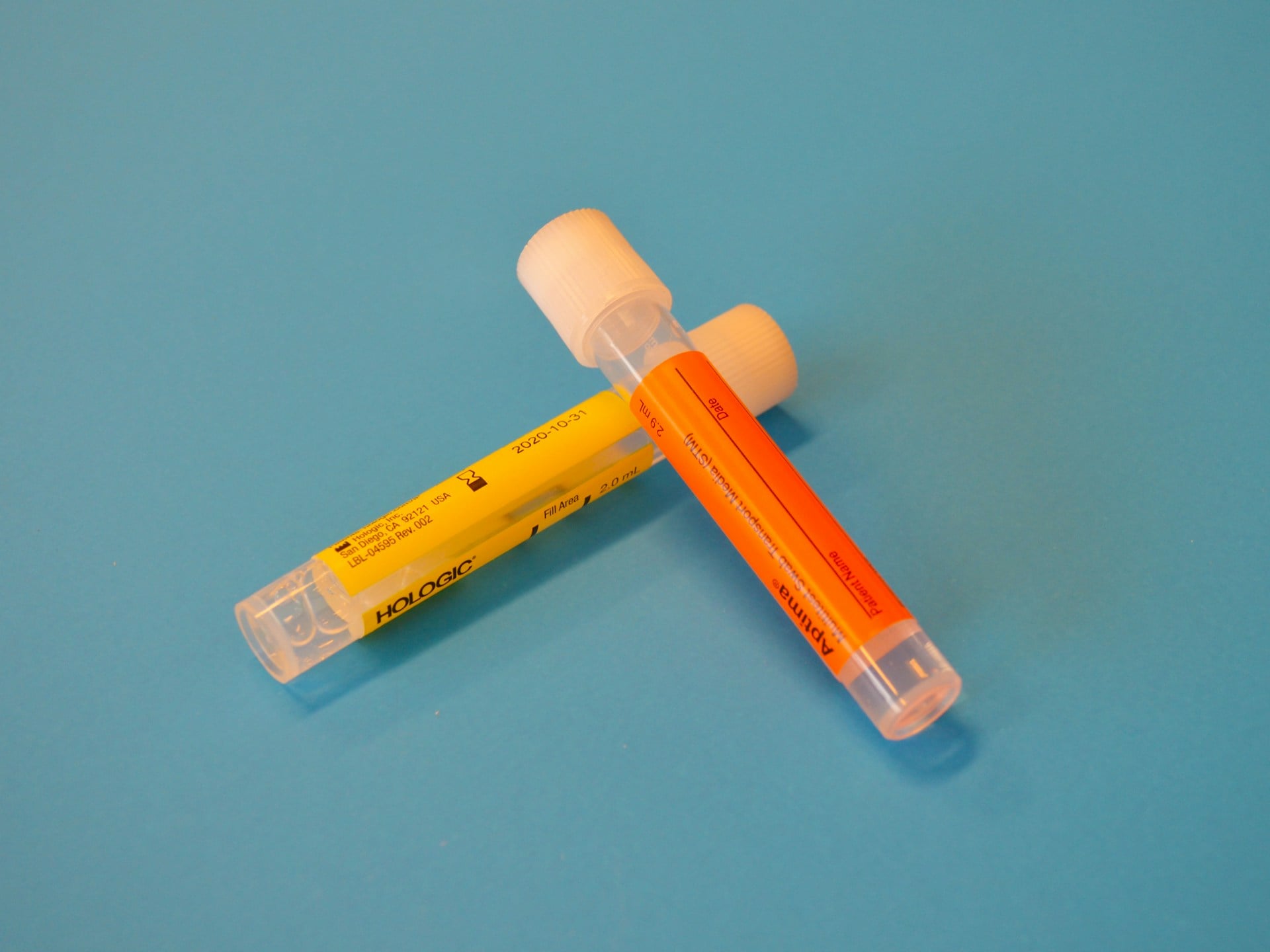
Food safety labs analyze samples from export shipments looking for problems. They test for pesticide residues, heavy metals, bacteria, and anything else that might make people sick.
Different countries have different acceptable limits for various chemicals. What’s fine to eat in one place might be illegal somewhere else.
Lab results take days or weeks to come back. Shipments sometimes sit in warehouses waiting for test clearance before they can be distributed.
One failed test and the entire batch gets destroyed or sent back where it came from.
Traceability systems track food from farm to store

Barcodes and computer systems now follow food through every step of its journey. Scan a package of coffee and the system shows which farm grew those beans, when they were harvested, which ship carried them, and when they arrived.
This traceability helps identify problems fast. If contaminated lettuce makes people sick, investigators can trace it back to the specific field within hours.
Before these systems existed, tracking food sources took weeks of detective work. Now it’s almost instant.
Every box, pallet, and container has codes that connect to massive databases.
Currency fluctuations change profit margins overnight

Food exporters deal in multiple currencies and exchange rates that never sit still. A farmer agrees to sell mangoes for a set price, but by the time payment arrives months later, currency values might have shifted.
What looked like a profitable deal can turn into a loss if the buyer’s currency drops. Large companies hire financial experts who try to predict currency movements and hedge against losses.
Smaller exporters just cross their fingers and hope. Currency risk adds another layer of uncertainty to an already complicated business.
Climate change disrupts traditional growing seasons
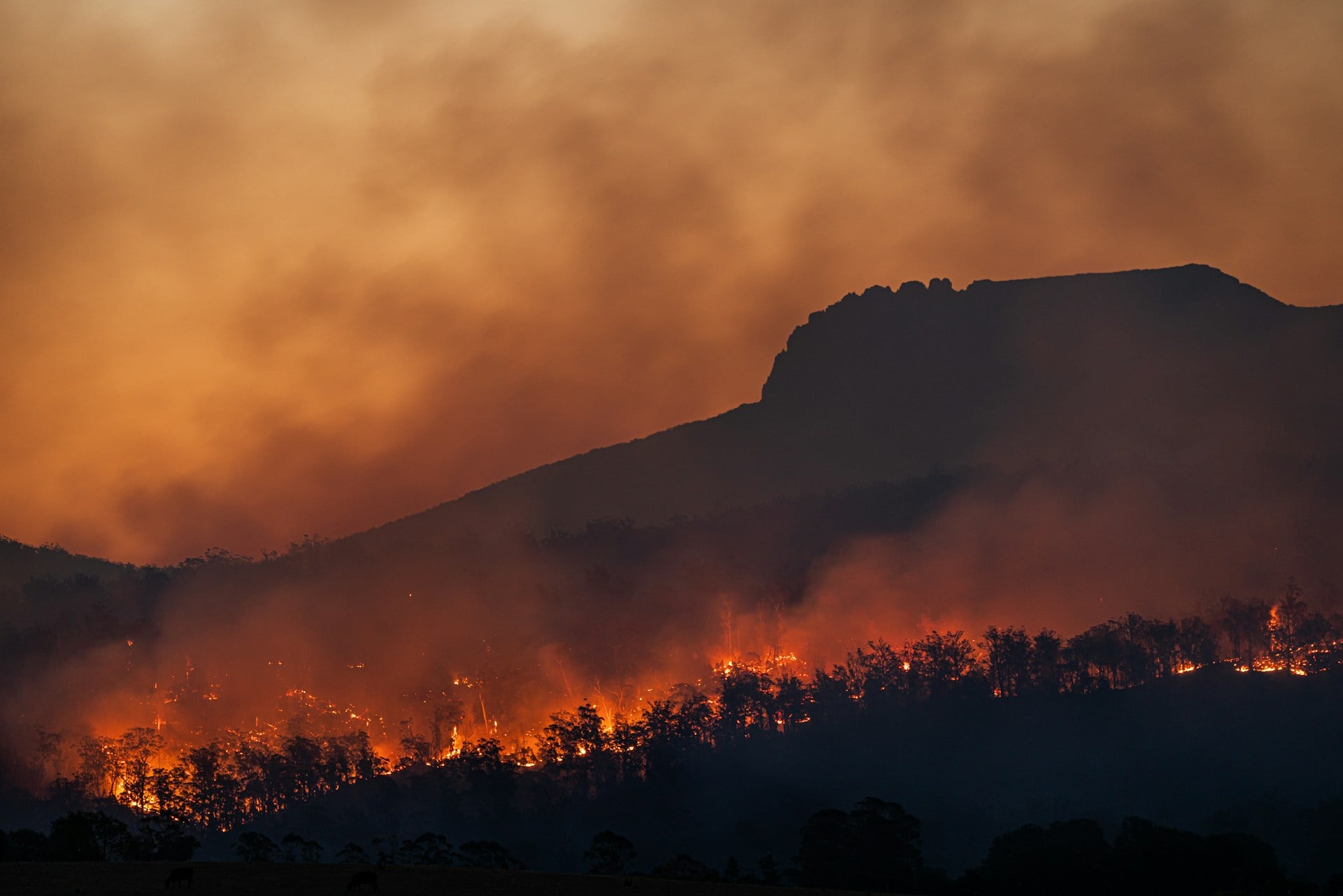
Weather patterns that farmers relied on for generations are changing. Rainy seasons start late or don’t come at all.
Unexpected frosts damage crops that used to be safe. Heat waves stress plants and reduce yields.
These changes mess up the careful timing that export systems depend on. Farmers adapt by trying new varieties or changing planting dates, but it’s basically educated guessing.
Some traditional export crops might not grow well in their historic regions anymore. The whole system has to adjust to a climate that keeps throwing curveballs nobody saw coming.
From field to fork in an interconnected world
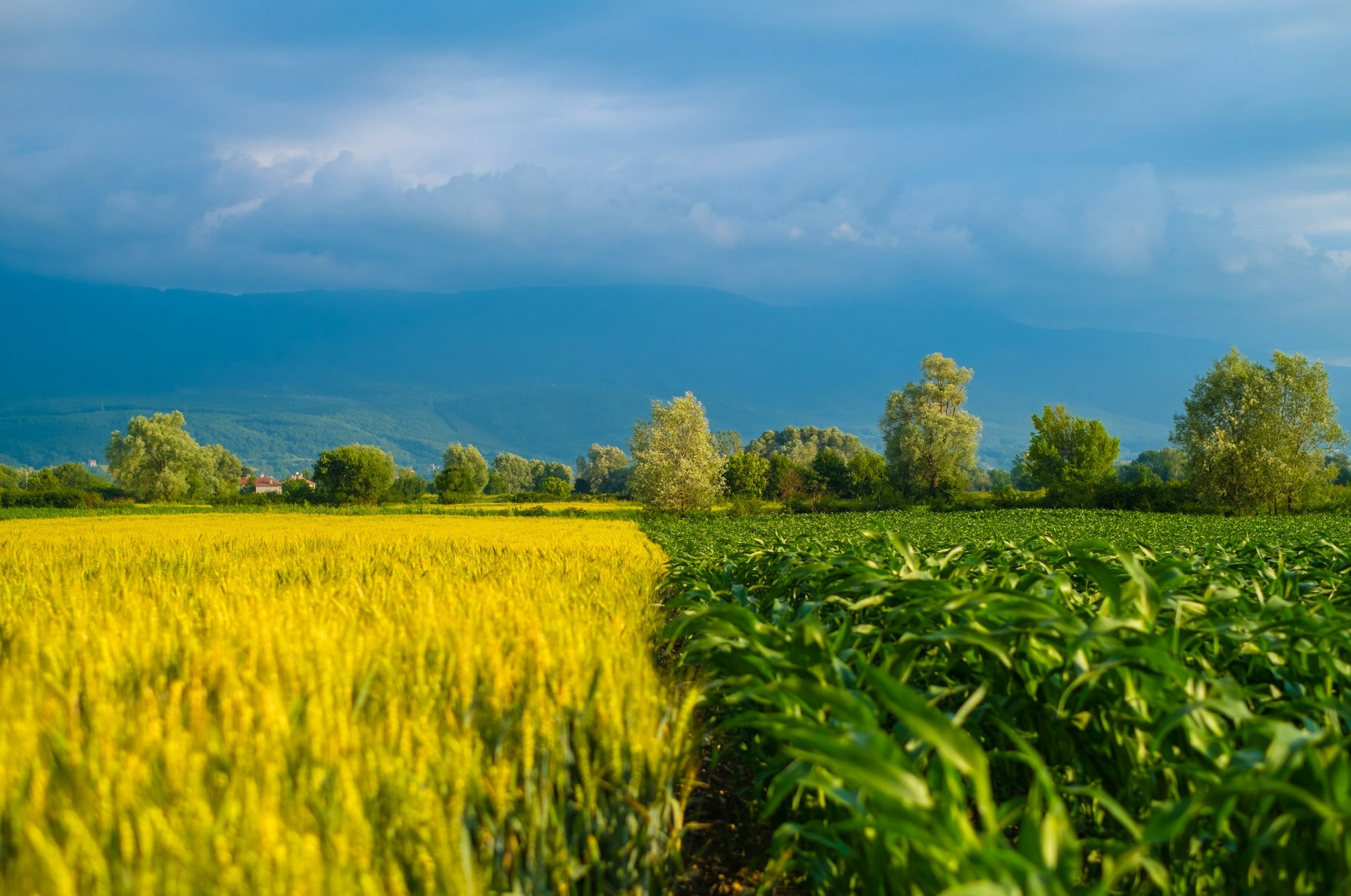
The global food system works because thousands of people in dozens of countries coordinate their efforts every single day. A breakdown anywhere in the chain affects everyone else down the line.
What seems simple, like buying oranges from Spain at a market in Japan, actually involves farmers, truckers, inspectors, ship crews, customs agents, warehouse workers, and more. Each person plays a small part in getting food across the world.
The system isn’t perfect and problems happen constantly, but somehow breakfast tables everywhere get stocked with food from the other side of the planet. It’s one of those things that works way better than it probably should, held together by people who’ve gotten really good at solving impossible logistics puzzles.
More from Go2Tutors!

- The Romanov Crown Jewels and Their Tragic Fate
- 17 Halloween Costumes Once Considered Taboo
- Famous Hoaxes That Fooled the World for Years
- 15 Child Stars with Tragic Adult Lives
- 16 Famous Jewelry Pieces in History
Like Go2Tutors’s content? Follow us on MSN.