Inventions You Didn’t Know Were American
America has always been a place where people dream big and build things that change the world. From the earliest days of the nation, inventors have been tinkering in workshops, garages, and labs, creating stuff that eventually became part of everyday life everywhere.
But here’s the thing: many inventions that feel totally universal actually started right here in the United States. Some of them are so common now that people assume they’ve been around forever, or that they came from somewhere else entirely.
Let’s dig into some surprising creations that have American roots. You might be shocked by a few of these.
The stoplight

Traffic signals feel like they should have come from some ancient European city, but the first electric traffic light actually went up in Cleveland, Ohio, in 1914. A police officer named Lester Wire built it because he was tired of seeing cars crash into each other at busy intersections.
Before this, traffic cops had to stand in the middle of the street and wave their arms around, which was dangerous and exhausting. Wire’s invention used red and green lights, just like today, and it changed how cities managed traffic forever.
Potato chips

This snack was born out of pure spite, which makes the story even better. In 1853, a chef named George Crum worked at a resort in Saratoga Springs, New York.
A customer kept sending back his fried potatoes, complaining they were too thick and soggy. Crum got annoyed, sliced the potatoes paper-thin, fried them until they were crispy, and dumped salt all over them.
The customer loved them. Before long, everyone wanted these ‘Saratoga Chips,’ and now potato chips are everywhere.
Blue jeans

Levi Strauss and Jacob Davis created blue jeans in 1873 in San Francisco. They were trying to make pants that could survive the rough work that miners and laborers did every day.
The secret was using thick denim fabric and adding metal rivets at the stress points so the pants wouldn’t rip apart. What started as workwear for tough jobs turned into one of the most popular clothing items on the planet.
People in every country wear jeans now, but they started as an American solution to an American problem.
The assembly line
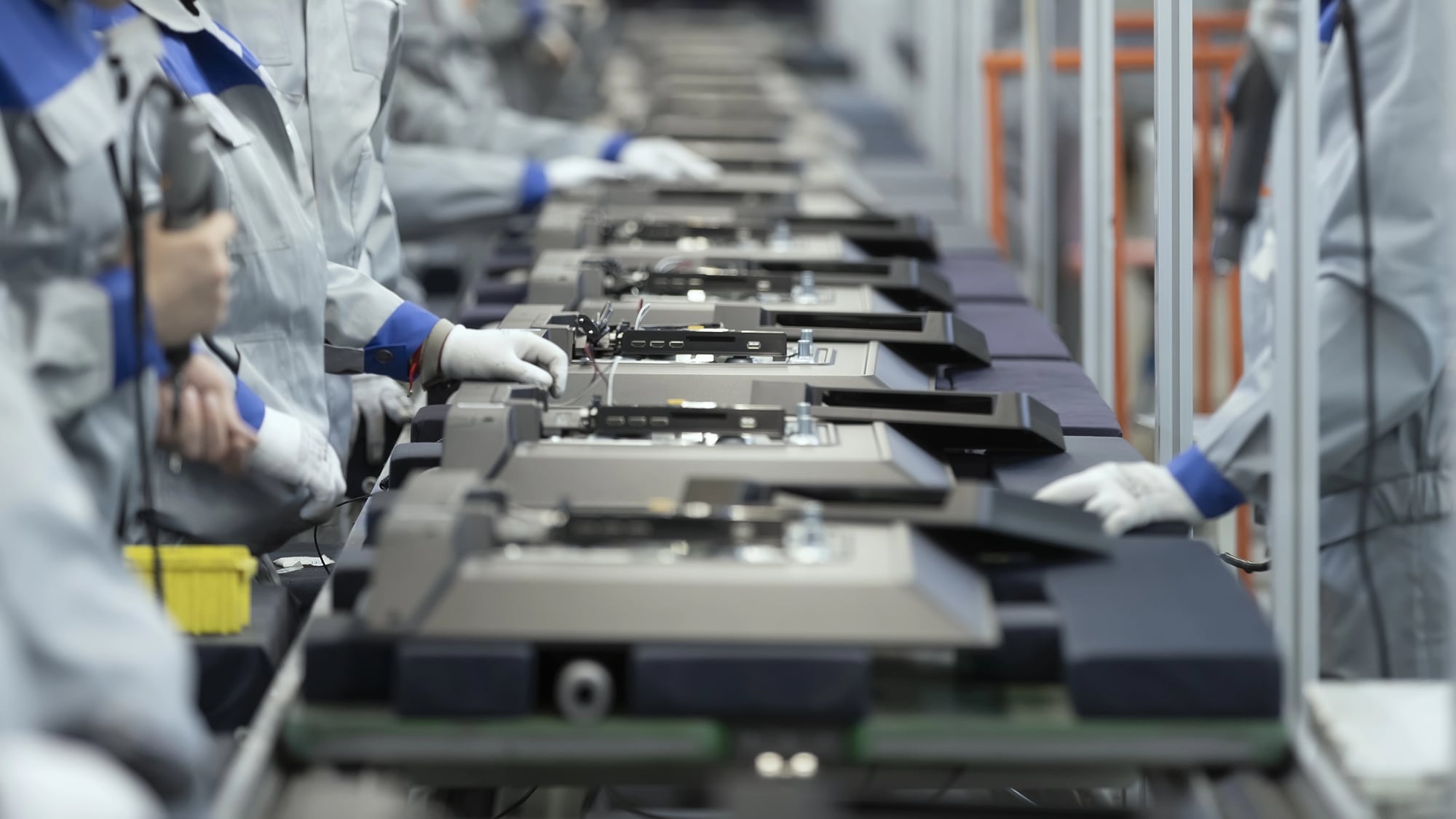
Henry Ford didn’t invent the car, but he did invent the modern assembly line in 1913, and that changed everything. Before Ford’s system, building a car took over 12 hours because workers had to move around to complete each vehicle.
Ford’s assembly line brought the work to the workers instead. Each person did one specific task as the car moved along a conveyor belt.
This dropped the time to build a car down to about 90 minutes and made cars affordable for regular people, not just the wealthy.
Chocolate chip cookies

Ruth Wakefield invented chocolate chip cookies by accident in 1938 at the Toll House Inn in Massachusetts. She was making regular butter cookies and decided to chop up a Nestlé chocolate bar and toss the pieces into the dough.
She thought the chocolate would melt and spread throughout the cookie, but it didn’t. The chunks stayed intact, and the result was something completely new.
Nestlé later bought the rights to print her recipe on their chocolate bar packaging, and chocolate chip cookies became an American classic.
The ice cream cone

There’s some debate about this one, but the most popular story says the ice cream cone was invented at the 1904 World’s Fair in St. Louis, Missouri. An ice cream vendor ran out of dishes, and a nearby waffle maker rolled up one of his waffles into a cone shape so the vendor could keep serving customers.
It was a simple fix that turned into a permanent thing. Ice cream cones became the easiest way to eat ice cream on the go, and street vendors everywhere started using them.
The paper bag

Margaret Knight invented the flat-bottomed paper bag in 1868, the kind you see at grocery stores and restaurants today. Before her design, paper bags were just flimsy envelopes that couldn’t hold much.
Knight built a machine that could cut, fold, and glue paper into bags with flat bottoms, making them way more useful. A man tried to steal her idea and patent it himself, but Knight fought him in court and won.
Her invention is still used billions of times a year.
The zipper

Whitcomb Judson invented an early version of the zipper in Chicago in 1893. He called it a ‘clasp locker’ and thought it would help people fasten their shoes faster.
His design wasn’t great, though, and it kept breaking. Gideon Sundback, a Swedish engineer working in Pennsylvania, improved the design in 1913 and made it reliable.
The name ‘zipper’ came later, after a company used it on rubber boots and liked the zipping sound it made. Now zippers are on jackets, bags, pants, and just about everything else.
The safety pin
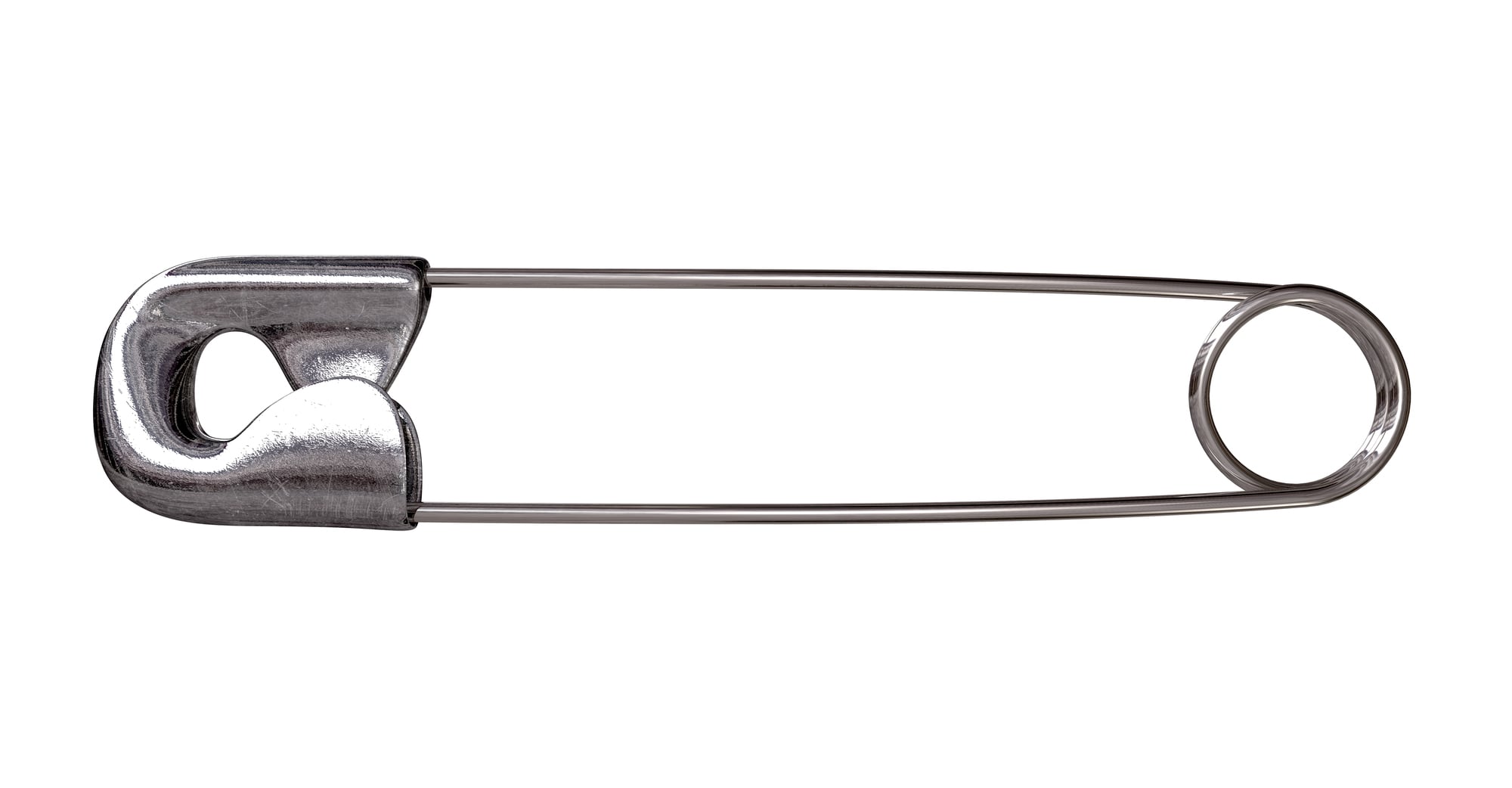
Walter Hunt invented the safety pin in New York in 1849 because he owed someone money and needed to come up with something fast. He twisted a piece of wire into a pin with a clasp at one end to cover the sharp point.
Hunt sold the patent for 400 dollars to pay off his debt, which turned out to be a terrible deal because the safety pin became hugely popular. It’s still one of the simplest and most useful fasteners ever made.
The graham cracker

Sylvester Graham invented graham crackers in the 1820s in New Jersey. He was a health advocate who believed that bland, whole-grain foods would improve people’s morals and physical health.
His crackers were made from coarsely ground whole wheat flour and had no sugar or flavor. People back then thought they were boring, but the crackers caught on anyway.
Over time, companies added sugar and other ingredients to make them taste better, and now graham crackers are mostly used for s’mores and pie crusts.
The typewriter
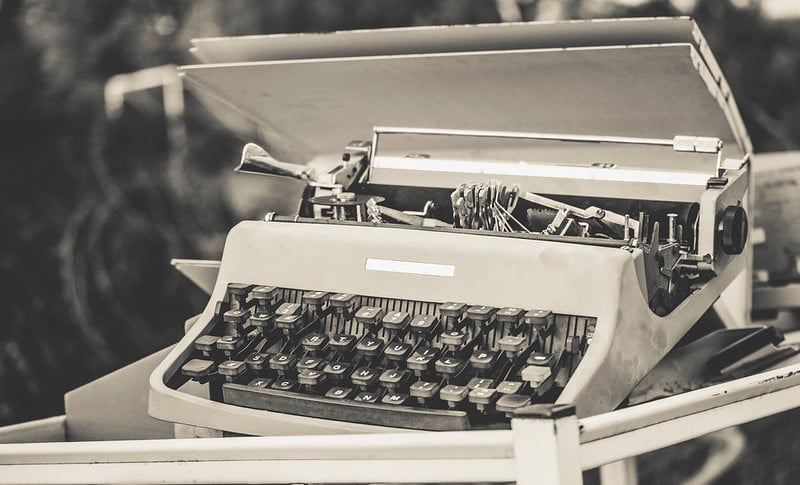
Christopher Latham Sholes invented the first practical typewriter in Milwaukee, Wisconsin, in 1868. Before this, people had to write everything by hand, which was slow and hard to read if someone had messy handwriting.
Sholes’ typewriter used keys arranged in the QWERTY layout, which is still the standard on keyboards today. He designed it that way to keep the metal keys from jamming when people typed too fast.
The typewriter changed offices, journalism, and communication for over a century.
Denim fabric

Wait, didn’t we already talk about jeans? Yes, but denim itself has an interesting backstory.
The fabric came to America through European trade routes, but American mills in the 1800s perfected the heavy, durable version we know today. Mills in the southern U.S. started producing denim on a massive scale, turning it into the tough material that miners and workers needed.
Without American manufacturing, denim might have stayed a niche fabric instead of becoming the global standard for casual clothing.
Breakfast cereal

John Harvey Kellogg and his brother Will Keith Kellogg invented corn flakes in 1894 at a health spa in Battle Creek, Michigan. They were trying to create healthy food for patients and accidentally left some cooked wheat out overnight.
The wheat went stale, but they rolled it out anyway and baked it. The result was crispy flakes, and people loved them.
The Kellogg brothers eventually switched to corn and started selling the cereal to the public. Breakfast cereal became a huge industry, and it all started with a kitchen mistake.
The shopping cart

Sylvan Goldman invented the shopping cart in 1936 in Oklahoma City. He owned a grocery store and noticed that customers stopped shopping once their handheld baskets got too heavy.
Goldman took a folding chair, attached wheels and two baskets, and created the first shopping cart. Customers were hesitant at first because they thought pushing a cart looked silly, so Goldman hired people to push carts around the store to make it seem normal.
Once people tried them, they caught on fast.
The dishwasher
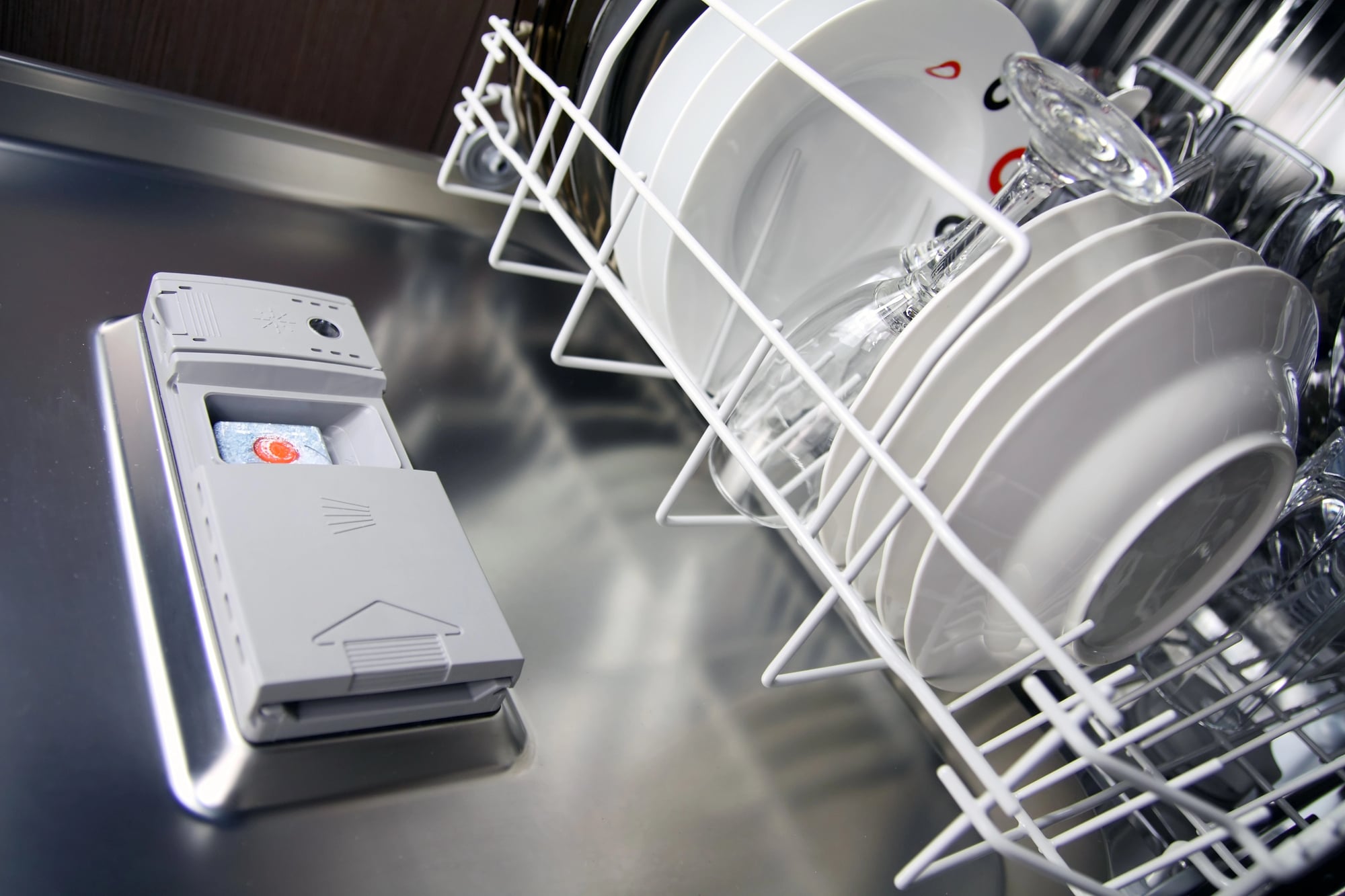
Josephine Cochrane invented the first practical dishwasher in 1886 in Illinois. She was tired of her servants chipping her fine china while washing dishes by hand.
Cochrane designed a machine that sprayed hot, soapy water on dishes held in wire racks. She patented it and started selling dishwashers to hotels and restaurants.
It took decades before home dishwashers became common, but Cochrane’s invention laid the groundwork for the machines millions of people use today.
The game of basketball

James Naismith invented basketball in 1891 in Springfield, Massachusetts. He was a physical education teacher looking for an indoor game that students could play during the cold winter months.
Naismith nailed two peach baskets to the walls of a gym, grabbed the basketball, and wrote down 13 basic rules. The game spread quickly to other schools and eventually around the world.
Basketball is now one of the most popular sports globally, but it started as a way to keep students active indoors.
Air conditioning

Willis Carrier invented modern air conditioning in 1902 in Buffalo, New York. He was working for a printing company that had problems with humidity messing up the paper and ink.
Carrier designed a system that controlled both temperature and humidity, and it worked perfectly. His invention didn’t just save the printing job; it changed how people lived and worked.
Air conditioning made it possible for cities in hot climates to grow and for people to be comfortable year-round indoors.
The parking meter
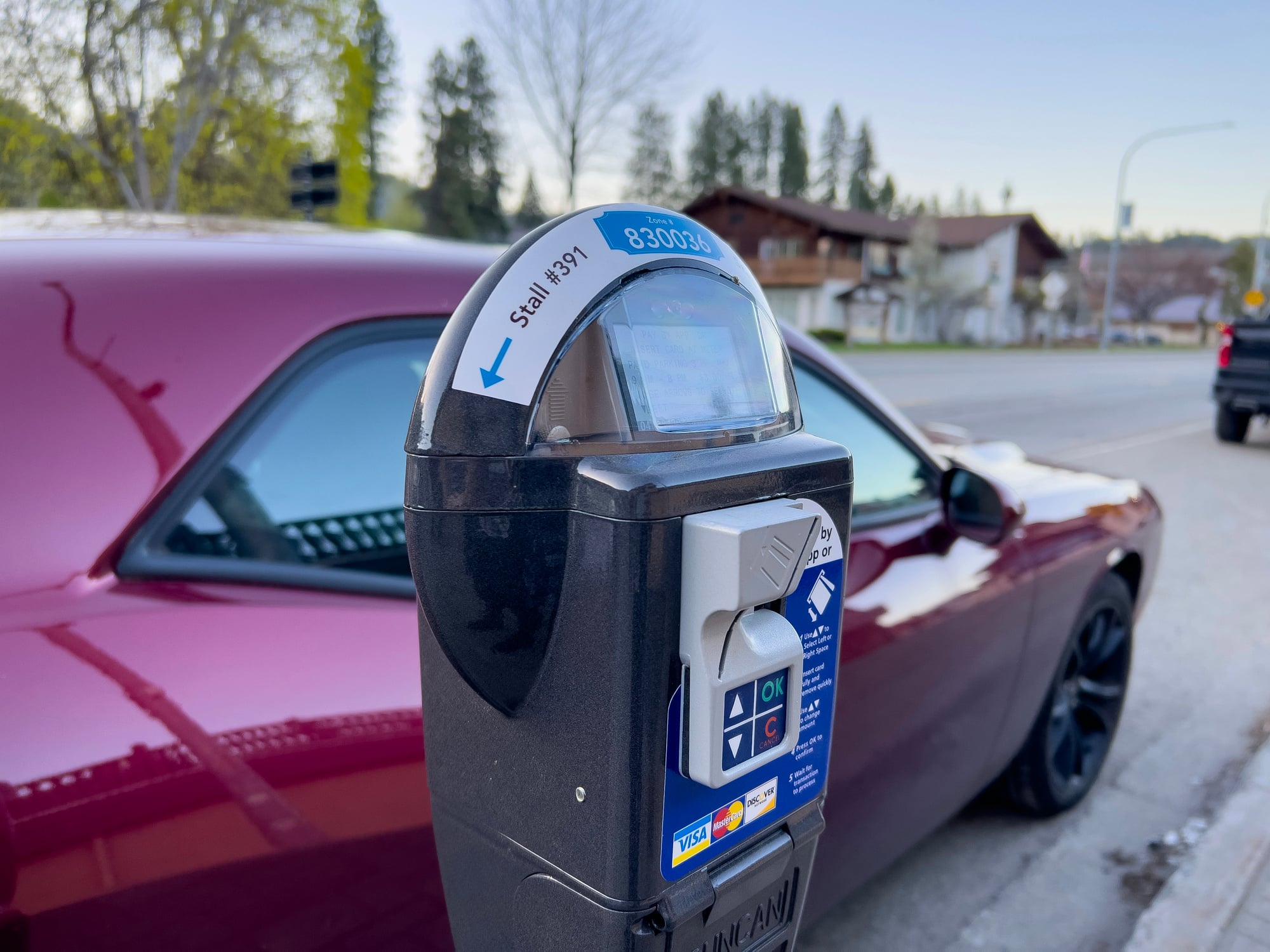
Carlton Magee invented the parking meter in 1935 in Oklahoma City. Downtown areas were getting crowded with cars, and people would park for hours without moving.
Magee’s meter forced drivers to pay for the time they used, which freed up spaces for other customers. Store owners and city officials loved the idea because it kept traffic moving and brought in revenue.
Parking meters spread to cities everywhere, and now they’re just part of urban life.
A different kind of legacy

These inventions show how everyday convenience often has a clear starting point, even if people forget where things came from. Americans built solutions for specific problems, and those solutions ended up shaping life far beyond the country’s borders.
The next time someone bites into a potato chip or zips up a jacket, there’s a good chance they’re using something that started in a workshop, kitchen, or garage somewhere in the United States. Innovation has always been about solving problems, and these inventors did exactly that.
More from Go2Tutors!

- The Romanov Crown Jewels and Their Tragic Fate
- 13 Historical Mysteries That Science Still Can’t Solve
- Famous Hoaxes That Fooled the World for Years
- 15 Child Stars with Tragic Adult Lives
- 16 Famous Jewelry Pieces in History
Like Go2Tutors’s content? Follow us on MSN.



