17 Famous Symbols With Dark Hidden Backstories
Symbols surround us everywhere—from the logos on our phones to the signs we pass on the street. Most of these familiar images seem harmless enough, maybe even comforting in their everyday presence.
But scratch beneath the surface, and you’ll discover that many of the world’s most recognizable symbols carry surprisingly dark histories that would make most people think twice about their true meanings. The stories behind these symbols reveal a fascinating pattern: how innocent or even positive imagery can be twisted, corrupted, or born from much darker origins than we’d ever imagine.
Here is a list of 17 symbols that hide troubling backstories behind their familiar faces.
The Swastika
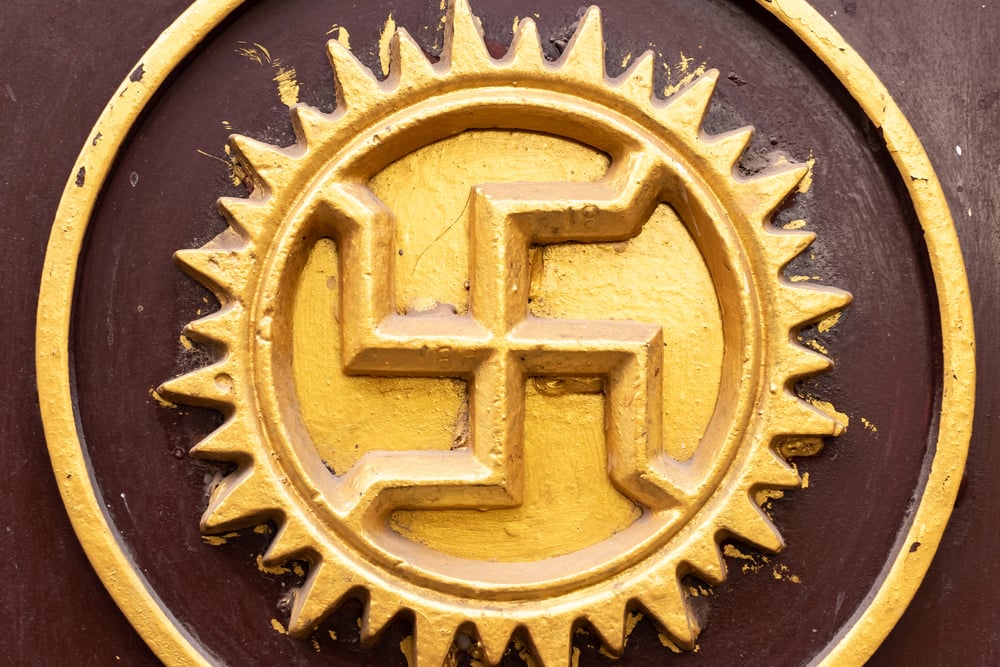
The swastika, carved on a 15,000-year-old ivory figurine and used as a symbol of well-being for at least 5,000 years, represents one of history’s most dramatic symbol corruptions. Originally a Sanskrit word meaning ‘that which brings good luck and well-being’, this ancient symbol appeared in Hindu, Buddhist, and Jain traditions across Asia for millennia.
Today it represents the slaughter of millions and one of the most destructive wars on Earth after being co-opted by the Nazi regime.
The Pentagram
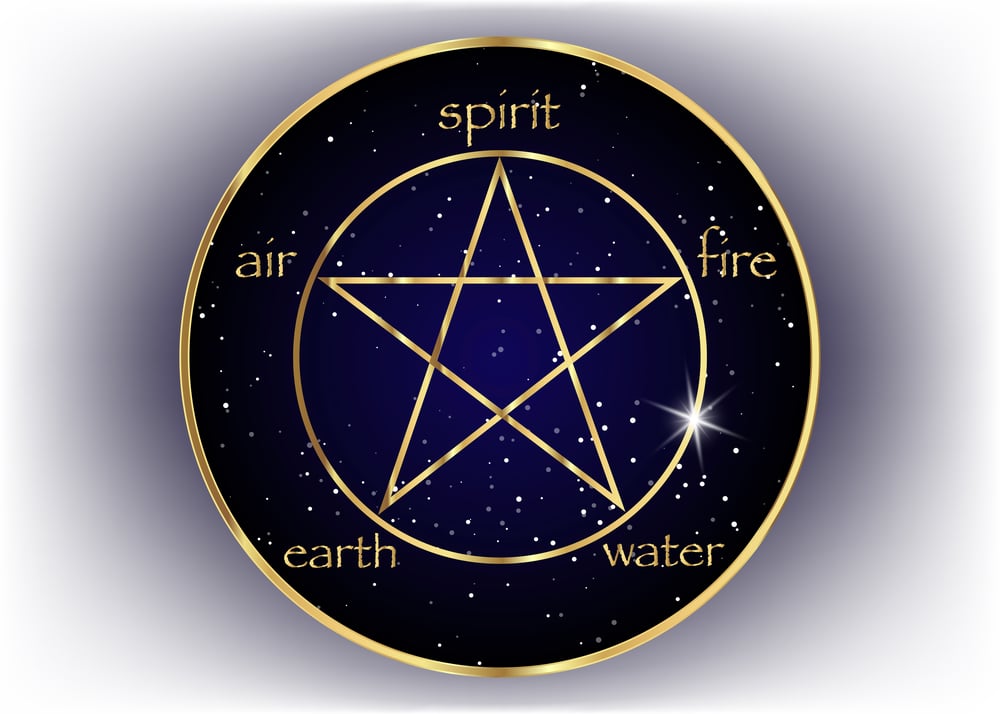
The five-pointed star appears throughout ancient history, from Mesopotamian pottery to Greek mathematics, typically representing harmony and the five elements. Early Christians later adopted the pentagram to represent the five wounds of Christ, incorporating it into church architecture and religious manuscripts throughout medieval Europe.
The symbol’s transformation into something ‘demonic’ came much later when various occult groups embraced it, completely overshadowing its earlier positive meanings across multiple cultures.
The Skull and Crossbones
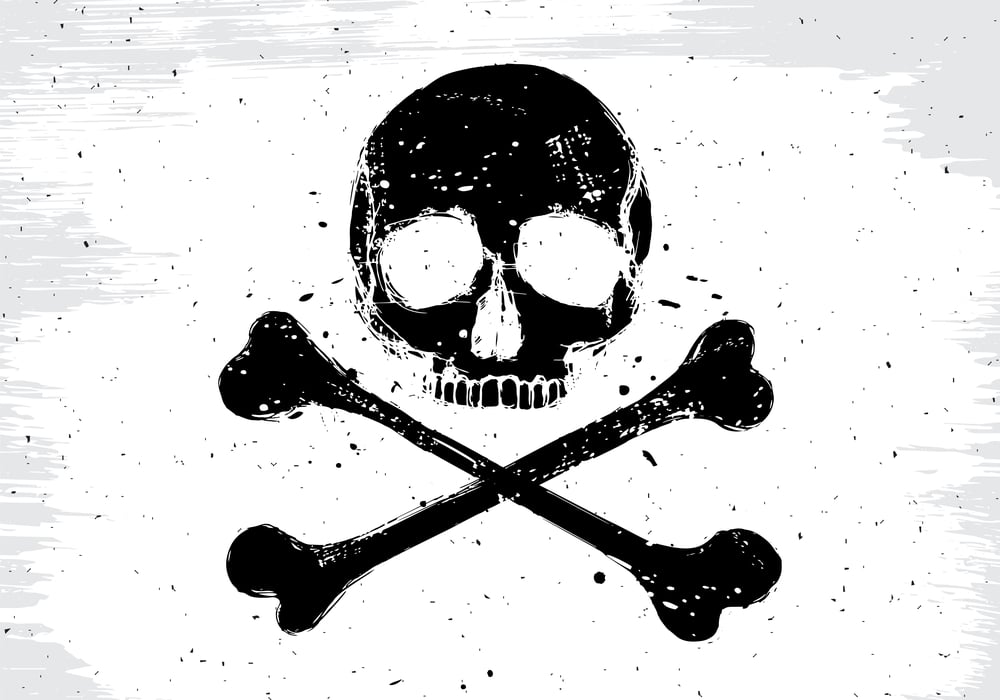
While pirates made this symbol famous as a mark of death and danger, its origins trace back to early Christian catacombs. Ancient Christians used skulls and bones to represent the temporary nature of earthly life and the promise of resurrection.
The symbol appeared on tombstones and religious art as a reminder that death was merely a passage to eternal life. Pirates later corrupted this spiritual meaning, transforming it into a threat of violence and death on the high seas.
The Upside-Down Cross
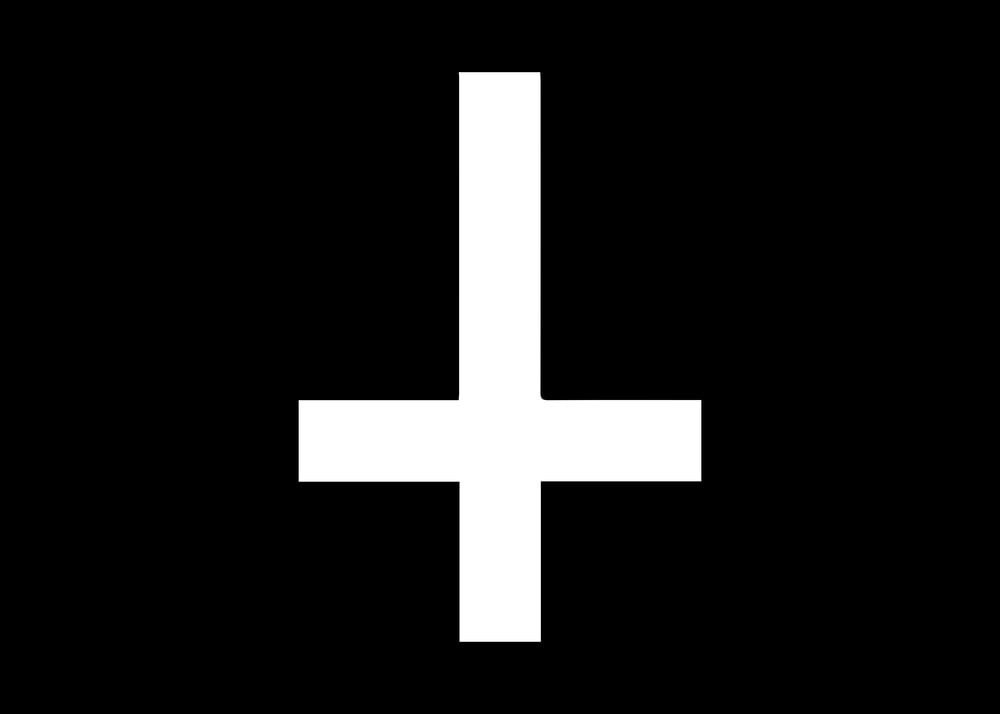
Most people assume an inverted cross represents anti-Christian sentiment or demonic worship. The reality tells a completely different story rooted in humility and devotion.
According to Christian tradition, Saint Peter requested to be crucified upside-down because he felt unworthy to die in the same manner as Jesus. The Vatican still uses the inverted cross as a symbol of the papacy, specifically representing Saint Peter’s humility and sacrifice.
The All-Seeing Eye
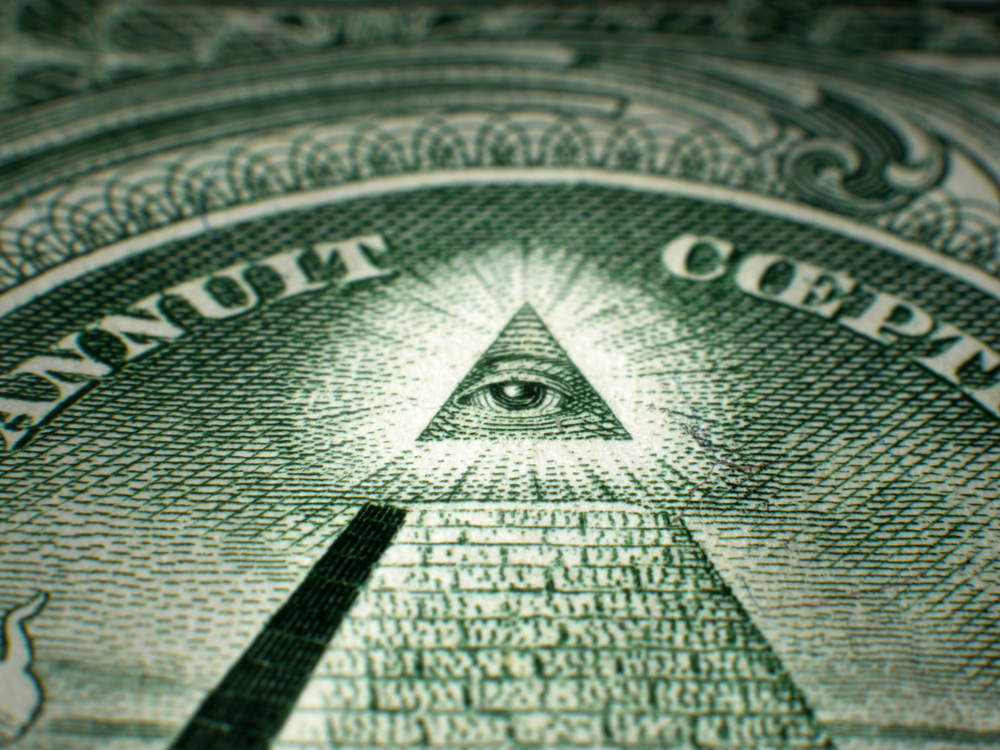
The eye inside a triangle appears on the back of every dollar bill, leading to countless conspiracy theories about secret societies controlling world governments. Originally, this symbol represented divine providence watching over humanity in Christian iconography.
Renaissance artists frequently included the eye of God in religious paintings to show divine guidance and protection. The symbol’s association with secret societies came much later, transforming a religious emblem into something sinister in popular culture.
The Fasces
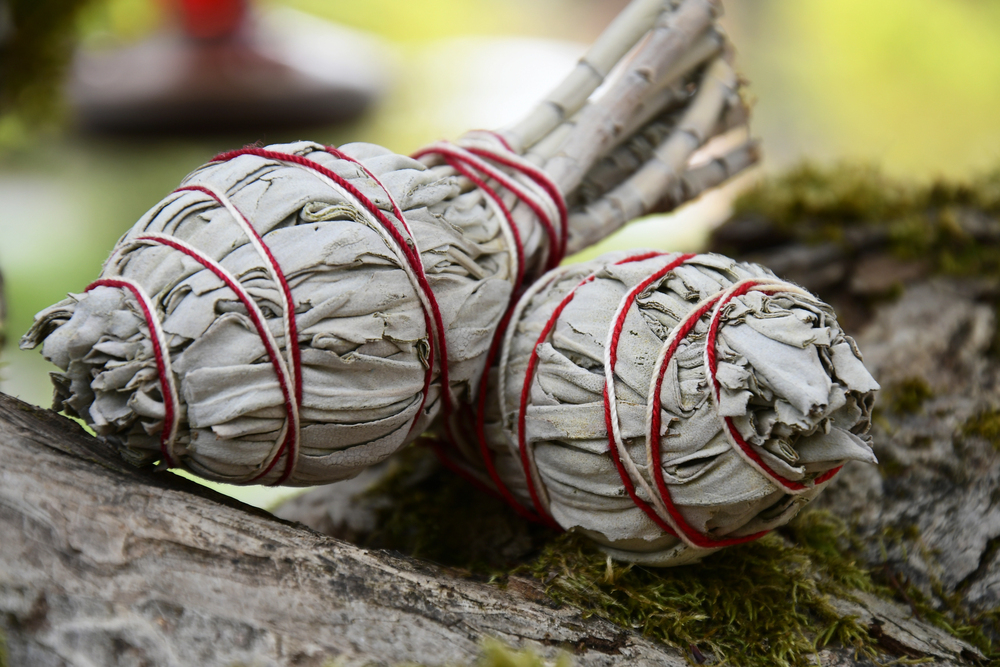
This bundle of rods bound around an axe gave fascism its name, but the symbol existed for over 2,000 years before Mussolini’s regime. Ancient Roman magistrates carried fasces as symbols of their authority and the power of unified strength.
The symbol even appears in the U.S. House of Representatives and on the Mercury dime, representing the strength that comes from unity. Unfortunately, its association with 20th-century fascist movements forever tainted this ancient symbol of democratic authority.
The Celtic Cross
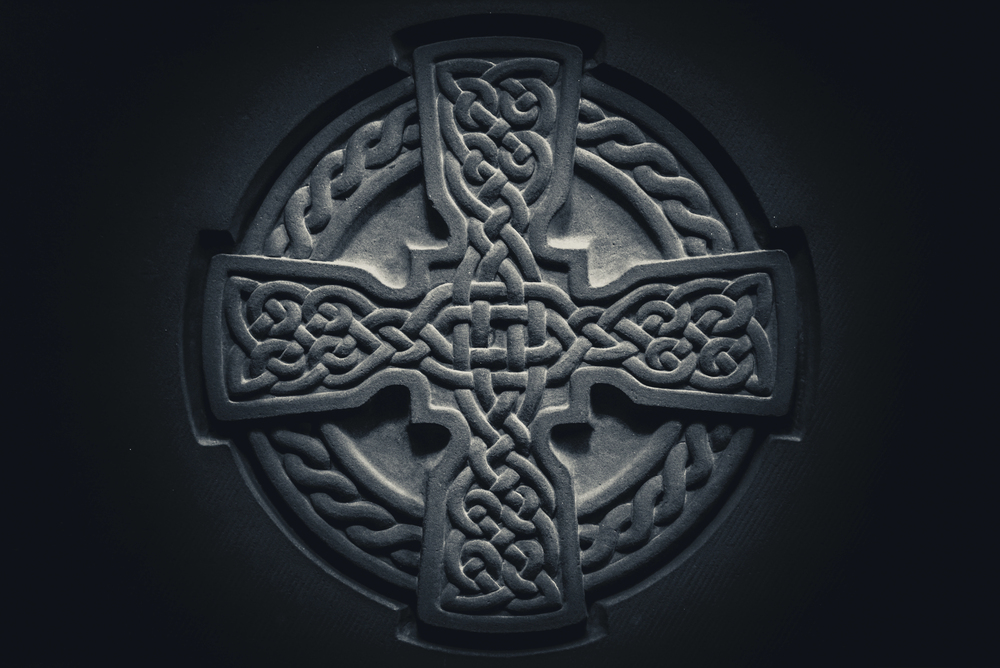
The distinctive cross with a circle around the intersection looks peaceful enough in Irish cemeteries and Celtic art. However, white supremacist groups have adopted this symbol as a coded way to display their beliefs while appearing to celebrate heritage.
The original Celtic cross represented the fusion of Christianity with pre-Christian Celtic spirituality, symbolizing eternal love and the bridge between earth and heaven. Now many people can’t look at this beautiful religious symbol without wondering about the viewer’s true intentions.
The Thor’s Hammer
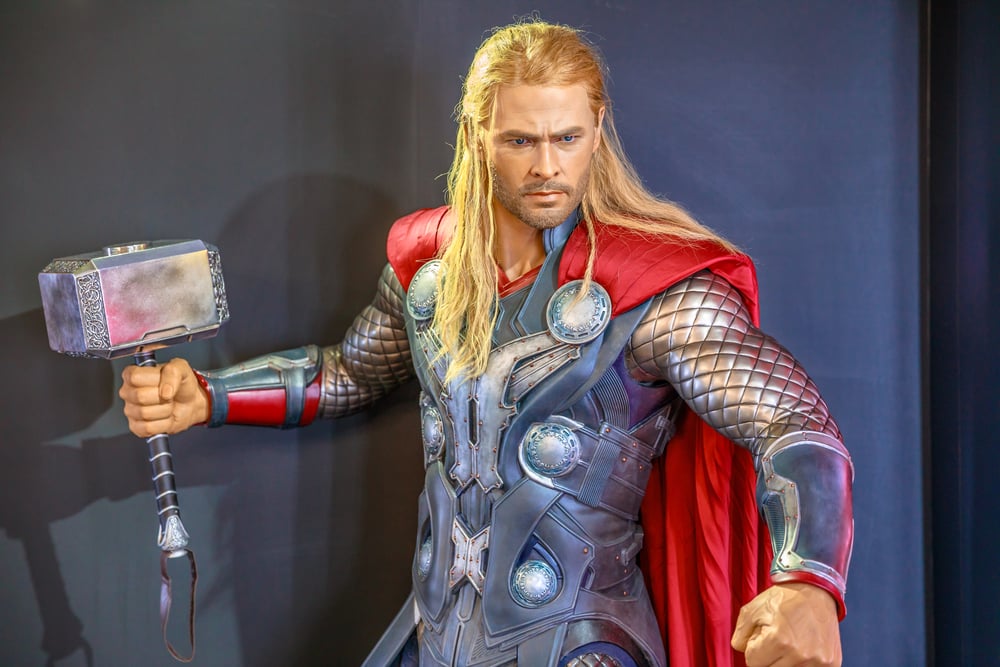
Marvel movies made Thor’s hammer seem like pure heroic fun, but modern hate groups have corrupted this ancient Norse symbol. Viking warriors wore Mjolnir pendants for protection and strength, and the symbol represented the god Thor’s power over thunder and lightning.
Today, various neo-pagan and white supremacist organizations use Thor’s hammer as a coded symbol, forcing legitimate Norse heritage enthusiasts to carefully consider when and where they display their cultural pride.
The Othala Rune
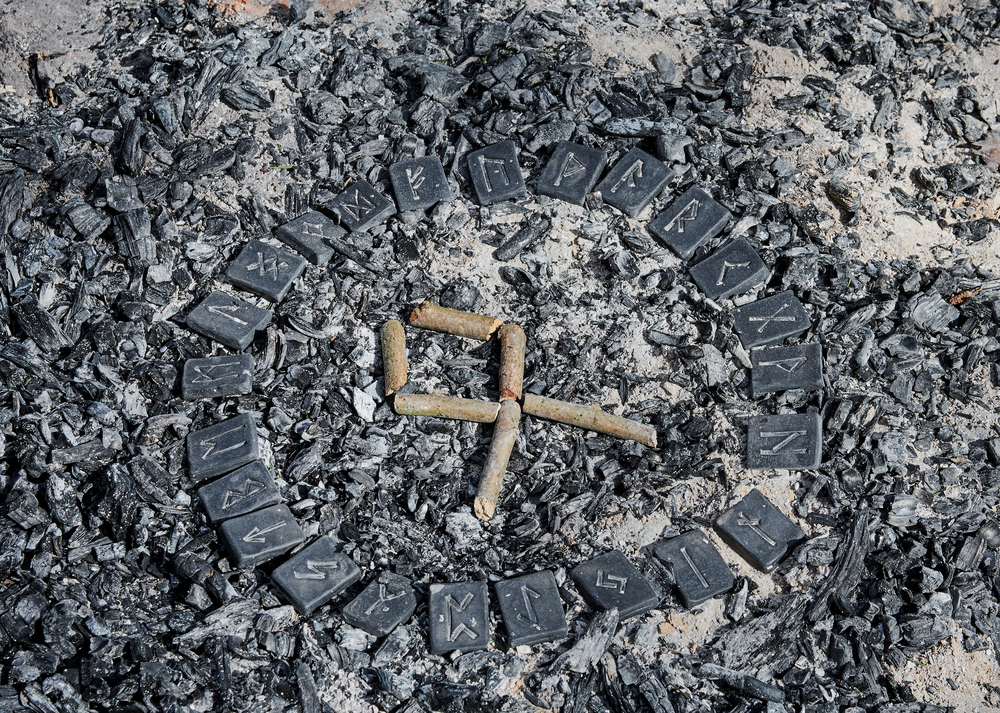
This angular symbol looks like a simple diamond with legs, but it carries a heavy historical burden from World War II. Ancient Germanic tribes used the Othala rune to represent heritage, inheritance, and ancestral property in their writing system.
The SS adopted this rune for their divisional insignia, and modern neo-Nazi groups continue using it as a symbol of racial purity and homeland. What once represented family legacy now signals dangerous ideologies to those who recognize its corrupted meaning.
The Black Sun
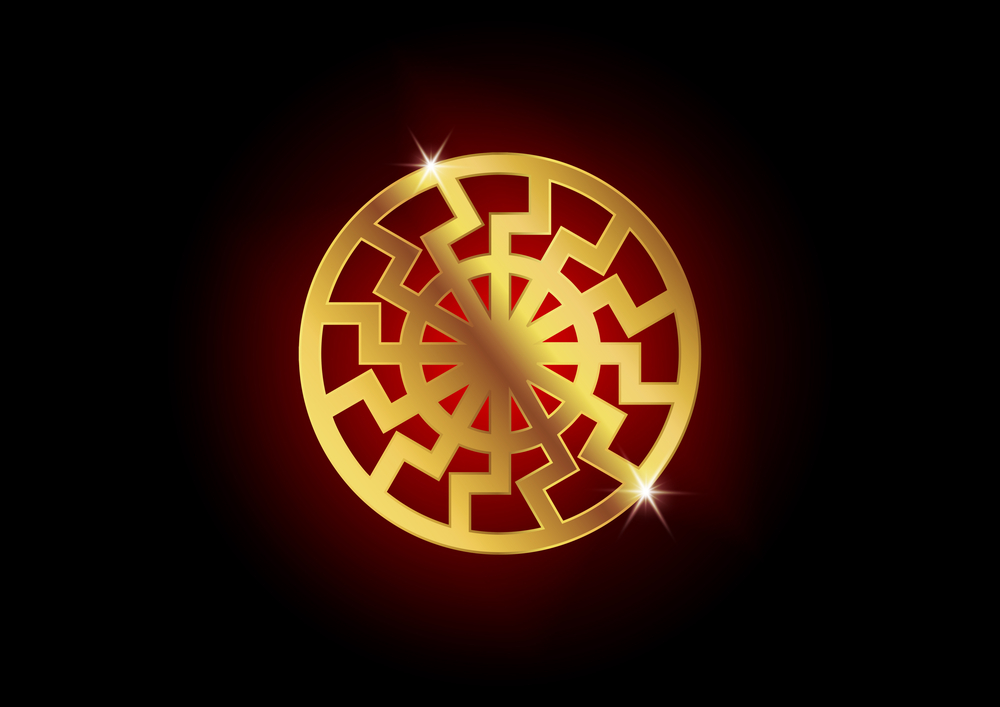
This sinister-looking wheel with twelve radiating spokes represents one of the most calculated symbol creations in modern history. The SS designed this specific symbol in the 1930s for their castle at Wewelsburg, combining elements from ancient sun wheels and Germanic mysticism to create something entirely new.
While ancient cultures did use various sun symbols, this particular design was crafted specifically to represent their twisted ideology of Aryan superiority. Modern extremist groups continue using the Black Sun as a coded symbol, making it one of the few symbols that was born dark rather than corrupted from something positive.
The Triskelion
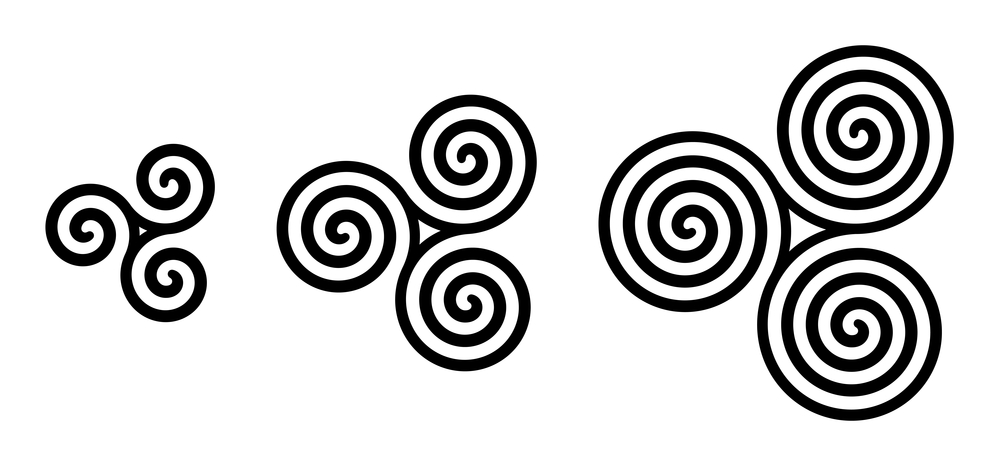
The three-legged spiral symbol appears throughout Celtic art and represents motion, progress, and the triple goddess in ancient traditions. This beautiful design adorned everything from Irish manuscripts to Celtic jewelry, symbolizing the eternal cycle of life, death, and rebirth.
Various extremist groups have adopted the triskelion in recent decades, particularly those promoting racial separatism or neo-pagan white nationalism. The symbol’s theft from Celtic culture demonstrates how hate groups systematically corrupt ancient heritage symbols for their modern agendas.
The Life Rune
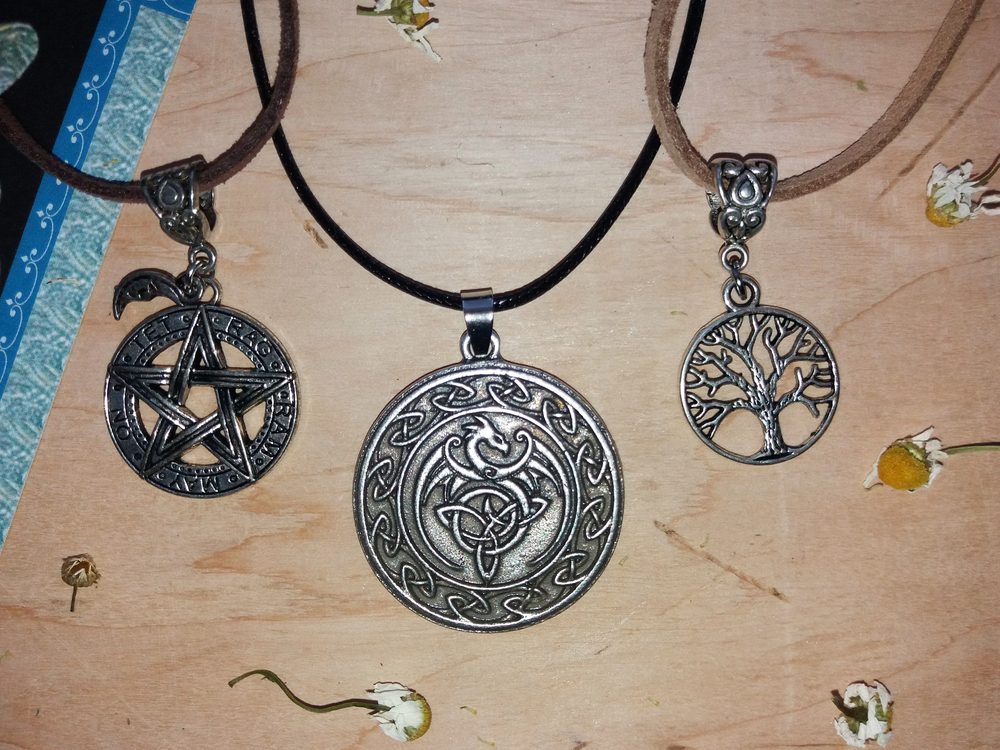
This simple upward-pointing arrow symbol represented life, growth, and fertility in ancient Germanic alphabets. Farmers and healers used this rune in protective charms and seasonal celebrations, believing it would encourage crops to grow and families to prosper.
The SS incorporated the Life Rune into their ideology as a symbol of racial vitality and population growth, using it alongside other corrupted ancient symbols. Today’s white supremacist movements continue using the Life Rune, transforming what once celebrated natural growth into something that promotes exclusion and hatred.
The Wolfsangel
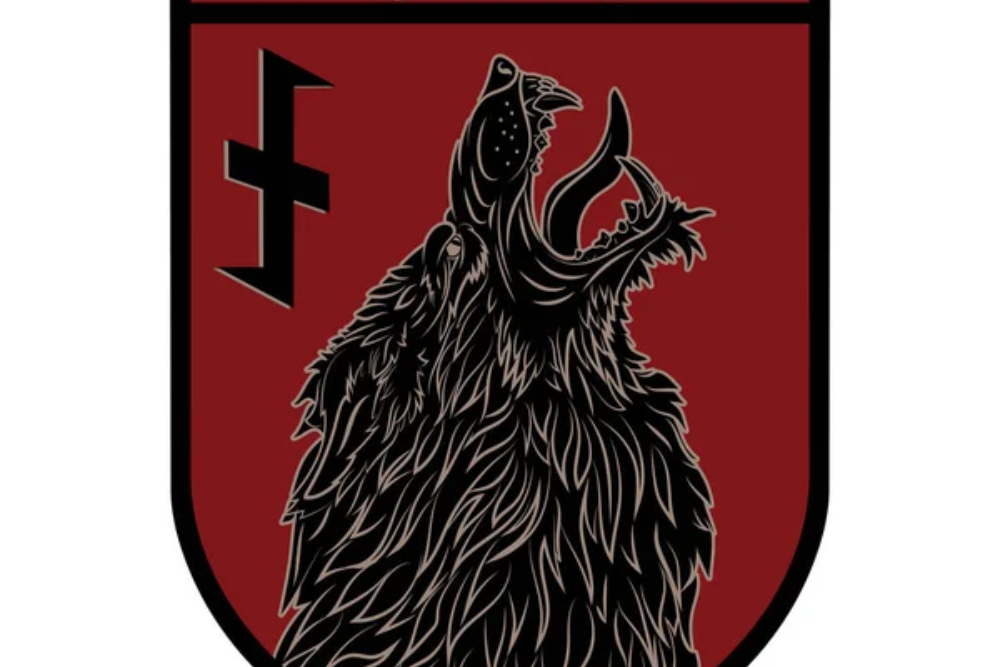
Medieval German hunters used this hooked cross symbol as a trap for wolves, and it later appeared on various family crests and regional coats of arms. The symbol represented protection of livestock and communities from dangerous predators, making it a positive emblem of safety and security.
During World War II, several SS divisions adopted the Wolfsangel for their insignia, and modern neo-Nazi groups continue using it today. This transformation shows how even the most mundane historical symbols can be weaponized for hateful purposes.
The Algiz Rune
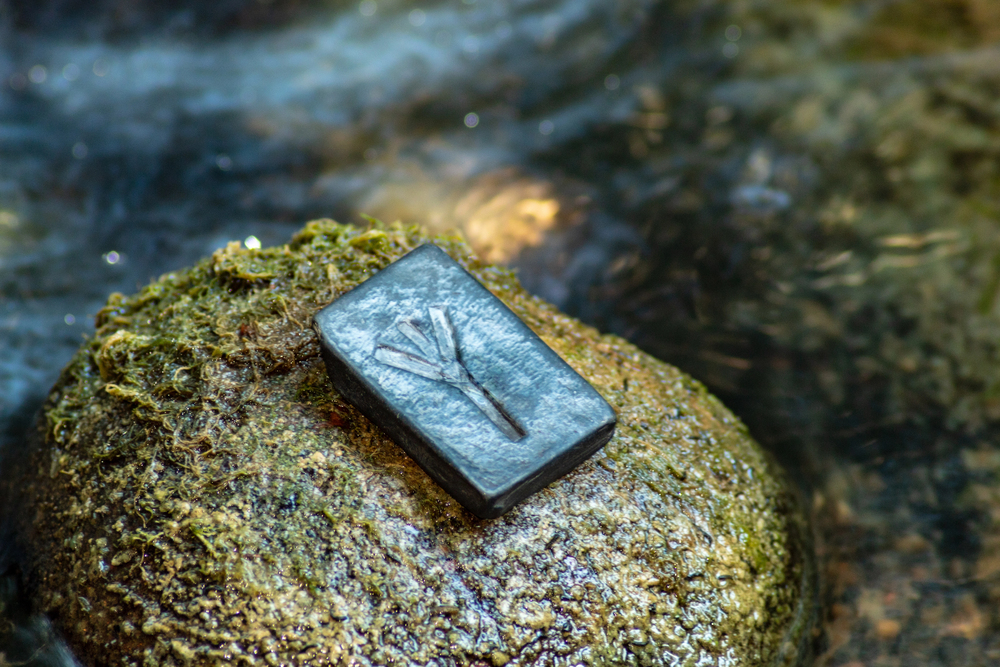
Ancient Germanic peoples used this Y-shaped rune to represent protection, higher consciousness, and connection with divine forces. Spiritual practitioners would carve Algiz into amulets and sacred objects, believing it offered protection from harm and enhanced intuition.
The symbol appeared in various contexts throughout medieval Europe as a protective charm for travelers and warriors. Unfortunately, modern hate groups have adopted Algiz as part of their runic alphabet, using it in coded messages and tattoos that hide their true meanings from casual observers.
The Irminsul

This pillar-like symbol appears in ancient Germanic and Saxon traditions as a representation of the world tree that connects earth to the heavens. Historical accounts describe the Irminsul as a sacred wooden column that Charlemagne destroyed when conquering Saxon territories in 772 CE.
The symbol represented cosmic order, spiritual connection, and the axis around which the world revolved in pre-Christian Germanic cosmology. Modern neo-pagan and white supremacist groups have appropriated the Irminsul as part of their attempts to reclaim ‘ancient Germanic heritage,’ transforming this spiritual symbol into a coded marker of racial ideology.
The Valknut
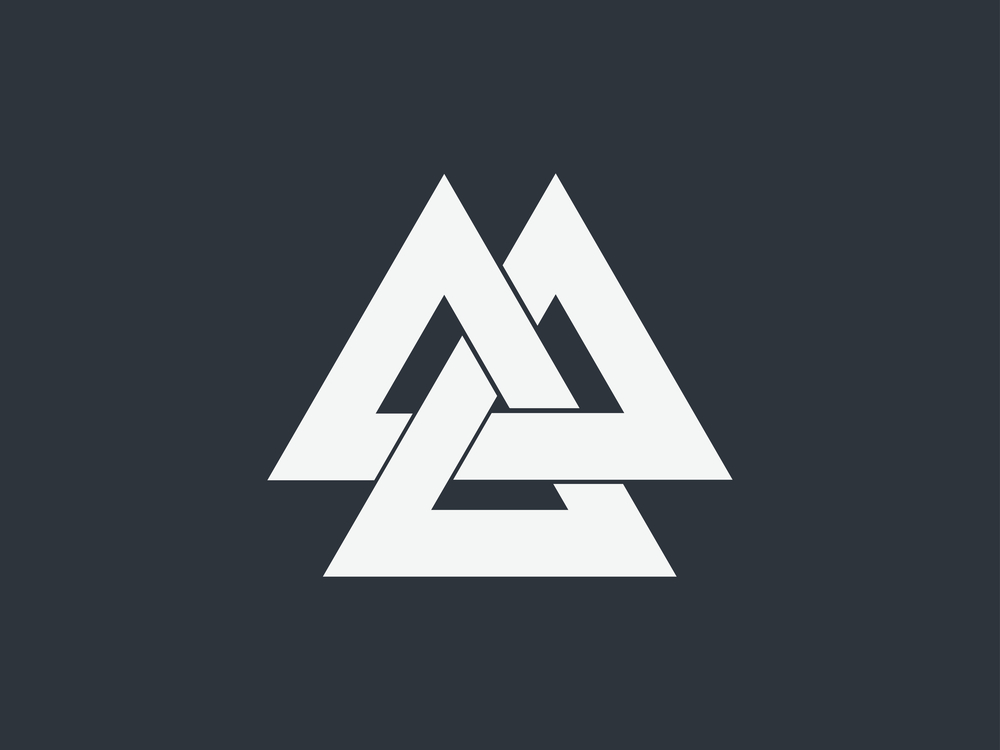
This interlocking triangle symbol appears on various Viking artifacts and is associated with Odin, the Norse god of war and wisdom. Archaeological evidence suggests the Valknut represented the transition between life and death, particularly the honor of dying in battle.
Medieval Scandinavian cultures used this symbol in funeral rites and memorial stones for fallen warriors. Modern hate groups have adopted the Valknut alongside other Norse symbols, forcing people with legitimate Scandinavian heritage to carefully consider how they display their cultural pride.
The Iron Cross
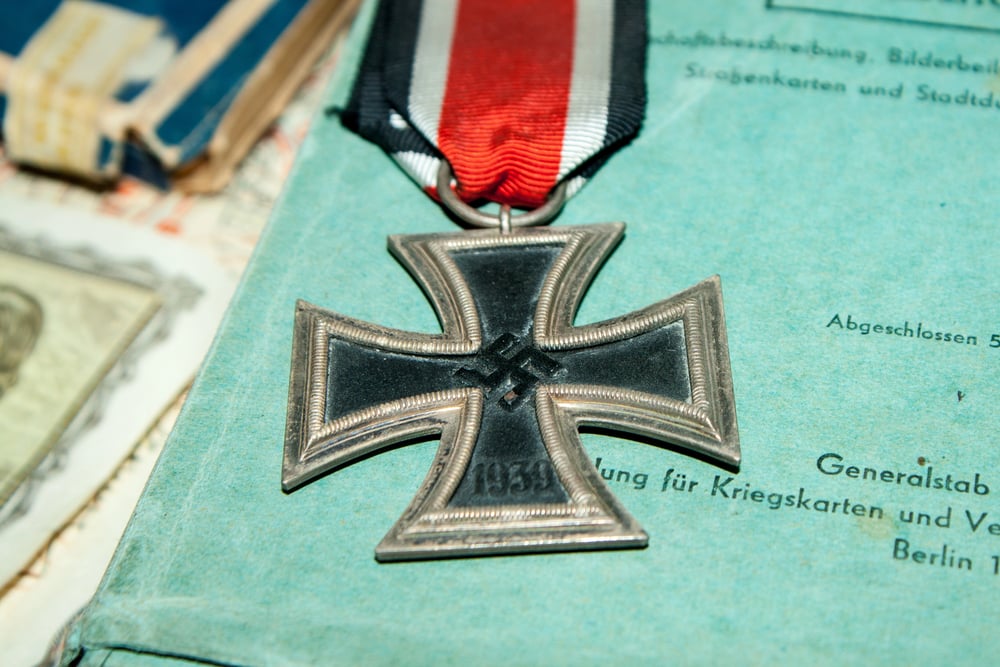
Prussia created this distinctive cross design as a military decoration for bravery and service during the Napoleonic Wars. The symbol represented honor, courage, and sacrifice for one’s country, and it appeared on German military decorations for over a century.
Many brave soldiers from various backgrounds earned the Iron Cross for their heroism in combat, making it a respected symbol of military valor. Although Germany still uses variations of the Iron Cross today, its association with both World Wars has permanently complicated its meaning for many people worldwide.
More from Go2Tutors!

- The Romanov Crown Jewels and Their Tragic Fate
- 13 Historical Mysteries That Science Still Can’t Solve
- Famous Hoaxes That Fooled the World for Years
- 15 Child Stars with Tragic Adult Lives
- 16 Famous Jewelry Pieces in History
Like Go2Tutors’s content? Follow us on MSN.



