Dishes Named After Real People
Food tells stories. Sometimes those stories are about ingredients or cooking methods, but the most interesting ones are about people.
A surprising number of dishes you eat today carry someone’s name—a chef who created something new, a celebrity who inspired a cook, or even a doctor with strong opinions about breakfast. These aren’t just random tributes.
Each name represents a moment when someone’s influence was strong enough that their identity became permanently attached to a recipe.
Caesar Salad Wasn’t Created in Rome

The Caesar salad came from Tijuana, Mexico, not ancient Rome or even Italy. Caesar Cardini, an Italian immigrant who owned a restaurant in Tijuana during the 1920s, threw together what ingredients he had left during a busy Fourth of July weekend in 1924.
He made it tableside, which added to the drama. The original version used whole romaine lettuce leaves that diners ate with their fingers.
That detail usually gets left out of modern versions, but it shows how hands-on dining was back then.
Eggs Benedict Has Multiple Origin Stories

Several people claimed to have invented eggs Benedict, and nobody knows for certain which story is true. One version credits Delmonico’s restaurant in New York City, where a regular customer named Mrs. LeGrand Benedict asked for something new for lunch.
Another story points to a Wall Street broker named Lemuel Benedict who ordered toast, bacon, poached eggs, and hollandaise at the Waldorf Hotel to cure a hangover in 1894. The chef liked the combination enough to put it on the menu.
Both stories come from New York during the same era, which makes sense given how the city dominated American dining culture at the time.
The Duke Gets a Beef Dish

Beef Wellington supposedly honors Arthur Wellesley, the first Duke of Wellington, who defeated Napoleon at Waterloo in 1815. The dish wraps beef tenderloin in pâté and pastry, then bakes it until the outside is golden.
Some food historians doubt the connection to the Duke and think the name came later as marketing. Either way, the dish became associated with British high society and fancy dinner parties.
It requires enough skill and effort that making one still feels like an accomplishment.
An Opera Singer’s Dessert

Peach Melba came from chef Auguste Escoffier, who created it in the 1890s for Australian opera singer Dame Nellie Melba. She performed at Covent Garden in London, and Escoffier wanted to make something special for her.
He served vanilla ice cream with peaches and raspberry sauce, originally presented between the wings of an ice swan. The swan didn’t last, but the combination did.
Escoffier simplified fancy French cuisine and made it more accessible, and this dessert shows his lighter touch.
A Queen’s Pizza
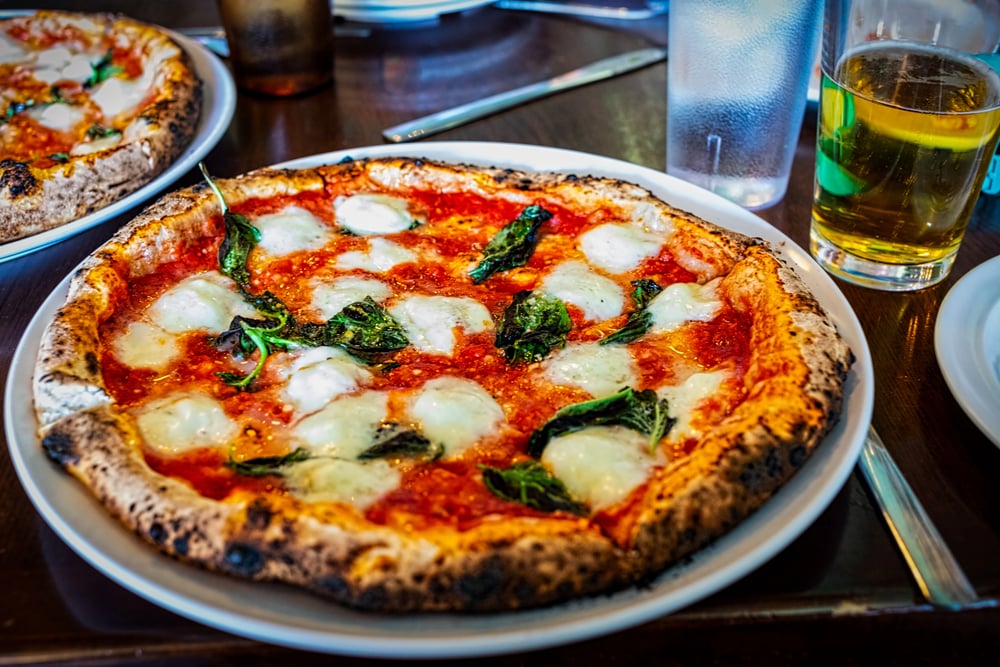
Margherita pizza carries the name of Queen Margherita of Savoy. In 1889, she visited Naples, and pizzaiolo Raffaele Esposito created a pizza with tomatoes, mozzarella, and basil—red, white, and green to match the Italian flag.
The queen apparently loved it. Whether she actually inspired the topping combination or whether Esposito just named an existing style after her remains unclear.
But the story stuck, and Margherita pizza became the standard against which all others get measured.
Alfredo’s Rich Pasta

Fettuccine Alfredo came from Alfredo di Lelio, who ran a restaurant in Rome. In 1914, he made a simple pasta dish for his wife after childbirth—just butter, parmesan cheese, and fresh fettuccine.
The richness helped her regain strength. He later added it to his restaurant menu, where it became popular with American tourists.
Douglas Fairbanks and Mary Pickford, silent film stars, ate there during their honeymoon in 1927 and brought the recipe back to the United States. Americans embraced it, often adding cream to make it even richer.
In Italy, the dish remains simpler.
Chicken Named for a Soprano

Chicken Tetrazzini honors Luisa Tetrazzini, an Italian soprano who performed during the early 1900s. The dish combines chicken, mushrooms, and pasta in a creamy sauce, topped with cheese and breadcrumbs, then baked.
It appeared in American cookbooks around 1910-1912, right when Tetrazzini was performing in San Francisco and New York. Several chefs claimed to have created it for her.
The dish became a way to use leftover chicken and turkey, which helped it spread beyond fancy restaurants into home kitchens.
A Ballerina’s Meringue Creation

Pavlova, the meringue dessert with a crispy shell and soft center, takes its name from Anna Pavlova, the Russian ballerina. Both Australia and New Zealand claim to have invented it in the 1920s when Pavlova toured there.
The dessert’s light, airy quality supposedly reflects her dancing. Research hasn’t settled which country created it first, and both nations still argue about it.
The recipe itself—meringue topped with whipped cream and fruit—has stayed consistent, even if its birthplace hasn’t been confirmed.
Carpaccio Connects Food and Art

Carpaccio, the dish of thinly sliced raw beef with sauce, gets its name from Vittore Carpaccio, a Venetian Renaissance painter known for his red and white tones. Giuseppe Cipriani created the dish in 1950 at Harry’s Bar in Venice for a customer whose doctor recommended she eat raw meat.
He sliced the beef paper-thin and added a mustard sauce, then named it after the painter because the colors reminded him of Carpaccio’s paintings. The connection between food and art made the name memorable enough that it spread to other raw, thinly sliced preparations.
A Doctor’s Health Food

Salisbury steak bears the name of Dr. James Salisbury, an American physician who lived during the Civil War era. He believed that a diet heavy in minced beef could prevent and cure various illnesses.
He recommended eating ground beef three times a day. The dish became popular during World War I when “hamburger” sounded too German for American tastes, and “Salisbury steak” offered a patriotic alternative.
Today, it usually means a ground beef patty served with gravy, often appearing on diner menus and in frozen dinners.
Russian Aristocrat’s Beef

Beef Stroganoff comes from the Stroganov family, wealthy Russian merchants and nobles. The dish appears in Russian cookbooks from the mid-1800s.
It combines beef, mushrooms, and sour cream, served over noodles or rice. Different versions exist—some use strips of beef, others use ground meat.
The dish spread through Europe and America during the 20th century, adapting to local tastes and available ingredients. The name stayed the same even as the recipe changed, keeping that connection to Russian aristocracy.
Rockefeller’s Green Oysters

Out of nowhere, a new dish appeared at Antoine’s in New Orleans – oysters Rockefeller, born in 1899. Jules Alciateur whipped it up, linking its richness to John D. Rockefeller himself.
That lush green topping? It tasted like money, people said. Nobody knows the true mix, yet today’s takes usually layer buttery crumbs and herbs over each oyster.
Some now toss spinach into the bake, even if that wasn’t part of the first go-around. Flashy name aside, it stuck around simply because folks liked what they tasted.
Wealthy vibes didn’t hurt when making it iconic.
Graham’s Bland Crackers
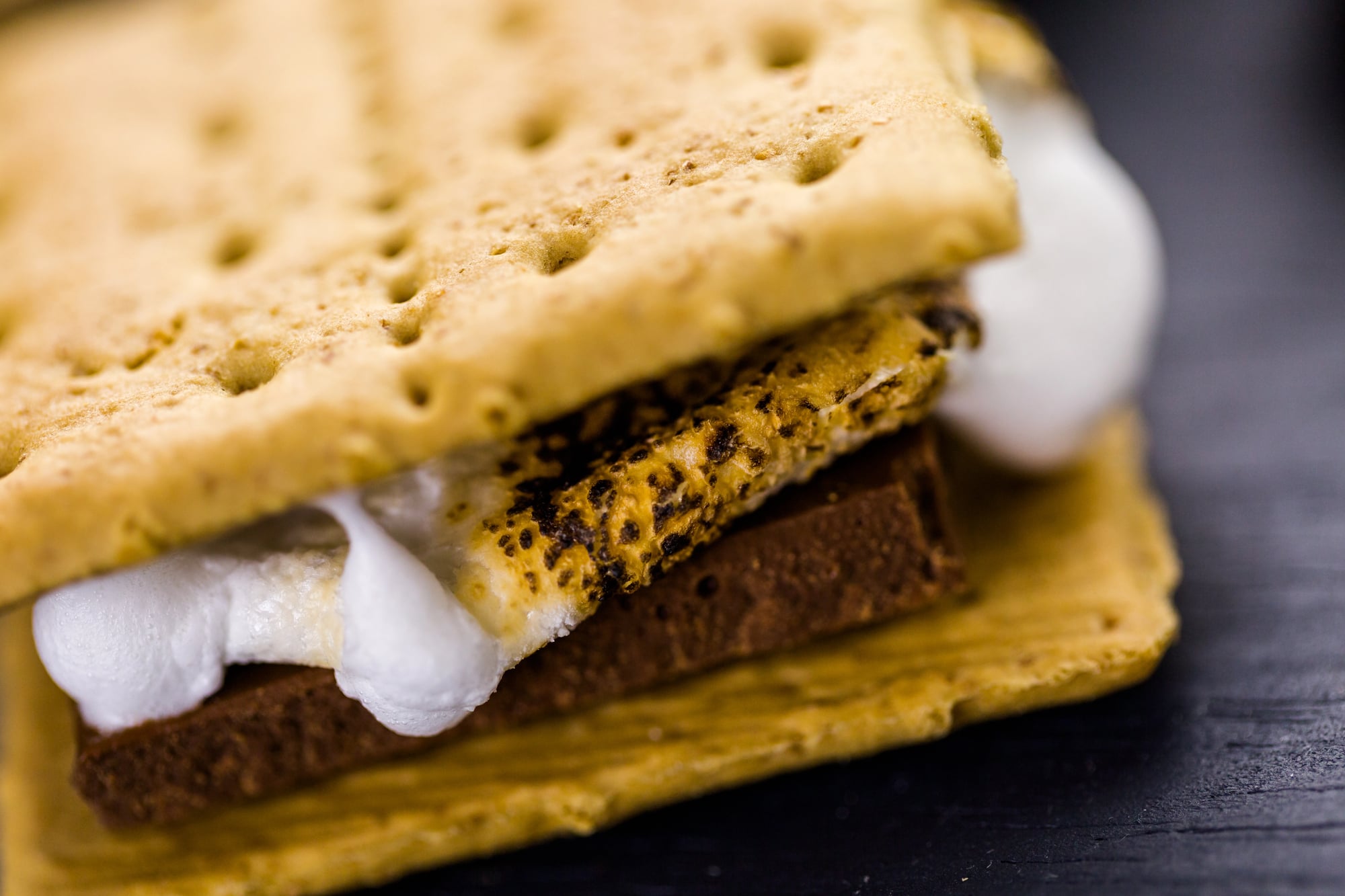
Baked goods known as graham crackers honor a man named Sylvester Graham – back in the 1830s he preached about eating differently. A preacher in the Presbyterian church, he pushed plant-based meals along with coarse whole wheat flour.
His idea? Duller tastes could quiet strong cravings while shaping better behavior. The original version of these crackers came from that belief: plain, never sweetened, built on unrefined grain.
Today’s versions taste much richer though; they show up in treats such as s’mores or baked pastry shells. That shift might shock him considering what he had hoped to achieve.
Names That Last Beyond Remembering

Today most folks chowing down on these meals have zero clue about where the names came from. Take Caesar salad – could refer to any old Caesar.
Then there’s beef Wellington, which simply rolls off the tongue like it belongs in a castle. Yet those labels stick around, not because they’re accurate, but because they bring flavor beyond taste – maybe mystery, maybe flair, sometimes just a solid tale that makes supper more interesting.
Someone first made these meals during a particular time, shaped by their hands and choices, yet passed down because others found them worth repeating. What they’re called points to roots – every bite once began with a person, a place, though memory sometimes blurs the details.
More from Go2Tutors!

- The Romanov Crown Jewels and Their Tragic Fate
- 13 Historical Mysteries That Science Still Can’t Solve
- Famous Hoaxes That Fooled the World for Years
- 15 Child Stars with Tragic Adult Lives
- 16 Famous Jewelry Pieces in History
Like Go2Tutors’s content? Follow us on MSN.