The Most Expensive Coffees Sold
Coffee is more than just a morning drink. For some people, it’s an experience worth paying serious money for.
While most of us grab a regular cup from the local shop, there’s a whole world of rare and incredibly expensive coffees that sell for jaw-dropping prices.
These aren’t your everyday brews—they come from specific regions, involve unusual production methods, or simply exist in such small quantities that collectors and enthusiasts will pay almost anything to try them. Let’s look at some of the priciest coffees people actually buy and what makes them cost so much.
Kopi Luwak from Indonesia

This coffee gets its uniqueness from an unexpected source: the Asian palm civet. These small, cat-like animals eat coffee cherries, and their digestive system breaks down the fruit while leaving the beans mostly intact.
Farmers collect these beans from the civet droppings, clean them thoroughly, and roast them into what many consider a smooth, less bitter coffee. A single pound can cost anywhere from $100 to $600, depending on quality and authenticity.
The high price comes partly from the labor-intensive collection process and partly from the coffee’s reputation, though animal welfare concerns have made some coffee lovers think twice before buying it.
Black Ivory Coffee from Thailand
Elephants create this coffee in a process similar to Kopi Luwak, but the animals are much bigger and the beans spend more time in their digestive systems. The Black Ivory Coffee Company works with rescued elephants in Thailand, feeding them high-quality Arabica cherries mixed with their regular diet of fruits and vegetables.
The fermentation that happens during digestion supposedly removes bitterness and adds earthy, smooth flavors. Only about 150 kilograms get produced each year, and a pound sells for around $500 to $1,500.
The company donates a portion of profits to elephant conservation, which helps justify the steep price for some buyers.
Hacienda La Esmeralda Geisha from Panama

This coffee variety became famous after winning multiple international competitions for its exceptional flavor profile. The Geisha plants originally came from Ethiopia but found their perfect home in the high altitudes of Panama’s Boquete region.
Hacienda La Esmeralda produces several grades of this coffee, with the highest quality lots selling at auction for record-breaking prices—sometimes over $1,000 per pound. Coffee experts describe tasting notes of jasmine, tropical fruits, and bergamot.
The combination of ideal growing conditions, meticulous processing, and limited production makes this one of the most sought-after coffees in the world.
Finca El Injerto from Guatemala

This Guatemalan estate has won numerous awards for its exceptional coffee, and their rare batches occasionally sell for astronomical prices at specialty auctions. In 2011, a particular lot sold for over $500 per pound, shocking even experienced coffee traders.
The farm sits at high elevation in Huehuetenango, where cool nights and volcanic soil create perfect growing conditions. What makes Finca El Injerto special is the family’s dedication to quality over quantity—they select only the ripest cherries and process them with extreme care.
The coffee delivers complex flavors with notes of fruit, chocolate, and flowers that change as it cools in your cup.
Saint Helena Coffee from the Atlantic Ocean
This coffee grows on one of the most remote inhabited islands on Earth, sitting in the South Atlantic Ocean between South America and Africa. Napoleon Bonaparte supposedly drank this coffee during his exile on Saint Helena, giving it historical cachet that adds to its appeal.
The island’s volcanic soil, consistent temperatures, and isolation create a unique environment that can’t be replicated anywhere else. Getting the coffee to market requires shipping it thousands of miles, which adds to the cost.
A pound typically sells for $80 to $150, and the flavor profile includes caramel, citrus, and a distinctive brightness that fans say makes it worth the premium.
Jamaican Blue Mountain Coffee

The Blue Mountains of Jamaica produce coffee that’s been famous for decades, especially in Japan where it commands a devoted following. These mountains rise over 7,000 feet, and the combination of altitude, rainfall, and cool temperatures creates beans with a remarkably smooth, mild flavor and almost no bitterness.
Real Jamaican Blue Mountain coffee must come from a specific certified region, and the government strictly regulates production and export. Prices range from $50 to $150 per pound depending on the grade.
The Japanese market buys about 80% of the harvest, which keeps supply tight and prices high for everyone else who wants to try it.
Molokai Coffee from Hawaii

Hawaii grows some of America’s only commercially viable coffee, and the small island of Molokai produces an especially rare version. The volcanic soil and tropical climate give Hawaiian coffees their characteristic smoothness and low acidity.
Molokai’s production is tiny compared to the larger Kona region, making it harder to find and more expensive. A pound can cost $60 to $100, and the flavor tends toward nutty, smooth, and slightly sweet notes.
Supporting this coffee also means supporting small farms trying to survive in Hawaii’s challenging agricultural economy, which matters to buyers who care about where their money goes.
Kona Coffee from Hawaii

Kona coffee grows on the slopes of Hualalai and Mauna Loa on Hawaii’s Big Island, where afternoon clouds provide natural shade and volcanic soil delivers nutrients. Only coffee grown in this specific district can legally be called Kona, and strict grading standards ensure consistency.
The best grades—Extra Fancy and Peaberry—can sell for $50 to $80 per pound. Unfortunately, the Kona name gets abused by companies that sell ‘Kona blends’ containing as little as 10% real Kona beans mixed with cheaper coffee.
Smart buyers look for ‘100% Kona Coffee’ on the label and buy directly from farms when possible to ensure they’re getting the real thing.
Fazenda Santa Ines from Brazil

Brazil produces more coffee than any other country, but Fazenda Santa Ines stands apart for its award-winning quality and experimental processing methods. This estate has won the Cup of Excellence competition multiple times, with winning lots selling at auction for over $100 per pound.
The farm experiments with different fermentation techniques and cherry processing methods that bring out unusual flavors like tropical fruit, wine, and spices. Brazilian coffee often gets dismissed as plain or boring, but Fazenda Santa Ines proves that the right farm with the right practices can produce something truly special.
The owners focus on sustainability and fair wages, which appeals to conscious consumers willing to pay premium prices.
Los Planes Coffee from El Salvador
El Salvador might be small, but it produces some remarkably complex coffees that win international competitions. Los Planes comes from the Chalatenango region, where high altitude and volcanic soil create ideal conditions.
This coffee regularly scores above 90 points in professional cupping competitions, putting it in the ‘outstanding’ category that specialty roasters fight over. Prices at auction have reached $150 to $200 per pound for the best lots.
The flavor profile includes honey, orange, and chocolate notes with a syrupy body that coffee geeks love. Supporting Salvadoran coffee also helps farmers in a country where agriculture faces serious economic challenges.
Ospina Dynasty Gran Café Premier Grand Cru

This Colombian coffee comes from a family that claims to have been growing coffee since 1835, and they treat their product like fine wine. The Ospina family grows their beans at extremely high altitudes—up to 7,500 feet—in the Colombian Andes.
They age some of their coffee for years before releasing it, similar to how wine improves with time under the right conditions. A pound can cost $150 or more, and the company packages their coffee in elegant presentations that look more like luxury goods than grocery items.
Whether the aging actually improves the flavor remains debated among coffee professionals, but collectors and enthusiasts keep buying it.
Mi Esperanza Coffee from Honduras

Honduras has worked hard to improve its coffee reputation, and farms like Mi Esperanza show what’s possible when farmers focus on quality. This coffee regularly places in Cup of Excellence auctions, with winning lots selling for $50 to $100 per pound.
The farm sits in the Marcala region, known for its balanced, sweet coffees with good acidity. What makes Mi Esperanza special is the farmer’s attention to processing—carefully controlling fermentation times and drying conditions to bring out the best flavors.
Coffee from Honduras often gets overlooked in favor of more famous origins, but farms like this prove the country deserves more attention from serious coffee drinkers.
Ninety Plus Geisha Estates from Panama
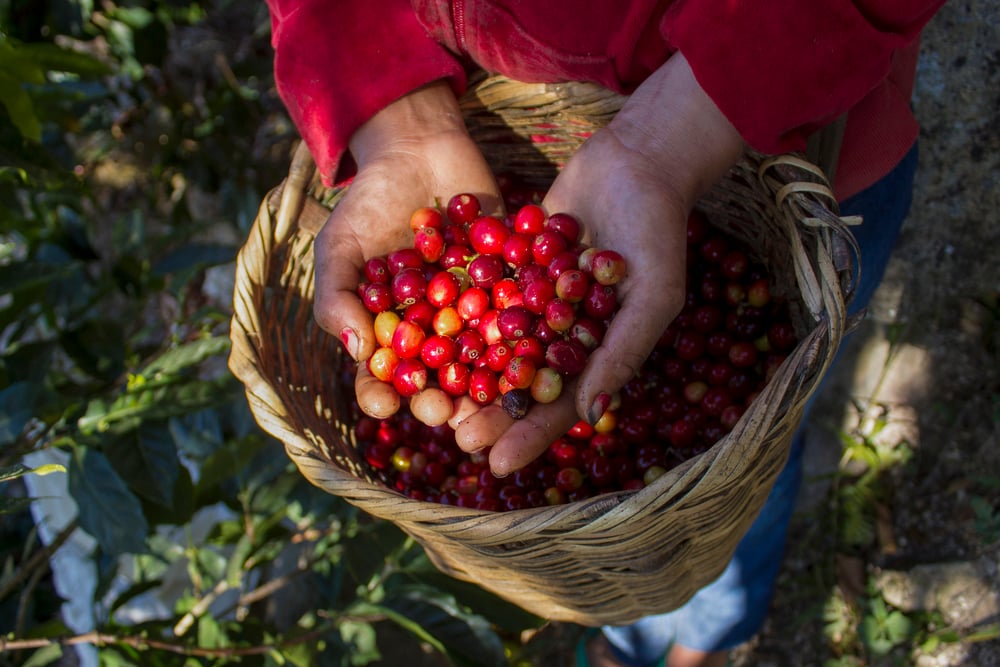
This company takes Panamanian Geisha coffee and pushes it even further through experimental processing techniques. Ninety Plus works with farms in Volcan, Panama, and uses proprietary methods they claim enhance the natural flavors of already exceptional beans.
Their coffees sell for $100 to $300 per pound, depending on the specific processing method and auction results. The company uses wine-like names for their products—like ‘Juliet’ or ‘Perci’—which some people find pretentious while others appreciate the branding.
Critics argue that heavy processing masks the coffee’s natural character, but fans say these techniques reveal flavors that traditional methods miss.
Molokai Peaberry from Hawaii
Peaberry beans are a natural mutation where only one bean develops inside the coffee cherry instead of the usual two. This creates a rounder, denser bean that some people believe roasts more evenly and tastes better.
Molokai produces small amounts of peaberry coffee that sells for premium prices—often $80 to $120 per pound. The flavor tends to be more concentrated than regular beans, with a smooth body and bright acidity.
Peaberries make up only about 5% of any harvest, which automatically makes them rare. Whether they actually taste better than normal beans is hotly debated, but the scarcity and reputation keep prices high.
Aida Batian Natural from Panama

This coffee comes from another famous Panamanian farm that’s known for experimental processing and exceptional quality. Aida Batian uses the ‘natural’ processing method, where coffee cherries dry with the fruit still attached to the bean.
This creates intense, fruity flavors that can taste almost like berry juice when done right. The farm sits at high elevation in Boquete, and their competition-winning lots have sold for over $100 per pound at auction.
Natural processed coffees can go wrong easily—they might taste fermented or rotten if not carefully monitored—but Aida Batian has mastered the technique. The resulting coffee delivers explosive fruit flavors that regular coffee drinkers might not even recognize as coffee.
Kona Peaberry Coffee Grown in Hawaii

One thing drives the cost up: peaberry beans come from Kona, a place where coffee already carries a high price. These odd little round seeds show up now and then inside the cherry instead of the usual pair of flat ones.
You’ll pay between sixty and a hundred dollars just for one pound, based on how it’s graded and who grew it. Some say they heat evenly when roasted, giving better flavor – yet nobody has solid proof that matters much.
Fact is, rarity stacks on top of location, making this mix hard to find and tough on budgets. Peaberries often fetch higher prices since buyers ask for them by name.
What stands out is how round beans deliver a taste that leans sweet, nutty, even syrupy – easy on the palate. Not everyone likes sharp notes in their cup; these offer something softer instead.
Farmers in Kona tend to set them aside, knowing there’s steady demand.
Finca Sophia Geisha Costa Rica

Few places guard their coffee rules as tightly as Costa Rica does. Instead of common beans, only premium Arabica is allowed here – no shortcuts.
Standing apart from even those standards comes Finca Sophia, choosing a rare strain called Geisha instead of usual picks. With careful handling at every step, each batch turns into something precise, almost exacting.
Bidders once paid more than one hundred dollars for just one pound of their specialty harvest. Tasters noticed hints of flowers, notes like steeped leaves, layers shifting with each sip.
The land itself plays a role – the rich ground left behind by ancient eruptions, the thin air up near mountain peaks. These things give the fragile Geisha plant what it needs to survive, let alone succeed.
While Colombia or Hawaii may grab attention elsewhere, quiet efforts in Costa Rica keep matching global benchmarks. Places such as this farm show excellence isn’t always loud – it simply exists.
People Pay These Prices

Out there, a few folks treat their cup like a journey, not just fuel. When taste matters more than speed, certain cafes and home roasters open wallets wide.
Rarity plays its part – some beans come from patches so small they vanish fast. Picture workers sorting berries by hand under hot sun; that effort stacks up.
Slow drying, precise fermenting, constant checks – it piles on costs without shouting about it. What you get sits far from ordinary, shaped by choices most never see.
Folks looking to back growers using earth-friendly methods often face higher prices compared to mass-produced crops. The true value of a hundred-dollar bag might come down to how deeply you notice each sip.
More from Go2Tutors!

- The Romanov Crown Jewels and Their Tragic Fate
- 13 Historical Mysteries That Science Still Can’t Solve
- Famous Hoaxes That Fooled the World for Years
- 15 Child Stars with Tragic Adult Lives
- 16 Famous Jewelry Pieces in History
Like Go2Tutors’s content? Follow us on MSN.