Earliest Famous Names on the Hollywood Walk of Fame
There is a stretch of sidewalk in Los Angeles that has become more famous than almost any other patch of concrete on earth. People fly thousands of miles to stand on it, kneel down beside it, and take photos next to it.
The Hollywood Walk of Fame — that long, star-studded corridor running along Hollywood Boulevard and Vine Street — has been a fixture of the city for over six decades now. But everyone knows it. Fewer people know how it started, and even fewer know the names of the very first people honored on it.
Some of those names are ones you would recognize instantly. Others have been almost entirely forgotten by the public, despite having been chosen for the very first stars ever laid in the ground. This is the story of those earliest names — who they were, why they were chosen, and what their lives say about the golden age of Hollywood.
The Dream That Started in a Dining Room
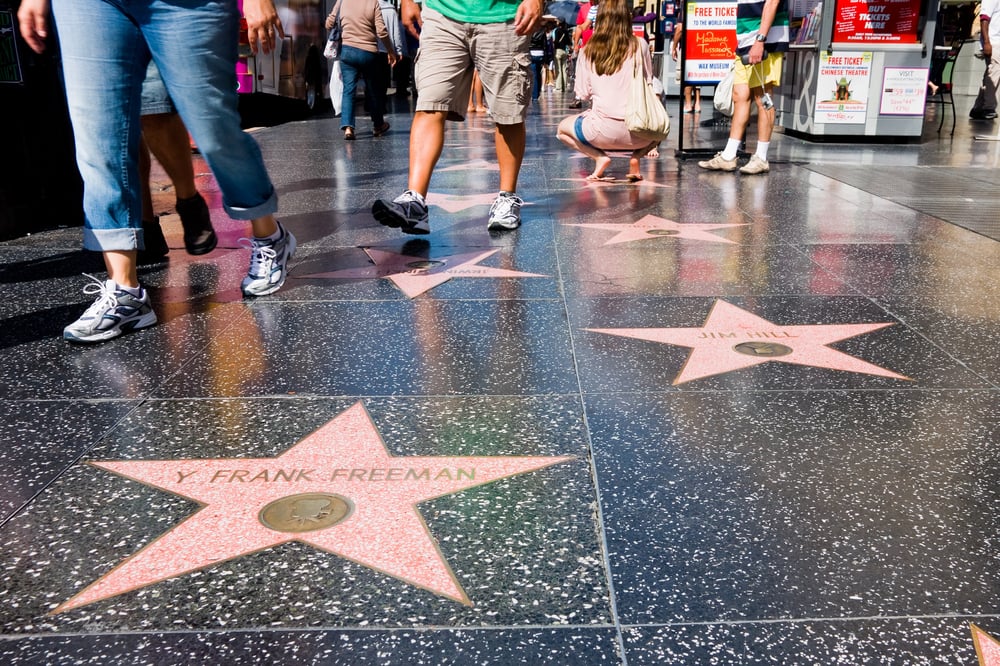
The Hollywood Walk of Fame was not born overnight. The idea traces back to 1953, when a man named E.M. Stuart, the volunteer president of the Hollywood Chamber of Commerce, first pitched the concept.
Stuart wanted a way to celebrate Hollywood’s status as the entertainment capital of the world. He described it as a monument to “maintain the glory of a community whose name means glamour and excitement in the four corners of the world.”
But where did the idea actually come from? That is still up for debate. The leading theory points to the Hollywood Hotel, a now-demolished landmark that once featured stars painted on the ceiling of its dining room, each one bearing the name of a celebrity who favored a particular table.
It is a short leap from stars on a ceiling to stars on a sidewalk, and Stuart may have made that leap consciously or not.
From there, the Chamber of Commerce took years to work out the details. They hired architects, debated designs, and had committees from four branches of the entertainment industry — motion pictures, television, recording, and radio — select names.
Some of those committee members were legends in their own right: Cecil B. DeMille, Samuel Goldwyn, Walt Disney, Hal Roach, and Mack Sennett all helped decide who deserved a star.
The public flooded in with suggestions, sometimes submitting as many as 150 names per week.
Eight Names Chosen at Random
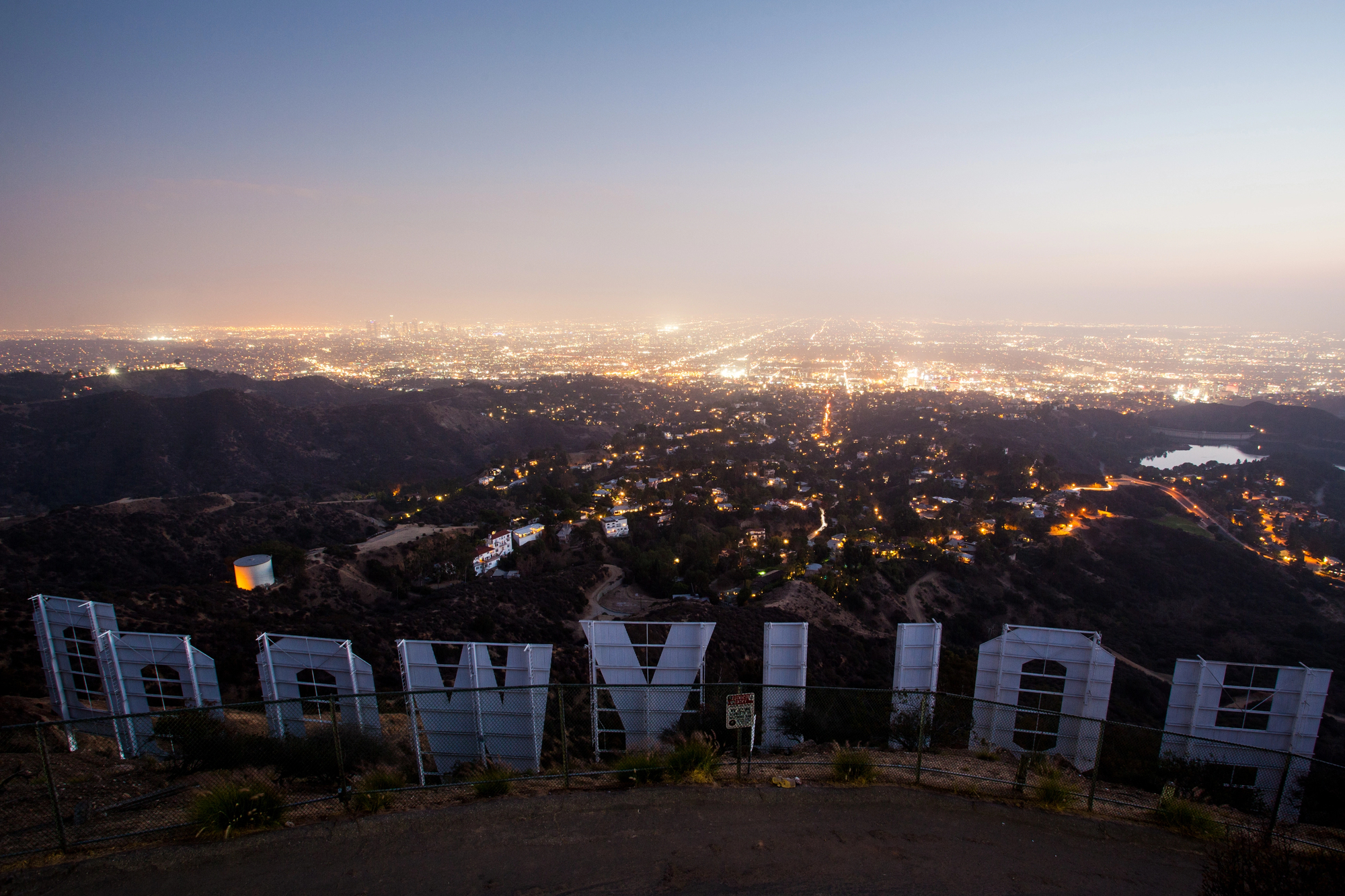
Before a single permanent star was laid, eight people got a taste of what was to come. On August 15, 1958, the Chamber of Commerce and the City of Los Angeles unveiled eight prototype stars at the corner of Hollywood Boulevard and Highland Avenue.
The stars were temporary — a publicity stunt to show the public what the finished Walk would look like and to build excitement for the project.
The eight names were drawn at random from the approved list of honorees. They were: Joanne Woodward, Burt Lancaster, Ronald Colman, Olive Borden, Louise Fazenda, Preston Foster, Edward Sedgwick, and Ernest Torrence.
An eclectic mix, to say the least. Some were still active in their careers. Others had already faded from the screen years before. A couple had been dead for over two decades by the time their names were chosen.
It was not a “greatest hits” list. It was a random sample, and that randomness makes it one of the more interesting artifacts of the Walk’s early history.
Joanne Woodward: The “First” Who Wasn’t Really First
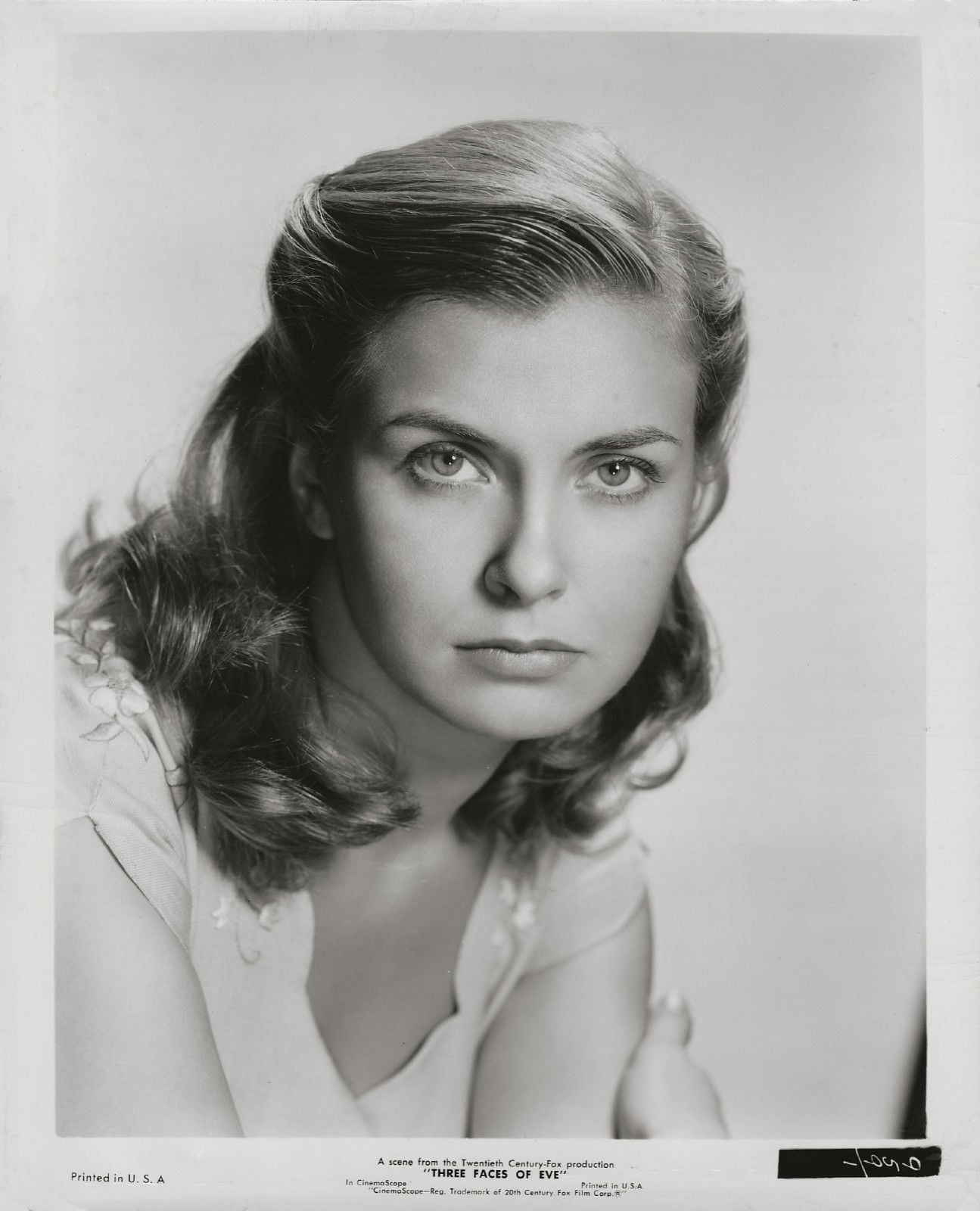
If you have ever heard someone claim that Joanne Woodward received the first star on the Hollywood Walk of Fame, you are not alone. That story has been repeated so often it has become a piece of Hollywood gospel.
But it is not quite accurate.
Woodward’s name was among the eight prototype stars unveiled in 1958, and she did have a ceremonial event on February 9, 1960, around the time permanent construction began. She was also the first celebrity to pose for a photograph with her star.
That photo, widely circulated by newspapers, is likely why the myth took hold. The Walk’s own Honorary Mayor, the late Johnny Grant, pointed to that moment as the origin of the story.
In reality, the original 1,558 permanent stars were installed as a continuous project. No single star was officially laid before any other in a grand ceremony. They went in together, block by block, over the course of about sixteen months.
Woodward’s star was part of that same wave.
None of that diminishes what she was. By 1958, Woodward had already won an Academy Award for Best Actress for her stunning performance in The Three Faces of Eve. She had married Paul Newman, and the two would become one of Hollywood’s most enduring couples.
Woodward went on to win three Emmy Awards and remained a respected presence in film and theater for decades. Her association with the Walk of Fame, real or embellished, only added to her legend.
Burt Lancaster: From Circus Acrobat to Prototype Star
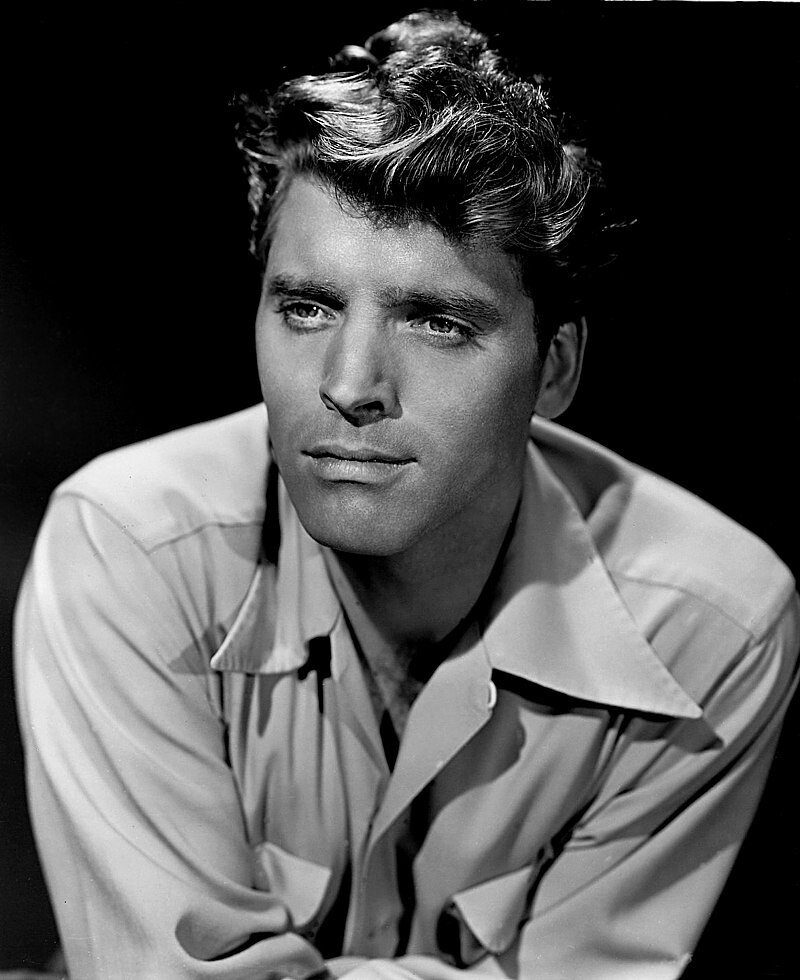
Burt Lancaster’s path to Hollywood was nothing like the ones you read about in typical rags-to-riches stories. He grew up in East Harlem, spent his youth on the streets, and developed a remarkable athletic ability — particularly in gymnastics.
As a teenager, he joined the circus and performed as an acrobat alongside his childhood friend Nick Cravat. That partnership lasted for years before war interrupted everything.
Lancaster served in World War II, and it was during his time in the military that he stumbled into acting through the USO.
After the war, he landed a role on Broadway and caught the attention of a Hollywood agent. His first film, The Killers in 1946, made him a star almost overnight.
What set Lancaster apart from many of his contemporaries was his refusal to stay in one lane. Early on, he was dismissed as “Mr. Muscles and Teeth” — a pretty face in action roles.
But by the late 1950s, he had shed that image entirely. He starred in From Here to Eternity, won an Oscar for Elmer Gantry, and delivered a chilling turn in Judgment at Nuremberg.
The American Film Institute ranks him as one of the greatest male stars of classic Hollywood cinema.
Lancaster was one of the eight prototype stars in 1958 — and, according to some accounts, his star was actually the very first one physically placed among the prototypes.
Whether that claim holds up under scrutiny is debatable, but it is a fitting distinction for someone with such a long shadow in the industry.
Ronald Colman: The Gentleman Who Bridged Two Eras
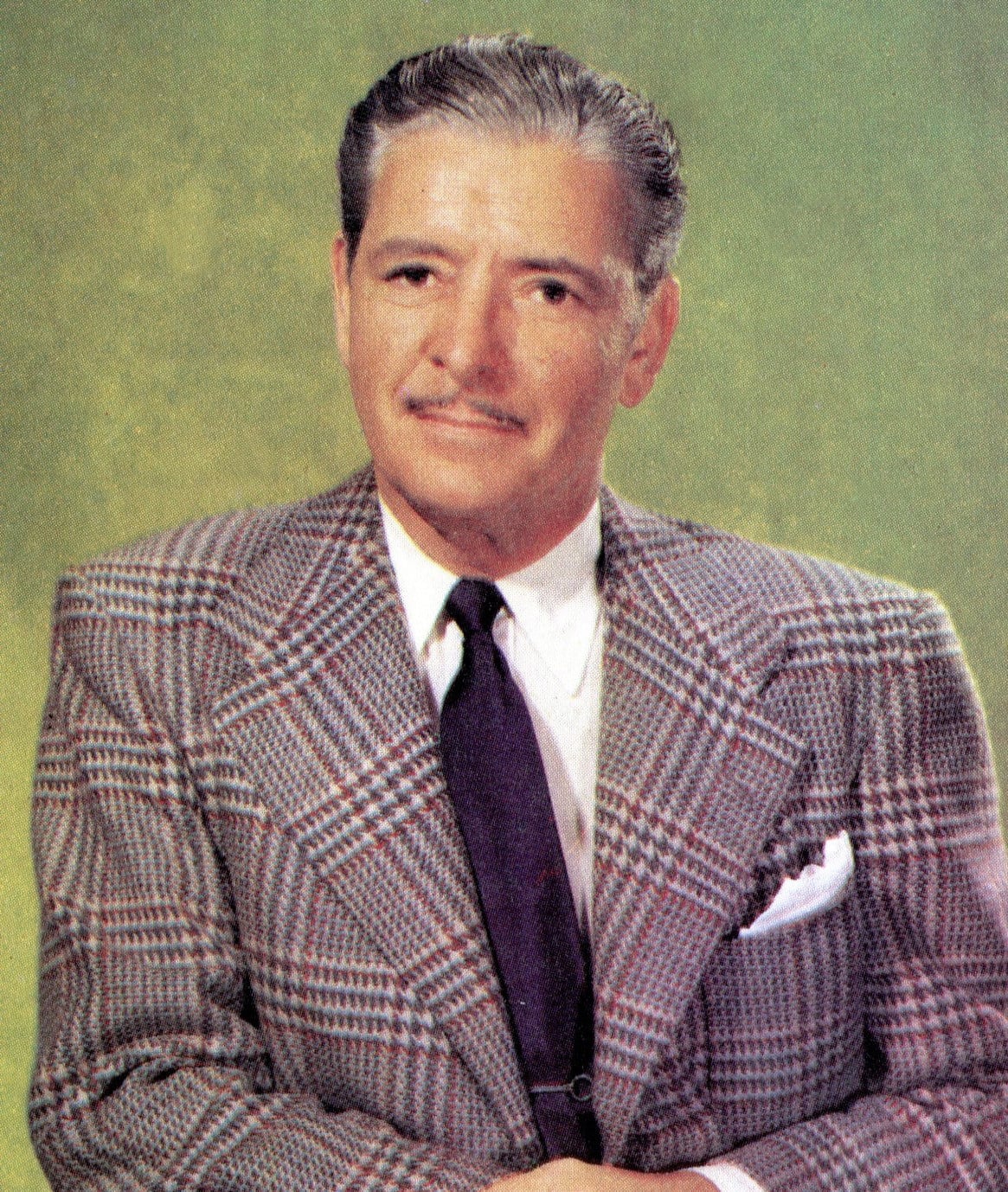
Ronald Colman was English, which already made him unusual in Hollywood. Born in Richmond, Surrey, in 1891, he served in World War I, was wounded at the Battle of Messines, and eventually made his way to America in 1920 with very little money and no connections.
It took him a few years to find his footing, but once he did, he became one of the most beloved leading men on the screen.
Colman’s great gift was his voice. In the silent era, he was already a major star — romantic, athletic, and effortlessly charming.
When sound arrived, his beautifully modulated accent turned him into something even more special. Critics described his voice as “bewitching” and “cultured.”
He played the archetypal English gentleman on screen: dignified, heroic, and quietly charismatic.
His finest films include Lost Horizon, The Prisoner of Zenda, and A Tale of Two Cities.
He won the Academy Award for Best Actor in 1947 for A Double Life, in which he played a stage actor who begins to lose himself in his roles.
It was one of the last films of his career.
Colman died in 1958 — the same year his prototype star was unveiled on Hollywood Boulevard. He was 67.
Olive Borden: The Joy Girl’s Rise and Fall
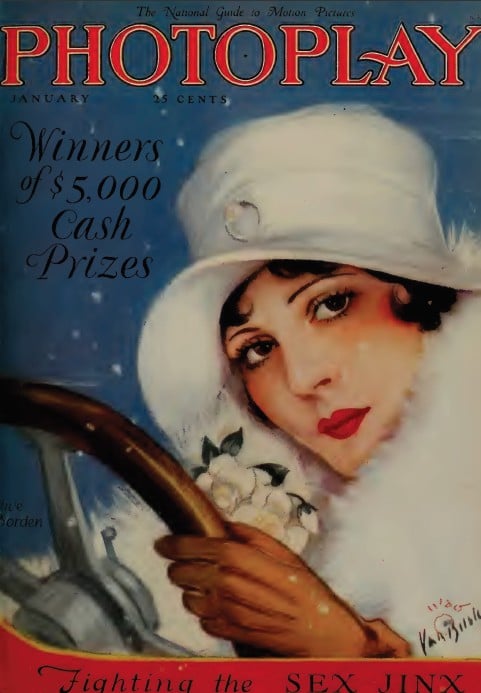
Olive Borden’s story is one of the sadder ones among the early Walk of Fame honorees.
In the mid-1920s, she was one of Hollywood’s most beautiful and sought-after actresses. Known as “The Joy Girl” after her 1927 film of the same name, Borden was famous for her jet-black hair and striking presence on screen.
At the peak of her career, she was earning $1,500 a week — a serious sum at the time.
She started as one of Mack Sennett’s Bathing Beauties in 1922, when she was just fifteen.
By 1925, she had signed with Fox Studios and was making films at a pace that kept her constantly in the public eye.
One of her early notable roles came in John Ford’s Three Bad Men in 1926.
Then things fell apart.
When Fox tried to cut her salary in 1927, Borden walked out on her contract.
The transition to sound films proved difficult for her — she had a Southern accent she worked to suppress, and her reputation for being temperamental followed her.
Her last film was made in 1934.
After that, her life took a series of painful turns: failed marriages, bankruptcy, and years of struggling to get by.
She served in the Women’s Army Corps during World War II and was even cited for bravery.
But after her discharge, a comeback in films never materialized.
She died in 1947, at the age of 40, in a mission for destitute women on Los Angeles’s Skid Row.
By 1958, when her name appeared on one of the prototype stars, Borden had been gone for over a decade.
Her inclusion was a quiet acknowledgment of what she had once been — even if most people walking past her star today have no idea who she was.
Ernest Torrence: The Villain You Loved to Watch
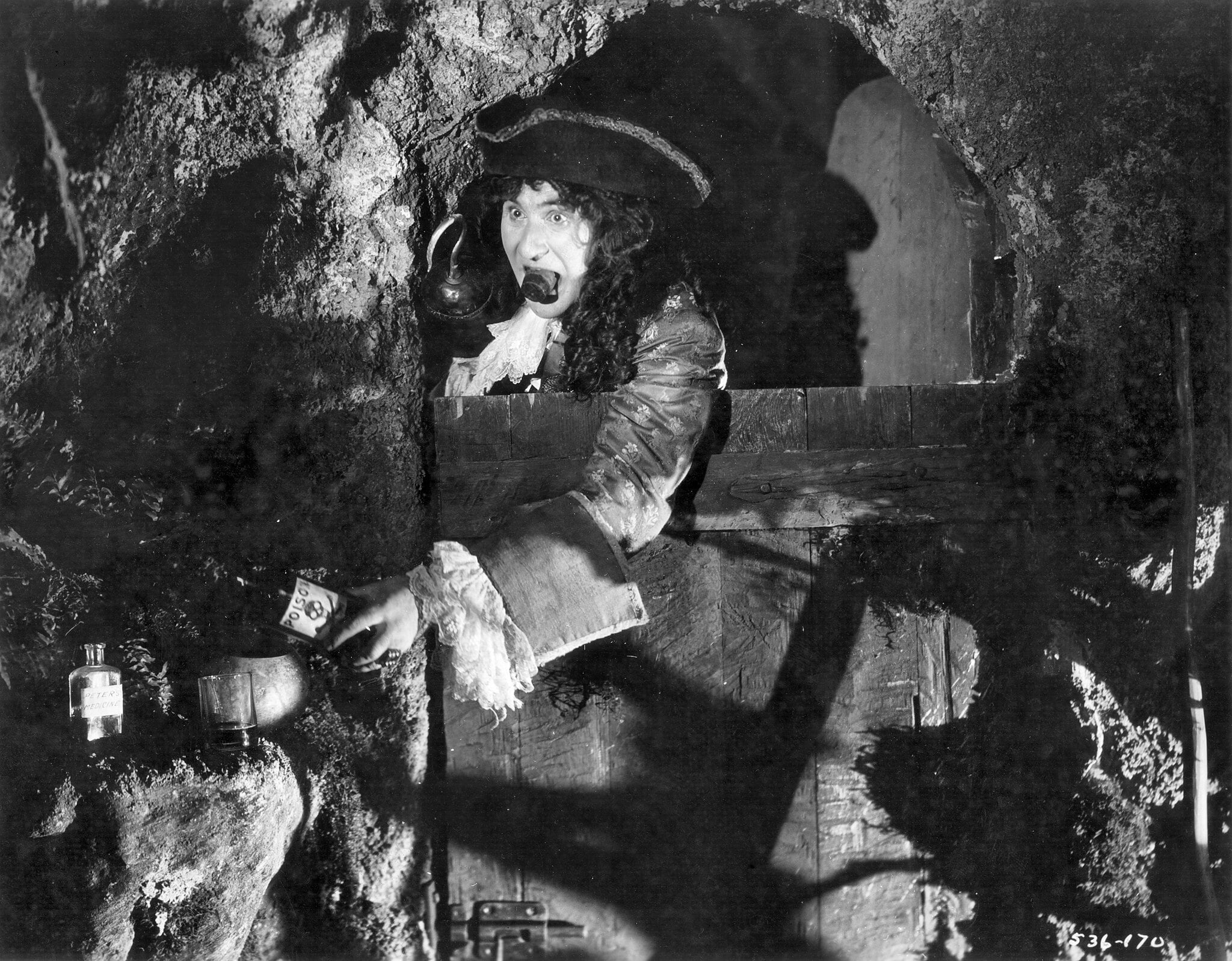
Ernest Torrence was not the kind of actor you forgot after seeing him on screen. Standing at 6 feet 4 inches, with cold eyes and a commanding physical presence, he was built to play villains — and he did it brilliantly.
But there was a warmth to him off-camera that surprised everyone who knew him.
The London Times wrote that “there was certainly no man more popular with his British and American colleagues.”
Born in Edinburgh, Scotland, in 1878, Torrence was originally trained as a pianist and operatic baritone.
He attended the Royal Academy of Music in London and toured with the D’Oyly Carte Opera Company before vocal problems forced him away from singing.
He turned to acting instead, first on the Broadway stage, then in films starting in the early 1920s.
His screen work is impressive. He played Captain Hook in the 1924 version of Peter Pan, Clopin in The Hunchback of Notre Dame, and the stern steamboat captain father in Buster Keaton’s beloved Steamboat Bill, Jr.
He also appeared alongside Clara Bow in Mantrap — an unusual piece of casting that showed his range.
Torrence made a smooth transition to talking pictures and was still working when he died suddenly in 1933, at the age of 54, after a health emergency aboard a ship bound for Europe.
His prototype star on the Walk of Fame honored a career that lasted only about twelve years in film — but those twelve years were packed.
Preston Foster: The Singer-Actor Nobody Remembers
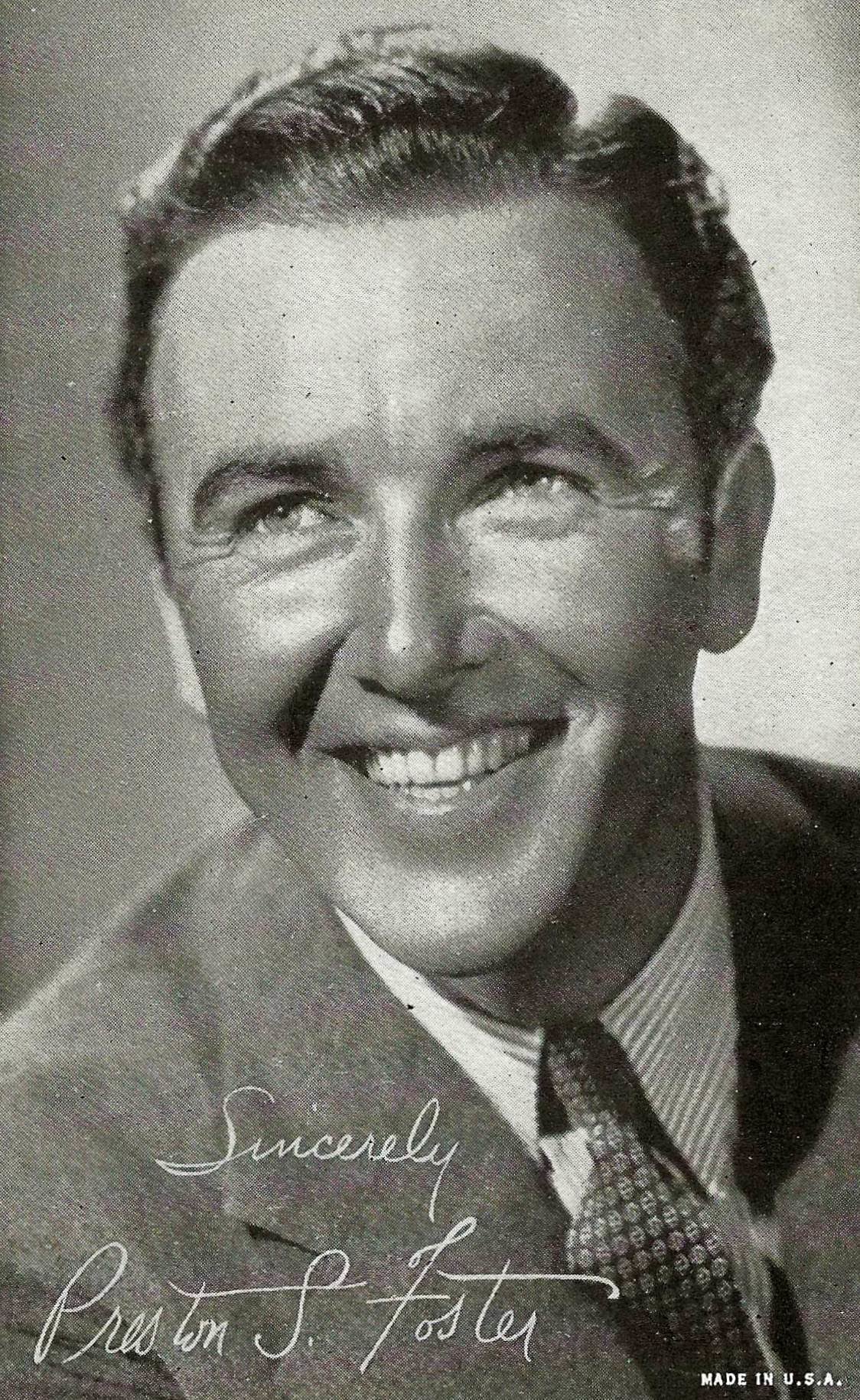
Preston Foster is perhaps the most overlooked name among the eight prototype stars.
He was a gifted actor and a surprisingly talented singer, with a career that spanned nearly four decades.
Born in Ocean City, New Jersey, in 1900, Foster started out on the Broadway stage before moving into films in 1929.
His most notable work came in the early-to-mid 1930s, when he appeared in pre-Code classics like Doctor X and I Am a Fugitive from a Chain Gang.
He also starred in Annie Oakley opposite Barbara Stanwyck in 1935, and played a blacksmith-turned-gladiator in The Last Days of Pompeii that same year.
He served in the Coast Guard during World War II and eventually rose to the honorary rank of Commodore.
Foster spent his later years in La Jolla, California, where he enjoyed deep-sea fishing for marlin — a passion that consumed much of his free time.
He continued acting sporadically until near the end of his life.
He died in 1970.
His name on the Walk of Fame is a small but genuine tribute to a long and productive career that most people today have simply never come across.
What a Sidewalk Remembers

Walk along Hollywood Boulevard on any given day and you will pass thousands of names. Some you recognize immediately. Some you have to look up when you get home. And some — like Olive Borden or Ernest Torrence — will make you wonder what kind of life they lived, and what it meant to have your name set in terrazzo and bronze on a public sidewalk.
The eight prototype stars from 1958 were never meant to be permanent. They were samples, drawn at random, meant to show the public what was coming. But in an odd way, that randomness made them more interesting than a carefully curated list ever could have been. They captured a cross-section of early Hollywood — the glamorous and the forgotten, the Oscar winners and the one-hit wonders, the people who shaped the industry and the people the industry quietly moved on from.
The Walk of Fame has grown enormously since then. It stretches across fifteen blocks now, with over 2,700 stars and counting. But somewhere in that long stretch of sidewalk, the earliest names are still there. They have not gone anywhere. You just have to know where to look.
More from Go2Tutors!

- The Romanov Crown Jewels and Their Tragic Fate
- 13 Historical Mysteries That Science Still Can’t Solve
- Famous Hoaxes That Fooled the World for Years
- 15 Child Stars with Tragic Adult Lives
- 16 Famous Jewelry Pieces in History
Like Go2Tutors’s content? Follow us on MSN.



