15 Things You Didn’t Know About the Construction of the Golden Gate Bridge
The Golden Gate Bridge is one of America’s most iconic structures. It connects San Francisco to Marin County with its distinctive orange-vermilion towers piercing through the famous fog.
While millions admire its beauty annually, the story behind its construction remains filled with fascinating details that many aren’t familiar with. Here is a list of 15 surprising facts about the construction of the Golden Gate Bridge that showcase the incredible human achievement behind this engineering marvel.
The Original Color Wasn’t Orange
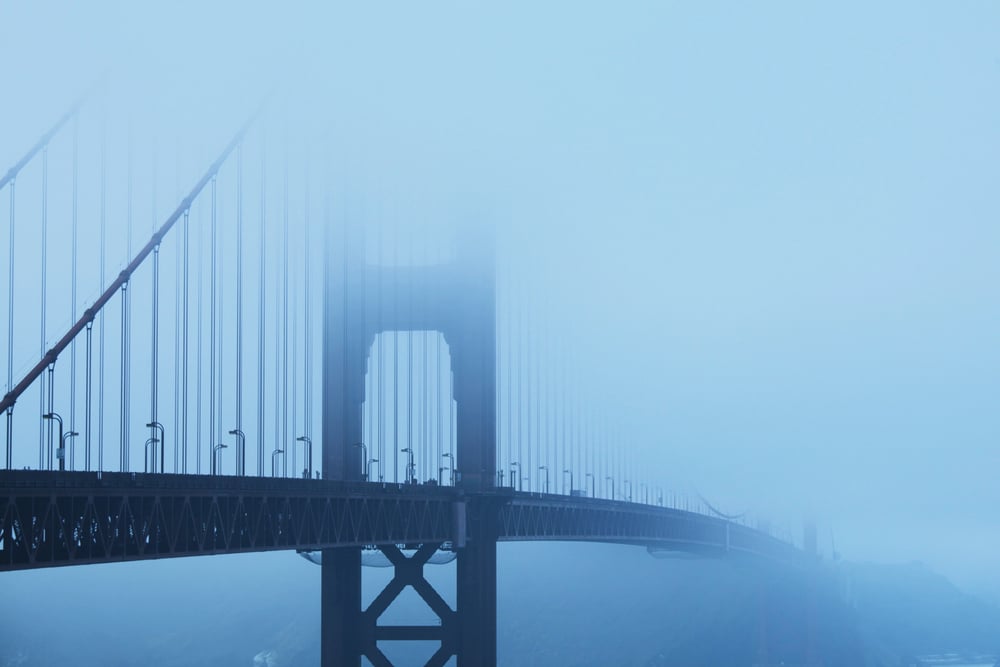
The U.S. Navy initially wanted the bridge painted black with yellow stripes to ensure visibility in the fog. The distinctive ‘International Orange’ color came from the primer used to coat the steel during delivery, and consulting architect Irving Morrow fell in love with how it complemented the natural surroundings.
This happy accident created what would become one of the most recognizable landmarks in the world.
Winds Changed the Design

The original design called for a much more solid bridge structure. After studying the collapse of the Tacoma Narrows Bridge, engineer Joseph Strauss modified his plans to include open slots in the roadway deck, allowing wind to pass through rather than push against a solid surface.
These modifications ultimately saved countless dollars in materials while creating a stronger, more resilient structure.
Construction Was Ahead of Schedule

Despite the Great Depression and numerous technical challenges, the bridge was completed ahead of schedule and under budget. Construction took just four years and five months, and the bridge opened to the public on May 27, 1937.
This efficiency seems almost unimaginable by today’s infrastructure standards, where similar-sized projects often face years of delays.
Workers Chewed Sauerkraut for Protection

Bridge workers ate sauerkraut daily during construction, believing the cabbage preparation would combat dizziness and help them keep their balance while working at extreme heights. While there was no scientific basis for this practice, it became a daily ritual among the crew and formed part of the unique culture that developed among the tight-knit construction team.
Special Headgear Was Invented

Hard hats as we know them today were essentially invented during the Golden Gate Bridge construction. Special protective headgear was created specifically for this project, with workers previously relying only on cloth caps.
The bridge project pioneered this crucial safety equipment that would later become standard across all construction sites worldwide.
Earthquake-Ready Before Its Time
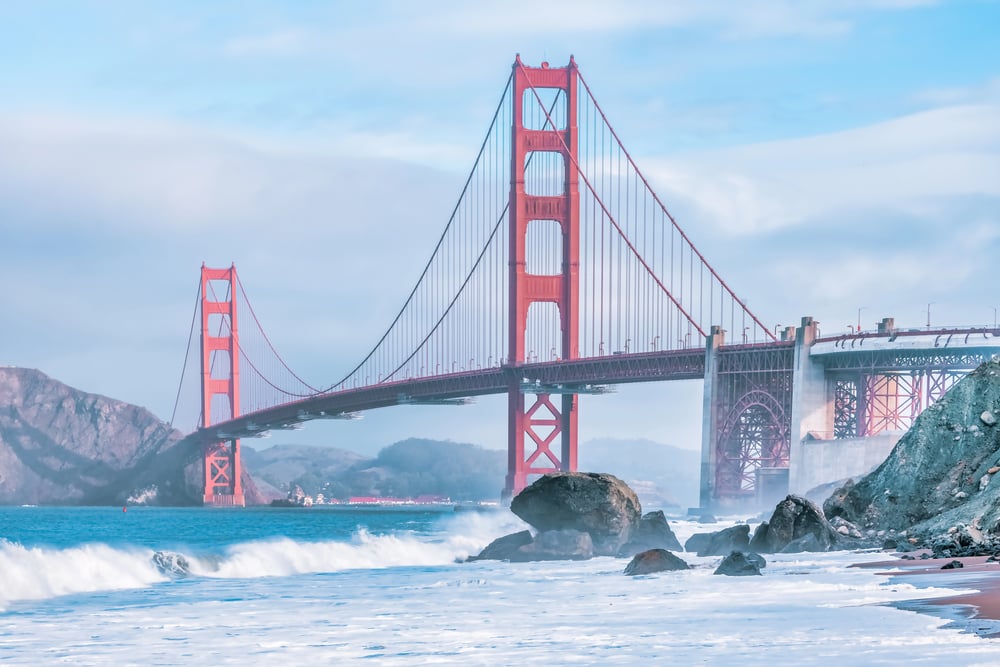
The bridge was designed to sway up to 27.5 feet and move vertically up to 16 feet to withstand earthquakes and strong winds. This flexibility has allowed it to survive major earthquakes, including the 1989 Loma Prieta quake that devastated other parts of the Bay Area.
The engineers’ foresight built a structure that remains resilient against natural forces that would topple lesser designs.
The Safety Net Saved 19 Lives

The bridge employed an innovative safety net suspended under the work area. The net caught falling workers and created the ‘Halfway to Hell Club’—the nickname for the 19 men saved by the net.
Each saved worker received a small pin acknowledging their membership in this unusual group. The net represented one of the first major safety innovations in high-rise construction.
Record-Breaking Dimensions

When completed, the Golden Gate Bridge held the record for the longest main suspension span in the world at 4,200 feet. It maintained this record for an impressive 27 years until the Verrazano-Narrows Bridge in New York surpassed it in 1964.
The sheer scale of the project required new engineering approaches that had never been attempted before.
A Giant Concrete Recipe
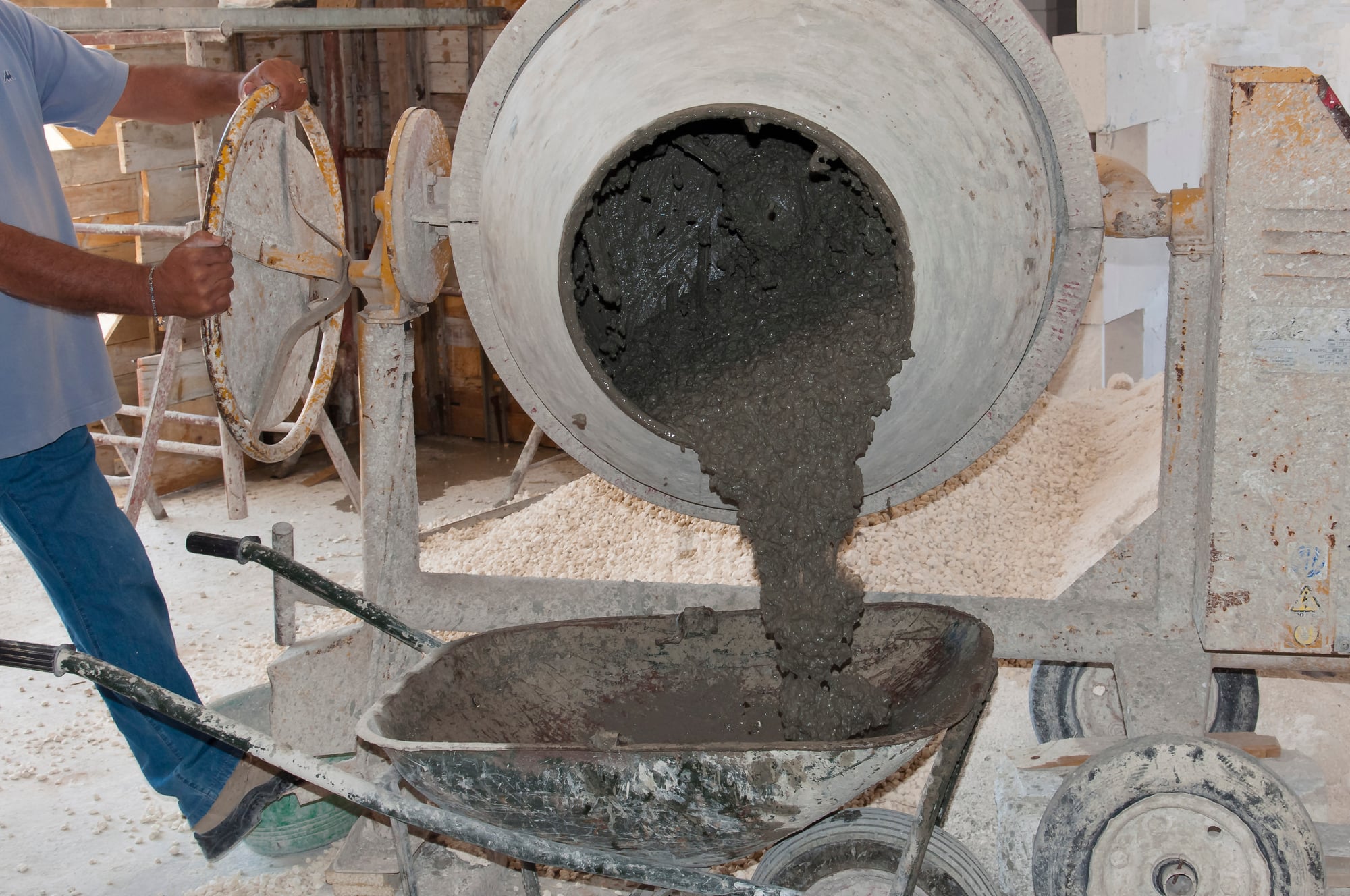
Construction required approximately 389,000 cubic yards of concrete – enough to pave a five-foot-wide sidewalk from San Francisco to New York City. Special concrete mixes were developed to withstand the harsh saltwater environment, with engineers testing numerous formulations before finding the perfect blend that would endure the harsh marine conditions.
Cable Manufacturing Marathon
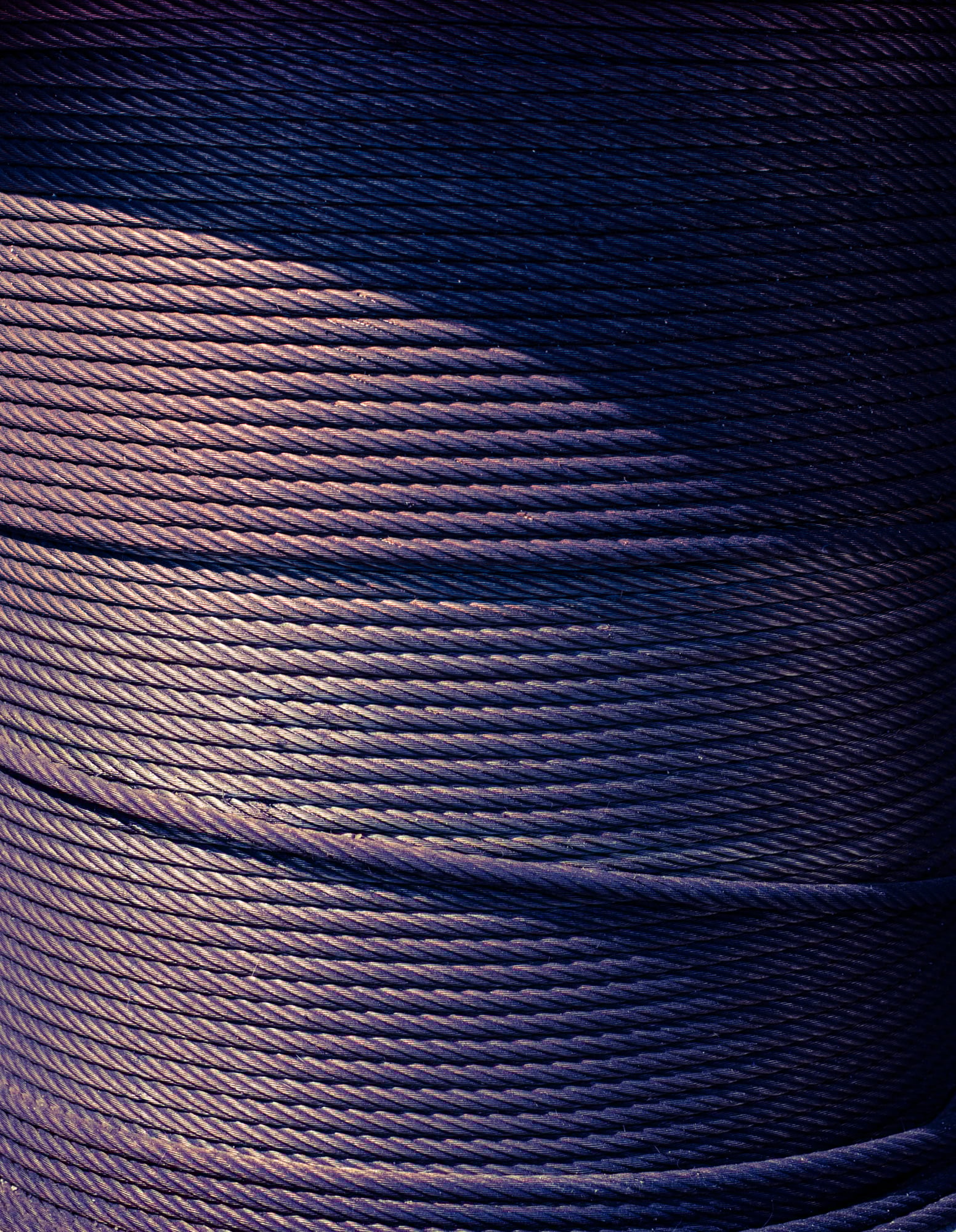
The main cables contain enough wire to circle the earth three times at the equator. Each cable consists of 27,572 parallel wires, with workers spinning them into place in an elaborate continuous operation that took months to complete.
This cable-spinning process required perfect synchronization among hundreds of workers operating specialized equipment.
Foghorns Guide Ships Below

Unique foghorns were installed during construction and remain in use today. Each has a distinctive tone so sailors can distinguish the bridge from other nearby navigation signals.
These horns sound different notes that help ships determine their exact position in the bay even when visibility drops to near zero in the notorious San Francisco fog.
Workers’ Special Diets
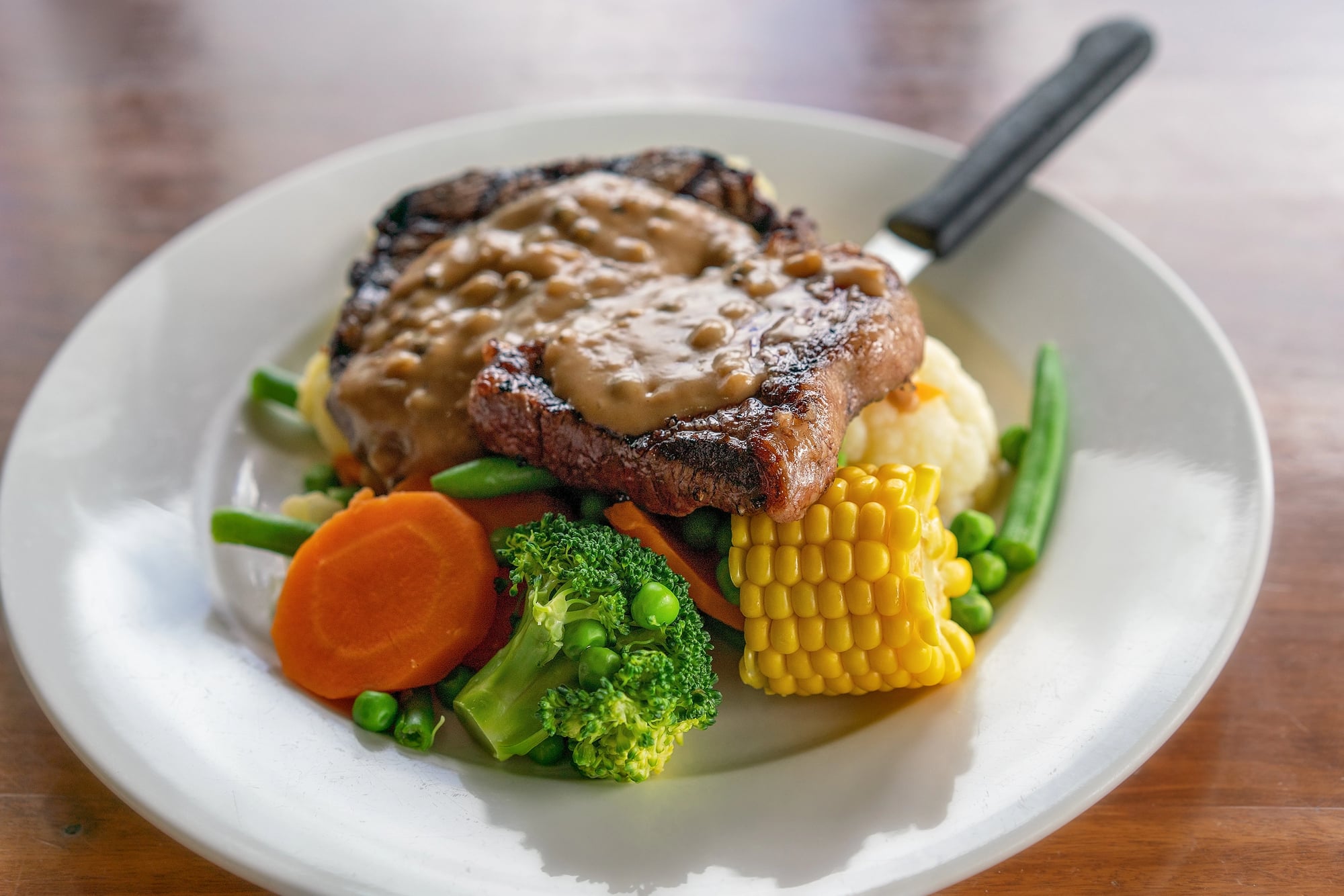
The ironworkers consumed special high-calorie meals, often eating twice the normal amount of food to maintain energy while working in the challenging conditions. Special kitchens were established near the construction site, serving hearty meals that could reach 5,000 calories daily.
The demanding physical labor and exposure to the elements required extraordinary nutritional support.
Paint Never Stops

Maintenance crews are continuously painting the bridge in a never-ending cycle. By the time painters finish one end, it’s nearly time to start over at the beginning.
The harsh salt air means the paint job is perpetual, with a dedicated team of approximately 38 painters working year-round just to keep the corrosive forces of nature at bay.
Architectural Harmony

The design incorporates Art Deco elements that were cutting-edge for the time. The towers feature distinctive stepped designs that catch light dramatically throughout the day.
This artistic touch transformed what could have been simply a utilitarian structure into an architectural masterpiece that complements rather than dominates its natural setting.
Local Materials Weren’t Used

Surprisingly, most of the steel came from the East Coast and was shipped 7,500 miles around Cape Horn to reach San Francisco. Local steel mills lacked the capacity for such massive production, so materials traveled nearly a third of the way around the globe before becoming part of the iconic structure that would come to symbolize the American West.
Engineering Legacy

The innovations developed during the Golden Gate construction continue to influence modern bridge design throughout the world. From safety practices to material science to structural calculations, the lessons learned while spanning the Golden Gate Strait have saved countless lives and enabled increasingly ambitious engineering projects across the planet.
What began as a regional infrastructure project ultimately changed how humans build connections between previously separated places, leaving an enduring legacy that extends far beyond its iconic silhouette.
More from Go2Tutors!

- The Romanov Crown Jewels and Their Tragic Fate
- 13 Historical Mysteries That Science Still Can’t Solve
- Famous Hoaxes That Fooled the World for Years
- 15 Child Stars with Tragic Adult Lives
- 16 Famous Jewelry Pieces in History
Like Go2Tutors’s content? Follow us on MSN.