Most Common Breakfast Combinations Across Culture
There’s something quietly revolutionary about breakfast. While dinner gets dressed up for special occasions and lunch hurries through the workday, breakfast stays honest.
It’s the meal that reveals who we really are when nobody’s watching — or in this case, who entire cultures are when they’re just trying to get their day started. The combinations people reach for first thing in the morning aren’t accidents.
They’re the result of geography, history, and the kind of practical wisdom that gets passed down through generations of people who figured out what actually works when you’re half-awake and need fuel for the day ahead.
Rice and Miso Soup
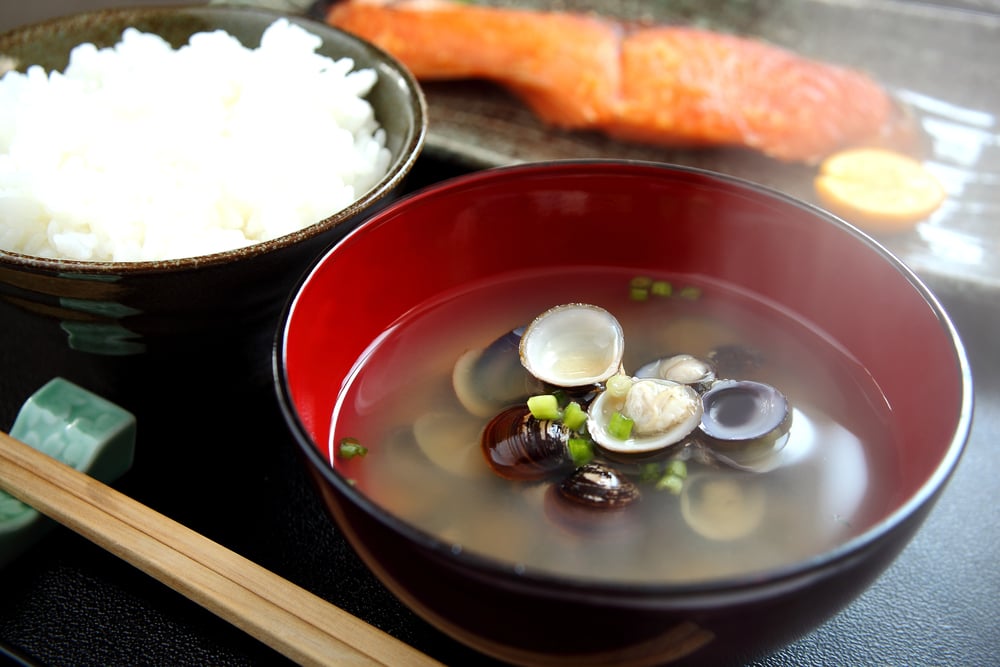
Rice and miso soup doesn’t announce itself. No sizzling, no dramatic presentation.
Just rice that sits there doing its job and soup that tastes like someone distilled comfort into a bowl.
Beans and Toast

Brits figured something out that the rest of the world still argues about: beans belong on toast, and anyone who thinks otherwise hasn’t been hungry enough at 7 AM on a Tuesday. The combination works because it’s completely unpretentious — tinned beans (and yes, they’re better from the tin, which is saying something) ladled over toast that’s been buttered with the kind of thoroughness that only comes from centuries of practice.
To be fair, it sounds terrible when you describe it to someone who didn’t grow up with it. Beans on bread.
But there’s a reason it stuck around long enough to become a national institution, and that reason has nothing to do with sophistication and everything to do with the fact that it actually fills you up and tastes better than it has any right to.
Congee and Pickled Vegetables
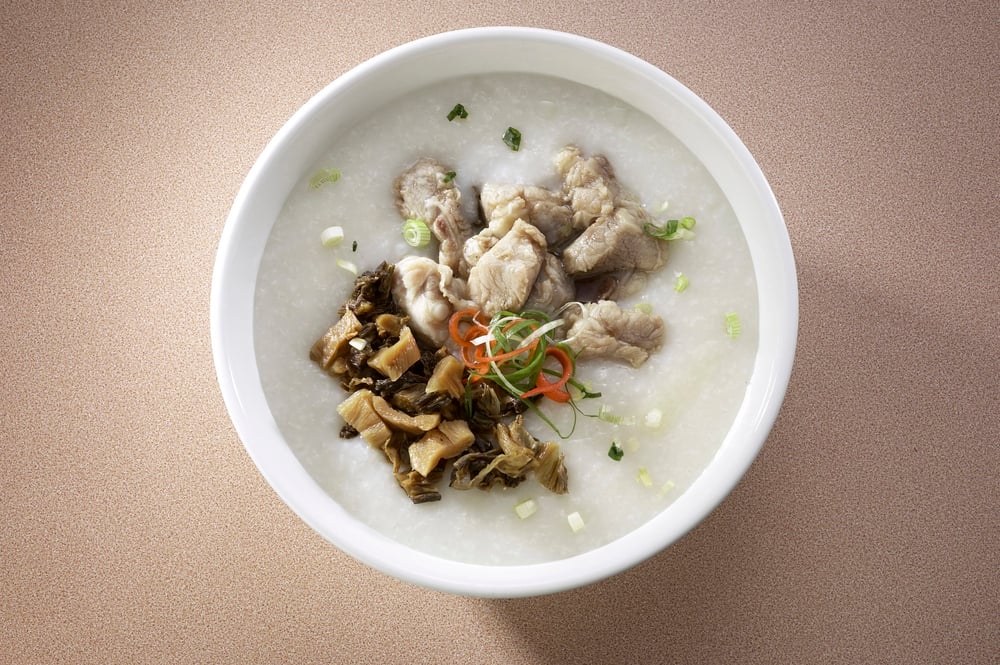
Congee is what happens when rice stops trying to be anything other than itself. It breaks down, becomes soft, turns into something that feels less like food and more like an embrace from the inside.
And yet this plainness — this stubborn refusal to be interesting — is exactly what makes it work. The pickled vegetables arrive like punctuation marks in a long, gentle sentence.
Sharp where the congee is mild, crisp where it yields. There’s something almost literary about the way they play against each other: the comfort that asks nothing of you, interrupted by small bursts of brightness that wake up your mouth without startling it.
Even the timing feels deliberate — spoonfuls of congee broken by careful bites of pickle, a rhythm that doesn’t rush toward anything but somehow gets you where you need to go.
Bread and Cheese
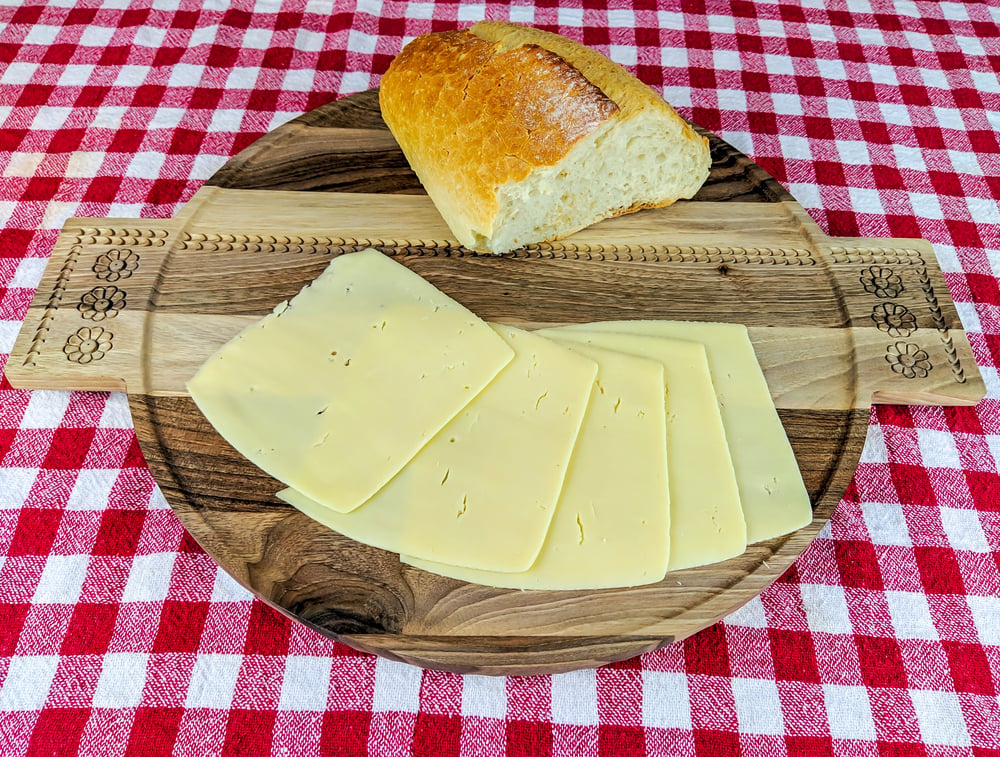
Germans approach breakfast the way they approach most things: with the quiet confidence of people who’ve thought it through and arrived at something that works. Bread and cheese.
Dense, seeded bread that has actual weight to it, and cheese that doesn’t apologize for taking up space on your palate. The bread does more than just hold the cheese — it corrects it. All that richness gets grounded by something substantial, something that chews back.
There’s a satisfying stubbornness to the whole combination, a refusal to be light or quick or easy. You eat it slowly because you have to, and by the time you’re done, you actually feel like you’ve had breakfast rather than just gone through the motions.
Tortillas and Beans
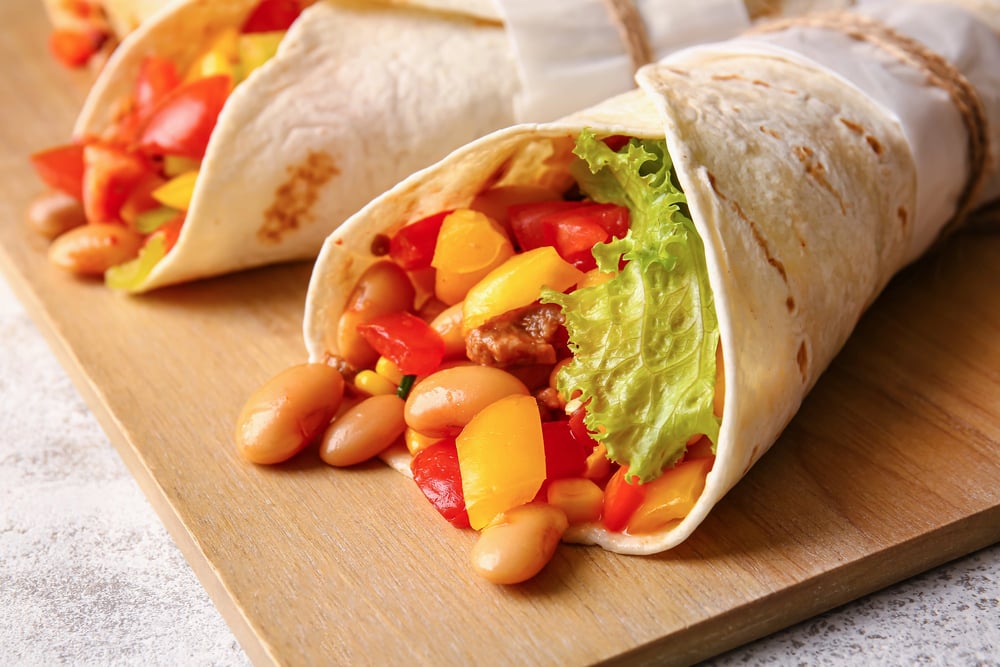
So you wake up in Mexico, and there are tortillas. There are always tortillas — sitting in a basket, wrapped in cloth, still warm if you’re lucky.
And there are beans (because there are always beans), usually refreshed until they’re thick enough to spread but loose enough to taste like comfort. But here’s the thing that catches you off guard: the beans aren’t just filling, they’re almost luxurious — rich in a way that feels completely honest, like someone took time to cook them properly even though they didn’t have to.
The tortilla doesn’t just hold the beans; it becomes part of them, each bite giving way to something soft and warm that tastes like someone’s grandmother spent actual time at the stove. Which, as it happens, someone probably did.
And that — that sense of care baked into something so simple it barely counts as cooking — might be the point entirely.
Idli and Sambar
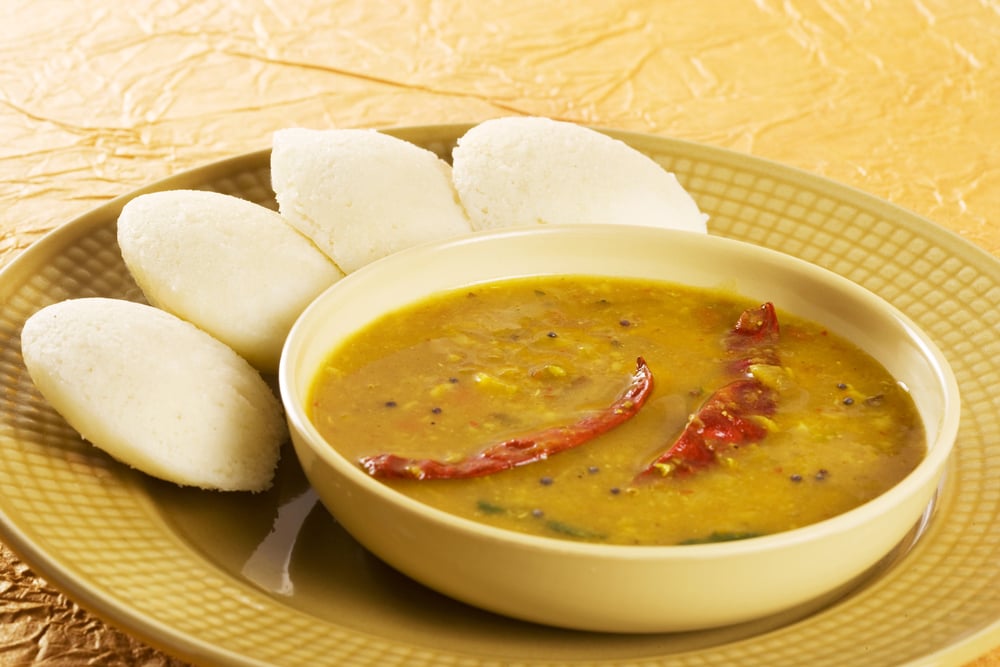
Idli looks like nothing. Small, white, round — the kind of thing you’d skip over if you didn’t know better.
But there’s a gentle complexity hiding inside that plain exterior, a sourness that develops slowly as you chew, the result of rice and lentils that have been fermented just long enough to become something more interesting than they started as. Sambar arrives as the necessary opposite: a soup that’s as bold as idli is restrained.
Tamarind and vegetables and spices that don’t hold back, all of it combining into something that wakes up every part of your mouth at once. Together, they create the kind of balance that feels intentional — not the balance of someone trying to be clever, but the balance of people who’ve been eating this combination long enough to understand exactly why it works.
Croissants and Coffee
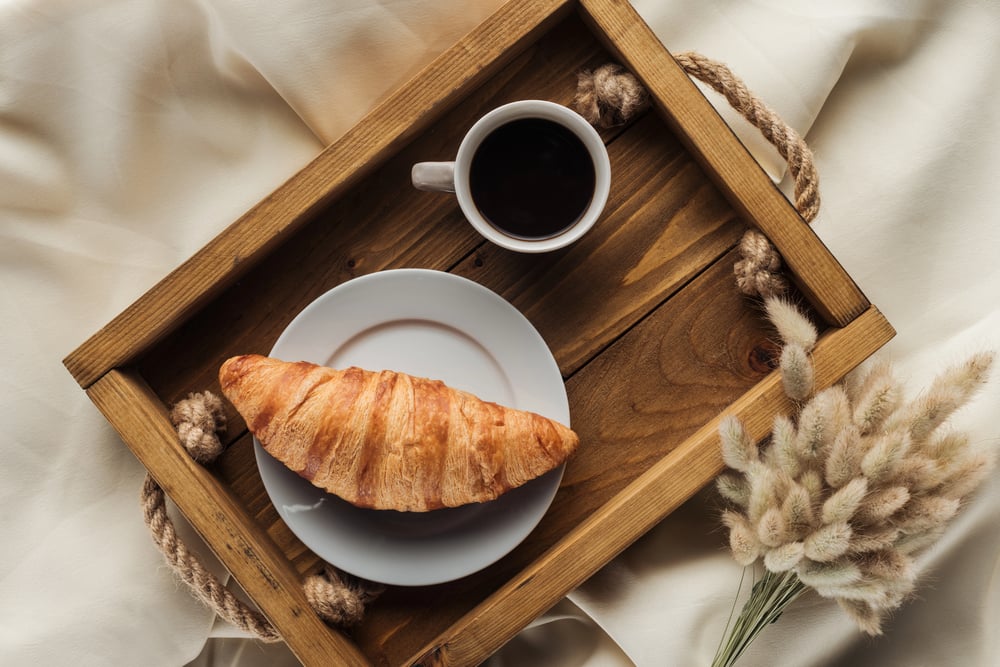
The French treat croissants and coffee like a small ceremony that happens to take place every morning. Not because they’re precious about it, but because they understand that some things shouldn’t be rushed, even when you’re running late.
A proper croissant fights back when you bite into it — layers of pastry that shatter just enough to let you know they were made correctly, then give way to something buttery and soft. The coffee doesn’t compete; it just sits there being dark and bitter and exactly what you need to cut through all that richness.
The combination works because neither element tries to be everything. The croissant handles the comfort, the coffee handles the wake-up call, and somehow you end up with a breakfast that feels both indulgent and practical.
Oatmeal and Fruit
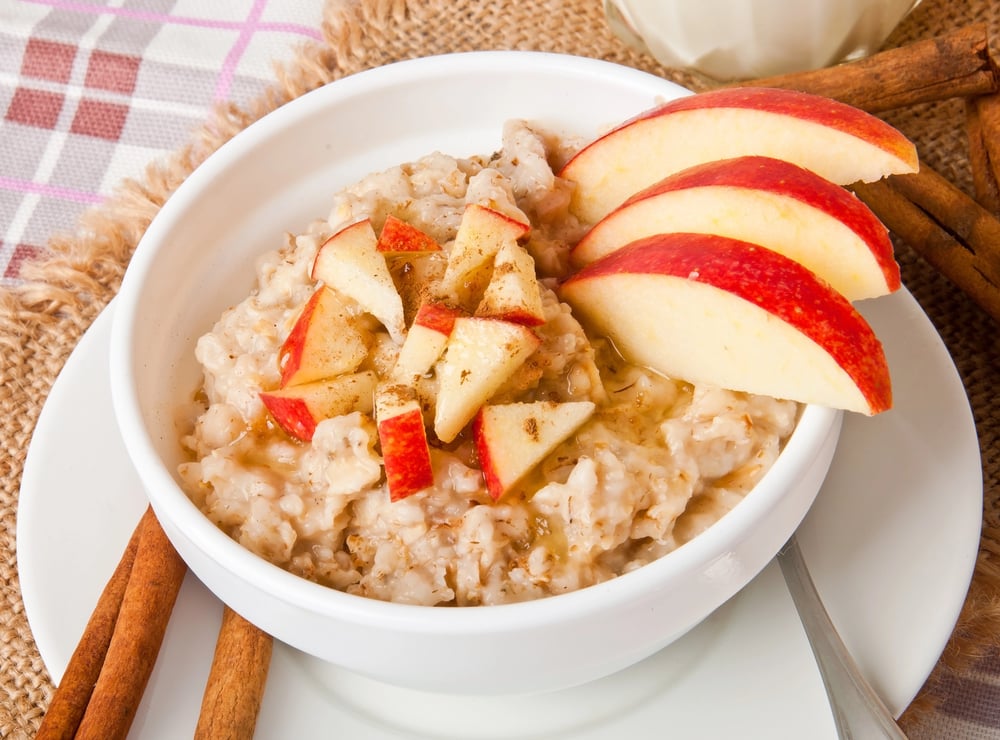
Oats are stubborn. They refuse to be glamorous, refuse to pretend they’re anything other than what they are: grain that’s been cooked until it submits.
And yet there’s something almost noble about that refusal to dress itself up — oatmeal sits in your bowl like it has nothing to prove, which turns out to be exactly what morning needs. The fruit doesn’t rescue the oats so much as complete them.
Berries that burst against the steady blandness, banana slices that add sweetness without drama. It’s the kind of combination that works on multiple levels: practical (because it fills you up), nutritious (because someone told you it was good for you), and satisfying (because there’s comfort in eating something that doesn’t demand your full attention).
Eggs and Bread
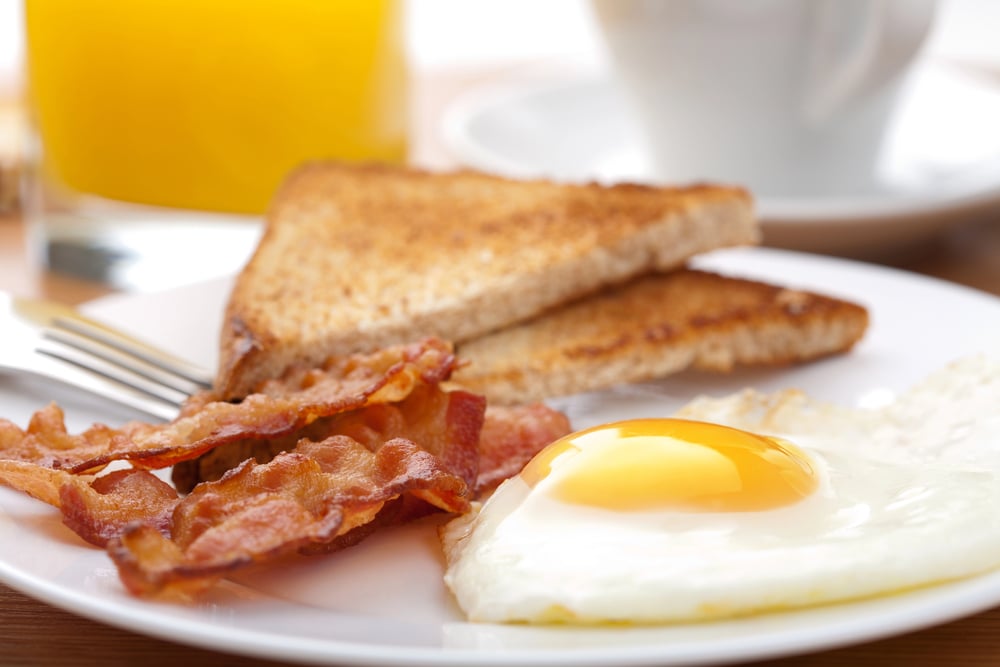
Eggs are fundamentally honest food. Crack them into a pan, and they become exactly what they’re going to become — no surprises, no hidden complexity, just protein that cooks quickly and tastes like morning should taste.
Bread shows up to make the eggs make sense. Toast that’s crisp enough to hold its shape when you dip it into a runny yolk, or just there to soak up the butter from scrambled eggs that someone didn’t rush.
The combination works because it’s complete without trying to be interesting — eggs for substance, bread for satisfaction, nothing more complicated than that.
Pancakes and Syrup

Americans took the idea of breakfast and decided it should be dessert. Pancakes and syrup — flat, soft cakes swimming in sweetness that would make most cultures question whether you’re actually awake yet.
But here’s the thing: it works. The pancakes are just sweet enough to feel like a treat, just substantial enough to qualify as a meal.
The syrup turns the whole thing into something that tastes like celebration, even when you’re eating it alone at your kitchen table on a Wednesday. There’s something almost defiant about starting the day with sugar and carbs and calling it breakfast, and that defiance turns out to be exactly what some mornings require.
Yogurt and Honey

Greeks understood something about simplicity that the rest of the world is still catching up to. Thick yogurt — the kind that doesn’t pour so much as a spoon — combined with honey that actually tastes like it came from bees who had somewhere interesting to go.
The yogurt provides the foundation: tangy, substantial, and cooling. The honey provides the point: sweetness that feels earned rather than manufactured, complexity that develops as it mixes with the yogurt’s sourness.
Together, they create something that tastes both ancient and immediate, like you’re eating something that people have been eating for thousands of years because it simply makes sense.
Arepas and Cheese
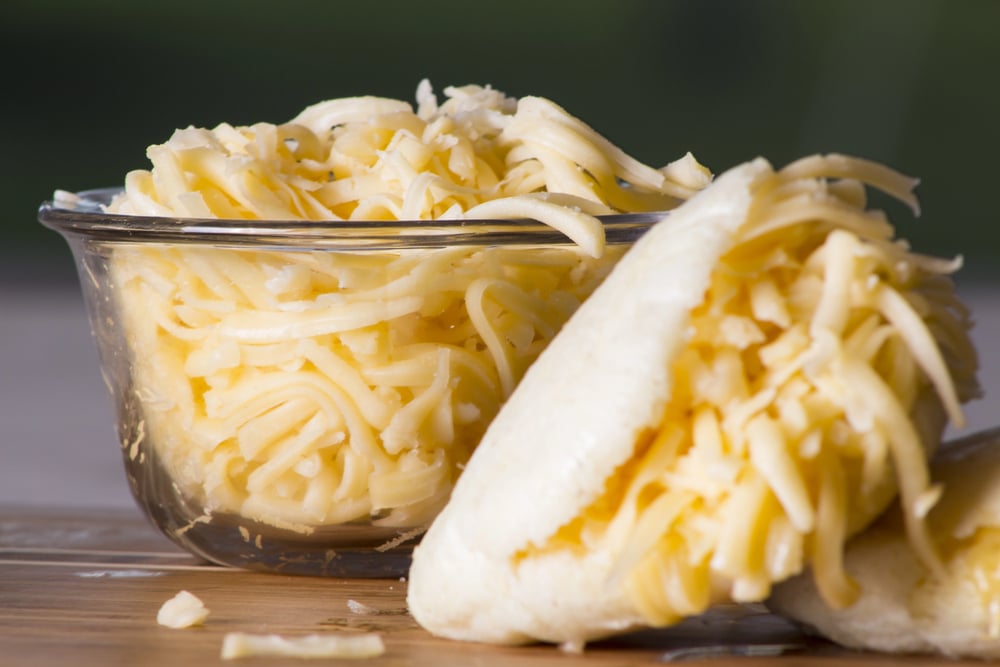
Venezuelans and Colombians take corn, turn it into something that’s part bread and part canvas, then fill it with whatever makes the morning worthwhile. Usually cheese — white cheese that melts just enough to become creamy without losing its shape entirely.
The arepa itself has a gentle corn flavor that doesn’t compete with whatever goes inside it, but doesn’t disappear either. It’s substantial enough to feel like a meal, portable enough to eat while you’re doing other things.
The cheese adds richness without drama, salt without sharpness. The combination feels both ancient and practical, like someone figured out exactly how to make corn and dairy work together and then stopped there because nothing else was needed.
Kimchi and Rice
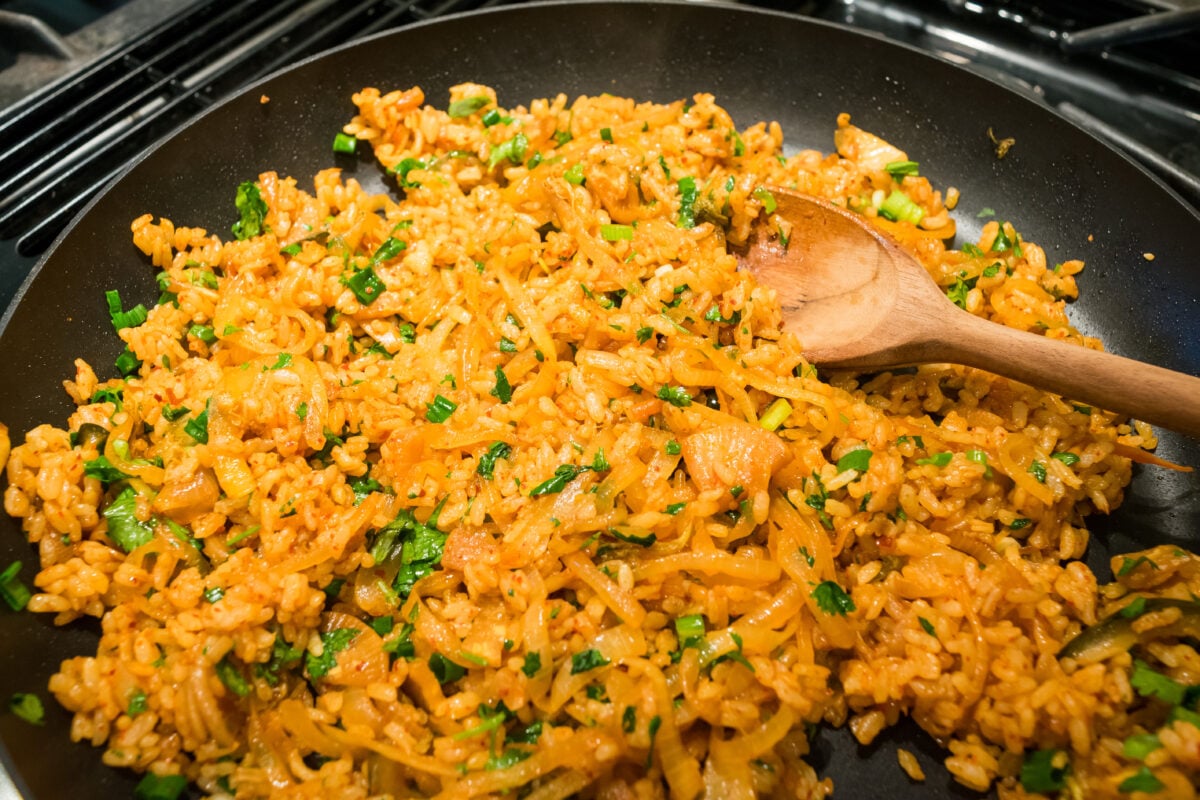
Koreans pair fermented vegetables with plain rice and somehow end up with breakfast that tastes more awake than coffee. The kimchi — spicy, sour, alive with bacteria that’s been working for weeks — cuts through morning grogginess like nothing else can.
The rice doesn’t try to compete with the kimchi’s intensity. It just sits there being rice, absorbing flavors, providing the kind of gentle starch that prevents the kimchi from overwhelming your system first thing in the morning.
Each bite alternates between the quiet comfort of rice and the sharp wake-up call of fermented cabbage, creating a rhythm that somehow makes sense even when your brain is still catching up to the fact that you’re awake.
A Morning Language We All Speak
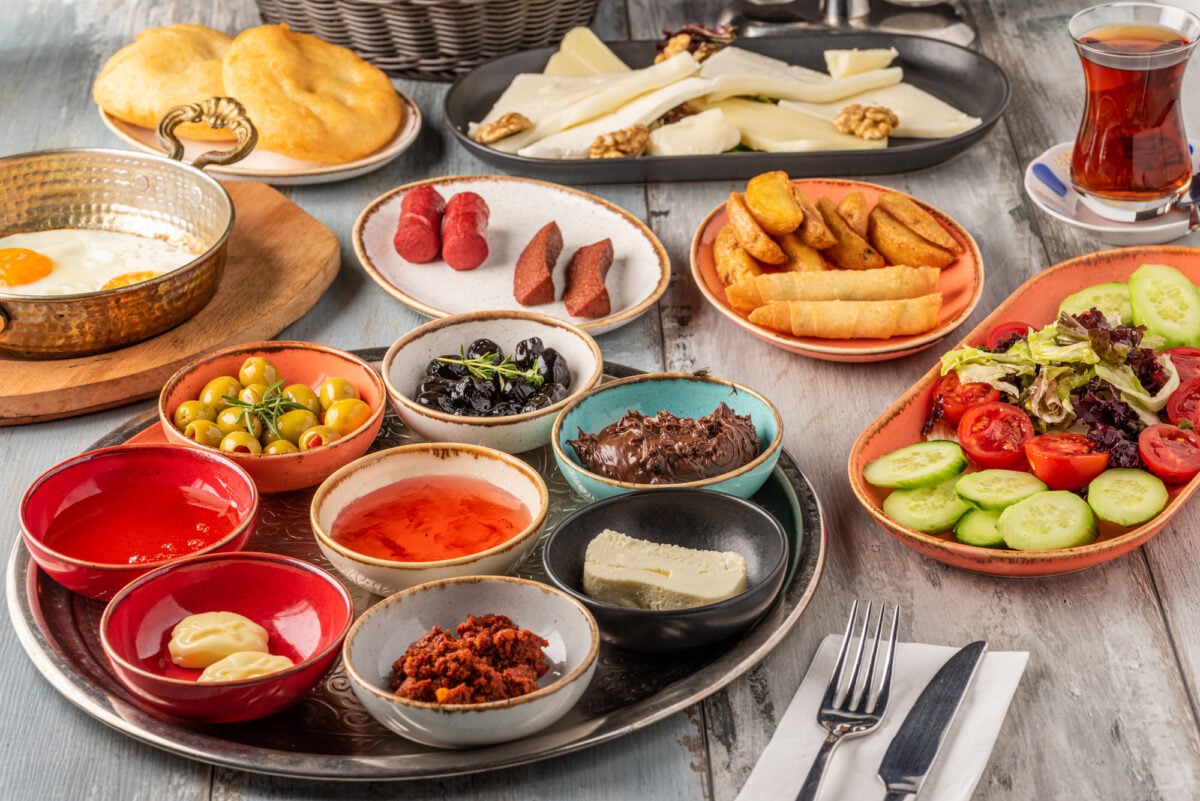
Every culture’s breakfast tells the same story in a different accent. We wake up hungry, reach for what’s familiar, and create small ceremonies that ease us into the day ahead.
The combinations change — rice here, bread there, things fermented or fresh or somewhere in between — but the impulse stays the same. What’s remarkable isn’t how different these morning meals are, but how similar the need behind them feels.
Something warm, something filling, something that doesn’t require too many decisions when decision-making still feels like work. The best breakfast combinations aren’t trying to be clever; they’re just trying to work, day after day, until they become the taste of morning itself.
More from Go2Tutors!

- The Romanov Crown Jewels and Their Tragic Fate
- 13 Historical Mysteries That Science Still Can’t Solve
- Famous Hoaxes That Fooled the World for Years
- 15 Child Stars with Tragic Adult Lives
- 16 Famous Jewelry Pieces in History
Like Go2Tutors’s content? Follow us on MSN.



