Early Internet Memes We Forgot
The internet wasn’t always the polished, algorithm-driven space it is today. Back in the early 2000s, it was a wild frontier where weird videos, bizarre images, and random jokes spread like wildfire through email chains and primitive social media sites.
These weren’t the carefully crafted memes we see now. They were raw, strange, and often made no sense at all, but people loved them anyway.
Before Twitter threads and TikTok trends took over, the internet had its own collection of oddities that brought people together. Let’s dive into some of those forgotten gems that once ruled our screens.
Badger Badger Badger
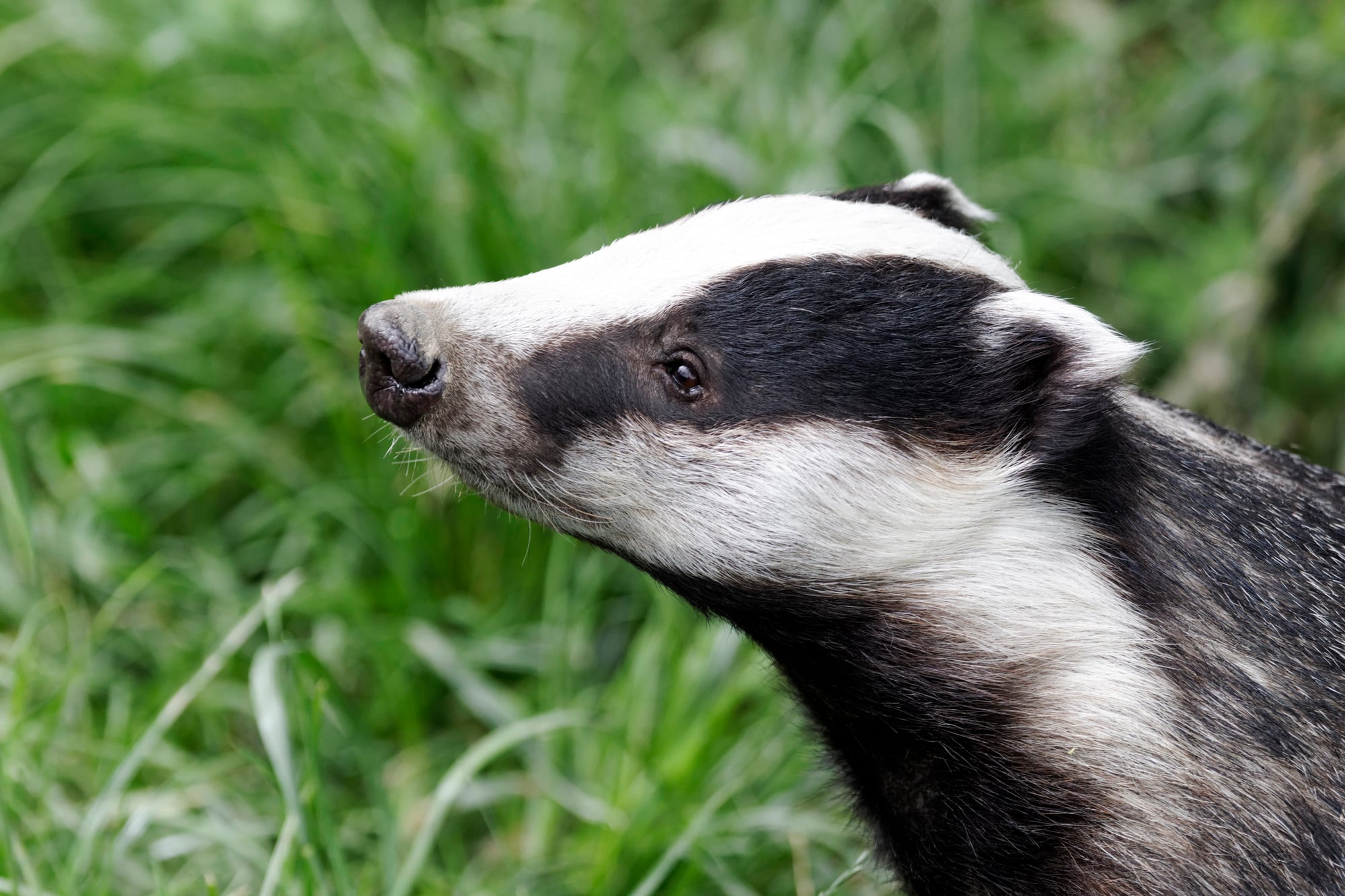
This looping animation featured cartoon badgers bouncing around while a monotonous voice repeated ‘badger’ over and over again. Every so often, a mushroom would pop up, and then a snake would appear out of nowhere.
The whole thing lasted about a minute before starting over, and somehow people watched it for hours. It made absolutely no sense, but that was the point.
The simplicity and repetition turned it into an earworm that stuck in your brain for days, whether you wanted it to or not.
Hampster Dance

Rows of animated hamsters danced across the screen to a sped-up song that sounded like chipmunks on caffeine. The website had no purpose other than to show these tiny rodents wiggling around endlessly.
People sent the link to friends just to confuse them, and it worked every time. The site became so popular that it eventually spawned merchandise, music singles, and even a brief moment of mainstream fame.
Looking back, it’s hard to explain why anyone found it entertaining, but millions of people clearly did.
All Your Base Are Belong To Us

A poorly translated line from an old video game became one of the internet’s first viral phrases. The awkward English caught people’s attention, and soon the phrase was everywhere.
Creative folks photoshopped it onto road signs, buildings, and famous landmarks, creating a whole movement around this grammatical disaster. The joke spread across forums and early websites, becoming a shared language for internet users.
It proved that humor didn’t need to be sophisticated to bring people together.
Dancing Baby

A 3D animated baby cha-chaed its way into internet history as one of the first viral videos. The low-quality animation looks laughably outdated now, but back then it was cutting-edge technology.
People downloaded the file and sent it through email chains, passing it along like a digital chain letter. The dancing baby even made it onto television shows, including a memorable appearance on Ally McBeal.
It represented the internet’s potential to create something out of nothing and share it with the world.
Homestar Runner
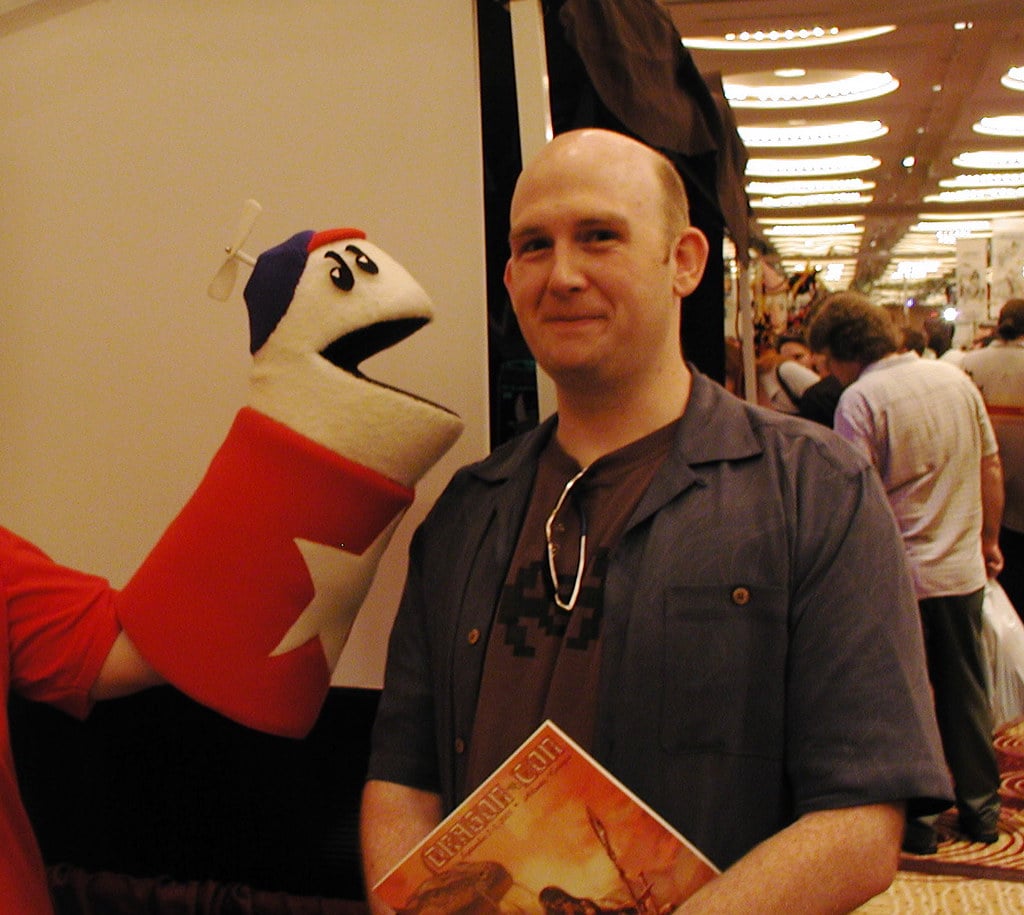
This Flash animation website featured a legless character named Homestar and his friends in a bizarre universe filled with inside jokes. The most popular segment involved Strong Bad answering emails while making fun of the people who sent them.
Episodes dropped irregularly, and fans would gather online to discuss every new detail and hidden Easter egg. The humor was absurdly specific, referencing things that only existed within the Homestar universe.
It built a dedicated following that treated each update like a major event, creating one of the internet’s first true fandoms.
Peanut Butter Jelly Time

A dancing banana with a hat gyrated across screens while a ridiculously catchy song played on repeat. The animation was crude, the concept was absurd, and yet it became impossible to ignore.
People shared it constantly, forcing their friends to sit through the entire thing. The meme got so big that it appeared in Family Guy and other TV shows, cementing its place in pop culture.
The banana’s simple design and hypnotic movements made it oddly mesmerizing despite having zero substance.
Numa Numa
A guy sat in front of his webcam and lip-synced to a Romanian pop song with pure joy and enthusiasm. His expressions were over the top, his movements were goofy, and he clearly didn’t care what anyone thought.
The video spread across the internet because it captured something genuine in an era when most content felt experimental and unpolished. It wasn’t trying to go viral or build a brand.
This was just someone having fun, and that authenticity resonated with viewers who were tired of overly produced content.
Leeroy Jenkins

A World of Warcraft player ruined his team’s carefully planned raid by charging in recklessly while screaming his own name. The video captured the chaos that followed, with his teammates frantically trying to salvage the situation while yelling at Leeroy.
It became shorthand for anyone who acts impulsively without thinking about consequences. Gamers quoted it constantly, and it spread beyond gaming circles into mainstream internet culture.
The clip perfectly captured the unpredictable nature of online gaming and how one person could derail everything in seconds.
Chocolate Rain

A deep-voiced singer performed an original song about racial injustice while moving away from the microphone to breathe. The contrast between his serious message and the quirky delivery made it unforgettable.
People couldn’t stop watching, partly because of the song’s catchy melody and partly because of the unusual vocal technique. The video launched the singer’s career and spawned countless parodies and remixes.
It showed that weird presentations could actually help important messages reach wider audiences.
Charlie The Unicorn

Charlie never saw it coming when those two bright-eyed unicorns hauled him into another mess. Their latest trip? Maybe candy clouds, maybe the edge of space – no warning, just chaos.
Crude lines wobbled across the screen like someone doodled during class. Laughter came from how hard he fell while they bounced ahead, chirping nonsense.
One moment you’re sliding down a gumdrop cliff, next thing you’re stranded on lunar cotton. Fans started gathering quietly, passing episodes like secret notes.
What looked sweet at first bite left a bitter aftertaste – and somehow, that stuck. Bright colors fooled everyone; behind them hid something odder, sharper, willing to break its own rules.
The Llama Song

A funny-looking llama froze on screen as someone chanted silly words about llamas, ducks, along with stuff like staplers and spoons. Without rhythm, tune, or direction, the track refused to follow any rules music usually obeys.
Laughter spread fast since its total lack of purpose felt oddly bold. Passed around by email, then shared on clunky forums and personal webpages, it left viewers puzzled after pressing play.
This clip captured how the online world once celebrated chaos, long before smart systems sorted every click into predictable boxes.
End Of The World

A cartoon made with Flash showed nations firing nukes back and forth, voices chatting lightly over the chaos. Fast forward a bit – Earth blows up, people just sit there, unsure how to react.
Laughing at doom like it’s spilled coffee gave it an odd charm. Lines from it spread online, tossed around in discussions everywhere.
Rough drawings plus grim jokes somehow captured the web’s wild early days perfectly.
Salad Fingers

A quiet voice murmured about peeling metal while spindly hands brushed strange surfaces – this eerie web series unfolded in whispers and shadows. Each scene drifted like smoke through surreal moments that refused to fade once seen.
Oddly compelling, the show gathered crowds drawn to its unsettling rhythm. Friends passed clips around just to witness shock ripple across faces.
Through raw originality, it proved online viewers craved stories bent outside normal shapes.
Dramatic Chipmunk

Out of nowhere, a prairie dog swiveled its head straight into frame just as heavy orchestral notes began swelling. That moment – only five seconds long – somehow felt like comedy perfected through accident and timing.
Instead of words, the creature’s wide-eyed stare did all the talking, synced flawlessly with sound that suggested impending doom. Viewers started tacking it onto their clips, especially when something absurd happened at the end.
Others dropped it mid-chat online whenever someone shared wild updates. Short enough to loop twice without notice, yet packed with more punch than longer jokes.
It showed how tiny things, unplanned and odd, often stick harder than polished productions.
Rejected Cartoons
A single creator dreamed up odd pretend ads said to have been turned down by real companies. Starting tame enough, each clip twisted further off course until nothing made sense anymore.
Strange visuals crept in, then full-blown nightmares took over. Laughter came from discomfort, surprise, moments that felt like dreams gone wrong.
Nothing similar floated around online back then – this stood apart. Recognition followed, trophies arrived, fans whispered about it for years after.
Artists saw proof: you no longer needed permission to show strange ideas to the world.
Gonads And Strife

This Flash animation featured a muscular squirrel and other characters in bizarre, violent scenarios set to techno music. The animation was frenetic and overwhelming, bombarding viewers with colors and movement.
It made no attempt to tell a coherent story or make sense in any traditional way. People either loved its chaotic energy or found it completely unwatchable.
It represented the experimental nature of early internet animation, where creators pushed boundaries just to see what would happen.
Oolong The Rabbit

Beside a quiet windowsill sat a rabbit named Oolong, known for holding things steady atop his head. Pancakes perched there once; so did apples, small cups, even tiny hats – each captured mid-balance.
Online spaces began passing these pictures around like quiet secrets whispered between friends. Simple moments, frozen in time, found their way into emails, blogs, random threads without warning.
Though he is gone now, those snapshots remain, scattered but persistent. Stillness looked good on him – the kind that made people pause their scrolling, just briefly.
Schfifty Five

One cartoon showed kids saying “schfifty five” while acting absurd. Those high-pitched voices scratched at your ears, wobbling through messy drawings on screen.
Somehow sleepwalking nonsense stuck in everyone’s head after one watch. Even when nobody could explain the joke, it kept spreading anyway.
It burned bright because being off-kilter became its own kind of logic online. Odd just fit – no reason needed, only gut feeling pulling people toward chaos.
What Those Memes Meant Back Then

Odd little corners of the early web didn’t only kill time at dull office jobs. Because back then, the digital space had no clear shape, jokes passed between faraway users built something like community.
While now you need a PhD to get most online humor, those first viral bits needed nothing but eyes. Free from chasing clout or cash, they thrived on wild randomness alone.
Though origins fade, their untamed spirit quietly lives on in every strange trend since. Still.
More from Go2Tutors!

- The Romanov Crown Jewels and Their Tragic Fate
- 13 Historical Mysteries That Science Still Can’t Solve
- Famous Hoaxes That Fooled the World for Years
- 15 Child Stars with Tragic Adult Lives
- 16 Famous Jewelry Pieces in History
Like Go2Tutors’s content? Follow us on MSN.