Cave Discoveries That Rewrote History
Beneath the surface, hidden spots guard truths school books skipped. One day, a farmer trips into a room below ground.
Meanwhile, a kid crawls through a narrow gap in stone. Not far off, an expert clears old grime from ancient walls.
Then – without warning – all accepted history starts to wobble. These aren’t merely curious discoveries.
Instead, they flip old assumptions upside down – rewriting when things happened, who was involved, or what anyone thought possible.
Lascaux Cave and the Birth of Art
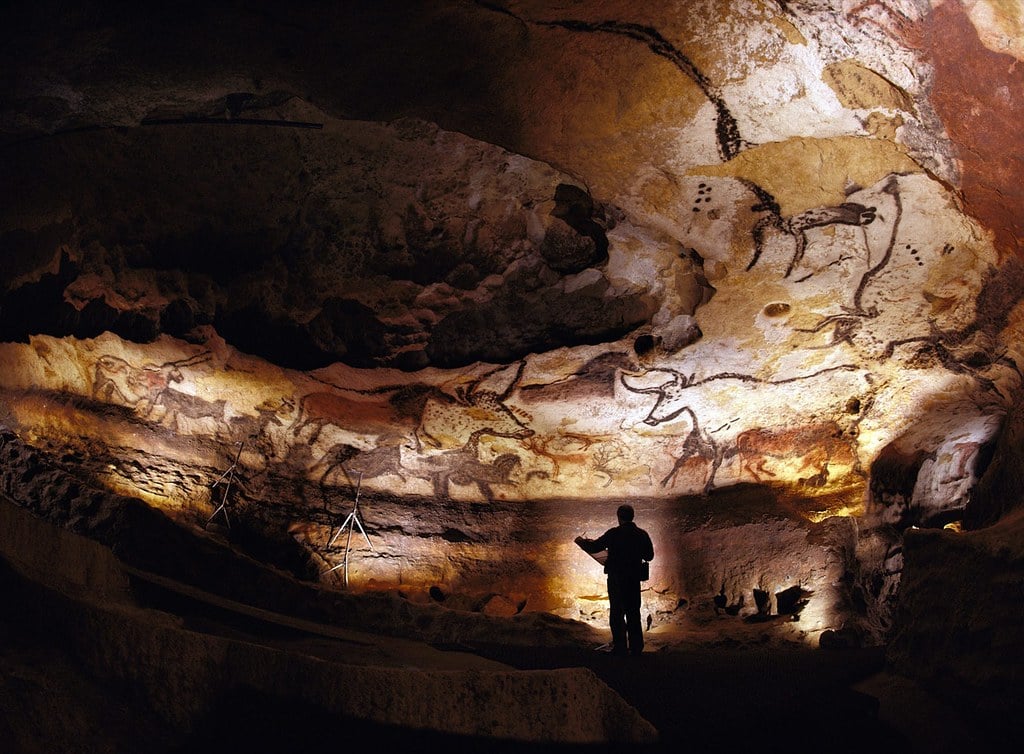
French teenagers exploring in 1940 found paintings that stopped the art world cold. The images covered the walls in reds, blacks, and ochres.
Horses mid-gallop. Bulls charging. Deer leaping. The paintings weren’t crude stick figures.
They showed movement, perspective, and an understanding of anatomy that seemed impossible for people living 17,000 years ago. Before Lascaux, scholars treated prehistoric humans as primitive survivors barely scraping by.
The cave proved otherwise. These people had leisure time, artistic vision, and technical skill.
They mixed pigments, built scaffolding to reach high walls, and created images that still captivate viewers today. The discovery forced a complete rethinking of early human cognitive abilities and cultural sophistication.
The Dead Sea Scrolls

A Bedouin shepherd threw a rock into a cave near Qumran in 1947. He heard pottery break.
Inside those broken jars sat scrolls that hadn’t seen daylight in 2,000 years. The texts included the oldest known copies of Hebrew Bible passages, plus previously unknown religious writings.
Scholars had assumed biblical texts changed dramatically through centuries of copying. The scrolls proved them wrong.
The texts matched much later versions with remarkable accuracy. But the scrolls also revealed fierce debates within ancient Judaism that nobody knew existed.
Different sects. Competing interpretations. A religious landscape far more complex than anyone imagined.
The discovery continues reshaping understanding of both Judaism and early Christianity. Those broken pottery pieces in a desert cave held answers to questions scholars didn’t know to ask.
Altamira Cave and the Fight for Recognition
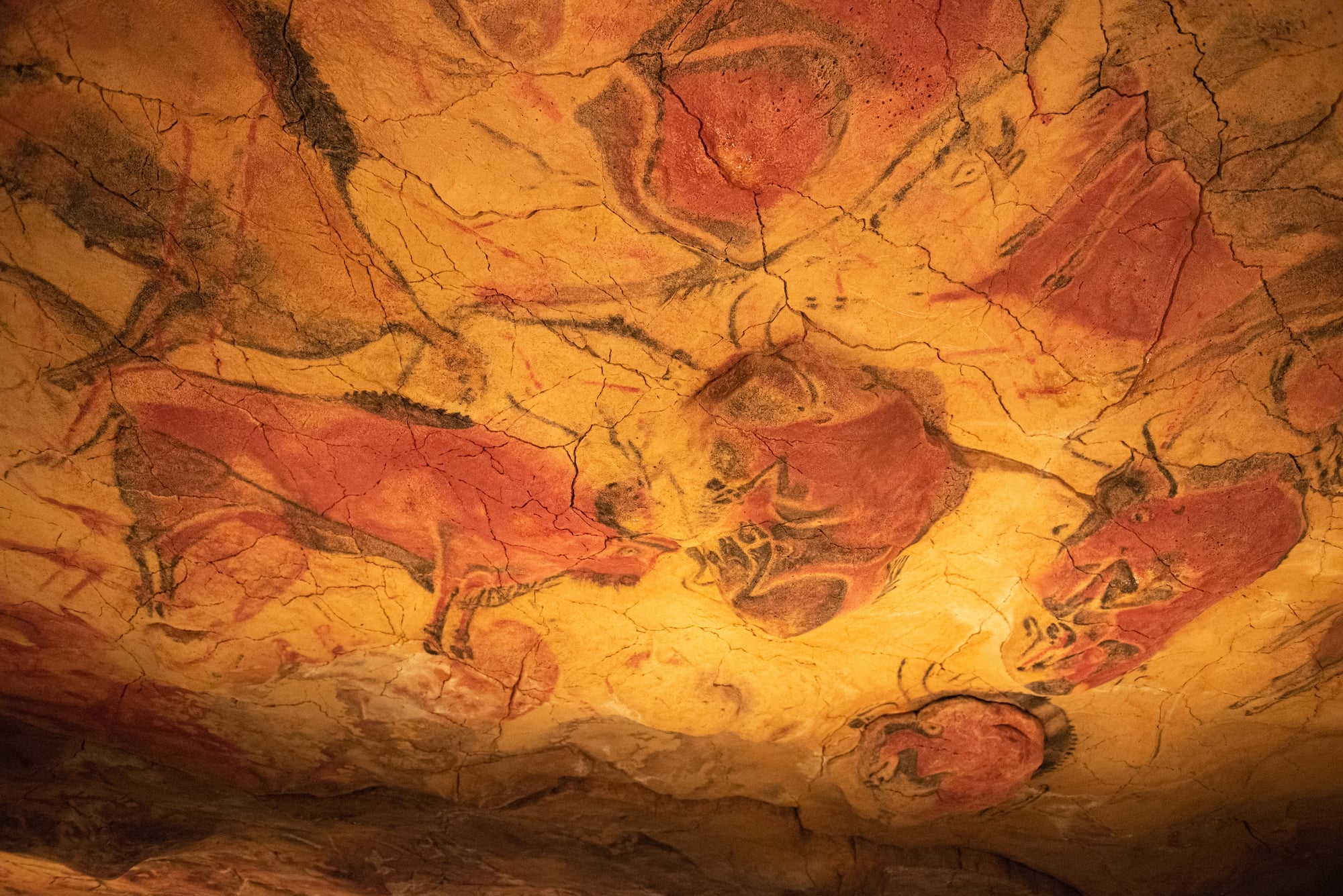
When Marcelino Sanz de Sautuola announced his 1879 discovery of prehistoric paintings in northern Spain, experts laughed him out of academic circles. The paintings were too good.
Too sophisticated. Obviously fake. He died in disgrace.
Twenty years later, similar paintings turned up in France. Then more in Spain.
The experts quietly admitted their mistake. Altamira’s paintings dated back 36,000 years.
The cave contained multiple layers of artwork spanning thousands of years, showing how artistic techniques evolved. The controversy reveals how hard it is to change accepted beliefs.
Sautuola had physical proof. Carbon dating. Expert analysis.
But prevailing theories said Stone Age humans couldn’t create such art, so the establishment rejected evidence that contradicted their assumptions. Altamira stands as a warning about academic certainty and the cost of being right too early.
Denisova Cave and a Lost Human Species

A finger bone fragment and some teeth from a Siberian cave in 2008 revealed an entirely unknown branch of humanity. DNA analysis showed the Denisovans were distinct from both modern humans and Neanderthals.
They lived in Asia tens of thousands of years ago and interbred with our ancestors. The find demolished the clean narrative of human evolution.
Instead of a straight line from primitive to modern, the story involves multiple human species coexisting, meeting, and having children together. You carry Denisovan DNA if you have ancestry from Oceania or Southeast Asia.
So do Tibetans, which explains their adaptation to high altitudes. One cave changed the entire human family tree.
Suddenly there were more siblings, more cousins, and more questions about what makes someone human.
Chauvet Cave and Pushing Back the Timeline
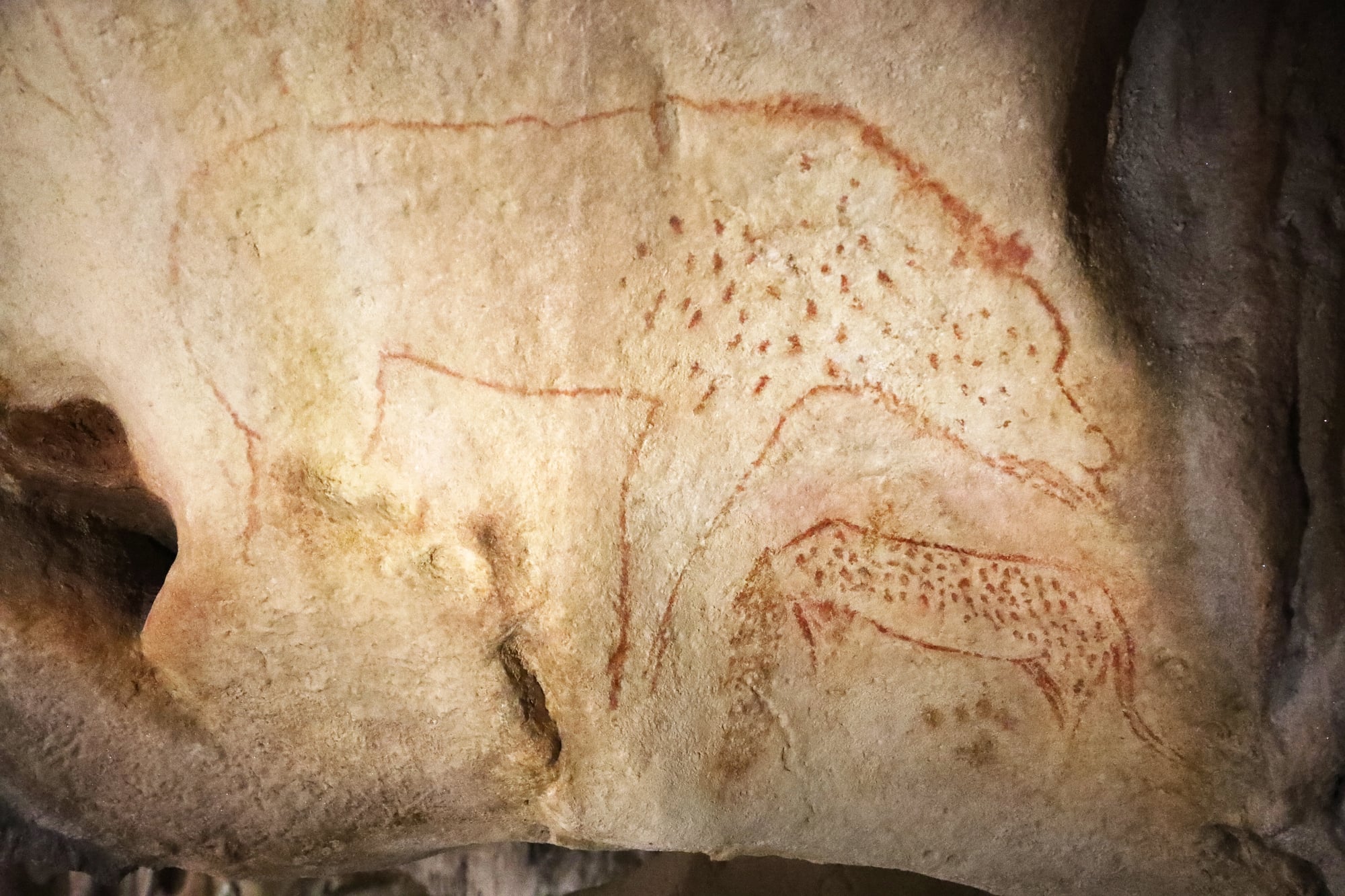
In 1994, explorers in southern France found a cave sealed for 20,000 years. The art inside dated to 36,000 years ago, making it among the oldest known.
But age wasn’t the shocking part. The sophistication was.
Earlier discoveries like Lascaux showed steady artistic progress over millennia. Chauvet threw that theory out.
The oldest paintings showed advanced techniques: shading, perspective, careful composition. Whoever created these images started with skills that supposedly took thousands of years to develop.
The discovery suggests artistic ability exploded onto the scene fully formed rather than gradually evolving. Maybe early humans were always capable of complex art but rarely had resources and stability to practice it.
Or maybe evidence of earlier development simply hasn’t been found yet. Either way, Chauvet forces reconsideration of how quickly human creativity emerged.
Qesem Cave and the Controlled Use of Fire
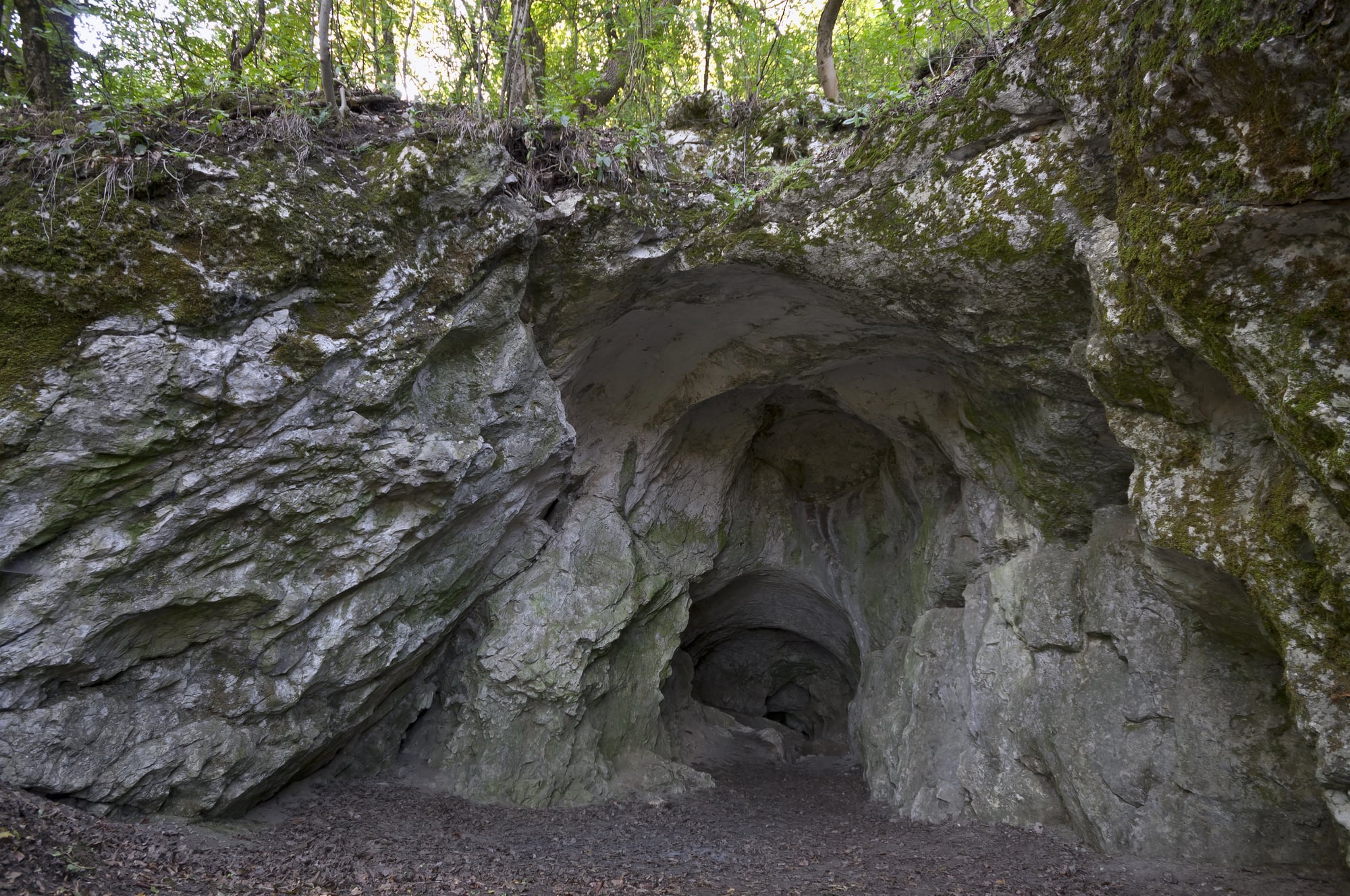
Near Tel Aviv, a cave yielded evidence that changed understanding of when humans mastered fire. Microscopic analysis of burned materials dated to 300,000 years ago, pushing back controlled fire use by hundreds of thousands of years.
Fire changed everything. It provided warmth, protection from predators, and a way to cook food.
Cooked food meant more calories extracted from less effort, which supported larger brains. Fire became the center of social gathering, where stories got told and culture developed.
The Qesem evidence shows humans controlled fire far earlier than previously thought. That extra time with fire explains a lot about human development.
Bigger brains need more energy. Fire provided it. The cave contained layer after layer of ash and burned bone, proving repeated use over thousands of years.
Blombos Cave and Early Symbolic Thinking
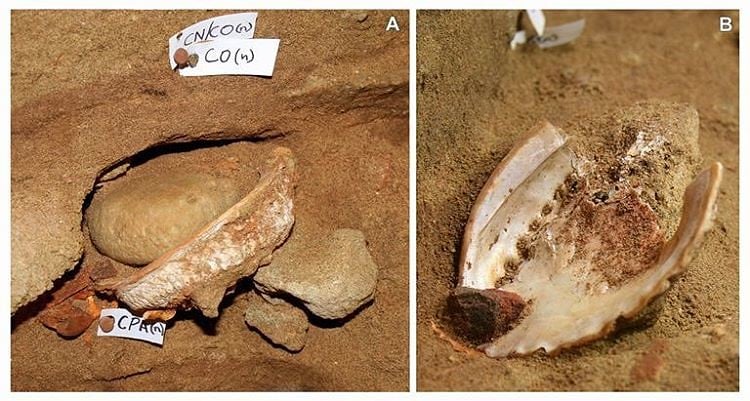
On South Africa’s coast, archaeologists found ochre chunks carved with geometric patterns. The engravings dated to 75,000 years ago.
Simple crosshatching. But those lines represented something profound: abstract thinking and symbolic behavior.
Before Blombos, scholars dated symbolic thinking to around 40,000 years ago in Europe. The cave pushed that back 35,000 years and moved it to Africa.
The engravings show planning, pattern recognition, and possibly communication through symbols. The cave also yielded shell beads, suggesting body decoration and personal identity.
These finds support the theory that modern human cognition emerged in Africa long before the migration to Europe. The creative explosion seen in European caves wasn’t the beginning.
It was a continuation of abilities that developed much earlier.
Nawarla Gabarnmang and Indigenous Australian Continuity

In northern Australia, this rock shelter contains artwork spanning at least 28,000 years, making it one of the longest continuous art traditions anywhere. But the site reveals more than just paintings.
The shelter shows deliberate architectural modification. Ancient inhabitants removed pillars to create open space while maintaining roof support.
They carved the ceiling into patterns. They managed the site over millennia, making it both functional and beautiful.
The discovery confirms what Indigenous Australians always said: their culture goes back tens of thousands of years in continuous occupation. Western academics often dismissed these claims as myth.
The cave provides physical proof of cultural continuity spanning hundreds of generations, forcing recognition of one of the world’s oldest living cultures.
Vindija Cave and Neanderthal Interbreeding
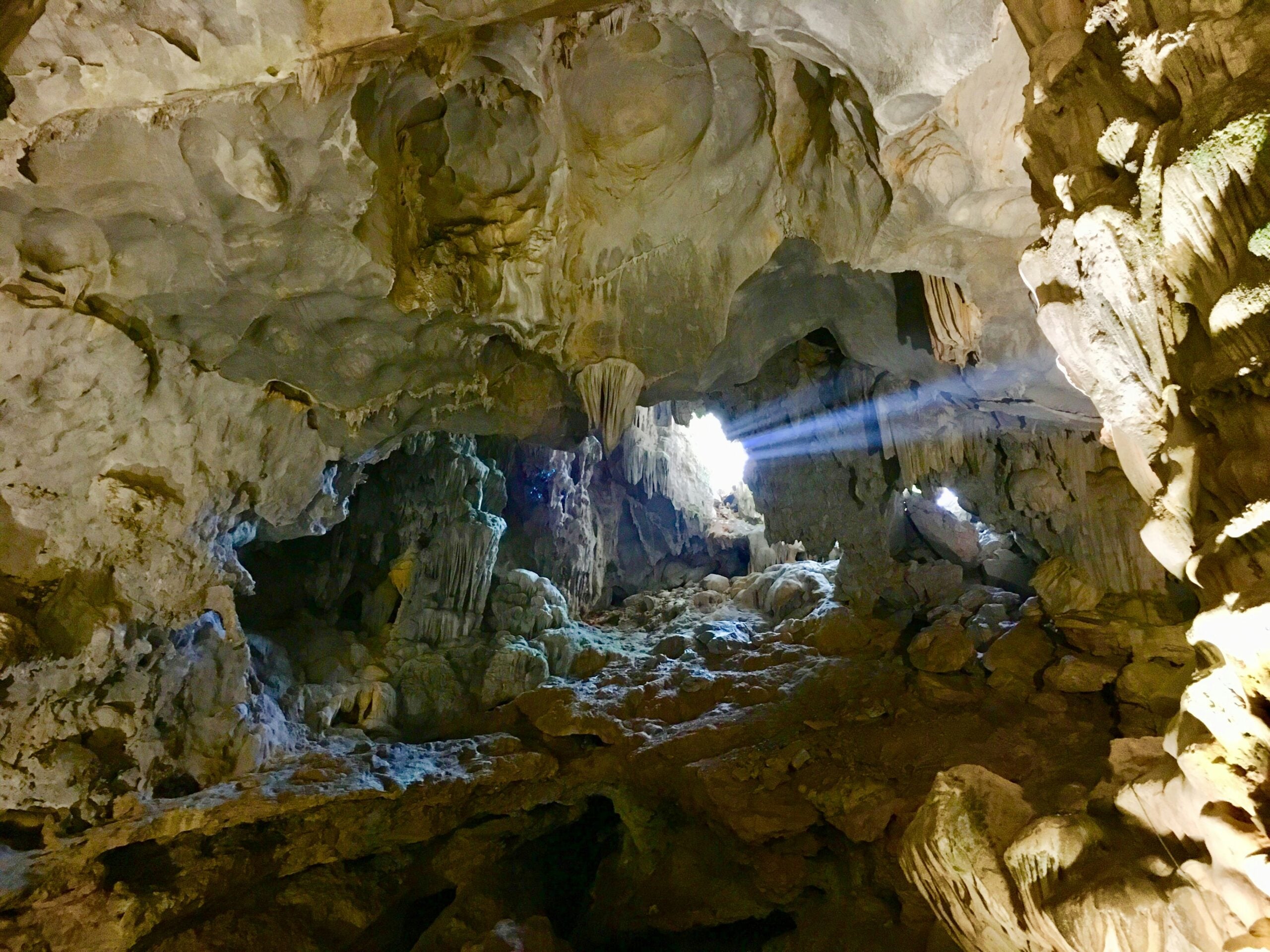
Croatian cave deposits from the 1980s seemed unremarkable until DNA technology advanced enough to sequence ancient genomes. Analysis revealed that Neanderthals and modern humans interbred, contributing genes to people of European and Asian descent.
The finding destroyed the idea that Neanderthals were evolutionary dead ends replaced by superior modern humans. Instead, they were closely related cousins who sometimes formed families together.
Their genes helped modern humans adapt to new environments as they spread from Africa. You likely carry Neanderthal DNA affecting your immune system, skin color, and even pain perception.
Far from being extinct, Neanderthals live on in most people outside Africa. The cave material rewrote the human story from replacement to assimilation.
El Castillo Cave and Dating Debates

Spanish researchers analyzing paintings in El Castillo found some sections dated to at least 40,800 years ago. That pushes them back to when Neanderthals still lived in Europe.
The dating raises uncomfortable questions: who painted them? If Neanderthals created these images, then artistic expression isn’t unique to modern humans.
If modern humans arrived earlier than thought, migration timelines need revision. Either answer changes fundamental assumptions.
The cave reminds us how much remains unknown. Dating methods improve. New caves are discovered.
Each finding can overturn years of accepted theory. Certainty in archaeology lasts only until the next excavation.
Swartkrans Cave and Early Tool Use

This South African cave system yielded burned bones dating to 1.5 million years ago, suggesting early human ancestors controlled fire far earlier than anyone imagined. But the cave also contained bones from multiple hominin species, showing different human relatives occupied the same area.
The layers tell stories of predation, competition, and survival. Leopard teeth marks on hominin skulls. Evidence of early stone tools.
The cave captures a snapshot of a dangerous world where humans weren’t yet apex predators but vulnerable prey trying to survive. The finds from Swartkrans challenged romantic notions of noble early humans.
Life was brutal. Survival was uncertain. Success requires intelligence, cooperation, and innovation. The cave shows the harsh reality that shaped human evolution.
Cueva de los Aviones and Neanderthal Culture

Spanish researchers found marine shells deliberately painted and perforated in a cave sealed 115,000 years ago, before modern humans reached Europe. Neanderthals made these ornaments.
They mixed pigments. They valued decoration. For decades, scientists portrayed Neanderthals as brutish and uncultured compared to elegant modern humans.
Each new discovery chips away at that prejudice. Neanderthals buried their dead. They cared for injured group members.
They decorated themselves. They behaved in ways once considered uniquely human. The shells from this cave force acknowledgment that intelligence, culture, and symbolic thinking evolved multiple times in different human species.
Modern humans didn’t invent culture. They inherited and expanded capacities that emerged earlier across the human family.
The Places Between Then and Now

These caves have more in common than just what was found inside. Yet each sat right where history books were wrong about events versus how things really went down.
Still, they kept proof that school lessons overlooked, dates skipped, or ideas simply brushed off. The ground’s hiding more than we know.
Each season uncovers fresh digs, clearer timelines – sometimes even shockers nobody saw coming. What we’ve found in caves so far shows how quick we are to assume things when there’s simply no proof otherwise.
Out there, a hidden chamber sits quiet, packed with clues ready to flip some old story upside down.
More from Go2Tutors!

- The Romanov Crown Jewels and Their Tragic Fate
- 13 Historical Mysteries That Science Still Can’t Solve
- Famous Hoaxes That Fooled the World for Years
- 15 Child Stars with Tragic Adult Lives
- 16 Famous Jewelry Pieces in History
Like Go2Tutors’s content? Follow us on MSN.



