13 Store Chains That Closed in the 2000s
The retail landscape of America changes constantly, with new stores opening and others closing their doors forever. The 2000s proved particularly brutal for many once-thriving retail chains as they faced the perfect storm of economic recession, changing consumer habits, and the unstoppable rise of online shopping.
These businesses once defined our shopping experiences, appearing in malls and shopping centers across the nation, only to vanish into retail history. Here is a list of 13 once-mighty store chains that couldn’t make it through the first decade of the new millennium.
Borders Books
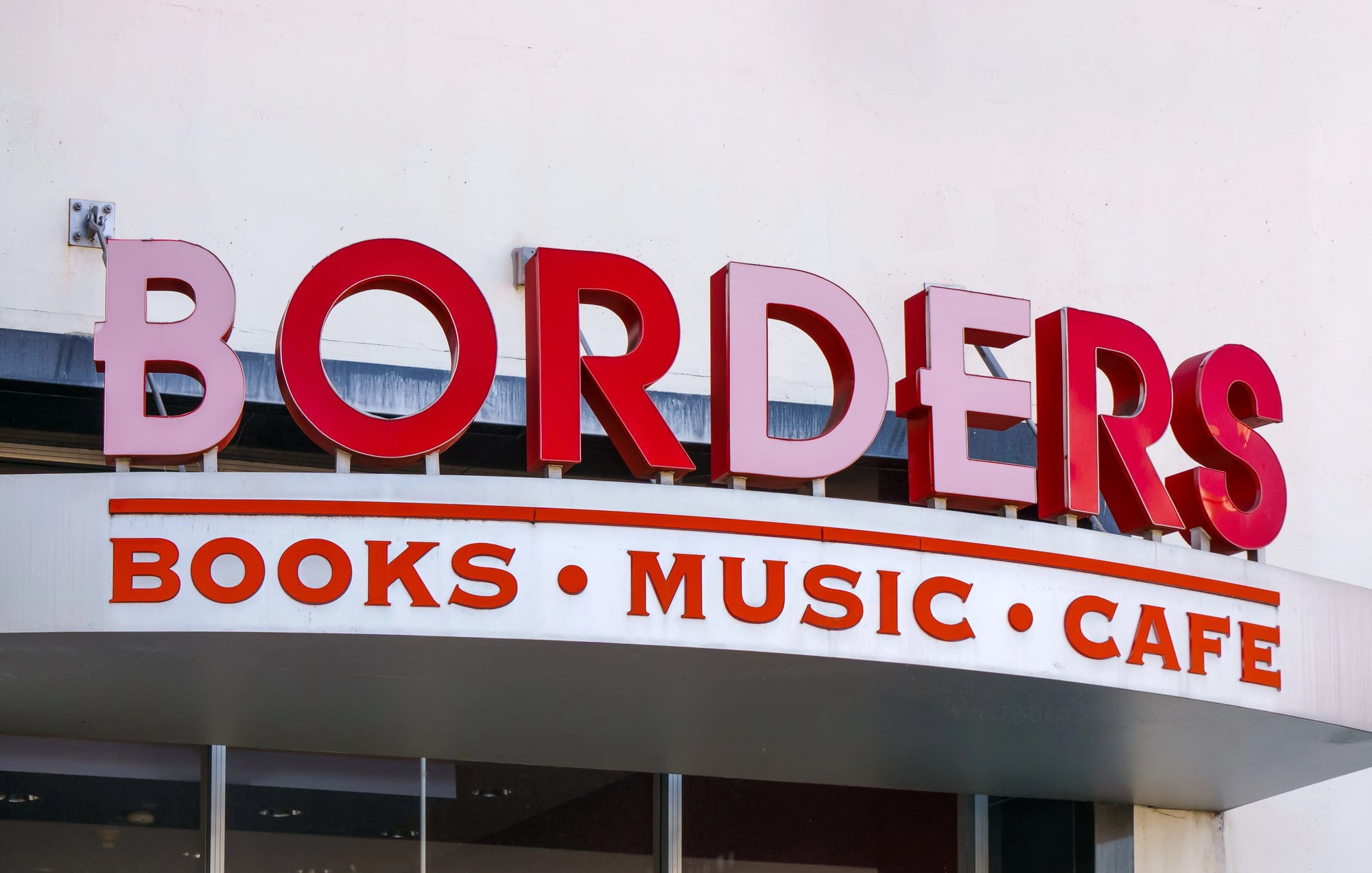
Once America’s second-largest bookstore chain, Borders expanded from a single used bookstore to over superstores nationwide. Their fatal mistake was outsourcing online sales to Amazon while investing heavily in physical locations just as e-readers gained popularity.
Unable to adapt to digital reading trends and drowning in debt, Borders liquidated all stores in and ended a beloved literary institution that had served as a community gathering spot for book lovers across the country.
Circuit City

For nearly sixty years, Circuit City’s red and white storefronts anchored shopping centers across America, pioneering the big-box electronics concept. The chain’s decline began with the disastrous decision to fire experienced sales staff to cut costs, causing customer service to plummet just as competition intensified.
Another blunder was abandoning appliance sales in, right before a massive housing boom. The financial crisis delivered the final blow, forcing all stores to close by early the following year.
Linens ‘n Things

With nearly six hundred stores nationwide, Linens ‘n Things was once the second-largest housewares retailer behind Bed Bath & Beyond. The company’s fortunes changed dramatically after a leveraged buyout loaded the retailer with unsustainable debt.
When the housing market collapsed, sales of home goods plummeted while interest payments mounted. Despite bankruptcy reorganization attempts, all physical locations closed by year’s end, though the brand later resurfaced as an online-only retailer.
CompUSA

Before the Apple Store era, CompUSA dominated computer retail with locations nationwide selling everything from PCs and printers to software and accessories. The chain failed to adjust as competition intensified from both online retailers and big-box stores offering similar products at lower prices.
After several restructuring attempts, the remaining CompUSA stores were liquidated. Though briefly revived under new ownership, the final stores permanently closed after years in business.
Sharper Image

The sleek, gadget-filled wonderland of Sharper Image was once a mall fixture where shoppers tested massage chairs, air purifiers, and countless innovative products. As online shopping grew, the retailer’s novelty factor diminished, with many customers browsing in-store but purchasing similar items for less elsewhere.
Product quality issues, particularly with flagship Ionic Breeze air purifiers, further damaged their reputation. After filing for bankruptcy, all physical stores closed, though the brand continues today as a licensing company.
Tower Records
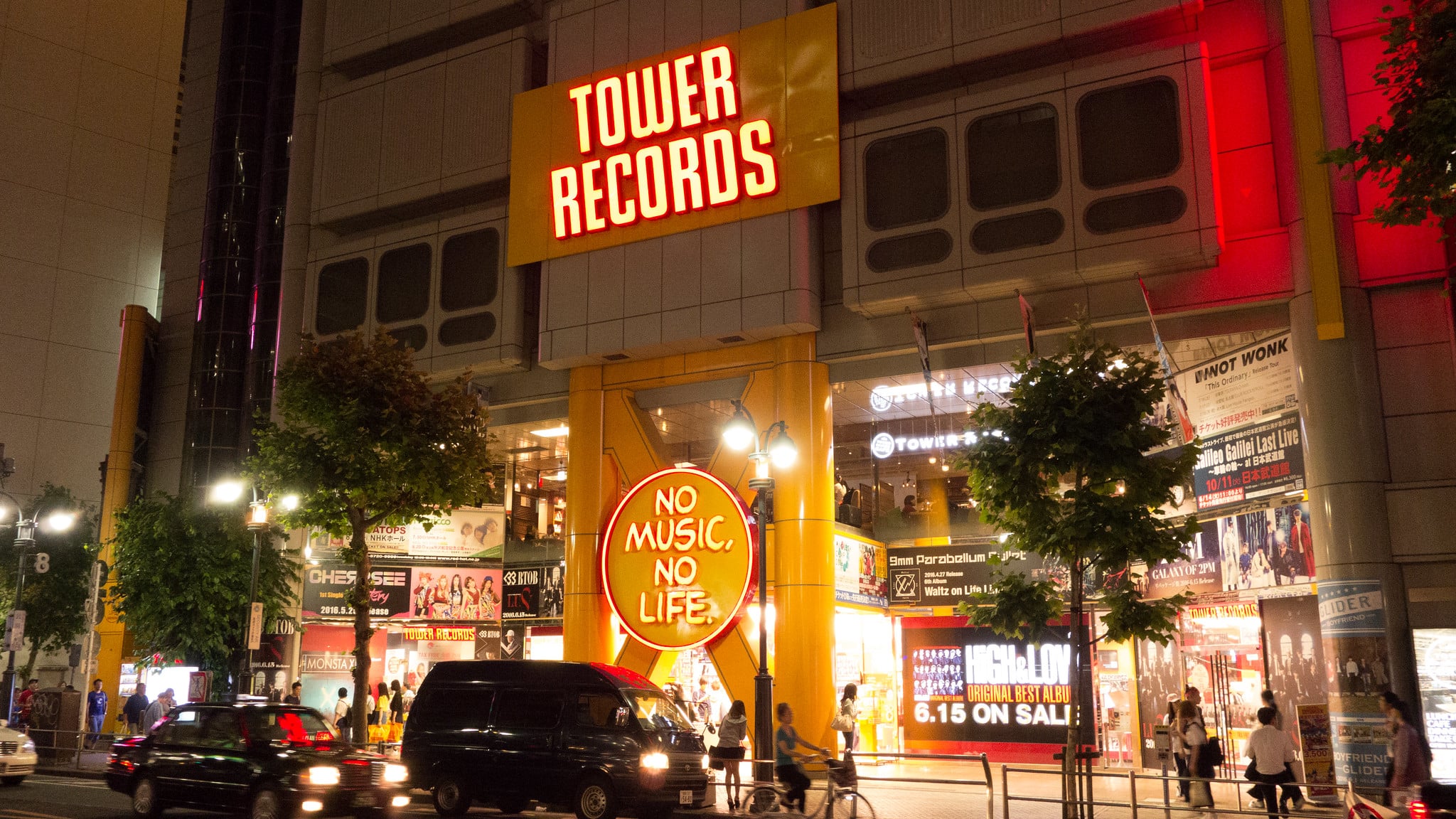
Few retail experiences matched browsing Tower Records’ cavernous aisles, with their distinctive red and yellow signage and seemingly endless selection of albums. The digital revolution proved fatal as MP3s and file-sharing fundamentally changed how consumers acquired music.
Despite loyal customers and cultural significance as places for discovery and community, Tower couldn’t offset declining CD sales and mounting debt. The chain closed all U.S. locations after nearly five decades – though interestingly, the brand remains alive in Japan.
Blockbuster Video
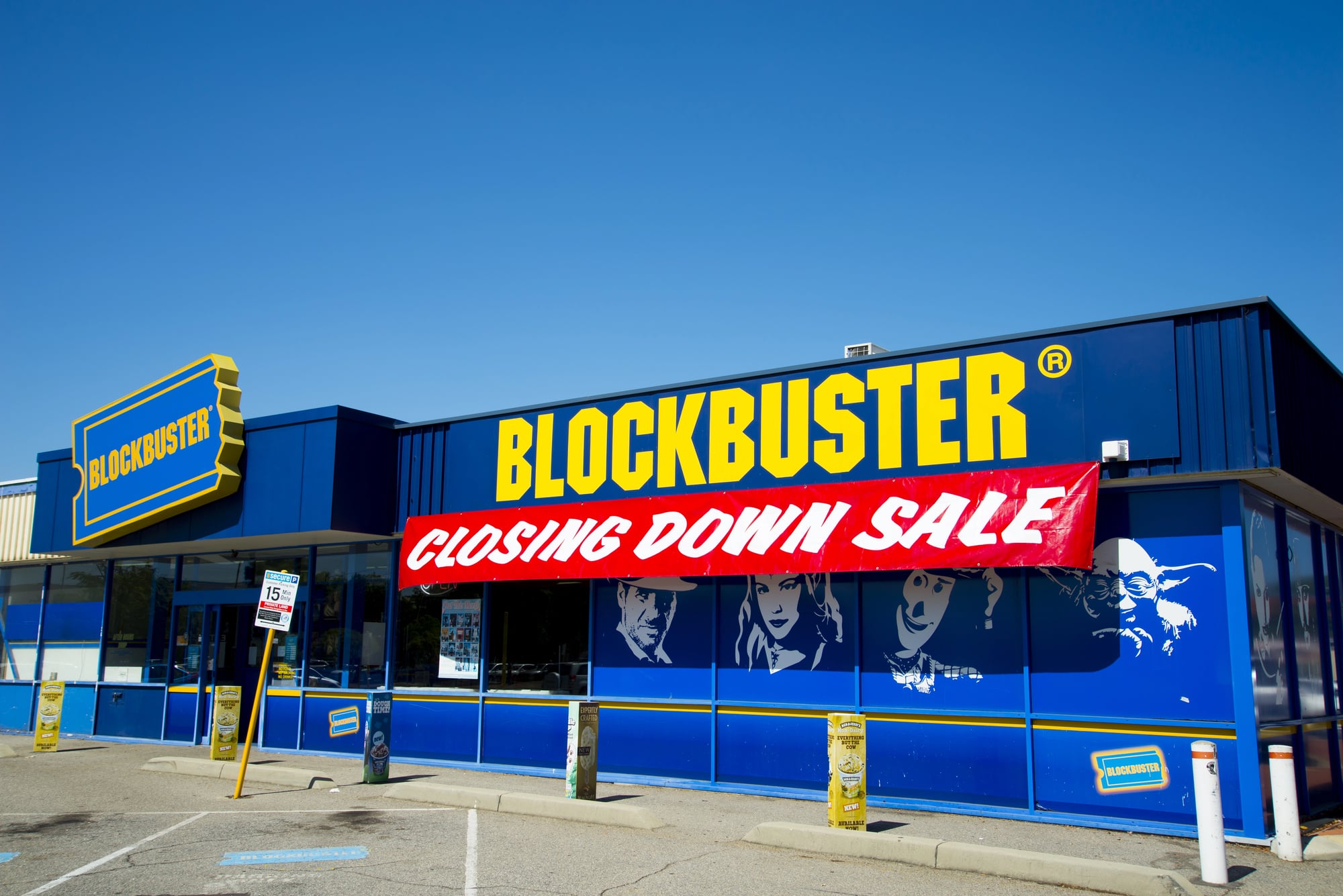
No retail failure better symbolizes the technological disruption than Blockbuster Video. At its peak, the blue and yellow stores dominated home entertainment with over thousands of locations worldwide.
The company famously declined to purchase Netflix for a modest sum, considering it a niche service. As digital streaming grew and Redbox offered convenient rentals without late fees, Blockbuster’s business model collapsed.
Steve & Barry’s
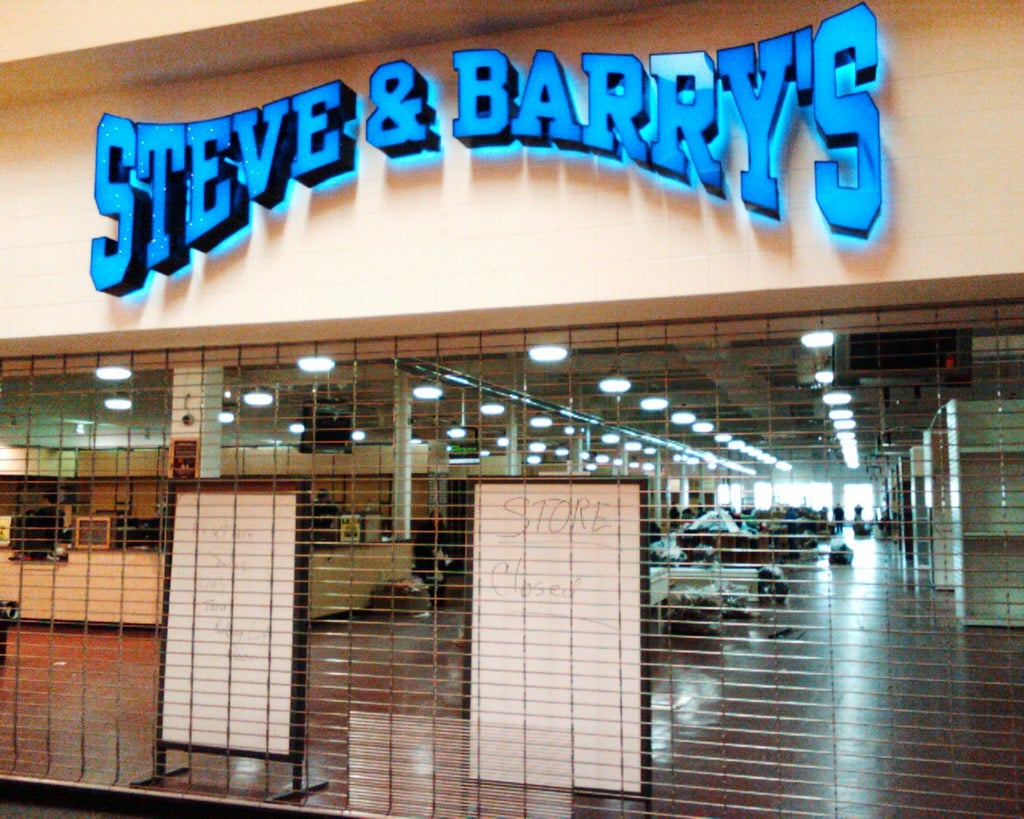
What began as a campus apparel store in the mid-eighties expanded into a nationwide phenomenon known for incredibly low prices – with most items under ten dollars, including celebrity fashion lines. Steve & Barry’s rapid growth placed hundreds of stores in struggling malls, securing favorable leases in exchange for driving foot traffic.
Their ultra-low pricing strategy proved unsustainable, leaving razor-thin margins dependent on high volume. When credit markets froze during the financial crisis, the retailer could no longer finance inventory and expansion, closing all stores within months.
Tweeter
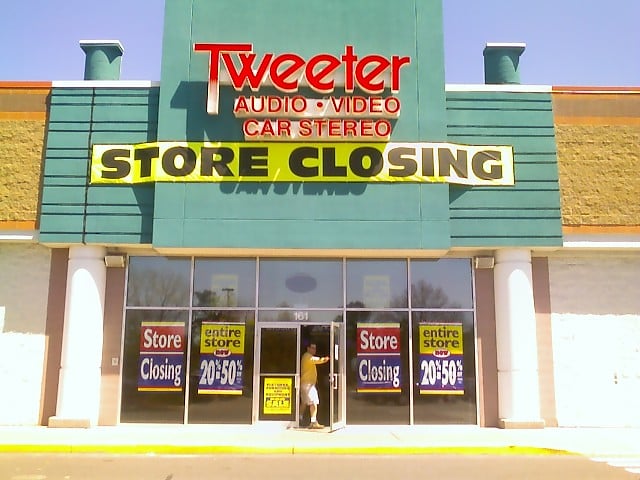
Tweeter carved out a niche selling high-end audio and video equipment with an emphasis on quality components, custom installation, and knowledgeable staff. Founded in the early seventies, the chain expanded aggressively in the early two-thousands by acquiring regional competitors.
However, this expansion coincided with electronics becoming commoditized, as flat-screen TVs and home theater systems became available at mass-market retailers for significantly lower prices. Burdened by acquisition debt and unable to maintain their premium positioning, Tweeter filed for bankruptcy and closed all locations the following year.
Warner Bros. Studio Store

Warner Bros. Studio Stores combined retail with theme park-like entertainment, featuring animated displays, character appearances, and exclusive merchandise from Looney Tunes, DC Comics, and other franchises. Launched in the early nineties to compete with Disney Stores, the chain grew to approximately one hundred thirty locations nationwide.
Despite strong brand recognition and healthy sales, parent company Time Warner shuttered all North American stores following the AOL merger, considering them non-essential to core business operations. This made them one of the earliest major retail casualties of the millennium.
Waldenbooks

Long before Barnes & Noble dominated bookselling, Waldenbooks introduced many Americans to bookstore browsing through convenient mall locations. Founded in the early thirties, the chain grew to become the nation’s largest bookstore throughout the seventies and eighties with over a thousand stores nationwide.
After being acquired by Kmart and later becoming part of Borders Group, Waldenbooks suffered from neglect as resources were directed toward larger superstores. Hundreds of locations closed during the early two-thousands before the remaining stores disappeared entirely when Borders Group liquidated.
Levitz Furniture
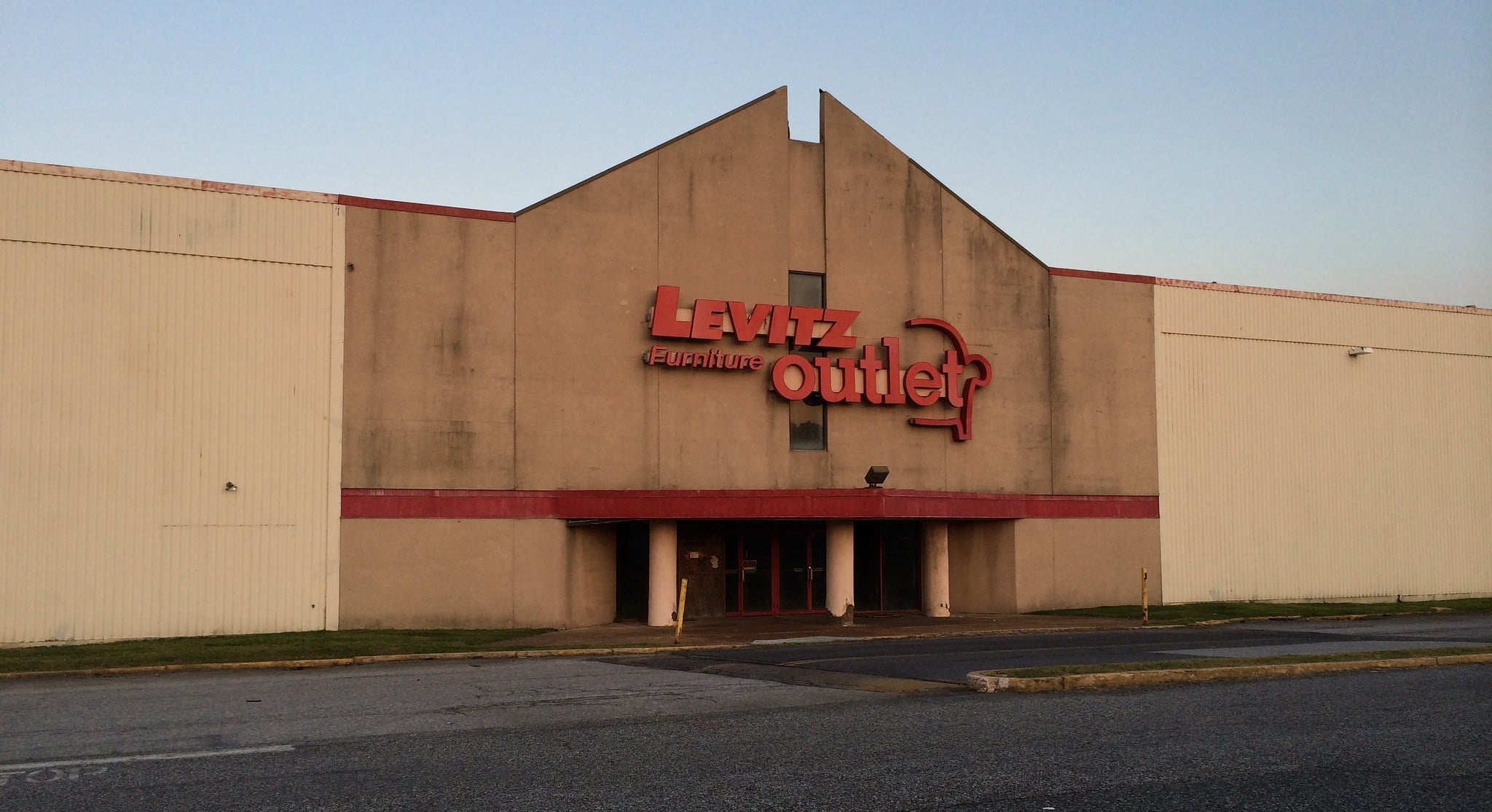
For nearly a century, Levitz Furniture was a household name in American home furnishings, pioneering the warehouse showroom concept that revolutionized furniture retail. The chain’s innovative approach separated showrooms from warehouses, allowing immediate pickup of purchases.
Increasing competition from IKEA, Ashley HomeStore, and online sellers gradually eroded their market position. After surviving multiple ownership changes and a previous bankruptcy, the housing market collapse delivered the fatal blow as furniture sales plummeted nationwide, leading to the liquidation of all remaining stores.
Virgin Megastores
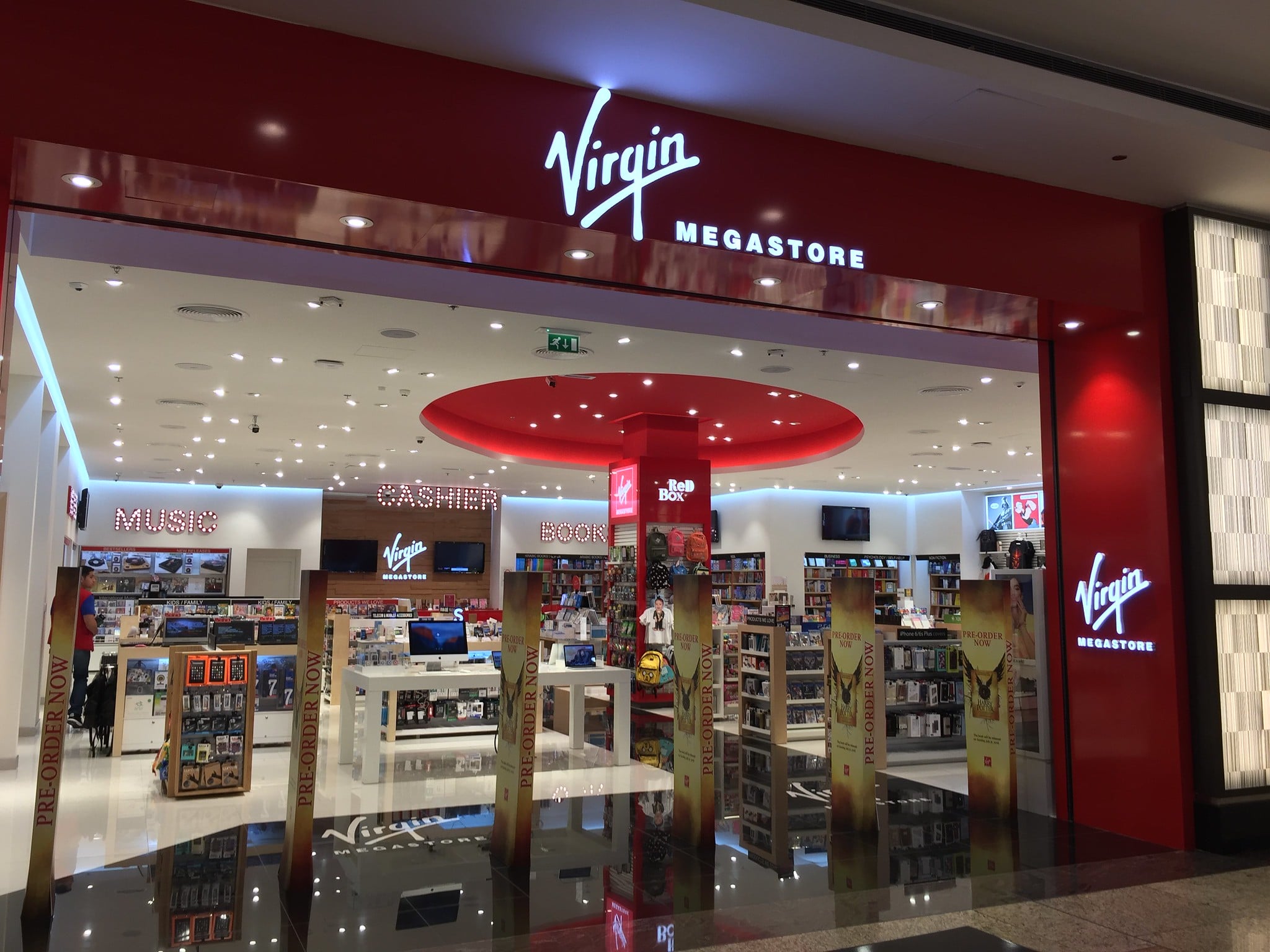
Virgin Megastores brought British entrepreneur Richard Branson’s flashy retail concept to American shoppers, with flagship locations in tourist hotspots like Times Square and Hollywood. These multilevel entertainment palaces featured extensive music and movie selections, listening stations, and occasional live performances.
As digital downloads replaced physical media, even Virgin’s theatrical shopping experience couldn’t overcome changing consumer habits. The company progressively closed North American locations between the late two-thousands, with the final U.S. stores shuttering in June despite remaining profitable until the end.
The Changing Retail Landscape

The demise of these once-dominant retailers reflects broader shifts in American shopping habits during the transformative decade. The decade saw the meteoric rise of Amazon and online shopping, smartphones putting the internet in consumers’ pockets, and a devastating recession that permanently altered spending patterns.
While these chains have faded into memory, their vacant storefronts eventually filled with new concepts – a reminder that retail continually reinvents itself even as beloved brands disappear from the landscape forever.
More from Go2Tutors!

- The Romanov Crown Jewels and Their Tragic Fate
- 13 Historical Mysteries That Science Still Can’t Solve
- Famous Hoaxes That Fooled the World for Years
- 15 Child Stars with Tragic Adult Lives
- 16 Famous Jewelry Pieces in History
Like Go2Tutors’s content? Follow us on MSN.