Must Have Items Every Teenager Used to Own
Remember when owning a certain gadget or item made you the coolest person in your friend group? Before smartphones did everything, teenagers relied on a whole arsenal of separate devices and physical items to communicate, entertain themselves, and navigate daily life. These weren’t just possessions—they were status symbols that defined teenage culture across multiple decades. Here is a list of 14 must have items every teenager used to own.
Walkman or Portable CD Player
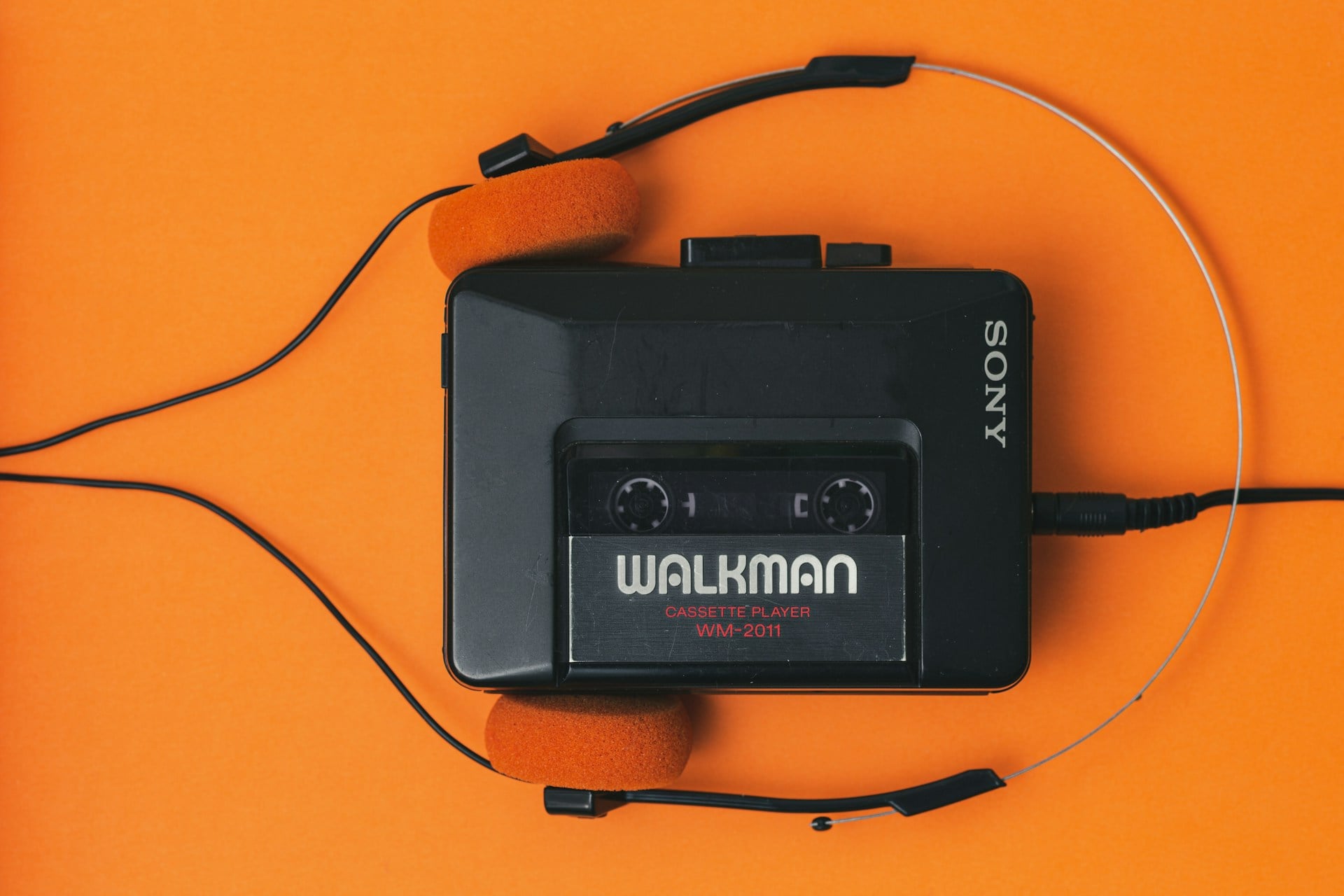
Sony’s Walkman hit the market in 1979 and became a must-have item throughout the 1980s, letting teens take their music anywhere on two AA batteries. Think about how revolutionary that was—suddenly you could choose your own soundtrack for walking to school instead of being stuck with whatever the radio played.
Sony’s Discman launched in 1984 but didn’t really catch fire until the late 1980s and throughout the 1990s when CD prices dropped and selection expanded. Many teens in developed countries had either cassettes or CDs stuffed in their backpack, and the constant battle against skipping tracks when you moved too fast was just part of the experience.
Alarm Clock

You actually needed a separate device just to wake up in the morning. These clunky boxes with glowing red numbers sat on nightstands across America, and learning to set that alarm without accidentally setting it for PM instead of AM was a teenage rite of passage.
The snooze button got more action than any other button in your room, and nothing matched the panic of realizing you forgot to turn the alarm on the night before a big test.
Physical Address Book
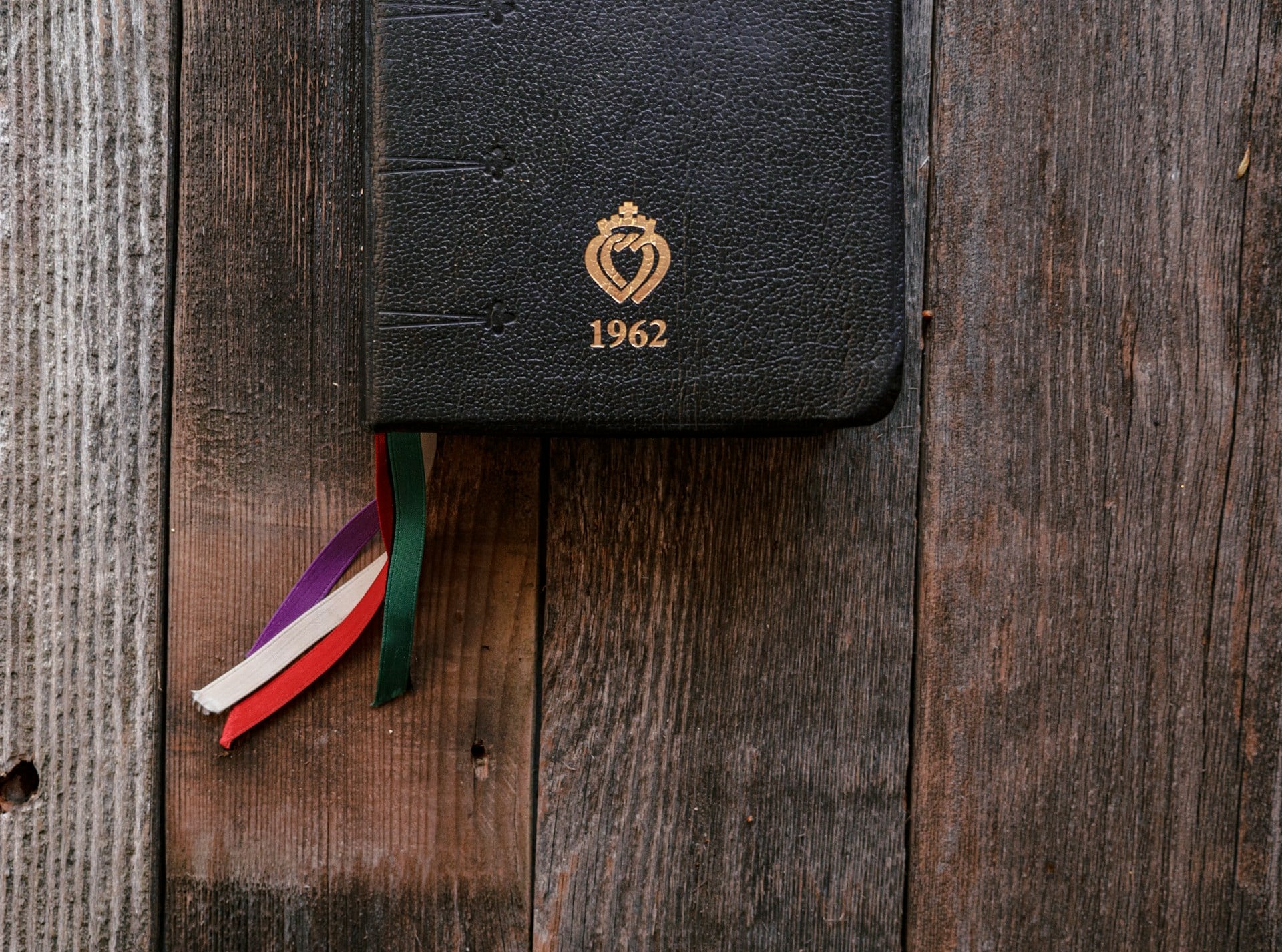
Throughout the 1980s and 1990s, flip-open address books with alphabetical tabs were essential for storing friends’ phone numbers and addresses. You’d write someone’s info in pen, then cross it out and squeeze new information in the margins when they moved or changed numbers.
Losing your address book was basically losing your entire social life in one shot since most people couldn’t remember half those numbers by heart.
Disposable Camera
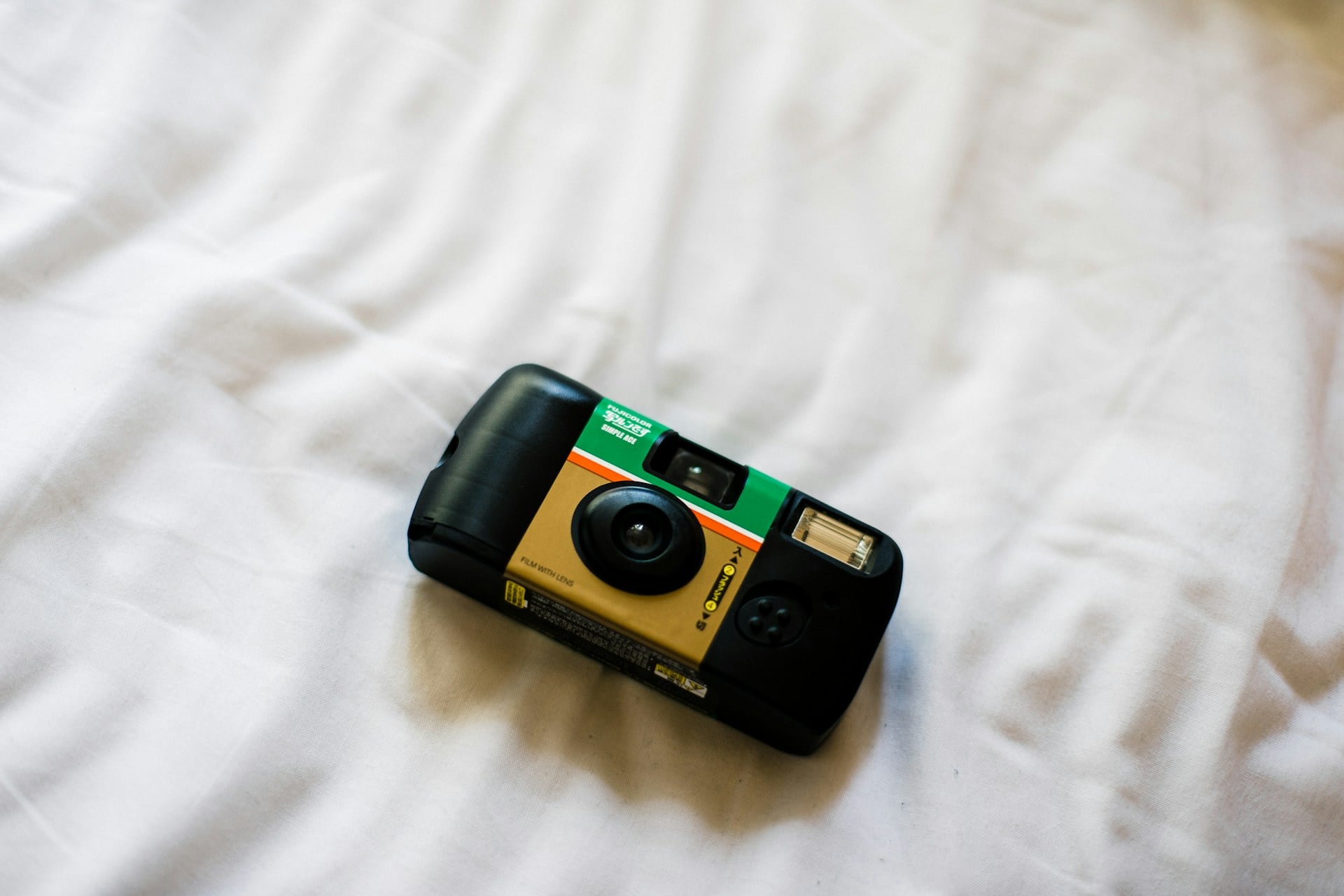
Want to capture memories? You bought a plastic camera with 24 or 27 exposures, carefully rationed your shots because film wasn’t free, and then waited days to see if your pictures even turned out. The anticipation of picking up developed photos from the drugstore was intense—half your shots would be blurry or have someone’s thumb in the frame, but that one perfect picture made it all worthwhile.
You couldn’t just delete and retake like today, so every click counted.
Pager or Beeper
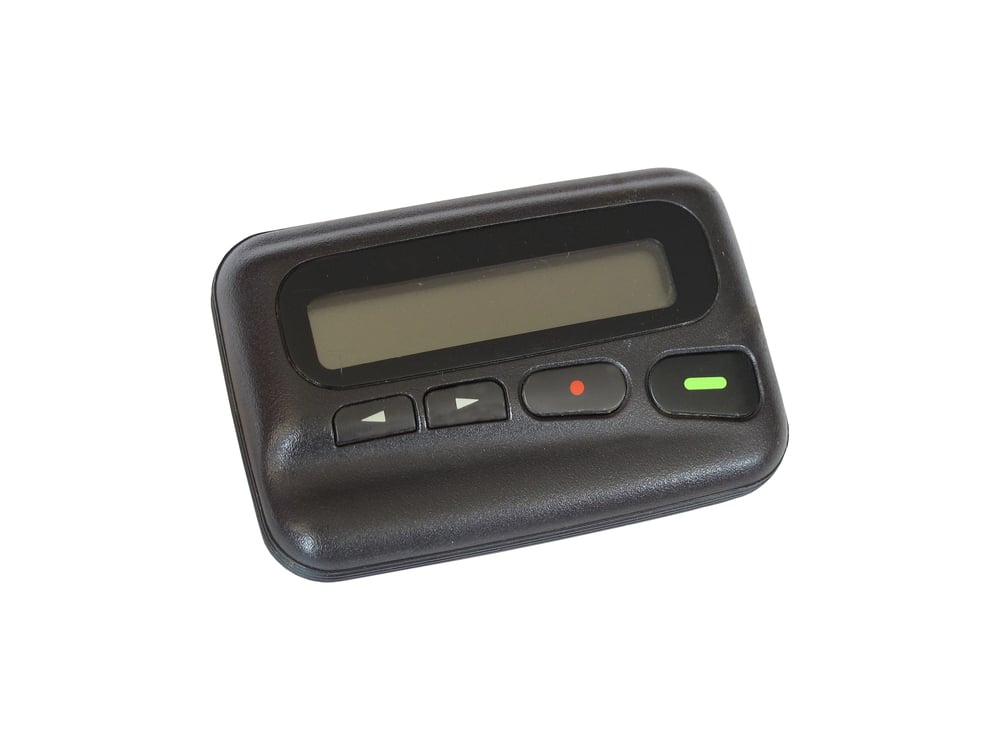
Pagers became popular accessories during the 1990s, though they were more common among older teens and young adults than younger teenagers. Getting paged felt important even if the message was just 143 (I love you) or 911 (call me now).
You’d scramble to find a pay phone to call back whoever paged you, and creating numeric code messages was like speaking a secret language that adults couldn’t always crack.
Landline Phone with a Long Cord
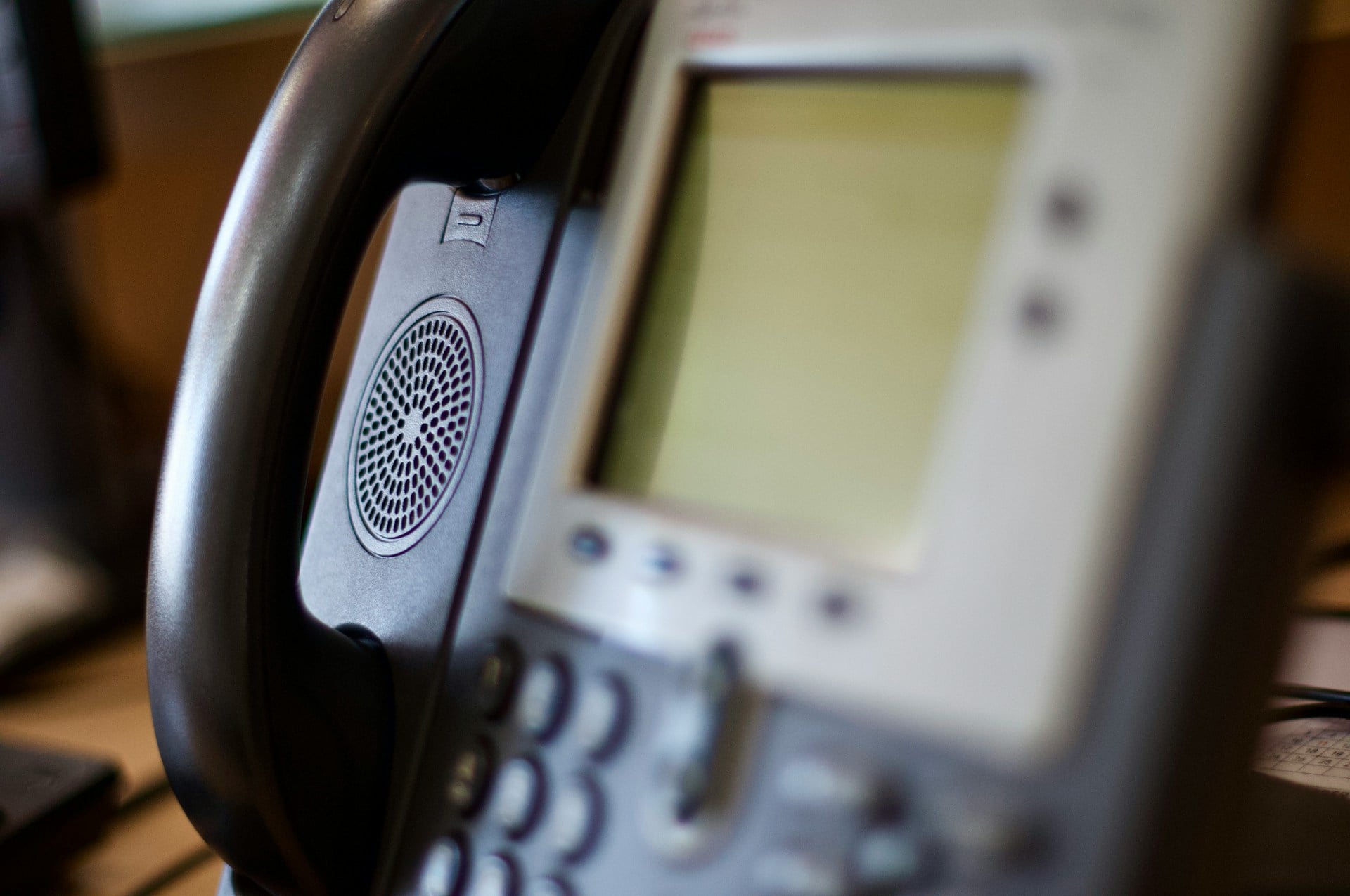
Talking to friends meant being tethered to a wall by a cord that you’d stretch as far as humanly possible for privacy. That curly cord could reach from the kitchen into the hallway if you really pulled it, and you’d wrap it around your finger about a thousand times during a single conversation.
In the mid-1990s through early 2000s, having to get off dial-up internet so someone could use the phone became a daily frustration, and the whole family could listen in if they picked up another extension.
Mixtape or Burned CD
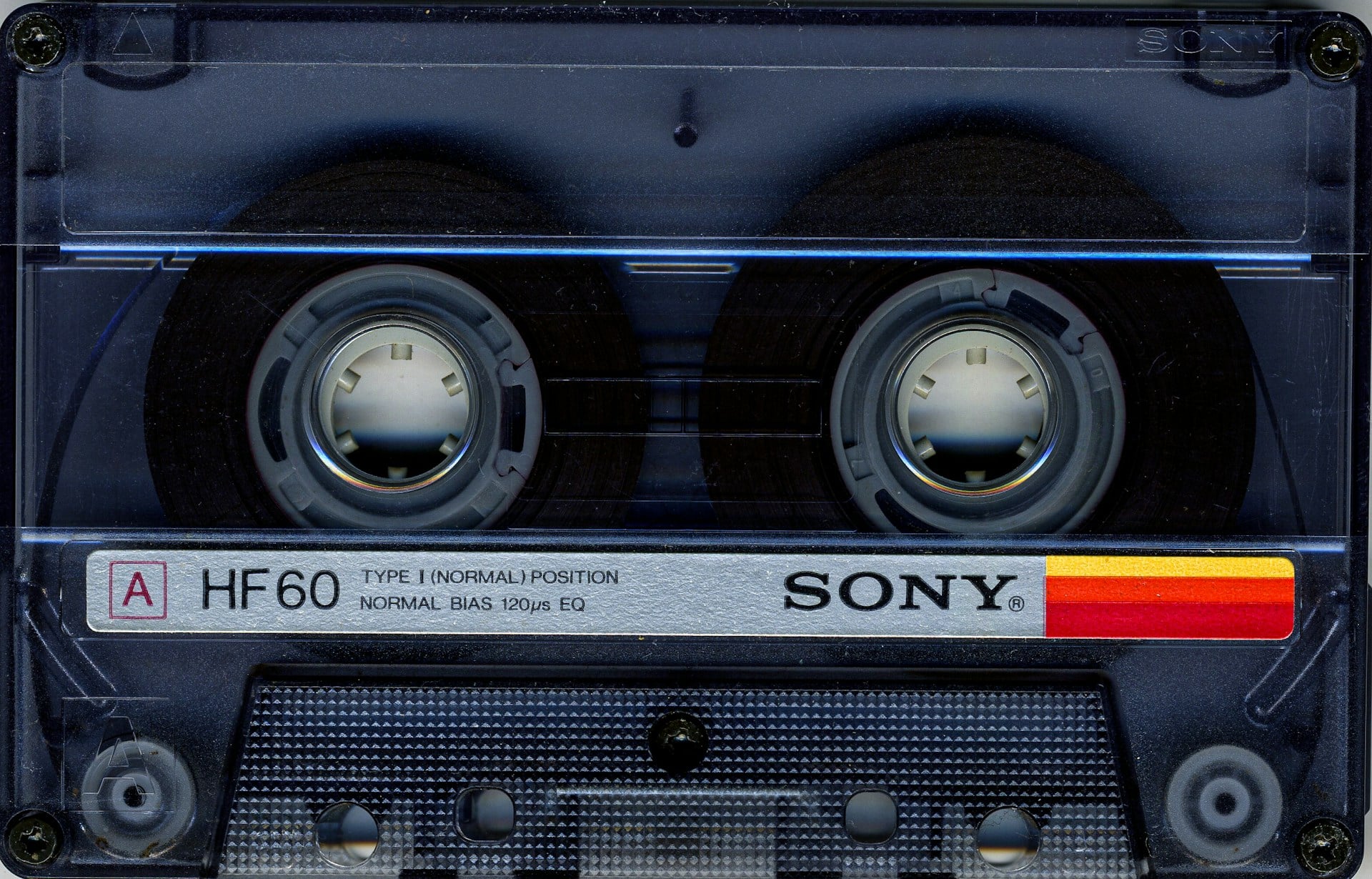
Making someone a mixtape or burned CD was basically a love letter in music form. You’d spend hours recording songs off the radio during the 1980s and early 1990s, carefully timing when to press record to avoid catching the DJ’s voice.
Later in the late 1990s and 2000s, burning CDs became the preferred method, and many teens had a binder full of discs labeled with markers that smudged if you touched it wrong.
Physical Maps
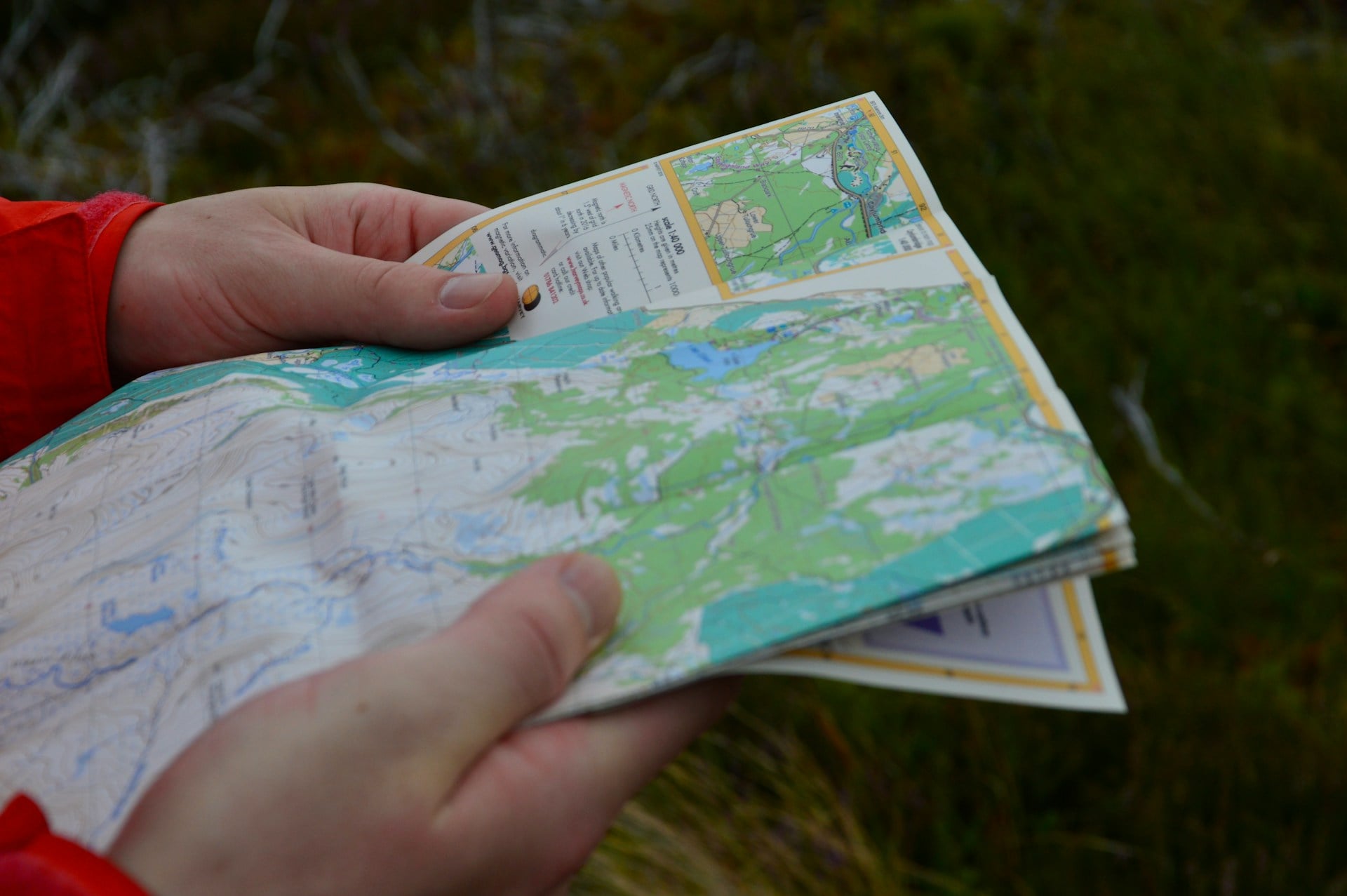
Before GPS navigation on phones, physical maps were essential for getting around. Teenage drivers in the 1990s and 2000s kept folded-up maps in their car’s glove compartment, and trying to refold those things correctly after opening them was genuinely impossible.
Getting lost happened regularly because reading a map while driving required either pulling over or having a friend navigate, and disagreements about which route to take could derail entire road trips.
Calculator
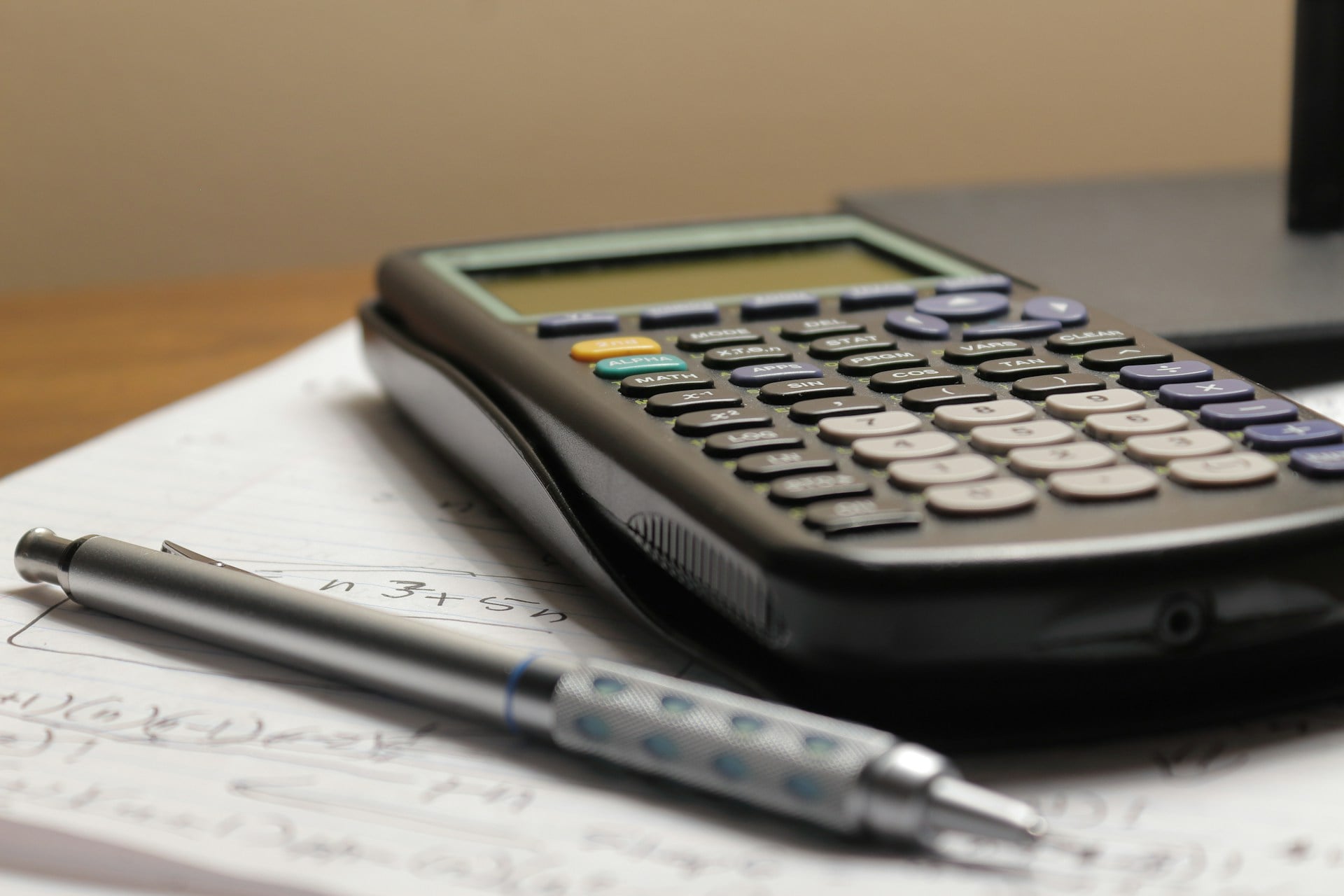
Every math class required you to buy a specific calculator model, and losing it before a test was disaster-level stressful. The basic models were affordable but the graphing calculators felt like luxury items that cost serious money.
You’d learn to type words upside down on it during boring classes, with classics like 07734 (hello) providing endless entertainment.
Printed Photos in Albums or Shoeboxes
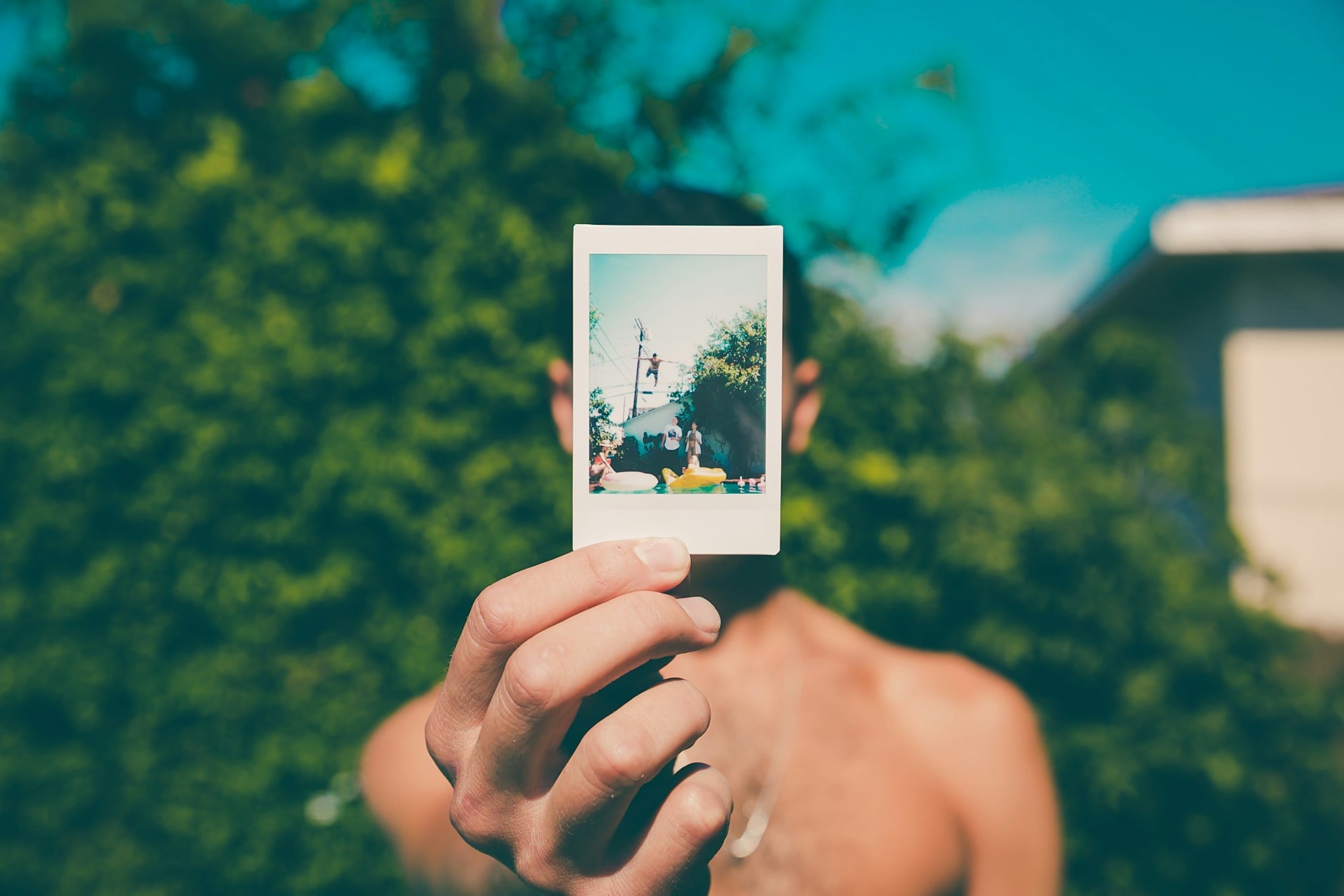
Pictures lived in physical albums or got tossed into shoeboxes by the hundred. You’d arrange them carefully with those corner stickers, write captions underneath, and show them to visitors who came over.
Duplicates were currency—you’d trade copies with friends so everyone could have the same group shot, and finding a good picture of yourself was rare enough to be genuinely exciting.
Boom Box or Stereo System
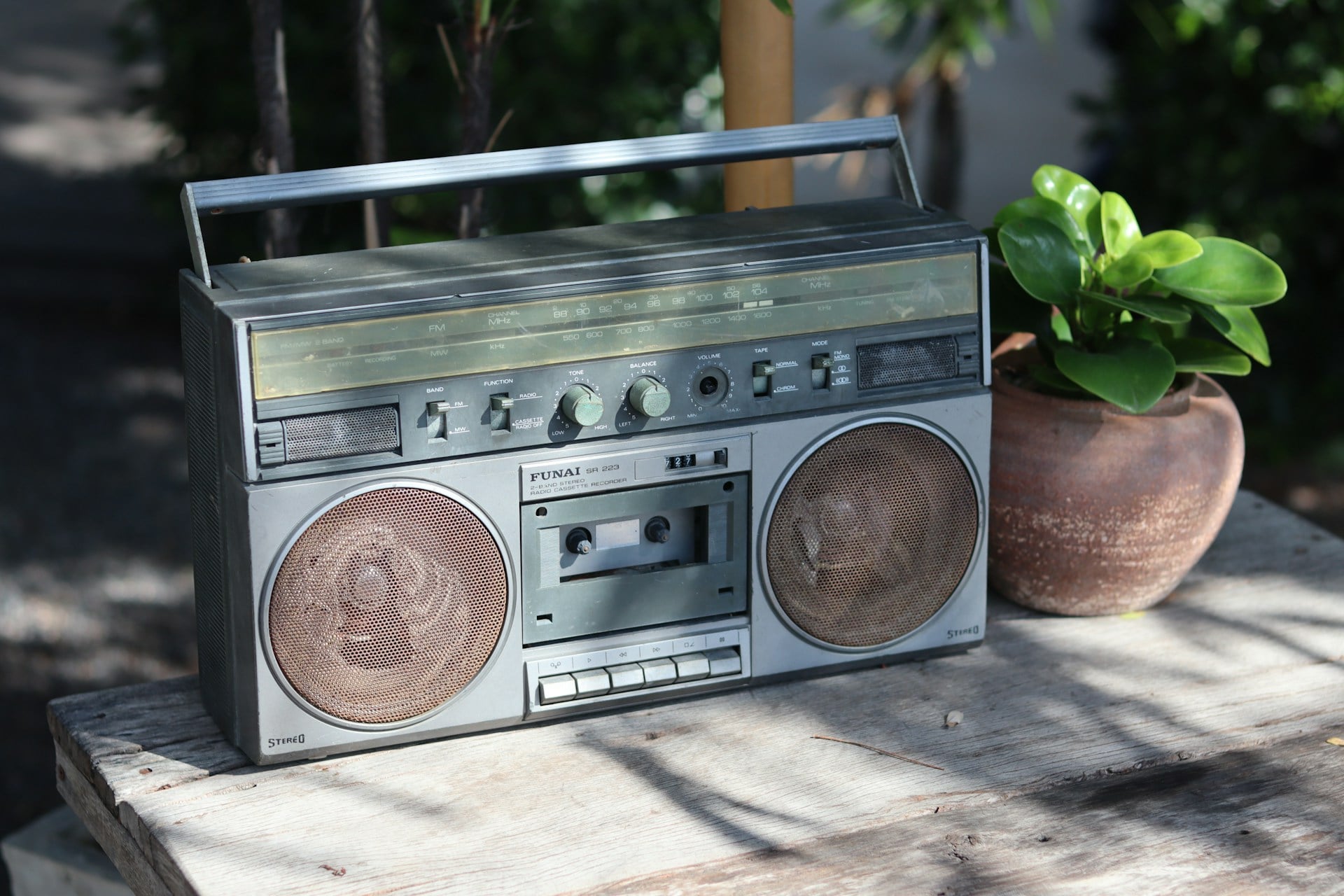
During the 1980s and early 1990s, boom boxes were the portable sound systems that let you blast music without headphones. Having a stereo in your bedroom meant you could play music loudly, and the number of speakers you owned was definitely something to brag about.
Setting up all those wires and components made you feel like an audio engineer even though you probably just plugged stuff in until sound came out.
VHS Tapes and a VCR
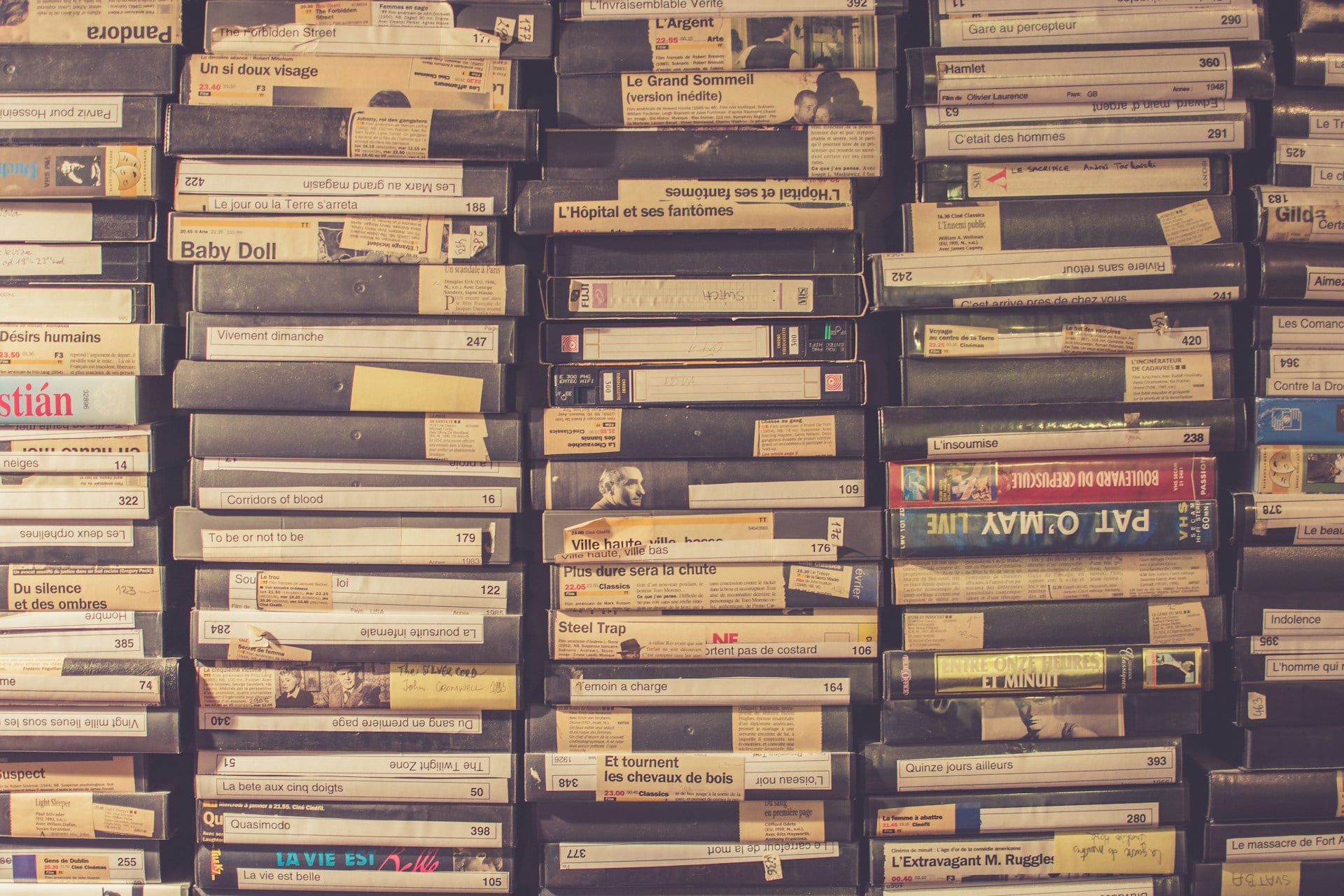
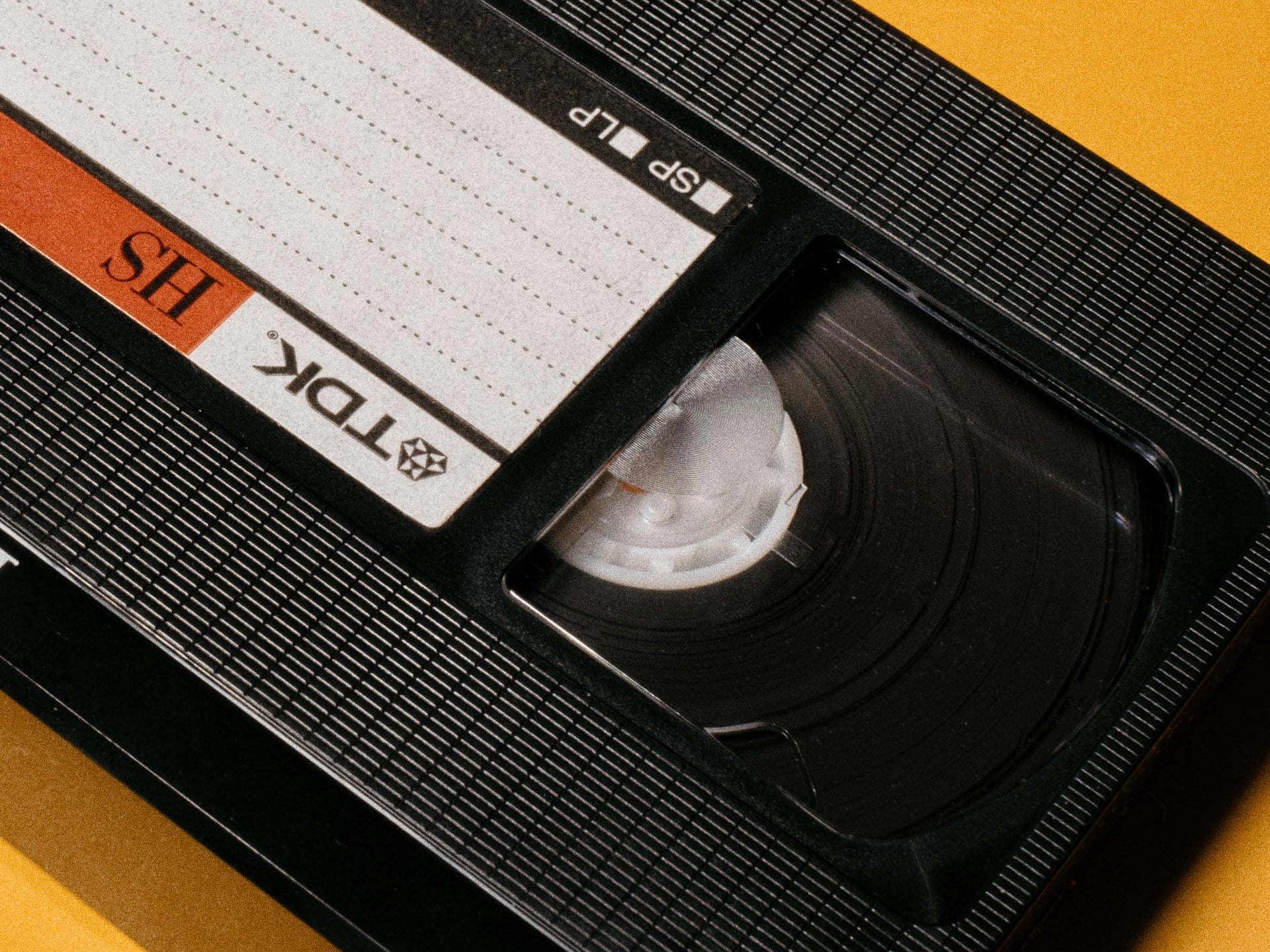
VHS tapes dominated home entertainment from the late 1970s through the early 2000s before DVDs took over after 2003. Renting movies from video stores on Friday nights was a weekly ritual for many families throughout the 1980s and 1990s.
Rewinding tapes before returning them was a courtesy that not everyone followed, and recording your favorite shows on blank tapes meant carefully managing what you kept versus what you recorded over.
iPod or MP3 Player
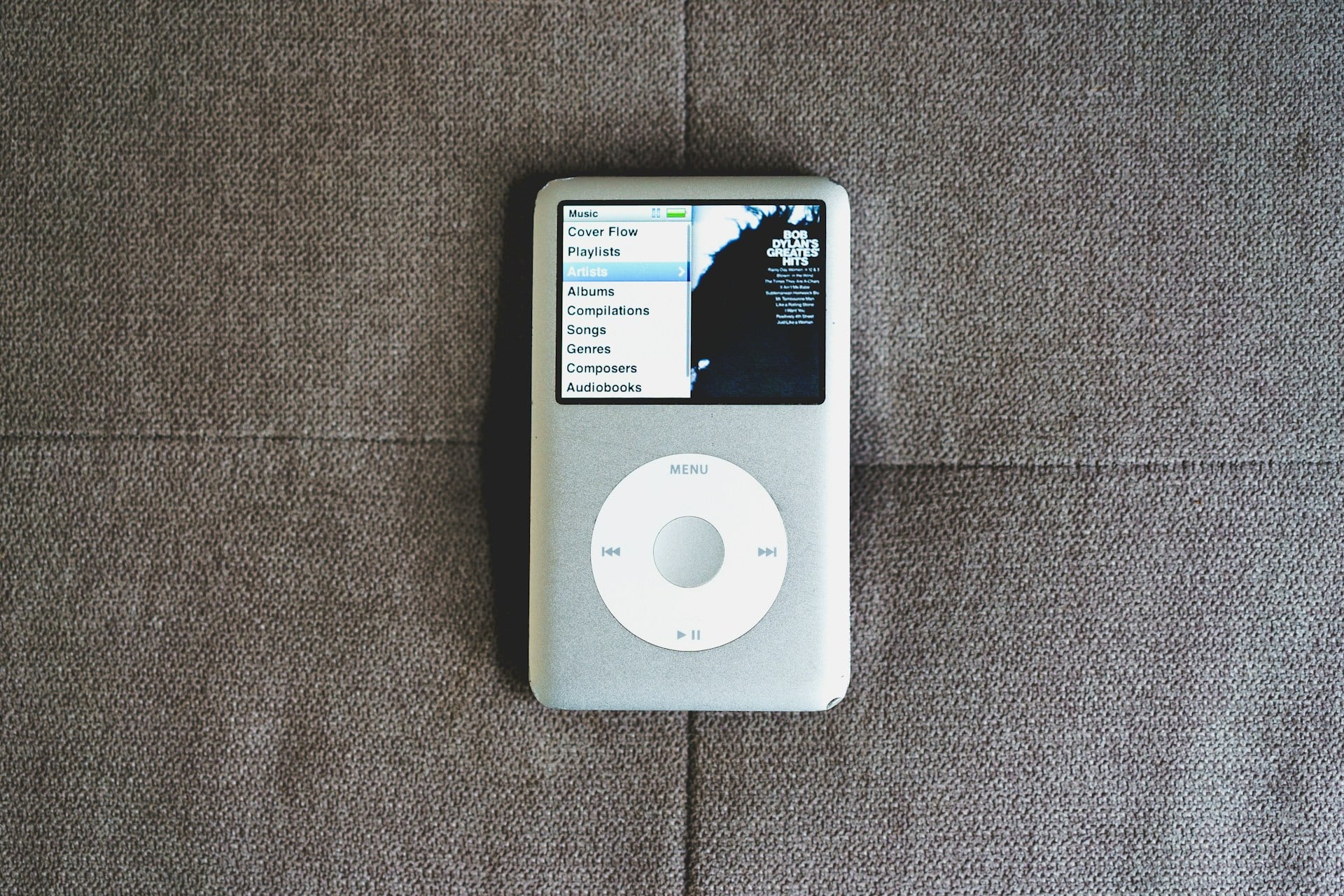
Apple’s iPod launched in 2001 and became a must-have item by the mid-2000s as the ultimate way to carry thousands of songs in your pocket. The distinctive white earbuds became so recognizable that you could spot iPod users from across the room.
Managing your iTunes library and creating the perfect playlists for different moods was a hobby in itself, and running out of storage space meant making tough decisions about which songs to delete.
Flip Phone
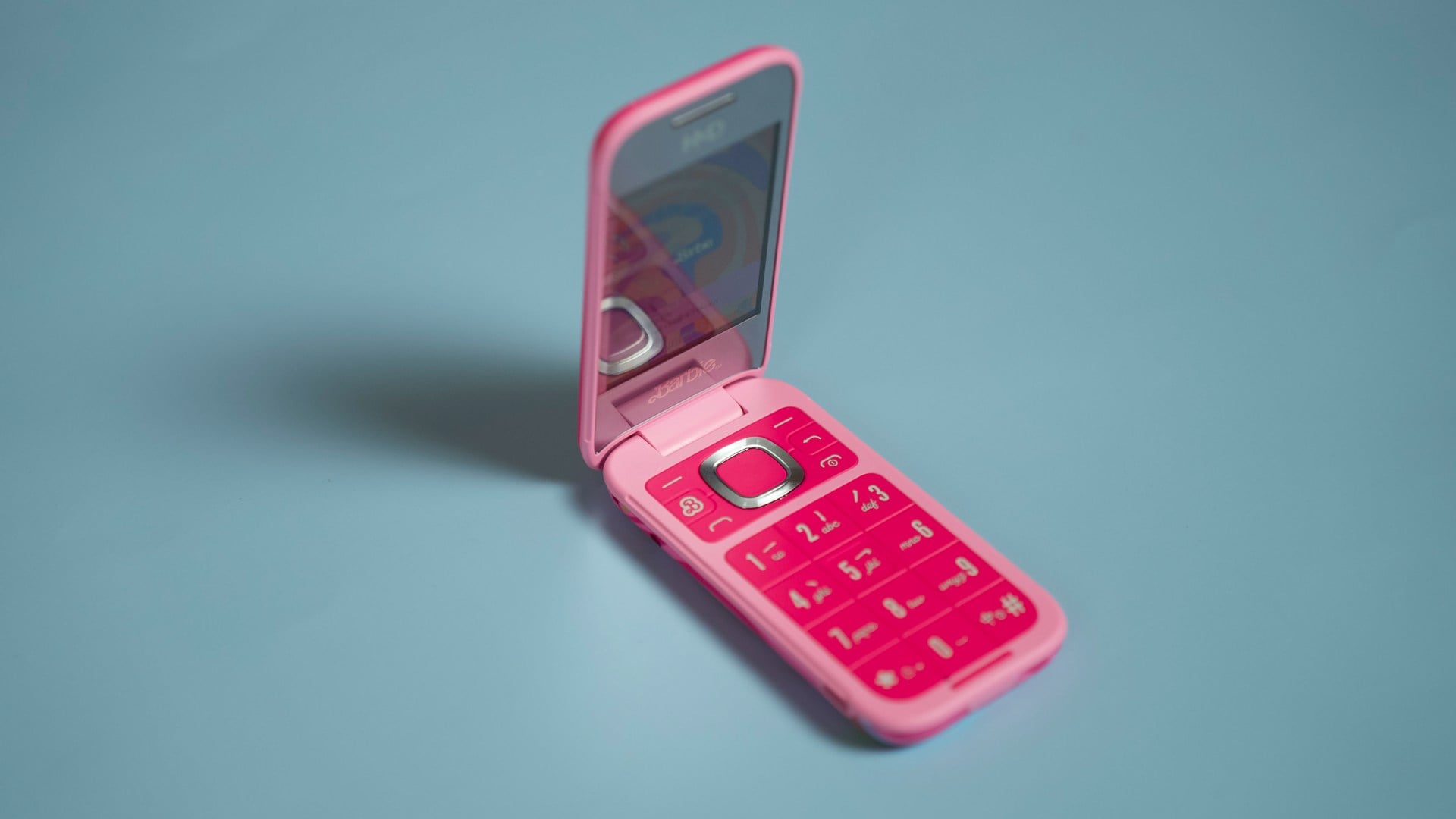
Flip phones became incredibly popular in the mid-2000s, with the Motorola Razr launching in 2004 as the most coveted model available in multiple colors. Snapping that phone shut to end a call felt incredibly satisfying, and everyone had their own technique for the perfect flip-close.
Texting on a number pad using T9 predictive text—a feature available on Nokia, Samsung, and other brands too—was an acquired skill, and choosing the right ringtone to represent your personality was a decision that required serious thought.
From Tangible to Digital
Technology didn’t just change what teenagers own—it fundamentally transformed how they interact with the world. Those separate devices for music, communication, photos, and navigation have all merged into a single smartphone that fits in your pocket.
The physicality of teenage life has vanished; no more rewinding tapes, no more developing film, no more frantic searches for pay phones. What got lost in that transition wasn’t just the clutter of multiple devices but the anticipation, the permanence, and the intentionality that came with physical objects that couldn’t be instantly deleted or endlessly edited.
More from Go2Tutors!

- The Romanov Crown Jewels and Their Tragic Fate
- 17 Halloween Costumes Once Considered Taboo
- Famous Hoaxes That Fooled the World for Years
- 15 Child Stars with Tragic Adult Lives
- 16 Famous Jewelry Pieces in History
Like Go2Tutors’s content? Follow us on MSN.