Everyday Items That Cost a Fraction of What They Do Now
There’s a strange kind of grief that hits when you’re standing in a grocery store aisle, holding a carton of eggs and doing math in your head. Not because you’re bad with money — but because you remember when this didn’t require math.
Prices have always climbed, that’s nothing new, but the pace of the last few years has been something else entirely. A lot of everyday items that used to feel almost throwaway cheap now carry price tags that make you pause.
Here’s a look at some of the most striking examples — things that were once genuinely affordable, and what happened to them.
Eggs
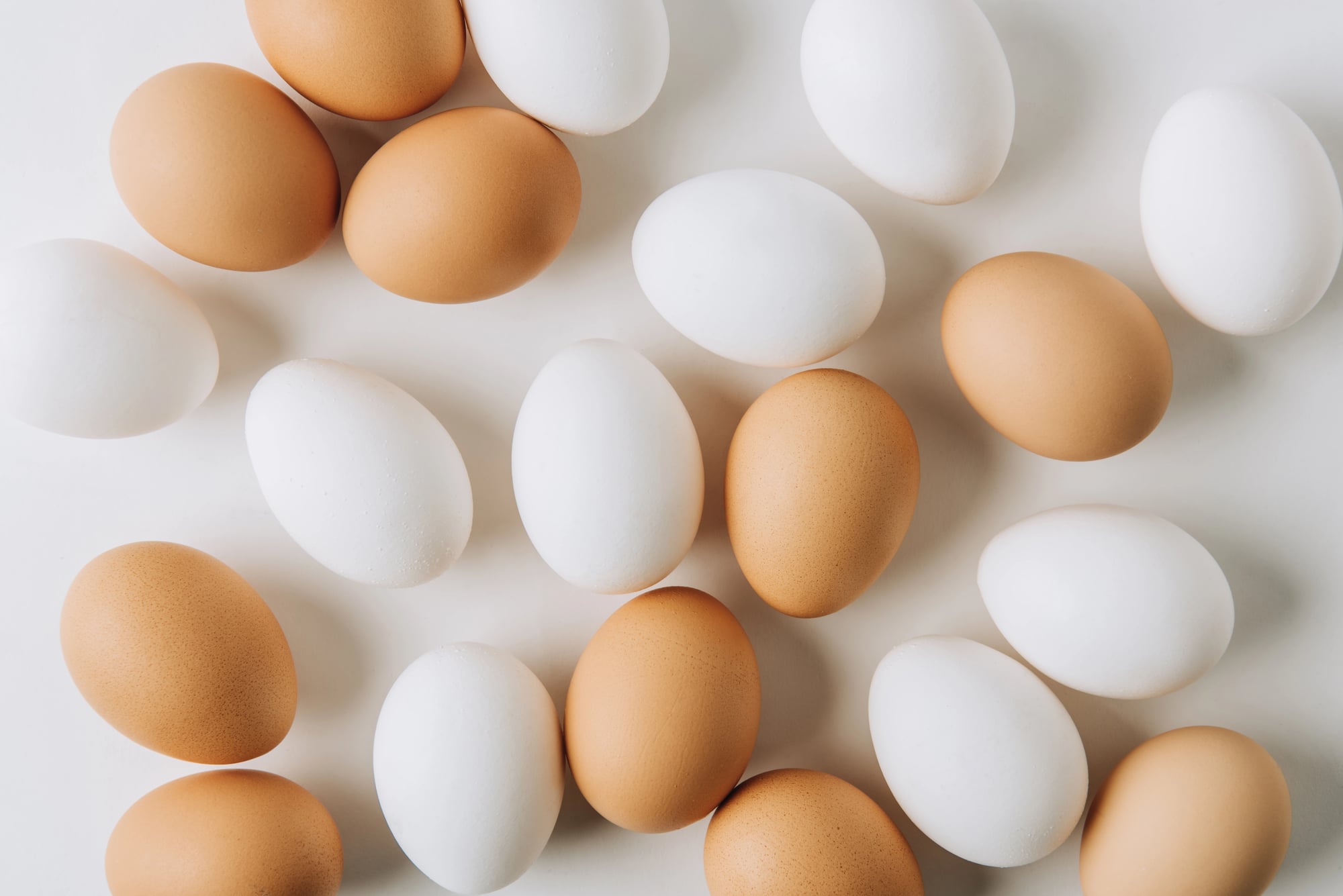
Eggs are the clearest example of sticker shock in recent memory. In early 2020, a dozen large eggs averaged around $1.00 in the U.S.; by early 2023, that average had climbed past $4.82, driven largely by a catastrophic avian flu outbreak that wiped out tens of millions of laying hens.
Go figure — something people ate for breakfast without a second thought became, briefly, a luxury item.
Butter

Butter has quietly tripled in price over the past two decades. In the early 2000s, a pound of butter sat comfortably below $2.00; today, that same pound regularly lands between $5.00 and $7.00 at major grocery chains, depending on the brand and region.
To be fair, it’s still butter — but it now costs like it knows it.
Ground Beef
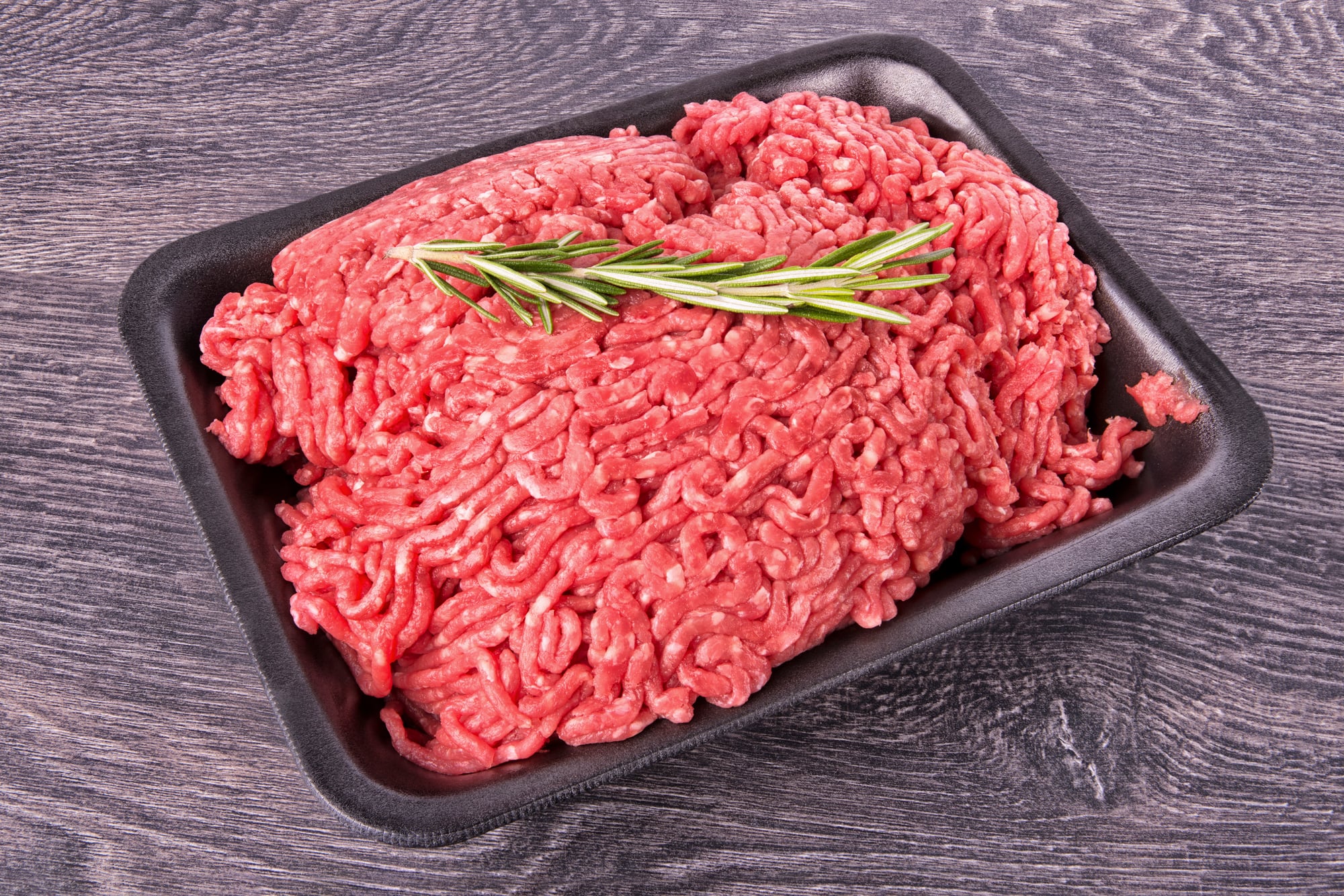
Ground beef has become something like a slow-moving sticker shock: the kind that creeps up so gradually you almost don’t notice until you look back. In 2000, a pound of ground beef averaged around $1.60 — and the same pound, as of 2024, averages closer to $5.50, which is a price increase that outpaced general inflation by a considerable margin.
And yet people keep buying it, because the alternative is explaining to their family why burgers are canceled.
Coffee

Coffee is a betrayal dressed as a morning ritual. The average price per pound of ground coffee has risen sharply since 2020, driven by droughts in Brazil and supply chain disruptions — what once cost around $3.50 a pound at the grocery store now regularly exceeds $8.00 to $10.00 for standard national brands.
That’s before anyone has even gotten to the coffee shop version, which is its own separate wound.
Gasoline
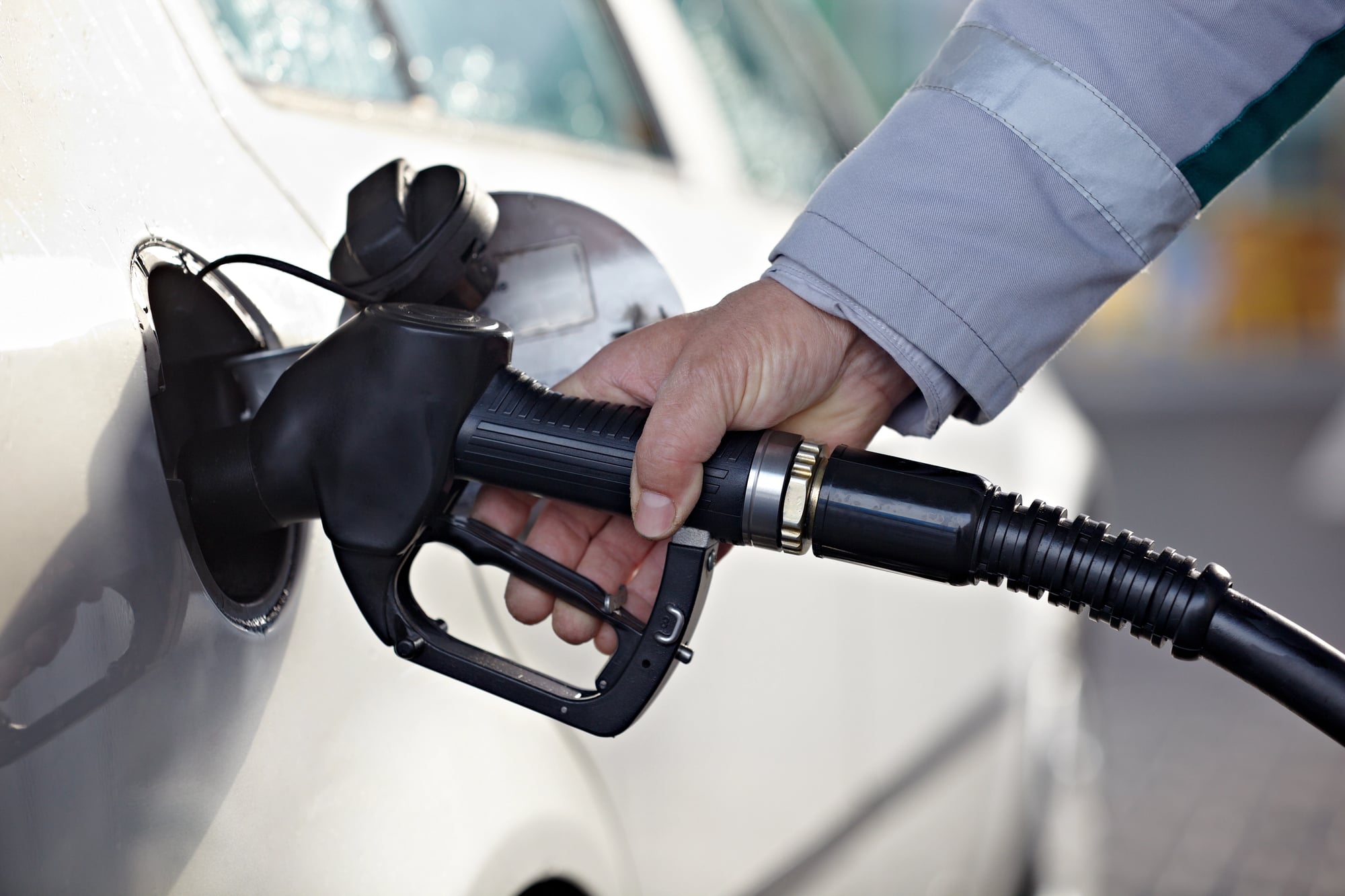
Gasoline in the 1990s hovered around $1.00 per gallon in most of the country, a number that sounds almost fictional now. By mid-2022, the national average briefly cracked $5.00 per gallon — a fivefold increase in roughly three decades, and one that hits harder than most because gas isn’t something you can simply swap out.
It’s woven into the cost of getting anywhere.
Postage Stamps
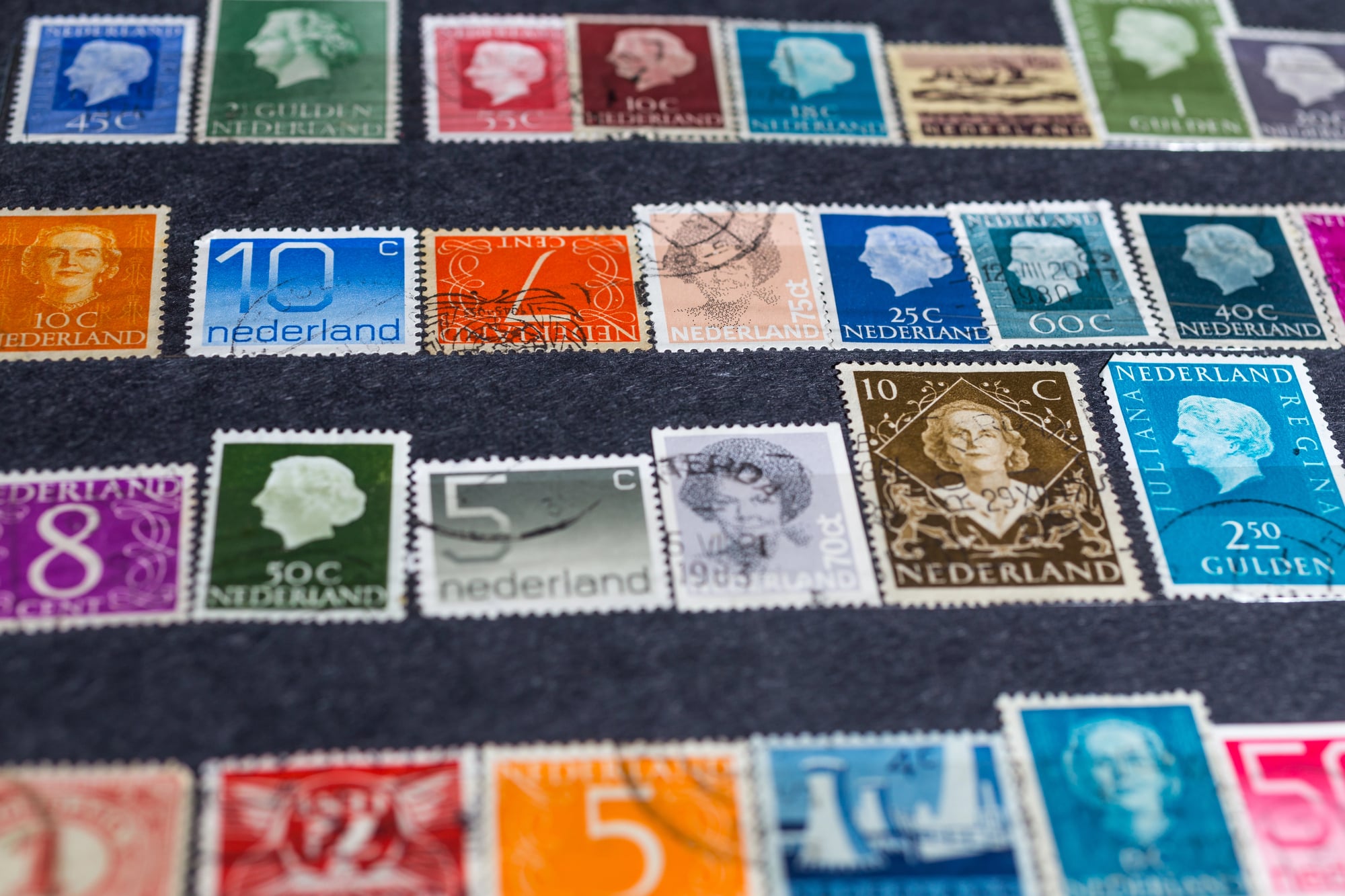
A first-class stamp cost $0.22 in 1985. That same stamp — the kind you buy in a little booklet and immediately lose — now costs $0.73, following the USPS rate increase in 2024.
It’s not the most painful increase on this list, but there’s something deflating about paying nearly three times as much to mail something that most people no longer mail.
Movie Tickets
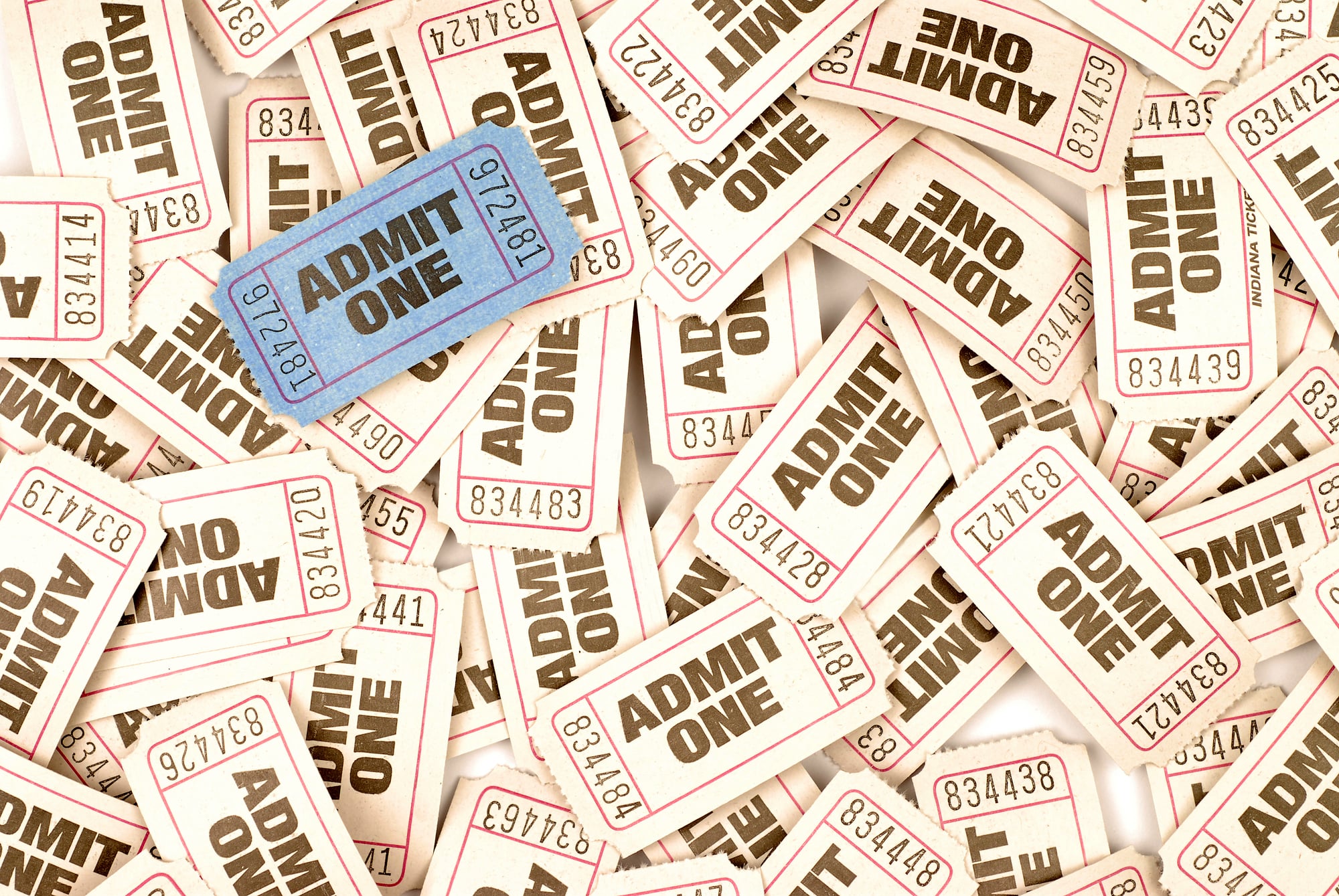
The average U.S. movie ticket cost around $4.00 in 1995. By 2023, the national average had crossed $13.00, with IMAX and premium large-format screenings pushing individual tickets past $25.00 or even $30.00 in major cities.
At some point the math stopped making sense — and the couches got more comfortable.
Bacon
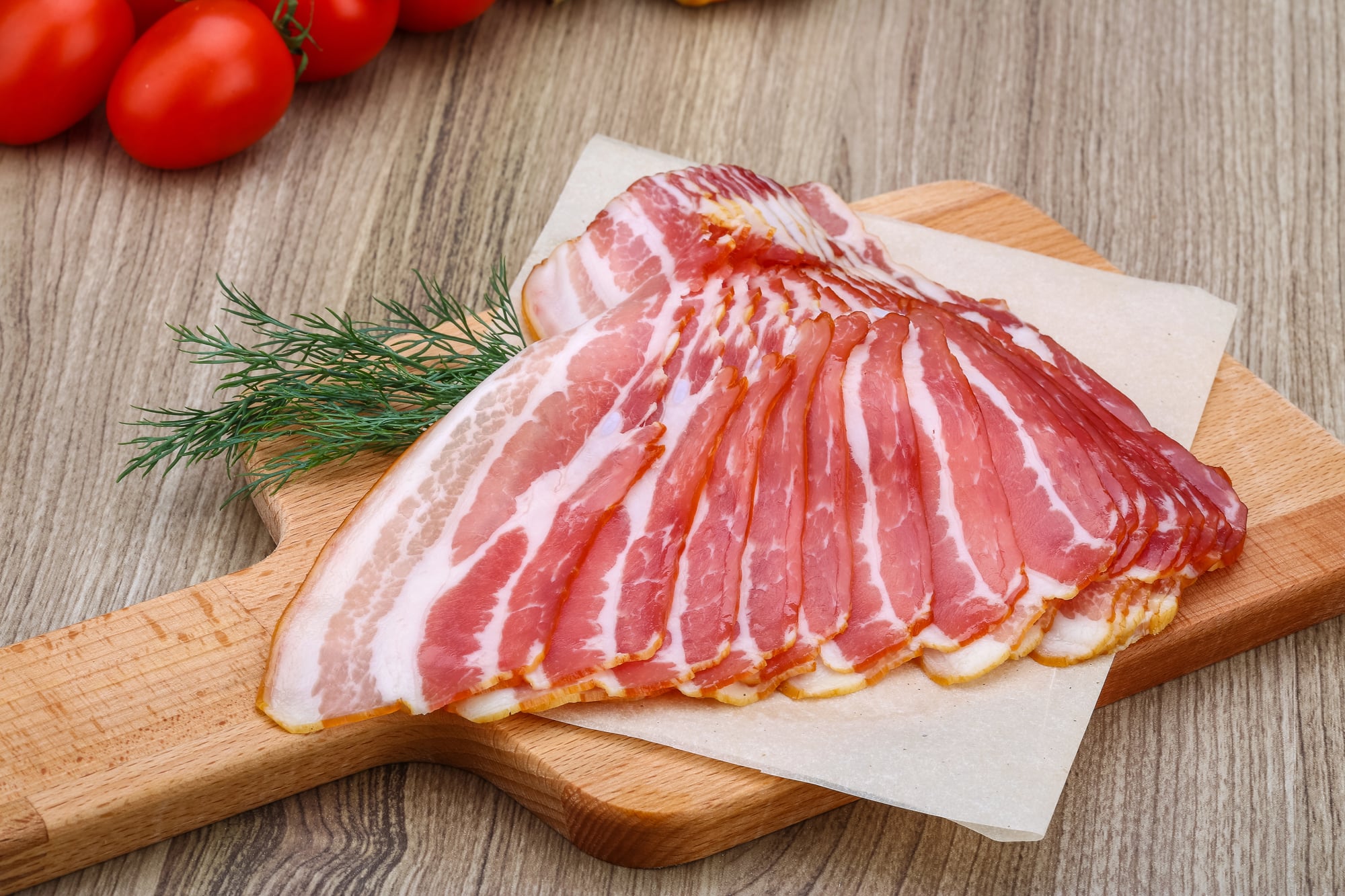
Bacon has always been a minor indulgence, but it used to be an affordable one. A pound of sliced bacon averaged around $2.50 in the early 2000s; that same pound now runs between $6.00 and $9.00, depending on brand and cut — which is a range that would have seemed absurd to anyone grocery shopping in 2003.
Turns out the thing everyone jokes about loving has become one of the more expensive items in the breakfast aisle.
College Textbooks

College textbooks have risen in price so aggressively that the American Enterprise Institute once calculated an 812% price increase between 1978 and 2013 — a rate that outpaced housing, healthcare, and consumer goods. A single required textbook that might have cost $30.00 in the 1980s now routinely tops $200.00 to $300.00, with publishers releasing new editions annually to prevent a used-book market from forming.
Students don’t buy textbooks now so much as they ransom them.
Insulin
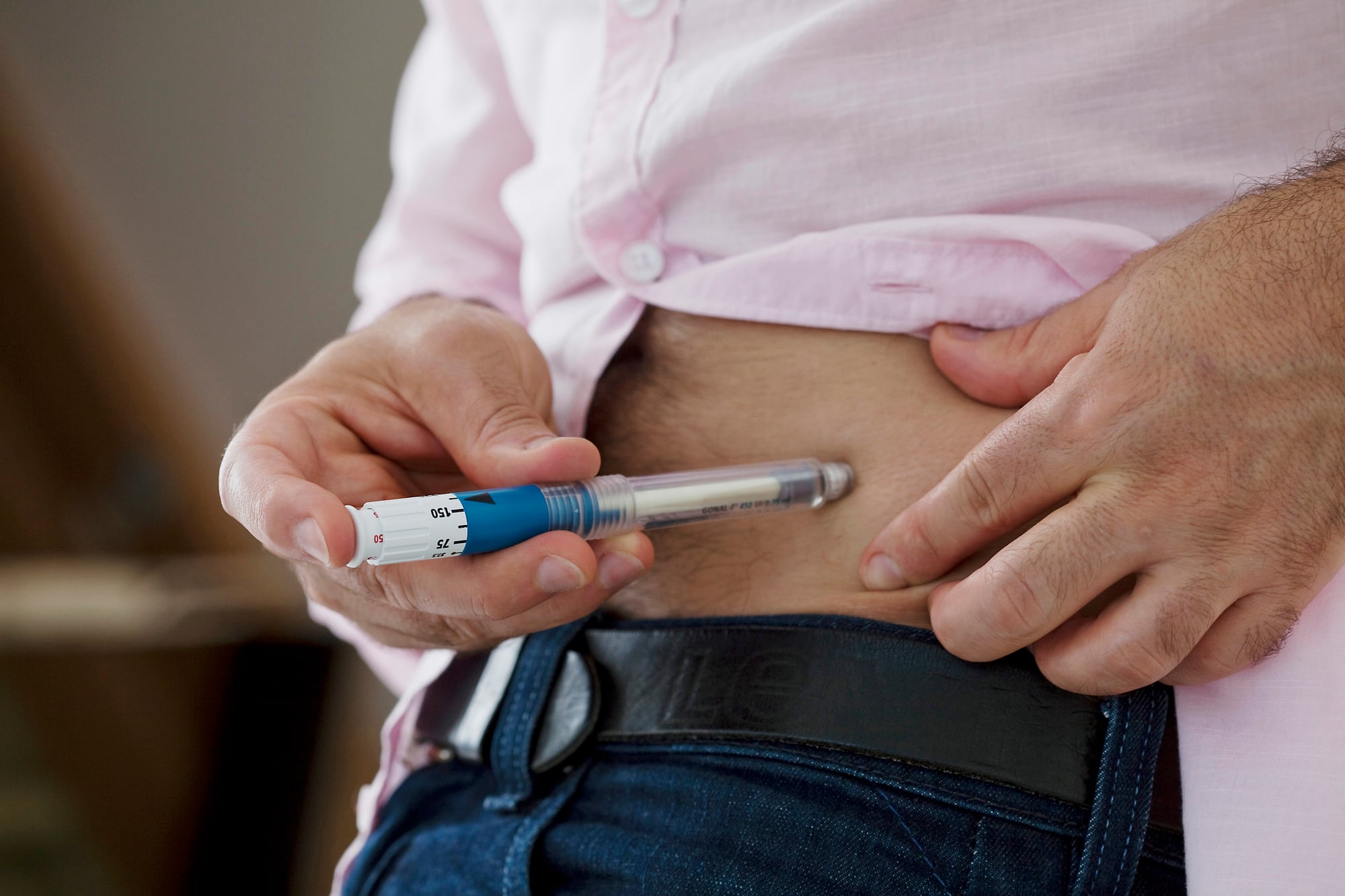
Insulin was sold by its original patent holders — Banting and Best — for $1.00 in the 1920s, deliberately to ensure access. By 2018, the list price of a single vial of Humalog had reached over $274.00 in the United States — though recent federal caps have brought some costs down for Medicare beneficiaries.
The distance between a dollar and $274.00 is not just inflation; it’s a policy choice that people with Type 1 diabetes live inside every single day.
Bread
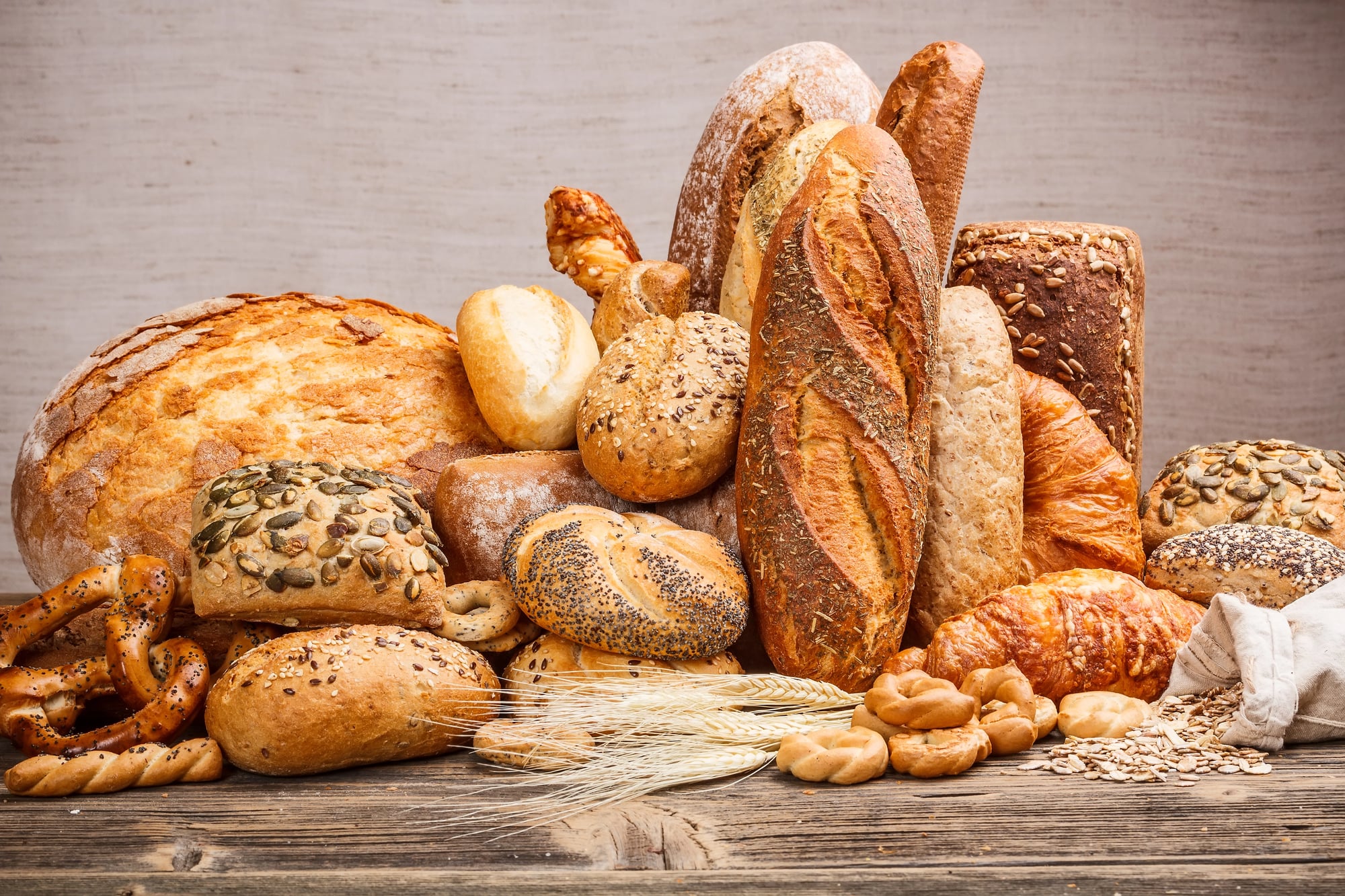
There’s something almost stubborn about bread prices — for decades, a standard loaf of white sandwich bread felt almost impervious to major increases, sitting reliably below $2.00. But wheat price volatility, fuel surcharges, and supply chain disruptions pushed average bread prices past $3.50 to $4.50 by 2023, which is a quiet shift that people who make sandwiches every day felt in a deeply unglamorous way.
Bread is one of the oldest, plainest foods in human history, and now it costs like it knows that.
Used Cars

Used cars did something genuinely strange between 2020 and 2022: they became more expensive than new ones in some cases. A combination of new vehicle production slowdowns (driven by semiconductor shortages) and massive consumer demand pushed the average used car price from around $19,000 in 2019 to over $28,000 by late 2021.
The logic of the used-car market — that older means cheaper — stopped working, which is disorienting in a way that’s hard to fully articulate.
Chicken Wings
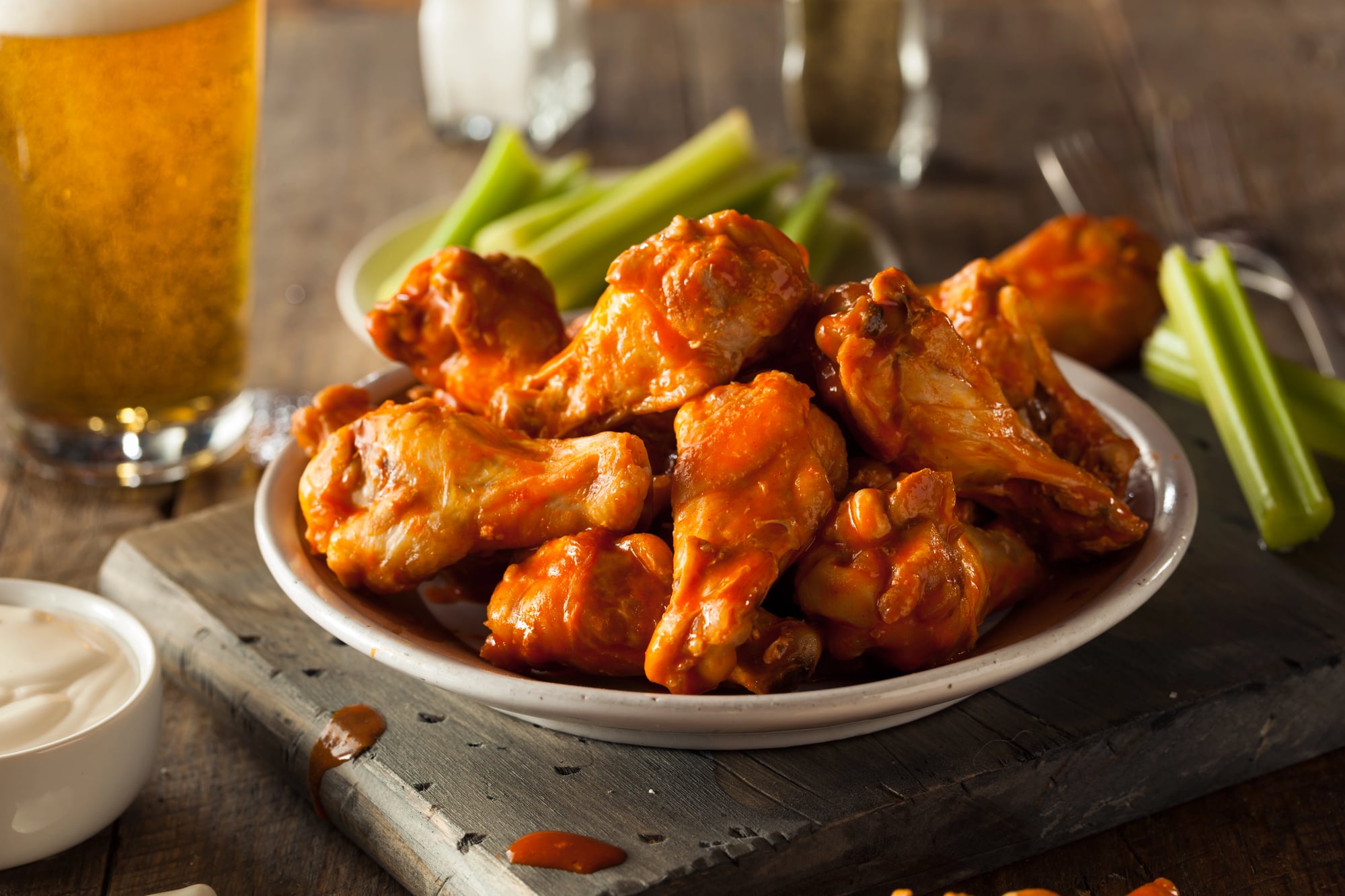
Chicken wings, once the cheapest cut of the bird (bars practically gave them away), have undergone one of the most dramatic price reversals of any food item. In 2003, wholesale chicken wing prices averaged around $0.90 per pound; by early 2021, they peaked at over $3.20 per pound — driven partly by the pandemic’s effect on restaurant supply chains and partly by their own improbable rise to cultural centerpiece.
They became popular, and popularity cost them their affordability — it’s a story as old as anything.
Diapers
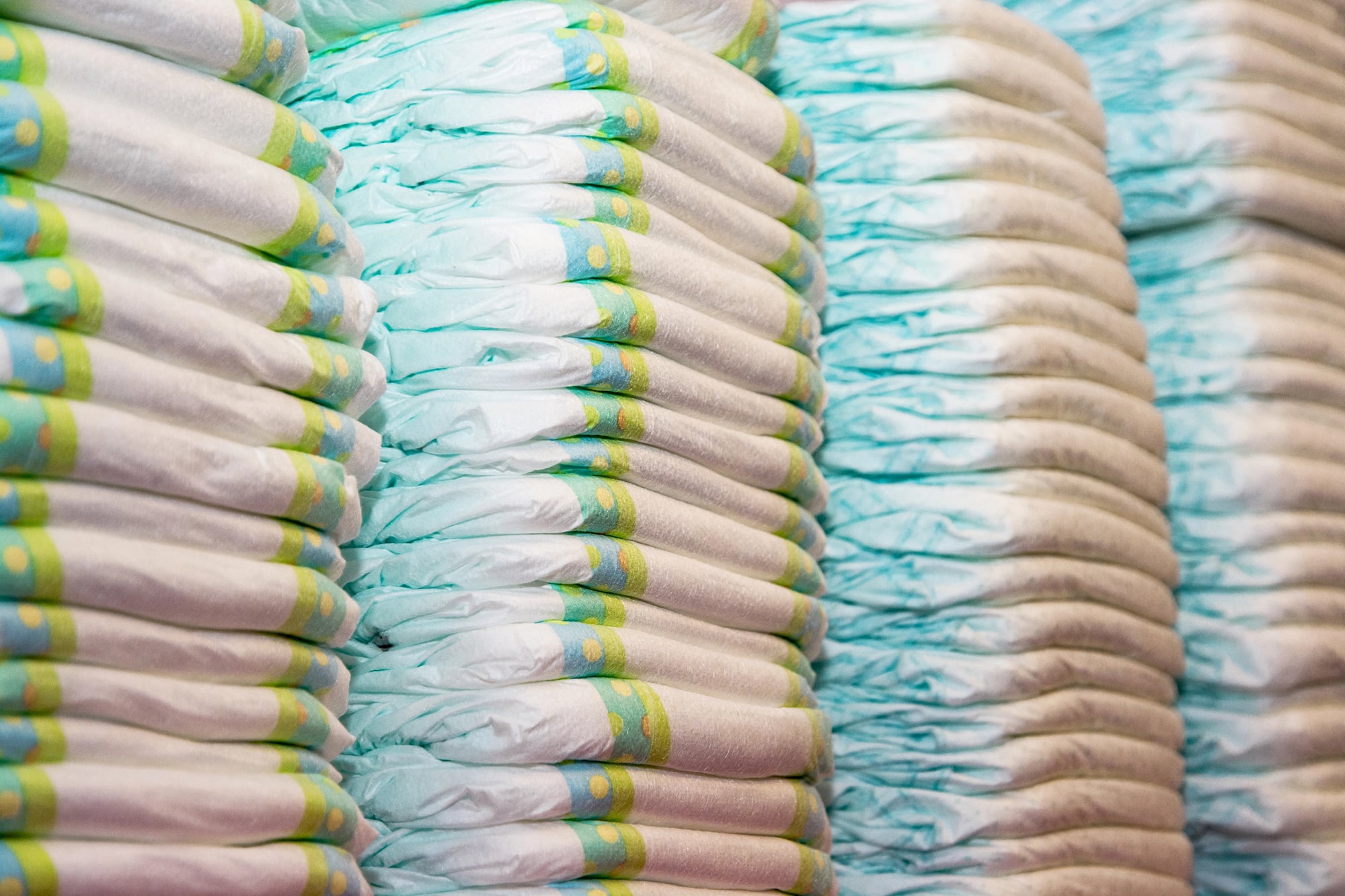
Diapers are the kind of cost that lands hardest because you can’t reduce the quantity — the need is what it is. A box of 200 newborn diapers in the early 2000s cost around $30.00; comparable boxes now run $45.00 to $60.00, with premium brands pushing higher.
Parents don’t get to comparison-shop their way out of this one, which is exactly why diaper prices feel so personal.
Orange Juice

Orange juice has become, quietly, an almost premium product. Frozen concentrate that once cost under a dollar can now approach $3.00 or more, and refrigerated not-from-concentrate jugs that used to hover around $3.50 have crept past $6.00 to $8.00 at many retailers — driven by repeated citrus greening disease outbreaks devastating Florida’s orange crop.
The thing that used to sit on every American breakfast table without much thought has become something people now occasionally skip.
Housing

The median home price in the United States in 1970 was approximately $23,000. Adjusted for inflation, that’s roughly $185,000 in today’s dollars — but the actual median home price in 2024 sits closer to $420,000.
That gap between what inflation would predict and what the market actually charges is where millions of people who had planned on buying a house now live: in that gap, renting, waiting, recalculating.
The Quiet Arithmetic You Do at the Checkout
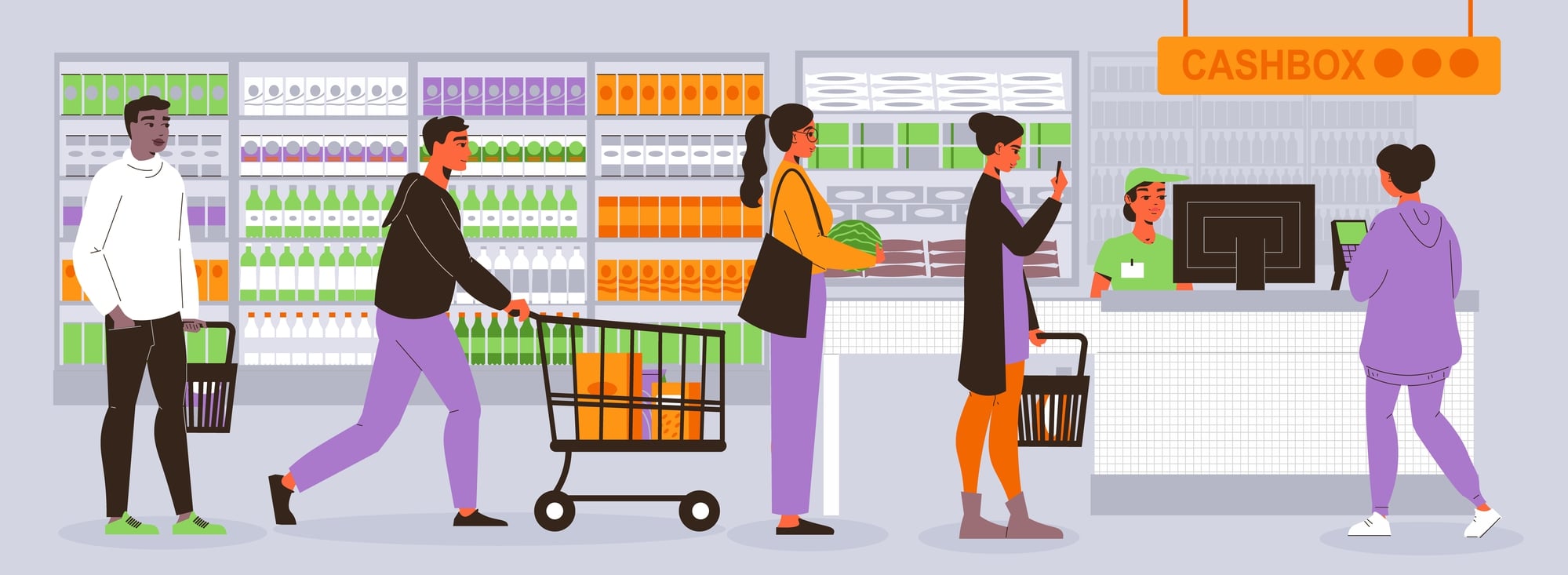
None of this is accidental, and none of it is irreversible — but the pace matters. What stands out, looking across all of these items, isn’t that prices rose: it’s that so many of them rose faster than wages, faster than what savings could absorb, faster than the mental model most people had of what things were supposed to cost.
Eggs and bread and a tank of gas used to be the background of a budget, not the main event. The shift is real, and the math at the checkout line — the quiet, slightly unwilling math that happens while you’re holding something you used to just buy — is how millions of people are feeling it every single day.
More from Go2Tutors!

- The Romanov Crown Jewels and Their Tragic Fate
- 13 Historical Mysteries That Science Still Can’t Solve
- Famous Hoaxes That Fooled the World for Years
- 15 Child Stars with Tragic Adult Lives
- 16 Famous Jewelry Pieces in History
Like Go2Tutors’s content? Follow us on MSN.