Everyday Sounds from the ’80s That Have Completely Disappeared
The world used to sound different. Not just quieter or louder, but filled with entirely different noises that punctuated daily life with mechanical clicks, electronic beeps, and analog hums that have vanished from modern existence.
These weren’t background sounds you noticed—they were the soundtrack to getting things done, staying connected, and moving through a world that operated on fundamentally different technology.
Most of these sounds disappeared so gradually that their absence feels more like a collective forgetting than a sudden loss. Yet each one carried the weight of routine, the satisfaction of completion, or the promise of connection in ways that their digital replacements never quite managed to replicate.
Rotary Phone Dials
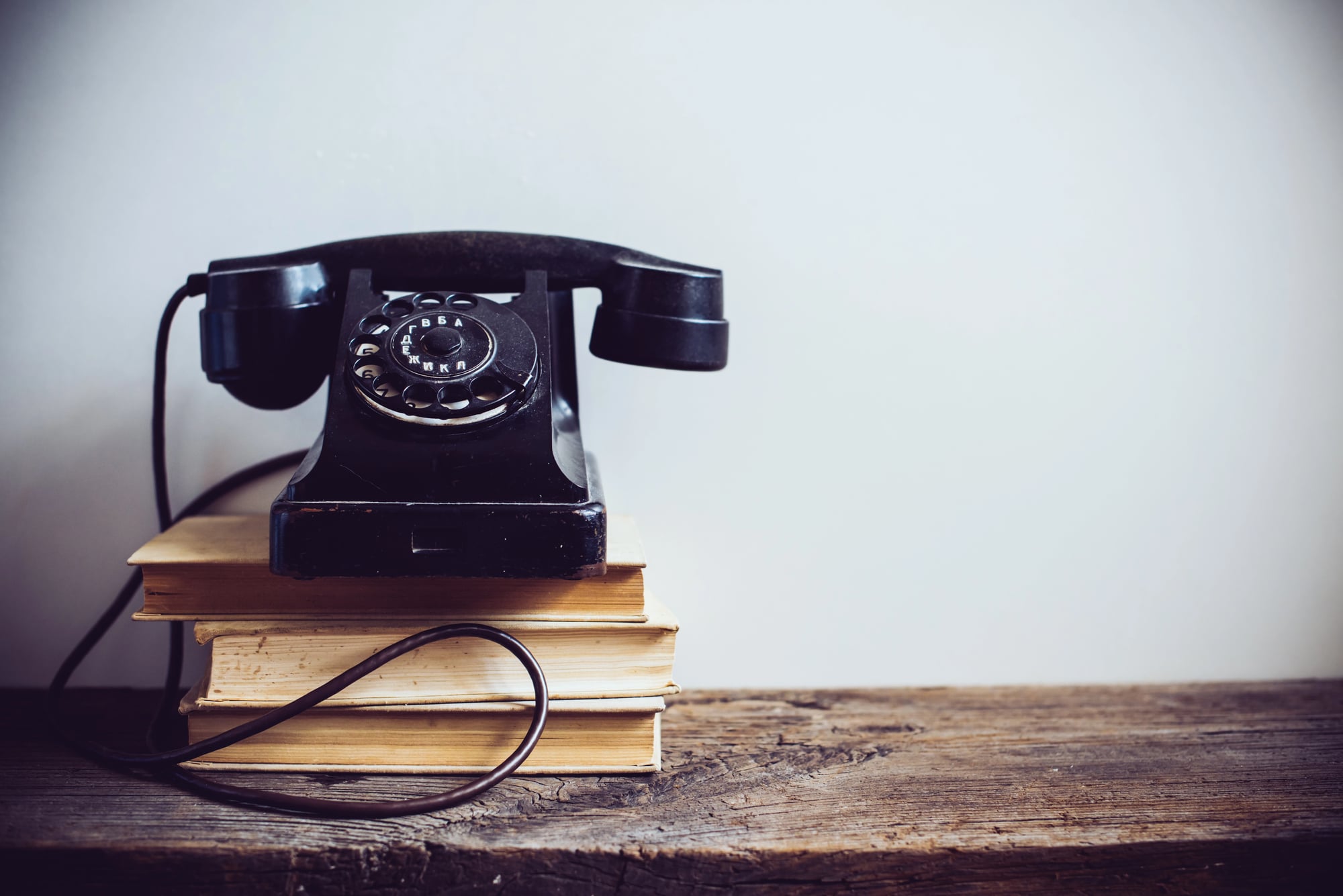
Dialing a phone number required commitment. Seven distinct clicks for a local call, each digit demanding its own mechanical rotation and spring-back return.
The sound was metallic and purposeful—no backing out halfway through when you realized you might not want to have this conversation after all. Wrong numbers carried more weight when each digit took genuine effort to produce.
People memorized phone numbers because the alternative meant starting over from scratch, listening to that familiar wheel spin back to zero after every single digit.
TV Channel Clicking

Channel surfing meant exactly that—the sharp, plastic click of manually advancing through twelve channels, maybe twenty if your area had good reception. The remote control made a different sound entirely, a softer but equally definitive click that somehow carried less authority than the manual dial.
Television watching required decisions. You clicked to something and stuck with it, partly because the effort of continuing to click through channels felt wasteful, and partly because there simply weren’t enough options to justify the restlessness that modern channel surfing encourages.
Typewriter Bells
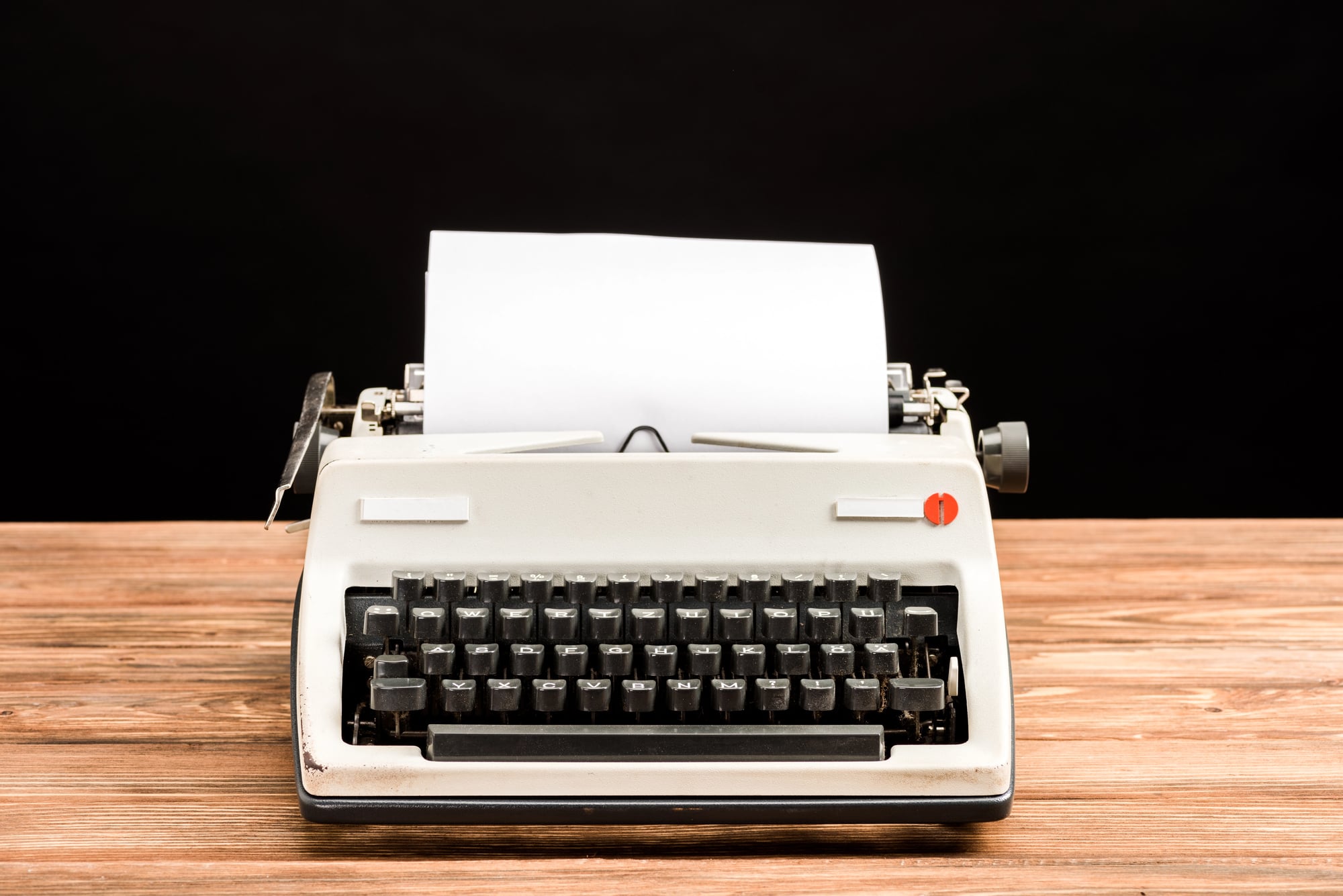
Like a timer that never ran out, the typewriter bell served as the margins’ polite but insistent reminder (though sometimes you’d ignore it and type right to the edge anyway, watching the letters crowd together in mechanical rebellion). The bell lived at the intersection of warning and accomplishment—you’d reached the end of another line, which meant you were making actual, measurable progress on something that would exist in physical form.
But here’s what made the sound particularly human: experienced typists learned to anticipate it, knowing exactly when that gentle ding would arrive based on the rhythm of their own writing. The bell didn’t interrupt the work so much as confirm it.
And then came the satisfying zip-click of the carriage return, sending you back to begin again. So the typewriter bell wasn’t just a sound—it was a small celebration that happened dozens of times per page, a mechanical pat on the back for putting words into the world.
Record Player Needle Drops
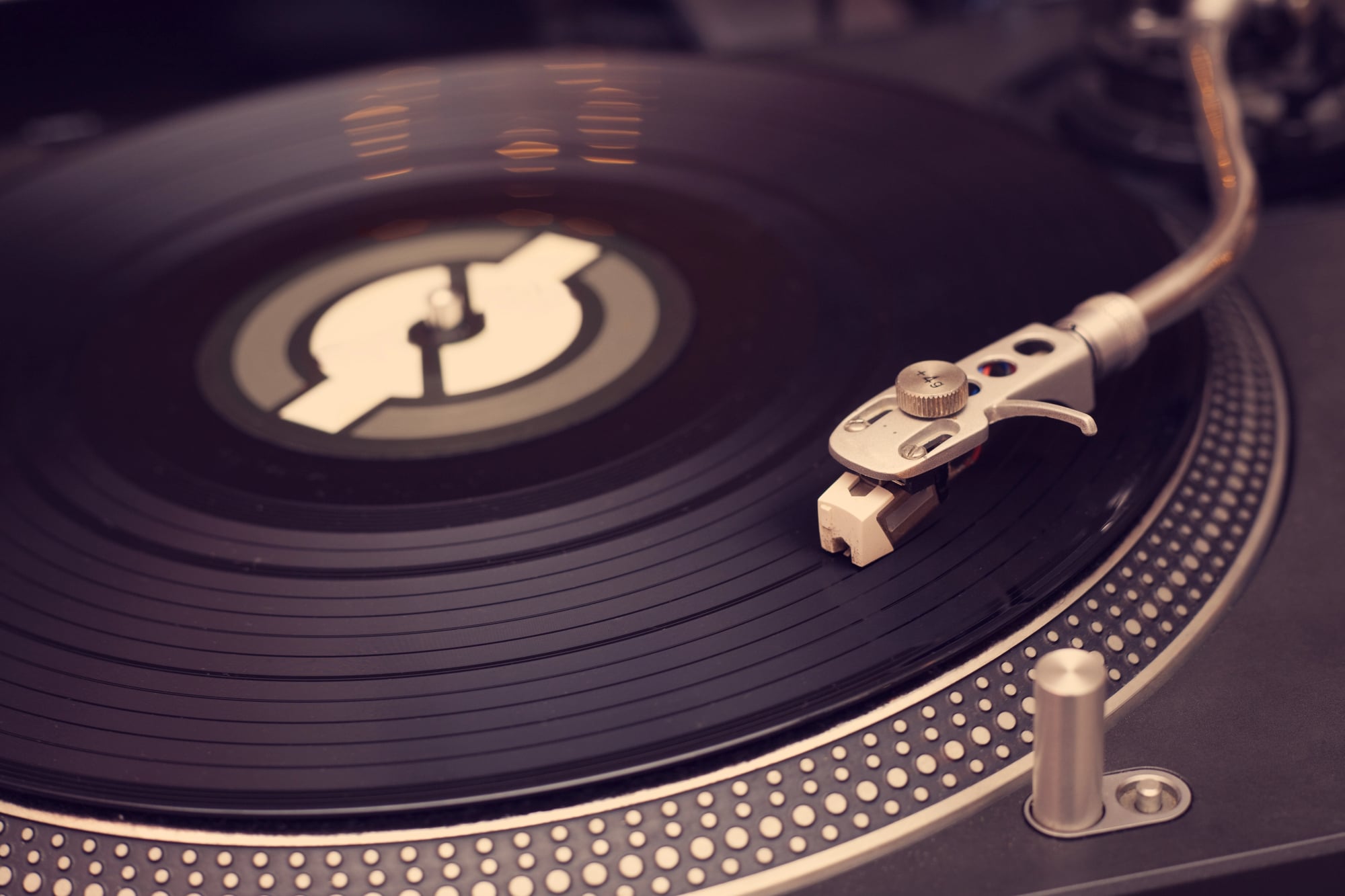
Putting on music required intention. You lifted the needle, placed it down, and committed to at least one full song before you could reasonably justify the effort of moving it again.
The initial crackle and pop as the needle found its groove carried anticipation in a way that clicking play never has. Albums played in order because skipping songs meant getting up, walking over, and physically moving the needle.
This wasn’t inconvenience—it was curation by effort. Musicians knew you’d hear their songs in sequence, and they arranged them accordingly.
Cash Register Calculations
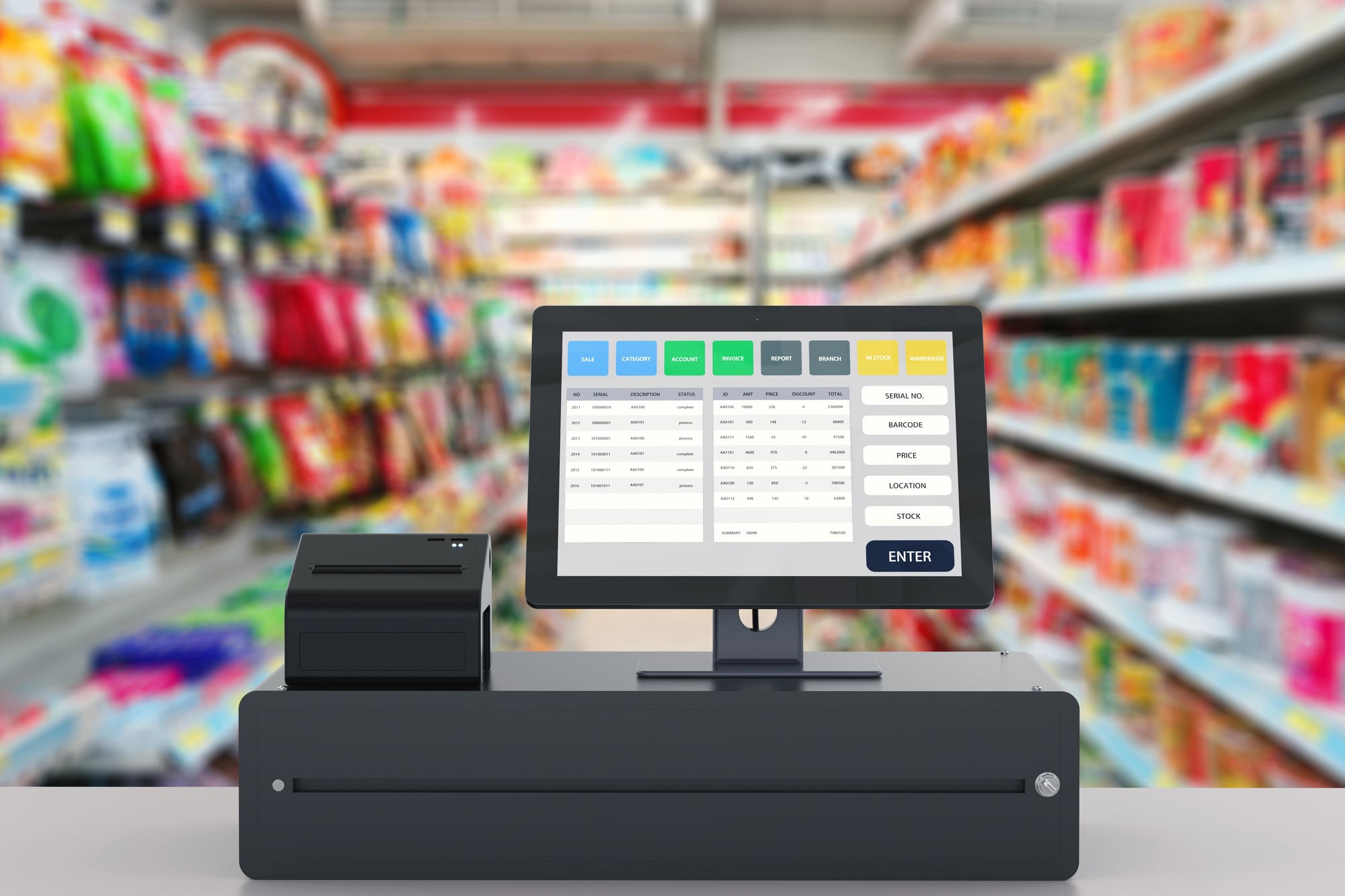
Every purchase created its own small performance. The cashier punched keys with decisive force, each price registering with a satisfying mechanical thud that confirmed the transaction was building toward completion.
The total appeared in a small window, usually orange or green numbers that glowed with the authority of mathematics made physical. The cash drawer opened with a spring-loaded bang that announced money changing hands to everyone within earshot.
Counting out change required skill, and the sound of coins dropping into the drawer’s compartments served as a tiny percussion section to the retail experience. Credit cards existed, but they involved carbon paper and manual sliders that made their own distinctive zip-thunk sound.
Modem Handshakes

The internet announced itself. Those screeching, warbling negotiations between modems sounded like robots arguing in a language humans weren’t meant to understand, which wasn’t far from the truth.
Connection required patience and sometimes multiple attempts, each one beginning with that same electronic conversation. Busy signals meant waiting, and waiting meant the internet felt valuable in a way that instant, always-on connection never quite matches.
You planned your online time because phone lines could only handle one job at once, and tying up the phone to check email was a household decision that required discussion.
Film Advance Mechanisms
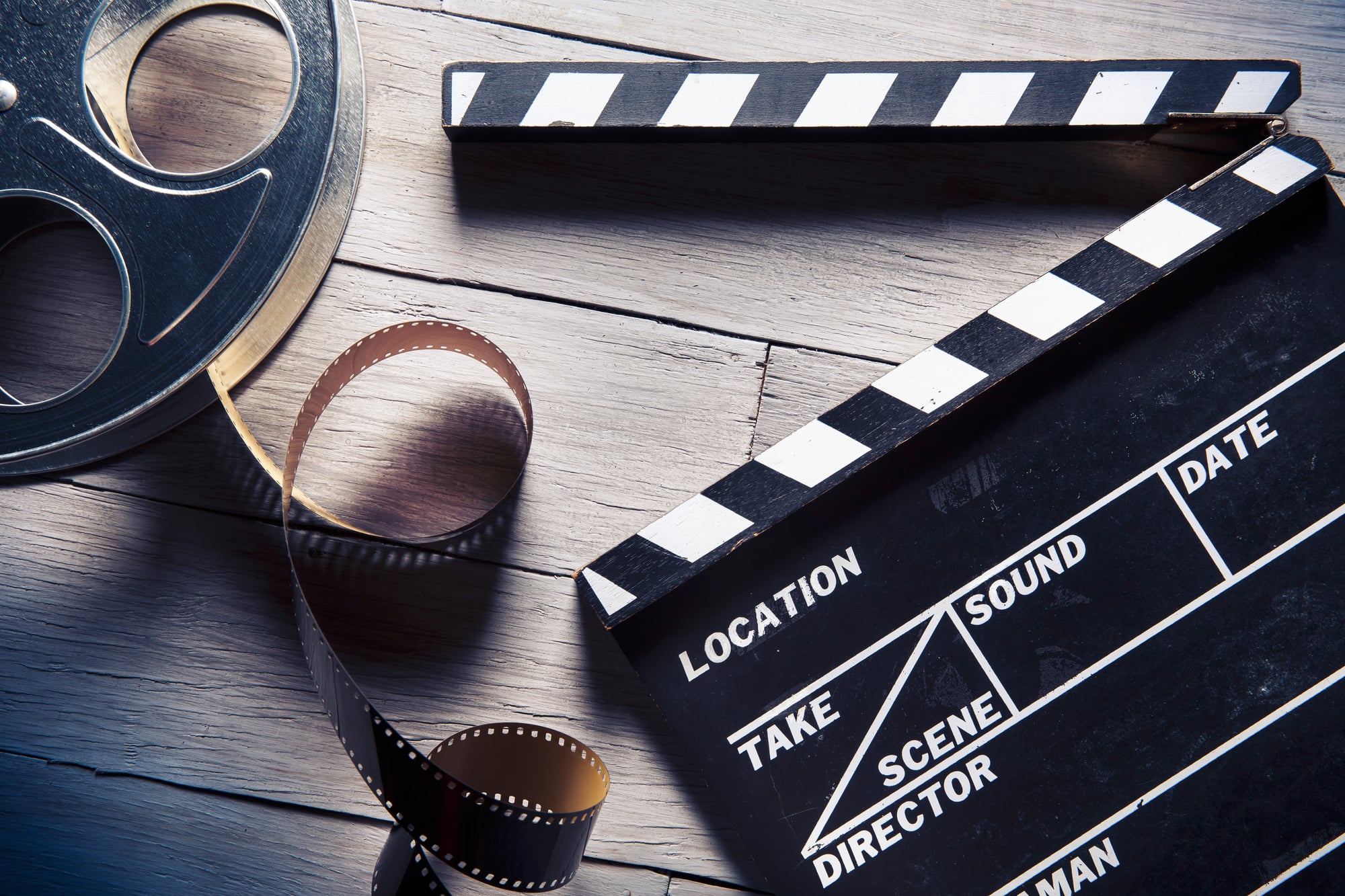
Every photograph cost money, and the camera reminded you of this fact with each mechanical click as the film advanced to the next frame. Twenty-four or thirty-six chances per roll, each one requiring consideration before pressing the shutter.
The sound was precise and final—you’d committed that frame, used up one more opportunity to capture something worth keeping. Running out of film mid-event created genuine disappointment.
You couldn’t simply delete the bad shots to make room for more attempts. The mechanical advance sound served as an ongoing countdown, a gentle reminder that documenting life required both intention and restraint.
Double-exposures happened when the advance mechanism failed, creating accidental art that no digital process has successfully replicated.
VHS Rewinding
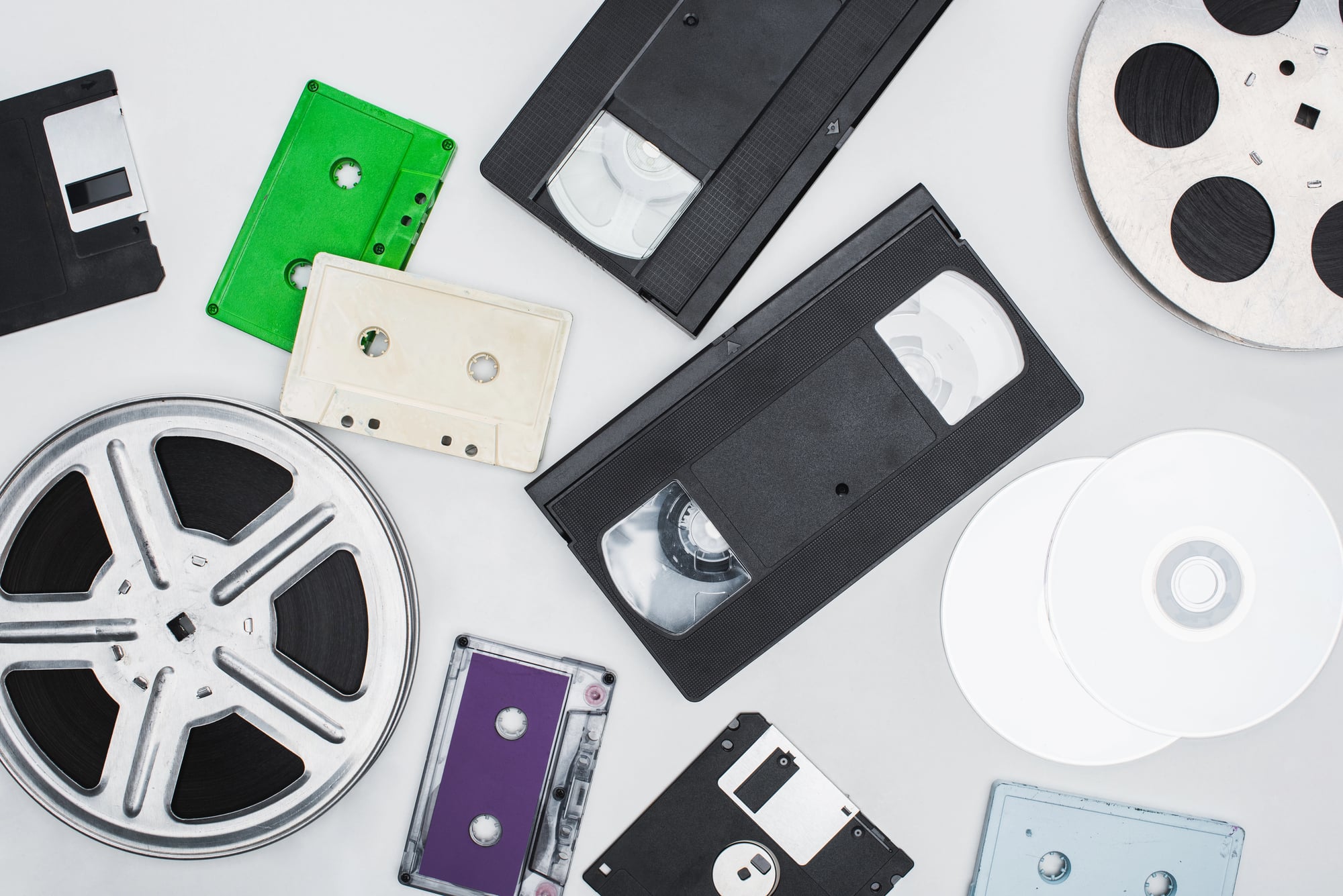
Movies ended with homework. The mechanical whirring of tape rewinding itself back to the beginning was the price you paid for entertainment, and somehow this made the movie feel more substantial than something you could instantly restart.
Rewinding took real time—usually several minutes for a full-length film—during which you could reflect on what you’d just watched. Be kind, rewind wasn’t just a video store slogan; it was a social contract.
Returning a tape without rewinding it was genuinely inconsiderate because it meant the next person had to wait before they could start their movie. The sound of rewinding became associated with finishing something completely, seeing it through to its proper conclusion.
Polaroid Cameras
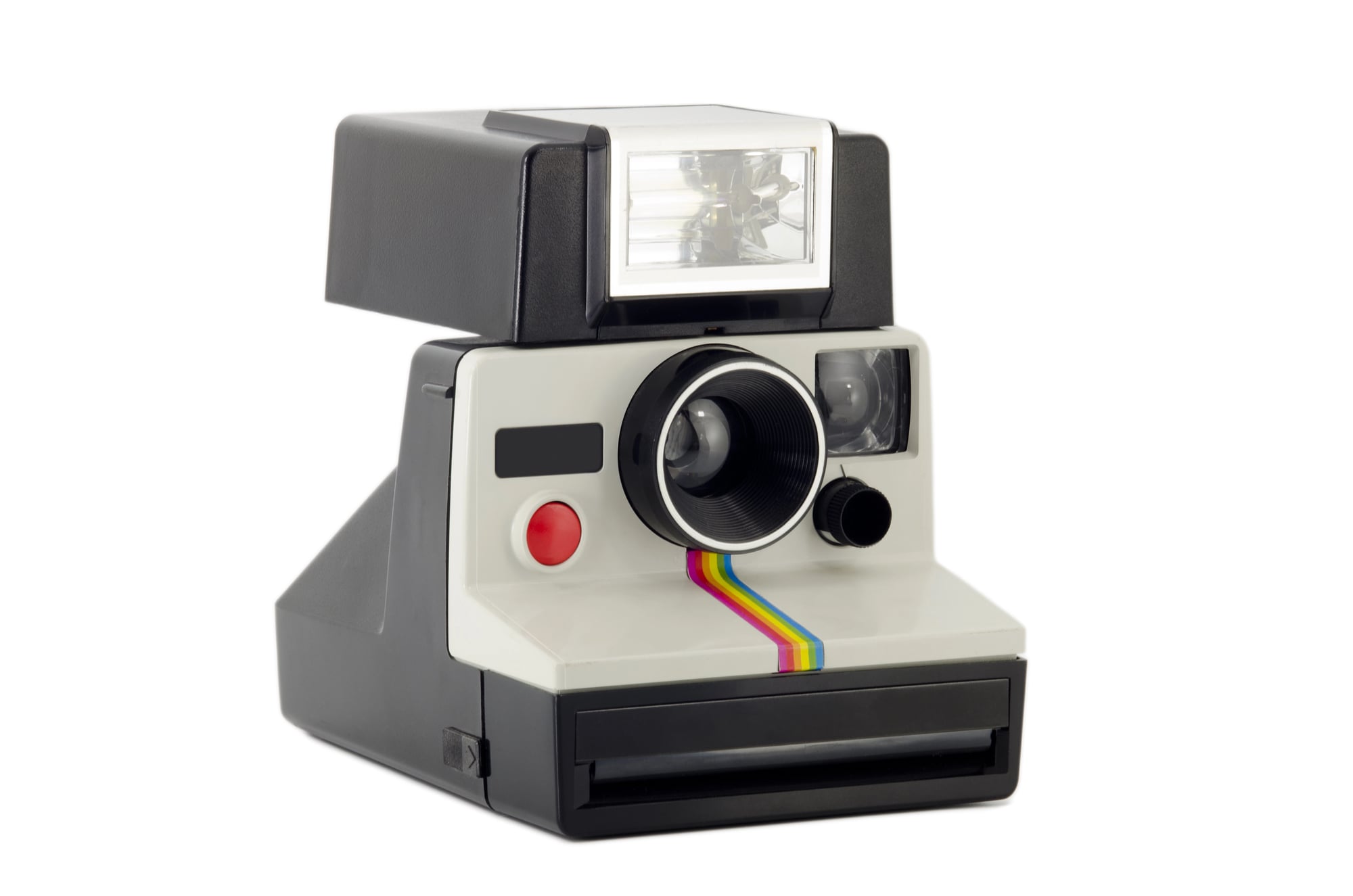
Photography became performance art. The mechanical whirring and clicking of a Polaroid ejecting a photograph created anticipation that lasted exactly as long as the development process—usually a few minutes of watching colors slowly emerge from chemical blankness.
The camera made multiple sounds: the shutter click, the motor engaging, and finally the photo sliding out of the slot with a mechanical precision that felt almost alive. The development process made a sound all its own, though it was more felt than heard—a subtle chemical activity happening in your hands.
People would shake the photos (though they weren’t supposed to), listen to them develop, and watch the image gradually sharpen into existence. Digital photography eliminated the waiting, but also the small daily miracle of watching reality reproduce itself in real time.
Dot Matrix Printers
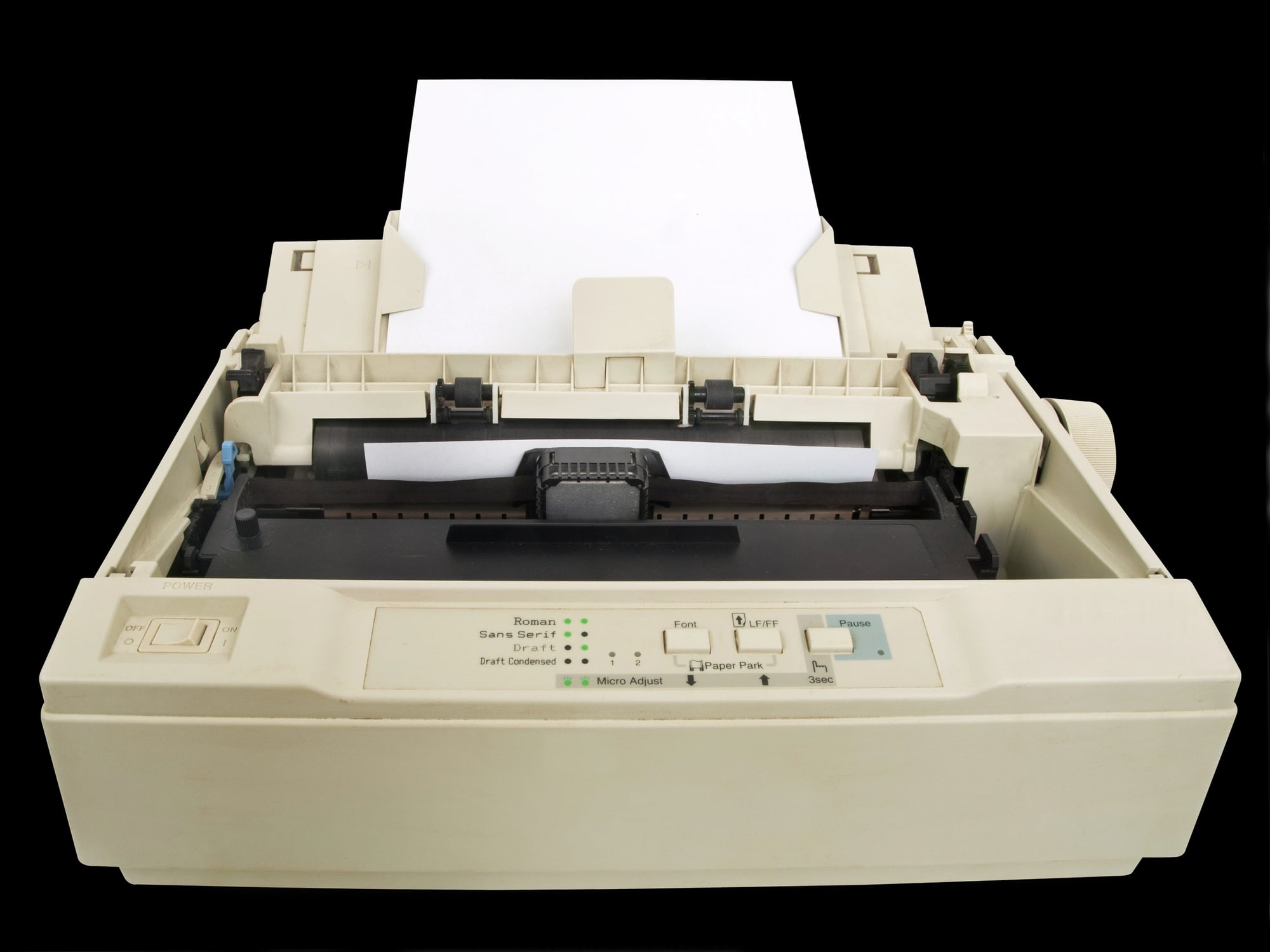
Printing sounded like work being done. The dot matrix printer attacked each page with mechanical determination, its print head moving back and forth across the paper with a rhythmic chattering that you could hear from rooms away.
Each line of text required physical effort from the machine, and the sound confirmed that something was actually being accomplished. The tractor-fed paper had perforated edges that you’d tear off after printing, creating neat stacks of continuous-feed documents that felt more substantial than anything a modern printer produces.
The sound was industrial and serious—this machine was building your document letter by letter, dot by dot, line by line.
Alarm Clocks
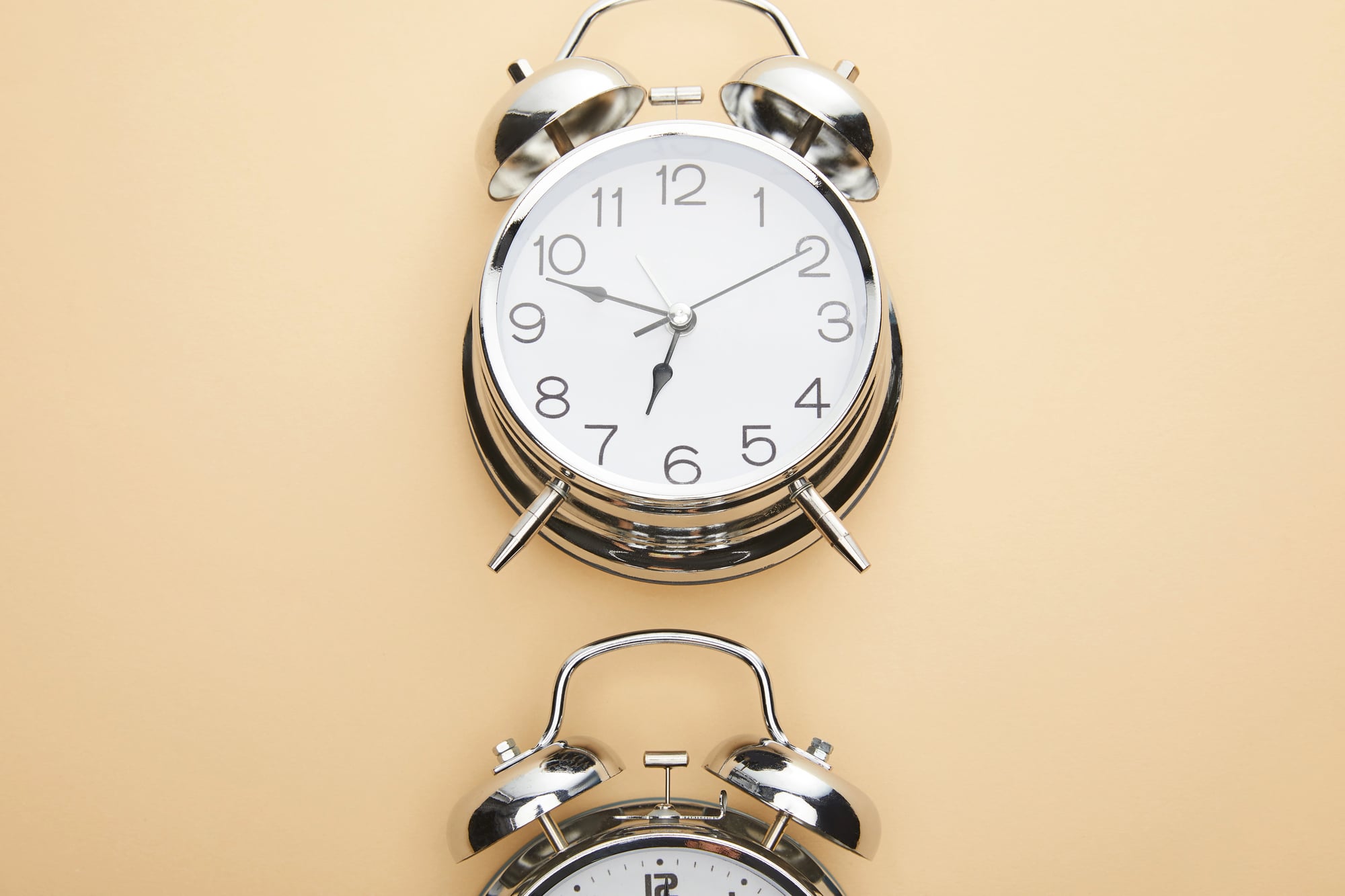
Waking up sounded angry. Mechanical alarm clocks didn’t gently fade in or offer snooze options—they rang with the urgency of actual bells, usually two small metal domes being struck by a rapidly oscillating hammer.
The sound was designed to jolt you from sleep, and it worked precisely because it was so unpleasant that staying in bed became impossible. Wind-up alarms required nightly preparation.
You set the time, wound the spring, and pulled the alarm switch, knowing that somewhere around your chosen hour, this small machine would create enough noise to drag you back to consciousness. Oversleeping meant the alarm had run down, not that you’d slept through a gradually increasing volume of soft chimes.
Floppy Disk Operations
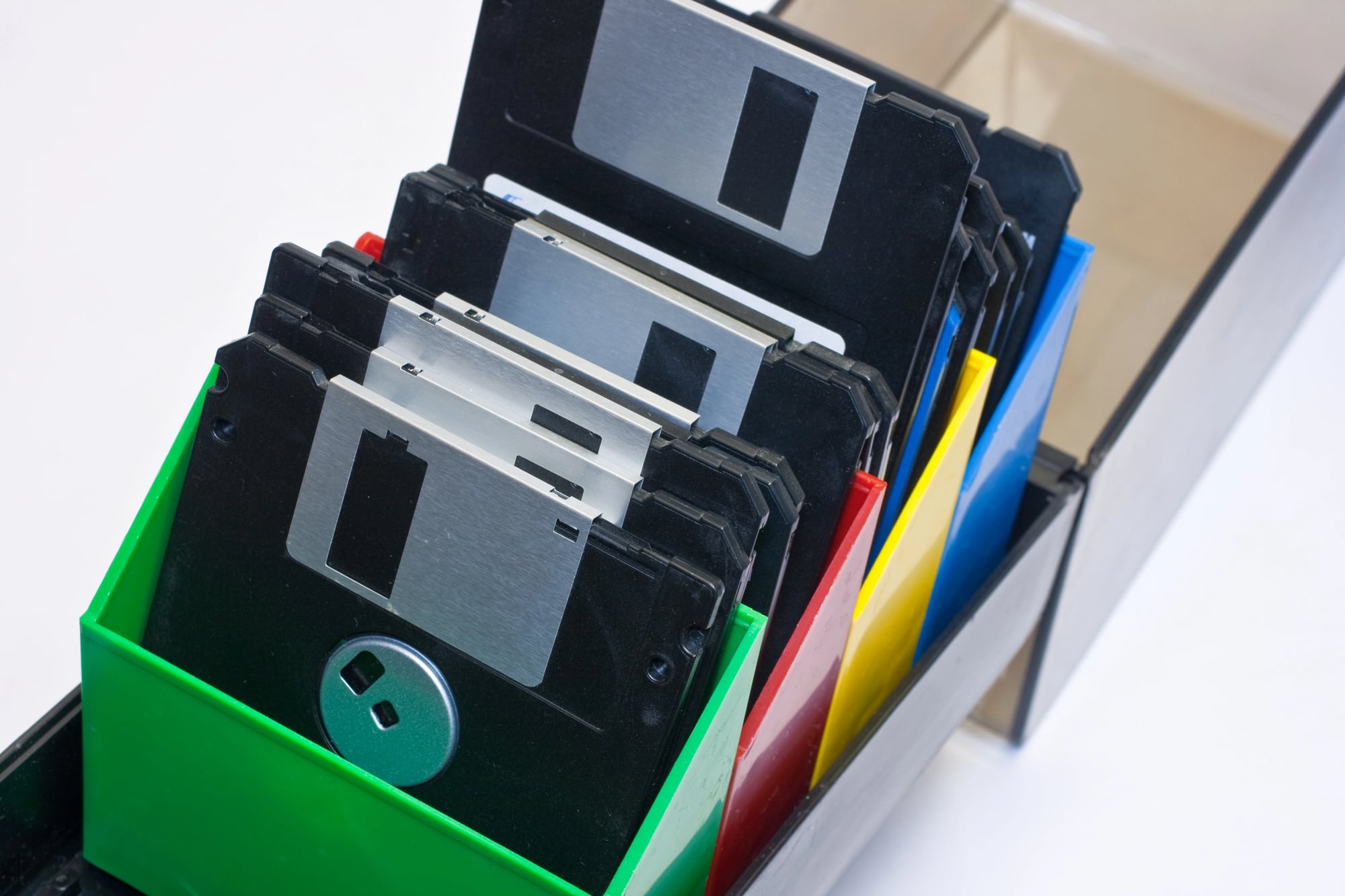
Saving your work created a small celebration of mechanical sounds. The floppy disk drive would engage with a distinctive click, followed by the rhythmic whirring of the disk spinning and the soft tick-tick-tick of the read/write head moving across the magnetic surface.
These weren’t background sounds—they were confirmation that your work was being preserved. Disk swapping required patience and strategy.
Software came on multiple disks, and installation meant listening to this mechanical conversation between computer and storage medium repeatedly, sometimes for hours. The sounds became familiar enough that experienced users could diagnose problems by ear—a certain type of clicking meant disk error, while smooth whirring meant everything was working as intended.
Arcade Game Audio

Video games lived in public spaces and announced themselves accordingly. The electronic bleeps, bloops, and synthesized melodies of arcade games created a sonic landscape that was equal parts musical and mechanical.
Each game had its own audio signature—Space Invaders’ descending four-note theme, Pac-Man’s wakka-wakka consumption sound, the percussive explosions of Asteroids. These weren’t just sound effects; they were the primary feedback mechanism that told you how well you were playing.
Success and failure each had their own distinct audio cues, and skilled players learned to respond to sounds as much as visual information. The arcade environment amplified this effect—dozens of games playing simultaneously created a chaotic symphony that somehow made perfect sense to anyone who spent time there.
The Sound Of Stopping

What disappeared wasn’t just the individual noises but the silence that followed them. Rotary phones returned to quiet after the final digit.
Typewriters sat still between thoughts. Record albums eventually ended, leaving only the soft scratch of needle on lead-out groove.
These sounds marked completion, created natural breaks, and imposed rhythm on daily life that constant connectivity has eliminated. The mechanical world demanded patience and rewarded attention in ways that feel almost quaint now.
Each sound served a purpose, carried information, and marked progress through tasks that required physical engagement with the world. Their absence has left daily life smoother but somehow less textured, more efficient but less ceremonial, instant but no longer satisfying in quite the same way.
More from Go2Tutors!

- The Romanov Crown Jewels and Their Tragic Fate
- 13 Historical Mysteries That Science Still Can’t Solve
- Famous Hoaxes That Fooled the World for Years
- 15 Child Stars with Tragic Adult Lives
- 16 Famous Jewelry Pieces in History
Like Go2Tutors’s content? Follow us on MSN.