20 Best War Movies
War movies are among the most popular and influential movies. These movies are often seen to portray instances of courage, fear, and sacrifice, and also showcase the prevailing political and cultural conditions of the era in which they were made.
Some movies portray broad and extensive wars and strategies, whereas others portray the emotional effects on the people who are caught up in the turmoil.
Throughout the years, many movies have been made on the theme of wars and their effects on society.
Here is a list of twenty such movies that are popular for their storytelling and filmmaking:
Saving Private Ryan (1998)
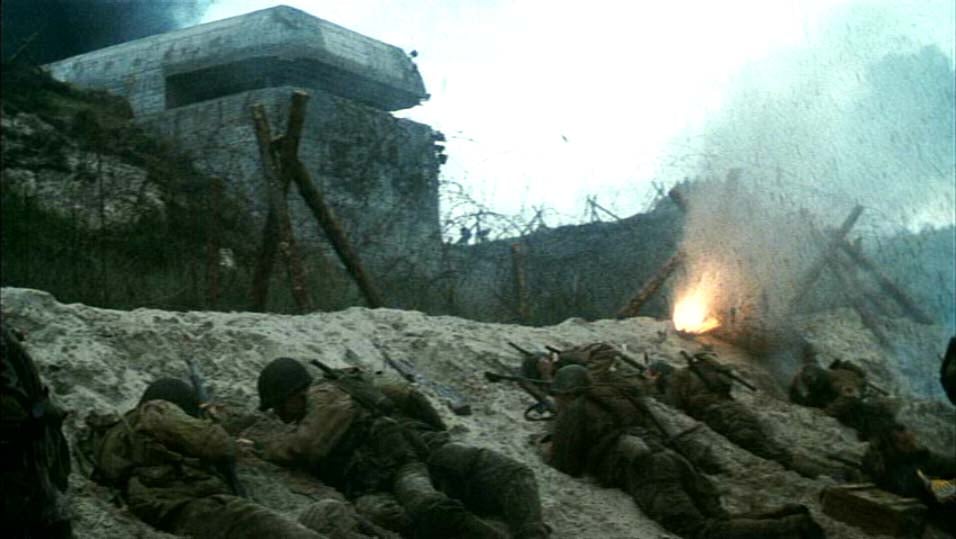
Steven Spielberg’s Saving Private Ryan is widely regarded as one of the most realistic war films ever made. The opening sequence depicting the D-Day landing on Omaha Beach stunned audiences with its intensity and attention to detail.
The film follows a small group of soldiers sent deep into enemy territory to locate and bring home a paratrooper whose brothers have all been killed in combat. Still, the story balances large-scale action with intimate character moments.
The soldiers’ conversations reveal exhaustion, doubt, and quiet determination. This mix of spectacle and humanity helped redefine the modern war film.
Apocalypse Now (1979)
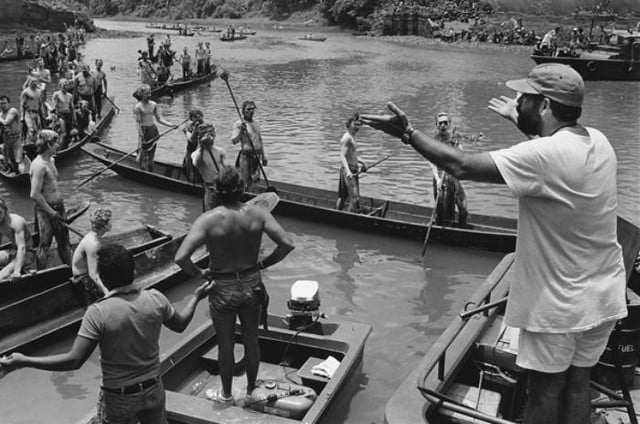
Francis Ford Coppola’s Apocalypse Now takes viewers into the psychological darkness of the Vietnam conflict. Inspired loosely by Joseph Conrad’s novel Heart of Darkness, the film follows a military officer sent on a secret mission to eliminate a rogue colonel operating deep in the jungle.
The film’s surreal imagery and haunting atmosphere create a sense of descent into moral uncertainty. Even so, its larger message focuses on the confusion and contradictions that often accompany armed conflict.
The result is a film that feels both epic and unsettling.
Schindler’s List (1993)
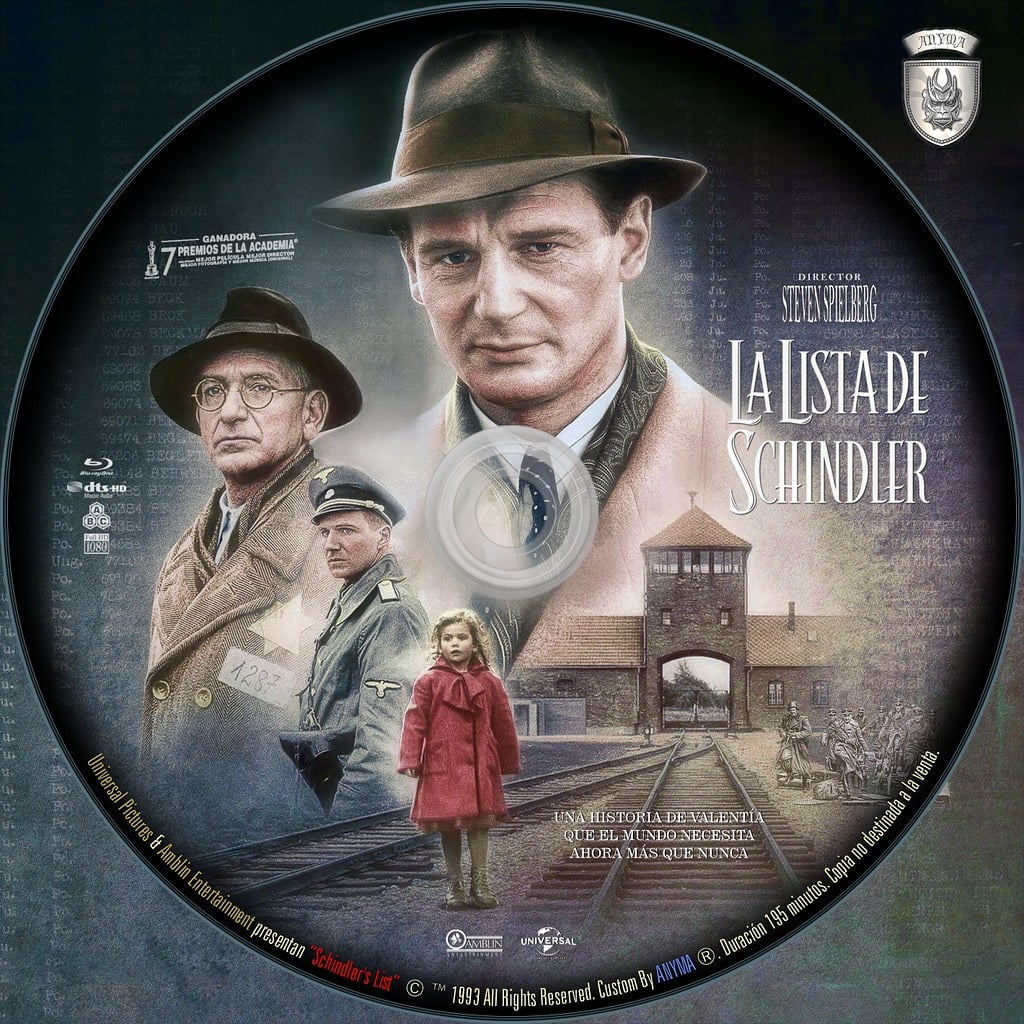
Although not centered on combat, Schindler’s List remains one of the most powerful films connected to World War II. The story follows German industrialist Oskar Schindler, who used his factories to protect more than a thousand Jewish workers during the war.
Shot largely in black and white, the film presents events with stark emotional clarity. That said, moments of humanity shine through the darkness, emphasizing the impact one person can have in the midst of overwhelming tragedy.
The film earned seven Academy Awards and remains a landmark in historical storytelling.
Dunkirk (2017)
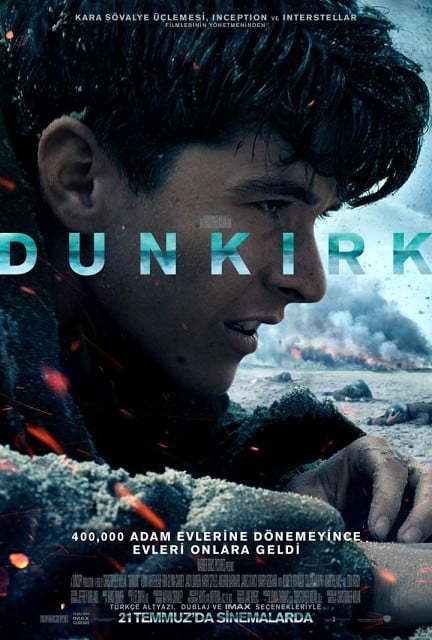
Christopher Nolan’s Dunkirk approaches war storytelling through structure and atmosphere rather than traditional dialogue-heavy narrative. The film depicts the evacuation of Allied soldiers from the beaches of Dunkirk in 1940, weaving together three timelines occurring over different lengths of time.
The minimal dialogue places emphasis on tension, sound, and visual storytelling. Still, the film captures the quiet heroism of ordinary people, particularly civilians who sailed small boats across the English Channel to help rescue stranded troops.
1917 (2019)

Sam Mendes’ 1917 gained widespread attention for its innovative filmmaking technique. The story appears to unfold in a single continuous shot, following two British soldiers tasked with delivering an urgent message across enemy territory during World War I.
This approach creates an intense sense of immediacy, placing viewers directly alongside the soldiers as they navigate trenches, ruined villages, and dangerous landscapes. Even so, the film also captures moments of quiet reflection that highlight the fragile humanity of the characters.
Platoon (1986)
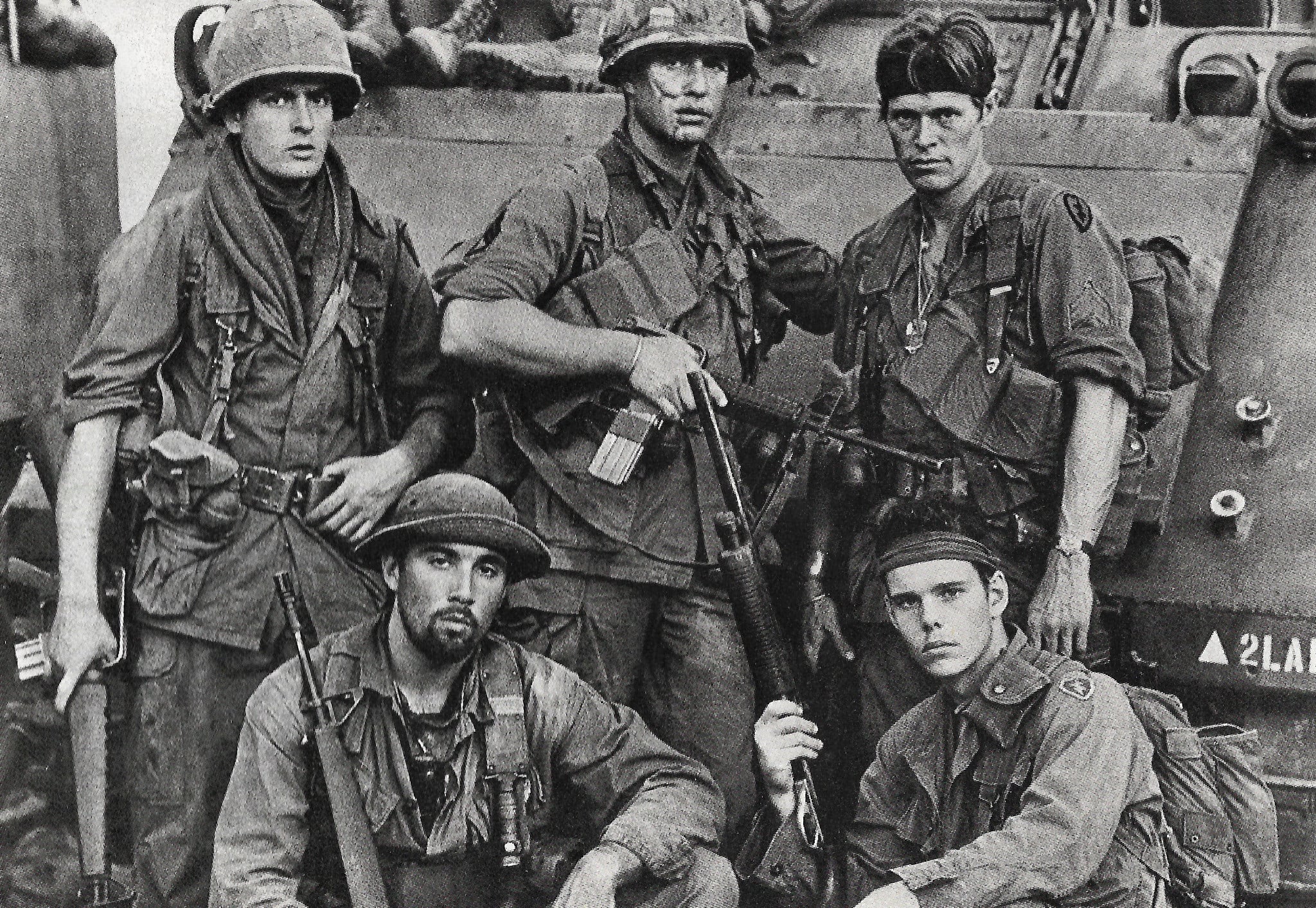
Oliver Stone’s Platoon offers a raw portrayal of the Vietnam conflict drawn from the director’s own experiences as a soldier. The film follows a young recruit who becomes caught between two very different commanding officers representing opposing moral outlooks.
The tension between these leaders reflects broader divisions within the military and society during the era. Still, the film remains deeply personal, showing how uncertainty and fear shape the choices made in extreme circumstances.
The Thin Red Line (1998)

Terrence Malick’s The Thin Red Line stands apart from many war films due to its philosophical tone. Set during the Battle of Guadalcanal in World War II, the story explores the inner thoughts of soldiers confronting both danger and the natural beauty surrounding them.
Rather than focusing solely on combat sequences, the film reflects on the relationship between humanity and violence. That said, its quiet narration and sweeping imagery give the story a contemplative quality rarely seen in the genre.
Full Metal Jacket (1987)

Stanley Kubrick’s Full Metal Jacket is divided into two strikingly different halves. The first part takes place in a Marine training camp, where a relentless drill instructor pushes recruits to their physical and mental limits.
The second half shifts to Vietnam, where the soldiers confront the realities of combat. Still, the film never loses its sharp commentary on how military culture shapes identity and behavior under pressure.
Black Hawk Down (2001)

Ridley Scott’s Black Hawk Down recounts a U.S. military mission in Somalia that quickly spiraled into a fierce urban battle. The film’s fast-paced storytelling places viewers directly in the middle of chaotic street fighting.
Still, the narrative focuses on teamwork and survival rather than individual heroics. The film portrays how soldiers rely on one another when plans collapse and conditions become unpredictable.
Paths of Glory (1957)
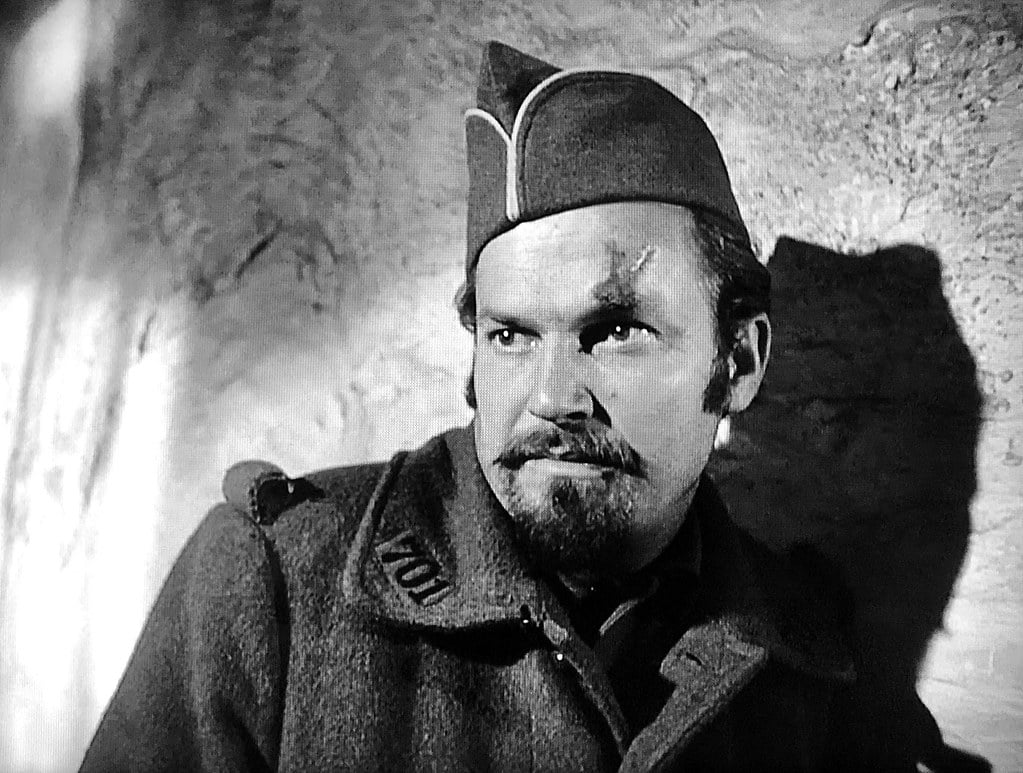
Stanley Kubrick’s earlier war film Paths of Glory takes a sharply critical look at military leadership during World War I. The story centers on a group of French soldiers who are ordered to carry out an impossible attack.
When the mission fails, several soldiers are blamed and put on trial in a deeply unjust process. Even so, the film’s emotional power lies in its quiet defense of fairness and human dignity.
The Bridge on the River Kwai (1957)
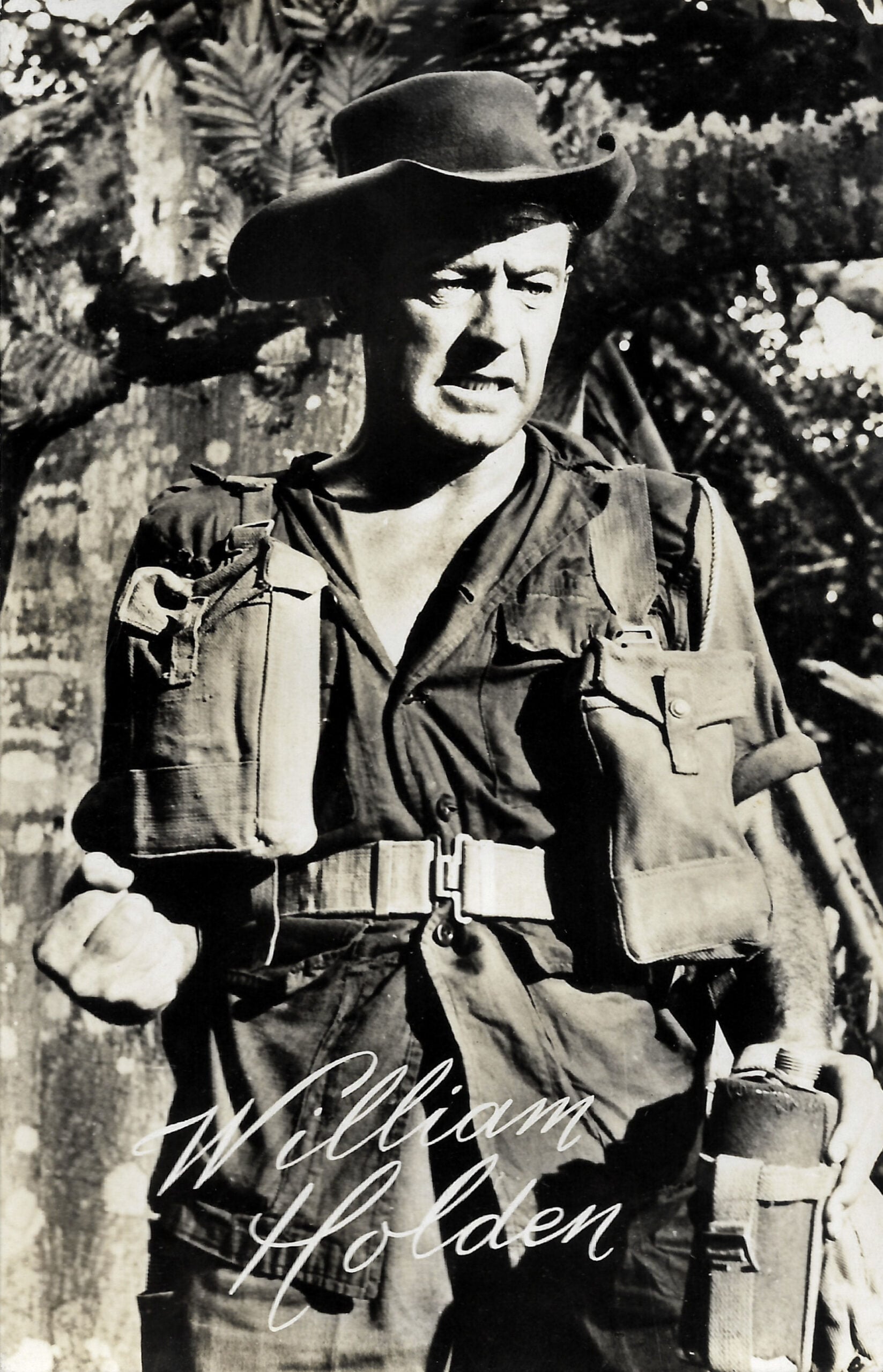
David Lean’s The Bridge on the River Kwai explores the complicated psychology of pride and duty. British prisoners of war in Southeast Asia were forced to build a railway bridge for their captors during World War II.
Still, the commanding officer becomes obsessed with constructing a perfect bridge as a symbol of discipline and professionalism. This conflict between duty and resistance drives the film’s dramatic tension.
All Quiet on the Western Front (1930)
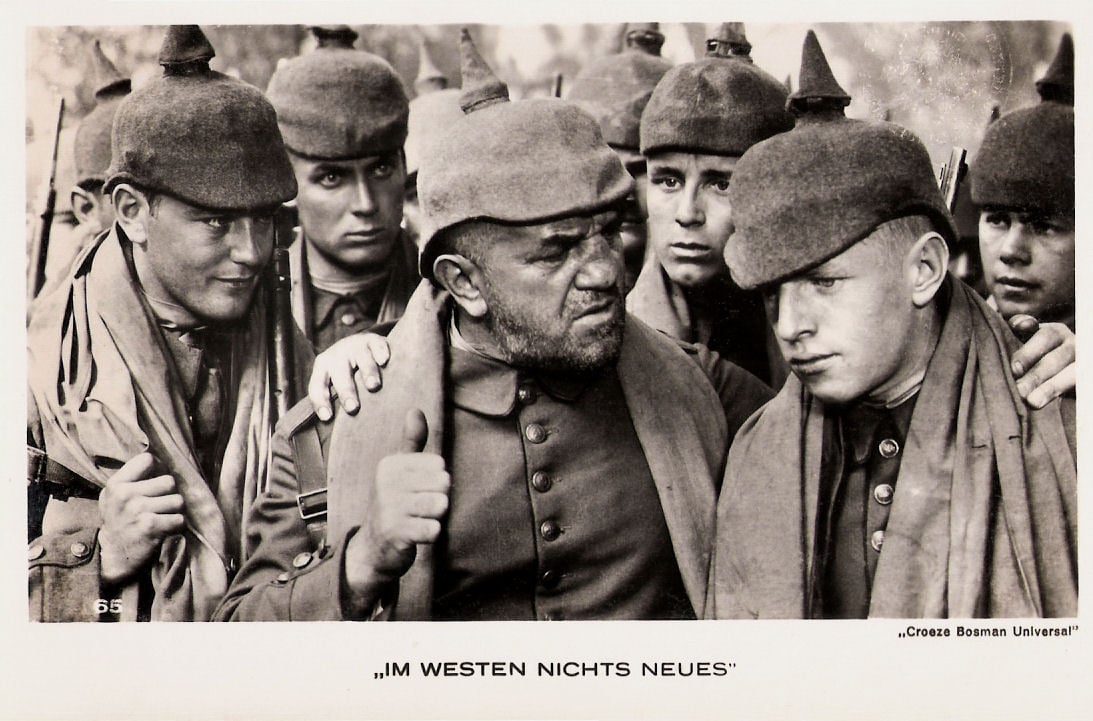
Based on Erich Maria Remarque’s novel, All Quiet on the Western Front presents a deeply human view of World War I. The story follows a group of young German students who enthusiastically enlist, only to discover the grim reality of trench warfare.
The film remains remarkable for its honesty about the emotional toll of battle. Even decades after its release, its message about the cost of conflict continues to resonate.
Letters from Iwo Jima (2006)

Clint Eastwood’s Letters from Iwo Jima offers a rare perspective on World War II by focusing on Japanese soldiers defending the island against American forces. The film explores the personal stories of the men stationed there as they prepare for an overwhelming assault.
Still, the narrative avoids portraying the conflict in simple terms. Instead, it highlights shared humanity across opposing sides.
Das Boot (1981)

The German film Das Boot places viewers inside the cramped interior of a World War II submarine. The story follows the crew during a tense Atlantic patrol as they face both enemy forces and the psychological pressure of life underwater.
Still, the film’s strength lies in its detailed portrayal of daily life aboard the vessel. The confined setting creates a sense of suspense that builds gradually throughout the film.
Hacksaw Ridge (2016)

Mel Gibson’s Hacksaw Ridge tells the remarkable story of Desmond Doss, a U.S. Army medic who served during World War II. Doss refused to carry a weapon yet repeatedly risked his life to rescue wounded soldiers during the Battle of Okinawa.
Still, the film’s emotional power comes from its focus on conviction and courage. Doss’ determination demonstrates how bravery can take many forms.
Lawrence of Arabia (1962)
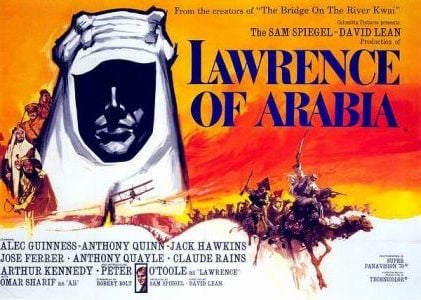
David Lean’s sweeping epic Lawrence of Arabia chronicles the experiences of British officer T.E. Lawrence during the Arab Revolt of World War I. The film’s vast desert landscapes and powerful score helped establish it as one of cinema’s most visually striking achievements.
Still, beneath the spectacle lies a complex portrait of identity and ambition. The story explores how Lawrence struggled to reconcile his personal ideals with the realities of war.
Glory (1989)

Glory tells the story of the 54th Massachusetts Infantry Regiment, one of the first African American units to serve in the Union Army during the American Civil War. The film follows the soldiers as they train, face prejudice, and ultimately fight for recognition and equality.
Still, the narrative emphasizes the strength of unity and determination. Its powerful performances and historical focus helped bring greater attention to an important chapter in American history.
The Hurt Locker (2008)
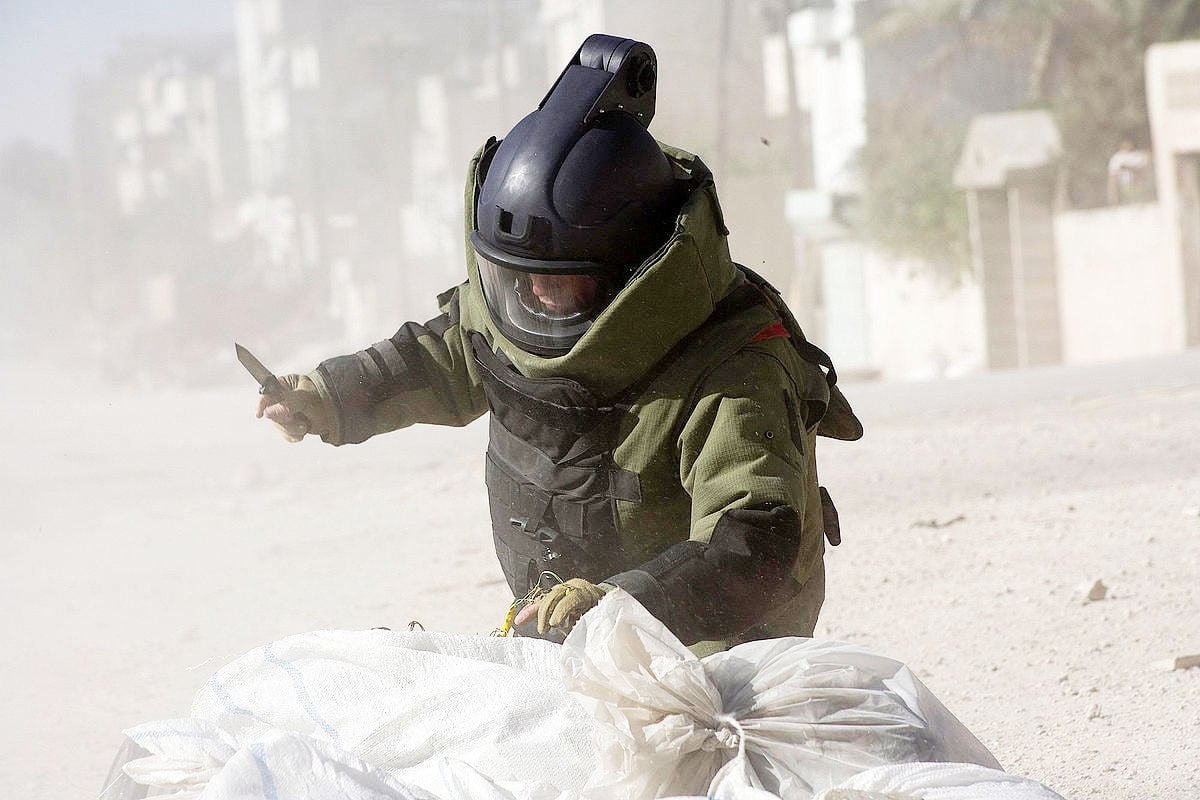
Kathryn Bigelow’s The Hurt Locker examines the daily tension faced by soldiers assigned to bomb disposal units during the Iraq conflict. The film focuses on the psychological strain of working in situations where every decision carries life-or-death consequences.
Still, the story avoids grand speeches or dramatic political commentary. Instead, it presents a quiet, intense portrait of individuals navigating constant uncertainty.
We Were Soldiers (2002)

Based on real events during the Vietnam conflict, We Were Soldiers tells the story of the Battle of Ia Drang. The film portrays both the preparation for battle and the devastating consequences once the fighting begins.
Still, the narrative pays close attention to the emotional connections between soldiers and their families. This balance between battlefield action and personal relationships gives the film its emotional weight.
Tora! Tora! Tora! (1970)

Tora! Tora! Tora! presents a detailed recreation of the events leading up to the attack on Pearl Harbor in 1941. What makes the film distinctive is its dual perspective, showing both American and Japanese planning and decision-making.
Still, the film avoids exaggerated dramatization, focusing instead on the series of miscommunications and strategic missteps that allowed the attack to succeed.
Why War Stories Continue to Matter

War movies endure because of their capacity to link historical events with personal experiences. Each new generation of filmmakers revisits these stories in order to understand personal experiences of heroism, fear, and loyalty in relation to historical events.
For modern viewers, war movies may be watched not only for their compelling stories but also for the lessons viewers can gain from history. Although filmmaking technology is constantly changing and may significantly alter how war stories are presented in film, personal themes of heroism and fear in war movies endure.
Good war movies always remind viewers that behind every historical war were countless personal stories that continue to define our world even after all the battles were over.
More from Go2Tutors!

- The Romanov Crown Jewels and Their Tragic Fate
- 13 Historical Mysteries That Science Still Can’t Solve
- Famous Hoaxes That Fooled the World for Years
- 15 Child Stars with Tragic Adult Lives
- 16 Famous Jewelry Pieces in History
Like Go2Tutors’s content? Follow us on MSN.