Extinct Birds, from Prehistoric Times to Now
The silence where songs once lived tells its own story. Every vanished species carries with it a constellation of sounds, colors, and behaviors that shaped the world in ways both obvious and invisible.
Some disappeared millions of years ago, locked in stone and memory. Others vanished so recently that recordings of their calls still exist, haunting reminders of what slips away when we’re not paying attention.
Archaeopteryx
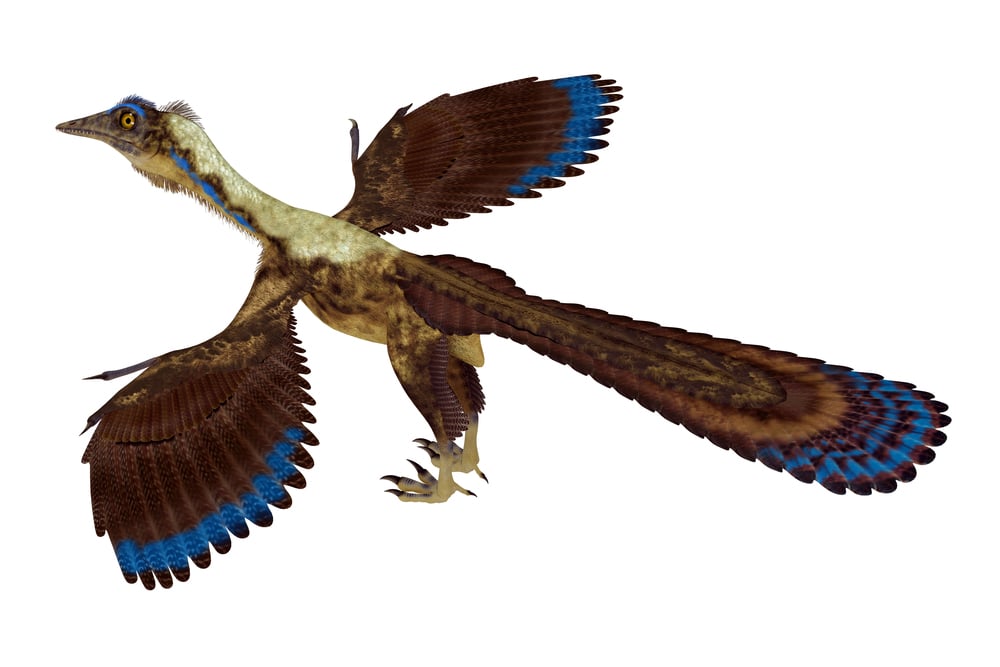
The first bird wasn’t really a bird at all. Feathered but clawed, winged but toothed — Archaeopteryx lived in that strange space between what was and what would become.
Flight came awkwardly to this creature 150 million years ago.
Terror Birds
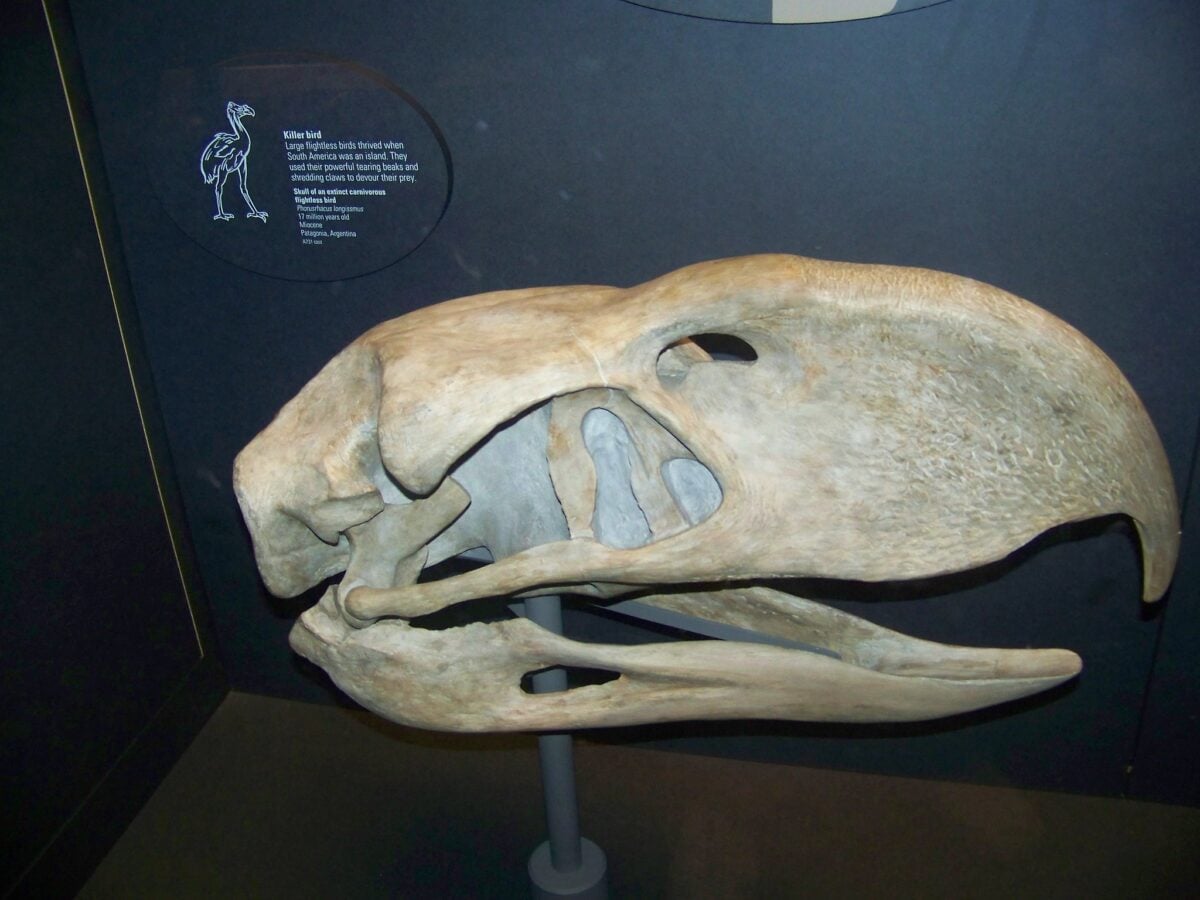
South America belonged to giants once. Phorusrhacids stood ten feet tall and chased down prey with the efficiency of nightmares.
No flight, just speed and those massive beaks that could crack skulls. The continent’s isolation kept these predators dominant for 60 million years until the land bridge to North America changed everything.
Great Auk
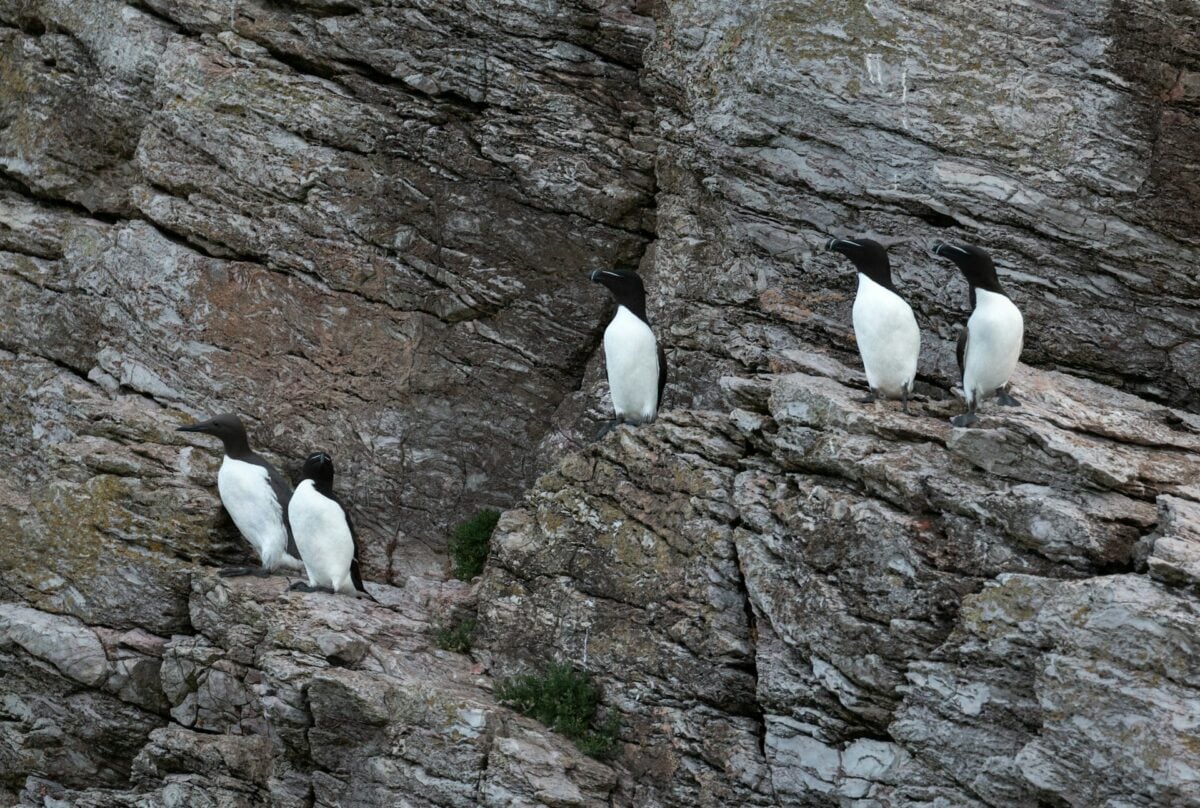
There’s something almost deliberate about how humans erased the Great Auk — the methodical way sailors harvested them on remote islands (they couldn’t fly, so escape was never an option), the casual efficiency with which entire colonies were reduced to feathers and oil, the final pair killed on an Icelandic rock in 1844 while brooding their single egg. And yet the process felt invisible while it was happening, the way most endings do: just fewer birds each season until there were none, and then the strange realization that no one had been keeping count of what remained.
But perhaps that’s the most human part of the story: how thoroughly we can destroy something while barely noticing we’re doing it.
Dodo
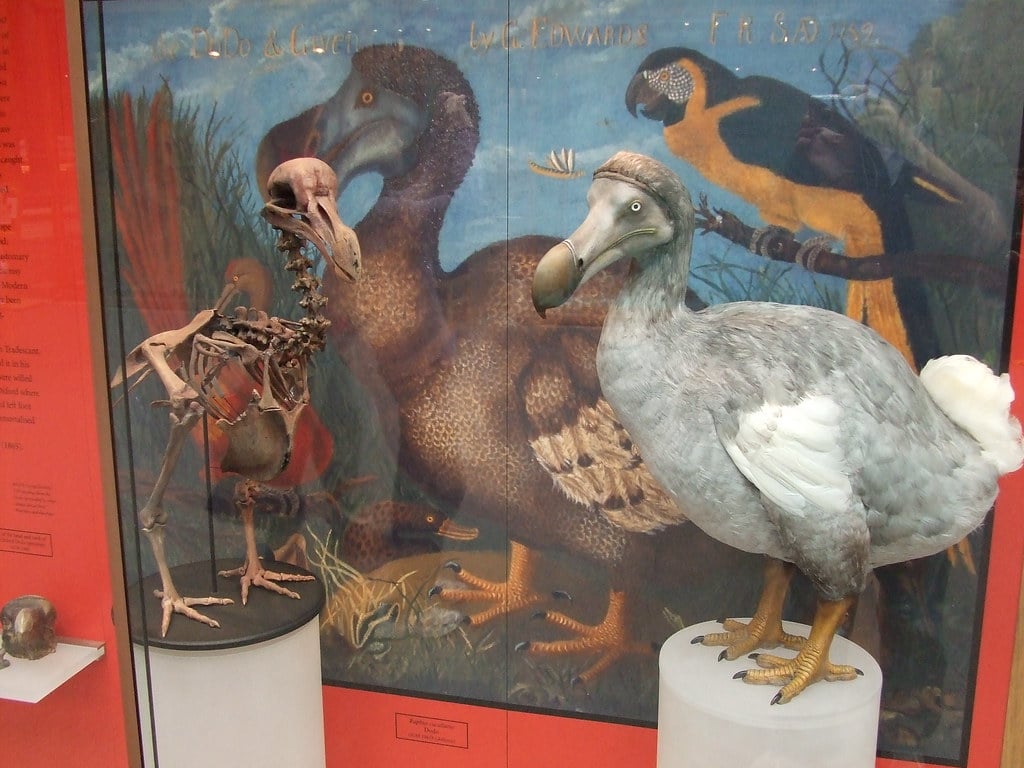
The dodo gets painted as stupid, but stupidity had nothing to do with it. Flightlessness works fine when nothing on your island wants to eat you.
Unfortunately, isolation doesn’t prepare you for humans, pigs, and rats showing up all at once. Mauritius was a safe place for 15 million years.
Then it wasn’t. The dodo went from evolutionary success story to extinction in less than a century.
That’s not stupidity — that’s bad timing.
Carolina Parakeet

America had its own parrot once (because of course it did — nature doesn’t respect the borders we draw in field guides), and the Carolina Parakeet was everything you’d expect from a bird trying to make it in temperate North America: brilliant green and yellow, loud enough to hear from a mile away, and stubborn enough to return to the same feeding spots even when farmers were shooting at them. So they kept returning, and farmers kept shooting, and the math on that equation was never going to work out in the parakeets’ favor.
But there’s something else here that sits heavier than the usual extinction story: these birds formed such tight social bonds that when one was wounded, the entire flock would circle back, calling frantically, refusing to abandon their own. Which meant that shooting one often meant getting a shot at the whole group.
Their loyalty became their weakness, their strongest trait turned into the very thing that made them easy to eliminate.
Passenger Pigeon
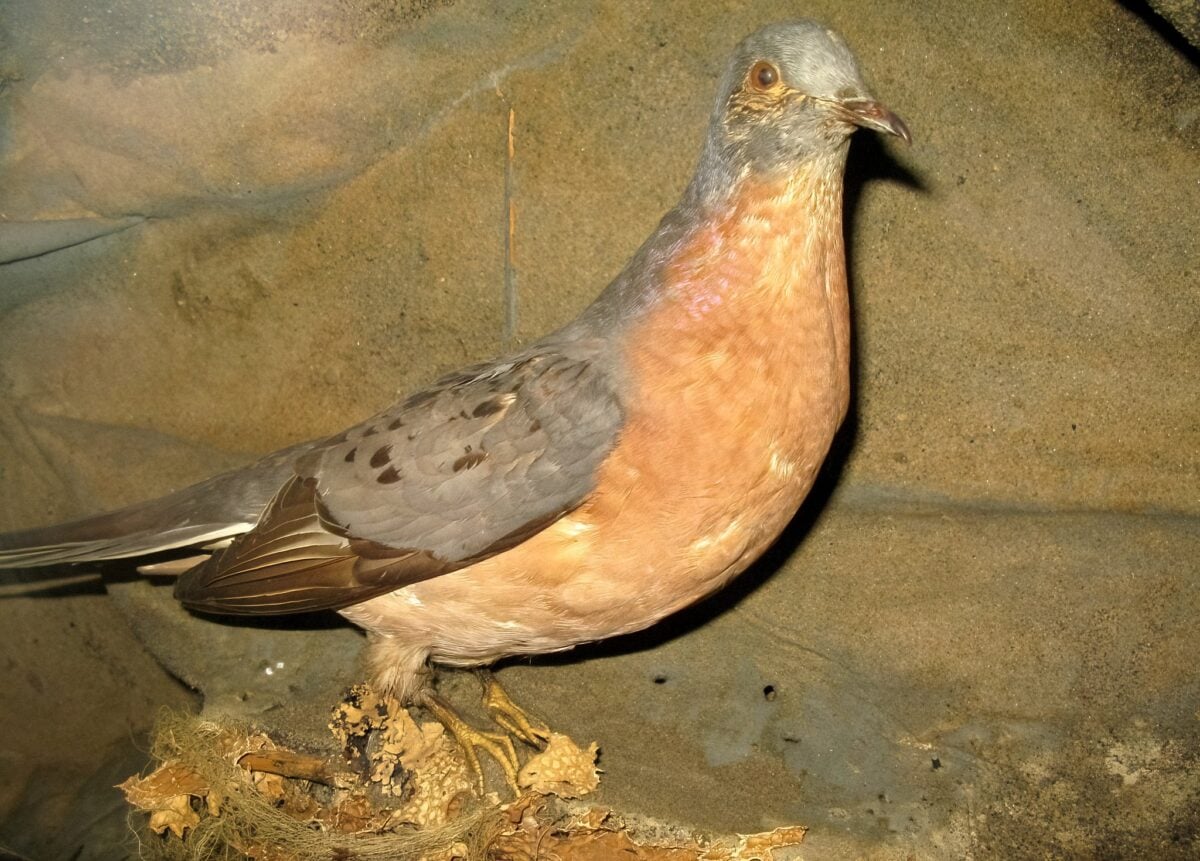
Five billion birds turned into zero in fifty years. Martha, the last passenger pigeon, died alone in a Cincinnati zoo in 1914 while crowds watched.
The species that once darkened skies for days during migration became a single bird in a cage.
Commercial hunting did most of the damage.
Professional pigeon hunters followed the flocks, shipped birds by the trainload to city markets. But the real problem was simpler: passenger pigeons needed vast numbers to survive.
Their breeding, feeding, and navigation all depended on the flock. Once the population dropped below a critical mass, the whole system collapsed.
Moa
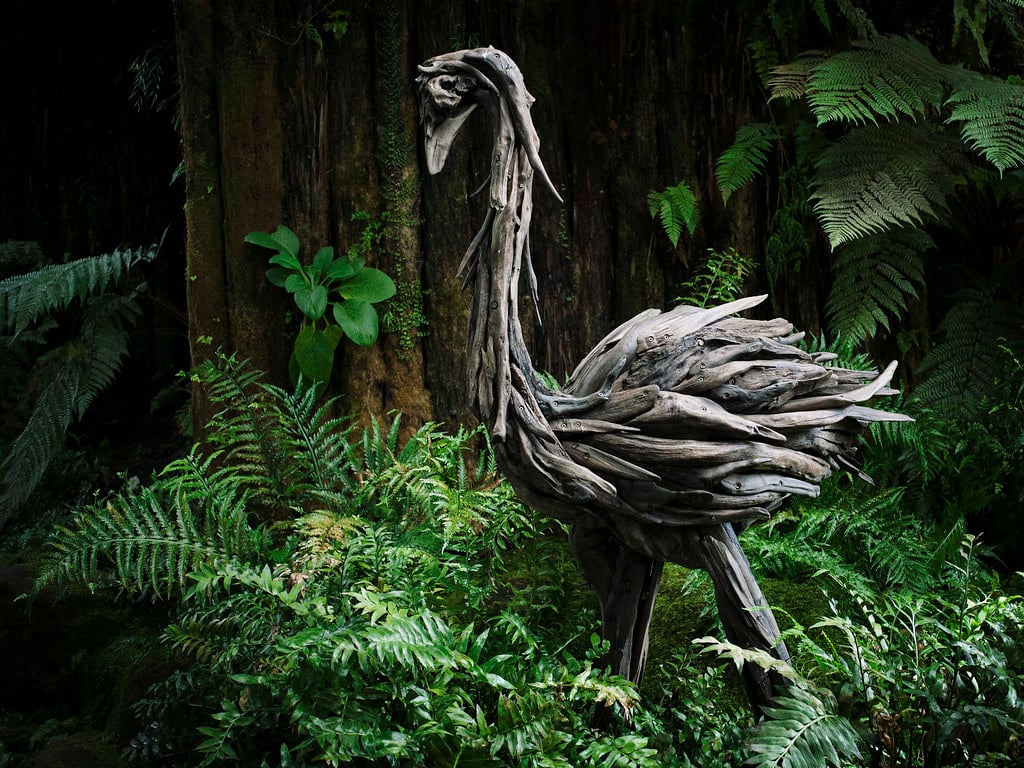
New Zealand’s giants walked on legs thick as tree trunks across islands where mammals never evolved (except for bats, which hardly count when you’re trying to picture an ecosystem). Some moa species stretched eleven feet tall, browsing on leaves that no other creature could reach, their world a kind of bird paradise that had been running smoothly for millions of years until the Māori arrived with fire and hunting skills around 1300 CE.
And here’s where the story gets complicated in the way that real stories do: the Māori didn’t set out to eliminate the moa — they were skilled resource managers who understood sustainability in ways that would make modern conservationists envious — but the moa had never encountered mammalian predation patterns before. Never learned to hide eggs properly or flee from upright hunters.
So the hunting pressure combined with habitat changes (those fires cleared forests the moa depended on) created a cascade that even careful management couldn’t stop. Three centuries later, the largest birds ever to walk New Zealand were gone, and with them went an entire way of life.
Ivory-billed Woodpecker
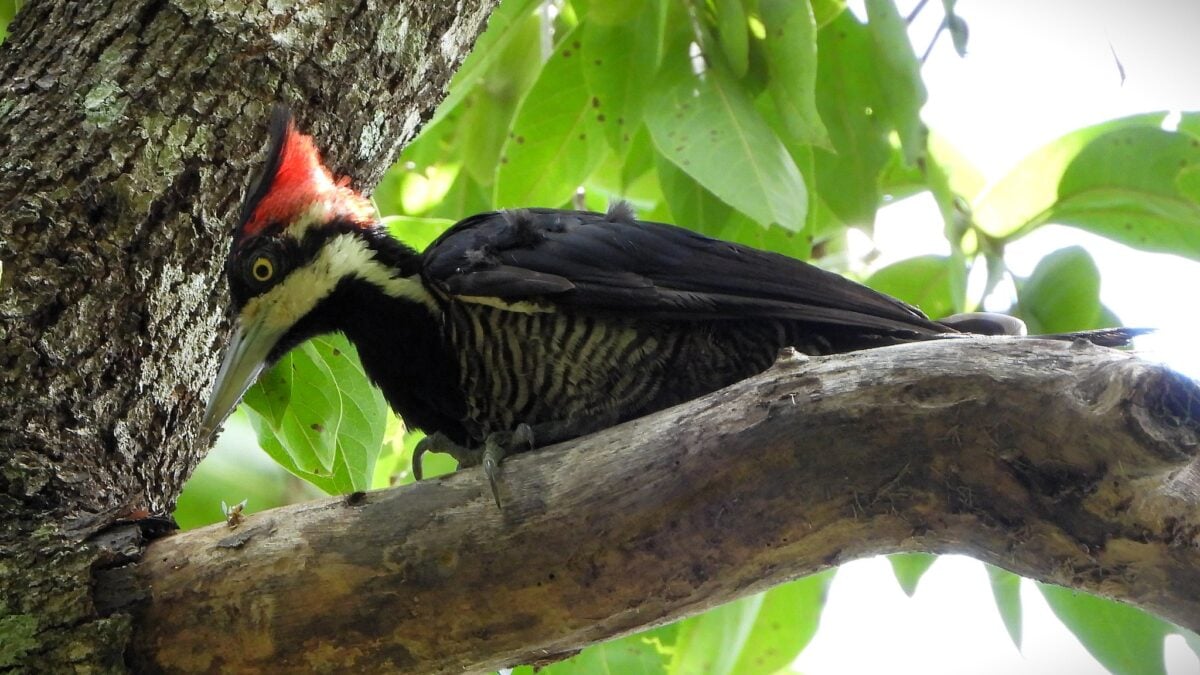
Maybe extinct, maybe not. The ivory-billed woodpecker occupies that frustrating space between gone and hope.
Sightings pop up every few years in Southern swamps, blurry photos and distant calls that could be anything. The bird needs old-growth forest — massive dead trees where beetle larvae hide deep in the wood.
Those trees disappeared first to logging, then to agriculture. By 1940, reliable populations were gone.
But the swamps are big, and woodpeckers are smart. If any survived, they learned to be invisible.
Thylacine
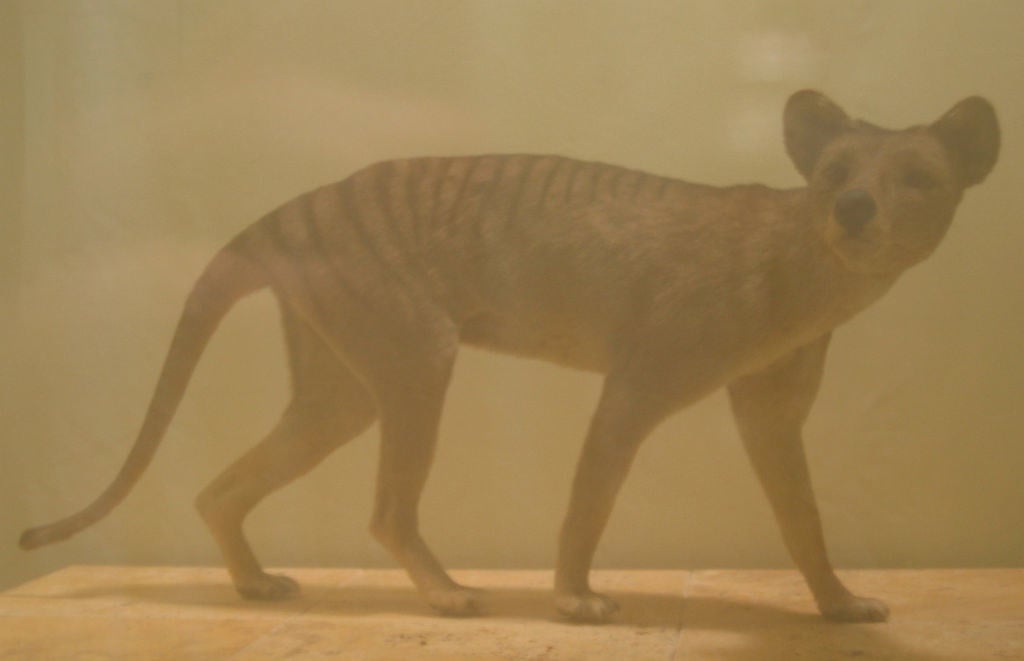
Not a bird, obviously, but worth mentioning because extinction stories connect across species lines. The Tasmanian tiger died 22 years after Martha the passenger pigeon — different continents, same human problem.
Martha died in 1914; the last thylacine, Benjamin, died in captivity in 1936.
Elephant Bird
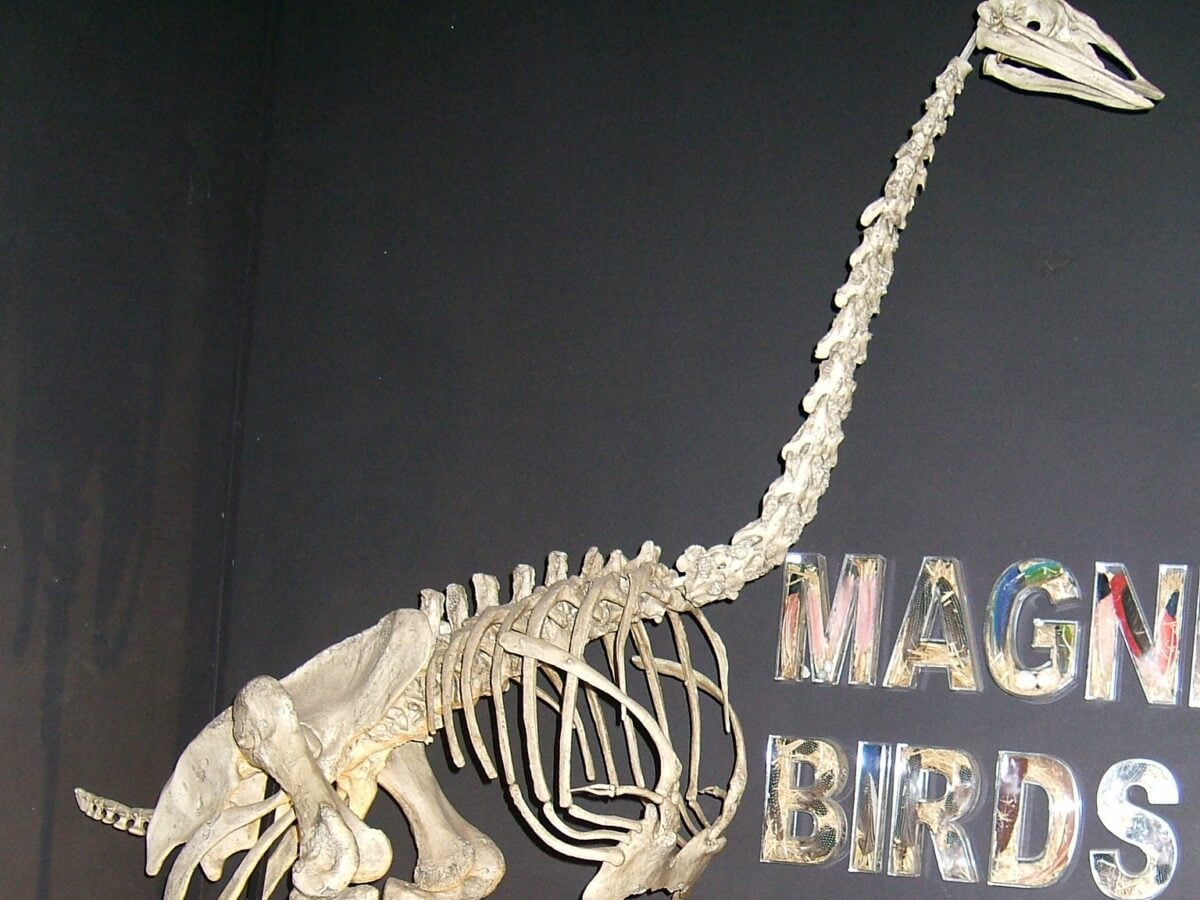
Madagascar’s elephant bird laid eggs thirteen inches long. The shells held two gallons — enough to feed an entire village.
Early European explorers found fragments and invented legends about rocs, those mythical giants that could carry off elephants.Reality was less dramatic.
Aepyornis was flightless, slow, and trusting. Humans arrived on Madagascar around 2,000 years ago and needed protein.
The math was straightforward. By 1700, all elephant bird species were gone.
Cuban Macaw
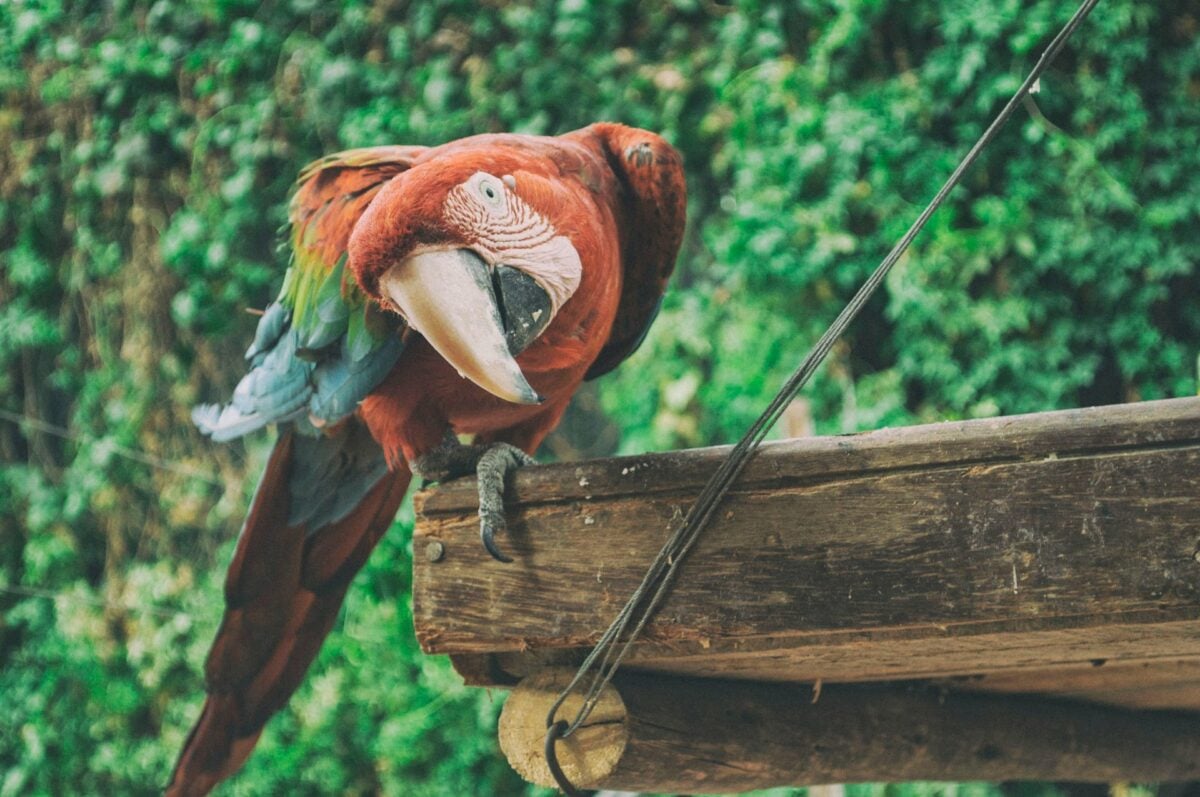
Cuba had two species of macaw until it didn’t (and the transition happened so quietly that no one bothered to record the exact moment when the last calls stopped echoing through the island’s forests). The Cuban macaw — larger of the two, brilliant red and blue like its South American cousins — survived Spanish colonization, sugar plantations, and centuries of habitat destruction, only to disappear sometime in the late 1800s when the final few birds were probably captured for the pet trade or shot by farmers protecting their crops.
But here’s what gets lost in the timeline: these weren’t just colorful birds filling an ecological niche, they were the voices of the Caribbean, loud enough to communicate across miles of dense forest, smart enough to use tools, social enough to form lifelong pair bonds that tourists today spend thousands of dollars to witness in Costa Rica or Brazil. The silence they left behind changed the sound of Cuba itself — gaps in the acoustic landscape that no other bird could fill.
Labrador Duck
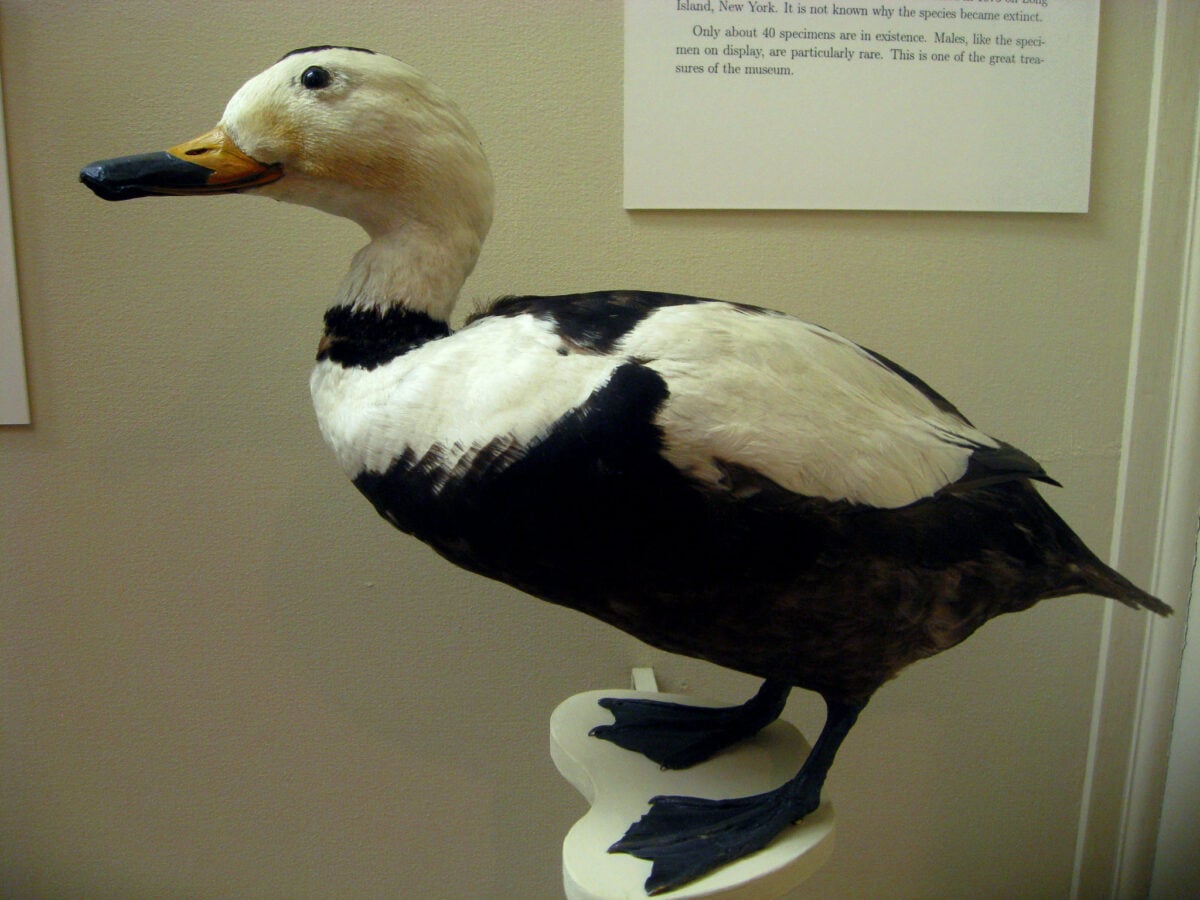
Nobody knows why the Labrador Duck went extinct, and that might be the most unsettling part of its story. No dramatic overhunting, no obvious habitat destruction, no introduced predators. The duck simply became rarer year by year until the last confirmed bird was shot in 1878.
The species was never common to begin with. It bred somewhere in Labrador — exact locations remain unknown — and wintered along the Atlantic coast.
Small populations, remote breeding grounds, and specialized feeding habits probably made it vulnerable to changes nobody noticed at the time.
Stephens Island Wren
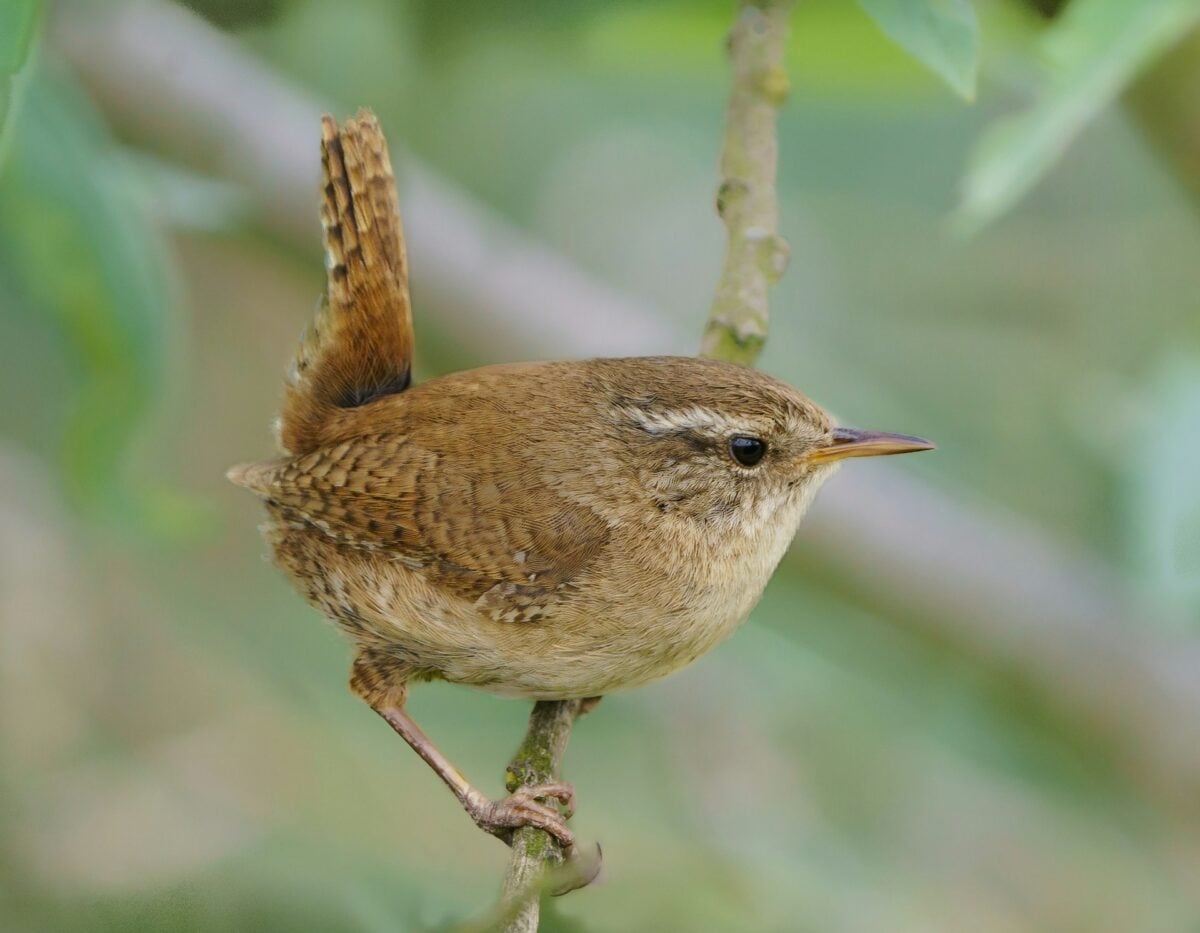
The entire species lived on one small island off New Zealand. Flightless, mouse-sized, active at night.
When the lighthouse keeper’s cat discovered them in 1894, the wrens had no defense strategy. Tibbles — yes, the cat had a name — eliminated the world’s entire population of Stephens Island wrens in a single hunting season.
One cat, one extinction. The math is brutally simple when an entire species occupies ten acres.
When Silence Spreads
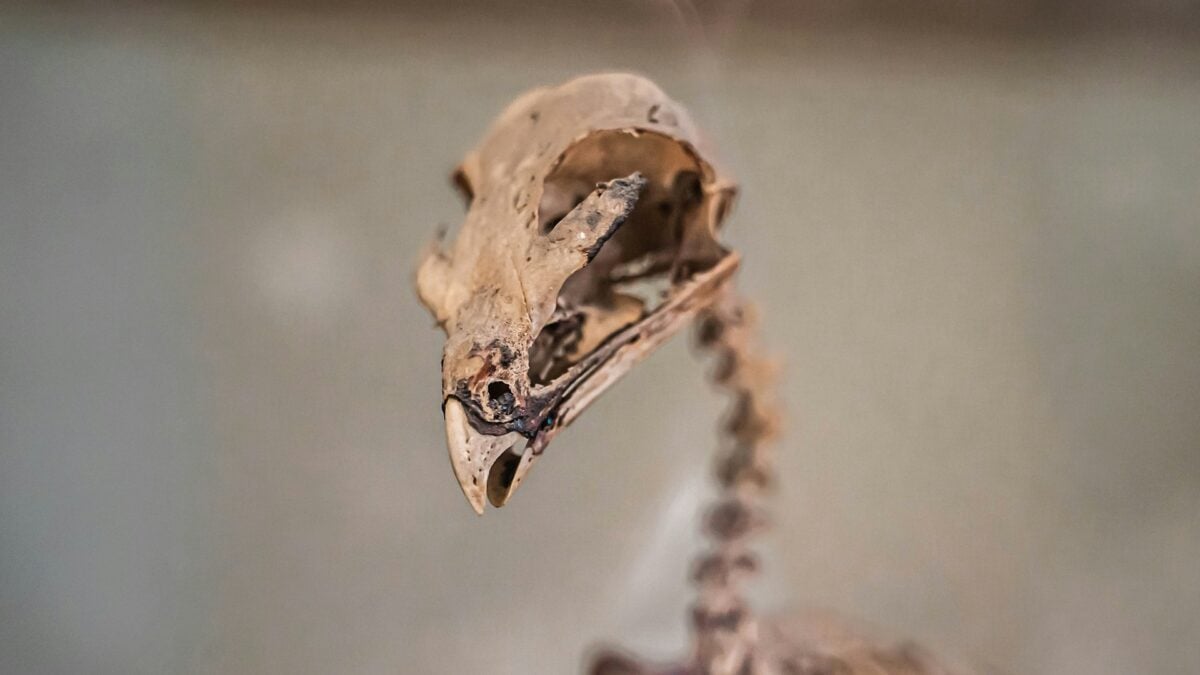
Each extinct bird takes with it a particular way of seeing, moving through, and shaping the world. The gaps they leave aren’t just empty spaces — they’re missing pieces of systems that can never quite function the same way again.
And perhaps that’s what makes these losses feel different from other kinds of endings: they don’t just represent what’s gone, but what will never develop, never adapt, never surprise us again. The future becomes a little smaller each time.
More from Go2Tutors!

- The Romanov Crown Jewels and Their Tragic Fate
- 13 Historical Mysteries That Science Still Can’t Solve
- Famous Hoaxes That Fooled the World for Years
- 15 Child Stars with Tragic Adult Lives
- 16 Famous Jewelry Pieces in History
Like Go2Tutors’s content? Follow us on MSN.