15 Castle Design Features That Gave Defenders the Upper Hand
Medieval castles weren’t just impressive stone structures built to show off wealth and power. They were sophisticated military fortresses designed with one primary goal: keeping enemies out while giving defenders every possible advantage. Every tower, wall, and doorway was carefully planned to turn the castle into a nearly impenetrable fortress.
From clever architectural tricks to brutal defensive measures, castle builders developed ingenious ways to make attackers’ lives miserable. Here is a list of 15 castle design features that gave defenders the upper hand.
Moats and Water Defenses
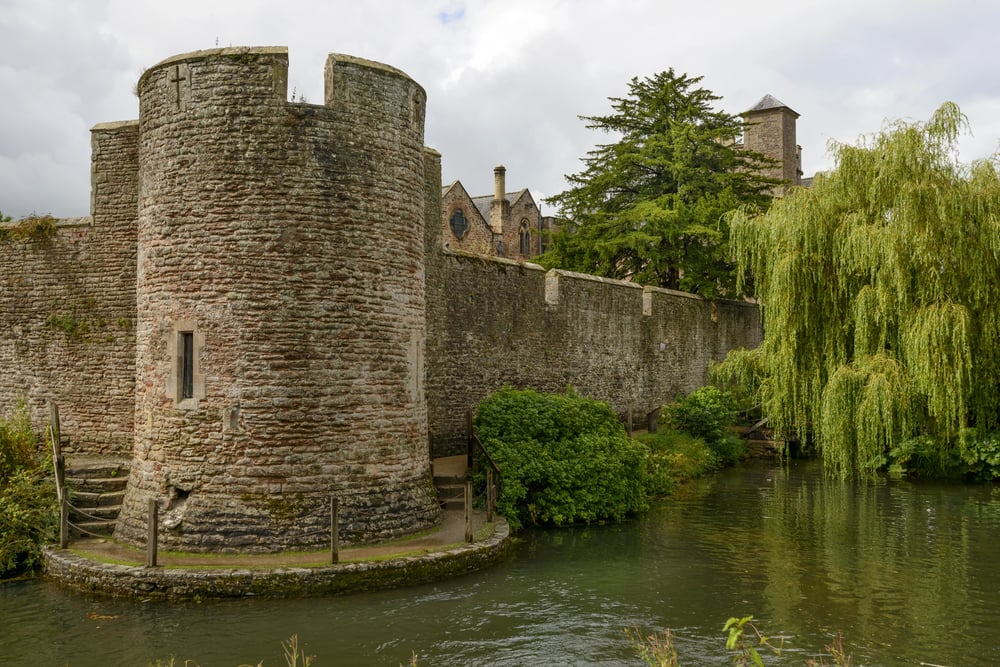
Castle moats weren’t just decorative water features—they were serious obstacles that could stop an army in its tracks. These water-filled ditches surrounded the castle walls, making it nearly impossible for enemies to bring siege engines close enough to be effective.
Attackers couldn’t simply charge the walls when they had to first navigate deep, cold water while wearing heavy armor. Many moats were also stocked with sharp wooden stakes hidden beneath the surface, turning any attempt to wade across into a deadly gamble.
Drawbridges
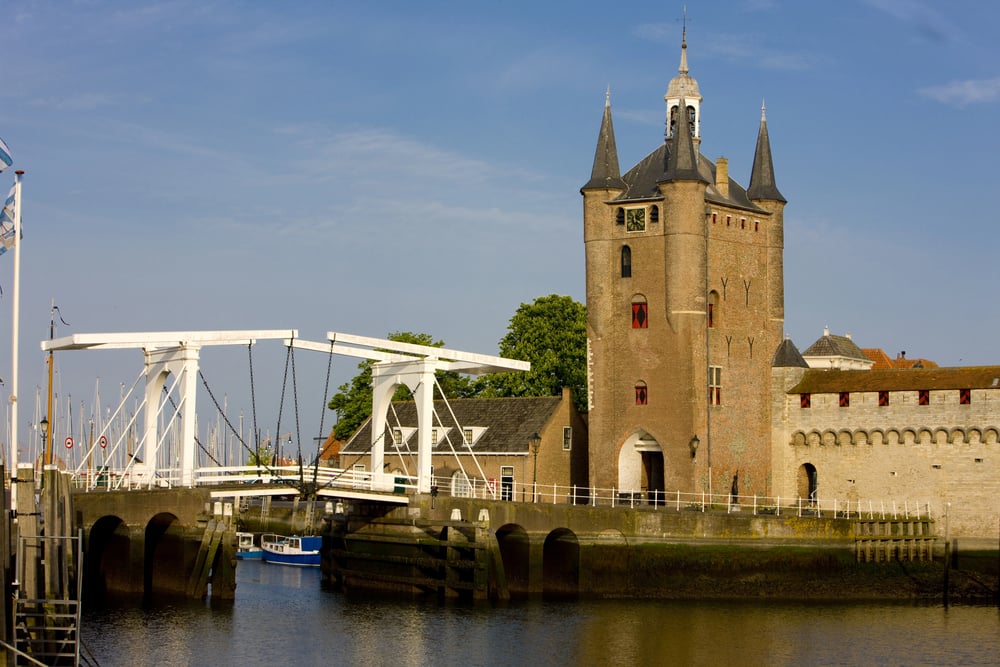
The drawbridge was like the ultimate medieval security system, allowing defenders to completely cut off access to their castle at a moment’s notice. When raised, these heavy wooden and metal structures created an additional barrier that attackers couldn’t easily break through.
The mechanism also meant that defenders could control exactly when and how people entered their fortress, making surprise attacks nearly impossible. Even if enemies managed to cross the moat, they still faced a massive wooden wall blocking their path.
Portcullises
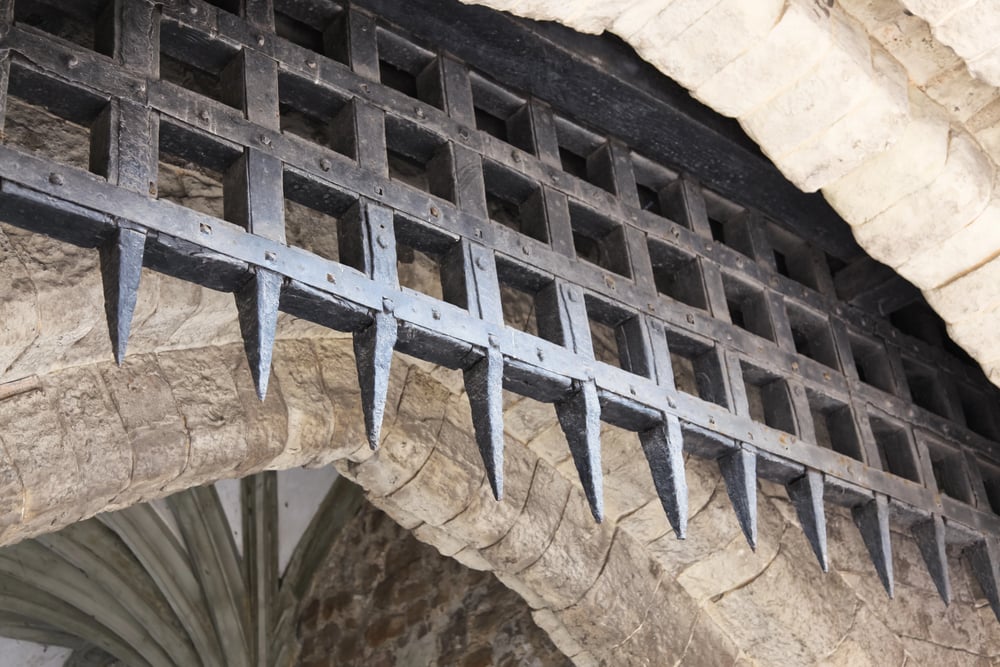
Think of a portcullis as a medieval garage door, except this one was designed to crush your enemies. These heavy metal or wooden grates could be dropped quickly to trap attackers in the gatehouse, where defenders could attack them from above through murder spaces.
The pointed bottom spikes could seriously injure anyone caught underneath when it came crashing down. Multiple portcullises were often used in sequence, creating a series of deadly traps that attackers had to navigate.
Murder Openings
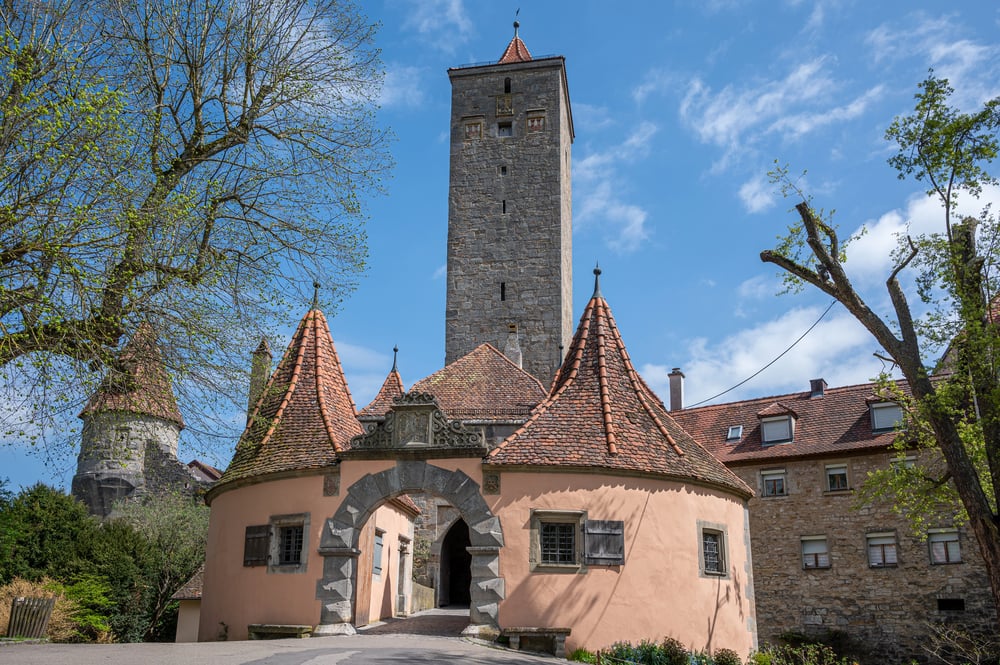
Castle architects weren’t subtle about naming this feature—murder spaces were exactly what they sound like. These openings in the ceiling of gatehouses and corridors allowed defenders to rain down arrows, boiling oil, or heavy stones on anyone trying to break in below.
Attackers found themselves in narrow, confined spaces where they couldn’t maneuver or use shields effectively while death literally rained down from above. The psychological effect was just as important as the physical damage, as few things are more terrifying than being trapped in a kill zone.
Spiral Staircases
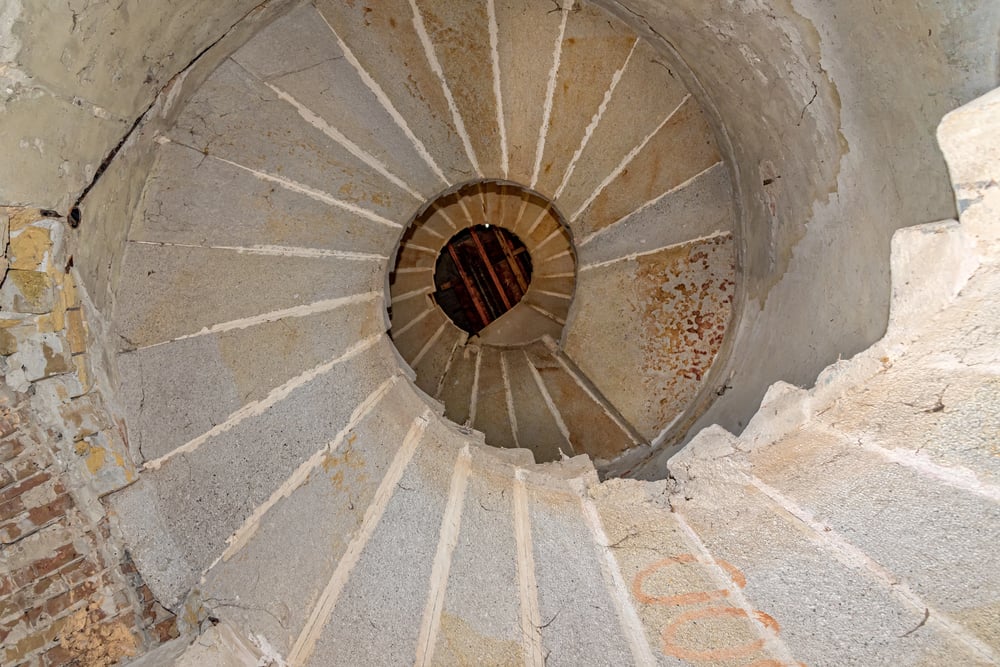
Medieval castle builders were remarkably clever about their spiral staircases, and it wasn’t just about saving space. These staircases were deliberately built to spiral clockwise, which gave right-handed defenders a significant advantage when fighting from above.
An attacker climbing up had to expose their entire body to strike effectively, while defenders could use their shields and maintain better balance. The narrow, uneven steps also made it difficult for attackers to move quickly or coordinate group assaults.
Arrow Loops
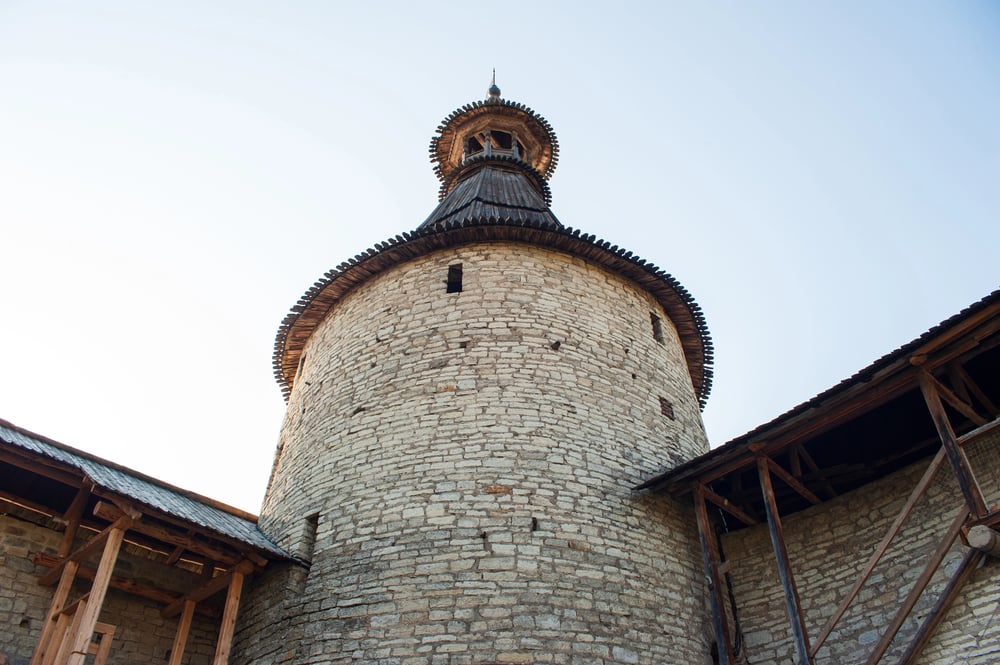
Those narrow slits in castle walls weren’t just for decoration—they were precision-engineered firing positions that gave archers deadly accuracy while keeping them protected. The design allowed defenders to shoot arrows at attacking forces while presenting almost no target for return fire.
The wider interior opening gave archers room to aim and draw their bows, while the narrow exterior opening made it nearly impossible for enemies to hit them back. Some arrow loops were even designed with specific angles to cover particular approaches to the castle.
Machicolations
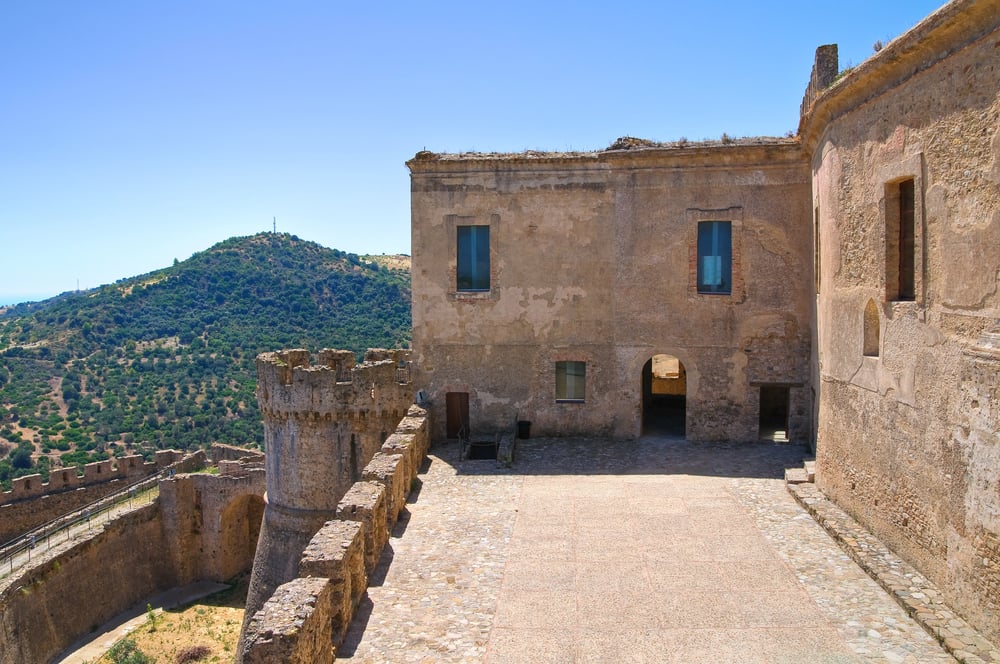
Machicolations were like medieval balconies of death, extending out from the main walls to give defenders better angles for dropping unpleasant surprises on attackers below. These stone projections had openings in the floor that allowed defenders to drop rocks, pour boiling liquids, or shoot arrows straight down at anyone trying to scale the walls or break down gates.
The overhang also made it impossible for attackers to use ladders effectively, since they couldn’t get them close enough to the actual wall.
Gatehouse Complexity
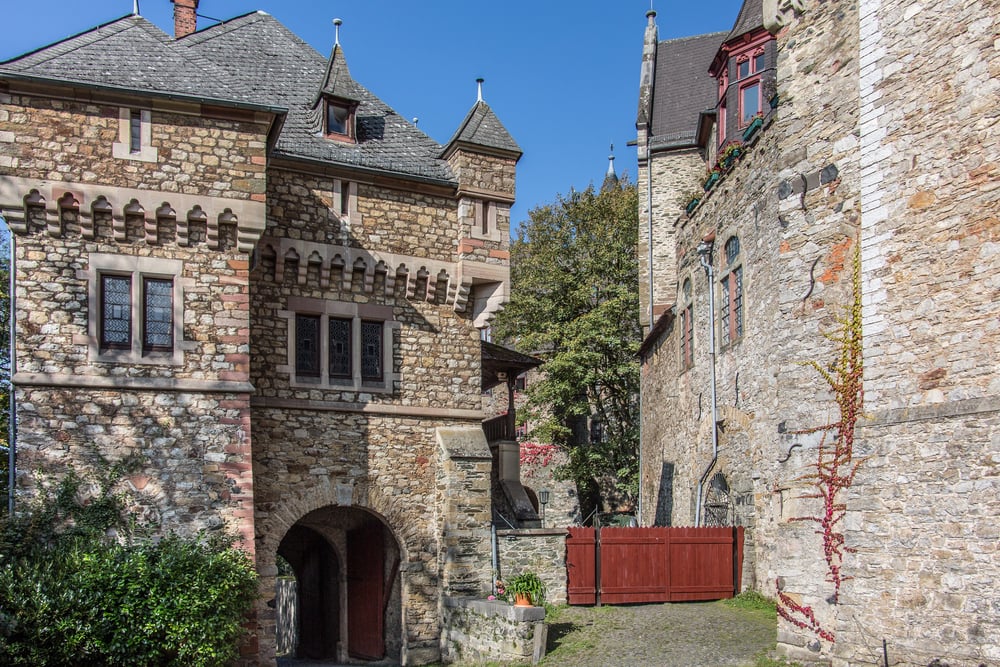
Castle gatehouses were masterpieces of defensive engineering, designed to be like deadly mazes that attackers had to navigate under constant fire. Multiple gates, sharp turns, and narrow passages meant that even if enemies broke through the first barrier, they faced a series of additional obstacles.
Defenders could attack from multiple levels and angles, making it nearly impossible for attackers to protect themselves effectively. The whole system was designed to slow down and funnel attackers into predetermined kill zones.
High Walls and Towers
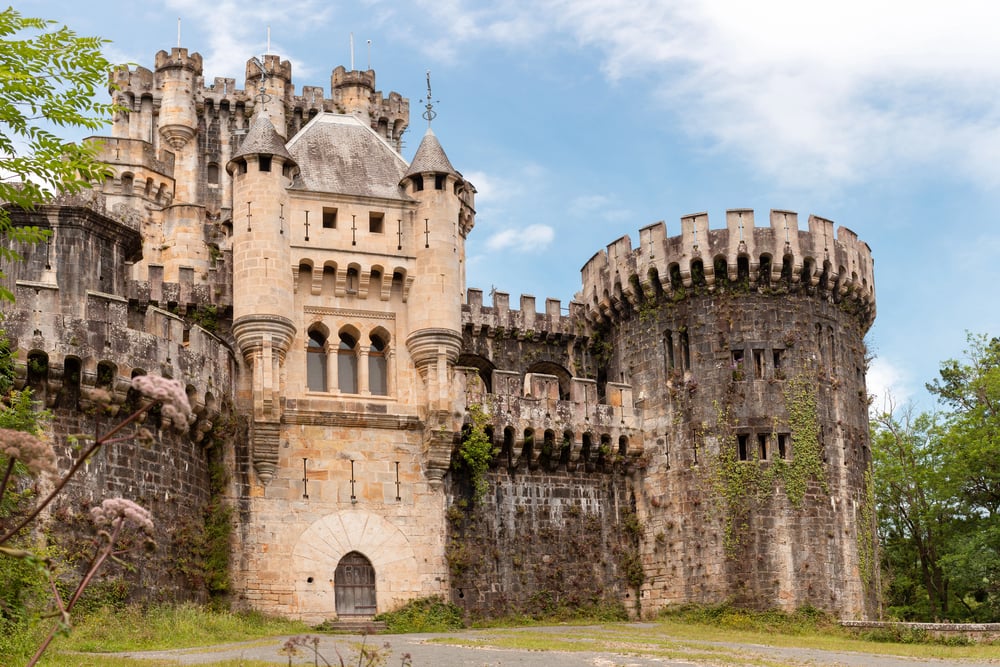
The intimidating height of castle walls served multiple practical purposes beyond just looking impressive. High walls made it extremely difficult for attackers to use scaling ladders, since longer ladders were harder to transport and position effectively.
The elevation also gave defenders a commanding view of the surrounding area, allowing them to spot approaching enemies from miles away. Towers provided additional height advantages and created overlapping fields of fire that could cover every approach to the castle.
Narrow Windows and Openings

Castle windows were deliberately kept small and narrow, not because medieval people enjoyed living in dark spaces, but because large openings were security weaknesses. These tiny windows made it nearly impossible for attackers to shoot arrows or other projectiles into the castle interior with any accuracy.
The narrow openings also prevented enemies from climbing through, while still allowing defenders to observe the surrounding area and shoot outward when needed. Even the placement of windows was carefully planned to avoid creating blind spots that attackers could exploit.
Thick Walls
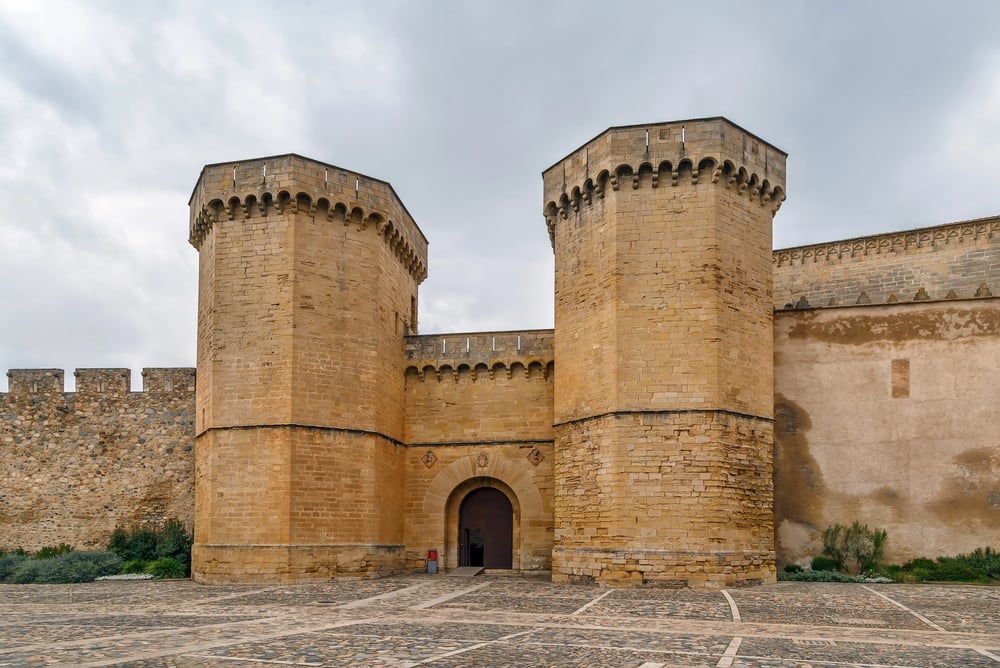
Castle walls weren’t just thick for show—they were built to withstand the most powerful siege weapons of the medieval period. These massive stone barriers, often 10-15 feet thick, could absorb the impact of catapults and early cannons without suffering significant damage.
The thickness also made it nearly impossible for attackers to tunnel through or create effective breaches. Even if enemies managed to damage the outer surface, there was still massive amounts of stone and rubble that had to be cleared before they could actually enter the castle.
Strategic Placement

Castle builders chose their locations with the precision of military strategists, often selecting hilltops, cliffsides, or other naturally defensive positions. These elevated locations made it exhausting for attackers to approach while giving defenders clear views of anyone coming from miles away.
Many castles were built to control important roads, river crossings, or mountain passes, forcing enemies to either assault the fortress or take much longer alternate routes. The natural landscape became part of the defensive system, making the castle even more difficult to attack.
Concentric Design

Some of the most advanced castles featured concentric designs with multiple rings of walls, creating a fortress within a fortress. If attackers managed to breach the outer walls, they still faced additional barriers and found themselves trapped between defensive rings where they could be attacked from multiple directions.
This design also allowed defenders to fall back to stronger positions if the outer defenses were compromised. The multiple layers meant that even a successful attack on one part of the castle didn’t guarantee victory.
Bent Entrances

Castle architects deliberately designed entrances that forced attackers to make sharp turns, exposing their vulnerable sides to defensive fire. These bent or angled approaches prevented enemies from charging straight at the gates with battering rams or siege engines.
The turns also broke up the momentum of attacking forces and made it difficult for them to coordinate large-scale assaults. Defenders could position themselves at optimal angles to attack anyone navigating these deliberately confusing pathways.
Keep Design
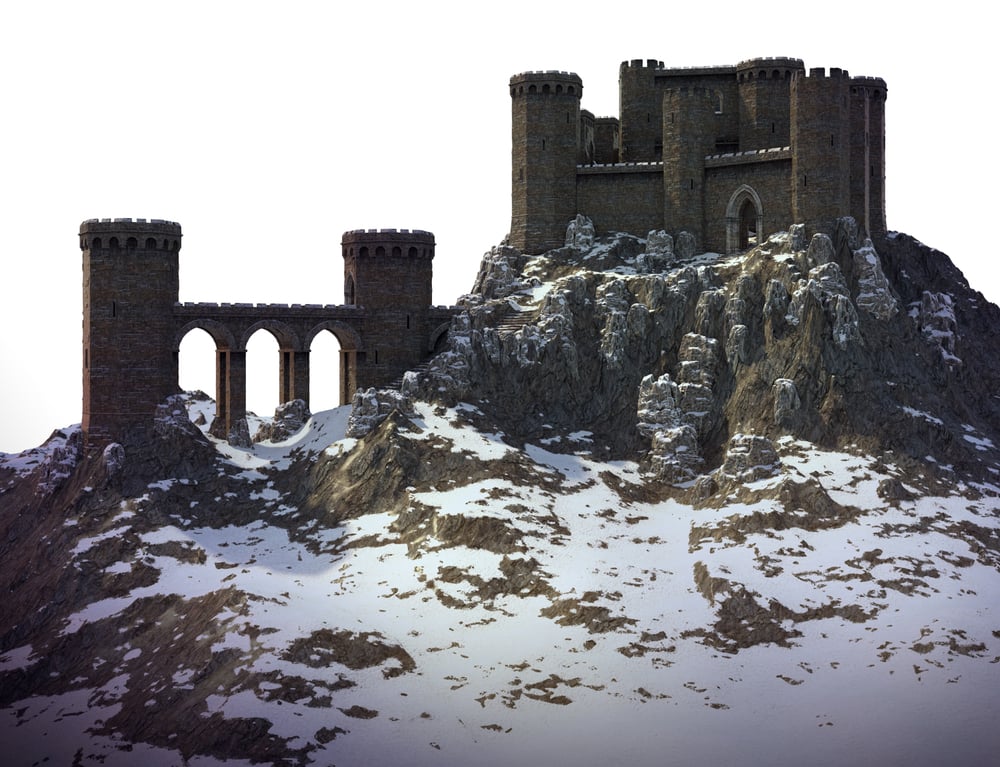
The keep was the castle’s final refuge, designed to be virtually impregnable even if everything else fell to the enemy. These massive central towers were built with the thickest walls, smallest windows, and most limited access points in the entire castle.
The keep often had its own well, food storage, and living quarters, allowing defenders to survive extended sieges even after losing the outer defenses. The elevated position also served as a command center where defenders could coordinate their response to attacks on different parts of the castle.
Fortifications That Changed Warfare
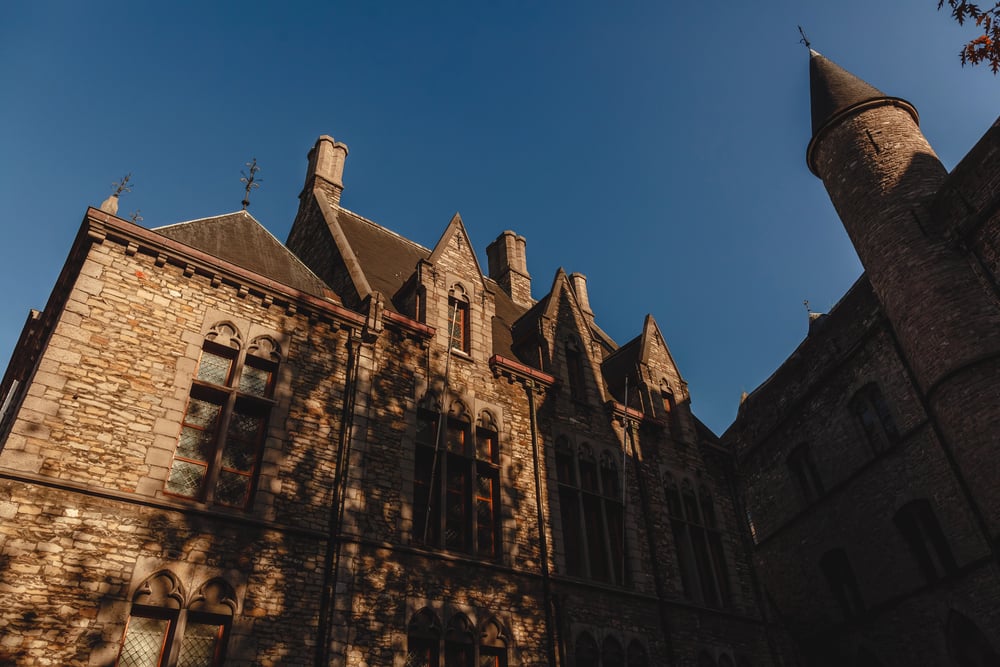
These defensive innovations didn’t just protect individual castles—they fundamentally changed how medieval warfare was conducted. Attackers had to develop increasingly sophisticated siege techniques and weapons to overcome these defensive advantages, leading to an arms race between offensive and defensive military technology.
The success of these design features explains why castle-building spread rapidly across Europe and remained the dominant form of fortification for centuries. Today’s military engineers still study these medieval innovations, as many of the principles behind effective defensive design remain relevant in modern warfare.
More from Go2Tutors!

- The Romanov Crown Jewels and Their Tragic Fate
- 13 Historical Mysteries That Science Still Can’t Solve
- Famous Hoaxes That Fooled the World for Years
- 15 Child Stars with Tragic Adult Lives
- 16 Famous Jewelry Pieces in History
Like Go2Tutors’s content? Follow us on MSN.



