Facts About Fort Knox
Most people think they know Fort Knox. Gold vault, impenetrable security, Kentucky.
But the reality stretches far beyond what Hollywood has painted in the public imagination. This legendary fortress has been quietly shaping American military history for nearly a century, housing secrets that go well beyond precious metals.
Military Training Ground
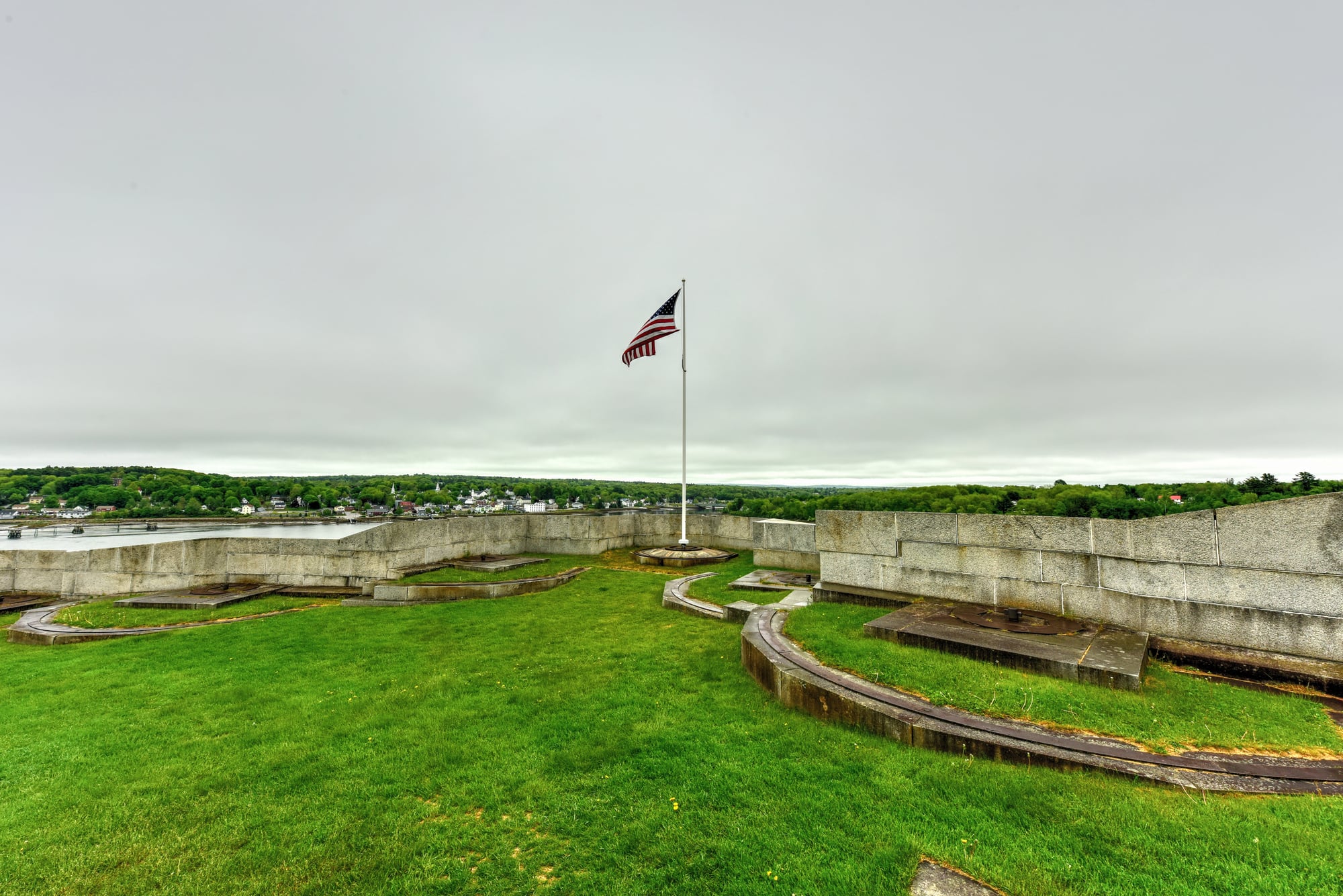
Fort Knox trains more soldiers than almost any other installation in the United States. The base churns out armor and cavalry officers at a relentless pace.
No other place quite matches its reputation for turning recruits into tank commanders who actually know what they’re doing.
The Gold Depository Reality
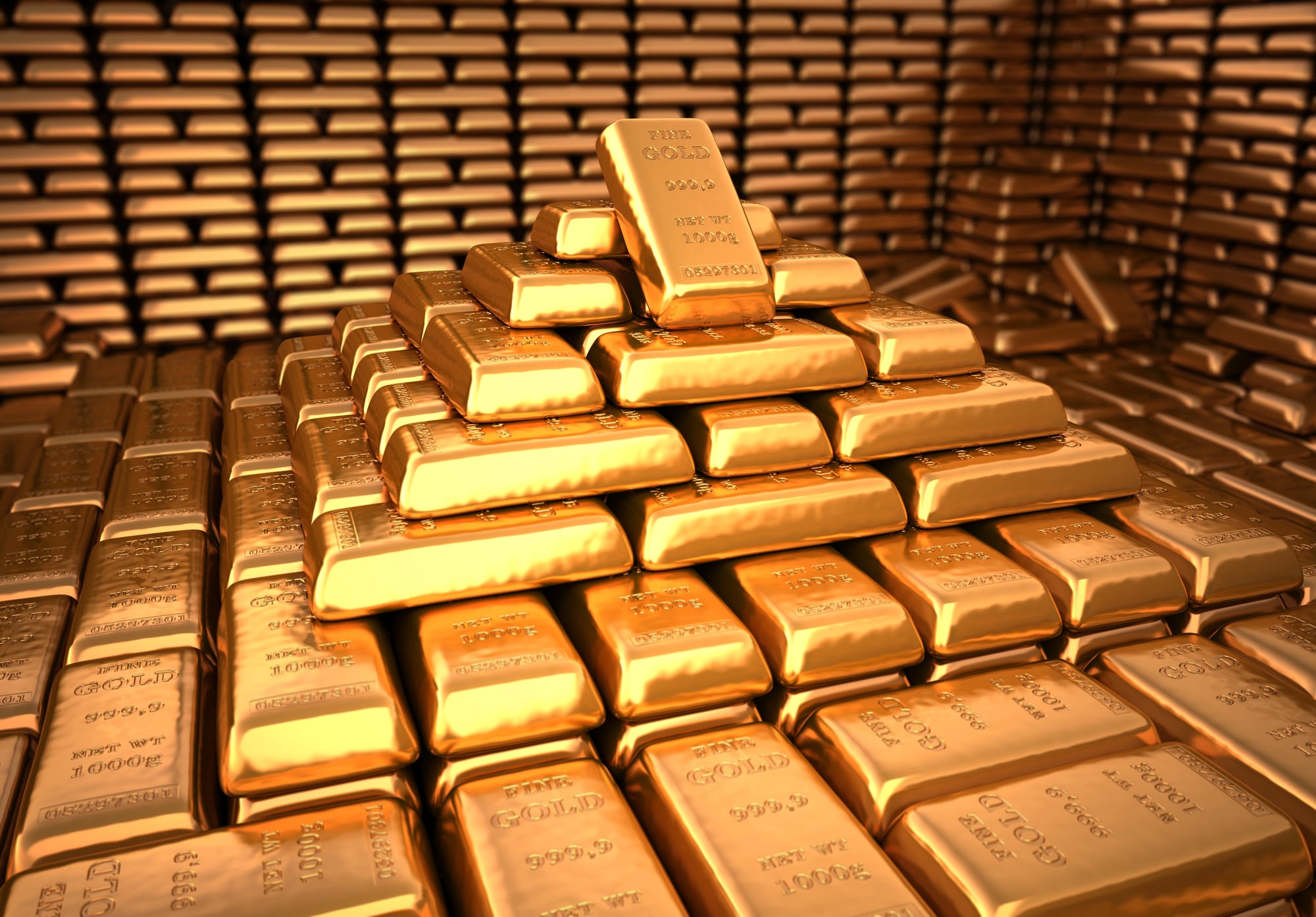
Here’s what turns out to be true about the famous gold vault: it really does hold a staggering portion of America’s gold reserves (though the government has never been entirely forthcoming about exact amounts, and bureaucrats seem to prefer keeping everyone guessing about the precise figures). The building itself — constructed during the Great Depression when the country desperately needed somewhere secure to stash its wealth — sits like a granite monument to paranoia, which makes perfect sense given that it was built during an era when economic collapse felt like a real and present danger lurking around every corner.
Built to last. And it has.
The gold itself tells a different story than most people imagine, though — much of it arrived not as gleaming bars fresh from some mine, but as melted-down coins, jewelry, and artifacts that citizens had been required to surrender during the gold confiscation period of the 1930s.
Home of Armored Warfare
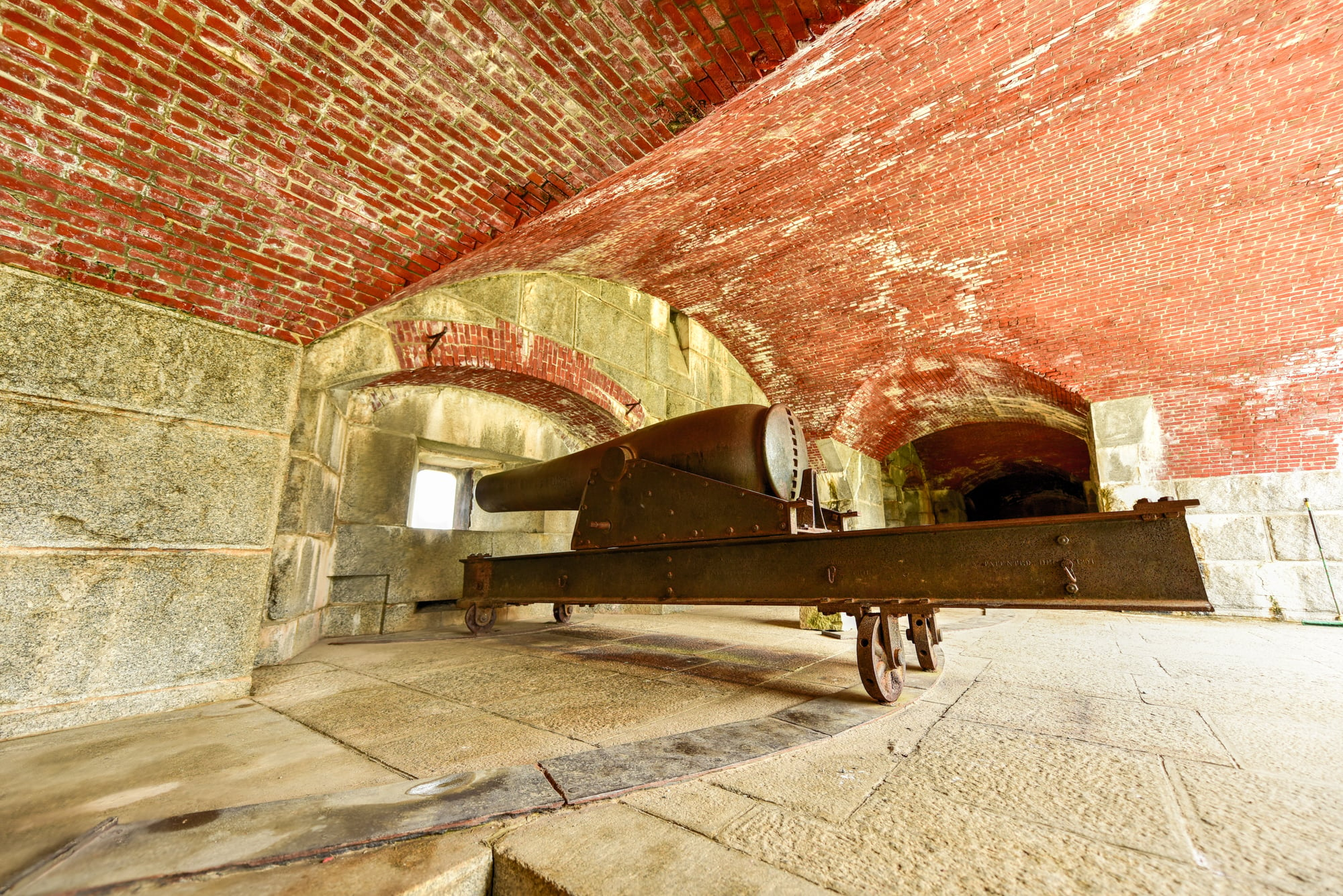
Like a master class that never ends, Fort Knox has been teaching the art of tank warfare since World War II. The base became the proving ground where American armored tactics were refined and perfected.
Students arrive thinking they understand mechanized combat. The Kentucky hills correct them quickly.
General Patton’s Connection
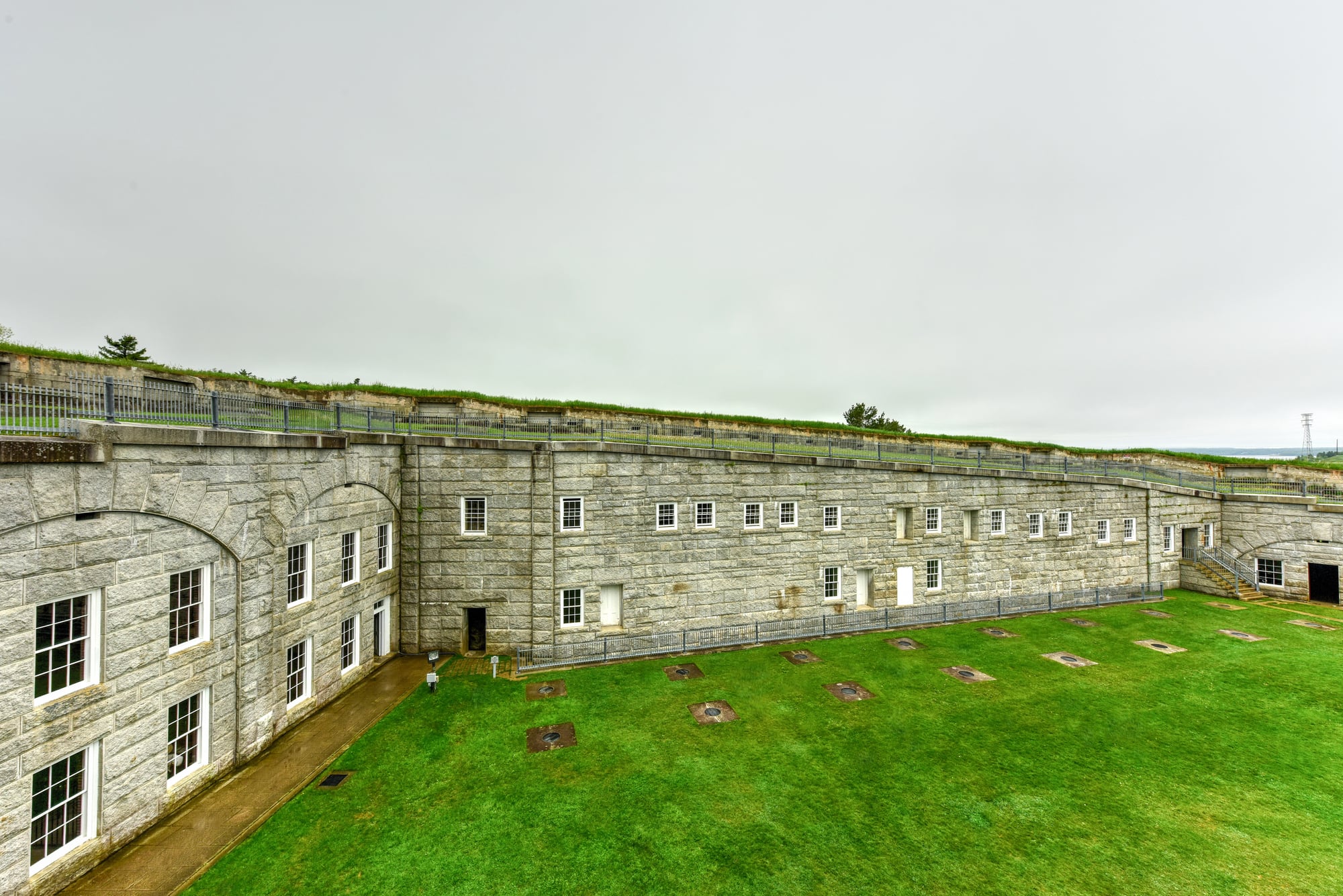
Fort Knox shaped George S. Patton long before he became famous for his World War II exploits. He served at the base in the 1930s during a crucial period when American armored doctrine was still being developed.
During the 1940s, Patton was commanding troops in North Africa and Europe during World War II. Patton’s aggressive theories about tank warfare found their testing ground in the Kentucky countryside, where he could push both machines and men to their limits without congressional oversight.
Security Measures Beyond Imagination
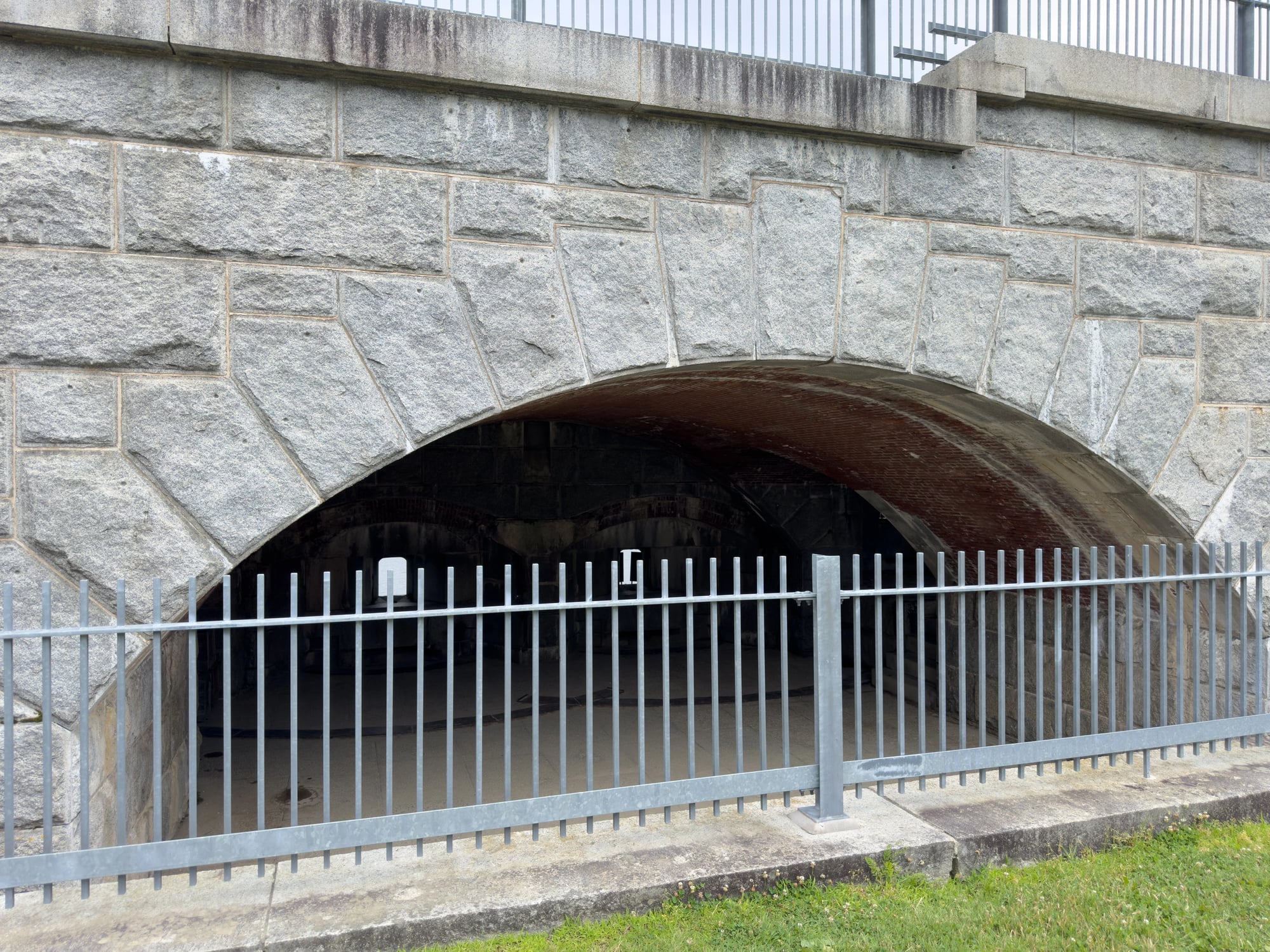
The security apparatus surrounding Fort Knox operates like something between a small city’s worth of defensive systems and an elaborate puzzle designed by people who assume everyone is trying to break in. Multiple perimeter fences, motion detectors, armed guards, and surveillance systems that most people will never see create layers of protection that extend far beyond what visitors might notice during a casual drive past the facility (not that casual drives are particularly welcome in the area).
The famous gold vault itself represents only the most visible layer of security. Everything else remains deliberately invisible.
But the most effective security measure might be the simplest: the sheer weight of the gold itself makes any theoretical heist logistically impossible, since each bar weighs roughly 400 ounces and removing any meaningful quantity would require industrial equipment and a small army of very patient thieves.
The Bullion Depository Construction
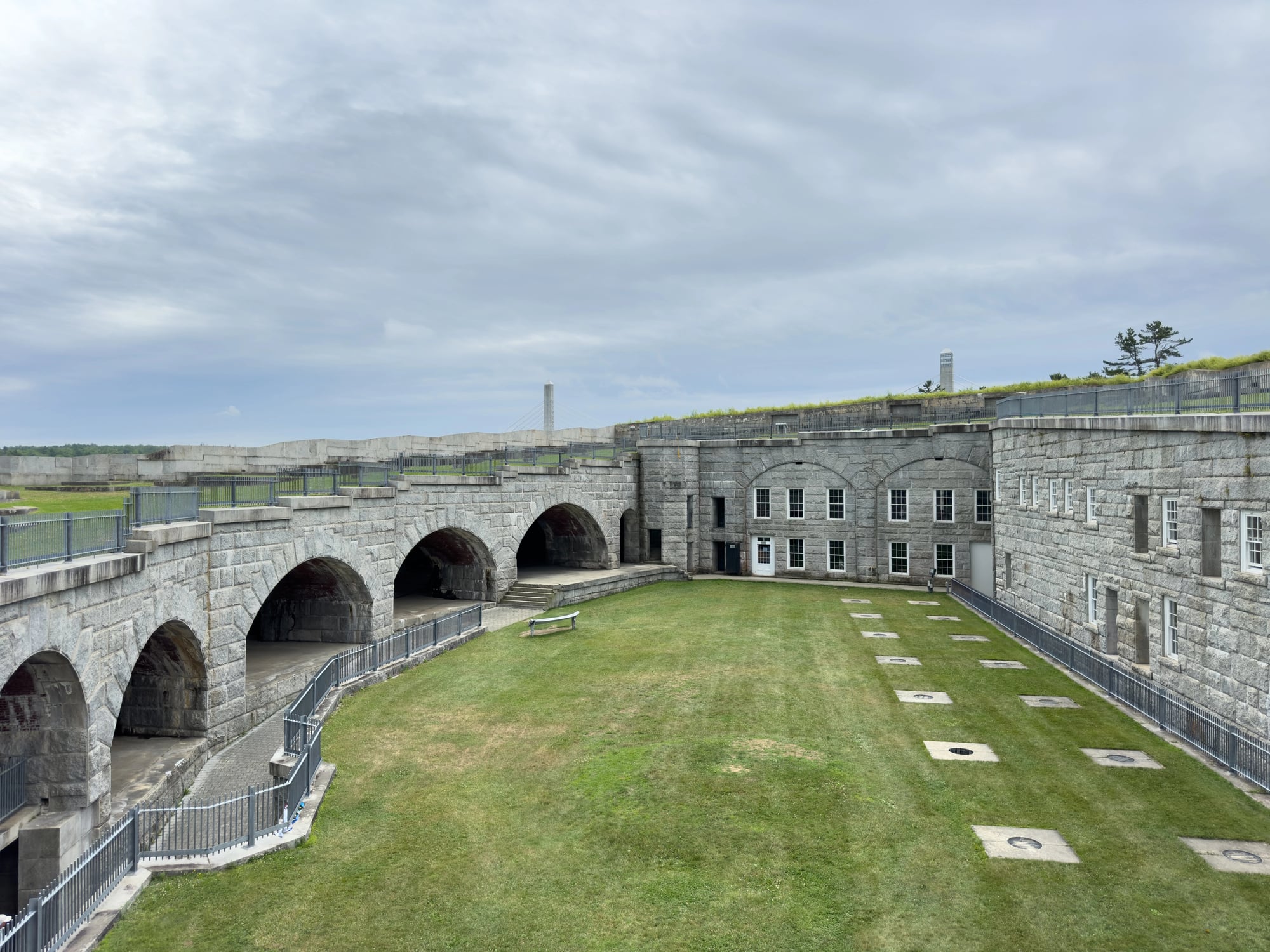
Construction of the gold vault required more concrete and steel than most skyscrapers. Workers poured the foundation 42 feet deep into solid rock.
The vault door alone weighs more than 20 tons, and the lock mechanism requires multiple people with separate combinations to open.
Eisenhower’s Presidential Library Connection
Before becoming president, Dwight Eisenhower spent significant time at Fort Knox developing the military strategies that would later prove crucial in Europe. The base served as a think tank where future commanders could experiment with ideas that traditional military schools found too radical or unconventional.
The Knox Name Origin
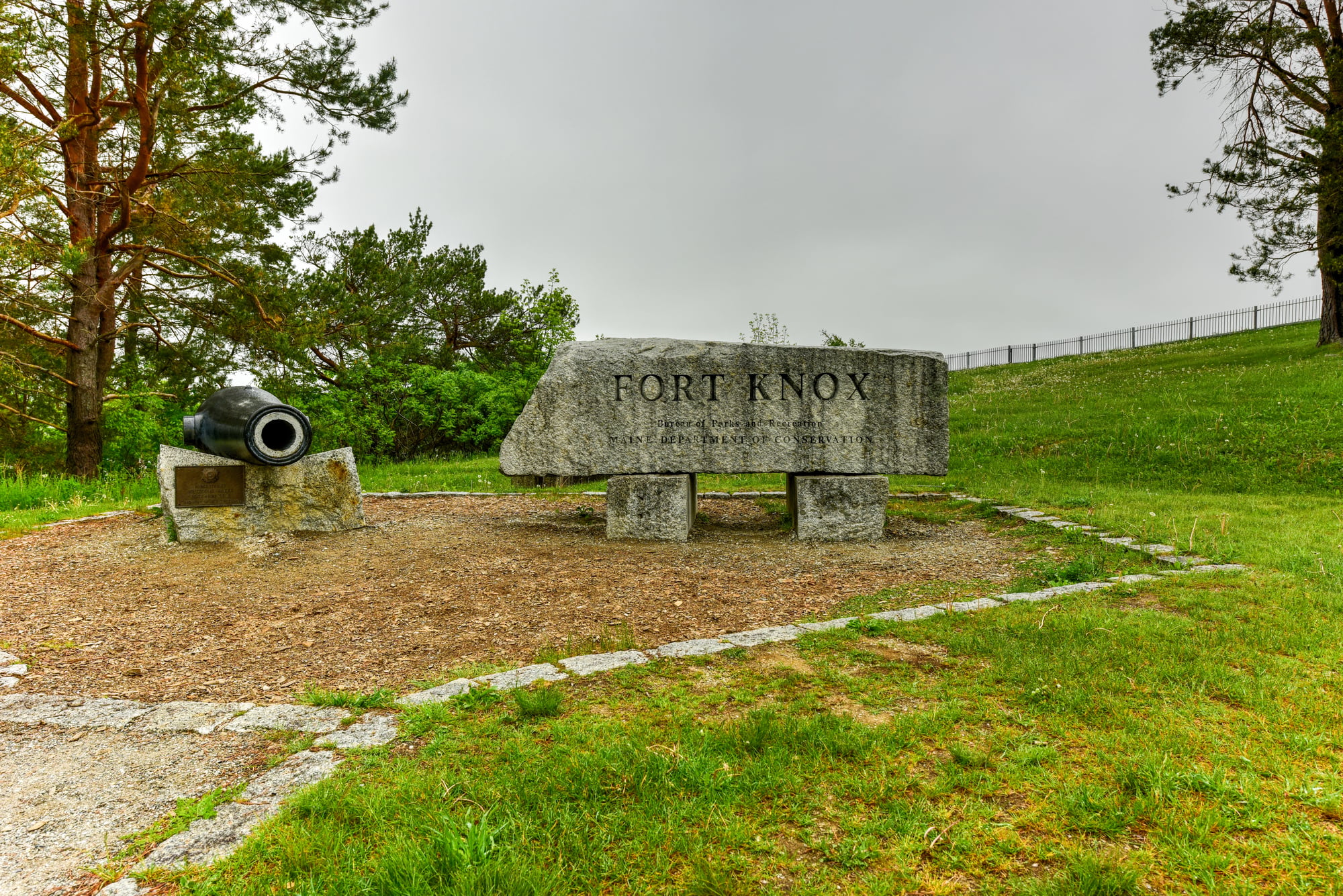
Fort Knox honors Henry Knox, the Revolutionary War general who somehow managed to transport captured British cannons from Fort Ticonderoga to Boston during winter — a logistical feat that modern military planners still study for its audacity. The choice of name proved prescient, since the base would later become synonymous with protecting valuable assets under seemingly impossible circumstances.
Atomic Age Storage
During the Cold War, Fort Knox stored more than gold. The facility housed important government documents, including copies of the Constitution and Declaration of Independence.
The same security systems designed to protect precious metals proved equally effective at safeguarding irreplaceable historical artifacts from potential nuclear attack.
Modern Military Education Hub
Today’s Fort Knox operates as the intellectual center of American armored warfare education. The base hosts advanced courses in mechanized tactics that draw students from allied nations around the world.
Officers arrive expecting to learn about tanks and leave understanding combined arms operations that integrate air support, artillery, and ground forces into seamless combat systems.
Economic Impact on Kentucky
The base employs thousands of civilians and military personnel, making it one of Kentucky’s largest employers. Local businesses have built entire industries around serving Fort Knox personnel and their families, creating an economic ecosystem that extends throughout the surrounding counties.
The Myth vs Reality Gap
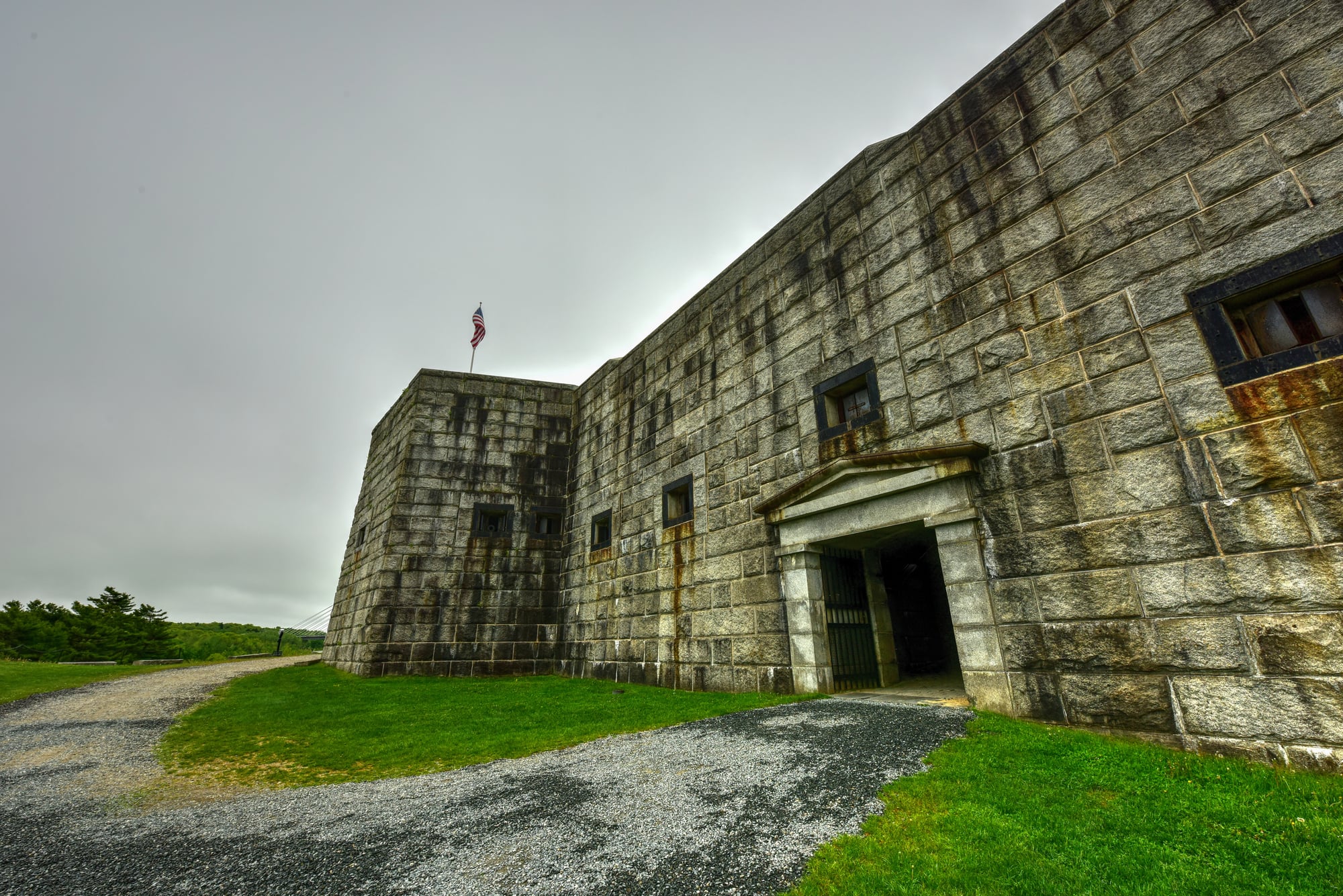
Popular culture has turned Fort Knox into a symbol of absolute security, but the reality involves more mundane considerations than most people realize. The base operates like any large military installation, with commissaries, housing, schools, and recreational facilities that serve the everyday needs of people who happen to work at one of the most secure locations in America.
Visitor Restrictions and Public Access
Fort Knox allows limited public access through carefully controlled tours and special events. Most of the base remains off-limits to civilians, but selected areas open periodically for community events that let local residents see beyond the security perimeter that usually defines their relationship with the installation.
What Endures
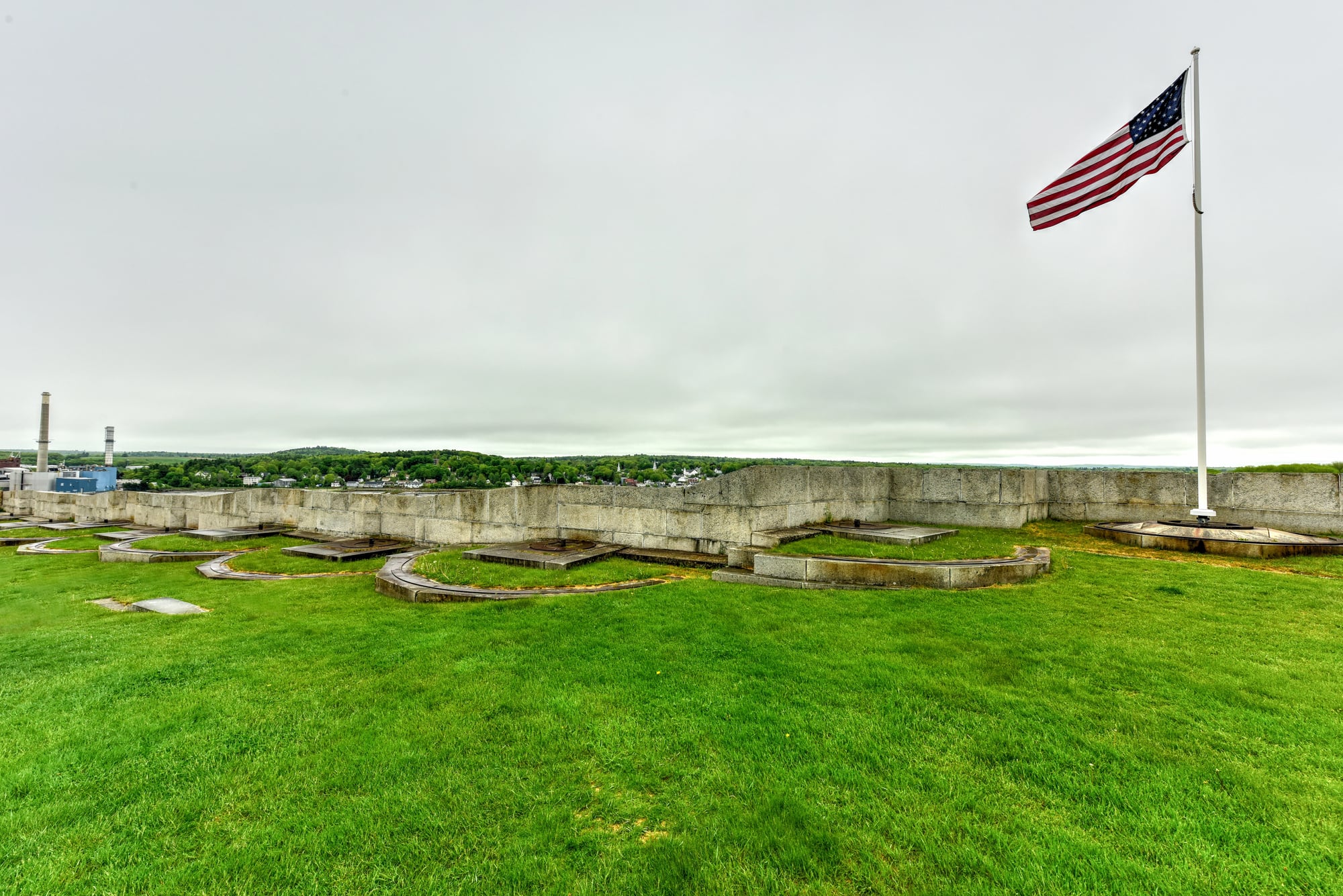
Fort Knox represents something that transcends its famous gold vault or military training missions. The base embodies a particular American approach to protecting what matters most — through overwhelming preparation, relentless attention to detail, and the kind of patient vigilance that assumes threats will eventually materialize.
Whether guarding gold reserves or training the next generation of military leaders, Fort Knox operates on the principle that some things are worth protecting regardless of cost or inconvenience. That philosophy has kept it relevant through multiple wars, economic crises, and technological revolutions that have transformed almost everything else about American defense.
More from Go2Tutors!

- The Romanov Crown Jewels and Their Tragic Fate
- 13 Historical Mysteries That Science Still Can’t Solve
- Famous Hoaxes That Fooled the World for Years
- 15 Child Stars with Tragic Adult Lives
- 16 Famous Jewelry Pieces in History
Like Go2Tutors’s content? Follow us on MSN.