Most Remote Islands Inhabited
Finding a place where you can truly disconnect isn’t easy anymore. But scattered across the world’s oceans, some communities have been doing exactly that for centuries—not by choice, but by geography.
These islands sit so far from anywhere else that a trip to the nearest neighbor means days at sea. The people who live there have built entire lives around this isolation, creating cultures and systems that most of us can barely imagine.
Tristan da Cunha: The Loneliest Address
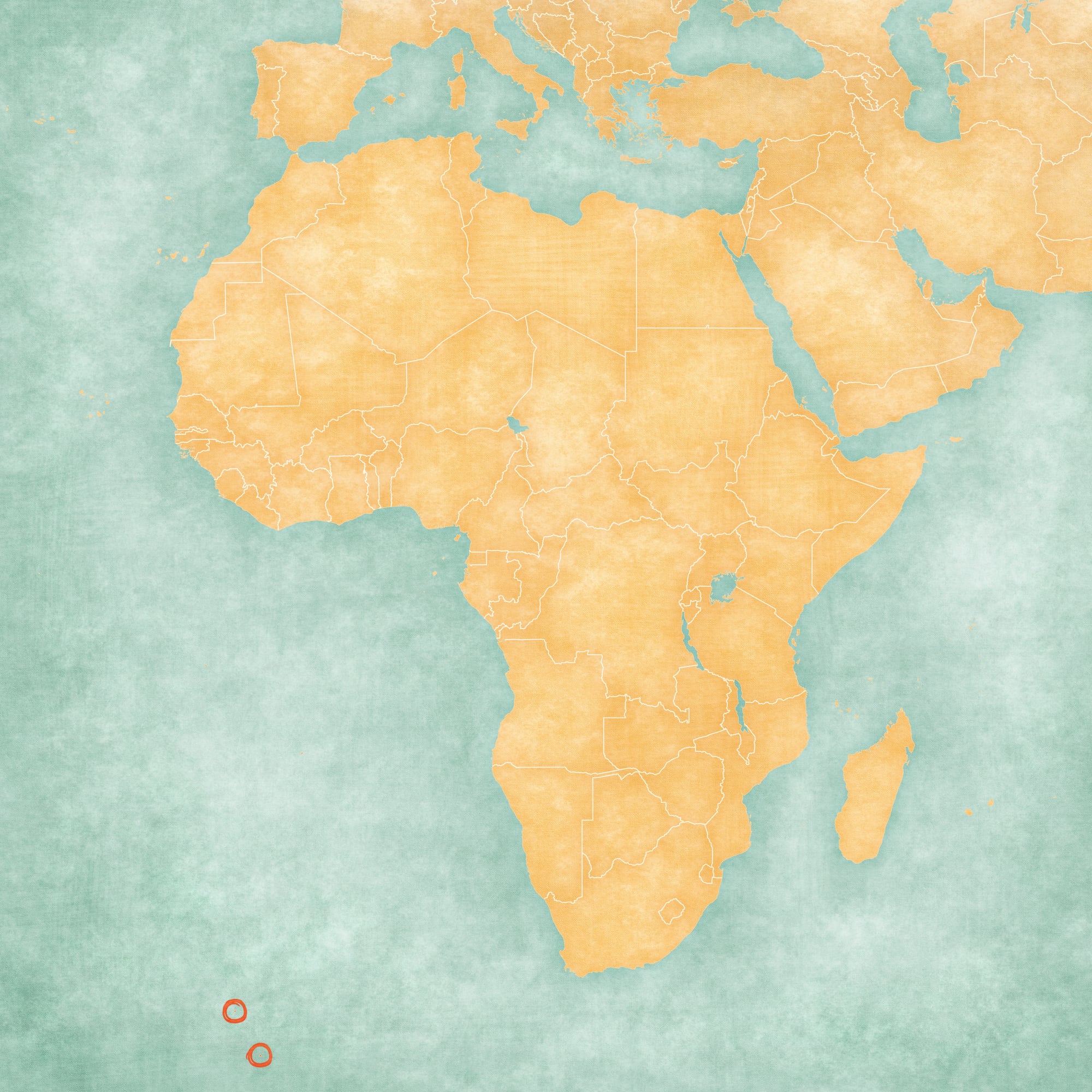
When you look at a map of the South Atlantic, you’ll find mostly blue. Then, if you zoom in enough, a tiny speck appears: Tristan da Cunha.
This British territory sits 1,750 miles from South Africa and 2,088 miles from South America. Only 236 people live there, all crammed into Edinburgh of the Seven Seas—the only settlement on the island.
Getting mail takes months. The island has no airport, so the only way in or out is by boat from South Africa, a journey that takes five to six days if the weather cooperates.
It often doesn’t. The island has one store, one cafe, and one police officer who rarely has much to do.
Everyone on Tristan shares one of seven surnames. The population descends from a small group of settlers who arrived in the 1800s, and they’ve kept their community tight ever since.
They earn their living from crawfish, which they export to Japan and the United States. When the island’s volcano erupted in 1961, the entire population evacuated to England, but most chose to return two years later.
This place had become home in a way that nowhere else could match.
Pitcairn Islands: Where Mutineers Made Their Stand
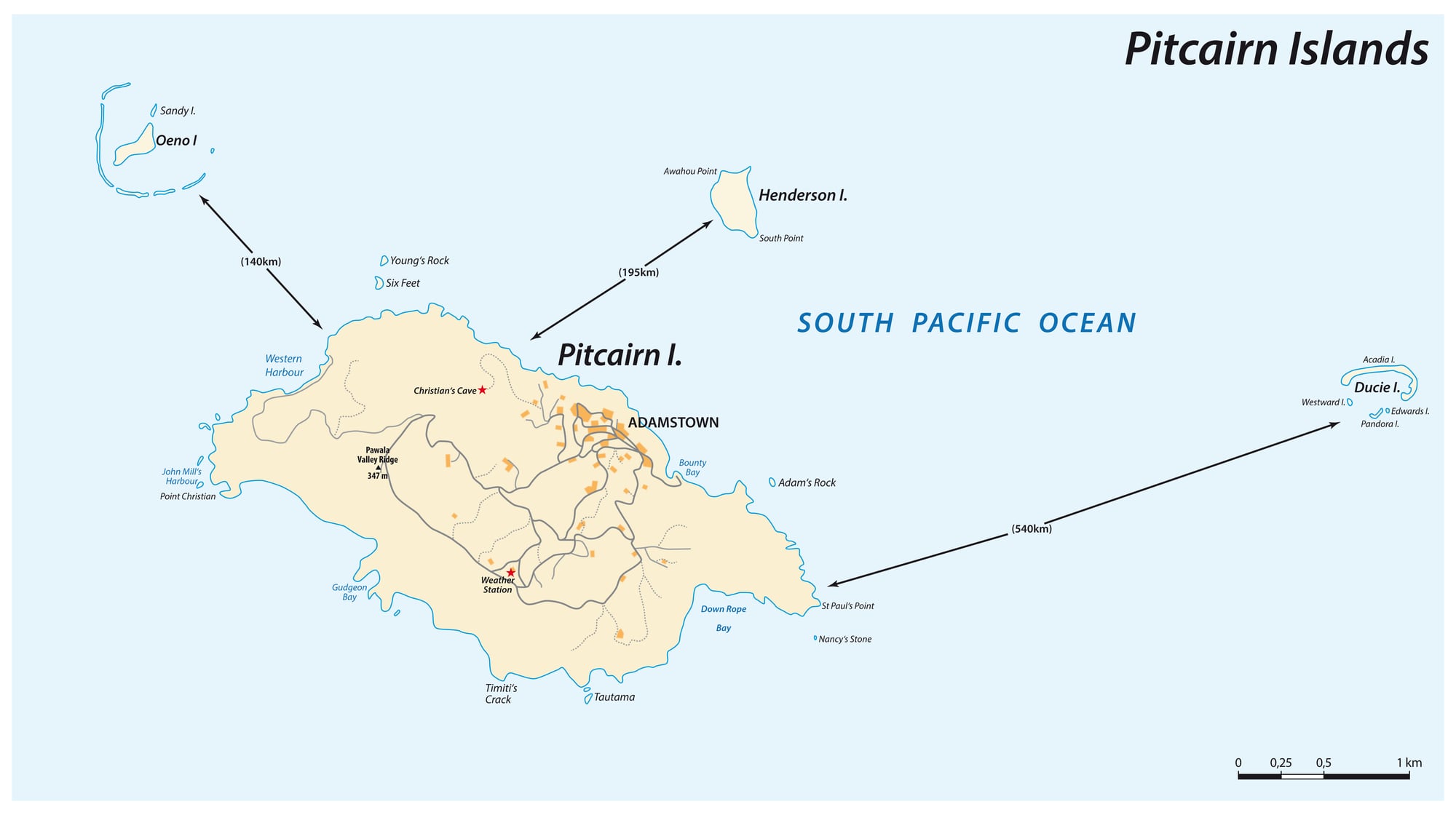
The Bounty mutiny of 1789 is famous, but what happened after matters more to the 47 people who live on Pitcairn Island today. Fletcher Christian and eight other mutineers sailed to this remote Pacific island with their Tahitian companions, burned their ship, and disappeared from the world.
For 18 years, no one knew where they’d gone. The island sits halfway between New Zealand and Peru, which means it’s close to absolutely nothing.
Supply ships arrive four times per year. The population peaked at 233 in 1937, but young people have been leaving for decades, and now the community struggles to survive.
Everyone on Pitcairn pulls their weight. The island needs teachers, medics, mechanics, and farmers, and with so few people, each person wears multiple hats.
They generate their own power, grow their own food, and fix their own equipment. When something breaks that they can’t repair, they wait months for the next supply ship to bring parts.
Bouvet Island: Too Remote Even for Settlement
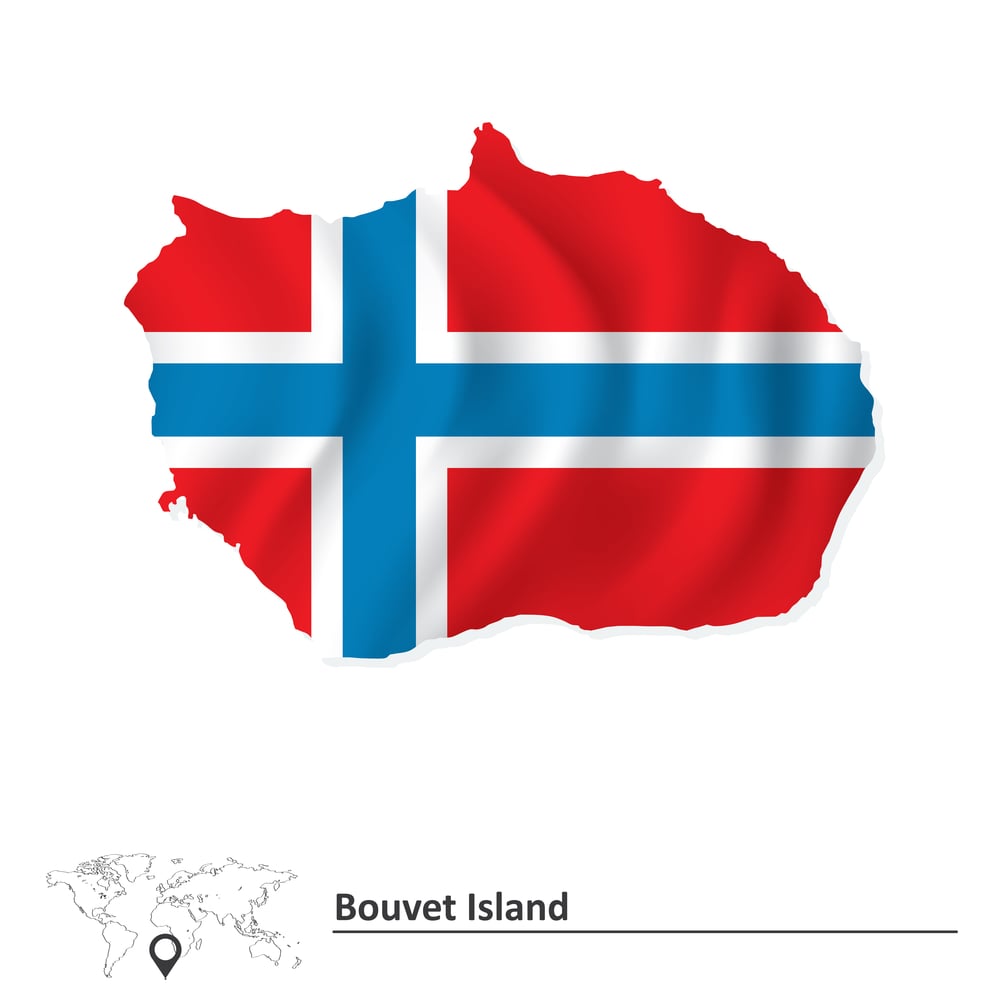
Some islands are so remote that nobody lives there at all. Bouvet Island, a Norwegian territory in the South Atlantic, holds the record as the most isolated landmass on Earth.
The nearest land is Antarctica, 1,000 miles away. The island is almost entirely covered in glaciers, and its cliffs rise straight from the ocean, making landing nearly impossible.
Norway claimed it in 1927, but you won’t find any residents. Scientists occasionally visit for research, but even they don’t stay long.
The island serves as a reminder that some places remain beyond our reach, no matter how far our technology takes us.
Easter Island: Isolation That Built Monuments
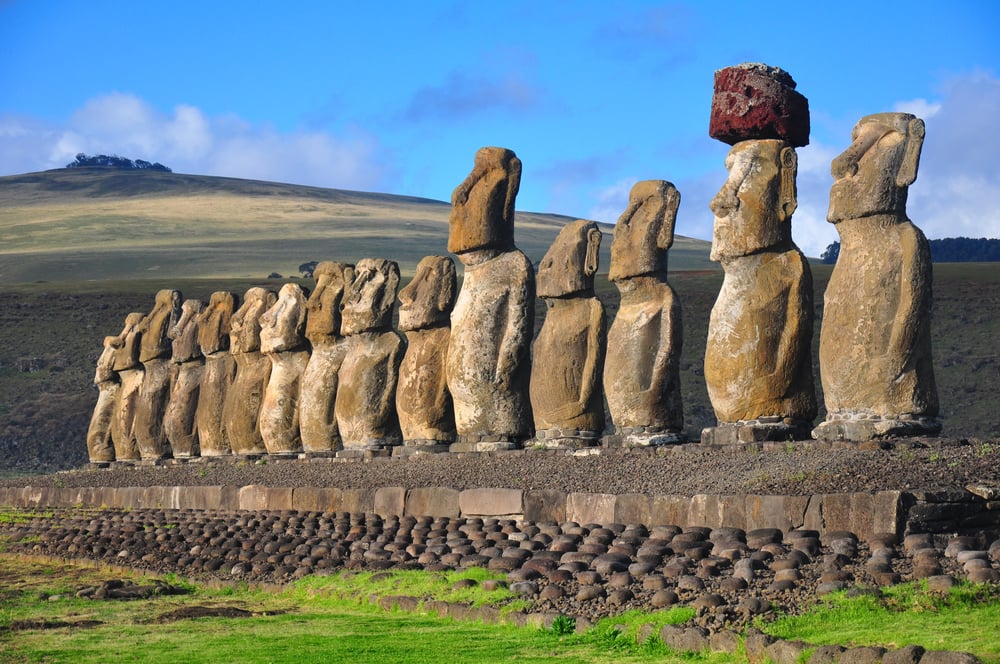
Easter Island sits 2,300 miles from Chile and 2,500 miles from Tahiti. This puts it in a category of its own for inhabited places.
The Rapa Nui people arrived here around 1200 AD, possibly the most daring voyage of colonization in human history. They found an island with no large mammals, limited resources, and no nearby neighbors.
What they did next still puzzles archaeologists. They carved nearly 1,000 giant stone heads, some weighing 80 tons, and moved them across the island using methods we still debate.
The population grew to around 15,000 before collapsing dramatically, possibly due to deforestation and resource depletion.
Today, about 8,000 people live on Easter Island, most of them in the town of Hanga Roa. Tourism keeps the economy running, but the island’s remoteness means that everything costs more and takes longer.
Fresh produce arrives by plane from Chile, and any serious medical emergency requires evacuation to the mainland.
St. Helena: Napoleon’s Prison Paradise
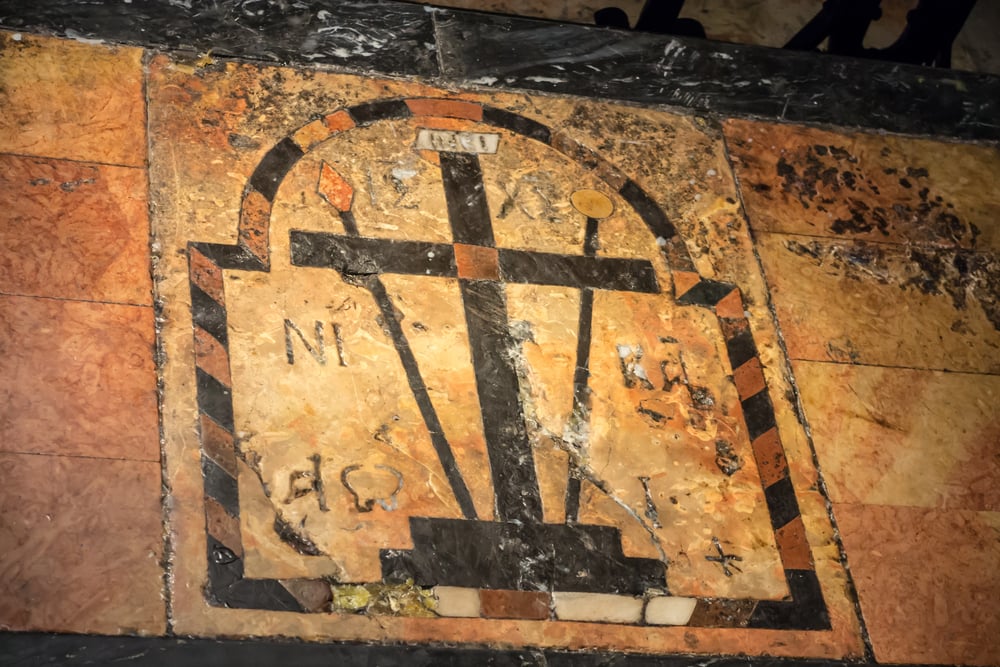
The British knew exactly what they were doing when they chose St. Helena as Napoleon’s final prison. This volcanic island in the South Atlantic sits 1,200 miles from Angola and 1,800 miles from Brazil.
Napoleon lived here from 1815 until his death in 1821, and the house where he stayed still draws visitors. About 4,500 people call St. Helena home today.
For centuries, the only way to reach the island was by boat—a five-day journey from South Africa. The island finally got an airport in 2016, but dangerous wind shear limits when planes can land.
Many flights get cancelled, and the boat remains the more reliable option. The island economy depends on British subsidies and a small amount of tourism.
Young people leave for opportunities elsewhere, and the population keeps shrinking. But those who stay love the place fiercely.
They talk about the sense of community, the natural beauty, and the peace that comes from being so far from everywhere else.
Socotra: The Alien Landscape
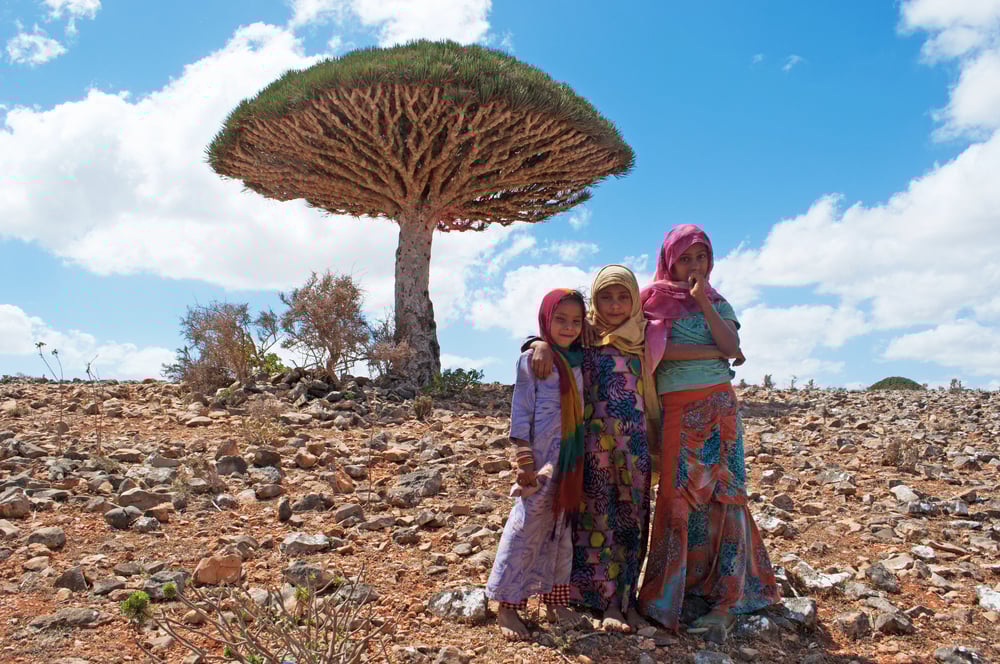
Socotra looks like it belongs on another planet. This Yemeni island in the Indian Ocean sits 240 miles from Somalia and 380 miles from Yemen.
One-third of its plant species exist nowhere else on Earth, including the famous dragon’s blood trees that look like upside-down umbrellas.
About 60,000 people live on Socotra, scattered across the island in small villages. They speak their own language—Soqotri—which has no written form.
For most of history, monsoon winds cut the island off from the outside world for months at a time, allowing a unique culture to develop in isolation.
Yemen’s ongoing conflict has made Socotra even more isolated. Flights are sporadic, and getting supplies has become harder.
The islanders continue their traditional ways of life—fishing, herding goats, and harvesting dates—while the rest of the world barely remembers they exist.
The Kerguelen Islands: France’s Antarctic Frontier
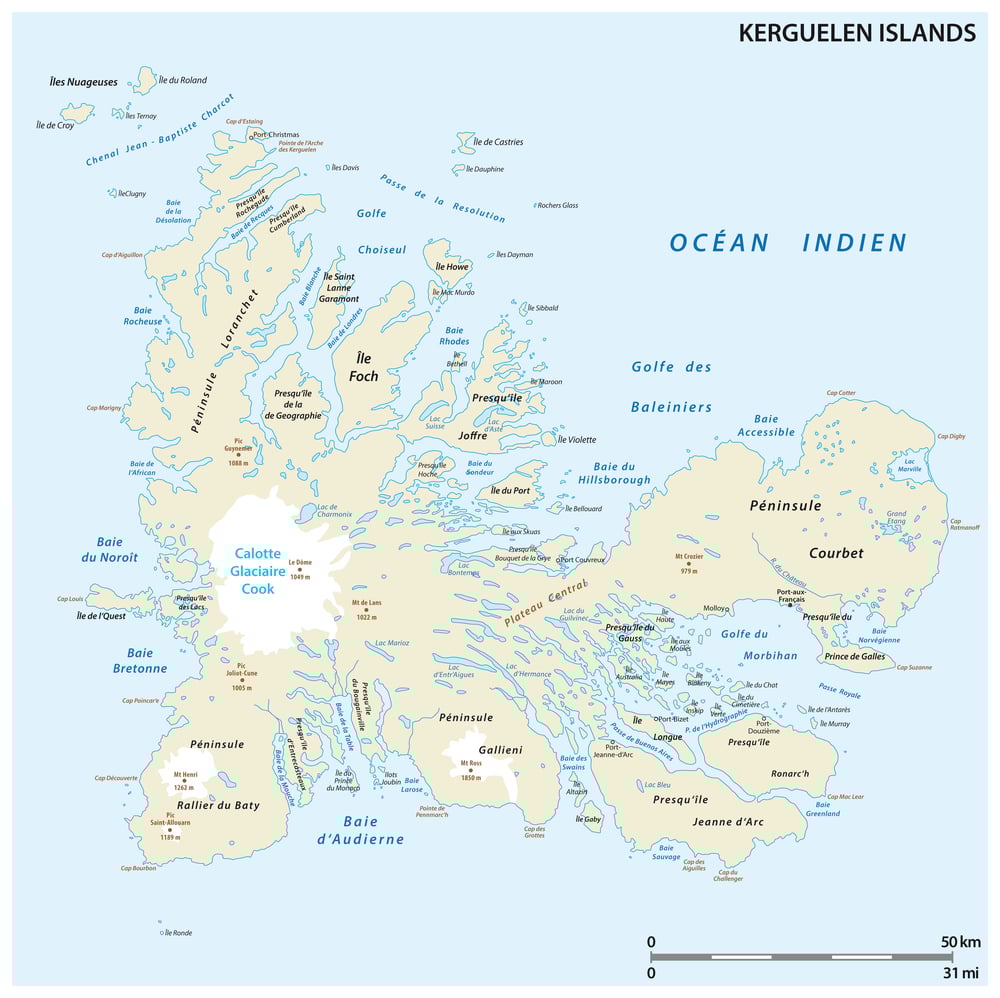
France maintains a research station on the Kerguelen Islands, a windswept archipelago in the southern Indian Ocean. The nearest inhabited place is Madagascar, 2,000 miles away.
No indigenous people ever lived here—the islands were uninhabited when French explorers found them in 1772. Today, between 50 and 100 scientists and support staff live at Port-aux-Français, the only settlement.
They rotate through on temporary assignments, studying everything from Antarctic seabirds to climate change. The islands are brutally cold, with temperatures rarely climbing above 50 degrees Fahrenheit even in summer.
Getting to Kerguelen takes planning. A supply ship leaves from Réunion Island four times per year, and the journey takes a week.
There are no commercial flights, no tourists, and no permanent residents in the traditional sense. But for scientists who want to study life at the edge of the habitable world, few places compare.
South Georgia: The Whaling Station That Time Forgot
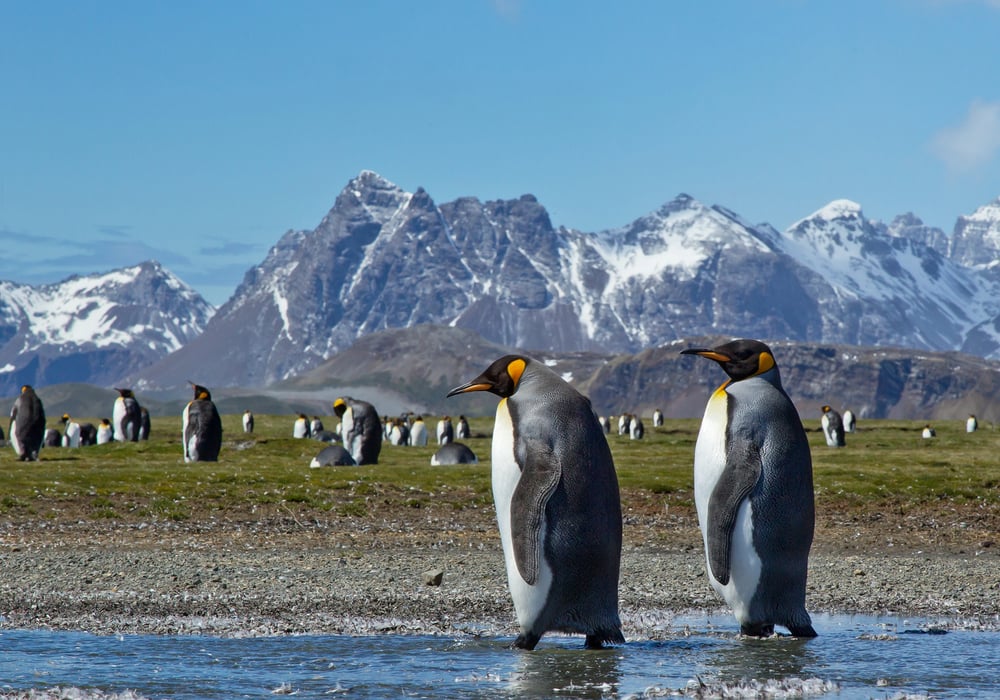
South Georgia sits in the South Atlantic, 800 miles southeast of the Falkland Islands. Ice-covered mountains dominate the landscape, and glaciers flow down to the sea.
During the early 1900s, several whaling stations operated here, employing hundreds of workers who hunted whales by the thousands. The whaling industry collapsed, and the stations were abandoned by the 1960s.
Today, no permanent residents live in South Georgia, but a small team of British government officers and scientists maintain a presence. They rotate through on temporary assignments, typically staying for the austral summer.
The island belongs to the seals, penguins, and seabirds now. King penguins crowd the beaches by the hundreds of thousands.
Elephant seals fight for territory. The rusting remains of the whaling stations serve as museums to a brutal industry that nearly drove several whale species to extinction.
Alert, Nunavut: The Northernmost Settlement
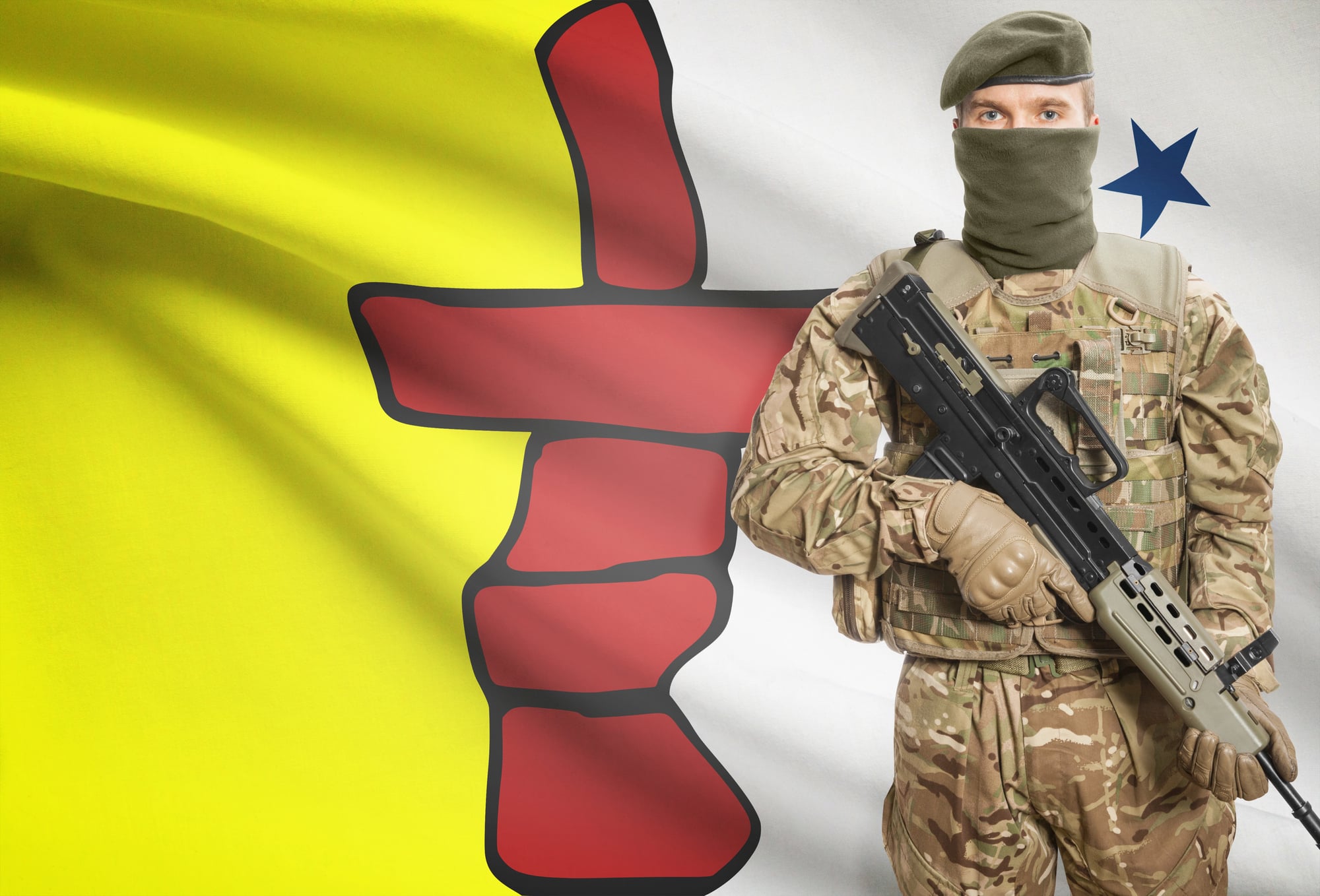
Alert isn’t an island, but it deserves mention for being the northernmost permanently inhabited place on Earth. This Canadian military base sits on Ellesmere Island, just 500 miles from the North Pole.
Temperatures drop to minus 40 degrees Fahrenheit regularly, and the sun doesn’t rise for four months during winter. About 60 military personnel and scientists staff the base at any given time, rotating through on temporary assignments.
Nobody raises families here. Nobody retires here. The base exists for weather monitoring, military operations, and research, and the people who work there count the days until they can leave.
Supply planes arrive when weather permits. The isolation is psychological as much as physical.
When you look north from Alert, there’s nothing but ice between you and the pole. When you look south, civilization is thousands of miles away.
The Azores: Europe’s Mid-Atlantic Outpost
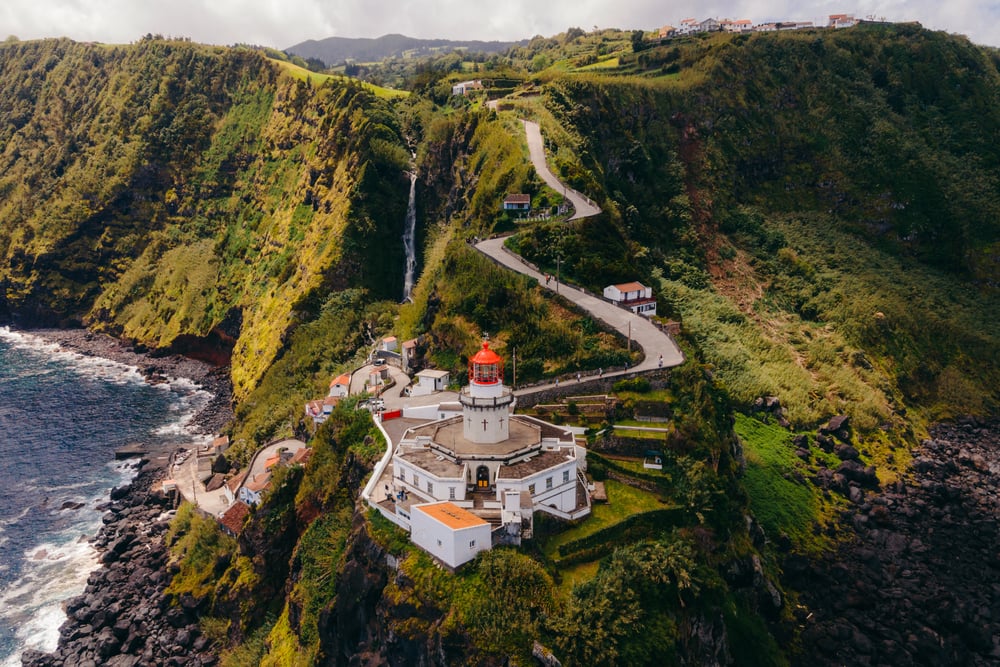
The Azores seem less remote than some islands on this list—about 240,000 people live there, spread across nine islands. But when Portuguese explorers first arrived in the 1400s, these volcanic islands sat in the middle of the Atlantic with no nearby land.
They were 900 miles from Portugal and 2,400 miles from North America. The islands became a crucial stopping point for ships crossing the Atlantic.
Sailors could resupply with fresh water and food before continuing their journeys. The Azorean people developed a culture influenced by mainland Portugal but shaped by their isolation and maritime traditions.
Today, modern transportation has shrunk the distance. You can fly from Lisbon to the Azores in about two hours.
But the islands still feel far from everywhere else. The weather changes constantly, storms blow in from the Atlantic, and the volcanic landscape reminds you that these islands emerged from the ocean floor through violent geological forces.
Gough Island: Where Science Comes First
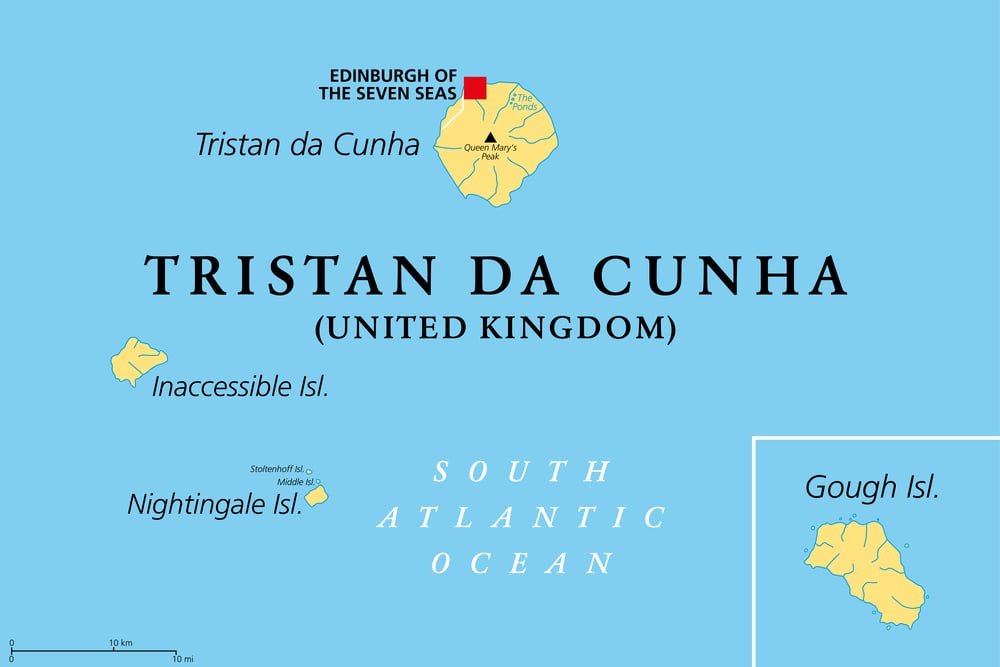
Gough Island, a British territory in the South Atlantic, has no permanent residents—just a small team of scientists who staff a weather station. They spend a year at a time on this remote volcanic island, 1,700 miles from South Africa.
The island is a UNESCO World Heritage site, home to seabirds and plants found nowhere else. The scientists live in a small cluster of buildings, conducting weather observations and studying the island’s unique ecosystem.
Supply ships arrive twice per year. When something breaks, they fix it themselves or wait months for replacement parts.
Internet connections are slow and unreliable. The isolation is profound.
But the work matters. Weather data from Gough Island helps meteorologists understand South Atlantic weather patterns.
Research on the island’s birds provides insights into how species adapt to isolation. The scientists who choose to spend a year here do so knowing they’re contributing to something larger than themselves.
The Falkland Islands: Sheep Farms at the End of the World
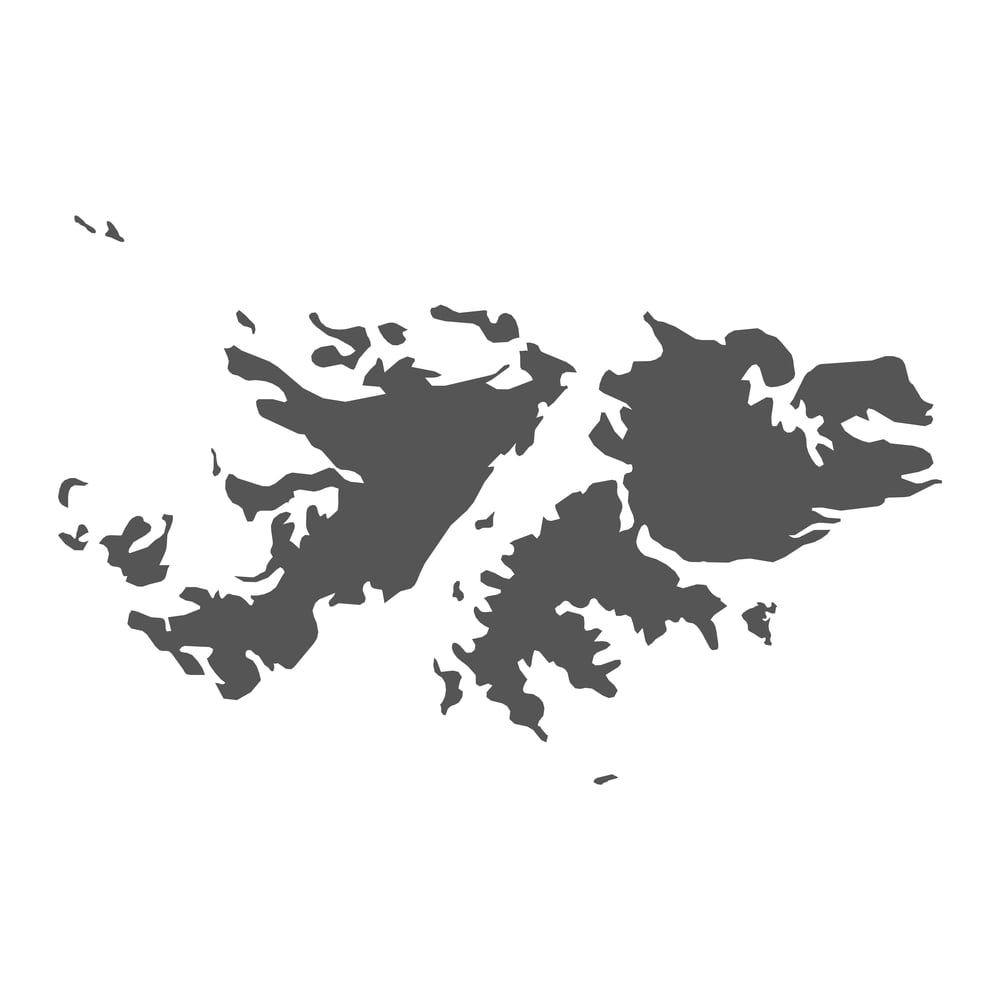
About 3,500 people live in the Falkland Islands, most of them in Stanley, the capital. The islands sit 300 miles off the coast of Argentina in the South Atlantic.
Beyond Stanley, the landscape consists of sheep farms, windswept hills, and colonies of penguins. The islands were at the center of a war in 1982 when Argentina invaded, claiming sovereignty.
Britain sent a military task force to retake them. The conflict lasted 74 days and left lasting scars.
Today, British military personnel still maintain a presence, and the relationship between the Falklands and Argentina remains tense. Life in the Falklands revolves around sheep farming, fishing, and increasingly, tourism.
Cruise ships visit during the summer months, bringing passengers who want to see penguins and experience life at the edge of the inhabited world. But when the tourists leave and winter arrives, the islands return to their natural state of isolation.
Antarctica: The Continent Where Nobody Belongs
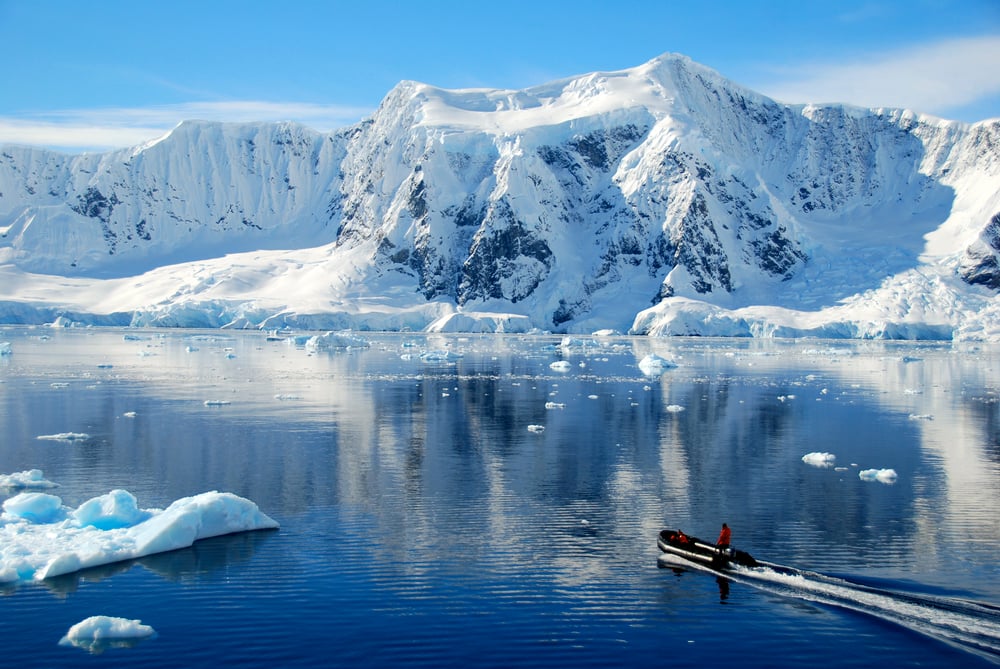
Antarctica isn’t an island, but thousands of people live there on research bases scattered across the continent. None of them are permanent residents.
They work on temporary contracts, typically spending one summer or winter season before rotating out. The largest base, McMurdo Station, houses about 1,000 people during summer and 250 during the harsh winter.
Living in Antarctica means accepting extraordinary isolation. You can’t just leave when you want to.
Planes can’t fly during winter storms, and ships can’t reach the continent when the sea freezes. Medical emergencies require evacuation, but sometimes evacuation isn’t possible for days or weeks.
The people who choose to work in Antarctica talk about the sense of purpose it provides. They’re contributing to climate science, biology, astronomy, and geology.
They’re part of an international scientific community that transcends national borders. And they’re living in one of the last truly wild places on Earth.
Where Distance Teaches What Matters
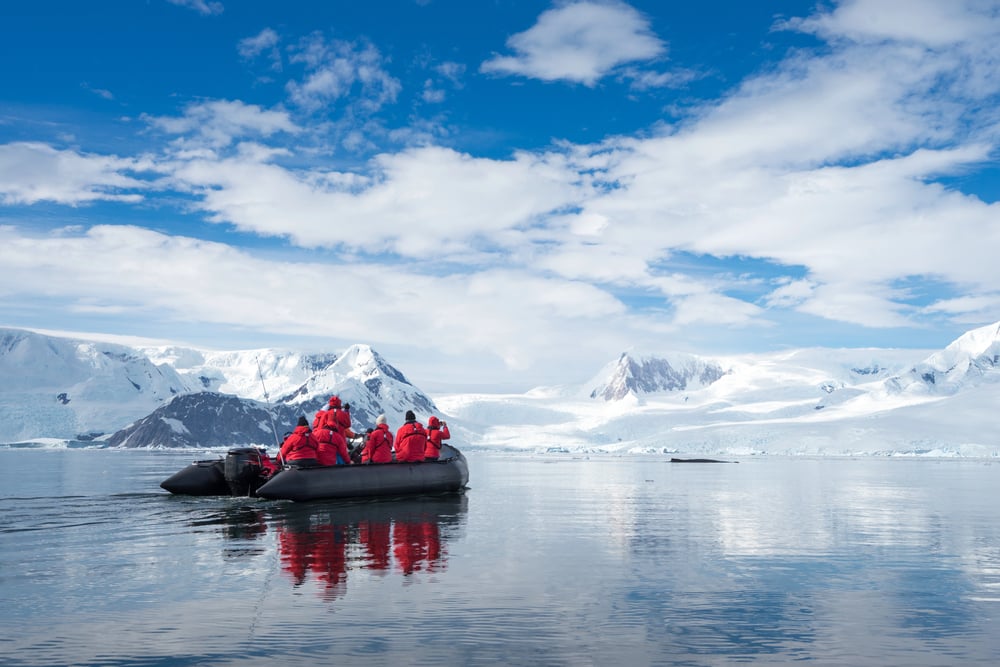
These islands and remote outposts share something beyond geography. The people who live there—whether permanently or temporarily—have all made peace with isolation.
They’ve learned to fix what breaks, to make do with what they have, and to rely on their neighbors in ways that most modern communities have forgotten.
Distance from the rest of the world doesn’t diminish these places. If anything, it concentrates what matters.
When you can’t drive to a store, you learn to plan ahead. When your neighbors are the only people around for a thousand miles, you learn to get along.
When nature surrounds you in its rawest form, you learn respect for forces larger than yourself. The world keeps shrinking as technology connects us, but these remote islands remain stubbornly far away.
They remind us that some distances can’t be eliminated, and perhaps shouldn’t be. They offer a glimpse into how humans adapt when stripped of conveniences we take for granted.
And they prove that people can build meaningful lives anywhere, even at the very edges of the map.
More from Go2Tutors!

- The Romanov Crown Jewels and Their Tragic Fate
- 13 Historical Mysteries That Science Still Can’t Solve
- Famous Hoaxes That Fooled the World for Years
- 15 Child Stars with Tragic Adult Lives
- 16 Famous Jewelry Pieces in History
Like Go2Tutors’s content? Follow us on MSN.



